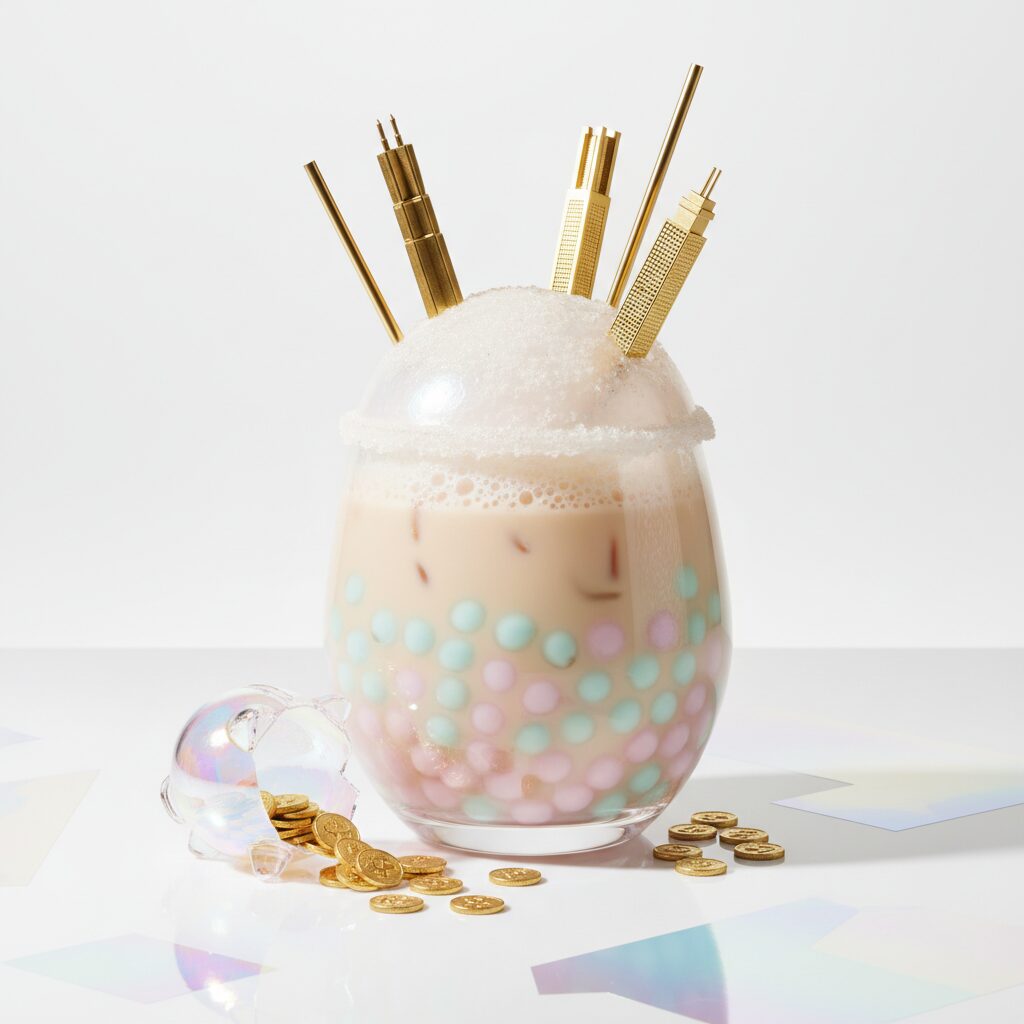
Yo, what’s up? Hiroshi here, your local guide to the stuff that actually matters in Japan. So, let’s talk. You’ve probably seen it all over your feed: these absolutely wild, next-level bubble tea creations coming out of Japan. We’re talking drinks in pastel pinks and dreamy blues, topped with clouds of cheese foam, served in lightbulb-shaped cups, all happening inside shops that look like a unicorn’s fever dream. And you might be thinking, ‘Hold up. I thought bubble tea was from Taiwan? Why did Japan take it and turn the volume up to, like, a thousand?’ That’s a legit question. For real. You see a drink, but what you’re really looking at is a full-blown cultural phenomenon, a social password, and a key piece of modern Japanese identity, all wrapped up in a plastic cup. This isn’t just about quenching your thirst. It’s a ritual. It’s a statement. It’s so big, we literally turned the main ingredient into a verb: ‘tapi-ru’ (タピる), which means ‘to go get tapioca tea.’ When an activity becomes its own verb, you know it’s serious business. This ain’t your average beverage trend. It’s a deep dive into the heart of what makes modern Japan tick: the obsession with aesthetics, the power of social media, and the relentless pursuit of ‘kawaii’ in every corner of life. So, buckle up. We’re about to decode why a simple Taiwanese drink got a glow-up so intense it basically redefined street culture for a generation. It’s more than just sugar and starch; it’s the taste of Tokyo right now.
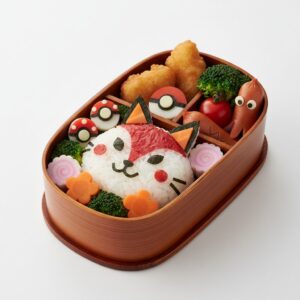
This relentless pursuit of ‘kawaii’ extends far beyond drinks, shaping everything from food to fashion, as seen in Japan’s obsession with character bento culture.
The ‘Third Wave’ Boom: It’s Not Just a Drink, It’s a Digital Identity
To truly grasp what’s going on, you need to realize that this isn’t Japan’s first encounter with tapioca. We’ve been through this twice before. The first craze happened in the 90s, with small, local shops offering a very simple version, usually tapioca pearls in coconut milk. It was a novelty—a quirky, textural snack that quickly faded away. Then, in the late 2000s, it returned with major Taiwanese chains entering the scene. This second wave was much larger. It introduced Japan to the classic milk tea formula and established a niche. But it remained just a drink. You might grab one, maybe share it with a friend, and that was the extent of it. It was background noise, not the star attraction. The ‘Third Wave,’ which began around 2017-2018, was an entirely different phenomenon—a cultural tsunami propelled by a single, powerful force: Instagram. The rise of smartphones and Instagram’s visual-first platform drastically changed how young Japanese people, especially women, engage with the world and with each other. Suddenly, life wasn’t just about experiences; it was about how you could frame, filter, and share them with your followers. This shift birthed a key piece of modern Japanese slang: ‘Insta-bae’ (インスタ映え).
The ‘Insta-bae’ Revolution: Consuming with Your Eyes
‘Insta-bae’ combines ‘Instagram’ and the verb ‘haeru’ (映える), meaning to shine, appear attractive, or stand out. Something described as ‘Insta-bae’ is literally ‘Instagram-worthy,’ possessing undeniable visual appeal ideal for sharing online. This idea became the ultimate standard of coolness. Food, travel spots, fashion, cafes—everything started being evaluated by its ‘Insta-bae’ potential. Tasting good wasn’t enough anymore; food had to look spectacular. A plain bowl of ramen? Basic. A bowl with a perfectly jammy egg, bright green onions, and a perfectly seared piece of char siu pork, all presented in a beautifully crafted ceramic bowl? That’s ‘Insta-bae.’ This change in consumer values created the perfect stage for bubble tea’s third wave. The drink is naturally visual—the distinctive black pearls, the swirl of milk and tea, the colorful layers possible. It was a blank canvas. Japanese entrepreneurs and brands recognized the chance not only to sell a drink but to offer a photogenic experience. The product wasn’t just the tea; it was the photo of the tea you would post. The drink became a tasty, edible prop for the main show: curating your online persona. That’s why third wave shops looked so different. They weren’t mere counters but carefully crafted sets. They knew customers came not just for a beverage but to create content. The transaction wasn’t complete until the picture was shared and the likes started coming. This is the crucial key to understanding the phenomenon. The bubble wasn’t in the tea—it was in the digital world, and the drink was simply the gateway.
Deconstructing the ‘Kawaii’ Aesthetic: A Masterclass in Visuals
When we describe these shops as ‘kawaii,’ it’s tempting to simply translate that as ‘cute’ and move on, but that’s far too reductive. In the context of the ‘Insta-bae’ bubble tea scene, ‘kawaii’ represents a complex, highly strategic design language. It’s not just about placing a cute character on a cup; it’s about creating an entire world for consumers to immerse themselves in, photograph, and share. It offers a form of escapism—a temporary departure from the routine of daily life, or ‘nichijou’ (日常), into a special, extraordinary world, or ‘hinichijou’ (非日常). What people are really paying for is this ‘hinichijou’ experience. Let’s examine the core elements of this deliberate cuteness.
The Shop as a Photo Studio: Pastel Palaces and Neon Dreams
The first thing that stands out is the interior design. These aren’t ordinary cafes meant for comfort and conversation; they function as photo studios in every respect. Every detail is optimized for smartphone photography. The color schemes are highly specific: lots of ‘Millennial Pink,’ soft lavenders, baby blues, and mint greens—shades known to pop on screens. Lighting is never harsh or direct but often soft and diffuse, or provided by strategically placed neon signs with catchy English phrases like ‘It’s time for tea’ or ‘A day without boba is a day wasted.’ Walls are seldom bare; instead, you’ll find a ‘photo wall’—a mural, floral arrangement, custom wallpaper, or neon logo designed specifically as a backdrop for photos. Even the furniture contributes to the aesthetic, with velvet chairs, heart-shaped tables, or even a ball pit tucked in a corner. While a ball pit isn’t practical for a drink shop, it’s undeniably ‘Insta-bae.’ The aim is to create an environment so visually captivating that customers feel compelled to take pictures. The shop supplies the set, lighting, and props, while customers serve as both models and photographers. It’s a symbiotic relationship wholly centered on generating social media content.
The Drink as a Work of Art: Beyond Black Pearls
Naturally, the drink itself must be as visually stunning as the setting. Third-wave bubble tea is a food styling masterpiece. While classic black pearl milk tea remains available, it is the more adventurous creations that capture attention and cameras. Innovation is off the charts. Cheese foam—a slightly salty, creamy topping—is poured over dark tea, providing a striking white layer along with a unique flavor contrast. Layered drinks are a genuine art form, with baristas carefully pouring combinations of fruit purees, condensed milk, tea, and butterfly pea flower tea (which changes color based on acidity) to create exquisite gradients resembling a sunset in a cup. Pearls have undergone a makeover, too—golden pearls, pink sakura-flavored pearls, and multicolored varieties are common. Toppings have expanded beyond pearls to include pudding, herbal jelly, panna cotta, and even tiny mochi balls. The cup completes the presentation. Clear plastic cups have become canvases for branding and design, with some shops offering uniquely shaped cups—hearts, bears, lightbulbs—that are instantly recognizable, while others use custom-printed logos or decorative sleeves that turn cups into status symbols. Every element, from the pearls’ color to the font on the cup, is carefully chosen for visual impact. While flavor matters, appearance is paramount; a drink that looks amazing but tastes just okay will outsell a delicious yet visually plain option. That’s the harsh reality of the ‘Insta-bae’ economy.
The Engine of Hype: ‘Gentei’ Culture and Seasonal FOMO
But how do these shops keep customers returning amid numerous competitors just a short walk away? The answer lies in one of Japan’s most potent marketing tools: ‘gentei’ (限定), or ‘limited edition.’ Japanese consumer culture thrives on the excitement of limited-time offers. Whether it’s a seasonal sakura latte from Starbucks or a regional KitKat flavor exclusive to Hokkaido, ‘gentei’ generates a sense of urgency and exclusivity. It triggers FOMO (Fear Of Missing Out), compelling customers to act quickly before the item disappears. Bubble tea shops have mastered this strategy, releasing new ‘gentei’ menus each season. Spring brings sakura strawberry milk tea with pink mochi; summer focuses on tropical fruits like mango and passionfruit with coconut jelly; autumn features flavors such as chestnut (maron), sweet potato (satsumaimo), and roasted green tea (hojicha); winter offers indulgent chocolate or strawberry shortcake-inspired drinks for Christmas. These limited releases aren’t just new flavors—they’re cultural events aligned with Japan’s deep appreciation for seasonal change. Posting a photo of the latest sakura boba signals, ‘I am experiencing spring now. I am current. I’m in the know.’ This constant content refresh keeps followers engaged; if they saw your mango boba in August, they need to see your mont blanc chestnut boba in October. This relentless cycle of ‘gentei’ products maintains brand relevance and ensures a steady influx of customers eager to capture and share the freshest, most exclusive drinks before they vanish.
The Social Ritual of ‘Tapi-ru’: More Than Just a Beverage Break
Grasping the visuals is one aspect, but to truly understand the boba boom, you need to appreciate its role as both a social lubricant and a means of identity-building. The practice of ‘tapi-ru’ emerged as a central social ritual for a whole generation of young Japanese people. It’s the 21st-century counterpart to hanging out at the mall or grabbing a slice of pizza after school. This activity offers a focus, a destination, and a social framework for interaction. For teenagers, it’s an ideal after-school pastime: affordable enough to be a casual treat, yet special enough to feel like an event. You don’t simply ‘grab a boba.’ You participate in ‘tapi-katsu’ (タピ活), or ‘tapioca activities,’ which involves researching the latest shops, choosing where to go with friends, and planning the outing. The process is just as important as the drink itself.
The Queue as Part of the Experience
One thing that often confuses visitors to Japan is seeing people waiting in enormous lines, sometimes over an hour, just for a drink. From an outsider’s point of view, it seems irrational. Is any drink truly worth waiting that long? But within the context of ‘tapi-katsu,’ the queue is part of the experience. It builds anticipation and validates your choice—if the line is long, the place must be good, right? It also acts as a filter: only the most dedicated will wait, making the drink feel like a well-earned reward. You’ve earned it. Moreover, the line serves as a social space. It’s a chance to chat with friends, scroll through social media, and observe others. It’s a collective experience that fosters connection. When you finally get your drink, its value is heightened by the effort you’ve invested. Sharing a photo isn’t just showing off a drink; it’s showcasing the culmination of your ‘tapi-katsu’ journey and proof of your commitment to the trend.
The Drink as a Fashion Accessory
This is a crucial point. At the height of the trend, the brand of bubble tea you carried was as significant as the handbag you owned. It was a status symbol. Holding a cup from The Alley, with its iconic deer logo, or Gong Cha, or Alfred Tea Room conveyed a specific message: you were cool, trendy, and had good taste. The cup became an essential part of one’s ‘lewk’ for the day. Girls posed for full-body outfit photos, making sure the boba cup was prominently featured as a prop completing the aesthetic. The cup’s design—the logo, font, and shape—was therefore vitally important to brands. A plain, uninspired cup wouldn’t get shared, no matter how good the tea was. The cup acted as the brand’s ambassador on the streets of Harajuku and Shibuya, its design effectively a uniform. This transformed the simple act of walking down the street with a drink into a form of passive marketing and personal branding simultaneously.
The Photoshoot Ritual
Let’s be clear: the drink is for the camera first, and your mouth second. Once the cup is in hand, a defined ritual begins. First, you take a photo of just the cup, held against an interesting background. It might be the shop’s designated ‘photo wall’ or the lively street outside. The angle is crucial—you want to capture the layers, the logo, and the overall vibe. Then comes the photo with you in it, taking a series of poses: holding the cup near your face (a trick to make your face look smaller), extending it in front of you, or incorporating it into a candid, laughing shot with friends. This process can take surprisingly long. The ice may melt, and condensation might form on the cup, but securing the perfect shot for the ‘gram takes precedence. Only after the photoshoot is complete does the bubble tea get drunk. To outsiders, this might seem overly performative or even narcissistic. Yet, within the cultural context, it’s a completely normal, expected part of the experience. It’s less about vanity and more about taking part in a shared cultural ritual. You’re creating and sharing memories, and in the 21st century, the primary way to do that is through a well-crafted digital image.
Case Studies: Reading the Culture Through the Cup
Rather than simply listing the “best” spots, let’s explore a few key players and examine what they signify within the broader cultural narrative. Each of these brands established a distinct niche within the “Insta-bae” ecosystem by identifying and catering to specific subgroups of Japanese youth culture. They’re not just selling tea; they’re selling an identity.
Alfred Tea Room: The Quintessence of Millennial Pink ‘Oshare’ Kawaii
Originating from Los Angeles, Alfred Tea Room was arguably one of the most influential in shaping the “Insta-bae” boba aesthetic in Japan. Their brilliance lay in their unwavering dedication to a single color: Millennial Pink. The flagship Aoyama store is a sea of pink — from walls and tiles to counters and neon signs proclaiming “Tea, yes. You, maybe.” It was a visual spectacle. Alfred’s recognized that in the Instagram era, a store’s interior is its greatest marketing asset. They crafted a photogenic space that became a destination in its own right, attracting visitors who came primarily to take pictures. Their drinks extended this branding, with the signature strawberry milk tea—a vibrant pink beverage perfectly matching the decor—and even regular milk tea served with bright pink boba. Alfred’s targeted a somewhat older, fashion-savvy crowd. The vibe wasn’t childish cute; it was “oshare” (おしゃれ)—stylish, chic, and sophisticated. It was a venue where models and influencers would post from. By promoting a cohesive, high-fashion aesthetic, Alfred Tea Room established the notion that a bubble tea shop could be a bona fide style destination, comparable to a boutique clothing store. It set a high standard for visual branding, showing that a powerful, consistent aesthetic could outweigh the product itself.
Shin-Anju (辰杏珠): The Gateway to ‘Yume-Kawaii’ Fantasy
While Alfred Tea Room embodied chic, fashionable kawaii, Shin-Anju represents a more ethereal subgenre: “yume-kawaii” (夢かわいい), or “dreamy cute.” This style centers on fantasy, magic, and escapism with motifs like unicorns, stars, moons, and pastel rainbows. Shin-Anju fully embraces this aesthetic. Their tagline promises “the best tapioca in the world for you,” presented with a magical, almost celestial atmosphere. Their interiors favor dreamy blues, purples, and whites over bright pinks, featuring crescent moon seating, cloud-painted walls, and soft, fairy-like lighting. It feels like stepping out of Harajuku into a fairytale realm. Their drinks reflect this theme, often adorned with toppings resembling stardust or served in dreamy gradient hues. Shin-Anju’s success highlights the diversity within kawaii culture. They cater to a niche drawn to fantasy and escape from reality. For this audience, “tapi-ru” is less about fashion and more about indulging in a moment of magical self-care. The shop offers a temporary sanctuary from daily pressures where customers can live out a small, sweet fantasy—and naturally, share it with their followers.
The Alley Lujiaoxiang (鹿角巷): The ‘Aesthetic yet Serious’ Competitor
Taiwanese chain The Alley took a different approach. While visually appealing, with their signature deer logo, rustic-chic wood and moss décor, and moody lighting, their branding strongly emphasizes tea quality and craftsmanship. This was a savvy strategy. They attracted customers who wanted the “Insta-bae” look but also genuinely good tea. The Alley’s slogan, “It’s time for tea,” positions them as serious tea artisans, not just a trendy dessert spot. Their signature drinks, like the “Aurora” series, are visual masterpieces—layered fruit teas in beautiful glass bottles with color gradients resembling the Northern Lights, designed to be highly photogenic. At the same time, the brand highlights handcrafted “deerioca” pearls and premium tea leaves. This dual strategy of blending high-end aesthetics with a quality narrative allowed The Alley to dominate a large market segment. They became the go-to destination for those who wanted both visual flair and refined taste. Carrying The Alley’s cup signaled discerning taste in both style and flavor.
Sora Bottle: The Novelty and Absurdity Extreme
Then there are the wildcards—shops that pushed the “Insta-bae” idea to its most extreme and, arguably, absurd conclusion. Stores like Sora Bottle, popular in trendy districts, gained fame less for their tea and more for their containers. Their signature gimmick was serving bubble tea in clear, lightbulb-shaped bottles. Completely impractical—you couldn’t easily reseal them, and they were awkward to hold—but incredibly distinctive and photogenic. This represents the peak of the trend, where the visual novelty entirely eclipsed the product itself. People queued and paid premium prices not for bubble tea but for the chance to post a photo with a lightbulb bottle on Instagram. Other shops followed with novelty containers shaped like bears, IV bags, or camera lenses. This trend underscores the relentless demand for novelty in the “Insta-bae” world. Once everyone has posted the usual cup shots, something new and different is needed to stand out. In many cases, the tea’s flavor was an afterthought. The whole point was the viral potential of the container. It’s a fascinating—and slightly cynical—example of how social media can distort a product’s fundamental purpose.
The Bubble Bursts? Backlash, Fatigue, and the Future
No trend, regardless of its magnitude, can sustain peak intensity indefinitely. Around 2020, Japan’s bubble tea boom began to show signs of maturing, bringing with it some inevitable backlash and fresh challenges. The very qualities that drove its popularity—widespread presence and emphasis on disposable aesthetics—also became its greatest vulnerabilities. The initial euphoric craze gradually gave way to a more complex reality.
‘Tapi-katsu’ Fatigue and Market Saturation
For a couple of years, it seemed like a new bubble tea shop opened daily in major cities, leading to an extremely saturated market. With so many choices available, the novelty began to fade. Consumers grew more discerning, but also somewhat fatigued. ‘Tapi-katsu fatigue’ took hold. The constant pressure to discover and share the latest drink became tiring for some. Additionally, as the trend went mainstream, it lost some of its appeal among early adopters. When even your parents start asking about bubble tea, it’s a clear sign the trend has peaked. Many smaller, gimmick-driven shops that couldn’t compete on quality shut down. Though the boom wasn’t over, it was certainly consolidating, leaving dominant chains and genuinely high-quality artisanal shops to prevail.
The ‘Tapioca Trash’ Problem: An Environmental Reckoning
The most significant backlash was environmental. The ‘Insta-bae’ surge relied heavily on single-use plastics. Every bubble tea came in a plastic cup, sealed with a plastic film, and included a thick plastic straw. In Japan’s famously clean environment, the sudden surge of ‘tapioca trash’ quickly became a glaring issue. Trendy areas like Harajuku and Shibuya saw overflowing public trash bins filled with empty boba cups. People often finished their drinks but had no proper disposal options, resulting in littering. This ‘tapioca gomi mondai’ (タピオカゴミ問題), or ‘tapioca trash problem,’ became a widely discussed topic in the media, sparking public debate about waste and sustainability. As a result, shops began to take measures: some installed dedicated trash bins, others offered discounts for reusable cups or switched to more eco-friendly materials. Around the same time, the government introduced charges for plastic bags, raising public awareness about plastic waste. This environmental reckoning forced the industry to face the darker side of its picture-perfect product, signaling that consumers now expected more than just an attractive image from brands.
Beyond the ‘Bae’: A New Focus on Authenticity and Quality
As things settled down, a new trend arose: a move toward authenticity. While ‘Insta-bae’ kawaii shops remain popular, there is growing appreciation for more authentic Taiwanese tea houses. These establishments emphasize ingredient quality over pink walls and flashy décor. They highlight the origin of their tea leaves, brewing techniques, and traditional pearl-making methods. Their aesthetic tends to be more minimalist and refined. This reflects a maturing Japanese consumer base. The third wave introduced bubble tea to the masses, and now many in that audience are evolving. After growing tired of gimmicks and sugary dessert drinks, they seek genuinely high-quality tea. This is a natural progression. The ‘Insta-bae’ craze served as a gateway, and now the culture is diversifying. You can still find extravagant kawaii creations, but also carefully brewed oolong milk teas with freshly made, perfectly chewy boba. The market has grown large enough to support both.
So, Why Is It All Like This? The Final Sip
Let’s bring it all together. When you see a cup of hyper-kawaii Japanese bubble tea, you’re not simply looking at a beverage. You’re witnessing a perfect storm, a cultural crossroads where several powerful forces in modern Japan intersect. First, there is a deep-rooted cultural appreciation for aesthetics, presentation, and packaging. Japan has always valued the appearance of something as much as its function, from the art of flower arranging (ikebana) to the meticulous presentation of a bento box. This created fertile ground. Second, the rise of visual social media gave birth to the ‘Insta-bae’ economy, a new value system that rewards photogenic appeal above all else, transforming cafes into photo studios and food into content. Third, the marketing strength of ‘gentei’ (limited editions) keeps consumers caught up in a cycle of hype and endless novelty. Fourth, bubble tea serves as a social tool, an affordable luxury that offers a framework for social interaction and a prop for personal branding among young people—a way to express identity and signal one’s place in the cultural hierarchy. Combine all these elements, and you have the Japanese bubble tea boom. It was never truly about the tea itself. It was about crafting and sharing a specific, idealized version of yourself and your life—a way to participate in a massive, nationwide cultural movement. So yes, it may seem a bit strange and over-the-top from an outsider’s perspective. But once you grasp the cultural software driving it—the obsession with visual perfection, the dynamics of social media, and the enduring pursuit of all things kawaii—it begins to make a peculiar kind of sense. It’s a whole vibe, for sure. And it reveals more about modern Japan than any history book ever could.