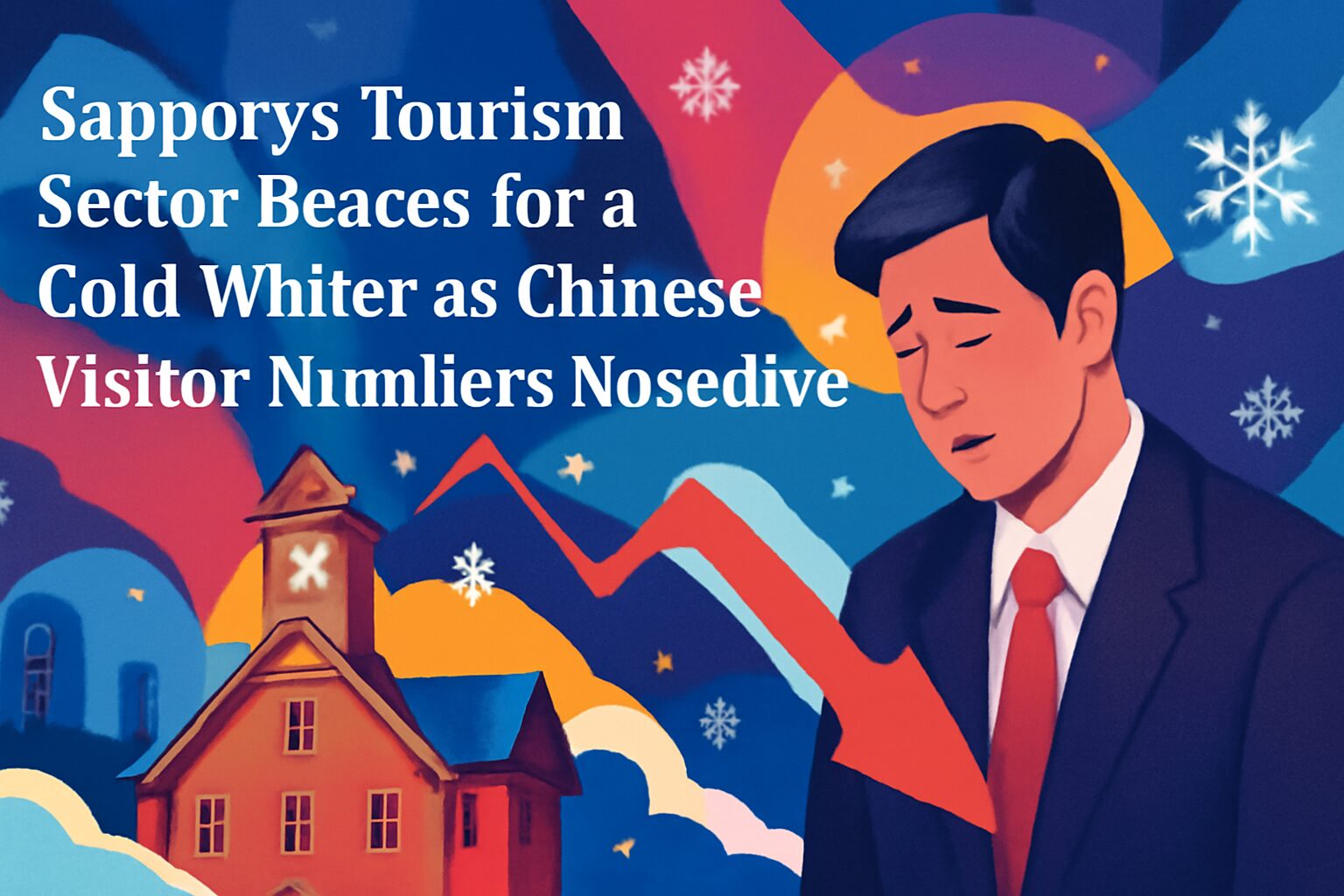
Sapporo, the capital of Hokkaido and a world-renowned winter destination, is facing a significant economic challenge as a steep decline in tourists from China sends a chill through its vibrant travel industry. With the city’s iconic Sapporo Snow Festival and the Lunar New Year holidays on the horizon, local businesses are growing increasingly concerned about the financial impact of this sudden downturn, which is rooted in ongoing political tensions between Tokyo and Beijing.
The Political Context and Its Ripple Effects
The primary catalyst for this decline is the strained diplomatic relationship between Japan and China, which escalated following Japan’s decision to release treated radioactive water from the Fukushima Daiichi nuclear power plant into the Pacific Ocean, which began in August 2023. The move prompted a strong backlash from Beijing, including a blanket ban on Japanese seafood imports and heightened anti-Japanese sentiment, which has discouraged many potential Chinese travelers from visiting.
This political friction has directly translated into economic pain for Hokkaido’s tourism sector, which has long relied heavily on the Chinese market. Before the COVID-19 pandemic, Chinese visitors were a cornerstone of the region’s international tourism. For instance, in fiscal year 2018, tourists from mainland China accounted for 25.3% of all international guest nights in Hokkaido, making them the largest single source of foreign visitors. Their spending power was a critical driver for local hotels, restaurants, and retailers.
A Sobering Reality for Local Businesses
The impact is no longer theoretical. A recent survey conducted by a local industry association in Sapporo painted a stark picture of the current situation. The survey revealed that approximately 30% of hotels and inns in the city have already been negatively affected by cancellations and a slowdown in bookings from China.
This drop is particularly damaging as it comes just before the peak winter season. The period from January to February, which includes the world-famous Sapporo Snow Festival and the Lunar New Year—a major travel holiday in China—is typically the most profitable time of the year. Businesses that had anticipated a strong post-pandemic recovery are now forced to readjust their forecasts and strategies in the face of empty rooms and dwindling reservations.
A Wake-Up Call for a More Resilient Strategy
This downturn serves as a critical wake-up call, exposing the vulnerabilities of relying too heavily on a single international market. The current situation highlights how quickly geopolitical events can disrupt travel patterns and impact local economies.
In response, there is a growing consensus among tourism officials and business owners in Sapporo that a strategic shift is necessary. The immediate challenge is to mitigate the losses from the upcoming peak season, but the long-term goal is to build a more resilient and diversified tourism industry.
The Path Forward: Diversifying Source Markets
The key to future stability lies in diversification. The industry is now accelerating efforts to attract visitors from other markets, including:
- Southeast Asia: Countries like Thailand, Singapore, Malaysia, and the Philippines are seen as promising growth markets, with many travelers drawn to Hokkaido’s snow and natural beauty.
- Taiwan and Hong Kong: These have traditionally been strong and stable markets for Hokkaido, and renewed promotional efforts are being directed their way.
- Western Markets: Attracting more tourists from North America, Europe, and Australia is also a key focus, especially targeting those interested in ski resorts, nature, and unique cultural experiences.
While the absence of a large segment of Chinese tourists will undoubtedly be felt this winter, the crisis is forcing Sapporo to innovate and broaden its appeal. By cultivating a more diverse portfolio of international visitors, the city’s tourism industry aims to build a stronger foundation that is less susceptible to the political winds of a single relationship, ensuring its long-term economic health and stability.