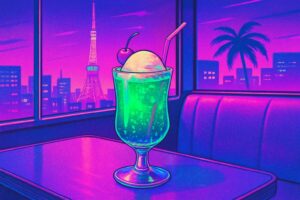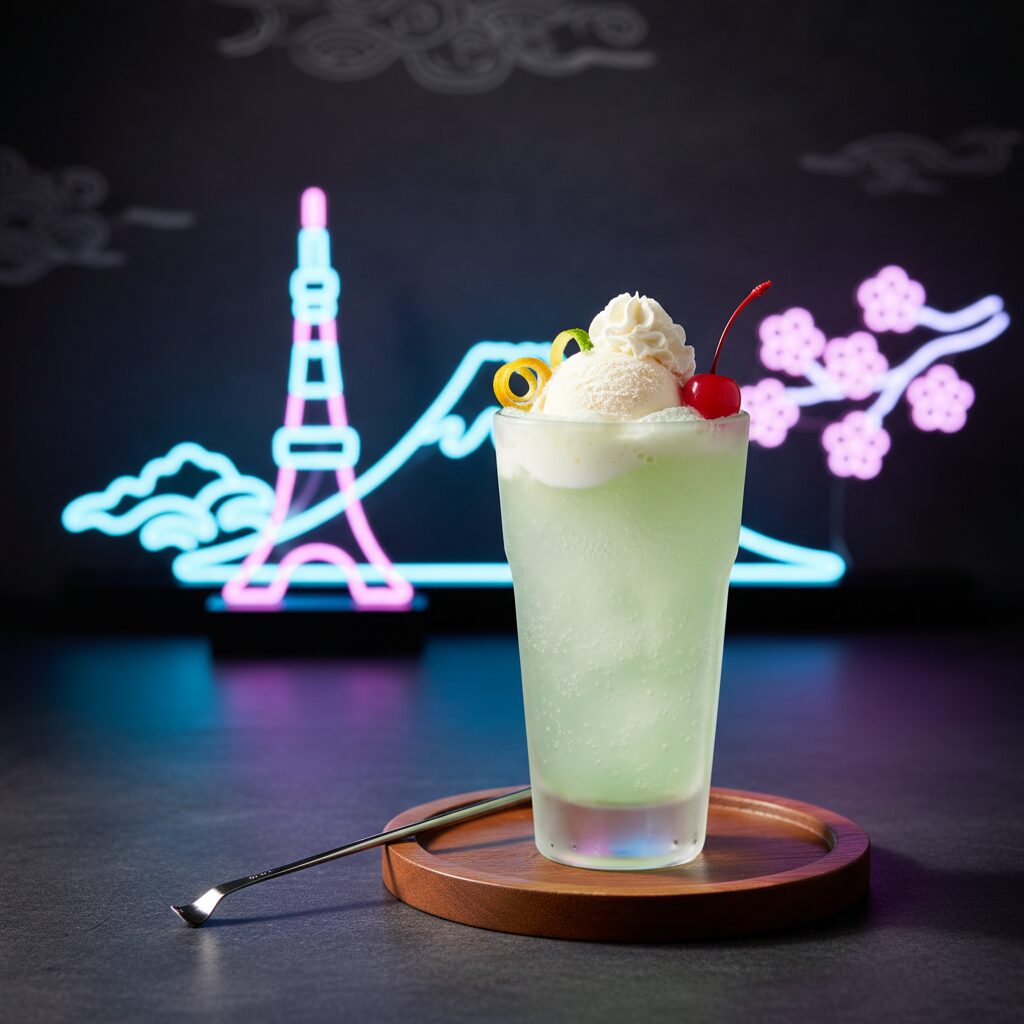
Yo, let’s talk about something you’ve probably seen scrolling through your feed. A glass, tall and elegant, filled with a liquid so vibrantly, almost unnaturally green, it practically glows. Floating on top, a perfect, pristine scoop of vanilla ice cream, like a cloud that got snagged on its way through the sky. And perched on that cloud, a single, impossibly red maraschino cherry. This is the Japanese cream soda. And your first thought is probably, “Okay, that looks lit, but what’s the deal? Is it just sugar water for the ‘gram?” It’s a fair question. From the outside looking in, Japan can feel like a series of fascinating but confusing aesthetics. You see the pictures, you see the trends, but the why behind it all can feel just out of reach. Why does a simple drink get this much love? Why do people line up for it? Is it actually good, or is it all for show? The short answer? It’s complicated. The long answer is that this drink isn’t just a drink. It’s a time machine in a glass, a liquid manifestation of a cultural obsession with a bygone era. It’s a key to understanding the heart of Japan’s cafe culture, a world known as the kissaten. To get it, you can’t just taste it; you have to understand the entire universe it lives in. Forget your basic travel guide list of “Top 5 Cream Sodas.” We’re going deeper. We’re on a quest to decode the vibe, to understand why this fizzy, sweet concoction holds such a special place in the heart of Tokyo. This is your guide to not just finding the most photogenic cream soda, but to getting why it even exists in the first place.
To truly appreciate this drink, you need to experience the unique atmosphere of a traditional kissaten.
The OG Vibe: What’s a ‘Kissaten’ Anyway?
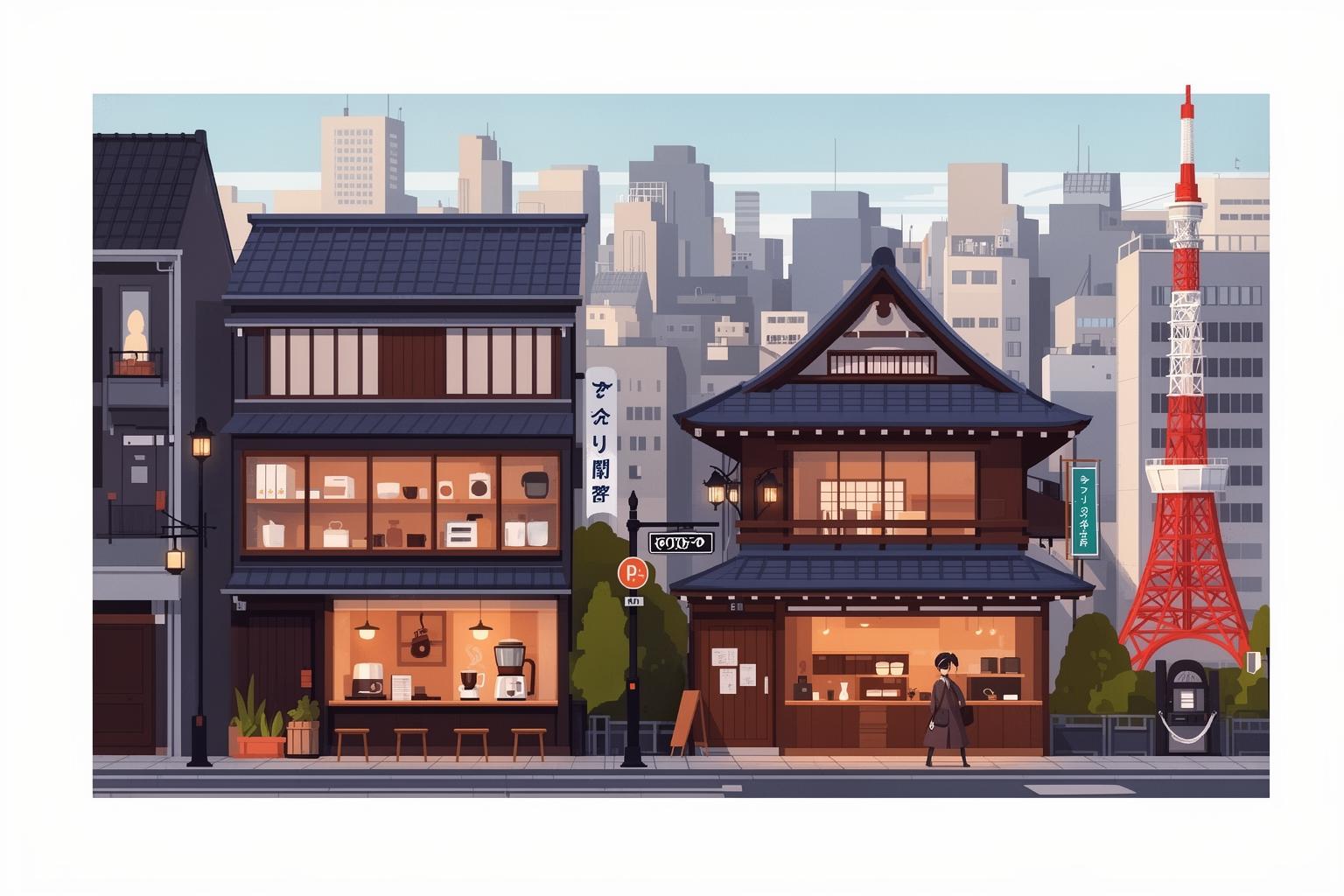
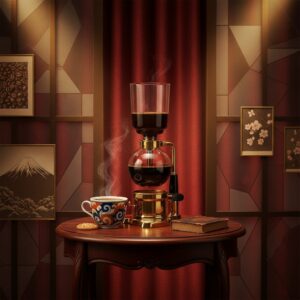
Before we even begin discussing the cream soda, we need to consider its natural setting: the kissaten (喫茶店). Literally translated, it means “tea-drinking shop,” but that’s like calling a cathedral a “large room for singing”—it completely misses the essence. A kissaten is not a Starbucks. It’s not a busy, laptop-friendly workspace filled with lively pop music. A kissaten is a time capsule, a gateway to a different Japan, specifically the Showa era, which lasted from 1926 to 1989. Step inside one, and you’ll understand what I mean. The atmosphere feels distinct—denser, quieter, often carrying the lingering scent of countless cigarettes from decades ago, even if it’s strictly non-smoking now. The lighting is soft and warm, filtered through amber-colored lamps or ornate, sometimes even gaudy chandeliers. The furniture is substantial and permanent. You’ll find dark, polished wood, plush velvet or worn leather banquettes, and perhaps even some stained glass in the windows. It’s a world apart from the bright, minimalist style of modern cafes. The purpose of a kissaten isn’t efficiency; it’s escape. These places originated before everyone had a private space to meet, work, or simply be alone. They functioned as extensions of the living room—a spot for salarymen to read newspapers with their morning coffee, for artists and writers to debate over thick toast, for couples to share quiet, secretive conversations. It’s a “third place,” but one from a generation that prized discretion and thoughtfulness over connectivity and speed. The service reflects this mindset. There’s a certain formality to it. The staff, often older and dressed in crisp uniforms, move with quiet, practiced grace. They won’t hurry you. You can order just a single cup of coffee and linger for hours, and no one will blink. In this setting, the cream soda makes perfect sense. It’s not a grab-and-go item. It’s a slow, intentional indulgence that aligns with the pace of the space. It’s a treat, a small luxury inviting you to pause and absorb the ambiance. The kissaten is the stage, and the cream soda is one of its star performers—a relic from a time when going out for a drink was an event, a destination in itself.
Deconstructing the Aesthetic: It’s Not Just a Drink, It’s Art
Alright, we’ve set the mood of the place—now let’s focus on the star of the show. What makes Japanese cream soda so iconic? It’s not a single factor; it’s a meticulously crafted masterpiece where every detail is deliberate. The Japanese have a profound respect for form, presentation, and balance—whether in a formal kaiseki meal, an ikebana flower arrangement, or, indeed, a fizzy beverage. Here’s a breakdown of that craftsmanship, the anatomy of a legend.
The Color Pop: From Melon Green to Ocean Blue
Let’s begin with the most eye-catching aspect: the color. The traditional cream soda is melon soda, boasting a green unlike anything found in nature. It’s a bright, vibrant, almost fluorescent green that boldly claims its artificiality—and that’s exactly the intention. This isn’t about farm-to-table authenticity; it’s about pure, unfiltered, joyful manufacture. The melon soda flavor rose to popularity in post-war Japan during the Showa era’s economic surge. It was a period of tremendous optimism and transformation. Japan was rebuilding, deeply fascinated by Western, especially American, culture. Brightly colored sodas, diners, and sweet treats symbolized modernity, prosperity, and carefree fun. The electric green of melon soda felt futuristic and thrilling. It didn’t taste much like real melon; it simply tasted like… green. It was a new, modern flavor for a new, modern Japan. While green remains the original, the palette has grown—dazzling sapphire blues (“Blue Hawaii,” another nod to American influence), romantic ruby reds (strawberry), and rich amethyst purples (grape). Each hue conveys a mood. Choosing one is less about flavor and more like selecting a filter for your afternoon—a liquid aesthetic, a mindful choice to enjoy something beautiful and slightly surreal.
The Perfect Scoop: Ice Cream as a Cloud
Gracefully floating atop this vibrant liquid is the ice cream, almost always vanilla. Why vanilla? Because it offers the ideal visual and flavor contrast. It’s the serene, creamy white against the bold, vivid soda. It’s the cool, mellow sweetness that balances the fizzy tang underneath. But above all, it’s about shape. In Japan, form (katachi) is deeply valued. A messy, half-melted scoop would spoil the entire presentation. No—the scoop must be flawless. It’s a perfect sphere, a pristine white globe gently placed into the glass. It represents the controlled perfection central to much of Japanese craftsmanship. It’s not just a garnish; it’s a sculpture. As you sip, the ice cream slowly melts, swirling creamy patterns into the bright soda. The drink evolves as you enjoy it, a miniature performance art in a glass. That gradual melt is part of the experience, visually marking the passage of time in the slow, deliberate world of the kissaten. It’s the anchor, the centerpiece—the fluffy cloud that holds the whole drink’s dreamscape together.
The Cherry on Top: The Final Flourish
If the ice cream is the cloud, the cherry is the exclamation point. It’s that final, perfectly exaggerated touch that completes the picture. Always a maraschino cherry—bright red, syrup-soaked, stem attached. This isn’t about natural flavor. A fresh cherry would be the wrong color, texture, and vibe entirely. The maraschino cherry is pure food science, a small jewel of crafted nostalgia. Like the melon soda, it’s a relic of post-war fascination with American diner culture. It was seen as exotic, a symbol of Western luxury and elegance. Today, it’s an essential piece of the retro aesthetic. A cream soda without a cherry feels incomplete, like a sentence missing punctuation. It’s the final, playful acknowledgment that this creation is a beautiful, delicious artifice. It sits there—a beacon of saturated red—tying the composition together and cementing its status as an icon of a bygone era.
The Glassware Game: Form Meets Function
The last crucial element is the vessel. You can’t just serve cream soda in any random glass. The glassware is part of the performance. Usually, it’s a tall, slender glass, often with a pedestal or fluted shape. This isn’t mere decoration; it’s functional art. The glass’s height showcases the vibrant color and striking contrast between soda and ice cream. The narrow design helps keep the carbonation intact. The pedestal base adds a sense of dignity, elevating it—literally—from a simple drink to a proper dessert and centerpiece. Many kissaten have custom-branded glassware, a badge of pride and identity. The glass might bear a classic, elegant design or a quirky retro logo from the ’70s. Holding it feels special—often thick and substantial, encouraging you to slow down and handle it with care. The glass isn’t just a container; it’s the frame for the artwork, chosen carefully to present the cream soda in the most beautiful, reverent way possible. It completes the holy trinity of color, form, and presentation.
Showa Nostalgia: Why Are We Obsessed with the Past?
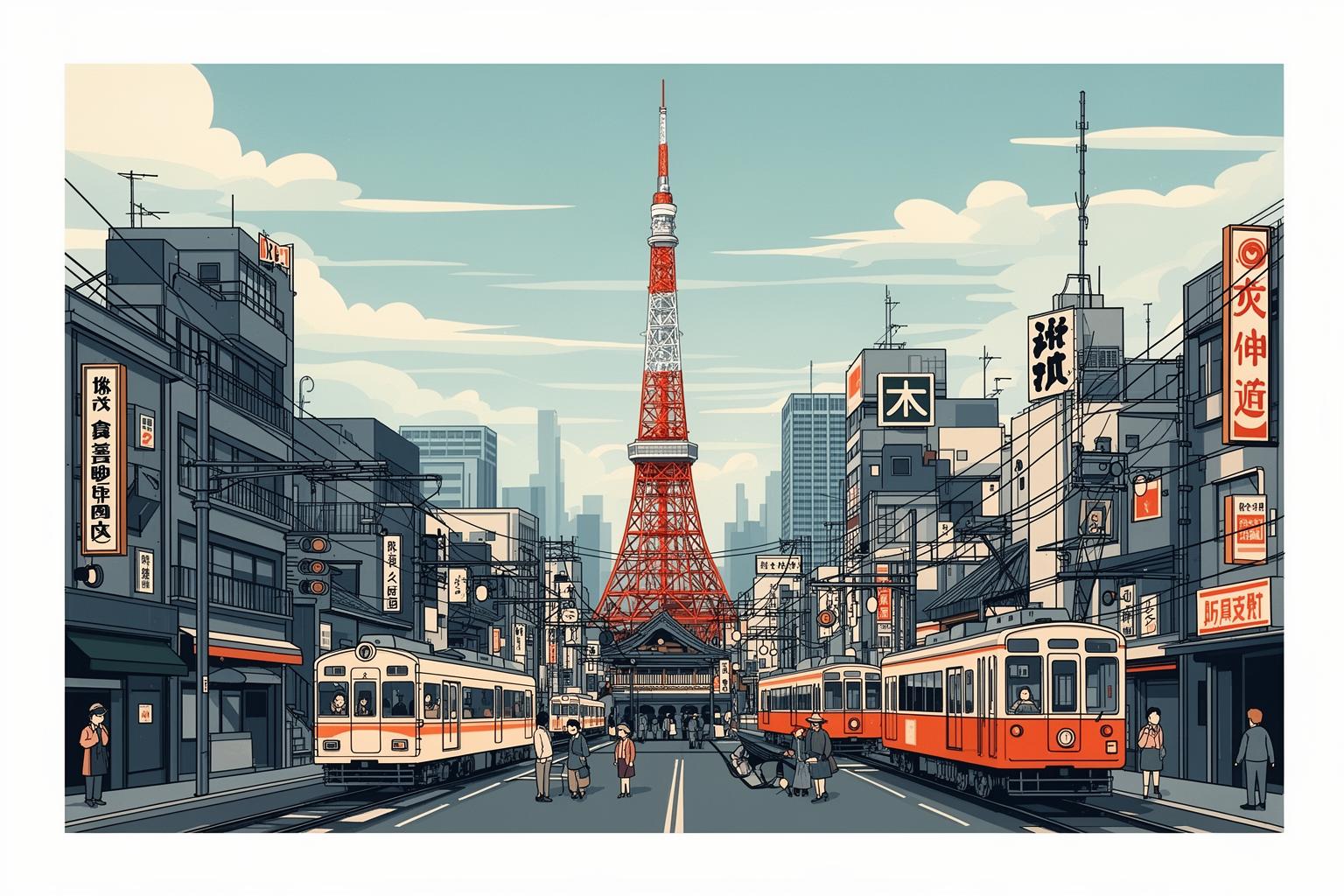
So here we have this flawlessly crafted, visually appealing drink. But why the fascination? Why does this specific combination strike such a deep chord in modern Japan? The answer can be summed up in two words: Showa Retro (昭和レトロ). The Showa era (1926-1989) was a time of profound change for Japan. It experienced militarism, war, destruction, and then an extraordinary post-war economic boom that propelled the country onto the global stage. The “Showa Retro” trend doesn’t idealize the entire era, but focuses on the high-growth years from the mid-1950s to the late 1980s. This was a period marked by seemingly boundless optimism. The economy flourished, lifelong employment was common, and the future appeared promising. It was the era of the first Tokyo Olympics, the Shinkansen bullet train, and a surge of innovative consumer products. For Japanese who grew up during this time, the cream soda is a vivid taste of their childhood. It’s the flavor of a special Sunday family outing to a department store restaurant, a reward for academic success. It represents pure, uncomplicated joy in a glass. For younger generations who didn’t experience it firsthand, the Showa era has taken on a cool, vintage appeal. In a world of economic instability and digital excess, the Showa period feels refreshingly analog, steady, and stylish. It’s akin to how Western millennials and Gen Z often romanticize the 80s or 90s—the fashion, music (with City Pop playing a major role), and overall atmosphere come across as authentic and stylish. The kissaten, and by extension the cream soda, serves as a tangible gateway to that idealized past. Visiting a kissaten is a form of cultural cosplay. One can sit in the same plush booth, listen to similar soft jazz, and enjoy the same glowing green soda that people did five decades ago. It offers a way to connect with a history that feels both remote and deeply formative. The cream soda is not just retro; it is a concrete link to a national collective memory, a shared longing for a simpler, more hopeful era. It has evolved beyond a simple menu item into a potent symbol of cultural nostalgia.
The Hunt for the Perfect Pic: Navigating Tokyo’s Cafe Scene
Alright, you’ve got the deep cultural backstory down. Now it’s time to experience it firsthand. But where should you go? Tokyo is a vast megalopolis with endless options, and finding the right kissaten can be overwhelming. The key is to realize that not all kissaten are alike. The neighborhood, history, and clientele all influence the experience. This isn’t a checklist; it’s a guide to appreciating the diverse flavors of Tokyo’s retro cafe scene.
Shinjuku Showdown: Where Old Meets New
Shinjuku is a beast—a dazzling, chaotic hub of commerce, entertainment, and crowds. It boasts the world’s busiest train station, gleaming skyscrapers, and neon-lit nightlife. Yet, hidden amid this modern frenzy are some of Tokyo’s most magnificent, old-school kissaten. A prime example is Kissa Seibu. Stepping into this second-floor spot in the heart of Shinjuku is like walking onto a movie set. The first thing that strikes you is its scale. It’s enormous, with a soaring ceiling decorated with ornate stained glass and opulent chandeliers. The seats are plush red velvet, and the atmosphere hums with a quiet, dignified energy. Ordering a cream soda here feels like a special event. When it arrives, it’s the quintessential, Platonic ideal of a cream soda—vibrant, perfectly crafted, served in a classic pedestal glass. Drinking it here, surrounded by the ghosts of Showa-era Tokyo while the modern chaos of Shinjuku rages outside the window, is surreal. It perfectly exemplifies how past and present coexist in this city. This is the place to go for the full, dramatic, almost theatrical kissaten experience.
Jimbocho’s Literary Vibe: Coffee, Books, and Cream Soda
Now, let’s shift the vibe entirely. Head to Jimbocho, Tokyo’s famed book town. The streets are lined with dozens of bookstores, offering everything from rare antique manuscripts to modern manga. The kissaten here grew alongside students, professors, and literary types who frequent the area. They are quieter, more cerebral spaces. A legendary spot is Sabouru. Finding it is part of the charm; it’s tucked away on a corner, resembling a rustic mountain cabin rather than a city cafe. The interior is dark and cavernous, with wooden beams, carved totem poles, and countless notes and business cards left by patrons over decades. This place has soul and a palpable history. The cream soda here arrives in a rainbow of seven colors. Ordering the famous strawberry-red one feels different than in Shinjuku. Here, it’s a companion for contemplation. You sip it slowly while leafing through a recently bought book amid murmurs of literary and philosophical conversations. The context completely transforms the drink. It’s not a showstopper; it’s woven into a thoughtful, intellectual atmosphere. It proves that cream soda can be both a fun, pop-art treat and a quiet, nostalgic indulgence.
The Neo-Kissaten Wave: Retro Reinvented
The story doesn’t end with the Showa era. A new wave of cafes—often called “neo-kissaten”—has emerged, run by a younger generation putting their own twist on the classic formula. These spots offer a captivating mix of homage and innovation. You’ll find them in trendy neighborhoods like Koenji, Shimokitazawa, and Kichijoji. They perfectly capture the retro aesthetic—the dark wood, vintage glassware, City Pop soundtracks—yet with a modern edge. The menu might feature the classic melon soda, but alongside it is a version crafted with lavender syrup, topped with artisanal gelato, and garnished with an edible flower instead of a maraschino cherry. A place like Giraffe in Koenji is a prime example. It’s self-consciously retro, a curated experience for a new audience who discovered kissaten culture through social media. These neo-kissaten are significant because they show that cream soda isn’t a fading relic. It’s a living concept, a flexible template that can be reinvented and made relevant today. It’s a testament to the enduring power of Showa aesthetics and the creativity of a new generation drawing inspiration from the past.
More Than a Sugar Rush: The Cream Soda Ritual
By now, it should be evident that you’re not simply ordering a drink—you’re engaging in a ritual. Let’s walk through the process. First comes the order itself. You browse the menu, a beautiful, often handwritten artifact, and select your preferred color. Then arrives the anticipation. In a kissaten, everything moves slowly. You wait, soaking in the ambiance, until the server approaches your table, carrying your glass like a cherished artifact. The moment it’s set before you is a small ceremony. It’s here. It’s perfect. And before you even think about taking a sip, you snap a photo. You have to—it’s an unspoken rule, a modern addition to the ritual. The drink is meant to be admired. Capturing its fleeting perfection is part of the experience. Now, the crucial decision: how to enjoy it? There are several approaches. Do you eat the ice cream first, savoring its creamy richness before it melts? Do you take a sip of the soda first, relishing its fizzy, tangy burst? Or do you gently stir the ice cream into the soda, creating a creamy, frothy blend? There is no wrong choice. The process is a journey. It’s a slow, deliberate act that cannot be rushed. You watch the ice cream melt, altering the color and texture of the drink with each passing minute. You might alternate between a spoonful of ice cream and a sip of soda. It’s a multi-sensory experience that demands your presence. In our fast-paced world, this ritual of slow consumption is a radical act. It’s the opposite of chugging an energy drink on the run. It’s a moment of enforced calm, a sweet, fizzy meditation. That, as much as the flavor or appearance, is what makes the cream soda experience so special.
The Final Take: So, Is It Worth the Hype?
So let’s return to the original question: Is the Japanese cream soda truly worth the hype? Is it merely a visually appealing sugar rush, or is there something deeper? The honest answer is that it depends on what you’re seeking. If you’re a culinary purist looking for complex, natural flavors, you might find it disappointing. The taste of melon soda is, frankly, artificial. It’s sweet, fizzy, and straightforward. But to judge it solely on flavor is to miss the point entirely. You’re not just purchasing a drink; you’re buying an experience. You’re paying for a ticket to that time machine. You’re paying for the chance to sit in a quiet, beautiful place—a refuge from the relentless modernity of Tokyo. You’re paying for the aesthetics, the artistry, the perfect harmony of color and form that creates a brief moment of joy. You’re paying for the story—the story of post-war optimism, a nation’s love affair with Western culture, and the lasting power of nostalgia. So yes, it absolutely is worth it. It’s worth it because it offers a glimpse into the Japanese soul, a culture that values presentation as much as substance, that finds deep beauty in the fleeting, and that holds a romantic reverence for its own history. The next time you see that glowing green glass on your social media feed, you’ll see more than just a pretty drink. You’ll see a symbol. You’ll understand it’s not only about what’s inside the glass, but the entire world that surrounds it. You’ll see an entire mood, an entire vibe. And now, you get it.