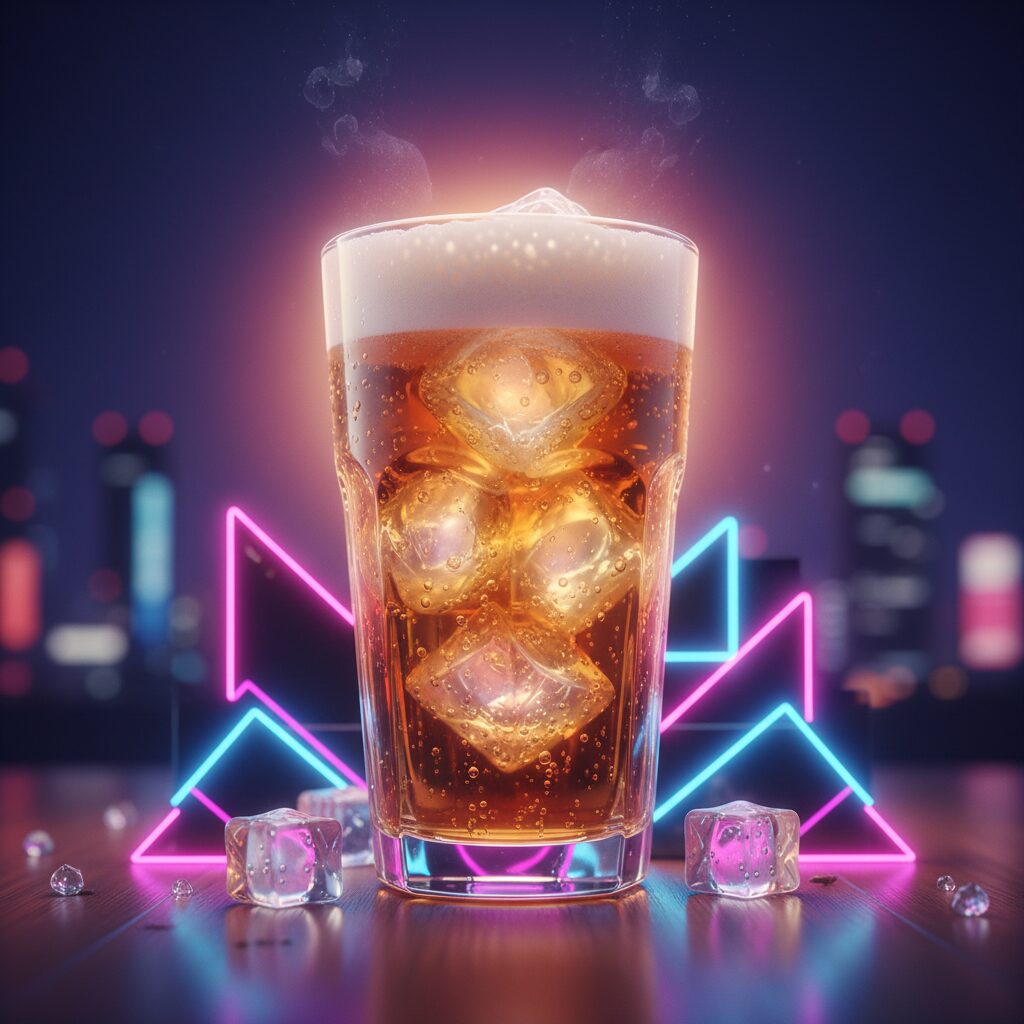
Yo, what’s the vibe? It’s Ami, coming at you straight from the heart of Tokyo. So, picture this: you’ve just landed in Japan, you’re hitting up your first real-deal izakaya—the kind with lantern glow, savory smoke hanging in the air, and the constant, energetic buzz of chatter. You look around, trying to get the lay of the land, and you notice it. Almost every single table, from the crew of young, stylish kids to the group of salarymen loosening their ties, has the same drink. A tall, simple, perfectly clear glass filled with ice and a bubbling, pale gold liquid. You ask the server what it is. “Haibōru,” they say with a smile. A highball. Just whisky and soda. And you’re probably thinking, “That’s it? That’s the drink everyone’s hyped about?” It feels almost too basic, too simple for a country known for its intricate tea ceremonies and world-class mixology. But that’s where you’re missing the secret sauce. That glass isn’t just a drink; it’s a cultural artifact. It’s a time machine, a liquid vibe that plugs you directly into the electric, neon-soaked optimism of 1980s Japan. It’s the official beverage of an era defined by City Pop, economic miracles, and a feeling that the party would never, ever stop. To get why Japan is the way it is today—with its mix of meticulous tradition and futuristic cool—you gotta understand the story in that glass. It’s a whole mood, a complex history of boom, bust, and a killer comeback. It’s the story of how Japan defined, lost, and then reclaimed its cool. And trust me, it’s a story that’s way more intoxicating than the drink itself. Before we dive deep, let’s get our bearings. The vibe we’re chasing was born and still lives in the countless small bars and eateries humming in the city’s electric veins, just like the ones you’d find here.
To truly step into that 80s mood, you can experience a similar time-slip by visiting one of Tokyo’s nostalgic Showa-era kissaten.
The Highball’s First Wave: More Than Just a Drink
To truly understand the highball, we need to rewind far back, beyond the glamorous 80s into the gritty yet hopeful post-war era. That’s where the story begins—not in a stylish cocktail bar, but in the heart of a nation rebuilding itself from scratch. Japanese whisky was then a relatively new idea, a labor of love driven by pioneers like Shinjiro Torii of Suntory and Masataka Taketsuru of Nikka, who had traveled to Scotland to master the craft and brought it back home. In those early days, whisky was the ultimate luxury, a taste of Western elegance far removed from the everyday life of most people.
From Post-War Sips to Salaryman Staples
As Japan’s economy accelerated in the 1950s and 60s, a new social group emerged: the salaryman. These corporate warriors powered Japan’s economic miracle, working long hours and laying the groundwork for the global brands we recognize today. After grueling days, the culture of `nomikai` (after-work drinking with colleagues) became a vital ritual—a time to relax, bond, and speak more openly than in the strict office hierarchy. Beer was the uncontested king of these meetups, a perfect social starter. But later into the night, men sought something different. Drinking pricey Japanese whisky neat or on the rocks remained reserved for special occasions or executives. The genius of the highball was its accessibility. By blending a shot of whisky with plenty of soda water, it created a light, refreshing, and crucially, economical drink. This allowed the everyday worker to enjoy the refined taste of whisky without overspending. Small, intimate bars called `sunakku` (snack bars) and `akasaka` (red lantern) pubs became the salaryman’s second home, with the highball as their trusty companion. It was ideal for long talks, providing a gentle buzz that could last for hours without rapid intoxication. Crisp and clean, it refreshed the palate between salty bites like `yakitori` or `edamame`. It wasn’t a drink for deep analysis or reverence; it was a practical, social tool—a humble workhorse for the men rebuilding the nation.
The ‘Tory’s Highball’ and the Suntory Strategy
Here, the story takes a major leap forward, thanks to one of Japan’s most brilliant marketing campaigns. Suntory, a whisky giant, saw the potential in the humble highball and aimed to bring it mainstream. They didn’t just want to sell whisky; they wanted to sell a dream. Their weapon was Tory’s Whisky, an affordable blend, paired with its unforgettable mascot, Uncle Torys (`Ankuru Torisu`). Created in 1958 by artist Ryohei Yanagihara, Uncle Torys was a charming, slightly goofy everyman character, often shown with a cheerful, mildly tipsy smile enjoying his favorite drink. He wasn’t a glamorous movie star or affluent industrialist; he was relatable—the boss, the neighbor, the dad. He embodied the hardworking salaryman who deserved some pleasure. Suntory built an entire world around him, plastering his face on everything from coasters to commercials. But the real masterstroke was the slogan accompanying him: `”Torys o nonde Hawaii e ikō!”` meaning “Drink Torys and Let’s Go to Hawaii!” In a time when international travel was nearly impossible for the average Japanese person, this was pure genius. It connected a simple, affordable drink with the ultimate symbol of aspirational leisure. Drinking a Tory’s highball wasn’t just about quenching thirst; it was buying into a dream of a brighter, more prosperous future. Suntory wasn’t just selling a beverage; they were selling bottled optimism. This campaign secured the highball’s place in Japan’s national psyche and paved the way for its evolution from a salaryman staple to an icon of 80s cool.
Riding the Bubble Economy Wave: The 1980s Vibe
Then came the 1980s. Fam, you can’t truly grasp modern Japan without appreciating the sheer, unfiltered madness of the Bubble Economy. It was an era of such extraordinary economic prosperity that reality itself seemed suspended. The Japanese yen was strong, the stock market soared to unprecedented heights, and tales of legendary extravagance were everywhere—like companies using helicopters to deliver soba noodles or people lighting cigarettes with 10,000 yen bills. A palpable sense of invincibility permeated the air, a national confidence that Japan was the new global epicenter. This burst of optimism demanded a fitting soundtrack and drink, which it found in the fusion of City Pop and the newly fashionable whisky highball.
The Soundtrack of Optimism: City Pop Explained
If the ‘80s Bubble had a sound, it was unmistakably City Pop. This isn’t a genre easily dissected by music theory; it’s a vibe, a feeling. Drawing heavily from American styles like AOR (album-oriented rock), funk, soul, and jazz fusion, Japanese artists crafted a sound that was sleek, sophisticated, and polished. Think smooth basslines, shimmering synthesizers, airy saxophone solos, and crisp, pristine production. This was music designed for a new urban lifestyle. It was the perfect soundtrack for cruising a Honda Prelude or Toyota Soarer down the Shuto Expressway at midnight, neon Tokyo lights streaking by. It played as the backdrop for cocktails by a poolside resort in Hayama or on the deck of a yacht in the Pacific. Artists such as Tatsuro Yamashita, Mariya Takeuchi, Anri, and Toshiki Kadomatsu shaped this sound. Their lyrics often touched on urban romance, seaside escapism, and a stylish, bittersweet melancholy. Tracks like Yamashita’s “Ride on Time” or Takeuchi’s “Plastic Love” were more than pop hits; they were miniature films capturing life in a futuristic, endlessly exciting metropolis. New technology like the Sony Walkman made this music deeply personal, letting listeners carry their own curated urban cool playlists wherever they went. City Pop was the soundtrack of a nation that felt it had finally “made it.” Aspirational, sophisticated, and unapologetically commercial, it mirrored perfectly the economic boom that fueled it.
Highballs in the City: The Perfect Pairing
Where does the humble highball fit into this scene of high-tech, high-fashion excess? It might seem surprising. In an age of flashy cocktails with tiny umbrellas, the simple highball could have been forgotten. Instead, it experienced a radical reinvention. Shedding its old-school salaryman image, it became the embodiment of understated cool. Its appeal was in its character. The highball is clean, crisp, and effervescent—a background drink, not the star of the show. Refreshing without demanding attention, stylish without shouting. This made it the perfect companion to the City Pop lifestyle. At a sleek new bar, listening to smooth fusion sounds, you didn’t want a heavy, complex cocktail to distract you. You wanted something complementary. The highball was exactly that. It was the drink equivalent of a perfectly tailored, minimalist Yohji Yamamoto suit in a room full of flashy Versace. Its simplicity was its strength, a sign of genuine confidence. It said, “I don’t need the frills. I know what’s good.” It became the drink of choice in sleek hotel bars, minimalist cafés, and exclusive clubs dotting the urban landscape of Bubble-era Japan.
A Visual Aesthetic: Neon Lights and Sharp Suits
Let’s complete the picture. The ‘80s aesthetic was an entire vibe. Fashion-wise, the androgynous, avant-garde designs of Issey Miyake and Rei Kawakubo’s Comme des Garçons were making waves worldwide, while domestically, the “DC brand” boom fueled a generation’s obsession with local designer labels. Power suits with sharp, oversized shoulders became the corporate uniform for both men and women. Architecturally, it was the era of postmodernism—gleaming glass and steel towers, interiors filled with chrome, marble, and Italian designer furniture. Cities, especially Tokyo, were bathed in a futuristic neon glow that would later inspire countless sci-fi films like Blade Runner. Everything was sleek, modern, and forward-thinking. The highball, served in a tall, elegant, unadorned glass, fit perfectly into this visual language. It was a component of the minimalist, sophisticated puzzle. Picture a scene from an 1980s movie: a sharply dressed character stands by the window of a high-rise bar, gazing out at glittering city lights, a glass of perfectly clear, bubbling highball in hand. That image, that feeling, encapsulates the highball’s ‘80s identity. It was more than a drink; it was an accessory, a prop in the film of your own impossibly cool life— the quiet, confident background hum beneath the Bubble’s loud, vibrant roar.
The Lost Decades and the Highball’s Hibernation
But as everyone knows, parties don’t last forever. In the early 1990s, the music came to a halt. The dazzling, seemingly indestructible bubble of Japan’s economy didn’t just deflate; it burst in a spectacular fashion. The Nikkei stock index plummeted, real estate values collapsed, and the era of boundless optimism came to an abrupt end. What followed was a period known as the `Ushinawareta Jūnen`, or the “Lost Decade.” This time of economic stagnation extended into two decades, and for some, even three, casting a long, profound shadow over Japanese society that remains palpable today.
The Bubble Bursts: A Nation’s Hangover
The psychological shift was enormous. The swagger and confidence of the 80s vanished, replaced by a pervasive sense of anxiety, uncertainty, and reflection. Extravagant spending disappeared overnight. Lavish corporate expense accounts were slashed. The mood shifted from celebration to conservation, from opulence to austerity. This was more than an economic recession; it was a cultural hangover of epic proportions. The nation collectively woke up with a pounding headache, viewing the excesses of the previous decade with a mix of nostalgia and embarrassment. This profound change in the national mood directly and immediately affected what and how people drank. Champagne flutes were set aside, vintage whisky locked away, and the whole culture of consumption came under scrutiny.
A Shift in Taste: The Rise of Shochu and Beer
In this new age of frugality, drinking habits shifted dramatically. Consumers became very price-conscious. This sparked the rise of `happoshu` and “third-category” beers—cheaper, low-malt alternatives that offered the satisfaction of beer at a fraction of the cost. However, the real star of the Lost Decades was `shochu`, a traditional Japanese distilled spirit. Shochu was affordable, versatile, and undeniably domestic. It became the foundation of a new wave of popular drinks called `chuhai` (a blend of shochu and highball), mixed with everything from oolong tea and fruit juice to Calpis. The chuhai was the ideal drink for the times: inexpensive, easy to drink, and available in endless flavor variations. It dominated izakaya menus and convenience store shelves. What did this mean for the once-trendy whisky highball? It was left out in the cold. Suddenly, the highball seemed like a relic of a past, embarrassing era. It became deeply uncool, an “ojisan’s drink”—something your dad or your out-of-touch boss might order. Its ties to the slick, corporate culture of the 80s had become a liability. For the youth of the 90s and 2000s, who grew up in the shadow of the burst bubble, the highball was the taste of their parents’ generation, a symbol of the very extravagance and corporate values they often rejected. The highball retreated into a long, deep hibernation, relegated to the dusty back shelves of old-school bars, waiting for its moment to be rediscovered.
The Highball Renaissance: Why It’s Back and Bigger Than Ever
For nearly twenty years, the highball was a ghost, a forgotten icon. Then, in the late 2000s, something extraordinary occurred. It didn’t just return; it burst back into the mainstream with a force no one anticipated. This wasn’t simply a comeback; it was a full renaissance, a carefully crafted cultural phenomenon that restored the highball to the heart of Japanese drinking culture. This revival was fueled by a perfect combination of savvy marketing and a powerful wave of nostalgia.
The “Kaku Highball” Campaign: A Marketing Triumph
The credit for this revival goes firmly to Suntory. After years of shrinking domestic whisky sales, they recognized the need for a game-changer to attract a new generation to their flagship spirit. Their bold strategy was to shift focus from the intimidating idea of “whisky” to the simple, approachable enjoyment of the “highball.” They centered their campaign on one of their most iconic and affordable products: the square-bottled, yellow-labeled Kakubin whisky. Launched around 2008, the “Kaku Highball” campaign is now legendary in advertising circles. It engaged the senses on multiple fronts. Television commercials played a crucial role, featuring the beloved actress Koyuki in a series of beautifully crafted, atmospheric spots. She wasn’t at a loud party; instead, she was at home in a stylish, cozy environment, showing how to make the perfect highball. The ads served as a step-by-step guide: grab a tall glass, fill it with ice, pour the Kaku, stir to chill, add super-carbonated soda, gently stir once more, and finish with a squeeze of lemon. The catchy, nostalgic jingle and memorable tagline, `”Uisukii ga, osuki desho?”` (“You like whisky, don’t you?”), became cultural landmarks. The campaign skillfully repositioned the highball, moving it from the old-man bar to the modern, stylish home, making its preparation seem like a cool, sophisticated yet simple ritual. At the same time, Suntory targeted izakayas directly, heavily subsidizing the installation of special highball “towers”—draft systems that dispense perfectly chilled and carbonated Kaku highballs consistently. This innovation revolutionized bars, ensuring a fast, high-quality, and profitable drink. Suddenly, the Kaku Highball was everywhere and uniformly excellent, becoming the new default drink and a reliable choice for any occasion.
Neo-Nostalgia and the Revival of City Pop
While Suntory was orchestrating this comeback, a powerful cultural wave was rising from an unexpected source: the internet. By the mid-2010s, the YouTube algorithm began mysteriously promoting a 1984 song by Mariya Takeuchi called “Plastic Love” to millions worldwide, many of whom had never encountered City Pop before. The song went viral, sparking a global rediscovery of this once-niche genre of Japanese music. For international audiences, it offered a glimpse into a retro-futuristic, impossibly cool Japan seen mainly in anime and films. For young Japanese listeners, the impact was even deeper. The 1980s, long dismissed as a gaudy and excessive era of their parents, was suddenly reframed. Through City Pop, it emerged as a golden age of glamour, optimism, and effortless style—a confident Japan standing in stark contrast to the economic and social anxieties of their own time. This wasn’t straightforward nostalgia, as they had never personally experienced the era; it was “neo-nostalgia”—a yearning for an idealized, imagined past. The highball’s resurgence fit seamlessly into this cultural moment. Sipping a highball while enjoying artists like Tatsuro Yamashita or Anri became a full sensory experience. The highball was the taste; City Pop, the sound; and the accompanying visuals—often 80s anime clips or glowing cityscapes—provided the sight. It transformed from just a drink into a key unlocking an entire aesthetic world, a taste of a dream you never realized you had.
The Izakaya Revolution: From Niche to Nationwide Staple
This blend of brilliant marketing and cultural zeitgeist profoundly changed the Japanese drinking scene. The highball reached total market saturation. It ceased to be a passing trend and became a permanent fixture on every menu nationwide. Before this renaissance, ordering a highball at a typical izakaya might have earned you a puzzled glance. Now, it stands as standard as ordering beer or oolong tea. The rise of canned highballs in convenience stores (`konbini`) completed its democratization. Brands like Suntory and Nikka began offering a wide range of pre-mixed canned highballs, from standard blends to stronger 9% ABV versions, making it possible to grab an ice-cold, perfectly mixed highball anytime, anywhere, for under 200 yen. The highball had fully transformed: from a post-war salaryman’s comfort drink to an 80s icon of chic, from a forgotten relic to a 21st-century staple accessible to everyone—from sophisticated connoisseurs to budget-conscious students. It had become, once again, the people’s drink.
Decoding the Modern Highball: It’s Not Just Whisky and Soda
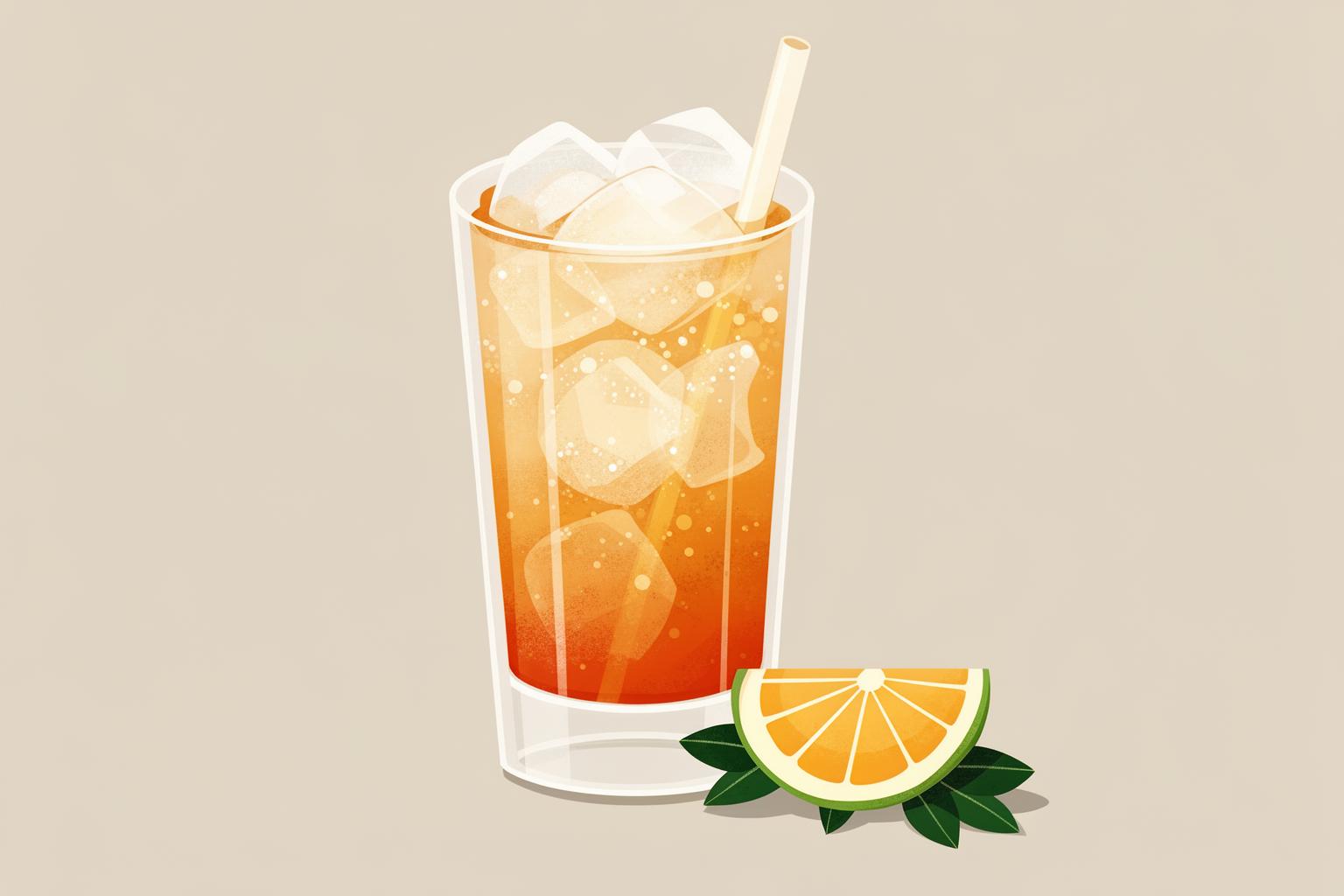
So, we find ourselves back at the beginning: you’re sitting in an izakaya, gazing at that deceptively simple glass. But now you know its history. You understand it’s not just whisky and soda. The modern highball, perfected in its Japanese form, embodies one of the core tenets of Japanese culture: `kodawari`, the unwavering pursuit of perfection in every detail. It’s about transforming something straightforward into an art form. The Japanese highball isn’t merely a recipe; it’s a philosophy.
The Art of the Perfect Serve: An Obsession with Quality
Let’s explore the `kodawari` behind the highball. It’s a ritual with precise, non-negotiable steps. First, the glass. It must be spotless and chilled, often stored in a freezer. Using a warm glass is a cardinal mistake, as it causes the ice to melt too quickly. Second, the ice. This is vital. In any reputable bar in Japan, the ice comes as large, clear blocks, often hand-carved to fit the glass seamlessly. This isn’t just for aesthetics. Machine-made ice, with air bubbles trapped inside, melts faster and carries impurities that alter the flavor. A solid, clear block of ice chills the drink while minimizing dilution. Third, the whisky is poured over the ice and stirred—frequently precisely 13.5 times, following one popular method—to chill both the spirit and the glass evenly to an ice-cold temperature. Fourth, the soda. It must be highly carbonated. Bartenders often pour it gently down the side of the glass or along a long bar spoon, minimizing disturbance to preserve every single bubble. This creates the Japanese highball’s signature sharp, crisp effervescence. Lastly, the garnish. A large, clumsy wedge of lemon is rarely seen. Instead, a twist of lemon peel might be squeezed over the glass to release its aromatic oils onto the drink’s surface, then either dropped in or discarded. The aim is to add a bright, fragrant aroma without introducing excessive sourness. Every step is perfected to deliver the ultimate sensory experience. This is the heart of `kodawari`—a profound, almost obsessive commitment to craftsmanship that elevates a simple mixture into something sublime.
A Canvas for Creativity: Endless Variations
While the classic Kaku Highball remains supreme, its resurgence has unleashed a wave of creativity. The highball has become a versatile canvas for Japanese bartenders to express themselves, much like the gin and tonic boom in Europe. Step into a bar today, and you’ll encounter a whole menu of highball variations. There are highballs crafted with premium, aged single malts offering a richer, more complex flavor profile. There are highballs infused with uniquely Japanese flavors: the fragrant citrus of `yuzu`, the herbal notes of `shiso` leaf, the sweet and sour tang of `ume` (pickled plum), or even the tingling spice of `sansho` pepper. Different whiskies pair with various ingredients to create distinctive flavor combinations. This continuous innovation keeps the highball vibrant and exciting. It spans a vast range. On one end, you have the 200-yen canned highball from a local 7-Eleven—a perfectly respectable and tasty drink. On the other, a 3,000-yen masterpiece crafted at a world-renowned Ginza cocktail bar, made with rare vintage whisky and ice hand-carved from a pristine block right before your eyes. This remarkable spectrum—from accessible mass-market to the pinnacle of artisanal craftsmanship—is the ultimate testament to the highball’s success. It has deeply woven itself into every layer of Japanese society.
So next time you’re in Japan and you see that simple, bubbling glass, offer it a nod of respect. You’re not just looking at a refreshing alcoholic drink. You’re witnessing a liquid storybook, a drink that carries the ghosts of post-war ambition, echoes of 80s City Pop, the sharp pop of a bubble bursting, and the brilliance of a cultural revival. It reflects Japan’s journey through modern history—a story of how the simplest things, when treated with care, respect, and a bit of style, can become truly iconic. Kanpai to that.