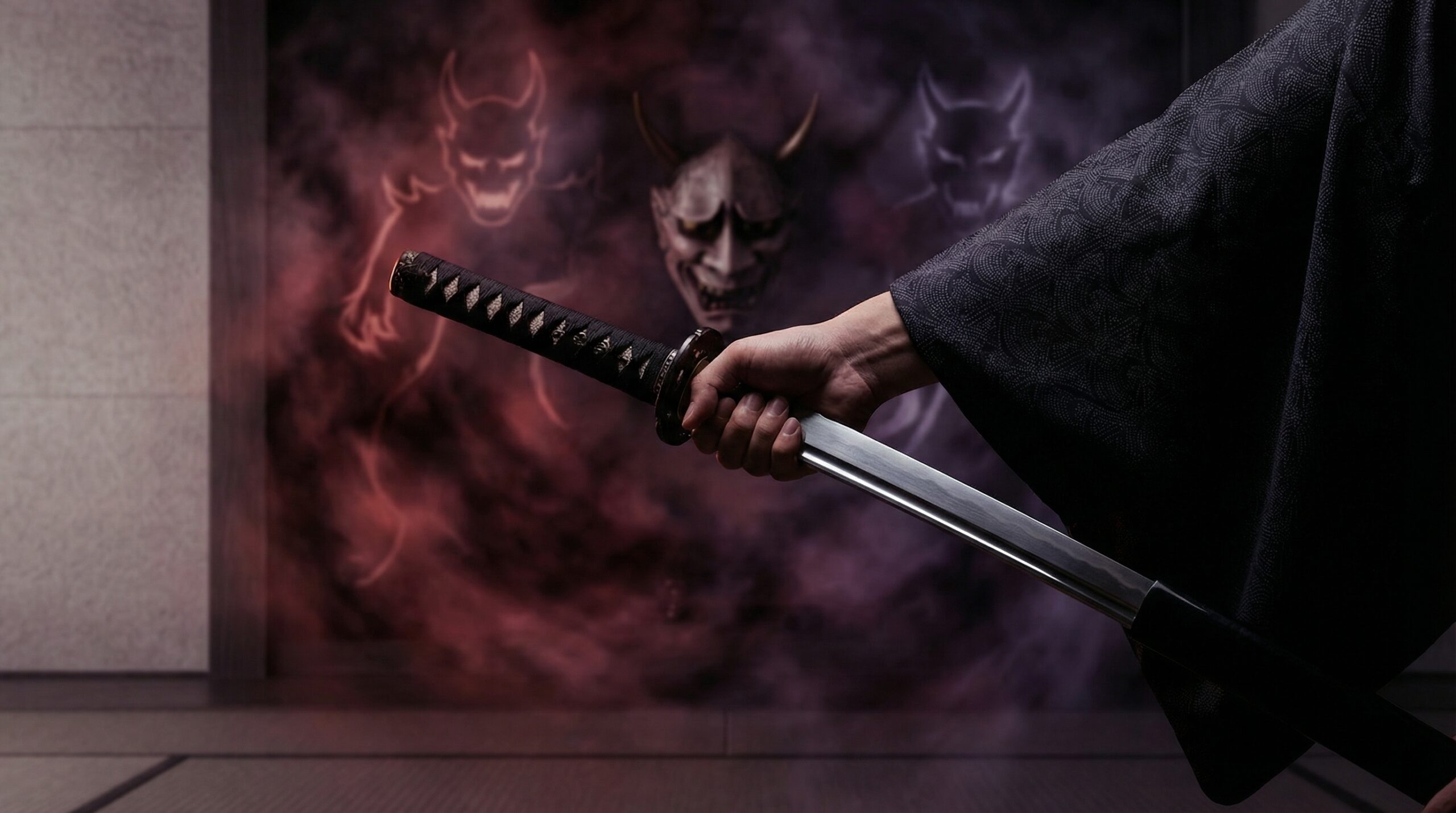
Yo, what’s up, Japan fam! Shun Ogawa here, ready to drop some serious knowledge for your next trip. We’re going on a deep dive, a proper pilgrimage, not just for the ‘gram but for the soul. You know that feeling, right? When you’re watching a certain anime—the one with the epic sword fights, the breathing techniques, the demons lurking in the shadows of Taisho-era Japan—and you think, “Man, I wish I could just step into that world.” Well, low-key, you kinda can. Japan is stacked with places that have that exact same energy, that spiritual, sometimes spooky, always beautiful vibe. These aren’t official collab spots or theme parks. Nah, this is the real deal—ancient shrines, misty mountains, and forgotten towns where the air itself feels thick with history and legend. It’s where you can feel the pulse of the stories that inspired your favorite demon-slaying heroes. We’re talking about places that give you that main character energy, making you feel like you’re about to start your own training arc. So, grab your metaphorical Nichirin sword, ’cause we’re about to explore the spots that are a total vibe check for any fan of the demon-slaying corps. Bet. This is your unofficial guide to the spiritual homeland of the swordsmen who fight in the dark. Let’s get it.
If you’re feeling the spiritual energy of these legendary landscapes, you might also vibe with the epic power of Japan’s dragon deities.
Wisteria Dreams: The Final Selection IRL at Ashikaga Flower Park

First, we have to talk about the wisteria. If you know, you know. That iconic survival scene—the mountain covered in ethereal purple flowers that are stunning yet deadly to demons—is etched into our minds. Honestly, stepping into Ashikaga Flower Park in Tochigi Prefecture feels just like entering that scene. No joke, this place is on a whole other level. It’s not just a handful of flowers; it’s a full-on explosion of purple, white, pink, and yellow wisteria creating a whole new world.
More Than Just Flowers, It’s a Vibe
The star attraction here is the Great Wisteria, or the Ofuji. This massive tree is over 160 years old, with branches spreading out to form a huge canopy of purple blossoms covering more than a thousand square meters. Standing underneath it is a truly spiritual experience. Sunlight filters through the hanging flower clusters, bathing everything in a gentle lavender glow. The air is thick with a sweet, delicate scent that’s almost intoxicating. You can stroll through tunnels made entirely of wisteria—one being an 80-meter-long tunnel of white wisteria that feels like walking through a cloud, and another a dazzling golden tunnel of yellow laburnum reminiscent of a lightning-fast swordsman’s strikes. Every turn reveals a breathtaking new view. You half expect a quiet girl with a butterfly clip to pass by. The park is carefully designed to spark wonder, with ponds that mirror the floral canopies, doubling the beauty. It’s a place that makes you slow down, breathe deeply, and soak in the atmosphere. The sheer scale makes you feel wonderfully small, as if in the presence of an ancient, powerful nature spirit.
The Nighttime Glow-Up Is Everything
While the park is stunning during the day, it truly transforms at night during the “Yoru no Fuji” illumination. When the sun sets, the wisteria trees are lit up, creating a magical effect. The purple blossoms seem to glow from within, casting an ethereal light across the entire park. Their reflections on the water are so sharp and perfect that it blurs the line between reality and reflection. It’s honestly one of the most beautiful sights in all of Japan. Walking through the illuminated tunnels at night feels like drifting through a dream. The atmosphere is quiet and reverent. You can easily imagine this serene yet intense setting as the backdrop for a life-or-death challenge, where beauty and danger coexist. That duality hits hard—the stunning beauty of the flowers alongside the folklore that wisteria wards off demons (oni). It’s both a sanctuary and a trial, capturing the exact energy of the Final Selection mountain.
The Legend of the Fuji Musume
The bond between wisteria and Japanese folklore runs deep. There’s a famous Kabuki dance called Fuji Musume, or “The Wisteria Maiden,” narrating the story of a girl who is the spirit of wisteria, depicted holding a wisteria branch in a painting. She comes to life from the painting, experiencing love and sorrow. This tale lends the wisteria a spirit and personality beyond its beauty. It symbolizes fleeting beauty, love, and gentle feminine strength. In demon-slaying lore, the flowers are a weapon and a protective barrier. This belief is deeply rooted in folk tradition. Wisteria, or fuji, is a powerful symbol in Japan, and being surrounded by it at Ashikaga feels like being wrapped in protective spiritual energy. You can almost sense the absence of evil, replaced by pure, overwhelming natural beauty.
How to Get Your Bloom On
Getting to Ashikaga Flower Park is pretty easy. It even has its own train station—the Ashikaga Flower Park Station—on the JR Ryomo Line, which is a real blessing. From Tokyo, you can take the Shinkansen to Oyama and transfer, or hop on a limited express train. The peak wisteria season usually runs from mid-April to mid-May, but check the park’s official site for bloom updates since nature has its own timing. Pro tip: visit on a weekday if you can because this place gets crowded—and rightly so. Admission fees vary by season and bloom conditions, with peak wisteria season being the priciest, but it’s worth every yen. Trust me, it’s an unforgettable experience.
Channel Your Inner Flame Hashira at Kamado Shrine
Next, we head south to Fukuoka Prefecture on Kyushu Island, to a spot with a name that will make every fan’s ears perk up: Kamado Shrine. Yes, you read that correctly. The name alone makes this a premier pilgrimage destination, but the shrine’s history and location deepen the connection and add real meaning. Nestled at the base of the sacred Mount Homan, this shrine is a genuine source of spiritual power.
A Name That’s No Accident
So, about the name—it uses the same characters as the protagonists’ family name: 竈門 (Kamado). The shrine’s full name is Homanzan Kamado Jinja. Legend has it that Emperor Tenji founded it in 664 AD to ward off demons and protect the Dazaifu Government Office, Kyushu’s administrative center for centuries. From the start, the shrine has been about protection and combating evil. The name and history—the parallels are remarkable. When you arrive and see the name carved in stone at the entrance, it truly feels like coming home. Fans have naturally gathered here, leaving countless ema (wooden prayer plaques) decorated with stunning fan art of the Kamado siblings and their friends. This fan tribute adds a whole new dimension to the shrine’s atmosphere.
Sacred Mountain Training Grounds
The location truly completes the picture. Kamado Shrine rests on Mount Homan, a mountain that has been a center for Shugendo for more than a thousand years. Shugendo is a form of Japanese mountain asceticism, a spiritual discipline involving intense mountain training aimed at enlightenment. Practitioners—called yamabushi or mountain priests—undergo demanding physical and mental trials like meditating under waterfalls, long-distance trail running, and rock climbing. Sound familiar? It’s essentially the real-world version of the demon slayers’ rigorous training. The mountain features trails winding past ancient stone carvings, smaller shrines, and training spots used by ascetics for centuries. Hiking Mount Homan is like beginning your own training journey. The path is steep and tough, requiring focus and endurance—a full-body breathing exercise. Reaching the summit’s upper shrine feels like a genuine triumph, a challenge conquered. The view at the top rewards you with a sweeping panorama of the Fukuoka plains, making you feel like you’re on top of the world.
Where Modern Style Meets Ancient Spirit
What sets Kamado Shrine apart is its fusion of ancient tradition with contemporary design. The lower shrine, at the mountain’s base, features an incredibly sleek and stylish amulet office and observation deck designed by a world-famous interior designer. With clean lines, light wood, and glass, the space feels both sacred and modern. The charms (omamori) sold here are beautifully crafted, showcasing modern patterns and colors. This aesthetic perfectly reflects the Taisho era setting of the anime—a period when Japan rapidly modernized yet retained its ancient customs. The shrine is renowned for matchmaking and relationships (enmusubi), so many charms focus on love and connection, echoing a key theme of the story. The love between siblings and the bonds among comrades all circle back to the power of human connection that the shrine honors.
The Pilgrimage Route
To reach Kamado Shrine, begin by heading to Dazaifu, which is easily accessible from Fukuoka City. From Dazaifu Station, a community bus takes you directly to the shrine. If you plan to hike Mount Homan, be prepared: it’s a serious hike, so wear sturdy footwear, bring water, and check the weather. The journey is part of the experience. Start at the beautiful lower shrine, offer a prayer, visit the modern amulet office, and then start your ascent. As you climb, you’ll leave the city behind and feel the ancient mountain energy take hold. It’s a powerful place that connects you to the name, the fighting spirit, and the profound mountainous soul of Japan.
The One-Stroke Slice: Conquer the Split Boulder of Mount Odaira
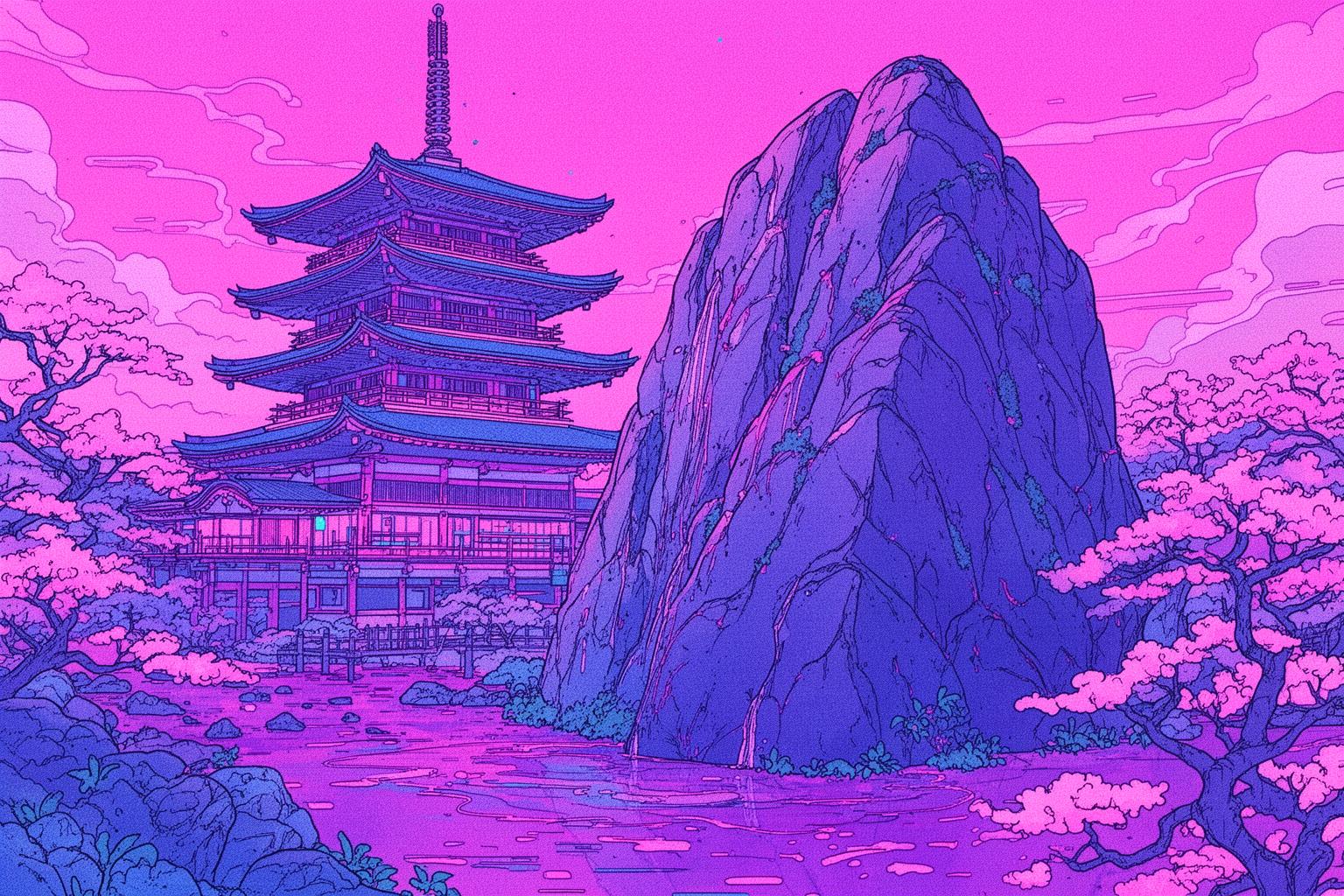
Prepare yourself for one of the most satisfyingly literal pilgrimage sites you’ll ever encounter. Remember that seemingly impossible task? The giant boulder the hero had to slice in half to prove readiness for the Final Selection? Well, that boulder is real. It exists. In the mountains of Tochigi, near the Kirifuri Highlands, sits a massive rock called the Itto-seki, which means the “split-with-one-stroke stone.” And seeing it in person is truly breathtaking.
That ‘I’ve Seen This Before’ Feeling
Reaching the Itto-seki is an adventure in itself. You follow a forest path, surrounded by towering trees and the sounds of nature, with anticipation growing with each step. Then, around a bend, it appears: a colossal boulder, roughly seven or eight meters across, perfectly and cleanly split down the middle. Its scale is almost overwhelming. It looks as if an immense, supernatural force sliced it. You can walk between its halves, touch the cool, moss-covered stone, and experience a deep sense of awe. It’s one of those moments when fiction and reality blur. You can almost hear the voice of a masked mentor giving his final nod of approval. It’s, of course, a perfect photo opportunity, but it’s much more—a tangible symbol of “breaking your limits,” embodying the overcoming of an impossible challenge through sheer will and training.
The Legend Behind the Stone
Naturally, a rock this extraordinary has its own local legend, dating back well before any anime. The tale tells of a swordsman named Minamoto no Yoshitsune (a legendary figure in Japanese history) traveling these mountains who encountered a demon. To test the sharpness of his blade and his skills, he cleaved this massive boulder in two with a single strike, defeating the demon in the process. Another version attributes the split to a different hero who used divine strength to clear a path. Regardless of the story, the essence remains the same: a powerful warrior, a legendary feat of strength, and a connection to vanquishing evil. The fact that this folklore predates the anime adds authenticity and cultural depth. The creators clearly drew inspiration from Japan’s real legends and landscapes, and this is one of the most direct and compelling examples.
The Journey is the Training Arc
The hike to the Itto-seki isn’t especially long or difficult, but it offers just enough challenge to make the arrival feel well-earned. The trailhead is somewhat remote, so traveling there usually requires a car. You’ll drive up winding mountain roads near the Kirifuri Highlands, known for their stunning waterfalls and natural beauty. The walk itself winds through a quiet, atmospheric forest—the perfect setting to get into the right mindset. You can practice your breathing, connect with the surrounding nature, and focus your thoughts. The trek through the woods, the growing anticipation, and the ultimate reveal of the stone form a perfect mini-narrative—a short training arc that culminates in a powerful climax.
Finding Your Focus
This spot is less a major tourist attraction and more a hidden gem for those who know of it. You won’t encounter large crowds here; often, you’ll have the place all to yourself. This offers a chance for quiet reflection. What is your boulder? What obstacle are you striving to overcome in your life? Standing before the Itto-seki, it’s impossible not to feel inspired. It stands as a testament to the idea that with enough training, focus, and spirit, even the impossible becomes achievable. It’s a place that energizes you, making you feel ready to face whatever challenges lie ahead. Pure, unfiltered motivation carved in stone.
Time-Slip to the Taisho Era in Ouchijuku
Much of the demon-slaying saga’s appeal stems from its setting: the Taisho era (1912–1926), a time of transition when traditional Japan—with its samurai values and folklore—was colliding with Western industrialization. Cobblestone streets, gas lamps, and trains coexisted with kimono, katana, and ancient curses. To truly immerse yourself in that atmosphere, a visit to Ouchijuku in Fukushima Prefecture is essential. This place is a genuine time capsule.
Walking Through a Living Anime Set
Ouchijuku isn’t a theme park or replica; it’s an authentically preserved post town from the Edo period. Stepping onto the main street instantly transports you back in time. The road remains unpaved, bordered on both sides by rows of traditional buildings with thick, thatched roofs. No power lines or modern signs interrupt the scene. It looks and feels exactly like a town the demon-slaying corps might pass through on a mission—a place to rest, gather intel, and perhaps confront a demon hiding among the townspeople. You can stroll along the street, peeking into shops selling local crafts, snacks, and sake. Many houses have been converted into restaurants or inns (minshuku), allowing you to dine and stay within these historic buildings. The gentle streams of water running alongside the road, once used for washing vegetables, enhance the authentic, rustic charm.
Thatched Roofs and Snowy Scenes
The thatched roofs are the hallmark of Ouchijuku. These large, meticulously built roofs showcase traditional Japanese craftsmanship and create a picturesque townscape unlike any other. While stunning year-round, Ouchijuku is especially enchanting in winter. When blanketed by snow, the town transforms into a quiet, monochrome wonderland. The snow-covered thatched roofs, steam rising from eateries, and lanterns glowing warmly at dusk combine to create an atmosphere both cozy and mysterious. It evokes the snowy mountain scenes from the story’s opening—places of challenge and heartfelt community. In the evening, after day-trippers leave, a serene calm falls over the town. Walking the deserted street beneath the stars is a deeply spiritual and cinematic experience.
Taste the Local Flavors
A must-try in Ouchijuku is the local specialty: negi-soba. These delicious buckwheat noodles are served in hot broth but with a twist—you use a long, thick Welsh onion (negi) as your utensil. Scoop up the noodles with the onion and take bites of it as you eat. This quirky culinary experience adds to the town’s charm. Street vendors also offer freshly grilled shingoro, skewered rice cakes brushed with sweet-savory miso paste, and tochimochi, soft rice cakes made with horse chestnuts. Savoring these simple, rustic foods amid historic surroundings completes the immersive time-travel feel.
Beyond the Main Street
At the end of the main street, a short but steep staircase leads up to a small temple and a viewpoint. Make the climb. From the top, you get a stunning panoramic view of the town, with rows of thatched roofs nestled in the valley. This iconic sight, featured in all travel guides, is even more striking in person. It offers a real sense of the town’s layout and its seclusion within the mountains. It’s the perfect spot for a moment of reflection on the town’s history and to imagine the countless travelers who have passed through this valley over the centuries. Ouchijuku provides a peaceful, authentic glimpse into Japan’s past, the backdrop for these epic tales of swords and spirits.
Echoes of Battle: The Haunted Beauty of Hachioji Castle Ruins

Now, let’s change the mood. From serene and scenic to dark and epic. The world of demon slayers is marked by fierce battles, heartbreaking histories, and sites haunted by memories. To tap into that aspect of the story, there’s no better place than the Hachioji Castle Ruins in western Tokyo. This isn’t just a heap of old stones; it’s a site laden with a heavy, tangible atmosphere—a former battlefield steeped in history and sorrow.
A Fortress of Spirits and Legends
Hachioji Castle was a vast mountain fortress built during the Sengoku period, the late 16th-century era of warring states. It was regarded as one of the strongest castles in the Kanto region. However, in 1590, it became the scene of a brutal, one-day siege. The troops of Toyotomi Hideyoshi, the great unifier of Japan, overpowered the castle’s defenders. The battle ended in massacre. According to legend, the women of the castle, including the lord’s wife, threw themselves into the mountain’s waterfall and stream to avoid capture, turning the water red with their blood for days. The site is, to say the least, considered deeply haunted. This tragic past imbues the ruins with a powerful, somber energy. It feels like the kind of place where a formidable demon might make its stronghold—a setting for a climactic and devastating battle in which many lives were lost. The weight of history is palpable in the air.
The Mood is Unforgettable
Exploring the Hachioji Castle Ruins is an intensely atmospheric experience. The castle was situated on a mountain, so the ‘path’ consists of hiking trails weaving through the forest, linking the remains of various baileys and structures. What remains are stone foundations, moss-covered walls, and a reconstructed bridge spanning the gorge where the lord’s residence once stood. Much of the site has been reclaimed by forest, with towering trees growing amid the ruins. The air is often cool and damp, with mist frequently drifting through the trees, enhancing the eerie, mysterious vibe. Silence envelops the place, broken only by the rustling leaves and bird calls. It’s a spot that stirs the imagination—every shadow feels like a lurking figure, every breeze sounds like a whisper from the past. It perfectly captures the dark, dangerous essence of the demon-slaying world.
Walking in the Footsteps of Samurai
As you follow the trails, you can map out the former fortress’s layout. You can stand where the main keep, the honmaru, once stood and imagine the view defenders had. You can visit the Goten-no-taki waterfall, the site of the tragic mass suicide, where a small shrine now honors those who fell. The centerpiece is the reconstructed Hikibashi bridge, a striking wooden bridge leading to the lord’s palace site. Crossing it feels like entering a sacred, perhaps forbidden, realm. This isn’t a polished historical attraction; it feels raw and authentic. It’s a place for contemplation on the nature of conflict, loss, and the spirits that linger long after battles end. It’s a pilgrimage for anyone drawn to the darker, more tragic themes of the story.
A Solemn Journey
Reaching the Hachioji Castle Ruins requires a bit of travel. Take a train to Takao Station on Tokyo’s west side, then board a bus that drops you near the ruins’ entrance. It’s popular with local hikers and history enthusiasts but remains far from the crowded tourist paths of central Tokyo. This seclusion adds to its charm, allowing for a quiet, immersive experience. Be sure to wear sturdy footwear and respect the site’s history. This is a place of remembrance. It powerfully reminds us that the epic battles we see in anime are rooted in real human history, filled with both heroism and tragedy. It is a place to feel the echoes of the swordsmen who came before.
Into the Entertainment District: Asakusa’s Dazzling Shadows
Let’s return to the heart of the city, to a place that perfectly embodies the dazzling, chaotic, and dangerous energy of the Entertainment District Arc. I’m referring to Asakusa, Tokyo. At first glance, it’s a lively, bustling area renowned for the stunning Senso-ji Temple. Yet beneath that gleaming exterior lies a rich and complex history, especially in the areas that were once part of the legendary Yoshiwara district.
From Senso-ji’s Radiance to Yoshiwara’s Mysteries
Your journey begins during the day, immersed in the vibrant energy of Senso-ji. You pass through the imposing Kaminarimon Gate with its enormous red lantern, browse the lively Nakamise-dori shopping street, and finally reach the grand main hall of the temple. It’s bright, noisy, and teeming with life—the public face of the district, full of spectacle and wonder. But the Entertainment District in the story was not just about entertainment; it was also a place of secrets, hidden pain, and demons thriving in the shadows of human desire. To capture that essence, you need to venture slightly north of the temple grounds, into what was once Yoshiwara, the Edo period’s licensed red-light district. Today, it’s largely residential, but if you know where to look, the traces of its past remain. The streets still follow the original grid layout, and you might spot a twisted old willow tree, the mikaeri yanagi or ‘looking-back willow,’ where visitors would take a final glance back at the district as they departed.
The Atmosphere After Dark
Asakusa undergoes a true transformation at night. Once the temple grounds close and market stalls shut down, the crowds thin, revealing a different vibe. The temple is beautifully lit, casting a serene and majestic silhouette against the night sky. Meanwhile, the backstreets come alive with cozy izakayas and eateries, their lanterns glowing warmly and invitingly. This is where the Entertainment District vibe truly comes alive. The stark contrast between the sacred, silent temple and the lively, pleasure-seeking streets around it defines the arc—a world of breathtaking beauty and artistry existing side by side with danger and moral complexity. Walking these streets after dark, you can almost hear the echoes of lavish Oiran parades, the gentle strumming of shamisen from behind latticed windows, and the whispered secrets exchanged in shadowy corners.
Discovering History Amid the Modern City
Although the original Yoshiwara buildings have long vanished due to fires, earthquakes, and time, the spirit of the district endures. A small shrine named Yoshiwara Jinja quietly watches over the area, honoring the deities who protected the district’s residents. Spotting these subtle historical reminders feels like a genuine discovery. It calls for peering beyond the modern surface and letting your imagination weave together the past from the street layouts and remaining landmarks. This quest to uncover a hidden world within the bustling modern city parallels the mission of the demon slayers themselves—revealing the darkness lurking in plain sight.
A Tale of Two Worlds
Asakusa is an ideal place to experience the Taisho-era fusion of worlds. Here, the ancient Buddhist temple, the lingering ghosts of Edo period’s pleasure quarter, and the modern buzz of Tokyo coexist in one vibrant neighborhood. You can ride in a traditional rickshaw one moment and glimpse the futuristic Tokyo Skytree soaring in the distance the next. This blend of old and new, sacred and profane, light and shadow makes Asakusa a complex and captivating place. It’s not just a backdrop; it’s a living, breathing character, much like the district in the anime. It reminds us that things are rarely as they seem, and the brightest lights often cast the darkest shadows.
Home Mountain Highs: Conquering Mount Kumotori

For the final stage of our pilgrimage, we’re returning to where it all began—back to the source. We’re headed to the mountain where the story originated: Mount Kumotori. Although never explicitly named in the anime, it’s widely accepted among the Japanese fanbase as the real-world inspiration for the protagonists’ home mountain. Its name, 雲取山 (Kumotori-yama), translates to ‘Cloud-Catching Mountain,’ and its remote, rugged character perfectly matches the setting where a humble family of charcoal sellers would reside.
Walk in the Footsteps of a Hero
This is no casual walk. Let’s be clear: climbing Mount Kumotori is a serious challenge. It’s one of the Hyakumeizan, the 100 Famous Japanese Mountains, and at 2,017 meters, it’s among the highest peaks in the Tokyo Metropolitan Area (lying on the border of Tokyo, Saitama, and Yamanashi). This is the ultimate pilgrimage for the truly committed. The hike is long and demanding, often completed over two days with an overnight stay at a mountain hut near the summit. But that’s precisely the point. This is your opportunity to physically engage with the environment that shaped the hero’s incredible endurance and kind heart. The steep slopes, thin mountain air, and unpredictable weather—a true test of body and spirit.
The Ultimate Test of Endurance
As you climb, the scenery shifts from dense forest to more exposed ridges. The trails are well-maintained but tough. You’ll need to engage your entire body, concentrating on each step and, indeed, your breathing. The steady rhythm—inhale, exhale, step after step—becomes a moving meditation. You’ll feel a deep bond with the nature surrounding you: ancient trees, hardy mountain flowers, the calls of birds, and the rustle of wildlife beneath the undergrowth. You’ll come to understand the resilience required not only to survive but to thrive in such conditions. This is no theme park; it is a raw, wild place that demands respect. Completing this hike brings a profound sense of achievement and a deeper appreciation for the characters’ strength.
A View from Above the Clouds
The reward for all your effort is the view from the summit. On a clear day, the panoramic vista from Mount Kumotori is stunning. You can gaze out over the entire Kanto Plain, with Tokyo’s skyscrapers appearing like tiny toys in the distance. In the opposite direction, there’s an unobstructed, breathtaking view of Mount Fuji. Standing literally above the clouds to watch the sunrise or sunset from this vantage point is a spiritual, life-changing experience. It’s a moment of pure peace and clarity, feeling detached from the noise of the world below and connected to something ancient and vast. It’s the kind of view that would inspire a hero—a reminder of the beautiful world they strive to protect.
Prepping for Your Mission
If you’re planning to take on Mount Kumotori, careful preparation is essential. This is a genuine mountain climb, not a tourist trail. You’ll need proper hiking gear: sturdy boots, layered clothing, rain protection, a headlamp, plenty of water, and high-energy food. Research the various routes to the summit, as some are more challenging than others. If you intend to stay overnight, book your spot in the mountain hut well in advance, especially on weekends. Monitor the weather forecast closely, since mountain conditions can change suddenly. This pilgrimage requires both preparation and respect for the mountain—mirroring the discipline and foresight demanded of a demon slayer before a mission. It’s the ultimate way to connect with the story’s origins by challenging yourself in the very wilderness that inspired it.
The Final Breath: More Than Just a Trip
So there you have it. From the ethereal wisteria of Ashikaga to the rugged peaks of Mount Kumotori, Japan is filled with places where the spirit of the demon-slaying swordsman remains vibrant. This kind of journey, this pilgrimage, goes beyond merely visiting cool spots that resemble anime settings. It’s about connecting with the deeper cultural and historical currents that run through Japan. It’s about sensing the energy of a sacred mountain, grasping the significance of a historic battle, and witnessing the beauty that has inspired artists and storytellers for centuries. These places don’t just look the part; they embody it. They carry the stories, the aesthetics, and the spirit that make these tales so captivating. So when planning your trip, consider venturing beyond the typical tourist destinations. Seek out these powerful and atmospheric places. Begin your own training arc. Walk the ancient trails, breathe the mountain air, and listen to the echoes of the past. You won’t just see Japan—you’ll experience it on an entirely different level. And that, no doubt, is the most epic journey of all.