
Hola, my amazing travel family! It’s Sofia, coming at you straight from the electric heart of Tokyo. Today, we’re ditching the serene temples and tranquil gardens for a hot minute. Instead, we’re taking a full-throttle, neon-drenched dive into one of Japan’s most fascinating and, let’s be real, totally wild subcultures: the world of Japanese idols and their dedicated fandom. You’ve seen them on screen, right? These super cute, impossibly energetic groups of singers and dancers with their perfectly synchronized moves and dazzling smiles. They are a massive part of modern Japanese pop culture, a billion-yen industry built on dreams, dedication, and a whole lot of hairspray. But behind the glittery costumes and catchy tunes lies a universe of rules—both for the idols and for their fans—that are so intricate, so specific, and sometimes so unbelievable, they make you wonder if you’ve stepped into an alternate reality. It’s a world where a simple handshake is a timed, ticketed event, and falling in love can end a career. It’s intense, it’s passionate, and it’s a cultural phenomenon that you just have to understand to truly get a slice of modern Japan. This isn’t just about music; it’s about a complex relationship between performers and their supporters, a relationship governed by a sacred, unwritten code. So, grab your glow sticks (or as they call them, penlights!), get comfy, and let’s spill the tea on the weird and wonderful rules of Japanese idol fandom. Our journey starts in the place where it all goes down, the mecca of all things otaku and idol: Akihabara. This neighborhood is the vibrant, pulsating ground zero for idol culture, with theaters, merch shops, and cafes dedicated to these stars. Seeing it is believing it.
If you think the rules of idol fandom are a wild subculture, wait until you explore the equally fascinating world of Japan’s kaiju monsters.
The Unspoken Bible of the Wota
Before diving into the details, it’s important to understand the key players here: the fans. In Japan, the most dedicated fans of idols (or anime, or manga) are often called ‘otaku’ or, more specifically for idols, ‘wota’. While ‘otaku’ once carried a somewhat negative, nerdy stereotype, nowadays, almost everyone is an otaku about something. Being a wota is a lifestyle—an expression of ultimate devotion to a particular idol or group. Their support is far from casual; it requires full-time, heartfelt commitment involving time, money, and a deep knowledge of the fandom’s complex social etiquette. To be a wota means belonging to a community with a common goal: to see your ‘oshi’ succeed. The term ‘oshi’ (推し) refers to a fan’s favorite member, the one they choose to promote and support passionately. It’s like selecting your champion. The entire fandom revolves around this concept of the ‘oshi’: buying their unique merchandise, waving their signature color at concerts, and voting for them in popularity contests. This is more than just enjoying music; it’s actively participating in an idol’s journey, from their nervous debut to, ideally, their eventual superstardom. This shared mission fosters a strong sense of camaraderie among fans, who organize fan projects, exchange information, and celebrate their oshi’s victories together. Yet, this passion is expressed within a very specific framework of rules and expectations. It’s a structured devotion—a form of organized love. This structure maintains the delicate balance of the ecosystem, ensuring idols feel supported without feeling threatened, and fans remain connected while respecting boundaries. It is a fascinating social contract, and breaking it carries serious consequences for everyone involved.
Love is a No-Go Zone: The ‘Renai Kinshi’ Rule
Alright, let’s begin with the biggest, most sensational rule of them all—the one that grabs the most headlines and causes the greatest heartbreak: the notorious ‘renai kinshi’ (恋愛禁止), or the love/dating ban. Yes, you heard correctly. For the vast majority of idols, especially female idols, being in a romantic relationship is strictly off-limits. Often, it’s not explicitly stated in their contracts (to sidestep legal complications), but it remains a powerful, universally understood industry rule. An idol’s career is built on selling a fantasy—the fantasy of a pure, approachable girl-next-door who dedicates her entire youth to her fans. She’s more than just a singer; she’s a symbol of youthful innocence and devotion. A boyfriend completely shatters that illusion. For the most devoted wota, the idol isn’t merely a performer; she’s someone with whom they feel a pseudo-romantic or protective bond. Discovering their oshi has a real-life partner can feel like a betrayal of that fantasy and of the emotional and financial investment they have poured into her career. It breaks the fourth wall in the harshest way possible.
Why the Ban? The Illusion of the Perfect Idol
The whole business model depends on this carefully crafted image. Fans don’t just buy CDs for the music; they purchase them for the lottery tickets inside that grant access to handshake events, voting ballots for idol elections, and collectible photos. This entire ecosystem thrives on the fan’s desire for a personal connection and their drive to support their oshi. A romantic scandal can cause an idol’s popularity to plummet overnight. Fans may stop buying her merchandise, her CD sales might drop, and the social media backlash can be absolutely relentless. Agencies, therefore, enforce the ‘renai kinshi’ rule with an iron fist to protect their investment. They are selling an image, a brand, and that brand represents ‘purity’ and ‘devotion to the fans.’ The idol’s life becomes a performance, onstage and off. They are expected to be perfect, cheerful, and, most importantly, single. They sacrifice a typical young adult life—dates, parties, and private moments—for the dream of stardom. This level of dedication is almost unimaginable in Western celebrity culture, where a new celebrity couple often serves as a PR boost rather than a career-ending scandal. The pressure to maintain a flawless, love-free image is immense and has sparked serious conversations about idols’ mental health and human rights.
The Fallout: Scandals and Tears
History is full of idols whose careers have been derailed after being ‘caught’ in a relationship. The repercussions are often swift and harsh. Paparazzi culture in Japan is just as aggressive as elsewhere, and a photo of an idol with a man is explosive news. When a scandal erupts, the usual script involves a tearful public apology from the idol, often broadcast live or shared online. In some cases, idols have even shaved their heads as an act of penance—a deeply shocking and controversial gesture. Agency punishments can range from temporary suspension and demotion to a less popular team within the group, to being forced into an early ‘graduation’—the idol term for leaving the group. It’s a brutal public shaming. Fan reactions can be equally intense. While some fans are forgiving, many feel genuinely betrayed. They flood forums and social media with angry posts, and some even publicly destroy their collections of the idol’s merchandise. It’s a stark reminder that in this world, an idol’s private life is treated as public property, and the price of fame exacts an incomprehensible level of personal sacrifice.
A Changing Tide? Modern Idols and Romance
Is this forever? Perhaps not. The conversation around the ‘renai kinshi’ rule is slowly, very gradually, starting to shift. As the world becomes more connected and ideas about feminism and personal freedom evolve, younger generations in Japan are beginning to question the fairness of such a strict rule. Some idols have spoken out bravely against it after graduating. There have even been rare cases of active idols announcing their marriage and continuing their careers—unthinkable just a decade ago. These remain exceptions rather than the norm, typically involving well-established, senior members who have built enough goodwill and influence to withstand the backlash. Still, these small cracks in the armor reveal that the industry is being forced to confront the human cost of the fantasy it markets. It’s a fascinating cultural shift to observe: a tug-of-war between a powerful, long-standing business model and growing demands for idols to be seen as human beings with the right to a private life. For now, though, the ‘renai kinshi’ rule remains a terrifying third rail for any aspiring idol—touch it, and you will most likely get burned.
The Art of the Handshake: Navigating ‘Akushukai’ Events
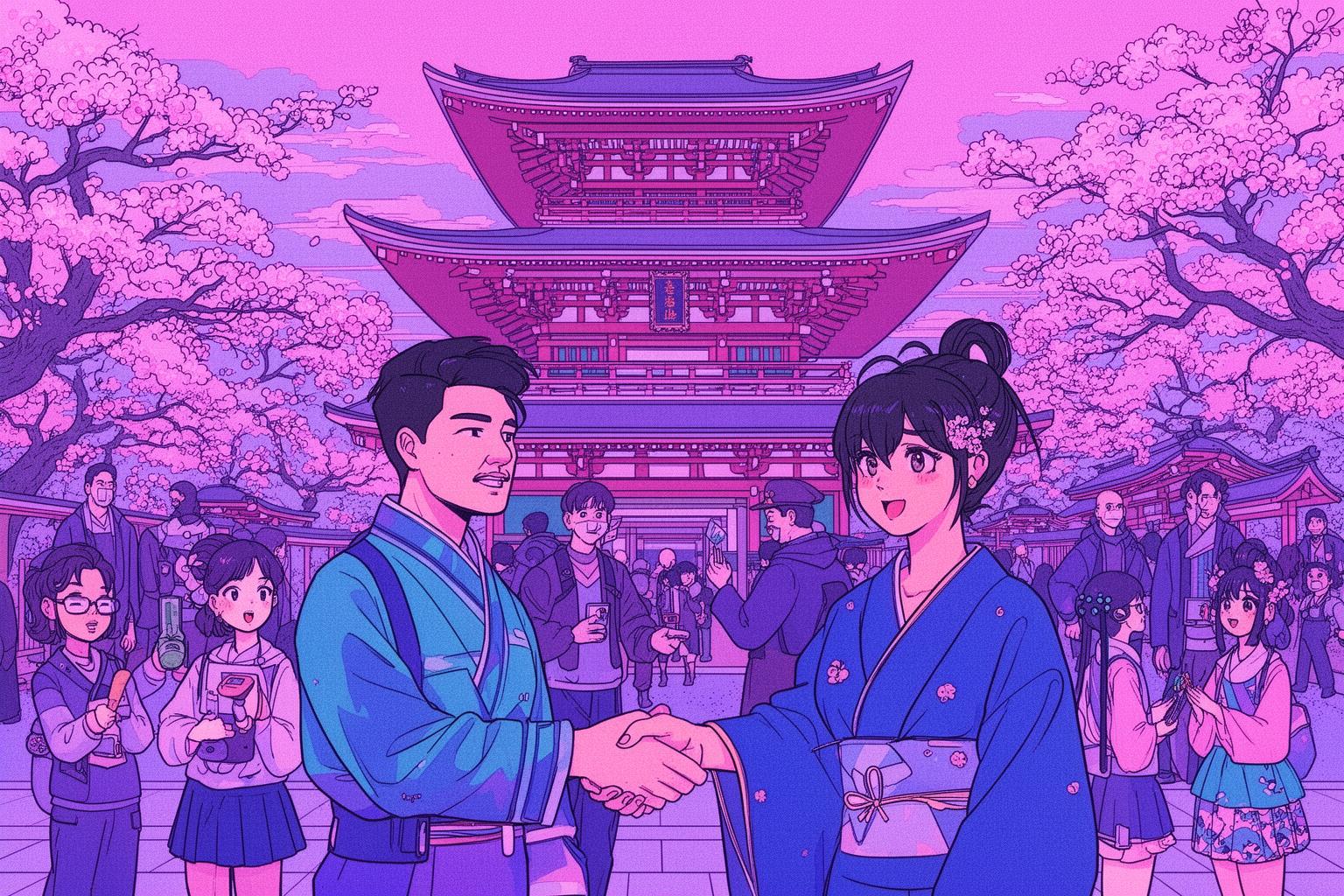
So if dating an idol is off the table, how do you even interact with them? This is where one of the most unique and honestly, mind-boggling, elements of idol culture comes into play: the ‘akushukai’ (握手会), or handshake event. This is the foundation of the modern idol-fan relationship. It’s a large, well-organized event, usually held in a convention center, where fans can wait in line for hours just for the chance to meet their oshi and shake their hand… for about five to ten seconds. I’m not exaggerating. You buy a CD, inside which is a ticket. One ticket equals one handshake. Want more time? You need to buy more CDs. It’s a brilliant, if somewhat dystopian, marketing tactic that has sustained the physical CD industry in Japan long after it has faded elsewhere. Fans will literally purchase hundreds, sometimes thousands, of the same single to gain more tickets—either to spend more ten-second increments with their favorite idol or to demonstrate to the agency just how much support their idol has. The sales figures directly reflect an idol’s popularity, affecting her position in the group, her screen time in music videos, and her overall career path. It’s a high-stakes game played with stacks of plastic jewel cases.
More Than Just a Handshake: The Rules of Engagement
After finally reaching the front of the line, following hours of waiting, you enter a highly regulated setting. There are rules—oh, so many rules. You must present your ticket and often an ID. Your hands need to be empty, so no gifts can be handed directly to the idol (there’s a separate box for that). You’ll be asked to sanitize your hands. As you approach the idol, who stands behind a table, you have only a few precious seconds to make an impression. What you say matters. Fans spend weeks preparing their ten-second speech. They might express how much the idol’s performance touched them, ask a quick question, or crack a joke to stand out. But there are boundaries. You absolutely cannot request personal information like their phone number. Creepy, negative, or inappropriate comments are forbidden. You may only touch the idol’s hand—no hugs, high-fives, or shoulder pats. Jewelry such as rings or bracelets often must be removed to avoid scratching the idol’s hand. It’s a conversation stripped down to its most intense, distilled form. You must be charming, respectful, and fast, all while your heart pounds. The idols, meanwhile, are experts in this craft. They meet thousands of fans each day, memorize faces and names, and give each person a moment that feels genuine, all while smiling until their cheeks ache. It’s an extraordinary feat of emotional labor.
The ‘Hagashi’ – Your Time is Up!
So how is the ten-second limit enforced? By the ‘hagashi’ (剥がし). This term literally means ‘to peel off.’ Standing right beside the idol is a stern staff member with a stopwatch. Their sole job is to separate you from the idol the moment your time runs out. As you shake hands and deliver your well-rehearsed line, the hagashi will tap you on the shoulder. That’s your signal. If you don’t move quickly enough, they will place their hands on your back or shoulders and firmly, though not violently, pull you away. It’s surreal to witness! One moment a fan is in pure joy, and in the next, they are literally peeled away by the hagashi. For first-timers, it can be shocking, but for seasoned wota, it’s just part of the ritual. This system is designed for maximum efficiency, processing thousands of fans each day. It perfectly illustrates the idol industry: a setup that offers fleeting moments of manufactured intimacy, wrapped tightly in rules and commercialism. It’s bizarre, it’s transactional, but for fans who live for these brief encounters, it means everything.
A Fan’s Code of Conduct: The Prohibited ‘Kinkyoi’
Beyond the prominent, flashy rules such as the dating ban, there exists an entire subset of forbidden actions for fans themselves, known as ‘kinkyoi’ (禁止行為). These are the absolute taboos—the behaviors that will get you blacklisted from events and ostracized from the community. These rules focus on maintaining a respectful distance and ensuring the safety and privacy of the idols. While some fans in Western cultures might view snapping a paparazzi-style photo of their favorite celebrity at a coffee shop as a triumph, in Japan, this behavior is regarded as a serious violation. The fandom is largely self-regulating. Experienced fans often call out newcomers who cross the line, guiding them on the proper way to be respectful supporters. It’s a culture of collective responsibility, all aimed at protecting the girls they cherish and the community they have nurtured.
No Stalking, No Paparazzi: The ‘Okkake’ and ‘Iri-Machi/De-Machi’ Taboos
One of the most serious offenses is any conduct resembling stalking. This includes a practice called ‘okkake’ (追っかけ), which means chasing or following an idol. Fans must not follow them home, discover their residence, or attempt to intercept them during their private time. Related taboos include ‘iri-machi’ (入り待ち) and ‘de-machi’ (出待ち), which involve waiting for idols at the entrances or exits of train stations, airports, or their agency offices to greet them or give gifts. Although this might seem harmless, it is considered a significant invasion of privacy and a potential safety hazard. Concert venues and theaters explicitly forbid this behavior. The reasoning is straightforward: the idol-fan relationship exists within designated spaces—whether the concert hall, handshake events, or the official blog. Outside these areas, the idol is a private individual entitled to peace and security. Fans who violate these rules are viewed as selfish and disrespectful toward both the idol and the other fans who comply with the guidelines. Such actions risk not only personal bans but also stricter rules being imposed on the entire group by management.
The ‘Tsunagari’ Prohibition: The Ultimate Sin
If stalking is a grave offense, then pursuing a ‘tsunagari’ (繋がり) is the ultimate, unforgivable breach. The term means ‘connection,’ and here it refers to a fan attempting to establish a private, personal bond with an idol. This is the greatest taboo. It goes well beyond obtaining an autograph; it involves bypassing official communication channels. This may include trying to locate their private social media profiles, sending private messages, seeking introductions through mutual acquaintances, or employing any other covert means to gain personal access. A fan discovered engaging in ‘tsunagari’ faces immediate and permanent bans from all events, and their name and photo might even circulate among security personnel. Why is this taken so seriously? Because it completely breaks down the barrier between fan and performer, undermining the entire system that relies on a strictly controlled form of access. It is also regarded as a profound betrayal of trust. The fan ceases to be a supporter and instead becomes someone seeking selfish and unfair advantages. This puts the idol in a highly uncomfortable and potentially dangerous situation. Likewise, any idol found to be knowingly engaging in ‘tsunagari’ with a fan would face severe consequences, as it breaches professionalism and violates the ‘renai kinshi’ rule. This prohibition forms the foundation of fan etiquette—a clear boundary that distinguishes a healthy, respectful fan from a dangerous, obsessive one.
The Visual Language of Fandom: Concert Etiquette and Beyond
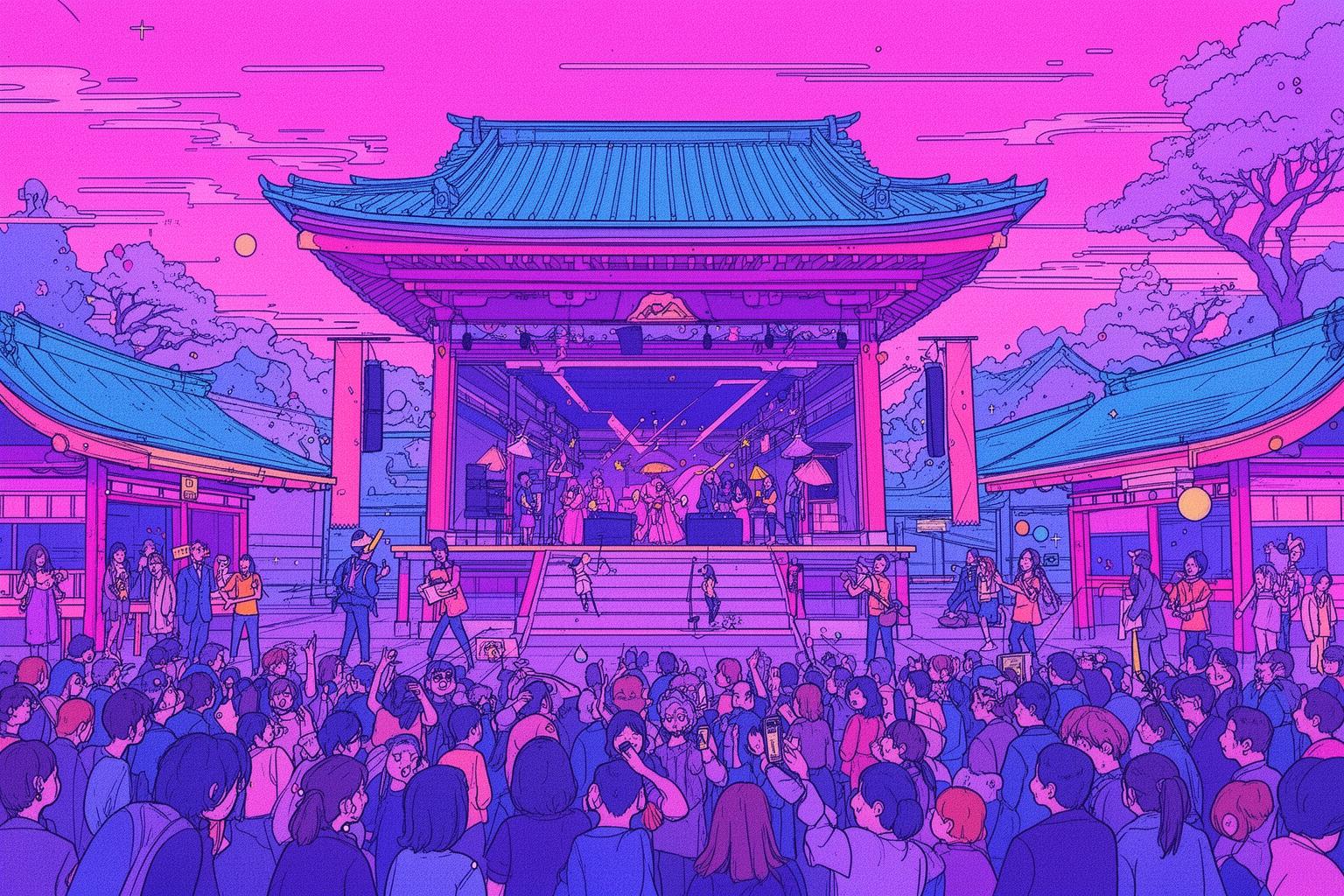
The rules extend beyond personal conduct, reaching deep into the core of the event itself: the live concert. A Japanese idol concert is a dazzling display of light, sound, and extraordinary fan coordination. It’s not a passive event where you simply stand and watch; it’s an interactive performance, with the audience playing a crucial role. Yet amidst this vibrant energy, an established set of rules governs the experience. From synchronized chants to the color of your light stick, every detail holds meaning and purpose. This is where the communal spirit of wota culture truly shines—a collective expression of love and energy, perfectly directed to support the idols on stage. It’s a performance by the fans, for the idols. The spectacle is breathtaking to witness and even more thrilling to join once you learn the language.
Wotagei: The Dance of the Devoted
One of the most striking features of an idol concert is ‘wotagei’ (ヲタ芸) or ‘otagei’ (オタ芸)—a set of synchronized cheers, claps, jumps, and arm movements performed by fans during the songs. This resembles a ritualized, high-energy dance. Each song has its own specific wotagei calls and moves that fans study and practice. During instrumental breaks, fans in the crowd execute these intricate routines in perfect harmony. It’s incredible! Among these are specific calls like the ‘MIX’, a standardized chant shouted at the start of many songs. Though it may look like a chaotic mosh pit, there are unwritten rules: personal space must be respected, and overly large or aggressive movements that could hit others are discouraged. There’s a careful balance between expressing passion and maintaining a positive experience for everyone. Some venues even designate areas for more intense wotagei performers to ensure safety and enjoyment for all. It’s a form of artistic expression—a physical embodiment of fans’ enthusiasm that adds a powerful dynamic to the performance.
The Penlight Rainbow: Colors and Codes
Step into any idol concert, and the first thing you’ll notice is a sea of colorful lights waving in the darkness. These ‘penlights’ or glow sticks are essential fan gear, but this is not a random display of color. It’s a sophisticated code. Each idol in a group has an assigned ‘member color,’ and fans who are devoted can set their penlights to that shade to show support. Modern penlights are battery-powered and can switch among dozens of colors at the press of a button. Dedicated fans memorize the member color of every girl in the group. The most breathtaking moment comes when an idol sings a solo part; instantly, the entire arena shifts to her color. If her color is blue, thousands of lights will turn from a multicolored mix to a unified ocean of blue, honoring her moment in the spotlight. It’s absolutely stunning. This silent, visual communication conveys to the idols: ‘We see you, we support you.’ It also allows idols to feel the love of the crowd—literally witnessing a wave of their color washing over the audience. It’s a beautiful, symbiotic part of the concert experience.
Uchiwa and Fan Signs: Creativity Within Boundaries
Another popular way to show support is with ‘uchiwa’ (うちわ), traditional Japanese flat fans. Fans decorate these with the idol’s name, supportive messages like ‘Give me a wink!’ or ‘Shoot me with a finger gun!’, and plenty of glitter. During the concert, fans hold these up, hoping to catch their oshi’s attention and receive a personal reaction, known as ‘fan service’ or ‘fansa.’ An idol pointing at your uchiwa or giving you the wink you requested is a magical moment, a cherished memory fans will recall for weeks. Naturally, there are rules here as well. Size restrictions are strict—uchiwa can’t be so large that they block the view of people behind. They must be held at chest level, never above the head. Some groups ban them entirely to maintain clear sightlines for everyone. This again illustrates the central theme of idol fandom: personal expressions of support should never compromise the community’s overall experience. It’s about being passionate and creative, but always within respectful limits.
Is It Worth It? The Joy and Passion Behind the Rules
After hearing all this, you might be thinking: wow, this sounds exhausting! So many rules, so much pressure, so much money. Why do people do it? That’s the million-dollar question. From the outside, it may seem like a restrictive and peculiar hobby. But from the inside, it’s a world full of immense joy, community, and a strong sense of purpose. These rules, as strange as they might appear, form the framework that allows for a unique and deeply meaningful connection. They provide a safe and structured way for hundreds of thousands of people to channel their passion into a positive force. Following the rules is a way of showing respect—respect for the idols and their hard work, and respect for fellow fans. It’s a way to prove you are a ‘true’ fan who understands the culture and is dedicated to supporting the group in the ‘right’ way.
A Community of Shared Passion
At its core, being an idol wota is about belonging to a community. It’s about finding others who share your passion and understand why your heart races at the first few notes of your oshi’s song. It’s about friendships formed while waiting in line for hours for a handshake ticket, the collective roar of the crowd when a concert starts, and the shared tears when a beloved member announces her graduation. These shared moments create strong bonds that transcend age, gender, and background. In a society that can often feel isolating, idol fandom offers a vibrant, welcoming space where people can express their deepest passion. Fans collaborate on projects like organizing flower stands for concerts or pooling money to buy billboard ads celebrating an idol’s birthday. It’s a powerful, positive social network built on shared love.
The Thrill of the Game
There’s also a gamification aspect to it all. The rules aren’t just limitations; they present challenges. How do you make a memorable impression in just ten seconds? How do you design the most eye-catching uchiwa? How do you help your oshi win the next fan election? Supporting becomes an active and engaging endeavor. Fans become strategists, marketers, and campaigners for their favorite idol. Her achievements feel like their own. When she ranks higher in the general election than the year before, it’s a victory for the entire fan community that voted for her. This sense of direct influence—the feeling that your support truly matters and can change the course of someone’s career—is incredibly powerful and addictive. It’s an investment that goes far beyond being just a casual listener. It transforms fandom from a passive hobby into an epic, emotional quest. For many, the structure and rules make the rewards even sweeter. It’s a world that demands a lot, but the emotional payoff—the joy of seeing your oshi shine on stage, knowing you played a part in her success—is, for millions of fans, absolutely and completely worth it.