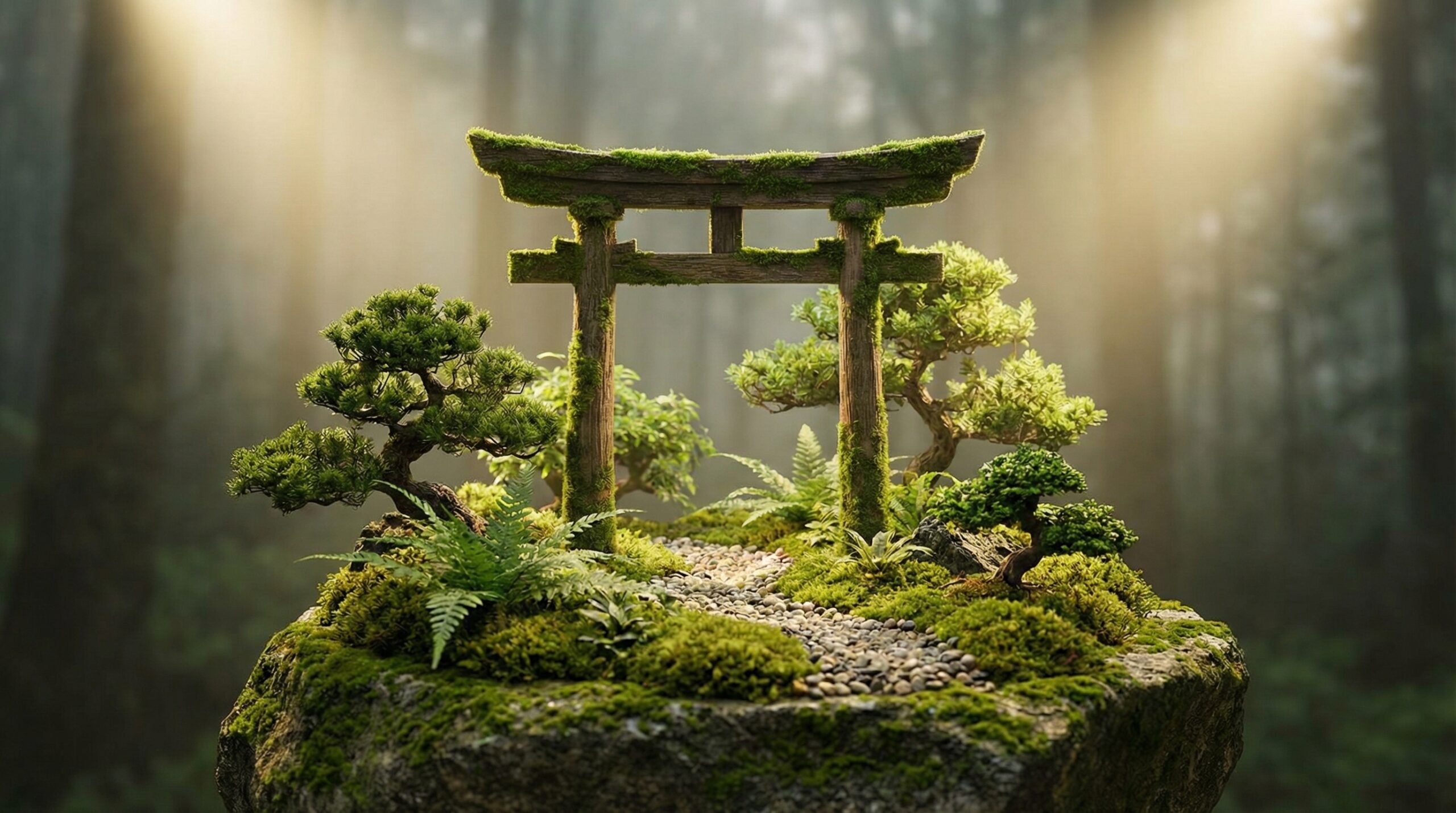
Yo, what’s up, fellow Japan explorers! Keiko here, coming at you straight from Tokyo. Let’s get real for a sec. We’ve all been there—binge-watching Studio Ghibli, feeling that deep, soul-level ache for a world that’s a little more magical, a little more wild. Specifically, we’re talking about the ‘Princess Mononoke’ vibe. That raw, ancient, slightly dangerous energy of a forest where gods and spirits are totally legit and the trees are older than history itself. You see those deep, mossy greens, hear the whispers of the kodama, and think, ‘There’s no way a place like that actually exists.’ Well, I’m here to tell you it absolutely does. It’s not just animation; it’s a living, breathing part of Japan, and if you know where to look, you can step right into that world. This isn’t your standard tourist trail. This is for the adventurers, the dreamers, the ones who want to feel the heartbeat of ancient Japan. We’re about to go on a deep dive into the forests that are so mind-blowingly epic, they feel like they were pulled straight from Hayao Miyazaki’s sketchbook. These are the sacred groves, the silent kingdoms where the air hits different and you can practically feel the centuries stacked up around you. So, lace up your best hiking boots, get your mind right, and prepare to enter the realm of the Forest Spirit. It’s time to find the real-life Irontown, the real sacred mountains, and maybe, just maybe, catch a glimpse of a kodama. Let’s get it.
If you’re captivated by the idea of stepping into other Ghibli worlds, you can also chase the magical vibes of Spirited Away in Japan’s enchanting lantern-lit alleys.
Yakushima: The OG Mononoke Experience
Alright, let’s begin with the main attraction, the undisputed star, the very place that inspired the film: Yakushima Island. Situated south of Kyushu, this subtropical island feels like an entirely different world. A UNESCO World Heritage site, the moment you step off the ferry or plane, you understand why. The air is thick with moisture—local slang says it rains “35 days a month”—and everything bursts with vivid, almost unreal greenery. This isn’t just a forest; it’s a revered institution. It’s the core of the Mononoke mythology, and visiting is less a hike and more a sacred pilgrimage.
The Vibe Check: Why It’s Authentic
The story goes that Hayao Miyazaki and his team spent extensive time in Yakushima, especially in a place called Shiratani Unsuikyo, simply absorbing the atmosphere. And you can feel it. The island pulses with an ancient energy. The trees, called ‘Yakusugi’ (Yakushima cedars), are millennia old. They’re not merely trees; they are living monuments. Their bark is gnarled and twisted into fantastical shapes, enveloped in thick, velvety moss. Everything is blanketed in it—the rocks, the ground, fallen logs, branches—transforming the world into a tapestry of countless shades of green. It’s peaceful too. Not a dead silence, but a living quiet, broken only by the drip of water, the call of a Yakushima macaque, or the rustle of a Sika deer in the undergrowth. This is where the kodama, the tiny white tree spirits from the movie, dwell. You probably won’t see them, but you will absolutely understand why people believe they exist here. The forest feels aware, almost sentient. It’s a powerful and humbling sensation.
The Main Quest: Shiratani Unsuikyo Ravine
Here it is: the epicenter of Mononoke energy. Shiratani Unsuikyo, meaning the “White Valley Cloud Water Ravine,” is a network of trails showcasing the island’s most iconic landscapes. This is where you’ll discover the “Moss Forest” (Kokemusu-no-mori), the very site that inspired the film’s defining scenery. Reaching it is an adventure itself. The trails combine wooden boardwalks, stone paths, and untouched forest floor, often slick from rain, so sturdy footwear is essential.
As you trek, you’ll cross crystal-clear streams cascading over granite boulders the size of cars. Dappled sunlight streams through the dense canopy in ethereal beams, illuminating the ever-present mist. It’s truly breathtaking. The trees themselves are the stars here. You’ll pass legendary Yakusugi like the Nidaiosugi and the Bugyosugi—massive, silent giants each with its own character. They have borne witness to entire civilizations rising and falling. Standing before one is a moment of genuine awe.
And then you arrive: the Moss Forest. Small but incredibly dense and otherworldly, it’s a clearing where a massive moss-covered rock serves as a natural altar, surrounded by twisted roots and ancient trees. The air is cool, scented with damp earth and decaying wood. It’s so quiet you can hear your heartbeat. This is the place. You half expect San to ride past on a giant wolf. It’s a space demanding reverence. You don’t just snap a photo for Instagram and move on; you stay, breathe it in, and let the timeless beauty wash over you.
Gearing Up: The Yakushima Outfit
Let’s be honest, visiting Yakushima calls for a specific wardrobe. This isn’t Shibuya. The weather is notoriously unpredictable and relentlessly wet. Waterproof gear is essential. A quality rain jacket and rain pants are your best allies. Shoes should be sturdy, waterproof hiking boots with excellent traction, as the trails can be slippery and tough. Layer up. Temperature shifts with altitude mean a breathable base layer, fleece, and waterproof shell are ideal. Also, carry a waterproof cover for your backpack—wet phones and passports are no fun. A headlamp is invaluable, especially if you start early for a long hike. And bring plenty of snacks and water. Hiking in this humidity is demanding. Thankfully, rental shops provide professional gear, so don’t stress if you can’t pack everything. Just respect the mountain, and it will reward you with an unforgettable experience.
The Ultimate Challenge: The Jomon Sugi Pilgrimage
If Shiratani Unsuikyo is the spiritual core, the trek to Jomon Sugi represents the island’s ultimate physical and mental test. This is no casual walk; it’s a grueling 10 to 12-hour round-trip trek that starts before dawn. The reward? A face-to-face encounter with a legend. Jomon Sugi is the oldest and largest Yakusugi, estimated to be anywhere from 2,000 to over 7,200 years old. It’s among the oldest living things on Earth.
The trail begins with a long, somewhat surreal walk along the old logging railway track, the Anbo Forest Railway. It’s flat but mentally draining, especially in the pre-dawn darkness. After a couple of hours, you leave the railway and begin the true ascent into the mountains. It’s steep and demanding, requiring you to use both hands and feet to navigate roots and rocks. Along the way, you’ll encounter remarkable sights like Wilson’s Stump, the enormous hollow remains of a giant cedar. Standing inside, looking up, the opening resembles a perfect heart—an iconic photo spot for a reason.
Finally, after hours of relentless climbing, you arrive. Jomon Sugi doesn’t reveal itself immediately. You view it from a specially constructed platform designed to protect its ancient roots. And it is… immense. Words and photos cannot capture its grandeur. It’s more than a tree; it’s a living presence. Its gnarled, weathered trunk speaks of millennia of endurance—typhoons, fires, and the dawn of human history. Standing before it is profoundly humbling. You feel tiny and transient, connected to deep time in a way that lingers forever. The return hike is exhausting, but you carry a quiet sense of achievement and awe with you.
Island Life: Beyond the Ancient Forest
Yakushima offers more than just its legendary forests. The island possesses a unique culture and rhythm worth experiencing. The coastline is rugged and stunning, with dramatic cliffs and secluded beaches. From May to August, Yakushima becomes one of the North Pacific’s most crucial sea turtle nesting sites. You can join guided night tours to respectfully observe loggerhead and green turtles nesting on Nagata Inakahama beach. It’s a truly magical and moving experience.
The local cuisine is also a highlight. Thanks to its location, the seafood is exceptional. Look for dishes featuring ‘tobiuo,’ or flying fish, often served fried whole with fins intact—it’s delicious. The island is also famed for its shochu and products made from local ‘tankan’ and ‘ponkan’ citrus fruits. After a long day hiking, there’s nothing better than soaking your tired muscles in an onsen. Yakushima boasts several, including unique seaside ones like Hirauchi Kaichu Onsen, where hot spring pools are carved out of the rocky shore and accessible only at low tide. Bathing in a natural hot spring with Pacific Ocean waves crashing just feet away? That’s peak Japan.
Shirakami-Sanchi: The Silent Northern Kingdom
Now, let’s journey far north, to the border between Aomori and Akita prefectures in the Tohoku region. Here lies another UNESCO World Heritage site: a vast mountain range known as Shirakami-Sanchi. This area offers a different kind of Mononoke magic. While Yakushima is famous for its ancient, moss-covered cedars, Shirakami-Sanchi boasts the largest remaining virgin beech forest in East Asia. It’s a quiet, expansive realm that feels even more untouched and remote than Yakushima.
A Different Atmosphere: The Majesty of Beech
The mood here is less mystical and eerie, and more majestic and serene. A primeval beech forest has a distinct feel. The trees grow tall and straight, their smooth, pale bark creating a cathedral-like ambiance as their leaves form a dense canopy overhead. In the summer, the filtered light is a soft, gentle green. In autumn, the entire forest transforms into a stunning tapestry of gold, orange, and red. It’s quieter too; the thick carpet of fallen leaves muffles sound, producing a deep, profound silence. This forest is called a ‘natural dam’ because the rich soil and root systems of the beech trees are excellent at retaining water, which then supplies the pristine rivers and lakes in the area.
This forest feels more patient and less dramatic than Yakushima’s wild cedars. It’s a vast, living ecosystem largely left to its own devices. The core zone of the World Heritage site is strictly protected, and entering requires a permit and often a guide, preserving its pristine condition. This is nature in its purest form, offering a glimpse of what Japan looked like before extensive logging and development. It’s the kind of place where you feel like an intruder—a guest in a much older, wiser world.
Must-Visit: Juniko, The Twelve Lakes
On the western edge of Shirakami-Sanchi lies one of its most accessible and breathtaking areas: Juniko, or the ‘Twelve Lakes.’ It’s actually a group of 33 small lakes and ponds, formed centuries ago by a landslide. The hiking trails here are fairly easy, winding through the beautiful beech forest and linking the various bodies of water. The main attraction, popular on social media, is Aoike, the ‘Blue Pond.’
And believe me, the photos don’t exaggerate. Aoike is a small pond with water so vividly blue it looks as if someone poured ink into it. This is a completely natural phenomenon, and scientists have yet to fully understand the cause, though it’s believed to relate to the water’s mineral content and purity. On a clear day, with sunlight hitting it just right, the blue appears almost supernatural. You can see fallen beech trees perfectly preserved at the bottom, as if frozen in a sapphire gem. It’s a mesmerizing, almost hypnotic sight. While Aoike is the star, the other lakes are equally beautiful, each with its own character—some emerald green, others mirror-like, reflecting the surrounding forest with perfect clarity.
Anmon Falls: A Trio of Waterfalls
For those seeking a more challenging hike, the trail to Anmon Falls is a classic Shirakami-Sanchi adventure. It’s a series of three waterfalls located deeper in the mountains. The trail follows the river and can be rugged, occasionally closing due to weather, so checking conditions beforehand is essential. The journey is as stunning as the destination, taking you through the heart of the beech forest. The first waterfall is the smallest, but as you continue, they grow progressively larger and more dramatic. The final falls, the largest of the three, are a powerful cascade tumbling down a massive rock face. The spray cools the air, and the roar fills the narrow gorge. It’s a raw display of nature’s power, a rewarding climax to the strenuous hike. It feels like a place where a river god might dwell—a sacred spot nestled within the forest’s embrace.
Access and Respect: Entering a Sacred Space
Exploring Shirakami-Sanchi requires a mindset of deep respect. This is not an amusement park; it’s a protected, living laboratory of nature. While areas like Juniko and the Anmon Falls trail are open to the public, the core protected zone is off-limits to casual visitors. To enter, visitors must follow specific procedures, often involving hiring a licensed local guide. This ensures protection of both hikers and the fragile ecosystem. The guides are invaluable sources of knowledge, pointing out unique plants and animals, sharing the forest’s history, and making sure your visit leaves no trace. It’s a reminder that some places on Earth are so precious they demand our utmost care. Visiting Shirakami-Sanchi is a privilege, a rare chance to witness a world untouched by human hands, and it’s our responsibility to preserve it for future generations. Walking in this true silence, surrounded by an ancient, self-sustaining ecosystem, is a humbling experience and a powerful lesson in conservation.
Oirase Gorge: The Whispering River Path
Staying in Aomori Prefecture, not far from Shirakami-Sanchi, reveals another gem that captures the spirit of Mononoke: Oirase Gorge. If Yakushima is the ancient, gnarled heart and Shirakami-Sanchi the silent, majestic cathedral, then Oirase is the vibrant, flowing artery. This 14-kilometer-long gorge is carved by the Oirase River as it flows from Lake Towada. A walking trail follows the river’s entire length, making it one of Japan’s most beautiful and accessible nature walks.
Walking the Emerald Corridor
Picture a trail that runs alongside a rushing, crystal-clear river. On either side, the gorge walls rise, blanketed in dense forests of maple, beech, and oak. The air is cool and misty, filled with the constant, soothing sound of flowing water. This is the essence of Oirase. The gorge is renowned for its many waterfalls—not grand, thundering cascades, but dozens of delicate, picturesque falls tumbling from mossy cliffs into the river below. Each has a poetic name, like Choshi Otaki (Sake Bottle Falls) or Kumoi no Taki (Cloud Well Falls). The path weaves through the trees, crossing the river on quaint wooden bridges. You become completely immersed in a world of green and blue. The river’s rocks are covered in vibrant moss, and the water is so clear you can see every pebble beneath. It feels like walking through a living watercolor painting. The mostly flat path makes it an easy walk for nearly anyone. You can tackle the full 14 kilometers or enjoy a shorter section. Buses run along the road paralleling the gorge, allowing you to hop on and off to tailor your hike.
Seasonal Glow-Ups: When to Visit
Oirase Gorge is breathtaking throughout the year, but it shines brightest during two peak seasons. The first is early summer, from May to June, when the shinryoku (new green) season bursts forth. The leaves glow a brilliant, almost neon green, and the entire gorge buzzes with fresh life. It’s lush, vibrant, and incredibly refreshing.
The other—and arguably more famous—season is autumn. From late October to early November, Oirase transforms into a masterpiece of color. Maple and oak trees blaze with brilliant reds, oranges, and golds, creating a stunning contrast against evergreen pines and mossy green rocks. The sight of fiery red maple leaves scattered across emerald moss, with clear blue water rushing by, embodies the pinnacle of Japanese aesthetics. This time is incredibly popular, and for good reason—the entire gorge appears aflame. Winter also offers a unique, stark beauty, when waterfalls freeze into spectacular ice sculptures and the forest is dusted with snow, though the path can be icy and challenging.
The Art of Moss Gazing
One of Oirase’s most distinctive features is its status as a paradise for moss enthusiasts. Japan holds a deep reverence for the subtle beauty of koke, or moss, and Oirase is among the best spots in the country to indulge in serious moss appreciation. The gorge’s cool, damp environment provides the perfect habitat for hundreds of moss species. They form lush, green carpets on rocks, tree trunks, and the forest floor. You’ll see locals and tourists alike bent over with magnifying glasses, admiring the intricate miniature forests moss creates. It may sound nerdy, but it’s a wonderfully meditative practice. It encourages you to slow down, notice tiny details, and appreciate the quiet, resilient beauty of nature. It’s very much in the Mononoke spirit—finding life and spirit in every small part of the forest, from towering trees to humble moss. This changes how you see the landscape, transforming a simple walk into a treasure hunt for tiny, perfect worlds.
Kamikochi: Mononoke in the Alpine Clouds
For our final stop, we journey to the heart of the Japan Alps in Nagano Prefecture, to a place called Kamikochi. This is ‘Princess Mononoke’ with a striking, high-altitude transformation. Kamikochi is a pristine mountain valley, approximately 15 kilometers long, located at an elevation of 1,500 meters. It is encircled by the towering, jagged peaks of the Hotaka mountain range, including some of Japan’s tallest summits. This isn’t the dark, enclosed forest of Yakushima; it’s a realm of breathtaking vistas, crystal-clear rivers, and an expansive sense of alpine wilderness. Yet the spirit remains the same: a profound reverence for a powerful, untouched natural world.
The Grand Entrance: Taisho Pond and the Hotaka Peaks
The Kamikochi experience begins the moment you arrive. To protect the environment, private cars are banned from the valley, so visitors arrive by bus or taxi through a long, dark tunnel. Emerging from it feels like stepping into another world. One of the first sights is Taisho Pond, a stunning body of water formed when a volcanic eruption from nearby Mt. Yakedake dammed the Azusa River in 1915. The pond is renowned for the submerged, withered trees still standing in its waters, creating a mysterious and slightly eerie scene. On calm mornings, the pond acts as a perfect mirror, reflecting the smoldering volcano and the jagged Hotaka peaks. The view is truly legendary—an extraordinary, dramatic landscape where the forces of creation and destruction are vividly on display. It feels like the kind of place where the Forest Spirit itself might take a stroll.
A Walk on the Wild Side: Kappa Bridge and the Azusa River
The Azusa River is the main artery of Kamikochi, with some of the purest water you’ll ever encounter. Flowing from the high mountains, its color is a captivating shade of aquamarine. The valley’s central hub is Kappa Bridge, a wooden suspension bridge that has become an icon of Kamikochi. From the bridge, you’re treated to one of the most iconic views in Japan: the pristine river below, framed by the massive, awe-inspiring peaks of the Hotaka range. It’s a sight that will leave you breathless.
The valley floor is fairly flat, perfect for gentle hiking. Well-maintained trails run along both sides of the Azusa River, leading through beautiful forests of larch, birch, and hemlock. You can enjoy a leisurely walk from Taisho Pond to Kappa Bridge and then further on to Myojin Pond, a sacred and tranquil spot featuring a small Shinto shrine. The air is crisp and pure, with only the sounds of rushing water and birdsong. Though the main trails attract many visitors, it’s easy to find quiet moments of solitude. Kamikochi also serves as a base for serious mountaineers aiming to scale the surrounding peaks. So, while families enjoy peaceful riverside strolls, dedicated alpinists head into the high country. This blend of accessibility and raw wilderness is part of what makes Kamikochi so unique.
The Rules of the Realm: A Pact with Nature
Kamikochi’s untouched beauty is no coincidence. It is protected by strict regulations that everyone must follow. The ban on private vehicles is the most important, greatly reducing traffic and pollution. But it goes beyond that: picking plants or feeding wildlife is forbidden, and all trash must be carried out, as there are no public garbage bins in the valley. These rules are not mere suggestions; they form a collective commitment to preserve this natural sanctuary. This profound respect for the environment lies at the heart of the Kamikochi experience. It fosters a sense of shared responsibility, making you an active participant in its protection. It’s a modern embodiment of the Mononoke theme—the understanding that humans must live in harmony with nature, not dominate it. Adhering to these rules makes the experience richer, turning you into a guardian rather than just a visitor of this alpine haven.
Finding Your Own Sacred Grove: The Mononoke Mindset
So, we’ve traveled from the ancient, moss-covered heart of Yakushima to the silent beech cathedrals of Shirakami-Sanchi, followed the murmuring waters of Oirase Gorge, and stood in awe before the alpine grandeur of Kamikochi. Each of these places serves as a gateway into the world of ‘Princess Mononoke,’ offering a chance to experience the raw, untamed spirit of Japan’s wilderness. Yet, the Mononoke feeling isn’t limited to just these four sites.
It’s a Vibe, Not Just a Place
The sensation that Ghibli captured so perfectly is rooted in Japan’s ancient indigenous religion, Shinto, a form of animism. It’s the belief that ‘kami,’ or gods and spirits, inhabit all things—in the trees, the rocks, the rivers, the mountains. A particularly old or impressive tree isn’t merely wood; it’s a ‘yorishiro,’ a vessel that a kami can reside in. A massive, immovable boulder might be a kami itself. This belief nurtures a profound respect and reverence for nature that permeates Japanese culture. When you see a ‘shimenawa’—a sacred rope with white paper streamers—wrapped around an ancient tree or waterfall, it is a tangible expression of this belief. It designates a site as sacred, the dwelling of a spirit.
This is the Mononoke mindset. It’s about viewing a forest as more than just a collection of plants. It’s about sensing the presence of something older and greater than yourself. It’s about walking with humility and respect, recognizing that you are a guest in a world that operates on a timeline far beyond human understanding. You can find this feeling in many places throughout Japan, from a small, forgotten shrine in a neighborhood park to the expansive wilderness of its national parks. It’s a way of seeing the world.
The Final Word
Exploring these real-life Mononoke forests is more than just a memorable travel experience; it’s a journey into the soul of Japan. It’s an opportunity to disconnect from the noise of modern life and reconnect with something primal and profound. It’s a reminder that there are still places on this planet that remain wild, sacred, and powerful. Whether you’re undertaking the epic trek to Jomon Sugi or simply admiring the moss by the Oirase River, the experience is transformative. You leave with a deeper appreciation for the beauty and fragility of our natural world. So go find your forest. Go listen to the silence. Go feel the weight of a thousand years in the bark of a single tree. Step into the story, and let the spirit of the forest change you. Trust me, it’s a journey you will never forget. Peace out.