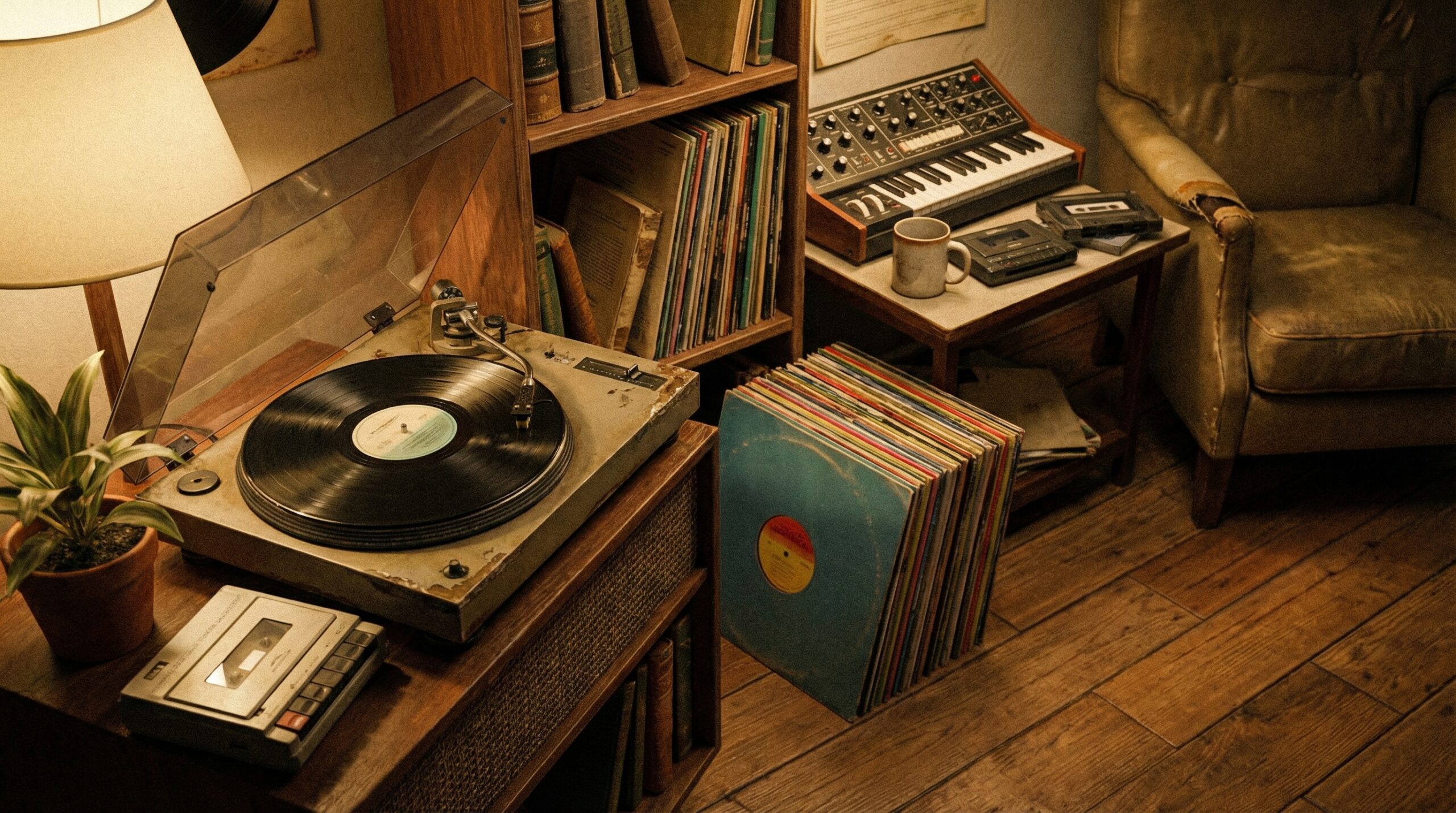
Yo, what’s the vibe? It’s Li Wei, coming at you straight from the heart of Tokyo’s creative chaos. Today, we’re diving headfirst, no hesitation, into the world of Shimokitazawa, a neighborhood that’s basically the spiritual home of the lo-fi hip hop beat you’ve had on repeat for studying, chilling, or just surviving the daily grind. You know the sound—that warm, fuzzy crackle of a vinyl sample, a melancholic piano loop, a smooth jazz chord progression laid over a dusty drum break. It’s a global mood, but its ingredients, its very essence, can be traced back to the overflowing record crates of this one-of-a-kind Tokyo district. Shimokitazawa, or ‘Shimokita’ as the locals call it, isn’t just a place you visit; it’s a whole entire mood you soak in. It’s a tangled web of narrow streets where vintage Levis hang next to indie band posters, where the scent of world-class coffee mingles with the rich, spicy aroma of legendary curry houses, and where the real magic happens in dimly lit, floor-to-ceiling record shops. This ain’t your slick, polished Ginza. This is where Tokyo’s youth culture breathes, creates, and, most importantly, digs. Forget your streaming playlists for a minute. We’re on a mission to find the source code, the raw materials for that perfect chill-out track. We’re going on an analogue adventure, a pilgrimage for beat-makers, collectors, and anyone who believes that music just sounds better when it comes from a spinning piece of wax. This is your ultimate guide to crate digging in Shimokitazawa, the place where lo-fi dreams are made of vinyl realities. Let’s get it.
While Shimokitazawa is the spiritual home for lo-fi diggers, for a different flavor of Tokyo’s vinyl soul, explore the iconic record stores in Shinjuku.
Understanding the Shimokita Vibe: More Than Just Stores
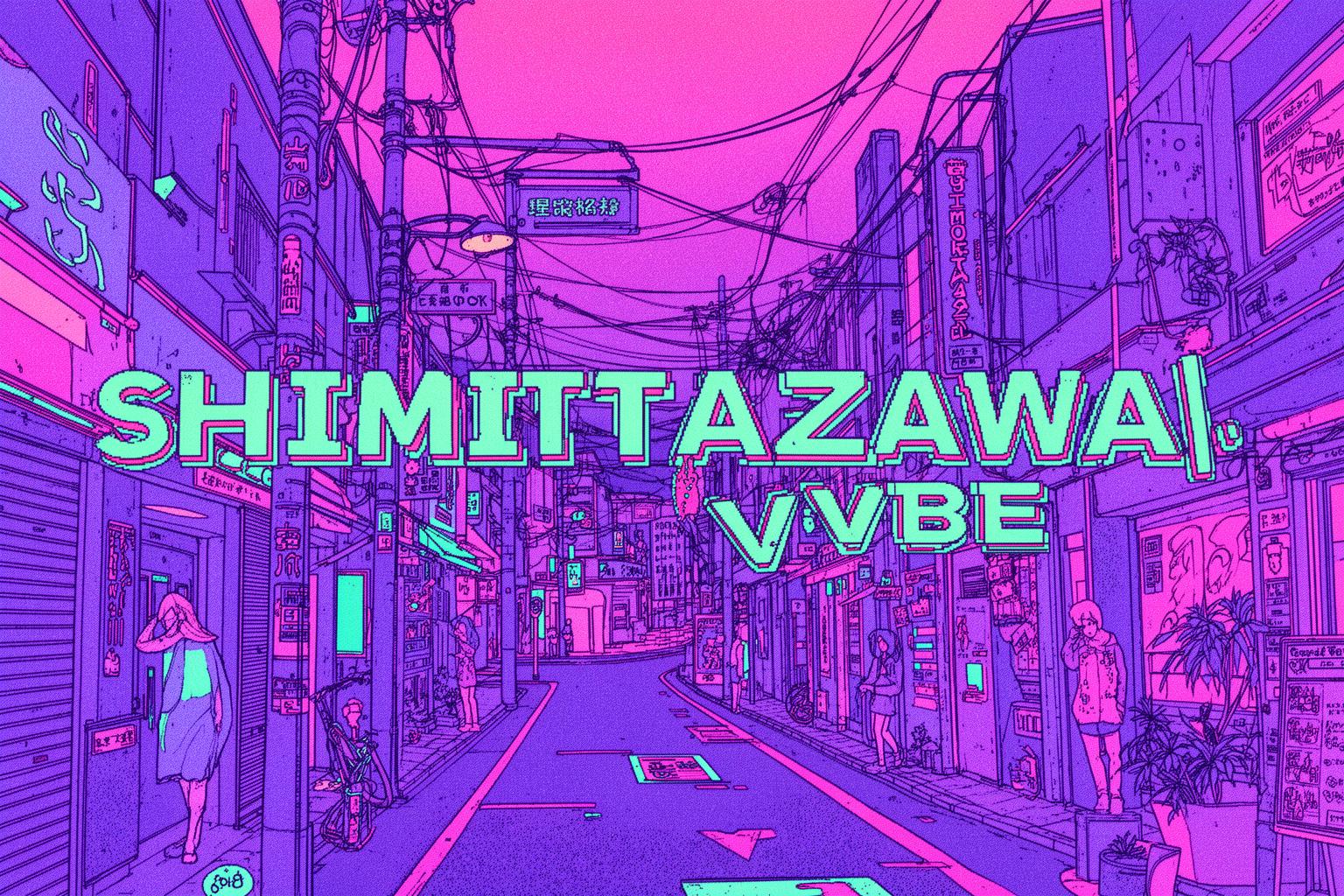
Before you even touch a record, you need to grasp the ecosystem. Shimokitazawa’s energy is the secret ingredient. It’s not a commercial area designed by some large corporation; it developed naturally, a chaotic harmony of independent spirit. As soon as you step out of Shimokitazawa Station, you’re plunged into a maze. There are no wide boulevards here. The streets are incredibly narrow, winding and twisting, compelling you to slow down and explore. This controlled chaos forms the backdrop for Shimokita’s identity. Every wall appears covered in street art or flyers advertising local theater productions or upcoming gigs at nearby live houses. The entire neighborhood feels like a collaborative art project. This is vital because the record stores aren’t isolated spots; they are woven into this living, breathing culture.
The fashion here is a world of its own. Shimokita is arguably Tokyo’s hub for second-hand and vintage clothing. Shops like New York Joe Exchange, where items are sold by weight, and Flamingo, with its carefully curated American vintage selection, set the aesthetic tone. The people digging through record crates often wear carefully chosen vintage pieces, creating a visual connection between past and present that perfectly reflects the act of sampling old records. This bond between fashion and music is something I notice across East Asia’s youth centers, from Shanghai’s vintage markets to Seoul’s indie boutiques, but Shimokita’s version feels uniquely genuine and lived-in. It’s not a trend; it’s a way of life.
Then there’s the performance culture. Shimokita is filled with small, intimate live music venues—the renowned ‘live houses’—and independent theaters like The Suzunari. This makes the area a magnet for musicians, actors, artists, and creatives of all kinds. They are the ones frequenting the cafes, running the vintage shops, and, naturally, digging through those same record bins. You’re not just a tourist here; you’re part of a scene. The music you seek isn’t merely an artifact; it’s the community’s lifeblood. This environment nurtures a deep appreciation for music with history and soul, which is exactly what lo-fi producers are after. So, when you’re wandering those streets, take it all in: the graffiti, the fashion, the sound of a band sound-checking leaking from a basement venue. It’s all part of the prelude to the dig. It sets the right mood to discover something truly special.
The Sonic Blueprint: What Are You Actually Looking For?
Alright, so you’re ready to start digging. But what’s the treasure? For lo-fi hip hop producers and enthusiasts, Japanese records from the 70s and 80s are the ultimate holy grail. This period, known as the bubble economy era, saw a surge of musical creativity and top-notch production. The sound we’re after fits into a few essential categories, and understanding them will seriously elevate your digging skills.
First up is the undisputed champion: City Pop. This genre has taken the internet by storm, with artists like Mariya Takeuchi and Tatsuro Yamashita becoming global icons long after their prime. City Pop is a smooth, sophisticated mix of soft rock, funk, and boogie, perfectly suited for cruising through a neon-lit Tokyo that might only exist in the imagination. The production quality on these records is incredible—lush string arrangements, tight horn sections, and groovy basslines begging to be chopped and looped. Finding a City Pop classic in a Shimokita crate feels like uncovering a piece of sonic history. It’s the sound of urban melancholy blended with hopeful futurism, forming a core emotional palette for lo-fi.
Next, dive deep into Japanese jazz, often called ‘Wamono’ (a term meaning Japanese-made, here referring to music). We’re not just talking traditional jazz—the real gems lie in jazz fusion and instrumental funk from artists like Casiopea, T-Square, and Sadao Watanabe. These records are treasure troves of smooth keyboard riffs, intricate drum patterns, and soulful sax melodies. The musicianship is exceptional, and the vibe is flawless. A two-second keyboard loop from a forgotten 1982 jazz fusion album can become the foundation of a killer beat. Look for albums with cool, abstract cover art, often on labels such as Three Blind Mice or East Wind. These deep cuts will truly set your sound apart.
Don’t overlook the soundtracks. Seriously. Japan’s film and anime industries have produced some of the most beautiful and evocative music ever recorded. Scores from Studio Ghibli films, composed by the legendary Joe Hisaishi, are well-known classics, filled with nostalgic and gentle piano melodies. But go beyond that—explore soundtracks from 80s anime series or movies. These often feature ambient synth passages, moody city-themed tracks, and experimental electronic textures, perfect for crafting atmosphere. The cover art is usually a reliable hint, and scoring a cult-classic anime soundtrack is a huge win.
Finally, there’s the more esoteric but deeply rewarding realm of ‘Kankyō Ongaku’, or environmental music. This 80s movement featured composers like Haruomi Hosono (of Yellow Magic Orchestra fame) and Midori Takada, who created ambient, minimalist music designed to blend into living spaces, functioning like furniture or architecture. These records are filled with atmospheric pads, gentle synth arpeggios, and nature sounds. They are the ultimate source for adding texture and space to a beat, providing the ‘air’ that lets other samples breathe. Finding one of these is like discovering a secret key to an entirely new level of production. These four pillars—City Pop, Wamono Jazz, Soundtracks, and Kankyō Ongaku—make up the sonic DNA of the Shimokitazawa lo-fi sound. Now, let’s go find them.
The Digging Sanctuaries: A Tour of Shimokita’s Best Record Stores
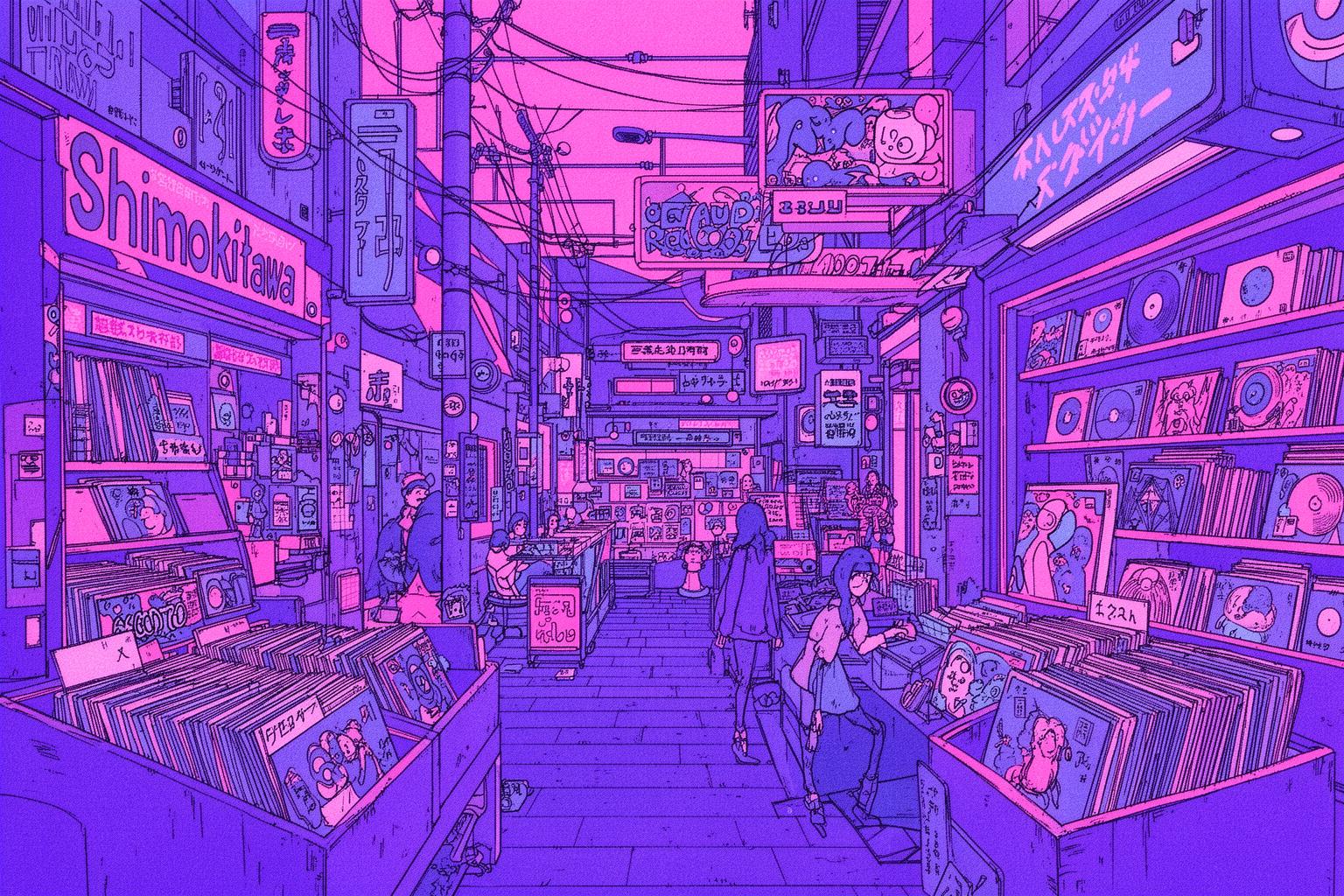
This is the main event. Shimokitazawa boasts an overwhelming number of record stores, each with its distinct personality and specialty. You could spend days exploring and still not cover everything. However, for our lo-fi mission, a handful of key spots are absolutely essential. Don’t try to visit them all at once. The real pleasure lies in taking your time, letting your fingers get dusty, and allowing the records to find you. Here’s a guide to the must-visit locations.
Disk Union Shimokitazawa: The All-Powerful Behemoth
You have to begin at Disk Union. It’s more than just a store; it’s an institution. This multi-level vinyl temple is likely the most organized and comprehensive record store you’ll ever visit. Each floor is dedicated to a different genre, making it an incredible place to start your search. You’ll spend plenty of time in the floor devoted to Japanese pop and rock. The City Pop section is clearly labeled and meticulously arranged, making it easy to find records from the big names. But the real excitement is in the ‘Light Mellow’, ‘Wamono’, and Japanese rock sections, where you’ll discover lesser-known artists with music just as sample-worthy.
The staff at Disk Union are experts. They know their stuff, and the records are generally in excellent condition, complete with clear grading labels. They also offer listening stations, which are a godsend. If you see something intriguing but aren’t certain about it, you can give it a listen. This is absolutely essential for uncovering new sounds. The vastness can be overwhelming, so my advice is to come with a plan. Spend an hour focused solely on the Japanese jazz section, then take a break, grab some coffee, and return to the City Pop bins. Disk Union is less a romantic treasure hunt and more a strategic strike for high-quality, guaranteed finds. It’s the perfect first stop to get oriented and maybe pick up some classics before diving into the deeper, more chaotic shops.
Flash Disc Ranch: The Legendary Treasure Cave
If Disk Union is a library, Flash Disc Ranch is a dragon’s hoard. This place is legendary among crate diggers worldwide, and for good reason. It’s the complete opposite of Disk Union’s neat organization. When you walk in, you’re confronted with an overwhelming sea of records—everywhere. In the bins, on the floor, piled up to the ceiling in precarious towers. The aisles are so narrow you have to turn sideways. This is not a place for the faint-hearted. This is for the true believer. There’s no obvious organization to the casual eye. You just pick a spot and start digging. And that’s where the magic happens.
At Flash Disc Ranch, you’ll find things you won’t see anywhere else: obscure private press jazz albums, forgotten movie soundtracks, City Pop B-sides missing from the internet. The owner, often present, is a quiet but knowledgeable figure who has curated this beautiful chaos for decades. Prices here are often very reasonable, especially if you’re willing to take a chance on a record with a worn cover. This is the store where you embrace the serendipity of the dig. You might enter searching for a particular Tatsuro Yamashita album and leave with a psychedelic 1970s folk record featuring the wildest drum break you’ve ever heard. You need patience and a readiness to get your hands dirty. Wear comfortable shoes because you’ll be squatting and reaching for hours. A trip to Flash Disc Ranch isn’t just shopping—it’s an experience and a rite of passage for any serious Tokyo digger.
JET SET Tokyo: The Modern Curator
After the old-school chaos of Flash Disc Ranch, JET SET offers a breath of contemporary air. Located a bit of a walk from the main station area, this store has a different focus. While they have a solid selection of used records, JET SET is also a key player in the modern vinyl scene. Here you’ll find new releases by contemporary Japanese and international artists, including many from the lo-fi and indie scenes. They also handle distribution for many small labels, so you can find brand-new records here that won’t be available anywhere else.
Their curated selection of used vinyl is outstanding. The ‘Japanese Groove’ section is a well-chosen mix of City Pop, jazz fusion, and soul. The vibe here is more relaxed and boutique-like, with a clean, well-lit space and friendly staff often playing something amazing on the store’s sound system. JET SET serves as a bridge between past and present. It’s the perfect spot to find a classic 80s City Pop reissue alongside the latest beat tape from a modern Tokyo producer. It reminds you that this music is not just history; it’s a living tradition. Visiting JET SET offers an important perspective on how the sounds you’re digging have influenced music being made today. It’s a great place to visit toward the end of the day, letting you see the full cycle of vinyl culture.
General Record Store: The Wamono Specialist
General Record Store is another Shimokita staple that strikes a nice balance between the vast inventory of Disk Union and the curated feel of a smaller shop. It has a warm, cozy atmosphere with wooden bins and a layout less overwhelming than some other spots. Their real strength is a deep selection of Japanese music, or ‘Wamono’. The staff possess impressive knowledge of Japanese rock, folk, pop, and jazz from the 60s, 70s, and 80s.
This is the place to ask for recommendations. If you tell staff you’re after something with smooth chords and a mid-tempo groove, they’ll likely pull out three or four fantastic records you haven’t heard of. They also have a ‘¥100 corner’ where you can find hidden gems and sample-worthy drum breaks at bargain prices. This is where you can afford to take risks. A record costing less than a cup of coffee could hold your next great track. General Record Store has a neighborhood shop feel, built on genuine love for the music. It’s a fantastic place to dig deep into the Japanese catalogue beyond the usual City Pop favorites, discovering rich histories of funk, soul, and psychedelic rock. It’s a cornerstone of the Shimokita digging experience and a spot guaranteed to teach you something new.
City Country City: The Coffee and Vinyl Combo
Sometimes, you need to recharge. The hours of standing, squatting, and flipping through records can be taxing physically and mentally. That’s where City Country City comes in. It’s a brilliant concept: part record store, part café, part spaghetti restaurant. A small, cozy spot, it offers a highly curated selection of vinyl. You won’t find endless bins here—just a small, expertly selected collection focusing on soul, jazz, soft rock, and AOR (Album-Oriented Rock), including plenty of City Pop.
The owner, a well-known DJ and music connoisseur, curates the stock carefully. Every record feels chosen for a reason. This is the ultimate ‘quality over quantity’ space. The real charm of City Country City is the chance to combine digging with relaxation. You can browse their selection, then sit down with an excellent cup of coffee or a surprisingly delicious plate of Napolitan spaghetti. Enjoy the fantastic music playing in the café and soak up the Shimokita atmosphere. It offers a more civilized, relaxed approach to record shopping—a perfect mid-day stop to refuel your body and creative spirit before heading back into the vinyl jungle. The mix of great music, good food, and chill vibe makes City Country City a truly unique and essential part of the Shimokita circuit.
The Art of the Dig: Strategy and Etiquette
Walking into these stores is one thing, but knowing how to navigate them is something else entirely. There’s a certain art to crate digging that goes beyond merely searching for famous names. First, come prepared. Wear comfortable clothes that allow you to move easily. Bring a tote bag to carry your finds, as many small shops may only offer thin plastic bags. And most importantly, bring cash. While larger stores usually accept cards, many smaller, older shops are cash-only, and you don’t want to be caught empty-handed when you discover a rare gem.
Once inside the store, there’s an unspoken etiquette to follow. Treat the records gently. Don’t pull them out of their sleeves carelessly. Handle them by the edges. If someone else is browsing a bin you want to check, be patient and give them their space. A polite nod can make a big difference. The record digging community is typically laid-back, and respecting both the space and the records is essential.
Don’t hesitate to explore the bargain bins. The ‘¥100’ or ‘¥300’ sections aren’t just filled with junk. Often, they’re stocked with records that may be less commercially popular but hold musical treasures for producers. Look for instrumental tracks, B-sides, or albums by lesser-known artists. This is where you find unique sounds that no one else is sampling. Learn to judge a record by its cover. In the ’70s and ’80s, album art was significant. Look for covers with a particular aesthetic: cityscapes at night, cool illustrations, or musicians with unusual instruments. Often, the visual vibe hints at the sonic vibe inside.
Don’t be afraid to use your phone. Apps like Shazam can be useful, but even better is Discogs. If you find an intriguing record, you can look it up on Discogs to check its genre, listen to sound clips if available, and get an idea of its market value. This helps you make informed decisions and avoid overpaying. However, don’t spend the entire time on your phone. The true joy lies in discovery—taking a chance on something completely unknown based on a cool cover or an interesting track title.
Lastly, interact with the staff if you feel comfortable. Even with language barriers, you can often communicate your interests. You could point to a City Pop record you like and give a thumbs-up, and they might direct you to another section or pull out something similar. The people who work in these stores are passionate experts. Tapping into their knowledge can open up whole new musical worlds. A bit of respect and genuine interest can turn a simple shopping trip into a memorable cultural exchange.
Refueling the Soul: Coffee, Curry, and Culture
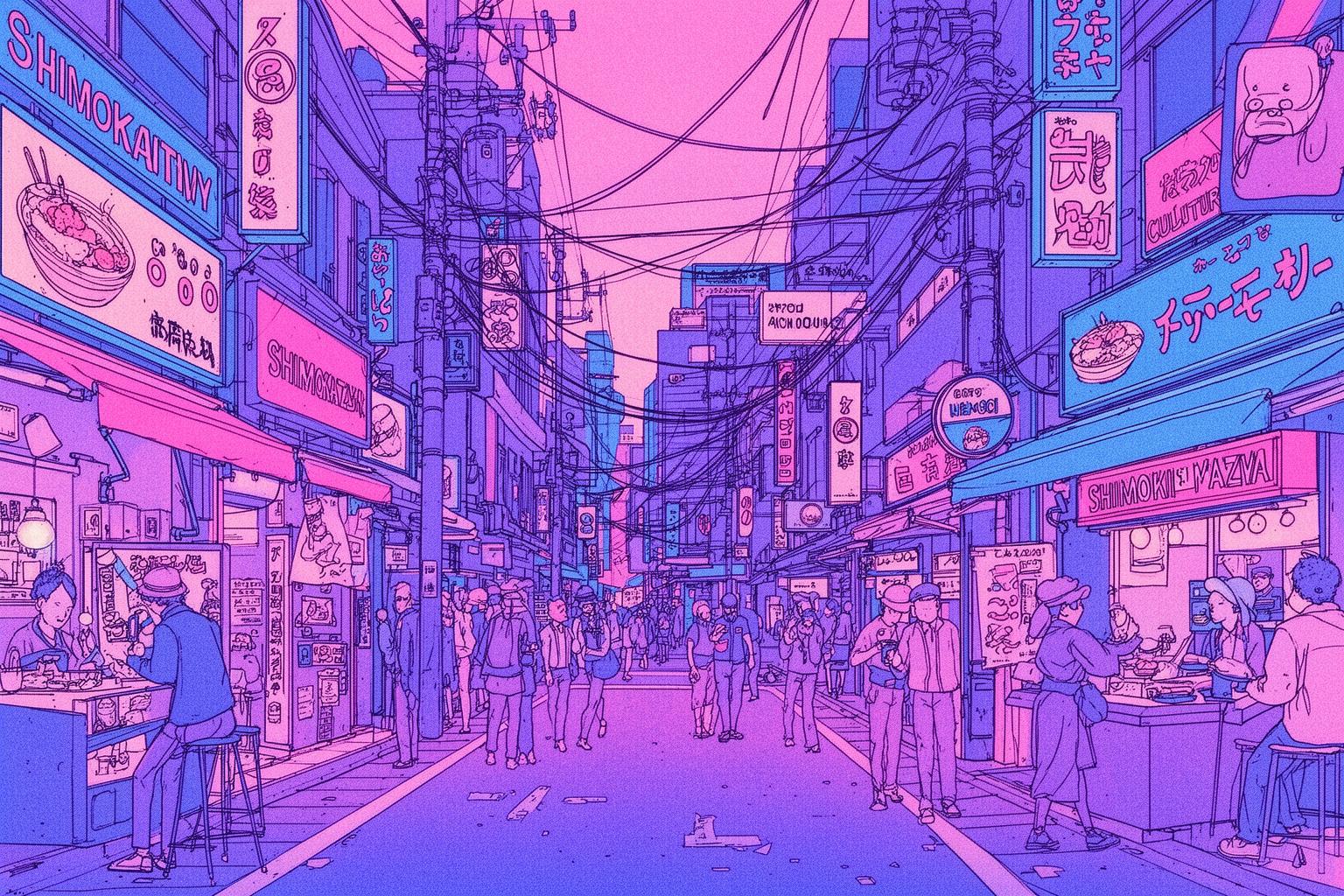
You can’t dig on an empty stomach. Seriously, a full day of hunting for vinyl is a marathon, not a sprint. Fortunately, Shimokitazawa is as well known for its food and drink scene as it is for its records and vintage clothing. Taking breaks to eat and drink isn’t just about refueling; it’s an essential part of the Shimokita experience. It gives you a chance to reflect on what you’ve seen, rest your back, and gear up for the next round.
The neighborhood is a haven for coffee enthusiasts. The coffee culture here is intense, emphasizing quality and craftsmanship that mirrors the passion of record collectors. Forget the big chains. Instead, visit places like Bear Pond Espresso, a legendary spot celebrated for its extremely strong and flavorful espresso shots. The owner is a true artist, and watching him at work is a performance in itself. It’s a tiny venue with a devoted following. Or try Ogawa Coffee Laboratory, where you select your beans and brewing method, and the baristas—dressed like scientists in white coats—craft your perfect cup. Sitting in one of these cafes, surrounded by Shimokita’s stylish locals, is the ideal way to recharge. You can browse through your new records, plan your next stop, or simply people-watch and soak it all in.
When it comes to food, one word dominates Shimokitazawa: curry. The area is renowned for its ‘soup curry,’ a Hokkaido specialty that has found a spiritual home here. Places like Magic Spice or Rojiura Curry Samurai are local institutions. This isn’t your typical Japanese curry. It’s a thin, spicy, broth-like curry filled with vegetables and your choice of protein, often a tender, fall-off-the-bone chicken leg. It’s served with a separate plate of rice that you dip into the soup. The flavors are complex, spicy, and deeply satisfying. Eating a bowl of soup curry feels like pressing a reset button for your senses. It’s the perfect fuel for a long day of digging, warming you from the inside and giving you the energy to hit one more store.
The connection between the creative scenes in Shimokita is what makes it so special. The record store owner might be grabbing coffee at the same spot as the lead singer of a local indie band, who later dines on curry at the same restaurant as a vintage clothing buyer. It’s all interconnected. By engaging in the food and coffee culture, you gain a richer understanding of the neighborhood’s soul. You’re not simply a consumer; you become part of the daily rhythm of this unique, vibrant community. So, make time for it. The records will still be there when you return, and you’ll approach them with refreshed energy and a fuller stomach.
The Journey Home: Packing and Preserving Your Finds
You did it. You braved the narrow aisles, your fingers coated in that distinct crate-digger dust, and you now hold a stack of vinyl treasures. The mission is a success. But the final, crucial step remains: getting your precious finds home safely. This is no time to be careless. Records are fragile, and a long international flight is their greatest adversary.
First, consider how you’ll transport them. If you only purchased a few records, they’ll likely fit in your carry-on luggage. The best way to protect them is to sandwich the records between two stiff pieces of cardboard or between the covers of a large book to prevent bending. A dedicated record mailer, which you can often find at larger stores like Disk Union or JET SET, is the gold standard. These are specifically designed to shield records from corner dings and warping.
If you went all out and bought a hefty stack of vinyl, you’ll probably need to pack them in your checked baggage. This requires extra care. The goal is to keep them as rigid and protected as possible. Once again, record mailers are your best ally. Pack a few records into each mailer, then place them in the center of your suitcase, cushioned on all sides by soft clothing. This creates a buffer zone so no direct impact reaches the records. Make sure they are packed tightly to prevent shifting during transit. This might add some weight, so keep your airline’s weight limits in mind. The extra baggage fee is a small price to pay for the sonic pleasure these records will deliver for years to come.
Once home, the final part of the ritual begins. Carefully unpack your records. It’s wise to clean them before playing for the first time. Even records that look clean can hold years of dust in their grooves. A simple record cleaning brush and cleaning solution work wonders, reducing surface noise and protecting your turntable’s stylus. Then comes the moment of truth. You place the record on the platter, lower the needle, and hear that familiar, gentle crackle before the music begins. In that moment, you’re transported back to that dusty, crowded shop in Shimokitazawa. You’re not just hearing a sound sample; you’re experiencing a memory, a tangible piece of your journey. Each pop and click tells the story of your adventure through Tokyo’s vinyl labyrinth. And that, truly, is a vibe no playlist can ever replicate.