Yo, what’s the move? Ryo Kimura here, hitting you with the real scoop from the neon-drenched streets of Tokyo. When the sun dips below the horizon and the city’s concrete canyons start to glow, a sacred ritual kicks off. It’s the sound of a million ties being loosened, the collective exhale of a nation’s workforce clocking out. This is the golden hour, the magic moment when the city shifts gears from work to play, and the soundtrack to this transformation is the unmistakable hiss of a freshly poured highball. Forget what you think you know about a simple whisky soda. In Japan, the highball, or haibōru as it’s lovingly called, is more than a drink. It’s a cultural institution, a social lubricant, a precision-engineered art form, and the undisputed MVP of the after-work scene. It’s the lifeblood of the izakaya, those buzzing, lantern-lit dens of delicious chaos where Japan’s office warriors, the legendary salarymen, go to decompress, connect, and refuel. This isn’t just about getting a buzz; it’s a whole vibe, a deep dive into the heart of modern Japanese social life. We’re about to peel back the layers on this iconic drink, from its historical glow-up to its starring role in the bustling alleys of Shinjuku and Shimbashi. Get ready to understand why this seemingly simple concoction is the key to unlocking the real, unfiltered Tokyo. Peep the map below to get your bearings; we’re diving into the heart of the action, a place where the highball reigns supreme.
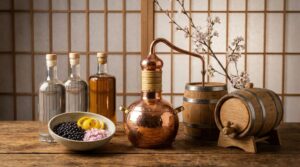
To truly appreciate the highball’s place in Japan’s drinking culture, it helps to understand the nation’s deep-rooted love for fermented beverages.
The Anatomy of an Icon: It’s Not Just Whisky and Soda
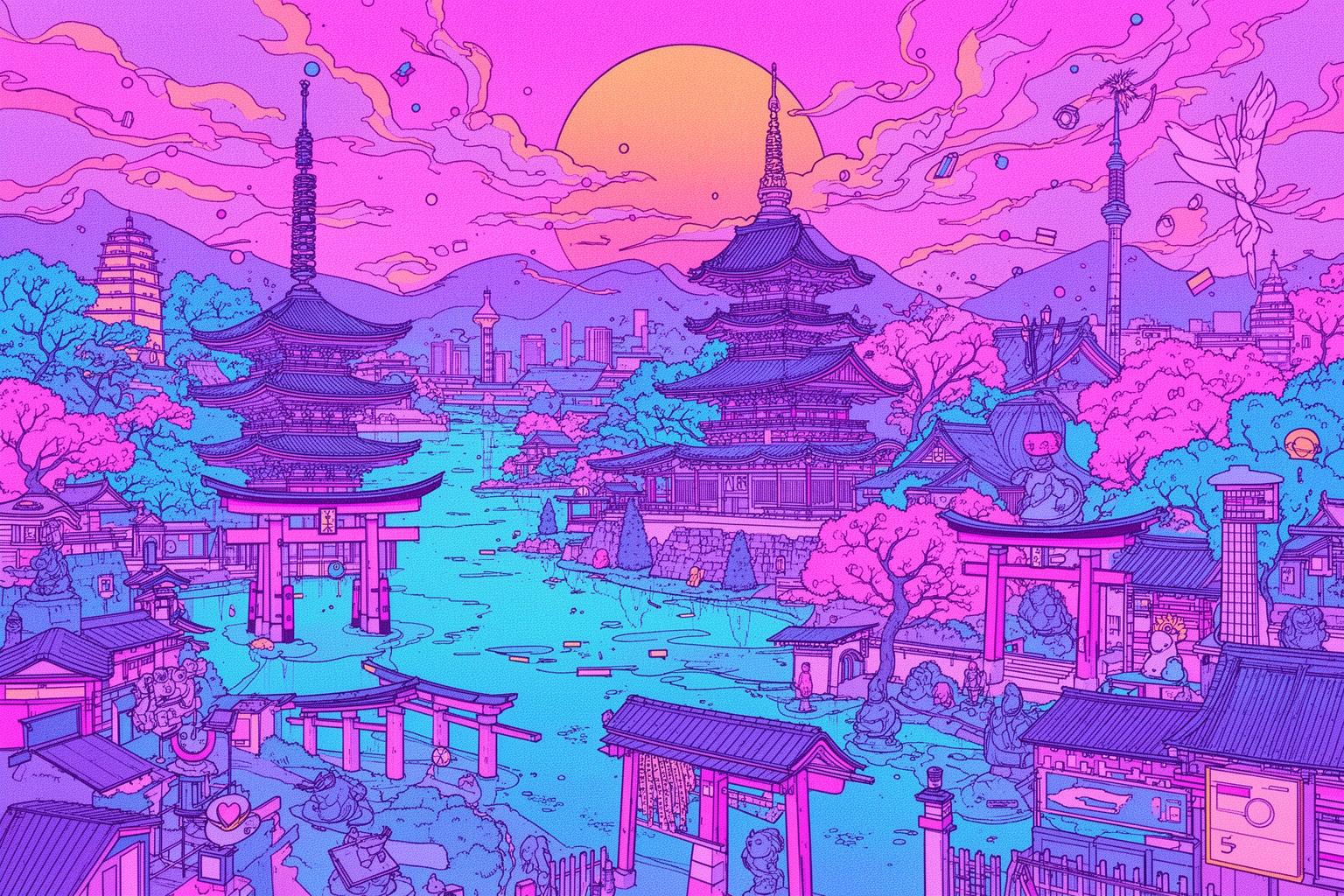
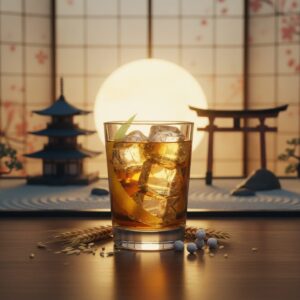
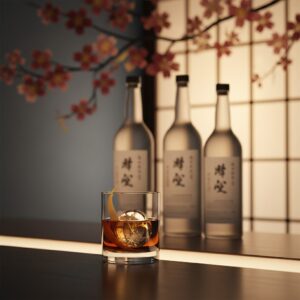
First things first, let’s clear something up. Calling a Japanese highball ‘just whisky and soda’ is like calling a katana ‘just a knife.’ The disrespect! Seriously though, the charm of the Japanese highball lies in its kodawari—that distinct Japanese dedication to perfection in every detail. It’s a philosophy that proves simplicity is the ultimate sophistication. It all begins with the glass. It has to be a tall, slender Collins-style glass, chilled almost to frost. Some experts even keep their glasses in a special freezer. This isn’t mere presentation; a properly chilled glass slows the melting of ice, preventing your drink from becoming watered down and dull. Next, the ice. Forget those cloudy, fridge-tray cubes. We’re talking crystal-clear, solid blocks of ice, often hand-carved to fit the glass perfectly. This dense ice traps less air, meaning it stays colder longer and melts at a snail’s pace. The bartender fills the glass with these flawless ice pieces and stirs, chilling the glass even more before discarding any melted water. This step is essential. Then comes the whisky. Technically, any whisky will do, but the classic and original is Suntory Kakubin, affectionately known as ‘Kaku.’ This Japanese blended whisky, smooth and slightly sweet, has been the staple for ages and is basically crafted to be the perfect highball base. The pour is exact, often measured with a jigger to keep the ratio consistent—usually one part whisky to three or four parts soda. Finally, the fizz. The soda water is the highball’s soul. It must be ice-cold and intensely carbonated. Bartenders typically pour it gently along the side of the glass or down a long bar spoon, aiming not to disturb the bubbles. The goal is to maintain that sharp, electric effervescence. A brief, delicate stir—often just one and a half times from the bottom—is enough to blend the ingredients without sacrificing carbonation. The result? A drink that’s stunningly crisp, clean, and effervescent. The whisky’s subtle flavors are lifted and enhanced by the bubbles, creating a refreshing harmony. Sometimes there’s a twist of lemon or another citrus, but the classic version is pure and simple. This exacting process transforms a two-ingredient drink into a masterpiece of balance and refreshment. It’s the ultimate palate cleanser, designed to cut through the rich, savory tastes of izakaya dishes and prepare you for the next delicious bite.
A Sip Through Time: The Highball’s Epic Comeback Story
The highball’s story is a genuine saga—one of ambition, decline, and one of the most brilliant marketing revivals in history. To understand it, you have to look back to the early 20th century and Shinjiro Torii, the godfather of Japanese whisky and founder of Suntory. His goal was to create a subtle, refined whisky tailored to the Japanese palate, moving away from the heavy, smoky Scotches popular at the time. After years of effort, he introduced Suntory Shirofuda (White Label) in 1929, the first authentic Japanese whisky. Since whisky drinking at home or in bars wasn’t widespread yet, Torii took initiative by opening a chain of ‘Torys Bars’ across Japan, establishing a new Western-style social space where people could enjoy whisky. During the post-war economic boom, these bars became hotspots for a new generation. The highball, especially the ‘Kaku Highball’ made with Suntory Kakubin (launched in 1937), emerged as a symbol of a modern, slightly sophisticated lifestyle—a drink of aspiration. But by the 80s and 90s, as Japan’s Bubble Economy soared, tastes shifted toward more premium, ‘prestigious’ drinks like brandy, aged whisky on the rocks, and pricey sake. Beer became the dominant casual drink. The modest highball was considered outdated, a drink for dads or grandpas. Kakubin sales plummeted, and the highball faded into obscurity. For a time, it seemed its era was over. Then, in the mid-2000s, Suntory delivered a marketing coup. They noticed changing consumer habits: younger people were drinking less overall and turning away from beer’s heavy, bitter taste, seeking something lighter, more refreshing, and easier to drink. Suntory seized the opportunity and launched a major campaign to rebrand the Kaku Highball. The advertisements were outstanding, featuring the famous and effortlessly cool actress Koyuki. Rather than presenting the highball as a drink for connoisseurs, they positioned it as the ideal partner for food—especially the tasty fried and grilled dishes of the izakaya. The tagline was simple and effective: highball pairs perfectly with karaage (Japanese fried chicken). They highlighted its refreshing nature, clean taste, and relatively low calorie count compared to beer. The campaign was a huge success, single-handedly reviving the highball’s image and making it fashionable again. Izakayas nationwide installed special highball taps that dispensed a perfectly chilled, perfectly carbonated mix. The drink’s popularity surged—not only among its traditional salaryman crowd but also among young people, women, and everyone in between. This legendary revival cemented the highball not just as a beverage, but as a cultural icon defining modern Japan’s taste.
The Sacred Grounds: An Izakaya Pilgrim’s Guide to Highball Heaven
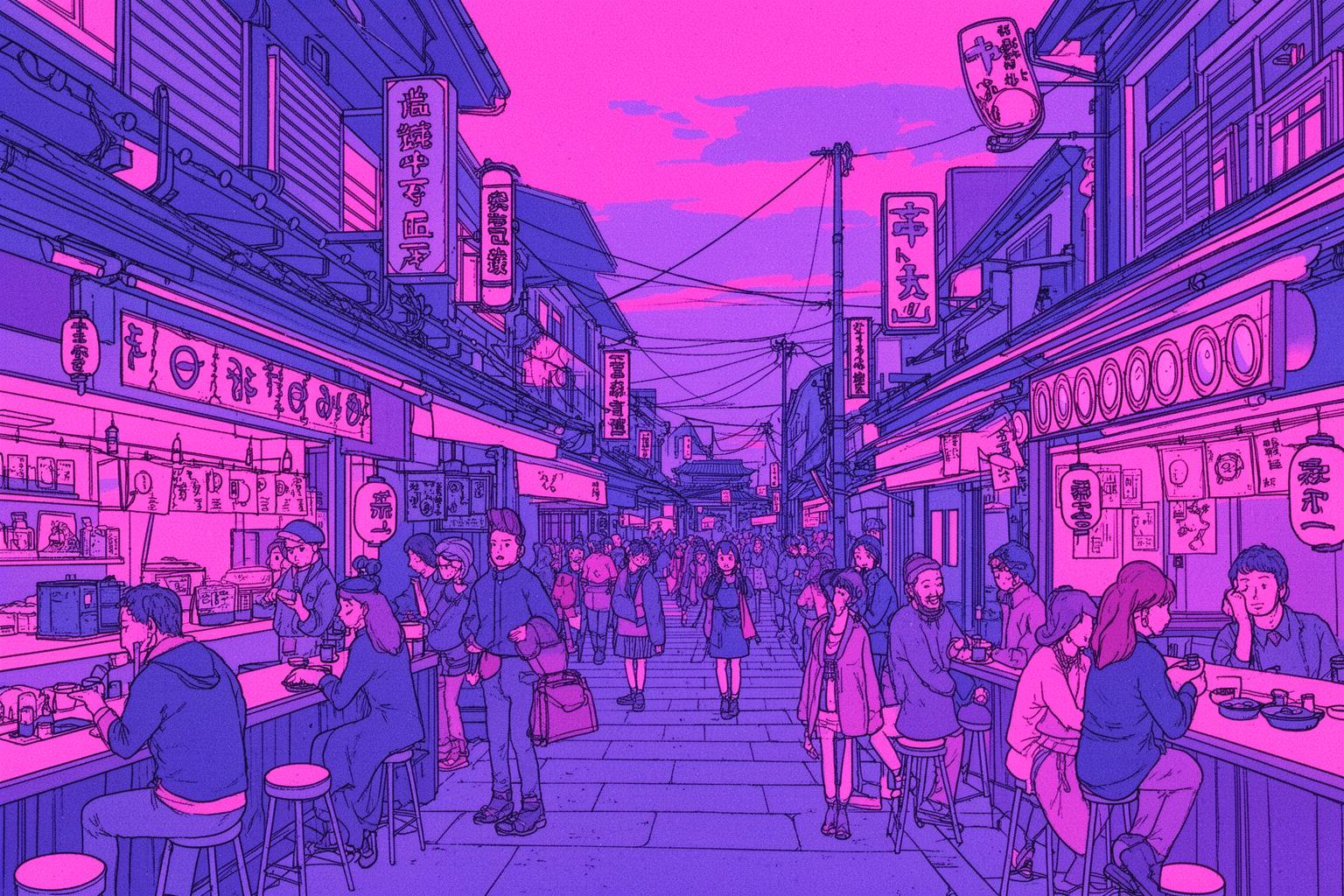
To truly grasp highball culture, you need to experience it in its natural setting: the izakaya. These Japanese-style pubs are the vibrant core of the country’s social life, and certain districts in Tokyo have become legendary. This is where the magic unfolds, where the clinking of glasses and the sizzling grill combine to create a symphony of pure, unfiltered joy. Let’s explore these sacred grounds.
Shimbashi: The Salaryman’s Heartland
If there’s one place that stands as the unquestioned epicenter of salaryman culture, it’s Shimbashi. Situated just a short walk from the formal business districts of Marunouchi and Ginza, this area is a gritty, captivating maze of izakayas, especially beneath the elevated JR train tracks. As trains rumble overhead, the streets below burst with an energy that is distinctly Tokyo. This isn’t the sleek, futuristic image you might imagine; it’s a nostalgic throwback to the Showa era, a neighborhood that feels beautifully frozen in time. Here, the predominant style of izakaya is the tachinomi—a standing bar. No chairs, just counters and a sea of office workers in their standard dark suits, packed shoulder to shoulder. The air is thick with the scent of cigarette smoke (though many places are going smoke-free now, the vibe endures), grilled fish, and simmering oden. The noise is a constant, joyful roar of conversation and laughter. You’ll see groups of colleagues, bosses and subordinates alike, all shedding office formalities. In Shimbashi, everyone is equal in the pursuit of a cold drink and good company. Ordering a highball here feels like joining a time-honored ritual. Served quickly, cold, and without fuss, it’s the perfect fuel for an evening of nominication—the brilliant Japanese blend of nomu (to drink) and communication. Shimbashi is raw, genuine, and utterly captivating. It’s the real thing.
Shinjuku: A Tale of Two Alleys
Shinjuku is a world unto itself, and its izakaya scene is just as varied and expansive. For the quintessential highball experience, two legendary alleys stand out, each with its own unique character.
Omoide Yokocho (Memory Lane)
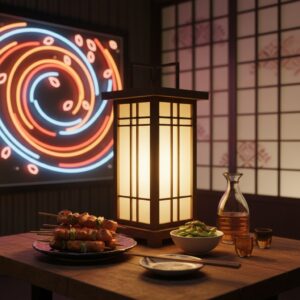
Better known by its infamous nickname, “Piss Alley” (a leftover from days with fewer public restrooms), Omoide Yokocho is like a cinematic dreamscape. It’s a maze of incredibly narrow, lantern-lit alleyways tucked right next to the enormous Shinjuku Station. Stepping into Omoide Yokocho is like stepping back in time. The tiny stalls seat no more than five or six patrons at cramped wooden counters. The air is perpetually thick with smoke rising from dozens of yakitori grills. The star of the show here is grilled chicken skewers of every conceivable part, cooked over traditional binchotan charcoal. Finding a seat can be challenging, but that’s part of the charm. You squeeze in beside locals and travelers, elbows nearly touching. You point to a menu you probably can’t read, order a haibōru, and watch the masters skillfully turn skewers with effortless finesse. The highball here is the perfect companion to the smoky, savory yakitori. It cuts through the richness, refreshes your palate, and prepares you for the next skewer. The atmosphere is intimate, chaotic, and warmly inviting. You’re likely to strike up a conversation with your neighbor. It’s a sensory overload in the best way possible.
Shinjuku Golden Gai
A short walk from Omoide Yokocho is another legendary nightlife maze with a completely different vibe: Golden Gai. This cluster of six narrow alleys is packed with over 200 tiny bars, each a world unto itself. Unlike Omoide Yokocho, which centers on food and drink, Golden Gai focuses more on the bar experience itself. Historically a hangout for artists, writers, musicians, and filmmakers, it still retains a bohemian, countercultural spirit. Each bar boasts a unique theme, a specific musical genre, quirky décor, and a fiercely loyal crowd. Many seat only a handful of people, creating an intensely intimate atmosphere. While some places can be exclusive or charge high cover fees for outsiders, many warmly welcome newcomers. Having a highball in Golden Gai is a more reflective experience. You’re there to soak up the ambiance, chat with the bartender (the ‘master’), and listen to stories that seem to echo from the well-worn wooden walls. It’s less about a boisterous after-work gathering and more about finding a tiny, hidden corner of the world to call your own for a few hours. It’s a vastly different but equally vital aspect of Tokyo’s drinking culture.
The Unspoken Code: How to Vibe in an Izakaya
Stepping into an izakaya for the first time might feel a bit daunting, but the rules are straightforward and mostly about being polite. Getting the rhythm right will have you looking like a seasoned regular. The first thing you’ll hear upon entering is a loud ‘Irasshaimase!’ (Welcome!). The staff will ask how many people are in your group (‘Nan-mei-sama desu ka?’). Once seated, you’ll probably receive an oshibori, a warm or cool towel to clean your hands—your signal to unwind. Don’t wait for everyone to pick their food first; the initial order is drinks. The classic opener used to be ‘Toriaezu, nama!’ meaning ‘For now, a draft beer!’ It’s a quick way to get things started. Nowadays, ‘Toriaezu, haibōru!’ is just as common. Everyone orders their first drink, and when they arrive, you wait until everyone has their glass before raising them together for a ‘Kanpai!’ (Cheers!). Shortly after, a small appetizer called otoshi will be brought out. You didn’t order it, but it’s intentional. This obligatory dish also serves as a seating fee—just go with it, as it’s part of the experience and usually quite tasty. When ordering food, don’t pile it all on at once like you might at a Western restaurant. An izakaya is about sharing and pacing. Start with a few dishes, and as you finish them and order another round of highballs, order more food. It’s a relaxed, ongoing flow. The menu can be overwhelming, but you can’t go wrong with the classics. Now, let’s dive into the ultimate pairings that make the highball shine.
The Perfect Pair: Highball and Izakaya Food Combinations
What makes the highball the reigning drink of izakayas is its remarkable compatibility with food. Its clean, crisp character doesn’t clash with flavors; it amplifies them. It’s the perfect supporting player that lets the main flavors stand out.
Karaage (Japanese Fried Chicken)
Karaage is the king of highball pairings, the combination that started a whole trend. Japanese karaage is exceptional—usually marinated in soy sauce, ginger, and garlic, then coated in potato starch and deep-fried to a crispy, juicy finish. It’s savory, a bit greasy (in the best way), and packed with flavor. Taking a sip of a highball right after a bite of hot karaage is pure bliss. The icy chill and sharp fizz cut through the richness of the chicken, cleansing your palate entirely. It acts like a reset button, making each bite taste just as incredible as the first. This pairing is legendary for a reason. It’s perfect.
Yakitori (Grilled Chicken Skewers)
As noted, yakitori is a specialty of spots like Omoide Yokocho. The beauty of yakitori lies in its variety—you can try momo (thigh), negima (thigh and leek), tsukune (savory meatball), or more unusual parts like kawa (skin) or hatsu (heart). They’re commonly seasoned with either a sweet and savory tare sauce or simple shio (salt). The smoky char from the grill dominates the flavor. The highball, with its subtle sweetness and lively fizz, perfectly balances the smoky saltiness, lifting the flavors without overwhelming them and keeping your palate refreshed.
Gyoza (Pan-Fried Dumplings)
A plate of crispy-bottomed, juicy gyoza is another izakaya classic. Filled with pork, cabbage, and chives, they’re rich in umami. You dip them in a sauce made of soy sauce, vinegar, and chili oil—a flavor explosion. A highball cuts through the garlic and oil, its bubbles gently cleansing your taste buds, making you crave another dumpling right away.
Edamame
Simple, timeless, and ideal. These boiled and salted soybeans are the ultimate drinking snack. They keep your hands busy and provide a salty hit that encourages more drinking. A highball paired with a bowl of edamame marks the beginning of a great night and a lasting friendship.
The Modern Highball: A Culture in Motion
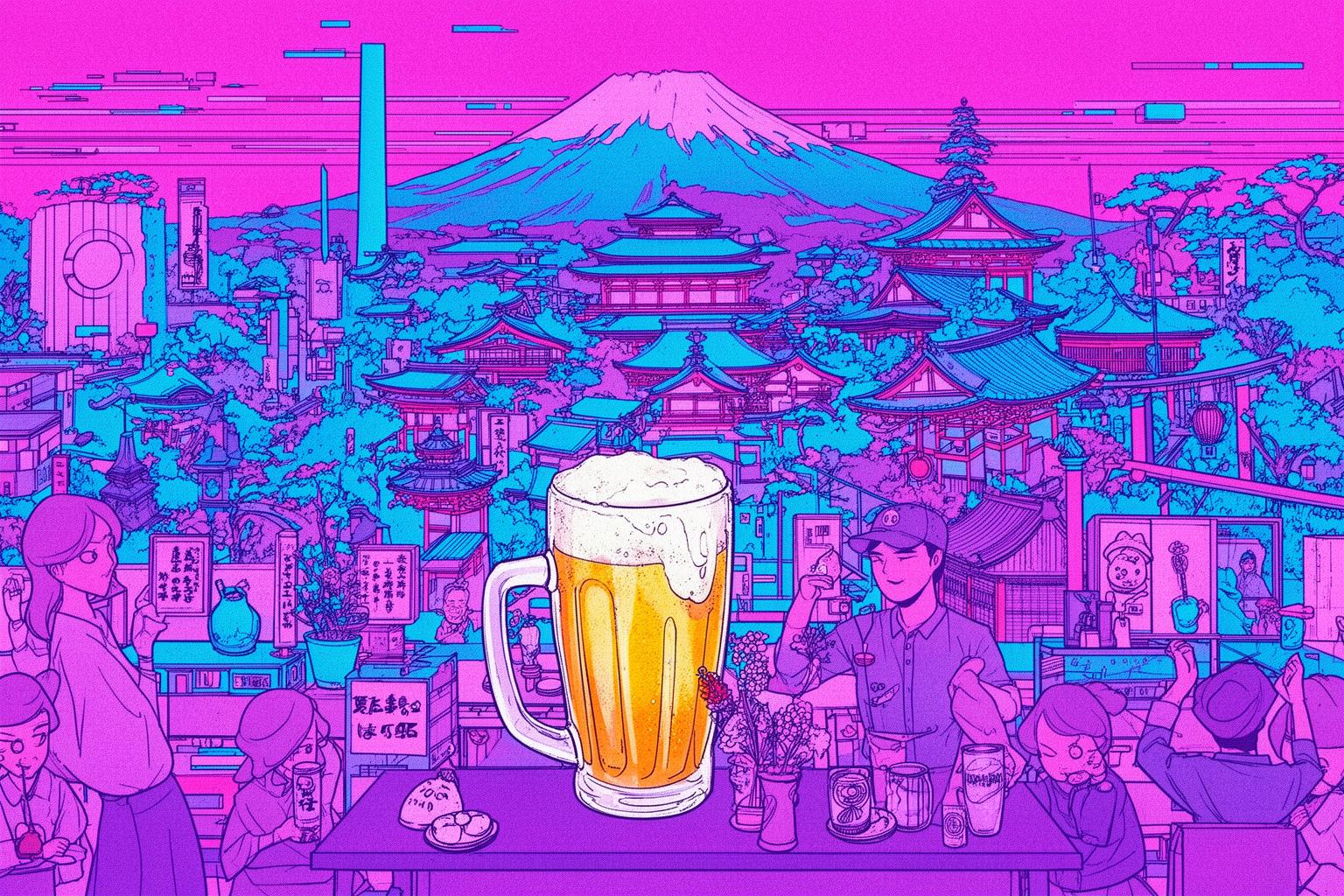
While the classic Kaku highball remains the undisputed champion, the culture around it is constantly evolving. The highball is no longer simply the salaryman’s budget-friendly favorite. It has entered an artisan era. Throughout Japan, specialty highball bars now treat the drink with the same care and respect that mixologists give to complex cocktails. These venues offer curated menus featuring a broad selection of Japanese whiskies, from the light and floral Hakushu to the rich and smoky Yoichi. They experiment with highly carbonated soda waters, house-made syrups, and unique garnishes like smoked rosemary, yuzu peel, or pickled ginger. This craft movement has elevated the highball, showcasing its remarkable range and sophistication. At the same time, the highball has become more accessible thanks to the rise of canned highballs, or kan-haibōru. Step into any convenience store or supermarket in Japan, and you’ll find a dazzling variety of them. Suntory provides an entire lineup, from the classic Kaku highball to premium options crafted with Yamazaki or Hakushu single malts. These are not the overly sweet, artificial-tasting canned cocktails you might expect. They are genuinely high-quality, well-balanced highballs that taste remarkably close to those served in a good izakaya. They have become a significant part of a related, casual culture: enjoying drinks outdoors or at home. Grabbing a canned highball and a bag of chips from 7-Eleven and relaxing in a park is a laid-back activity enjoyed by millions. This evolution highlights the highball’s incredible adaptability. It can be an affordable, cheerful social drink in a smoky alley, a refined craft creation in an upscale bar, or a convenient and tasty treat from a can. It’s a drink for everyone, for every occasion.
So, when you finally arrive in Japan and the city lights blur into a vibrant neon watercolor, listen for that sound—the clink of ice in a tall, frosted glass, the sharp fizz of soda meeting whisky, the roar of laughter from a packed izakaya. Don’t just pass by. Step inside, take a seat at the counter, and say the magic phrase: “Haibōru, kudasai.” You’re not simply ordering a drink. You’re joining the rhythm of the city, taking part in a ritual shared by millions, and savoring the crisp, effervescent spirit of modern Japan. It’s an experience far greater than the sum of its parts. It’s a whole mood. Kanpai.