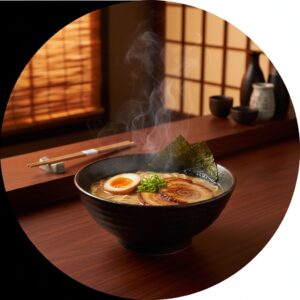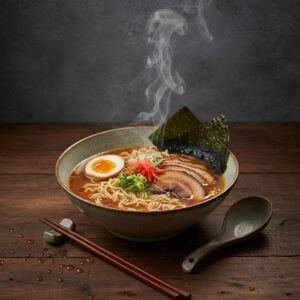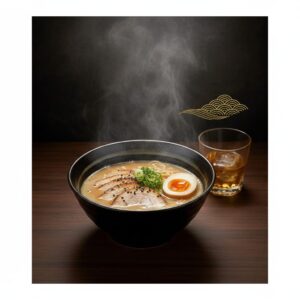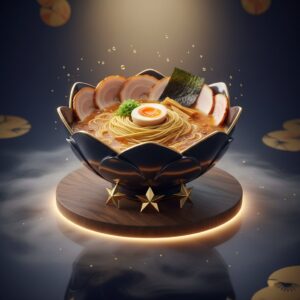
Yo, what’s the move? It’s Shun Ogawa, coming at you live from the heart of Japan, where the city lights paint the sky but the real magic happens under the quiet glow of a single kitchen light. Picture this: the world is asleep, the hustle of Tokyo or Osaka has finally hit pause, and a specific kind of hunger kicks in. It’s not a five-course meal craving. It’s a deep, soul-level need for something warm, savory, and ridiculously comforting. In Japan, the answer to that late-night call is almost always the same: a steaming cup of instant ramen. This ain’t just food, fam. It’s a whole ritual, a cultural vibe that’s as Japanese as cherry blossoms and bullet trains, but way more accessible when it’s 2 AM and you’re deep in your feels. It’s the sound of tearing open a crinkly foil lid, the puff of savory steam hitting your face, and that first, perfect slurp that cuts through the silence. This is the story of that midnight slurp—a journey into a universe of flavor, history, and cozy nostalgia, all contained within a simple paper cup or plastic package. From the neon-lit aisles of a 24/7 convenience store to the quiet solitude of your own space, instant ramen is more than a snack; it’s a companion for the night owls, the dreamers, the students cramming for exams, and anyone seeking a legit taste of modern Japanese soul food. Before we dive deep into this culinary cosmos, let’s pinpoint a place where this global phenomenon is celebrated in all its glory. Peep the map below—it’s the Cup Noodles Museum in Yokohama, a proper pilgrimage site for anyone who’s ever found salvation in a three-minute meal. It’s a testament to how a simple idea can change the world, one slurp at a time.
For the ultimate late-night vibe, pair your instant ramen with the perfect city pop tracks.
The Origin Story: How One Man’s Vision Fed a Nation

To fully understand the story, we need to rewind time to post-war Japan, a period marked by enormous change and hardship. Cities were rebuilding, spirits were strong, but food was scarce. People would queue for hours just to get a bowl of black market ramen. It was in this environment that a visionary man named Momofuku Ando had his breakthrough idea. He recognized the struggle and hunger around him and came up with a simple yet revolutionary concept: what if ramen could be made to last longer, be quick to prepare, and still taste great? Although it seems obvious now, back then it was an enormous challenge. This was about more than business; it was rooted in a belief in nourishing people. Ando-san spent an entire year in a small shed in his backyard in Ikeda, Osaka, dedicated to cracking the code. He relentlessly experimented day and night, facing numerous failures. The main issue was preservation: how could fresh noodles be made shelf-stable without becoming a dense, hard block?
The Flash of Genius
The solution came unexpectedly. Watching his wife, Masako, fry tempura, he noticed how the hot oil rapidly dehydrated the batter, producing a crispy, porous texture. That was the key. He realized that if he flash-fried freshly made, seasoned noodles, the intense heat would cook them instantly and remove moisture, creating countless tiny holes in the noodle block. This technique, which he called “shunkan yudetsukanそうめん” (instant hot oil drying), not only preserved the noodles perfectly but also formed a structure that would quickly rehydrate when hot water was added. The tiny pores acted like sponges, soaking up water and restoring the noodles to a soft, chewy state. It was culinary science born from keen observation and relentless perseverance. In 1958, the world’s first instant ramen, “Chikin Ramen,” was introduced. It changed the game. The noodles were pre-seasoned with a savory chicken flavor, so all you had to do was pour in hot water, cover it for two minutes, and enjoy a hot meal. The package even featured a small indentation in the center of the noodle block, designed to hold a raw egg for poaching in the broth. Initially marketed as a luxury item—costing more than a restaurant bowl of fresh ramen—its convenience was undeniable. It symbolized the future of food and reflected Japan’s post-war economic miracle and drive for innovation and efficiency.
The Cup That Conquered the World
But Momofuku Ando didn’t stop there. Ever the restless innovator, during a 1960s trip to the United States to promote Chikin Ramen, he observed supermarket managers breaking ramen blocks into coffee cups, pouring hot water over them, and eating with a fork. Another idea struck him. He realized that the absence of proper ramen bowls and chopsticks was a barrier to enjoying the food easily. The container needed to be part of the product. This insight led to his next breakthrough: the Cup Noodle, launched in 1971. This was ingenious. He designed a waterproof, insulated styrofoam cup that served as packaging, cooking vessel, and serving bowl all in one. He figured out how to suspend the noodles mid-cup so hot water would circulate evenly, ensuring perfect rehydration every time. Freeze-dried toppings like shrimp, pork, and egg were pre-mixed with the noodles. All you needed was hot water and a fork. Cup Noodle was an instant global hit. It perfectly embodied a modern lifestyle valuing speed, convenience, and portability. It wasn’t just food; it was a self-contained meal system. This invention propelled instant ramen from a Japanese domestic product to a worldwide cultural icon, a staple in dorm rooms, office kitchens, and emergency supplies from São Paulo to Seoul. Ando’s philosophy was simple: “Peace will come to the world when people have enough to eat.” It’s a profound thought, but when you’re warming your hands on a cup of noodles at 3 AM, feeling that simple comfort, you truly understand what he meant.
The Konbini Pilgrimage: A 24/7 Temple of Instant Gratification
Fast forward to today, and the heart of the midnight slurp is undeniably the Japanese convenience store, or konbini. If you’ve never visited one, it’s difficult to convey the sheer delight. Forget what you know about convenience stores elsewhere. The konbini in Japan is a genuine wonderland of high-quality food, drinks, and services, operating 24/7 like a shining beacon of hope in the quiet urban night. And the instant ramen aisle? It’s the main attraction. It’s a wall of vibrant colors, a library of flavors, a tribute to the endless creativity of the Japanese food industry. Stepping into a 7-Eleven, FamilyMart, or Lawson after midnight feels like entering a sanctuary. The air is calm, the fluorescent lights hum softly, and the shelves are impeccably stocked. This is where your late-night ramen journey truly begins.
A Universe of Choices
The variety is astonishing. You’re not simply choosing between chicken or beef. You’re navigating a complex world of brands, broth types, noodle styles, and topping combinations. There are the undeniable classics, of course. Nissin’s Cup Noodle is the original, the global benchmark, with its iconic red, white, and gold packaging. You’ll find the timeless flavors: original (a light, peppery shoyu), Seafood, and Curry. Then there’s Maruchan’s selection, like their Akai Kitsune udon featuring a large piece of sweet fried tofu, and Midori no Tanuki soba with a tempura disc. Toyo Suisan’s brand is a key contender as well. And then there’s the premium range. You’ll discover collaborations with famous ramen shops from across Japan, like Ippudo or Santouka. These aren’t your average cup noodles; they come with multiple sachets of liquid soup concentrate, flavored oils, and high-quality freeze-dried toppings that rehydrate into something astonishingly close to the real thing. You might find a rich, creamy tonkotsu ramen from Fukuoka, a robust miso ramen from Sapporo, or a spicy tantanmen from a well-known Tokyo restaurant. The packaging is stunning, with dramatic calligraphy and mouth-watering photos that turn the decision-making into an epic challenge. You’ll also find giant-sized “Deka-mori” versions for when you’re extra hungry, and yakisoba varieties like the iconic UFO, where you add hot water, then drain it through a clever built-in spout before mixing in the savory sauce. It’s a complete system, a masterpiece of design. The konbini isn’t just selling ramen; it’s offering an experience. You can stand there for a good ten minutes weighing your options, and no one will notice. It’s a sacred ritual.
The Ritual of Preparation
Once you’ve made your choice—a momentous decision—the ritual continues. You take your chosen cup to the counter, pay the cashier (who will probably ask if you need chopsticks, or ohashi), and then proceed to the most glorious feature of any konbini: the hot water dispenser. These machines are lifesavers. With the push of a button, they pour purified water at the perfect temperature for optimal noodle rehydration. You peel back the lid halfway, pour the water up to the indicated line inside the cup, fold the lid back down, and use your chopsticks or the small sticker on the lid to keep it in place. Now, the waiting game begins. It usually takes three minutes, but it can feel like forever. This is a moment of pure anticipation. You watch the steam gently escape from beneath the lid, feeling the cup warm in your hands. It’s a small, quiet moment of zen in the middle of the night. Once the time is up, you peel back the lid, and the magic happens. Steam billows out, carrying the incredible aroma of the broth. The noodles have transformed from dry, brittle blocks into soft, wavy strands. The tiny dehydrated bits of meat, egg, and vegetables have plumped up, releasing their flavors into the soup. You stir well, mixing in any flavor packets or oils, and it’s ready. You can eat it right there at one of the small standing counters some konbini offer, or take your precious meal home to enjoy in peace. It’s a perfect, self-contained system of comfort, available any time, day or night.
Anatomy of a Masterpiece: Deconstructing the Elements
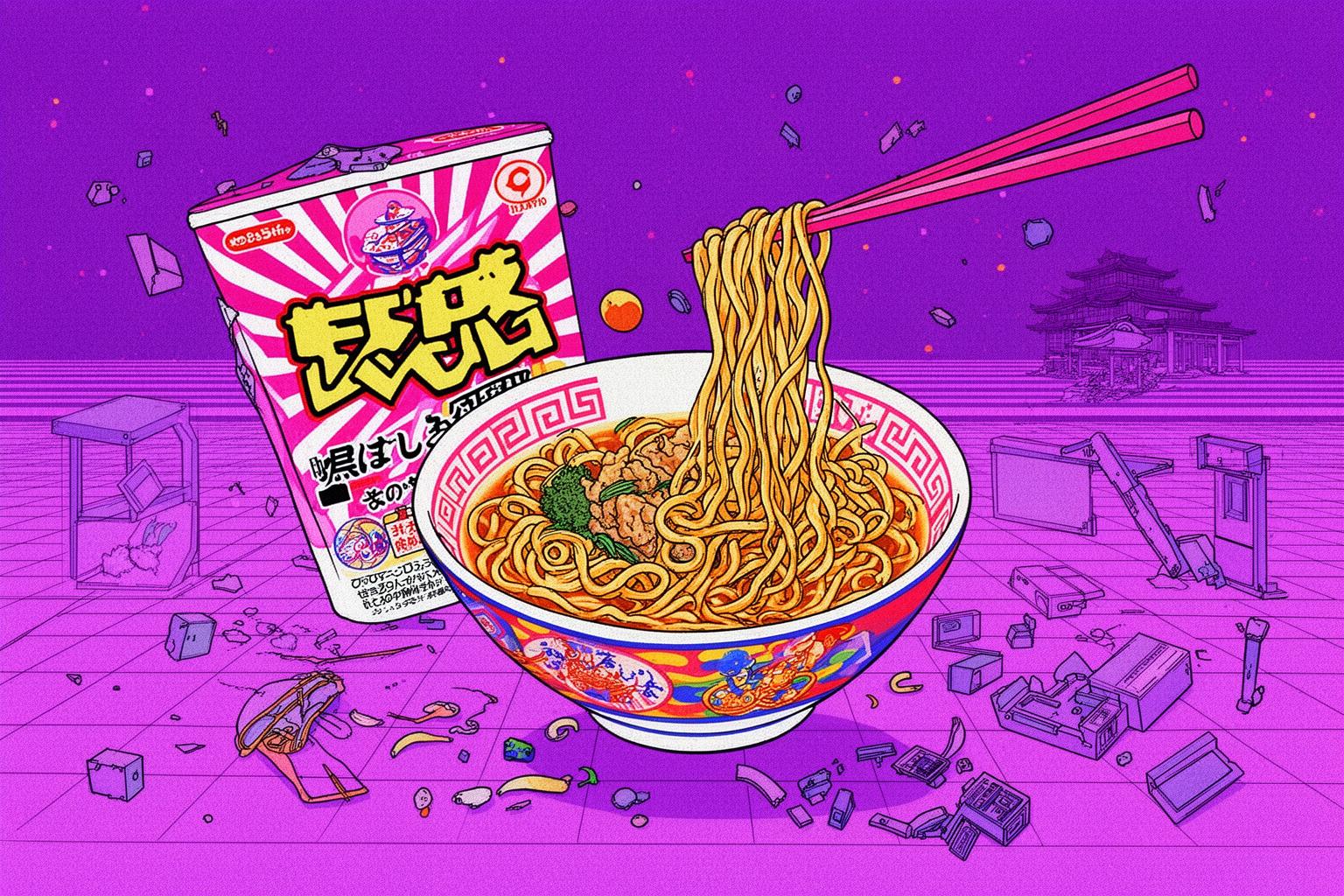
What exactly makes these simple cups so irresistibly good? It’s a harmonious blend of meticulously crafted elements, each playing an essential role in the overall experience. It’s a masterclass in food science, aimed at delivering maximum flavor and satisfaction with minimal effort. Let’s break it down, component by component, to truly appreciate this culinary art.
The Heart of the Slurp: The Broth
The broth, or soup, is the cornerstone. It sets the tone and defines the entire flavor profile. In instant ramen, this is achieved through powdered soup bases and, in more premium varieties, concentrated liquid sachets and aromatic oils. The four classic ramen flavor profiles are all represented.
Shoyu (Soy Sauce): The classic original. A clear, brown broth based on soy sauce—savory, slightly tangy, and deeply comforting. Nissin’s original Cup Noodle exemplifies a light, peppery shoyu base. It’s familiar, nostalgic, and consistently satisfying.
Miso (Fermented Soybean Paste): From Hokkaido in the north, miso ramen features a rich, complex, and funky flavor. Instant versions capture this with a cloudy, opaque broth that’s both savory and mildly sweet. Hearty and robust, it’s perfect for a chilly evening. Often paired with corn and butter toppings, even in instant form.
Shio (Salt): The lightest and most delicate flavor profile. A clear broth primarily seasoned with salt, often complemented by hints of chicken, pork, or seafood for added depth. It offers a cleaner, subtler taste that allows the quality of noodles and toppings to shine. Simple but profoundly satisfying.
Tonkotsu (Pork Bone): The heavyweight contender. A rich, creamy, opaque white broth made by boiling pork bones for hours until collagen and fat break down. Replicating this in instant form is a remarkable feat of food engineering. Premium tonkotsu instant ramen usually includes a packet of pork-flavored oil (such as mayu, black garlic oil) to impart signature richness and aroma. Pure, unapologetic indulgence.
These broths are the result of decades of refinement, designed to dissolve flawlessly in hot water, producing a broth packed with umami and releasing an enticing aroma the moment you peel back the lid.
The Main Attraction: The Noodles
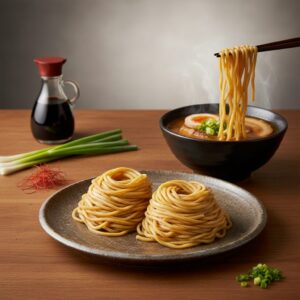
The noodles are the centerpiece. Texture, or shokkan, is paramount. As Momofuku Ando’s story taught us, the flash-frying method is key, creating noodles that are shelf-stable and quick-cooking. Yet, there’s considerable variation. Some are thin and straight, typical of Hakata-style tonkotsu ramen. Others are thick, wavy, and chewy, reminiscent of Sapporo miso ramen. Some brands have even pioneered non-fried noodle technology, using hot air drying to achieve a texture closer to fresh ramen, often with fewer calories. The magic lies in how the noodles absorb the broth. During the three minutes of steeping, they don’t just soften; they soak up the soup’s flavor so every strand is infused with savory goodness. The ideal instant noodle offers slight chewiness and satisfying springiness that lasts until the last slurp. Perfecting this texture is indeed an art.
The Crowning Touch: The Toppings (Kayaku)
The toppings, or kayaku, elevate a simple cup of noodles into a full meal. These freeze-dried morsels are miracles of preservation technology. When they meet hot water, they rehydrate almost instantly, reviving surprising texture and flavor.
The Meats: Nissin’s iconic mystery meat cubes, affectionately called nazo niku (“mystery meat”), are a savory, slightly spongy blend of pork and soy that’s oddly addictive. You’ll also find tiny freeze-dried shrimp, thin chashu pork slices, and seasoned ground meat.
The Veggies: Scallions are essential, adding a fresh, sharp bite. Corn brings sweetness, especially in miso or shio ramen. You’ll also see small bits of cabbage, carrots, mushrooms, and bamboo shoots, contributing texture and complexity.
The Extras: Scrambled egg bits rehydrate into soft, fluffy yellow clouds. Slices of narutomaki (white fish cake with a pink swirl) add color and chewiness. Some cups even include a sheet of nori (seaweed) or a packet of sesame seeds for sprinkling. These little details make a big difference, transforming a simple cup into a visually appealing and texturally rich experience.
The Art of the “Arrange”: Leveling Up Your Late-Night Meal
Here’s where the real fun begins. Eating instant ramen straight from the cup is a classic move, no doubt. But for true enthusiasts, the cup is merely a canvas. The culture of “arrange”—customizing your instant ramen—is huge in Japan. It’s a way to add your own personal touch to a mass-produced product, elevating it from a simple snack to a gourmet-ish masterpiece using whatever ingredients you have at hand. This is where late-night creativity truly ignites. The konbini itself is your best ally here, a one-stop shop for all your upgrade needs.
Simple, Game-Changing Additions
Even the smallest tweaks can completely transform your ramen. This is the entry-level stuff, the iykyk (if you know, you know) hacks that are key to unlocking next-level flavor.
The Raw Egg: The most classic arrange of all, paying direct homage to Momofuku Ando’s original Chikin Ramen. Once the noodles are cooked, crack a raw egg right into the center of the hot broth. Don’t stir immediately. Let the residual heat gently poach the white while keeping the yolk runny. When you break the yolk and mix it in, it adds incredible richness and a creamy texture to the broth. Pure magic.
A Slice of Cheese: It might sound unexpected, but trust me on this. Adding a slice of American cheese melted on top of hot noodles is a game-changer, especially with spicy or miso-based ramen. It creates a creamy, salty, umami bomb that thickens the broth and clings to the noodles. It’s a fusion of Japanese comfort food and Western guilty pleasure that just works.
Fats and Oils: A small pat of butter melting into miso or shio ramen adds a layer of silky richness. A drizzle of sesame oil brings a nutty aroma. And for spice lovers, a few drops of rayu (chili oil) deliver a serious kick of heat and flavor. These are low-effort, high-impact moves.
Konbini-Fueled Gourmet
Here’s where you start playing 4D chess with your ramen. The konbini hot food section and refrigerated aisles are your toolkit. You can create a truly restaurant-quality bowl without ever leaving the store.
The Perfect Egg: The konbini ajitama, or seasoned soft-boiled egg, is essential. These eggs are marinated in a sweet and savory blend of soy sauce and mirin, with yolks that are always perfectly jammy. Splitting one in half and placing it on your noodles instantly makes your cup look and taste ten times more authentic.
Protein Power-Up: Grab a few pieces of karaage (Japanese fried chicken) from the hot food section and drop them into your ramen. They soak up the broth while staying crispy on top. Or pick up a pack of sliced chashu pork, usually found in the refrigerated section. A few slices of this tender, savory pork will make you feel like you’re dining at a real ramen-ya.
Extra Veggies: Want some freshness? A small bag of shredded cabbage or bean sprouts adds a satisfying crunch. Some konbini even carry packs of seasoned bamboo shoots (menma) or pickled ginger (beni shoga), classic ramen toppings.
This culture of customization is what keeps instant ramen exciting. It’s a form of edible expression, turning a standardized product into something uniquely yours. It embodies the Japanese spirit of kaizen (continuous improvement), even on a small, personal scale. It’s about taking something good and, with a bit of creativity, making it great.
More Than a Meal: Instant Ramen’s Place in the Japanese Psyche

To view instant ramen merely as food is to completely overlook its true significance. It is so intricately embedded in modern Japanese life that it has evolved into a powerful cultural emblem, rich with meaning, nostalgia, and unexpected emotional depth. It appears everywhere—from major anime productions to emergency disaster kits—reflecting various aspects of the national identity.
The Fuel of Pop Culture
In anime, manga, and Japanese dramas, instant ramen often serves as a recurring symbol, a visual shorthand for a particular lifestyle. It’s the staple meal for the broke college student pulling an all-nighter, the solitary salaryman working late hours in the office, or the quirky protagonist who can’t be bothered to cook. When a character is shown slurping noodles straight from the cup, it immediately conveys a sense of independence and a life too busy or goal-focused for a formal meal. Yet, it doesn’t always signify loneliness. It can also capture moments of simple, shared comfort. Picture two friends hanging out late at night, each with a cup, discussing their dreams and hardships. In these scenes, ramen acts as a bridge to connection, a warm and unpretentious meal that nurtures intimacy. It represents youth, ambition, late-night talks, and the everyday hustle.
A Lifeline in Times of Crisis
Returning to Momofuku Ando’s initial purpose of eliminating hunger, instant ramen holds a serious and vital place in Japan. Thanks to its long shelf life, light weight, and incredibly easy preparation (requiring only hot water), it has become a crucial item for emergency preparedness. Japan’s susceptibility to natural disasters like earthquakes and typhoons means every household keeps an emergency kit on hand—and instant ramen is always included. When disaster hits and utilities like gas and electricity fail, a hot bowl of instant ramen provides immense physical and psychological comfort. It offers a taste of normalcy amidst chaos. Ando himself was deeply dedicated to this mission, creating a fleet of “kitchen cars” to deliver hot Chikin Ramen to disaster victims. This tradition continues today, with food companies donating millions of meals during crises. It fulfills the idea that a simple, hot meal can bring peace and hope even in the darkest moments.
The Psychology of a Guilty Pleasure
Let’s be honest: no one chooses instant ramen for its health benefits. Everyone knows it’s high in sodium and carbs—and that’s part of its charm. It’s a guilty pleasure, an indulgence. It’s the food you reach for when you’re tired, stressed, or just want an easy treat. There’s mental relief in opting for instant ramen for dinner. It’s a small act of rebellion against the pressure to always eat “properly” or “healthily.” It grants permission to savor something straightforward and satisfying. This feeling is also tied to nostalgia. For many Japanese people, the taste of Cup Noodle recalls childhood memories—after-school snacks, camping trips, or late nights studying. The first slurp can transport you back in time. This powerful mix of convenience, flavor, nostalgia, and a hint of guilt makes instant ramen more than just food—it’s a mood. It’s the ultimate comfort food for the modern era.
The Ramen Pilgrim’s Trail: Must-Visit Shrines to the Noodle
For the truly devoted instant ramen enthusiast visiting Japan, the adventure doesn’t have to stop at the konbini aisle. There are actual physical destinations where you can honor the history and culture of this remarkable invention. These spots are meccas for noodle lovers, offering a deeper exploration into the world of instant ramen and a chance to engage with it in an enjoyable, interactive way.
The Cup Noodles Museums
This is the ultimate destination. Japan has two official Cup Noodles Museums: one in Ikeda, Osaka (the birthplace of instant ramen), and a larger, more modern one in Yokohama, just south of Tokyo. These aren’t your typical museums—they feel more like interactive theme parks celebrating Momofuku Ando’s inventive spirit. A visit here is genuinely thrilling.
The Instant Ramen History Cube: The first thing you encounter is a massive, floor-to-ceiling exhibit displaying every instant ramen package Nissin has ever launched. It’s a striking visual timeline of food design and trends—a colorful tunnel narrating the evolution of instant ramen over more than fifty years.
Make Your Own Cup Noodle: This is the highlight for most guests. At the “My CUPNOODLES Factory,” you get to design your very own unique Cup Noodle. Starting with a blank cup that you decorate using colored markers, you then proceed along a factory line where you select your soup base from four options and choose four toppings from a dozen varieties, including the limited-edition Hiyoko-chan narutomaki (a fish cake shaped like the Chikin Ramen mascot). You watch as your creation is sealed, shrink-wrapped, and placed in a special inflatable bag to take home. It’s a highly enjoyable, hands-on experience and the ultimate souvenir.
The Noodles Bazaar: This area is styled like an Asian night market. Here, you can sample various noodle dishes from around the world, such as Italian pasta, Kazakh lagman, and Vietnamese pho. It celebrates global noodle culture, reflecting Ando’s belief that noodles are a universal language.
These museums serve as a wonderful tribute to the power of a simple idea and the importance of creativity. They’re a must-visit for anyone with even a mild interest in Japanese food culture.
Hunting for Rare Finds
Beyond the museums, Japan is scattered with locations where you can discover rare and unusual instant ramen varieties that aren’t typically found in regular konbini.
Department Store Basements (Depachika): The basement levels of upscale department stores like Isetan or Mitsukoshi, known as depachika, are havens of gourmet food. Here, you can often find premium instant ramen sets, including collaborations with Michelin-starred chefs or gift boxes featuring regional specialties from across the country.
Akihabara’s Vending Machines: In Tokyo’s Akihabara, famous for its anime and electronics shops, you can find vending machines dispensing a curated selection of rare and intriguing instant ramen from all over Japan. It’s a uniquely Japanese experience to buy a hot meal from a machine on a street corner.
Antenna Shops: These shops specialize in products from specific prefectures or regions of Japan. If you want to try a unique miso ramen from Hokkaido or a special tonkotsu from Kyushu, visiting their antenna shop in Tokyo or Osaka is your best bet. It’s a fantastic way to take a culinary tour of Japan without leaving the city.
The search for unique flavors is part of the fun. It transforms a simple meal into a collector’s quest—to find the most delicious, interesting, or unusual instant ramen Japan has to offer. It proves once again that this is far more than just a quick snack.
So, the next time you find yourself awake during the quiet hours of the night, wherever you are in the world, perhaps you’ll think of this culture. The simple act of adding hot water to a cup of noodles connects you to a story of innovation, comfort, and the universal human desire for a warm, satisfying meal. The midnight slurp is a small, personal ritual—a moment of calm in a hectic world. It’s a taste of Japan that is both strikingly modern and deeply nostalgic, a flavor that, once experienced, stays with you forever. It’s a vibe. And it’s waiting for you, glowing beneath the neon lights of a 24/7 konbini.