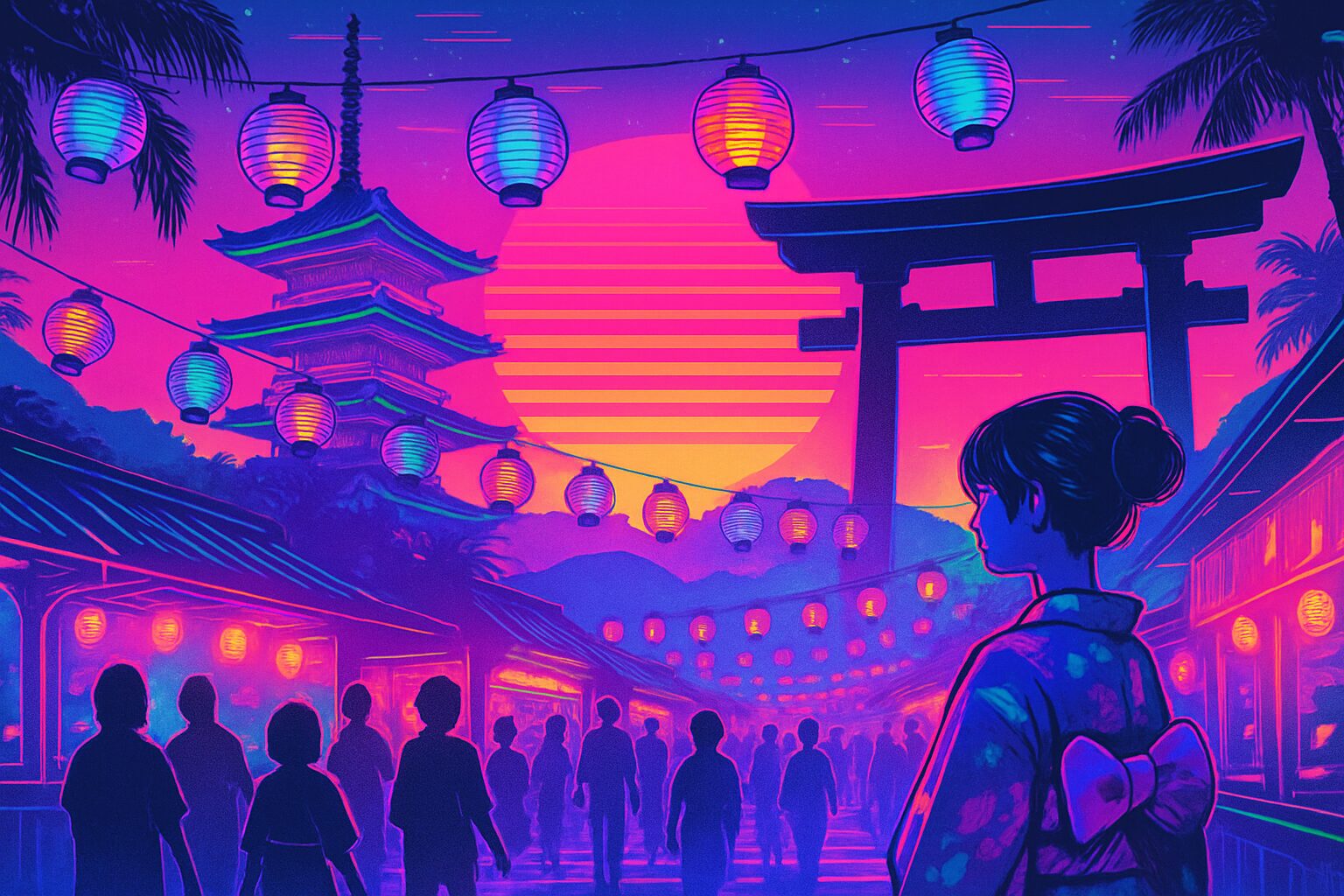
Yo, what’s the move? If you think you know summer, you haven’t lived until you’ve dived headfirst into a Japanese music festival. Forget what you’ve seen on screen; this is the real deal. It’s not just a concert, it’s a full-blown cultural moment, a modern matsuri where ancient vibes get a 21st-century remix. We’re talking epic soundscapes blasting through mountains, laser beams cutting through city skylines, and a collective energy that’s straight-up electric. It’s where your favorite band’s sickest drop syncs up with a sky full of fireworks, where tradition and tech get together and throw the biggest party of the year. This is Japan in its loudest, proudest, and most unapologetically vibrant form. It’s the pulse of the nation’s youth, a symphony of sounds, sights, and pure, unadulterated hype. We’re talking about experiences that’ll live rent-free in your head forever. No cap, this is where you find the soul of Japan’s summer. It’s a pilgrimage for audiophiles and adventure-seekers, a place where you can lose yourself in a sea of people all vibing on the same frequency. So, get your festival gear ready, assemble your squad, and prepare to unlock a new level of summer. This is your all-access pass to the most legendary music festivals Japan has to offer. Bet.
To truly complete the modern matsuri experience, you can’t miss the legendary yatai street food that fuels the festival crowds.
Fuji Rock Festival: The Mountain GOAT
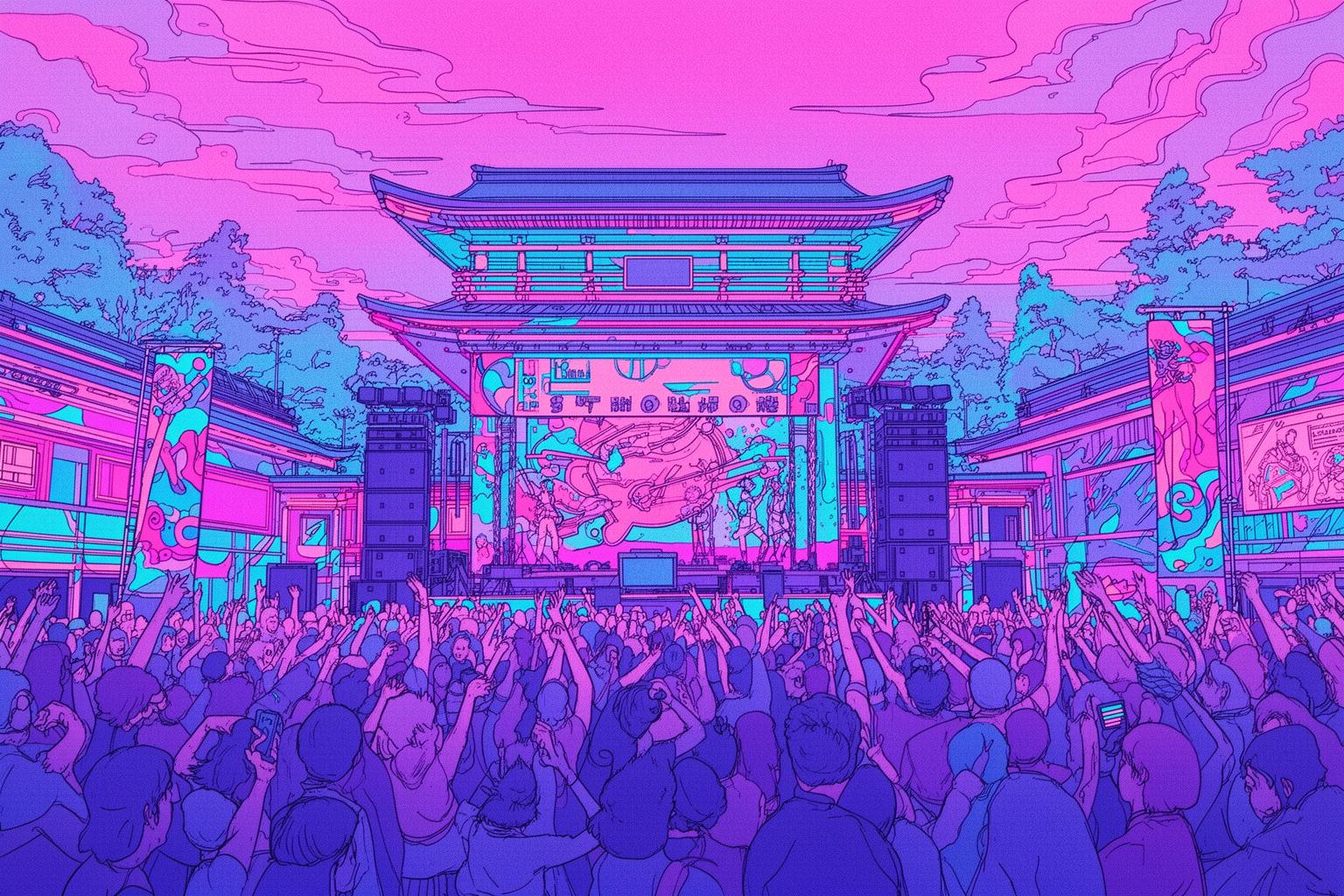
The Vibe: Nature’s Main Stage
Let’s start with the undisputed heavyweight champion of Japanese music festivals: Fuji Rock. First things first: it’s not actually held at Mount Fuji. Instead, it’s tucked away in the mountains of Niigata at the Naeba Ski Resort—and honestly, that’s a huge upgrade. Picture this: surrounded by lush, emerald-green forests, a crystal-clear river winding through the festival grounds, and an atmosphere that feels completely different—crisp, clean, and buzzing with excitement. This isn’t a concrete jungle; it’s a full immersion into nature’s cathedral, with music as the sermon. The festival’s philosophy revolves around deep respect for the environment. You’ll hear terms like “coexistence with nature,” and it’s far from just marketing jargon. Fuji Rock is famously meticulous about cleanliness. You’ll witness countless volunteers and festival-goers meticulously sorting their trash into multiple categories. It’s a collective effort, shared responsibility that fosters an atmosphere of genuine respect. At Fuji Rock, you don’t simply attend—you become part of its ecosystem.
The vibe is something special. It’s relaxed yet electric. Expansive yet intimate. You can be losing yourself to a headliner on the massive Green Stage, packed shoulder-to-shoulder with 50,000 fans, then an hour later be lying on a wooden boardwalk in the middle of a forest, watching a psychedelic light show projected onto the trees. The scale of the festival is staggering. Traveling from one end to the other is a real trek, a journey through suspension bridges, forests, and mountainsides. The ultimate highlight? Riding the Dragondola, the world’s longest gondola lift, which soars high above the entire site. As you rise, the stages shrink into miniatures, revealing the beautiful, chaotic tapestry of Fuji Rock beneath you. At the top, you’re welcomed by a silent disco and breathtaking panoramic views. It’s a moment of calm, a breath of fresh air before plunging back into the glorious madness below.
Surviving and Thriving in the Green
Fuji Rock is a marathon, not a sprint—three full days (plus a Thursday night pre-party) of music, exploration, and inevitably, rain. Yes, the rain. It’s as integral to Fuji Rock’s identity as the music itself. Seasoned veterans come prepared, outfitted in high-end waterproof gear that looks more suited to an arctic expedition. For newcomers, here’s the crucial advice: don’t skimp on rain protection. A flimsy convenience store poncho won’t do. You need a solid jacket, waterproof pants, and sturdy, comfortable boots. The mud can get intense, but that’s part of the charm. There’s a shared sense of camaraderie in braving the elements together. Dancing in the rain to your favorite band, surrounded by thousands of equally soaked and happy people, becomes a memory you won’t forget.
Camping is the quintessential Fuji Rock experience. The main campsite transforms into a sprawling city of tents in the valley. Waking up to morning mist rolling off the mountains is unforgettable. It’s far from luxurious, but fully immersive. You live and breathe the festival around the clock. If camping isn’t for you, there are hotels and traditional Japanese inns (ryokan) nearby—but you’ll need to book these months, sometimes up to a year, in advance. Shuttle buses connect the festival site with surrounding towns, though be ready for long waits at night’s end.
Now, about the stages—they’re characters in their own right. The Green Stage is the colossal main stage, framed by a stunning mountain backdrop, where legends perform. The White Stage, nestled in a valley, carries a more alternative, rock-centric vibe. The Red Marquee, the only major covered stage, is a huge tent hosting everything from hyped indie bands to late-night DJ sets that last until dawn. Then there are the magical hidden gems. The Field of Heaven, with its bohemian, hippie atmosphere, is surrounded by teepees and runs entirely on clean energy. The food stalls here are famous for organic and vegetarian options. Stoned Circle, the most remote spot, is an actual stone circle offering experimental music and a truly out-there vibe. Exploring these smaller stages is key to discovering the true spirit of Fuji Rock. It’s about the journey, not just the headliners.
And the food—‘fes meshi’—is on another level. You can find everything from piping hot bowls of ramen to warm you on a chilly, rainy night, juicy grilled steaks, wood-fired pizza, local Niigata specialties like hegi soba, to rice bowls topped with fresh mountain vegetables. And of course, you can’t miss the kakigori, shaved ice drenched in sweet syrups—a lifesaver in the humid afternoon sun. Fuji Rock is a feast for both ears and stomach. Each night concludes with a spectacular fireworks display lighting up the entire valley—a booming, crackling punctuation to a day filled with sensory wonder. It’s the modern matsuri at its peak, a perfect fusion of sound, nature, and explosive celebration.
Summer Sonic: The Urban Legend
A Tale of Two Cities
If Fuji Rock feels like a rustic mountain escape, Summer Sonic is its polished, stylish, city-based counterpart. This festival is a colossal event—a two-day, two-city extravaganza held simultaneously in Tokyo and Osaka. The lineup is the same for both cities, but the artists switch days. So, whoever headlines Tokyo on Saturday performs in Osaka on Sunday, and vice versa. It’s a logistical marvel that delivers a completely distinct festival experience. This is the event for those who crave the energy of a huge concert but also value the comfort of a hot shower and a real bed at night. There’s no camping here; it’s all about urban convenience.
The Tokyo venue is a compelling mix of indoor and outdoor spaces. It’s split between the Makuhari Messe convention center and the nearby ZOZO Marine Stadium, home to the Chiba Lotte Marines baseball team. This setup means you can be rocking out in a massive, air-conditioned exhibition hall one moment, then soaking up the sun (or more likely, enduring the intense August heat) in a 30,000-seat stadium the next. The AC is a game-changer—when Japan’s summer humidity peaks, being able to retreat to a cool, dark hall to catch a set is a priceless luxury. The Osaka venue follows a similar model, centered around a sports stadium and surrounding park areas, offering a slightly more open-air vibe but the same urban core.
The atmosphere at Summer Sonic is faster, more intense, and unmistakably international. You’ll hear a variety of languages in the crowd, and fashion hits the mark—a lively blend of streetwear, band merch, and colorful festival apparel. It’s a scene for seeing and being seen. The lineup matches this global vibe, often skewing towards pop, EDM, and major international rock acts. It’s where you might catch a chart-topping pop star, a legendary rock band, and a world-renowned DJ all in the same day. It’s a high-energy, hit-filled whirlwind.
Navigating the Concrete & Steel Jungle
Getting to Summer Sonic is much easier than the trek to Fuji Rock. Both venues are conveniently accessible via Japan’s famously efficient public transportation. In Tokyo, you simply take a train from the city center to Kaihin-Makuhari Station, then enjoy a short walk. This easy access is a big part of the festival’s charm. You can spend your morning exploring Tokyo, hit the festival in the afternoon and evening, and still be back at your hotel in Shinjuku or Shibuya for a late-night ramen before calling it a night. It lets you combine a major music festival with a full urban adventure.
The stages are immense and cater to various genres. The Marine Stage, inside the baseball stadium, is the main attraction. Watching a headliner here as the sun dips over Tokyo Bay is an unforgettable experience. The production is spectacular, with massive screens, pyrotechnics, and a sound system that resonates through your entire body. The Mountain Stage and Sonic Stage are set within the vast halls of Makuhari Messe, providing a more traditional arena rock atmosphere and, of course, that blessed air conditioning. There are also smaller stages dedicated to rising artists, Asian acts, and DJ sets, ensuring there’s always something fresh to discover.
One of the unique highlights is Sonic Mania, the official pre-party held on Friday night before the festival in Tokyo. It’s an all-night electronic music and dance event that turns Makuhari Messe into a massive rave. If you have the stamina, it’s the perfect way to start the weekend, dancing until the first trains resume service in the morning. Summer Sonic is also celebrated for its fantastic food options, often featuring pop-ups from renowned Tokyo restaurants. You can enjoy gourmet burgers, craft beer, and trendy sweets alongside the usual festival snacks. Each night concludes with a grand fireworks display at the Marine Stage, perfectly synced to music, bursting over the stadium and reflecting across Tokyo Bay’s waters. It’s a truly urban spectacle—a dazzling fusion of light and sound set against one of the world’s greatest megacities. It’s slick, loud, and an absolute blast.
Rock in Japan Festival: For the Love of J-Music
The Heartbeat of the Nation’s Music Scene
Let’s dive in. If you want to connect directly with the core of the contemporary Japanese music scene, Rock in Japan Festival (RIJF) is the place to be. This festival doesn’t rely on a handful of big international acts to attract a crowd. Instead, it’s a wholehearted celebration of Japanese music. For international visitors, it’s less a typical concert and more a cultural immersion. The lineup features a who’s who of J-Rock, J-Pop, and every sub-genre in between. You’ll find legendary bands that have shaped the scene for decades sharing the stage with the hottest new artists dominating the charts. It’s both an education and an energetic party simultaneously.
The atmosphere at RIJF is electric in a way that sets it apart from other festivals. The enthusiasm of the local fans is on a whole different level. This is their music, their artists, and their festival. You’ll experience an extraordinary display of audience participation. For certain songs, tens of thousands of people perform synchronized hand movements and dances (known as ‘furitsuke’) in perfect harmony. They wave towels in the air, sing along to every word, and respond to the artists’ calls with a unified roar. It’s not wild or aggressive; it’s a collective expression of joy and deep respect for the music. For an outsider, it’s both fascinating and profoundly moving to watch. The energy is contagious; you can’t help but be swept up in it.
Traditionally held at Hitachi Seaside Park, the festival recently relocated to Soga Sports Park in Chiba, making it even more accessible from Tokyo. The vibe is pure summer fun—hot, sunny, and everyone is there to enjoy themselves. The fashion is a spectacle too, with groups of friends wearing matching, often custom-made, band t-shirts everywhere. It’s a vibrant visual testament to their dedication and a core part of RIJF’s culture.
A Masterclass in Fandom
Attending RIJF offers a lesson in Japanese efficiency. Everything runs precisely on time, down to the second. The site is impeccably organized, with clear signage, ample facilities, and a level of order that’s astounding for an event of this size. The food stalls are a highlight, featuring a wide variety of delicious and affordable festival fare. Lines can be long, but they move quickly and orderly. It’s a finely tuned operation designed for maximum enjoyment.
The main stage, known as the Grass Stage, is a vast open field that becomes a sea of people. The sheer size of the crowd is impressive. Yet, despite the mass of attendees, there’s a strong sense of personal space and respect. People lay out small picnic sheets to claim their spot and are generally very considerate of those around them. It’s a far more relaxed viewing experience than you might find at Western festivals. You can establish a little home base and move freely between other stages.
For non-Japanese speakers, RIJF can be a wonderfully immersive challenge. You might not recognize all the bands or understand every bit of stage banter, but music is a universal language. This is your chance to discover your new favorite act. Just pick a stage, wander in, and let the music take over. The raw energy of the performances breaks down any language barriers. It’s a fantastic opportunity to see how Japan celebrates its musical culture with passion and intensity that’s truly infectious. If you want an authentic, undiluted Japanese summer festival experience, RIJF is it—without a doubt.
Festival Survival Guide: Pro-Tips for the Win
The Art of the Ticket
Let’s be honest. Securing tickets for these festivals can feel like the first major challenge, especially for international visitors. Japan’s ticketing system often uses a lottery system (‘chusen’) for initial sales, which may require a Japanese address and phone number. This can be complicated. Thankfully, things are improving. Major festivals such as Fuji Rock and Summer Sonic now have official international ticket sellers, so always check their official websites first. If you miss the first round, don’t worry. There are usually additional rounds of ticket sales. While resale sites exist, exercise caution and stick to official or highly reputable sources to avoid scams. The key is to plan ahead. Once the dates are announced, begin researching your ticket options. This is not something to decide at the last minute.
Packing Like a Pro
Your packing list can make or break your festival experience. Here’s a breakdown.
For Fuji Rock (The Mountain Fest):
- Rain Gear: High-quality, reliable waterproof jacket and pants. Gore-Tex is highly recommended. A wide-brimmed, waterproof hat is a smart addition.
- Footwear: Comfortable, broken-in waterproof hiking boots or sturdy rain boots. You’ll be walking long distances and likely through mud. Comfort matters most.
- Layers: Temperatures can fluctuate from hot and humid during the day to surprisingly cool at night. Pack light layers: moisture-wicking shirts, a fleece or hoodie, and warm socks for sleeping.
- Sun Protection: Sunscreen, sunglasses, and a hat. The sun can be intense at higher altitudes.
- Portable Battery: You’ll be snapping countless photos and videos. A strong portable charger is essential.
- Cash: Although more vendors accept cashless payments, cash remains king, especially at small food stalls. Bring more than you expect to need.
- Small Folding Chair/Picnic Sheet: Perfect for reserving your spot and giving your legs a break between sets.
For Summer Sonic & RIJF (The City Fests):
- Lightweight Clothing: Expect hot, humid conditions. Choose breathable fabrics, and consider bringing a small towel or fan to beat the heat.
- Comfortable Shoes: With plenty of walking and standing, sneakers are a must.
- Portable Fan: A small battery-powered fan might seem extra, but it will make you the envy of those around you.
- Cooling Wipes/Towels: Great for a quick freshen-up when you feel overheated.
- Hydration Pack/Water Bottle: Staying hydrated is crucial in the summer heat. Water refill stations are commonly available.
Understanding the Culture
Japanese festival etiquette is truly special. It centers on respect—for the music, the artists, the environment, and the people around you. The most crucial rule is Leave No Trace. Carry your trash with you until you reach the designated, well-organized trash stations. Do not leave anything behind. Smoking is permitted only in designated smoking areas, which are strictly enforced. Among the crowd, people tend to be very polite, with minimal pushing or shoving. There’s a strong respect for personal space, even in a packed venue. During performances, the audience listens quietly, reserving their enthusiasm for applause and cheers between songs. This reflects a culture of deep listening and appreciation. Embrace it—it’s part of what makes the experience unique. It’s not just a party; it’s a shared, respectful passion for music. This modern matsuri is a community, and by following these simple guidelines, you become a welcomed part of it.
Beyond the Music: A Final Encore
So there it is—a glimpse into the fiery, thrilling world of Japan’s summer music festivals. But honestly, words and images can only capture so much. You have to be there to truly understand. You need to feel the bass trembling through the soles of your feet at the Red Marquee as rain patters on the tent roof. You have to savor the sweet, smoky taste of yakitori grilled over charcoal while a J-Rock anthem soars in the background. You have to witness the sky above Tokyo Bay explode in a kaleidoscope of fireworks, sharing a moment of collective awe with thousands of strangers.
These festivals are more than just a lineup of bands—they are a snapshot of modern Japan. They stand as a testament to a culture that deeply cherishes community, artistry, and the pure, unfiltered joy of celebration. They embody the traditional matsuri spirit reborn, pulsing with modern beats and global sounds. It’s an experience that will challenge you, thrill you, and ultimately connect you to this remarkable country in a way a quiet temple visit never could. So, take the plunge. Book the ticket. Pack your bags. Come find the rhythm of Japan’s summer. It’s waiting for you, and believe me, it’s a show you’ll never forget.