Yo, what’s the deal? Mia Kim here, and we’re about to drop into a topic that’s seriously off the grid for most travelers. Forget what you think you know about Japan—the packed trains of Tokyo, the quiet temples of Kyoto. We’re going rogue. We’re heading south to the Ryukyu Islands, to a place where the vibe is pure chill and the water is a shade of blue that’ll straight-up reboot your soul. I’m talking about Okinawa, the undisputed surfing gem of the Pacific. This ain’t your average surf trip. This is a quest. A mission to find those hidden breaks, those crystal-clear peelers that break over vibrant coral reefs, far from the crowds. Okinawa’s surf scene is the ultimate cultural mashup—a ‘champuru’ as the locals say. It’s a wild mix of ancient Ryukyuan spirit, mainland Japanese precision, and a heavy dose of laid-back American military influence. The result? A surf culture that’s totally unique, super welcoming, and low-key one of the best-kept secrets in the game. So wax up your board, ditch the tourist map, and get ready to explore the real Okinawa. We’re not just chasing waves; we’re chasing a feeling, a connection to a place that’s pure magic. This is your all-access pass to finding those epic, uncrowded spots where the only thing you’ll be sharing the lineup with is sea turtles and good vibes. Bet.
For the ultimate post-surf relaxation, consider staying at one of Japan’s incredible oceanfront glamping spots.
Catching the Uchinaa Vibe: More Than Just Waves
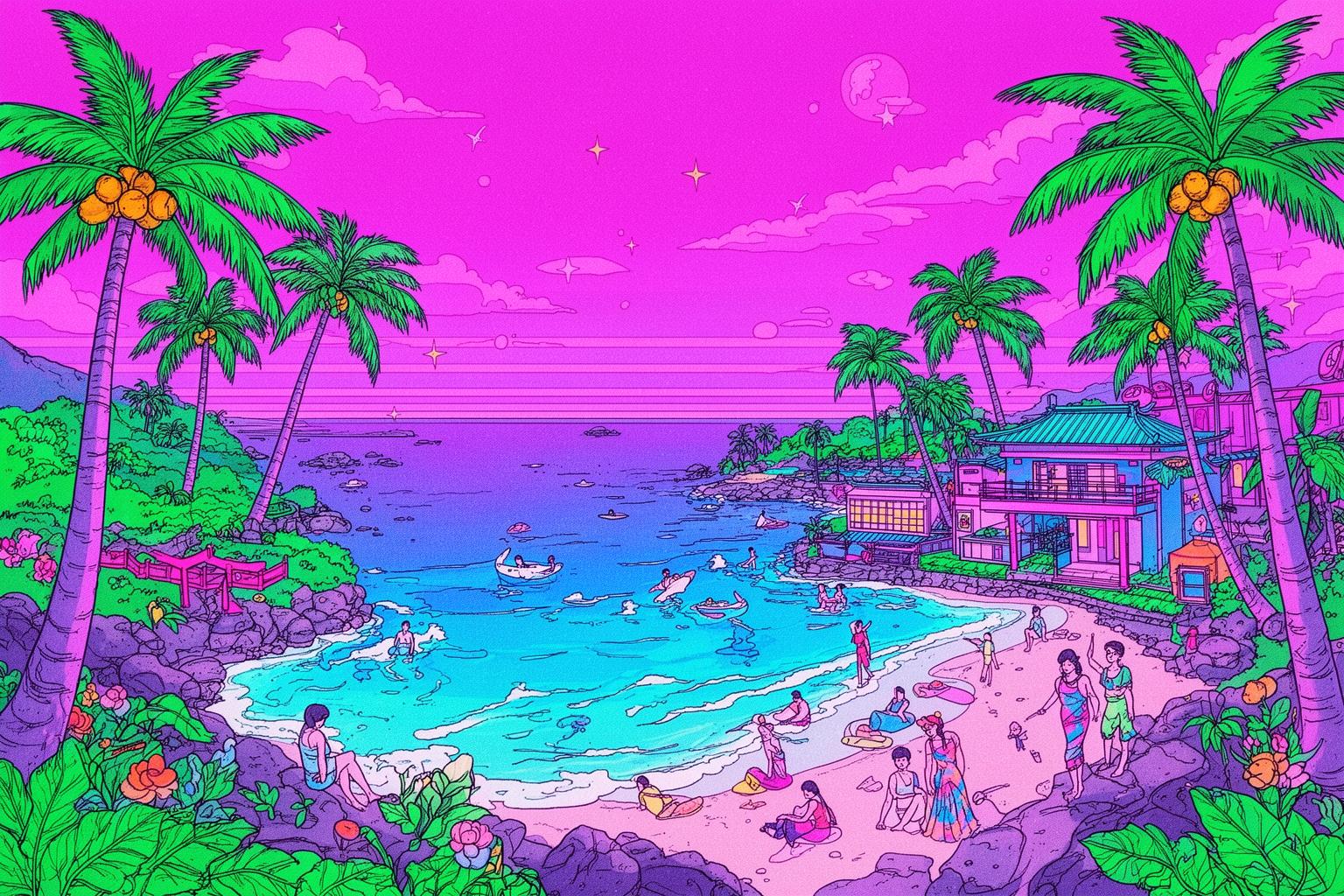
Before we even get into specific breaks, you need to grasp the vibe. Okinawa runs on its own rhythm, famously known as ‘Uchinaa Time.’ It’s a beautiful, unhurried pace that influences everything. Nobody’s in a rush. There’s a strong sense of community and genuine warmth from the Uchinanchu, the Okinawan people. This isn’t the intense, competitive energy you might find at other top surf destinations. Localism is minimal as long as you show respect. It’s more about sharing the stoke and enjoying the ocean for what it truly is—a gift. The air here feels different, thick with the scent of salty sea spray, tropical flowers, and the faint aroma of someone grilling fresh fish nearby. The landscape constantly contrasts rugged, ancient limestone cliffs with impossibly white sand beaches that fade into the iconic turquoise water. This feeling is the essence of the Okinawan surf experience. It’s about pulling up to a deserted beach in your small rental Kei car, spotting clean lines rolling over the reef, and knowing your session will be as much about meditation as it is about shredding. The culture is alive and palpable. You’ll notice it in the shisa dogs—the guardian lion-dog statues—perched on rooftops, warding off evil spirits. You’ll hear it in the distant sound of the sanshin, a three-stringed Okinawan instrument. This ancient Ryukyuan heritage forms the foundation, layered with post-WWII American culture, especially in the island’s central area. You’ll discover old-school surf shops run by Okinawans who learned from American GIs, classic diners serving burgers and taco rice alongside traditional soba noodle houses. This blend, this ‘champuru’ spirit, makes the whole scene incredibly vibrant. You’re not just a tourist catching waves; you’re stepping into a living history book flavored with sea salt and Orion beer.
Your Ride and Your Gear: The Essentials for the Hunt
First things first: you absolutely need a car for this trip. No exceptions. Public transportation won’t get you to the spots we’re talking about. Renting a car from Naha Airport is a breeze, and it’s your ticket to freedom. Opt for a small Kei car to handle the narrow village roads, or choose a van if you have a group and a quiver of boards. Driving here is laid-back, with speed limits that immediately ease you into Uchinaa Time. This vehicle will be your adventure-mobile and base camp, loaded with boards, towels, and snacks from local FamilyMart or Lawson stores (konbini culture is a game-changer, trust me). Now, onto gear. The water stays warm year-round, so you can leave your thick wetsuit at home. A spring suit or just a rash guard and board shorts will work for most of the year. However, the sun is intense and relentless, so high-SPF, waterproof sunscreen is essential. A good hat and sunglasses for post-surf downtime are also key. But the most critical gear you must bring or buy right away is a solid pair of reef booties. I’m serious. Okinawan surfing is nearly all reef break surfing. The coral is alive, stunning, and sharper than a samurai sword. One wrong step can ruin your trip with a nasty, infection-prone cut. Don’t be a hero—wear the booties. Regarding boards, if you’re not bringing your own, there are plenty of excellent local surf shops, especially around Chatan and Onna Village. Shops like ‘Mermaid’ and ‘Yes Surf’ are legendary. The locals there are super knowledgeable and can hook you up with the perfect board for the conditions, and if you’re lucky, a tip on where it’s firing. Support these local businesses—they’re the heart and soul of the Okinawan surf community. Buying a bar of wax or a t-shirt is a great way to show appreciation and build a connection. They’ll remember you next time you drop by.
Decoding the Ocean: Okinawa’s Tides and Typhoons

Alright, let’s dive into the details. The waves in Okinawa are a whole different challenge. If you’re used to sandy beach breaks, you’ll need to adjust your mindset. This area is a reef break haven, meaning the waves are shaped by the coral formations beneath the water. This brings several important considerations. First, the waves can be incredibly precise—hollow, fast, and highly technical. Second, they are extremely dependent on the tide. A spot that offers a perfect, peeling shoulder-high wave at mid-tide might be nearly unridable as a shallow ankle-slapper at low tide, or turn into a soft, deep mess at high tide. The tide fluctuations here are significant, sometimes exceeding two meters. You absolutely must follow the tide chart. Download apps like ‘Magicseaweed’ or ‘Surfline’ and study them closely. Pay attention to the tide coefficients, as larger swings mean stronger currents. Most breaks perform best on a pushing mid-tide, but each spot has its own quirks. Ask locals at the surf shop or spend time observing the spot before paddling out. Observation is crucial. The second major factor to consider is swell. Okinawa receives waves from two main sources. During winter months (November to March), strong north swells generated by weather systems in the East China Sea light up the west and north-facing coasts. These are consistent, cooler-water swells that create some of the cleanest waves of the year. But the real magic—the stuff of legends—comes from typhoons. From late June through October, the Pacific Ocean generates massive storms. As a typhoon passes the island, it sends powerful, long-period groundswells that can transform a quiet reef into a world-class wave machine. Surfing during a typhoon swell is an extraordinary experience—the energy in the water is intense. However, it is definitely not for beginners. The power is overwhelming, the currents are hazardous, and conditions can become dangerous quickly. You need to know your limits. Keep track of typhoons on the Japan Meteorological Agency website, watch how the swell develops, and choose your moments carefully. For experienced surfers, a well-timed trip during typhoon season can offer the waves of a lifetime.
The Spot-Check: Your Guide to the Hidden Lineups
This is what brought you here. But a quick warning: these descriptions are starting points, not exact treasure maps marked with an X. The true joy lies in the discovery. Use this as a guide, but stay alert. The best wave is often the one you find on your own. We’ll break it down by region: South, Central, and the untamed North.
Southern Comforts: History and Hollow Rights
The southern region of Okinawa, near Itoman and Nanjo, is rich in history. This area was the site of the devastating Battle of Okinawa, and there’s a strong sense of peace and remembrance here. The coastline is dramatic, featuring towering cliffs and breathtaking views. The surf spots here are among the most famous and also some of the most secretive.
The Infamous Wall (Suicides)
Let’s address it upfront. The most famous wave in Okinawa is often called ‘Suicides.’ It’s a heavy name for a heavy wave. Situated near the cliffs of Cape Kyan, this is a high-performance right-hand reef break known to deliver exceptional waves. During a strong typhoon swell, it can produce tubing, world-class surf. The paddle-out can be challenging, and the wave itself breaks over a shallow, unforgiving reef. This spot is strictly for advanced surfers. The vibe in the water may feel more intense here due to its reputation, but respect is mutual. The highlight of surfing here is the reflection afterward—you’re riding waves in a place of profound historical significance. Nearby, the Peace Memorial Park and Himeyuri Monument are essential visits, providing a sobering and powerful context that deepens your appreciation for the island’s peace and beauty.
The Mellow Reefs of Nanjo
Travel east from the heavy-hitters, and the atmosphere softens. The coastline near Nanjo City is dotted with charming cafes overlooking the Pacific. This area is less about well-known breaks and more about exploration. The reefs here are numerous, and on the right swell (typically from the east or south), you’ll discover incredible waves with few surfers around. Drive along Route 331 and look for coast access points. Places like Hyakuna Beach offer stunning scenery. You might find a soft, peeling wave perfect for a longboard or a faster, hollower reef section further out. Having a car and patience pays off here. Pack a lunch, pick a spot, monitor the tide, and you could score a perfect solo session. The thrill of discovery here is unparalleled.
Central Command: The Cultural Crossroads
Central Okinawa is the island’s vibrant core. It’s home to the largest American bases, giving the area a unique international vibe. The coastline from Chatan to Onna boasts numerous quality surf spots, ranging from beginner-friendly to expert-only waves.
Sunabe Seawall: The Social Hub
Sunabe, located in Chatan, is the heart of the central Okinawan surf scene. A long concrete seawall runs along the coast, with several reef breaks working in various conditions. It’s incredibly consistent and picks up a lot of swell. The most famous peak here is probably ‘Toilet Bowls,’ a fun, bowling right-hander. Further along, you’ll find other lefts and rights. The appeal of Sunabe lies in its accessibility and the surrounding community. After surfing, you can stroll across the street to a cafe for taco rice or a smoothie. It’s a social spot where local Okinawans, American military personnel, and traveling surfers mingle. It can get crowded, but the atmosphere is generally welcoming. It’s a great place to get your bearings, meet fellow surfers, and experience the daily rhythm of Okinawan surf culture. The sunsets here, with surfers silhouetted against a blazing sky, are truly unforgettable.
Cape Maeda’s Hidden Power
Cape Maeda is widely known for the Blue Cave, a world-famous diving and snorkeling site crowded with tourists. However, just around the corner lies one of Okinawa’s most powerful and scenic waves. This swell magnet often sees bigger waves than other spots. It’s a shifty peak breaking in deep water, offering both lefts and rights that can be hollow and powerful. The real challenge here is the entry and exit—it involves a tricky climb down a cliff and a timed leap off the rocks into the water. This serious undertaking is recommended only for confident, experienced surfers. When conditions align and you have the skills, surfing here with Maeda’s dramatic cliffs as a backdrop is an unforgettable experience—a true Okinawan test.
The Wild North: Yanbaru’s Raw Beauty
Heading north past Onna is like entering another world. Development fades away, replaced by the lush subtropical wilderness of Yanbaru National Park. This is the genuine, untamed Okinawa. The coastline is rugged, villages are small, and surf spots are remote, requiring commitment. This region is for surfers who want to truly escape.
The Quest for Aha Point
Deep in the north, in Kunigami Village, lies a spot revered by local surfers: Aha. Finding it is part of the adventure, involving winding mountain roads and reliance on intuition. This remote reef break picks up north and east swells, and when it’s firing, it’s breathtaking. The wave is powerful, and the surroundings feel primeval. Dense forest and the raw energy of the Pacific surround you. You must be self-sufficient here—bring water, food, and a first-aid kit. There are no convenience stores or cafes nearby. Most likely, you’ll be the only one in the water. Surfing at Aha is a humbling experience that connects you to Yanbaru’s wild energy and reminds you of our smallness before the ocean’s might. It’s a spiritual session.
Island Hopping by Car: Ikei and Hamahiga
For a more accessible northern adventure, explore the islands connected to the main island by bridges, like Ikei, Hamahiga, and Miyagi. The drive over Kaichu Doro (Mid-Sea Road) is stunning. These islands are surrounded by reefs offering a wide variety of breaks. Depending on swell and wind, you can find a protected corner firing. This is another paradise for explorers. Circle the islands and scout for flashes of white from breaking waves. The beaches here are spectacular, like Ikei Beach with its postcard-perfect white sand. You can surf a fun reef in the morning and spend your afternoon relaxing on one of Japan’s most beautiful beaches. The vibe on these smaller islands is even more laid-back than on the main island, offering a true retreat.
Refueling the Soul: Life on Flat Days

Okinawa will inevitably experience flat days, but a day without waves here is never wasted. It’s an opportunity to immerse yourself more deeply in the culture and recharge for your next surf session. The food scene is a must-try. Be sure to sample Okinawan soba (known as Soki Soba when topped with tender stewed pork ribs), which is quite different from mainland Japanese soba. Seek out a small, family-run ‘shokudo’ (diner) and order a bowl. Another iconic dish is ‘goya champuru,’ a stir-fry featuring bitter melon, tofu, egg, and pork. It can be an acquired taste, but it’s the quintessential Okinawan home-style meal. And of course, there’s taco rice, a legacy of the American presence, exactly as it sounds: taco toppings served over a bed of Japanese rice. It’s the ideal meal after surfing. Wash it down with the local Orion beer. On flat days, you can also engage with the water differently—go snorkeling or diving. Getting up close to the coral reef will deepen your appreciation and understanding of the surf spots, revealing the channels, shallow areas, and incredible marine life that inhabit the reef. Alternatively, head inland to explore the island’s history. Visit the ruins of Nakagusuku or Katsuren Castle—UNESCO World Heritage sites that offer a glimpse into the splendor of the ancient Ryukyu Kingdom. Hike to a waterfall in Yanbaru or explore the Tsuboya pottery district in Naha. Every corner of this island holds a story to share.
The Code: Surf Etiquette and Staying Safe
This is the most important part. If you plan to search for hidden spots, you must do so with the utmost respect. The Okinawan surf community is small and close-knit. They are incredibly welcoming but value respect above all else. Don’t be the clueless tourist who spoils it for everyone. The number one rule is to remain humble. Don’t paddle out aggressively into a crowded peak. Instead, sit on the shoulder for a while, observe the lineup, and wait your turn. A friendly nod or a simple ‘konnichiwa’ can make a big difference. Never bring a large group of friends to a small, local spot. If you discover a gem, keep it low-key. The idea of a ‘secret spot’ is sacred. Respect the environment: don’t leave trash behind and avoid walking on the living coral reef. Stick to established paths and channels. Safety is crucial too. We talked about reef booties—make sure to wear them. Be aware of reef hazards, from sharp coral to sea urchins hiding in crevices. Know the local marine life; although rare, venomous creatures like stonefish and sea snakes do exist. Stay aware of your surroundings. Lastly, be smart during typhoons. Though tempting, the ocean in a typhoon is a different beast. Flash rips, surging currents, and flying debris on land pose real dangers. Always heed official warnings. There will always be another wave, but you only have one life. Know when to call it quits and enjoy the spectacle from a safe distance.
Your Okinawan Odyssey Awaits
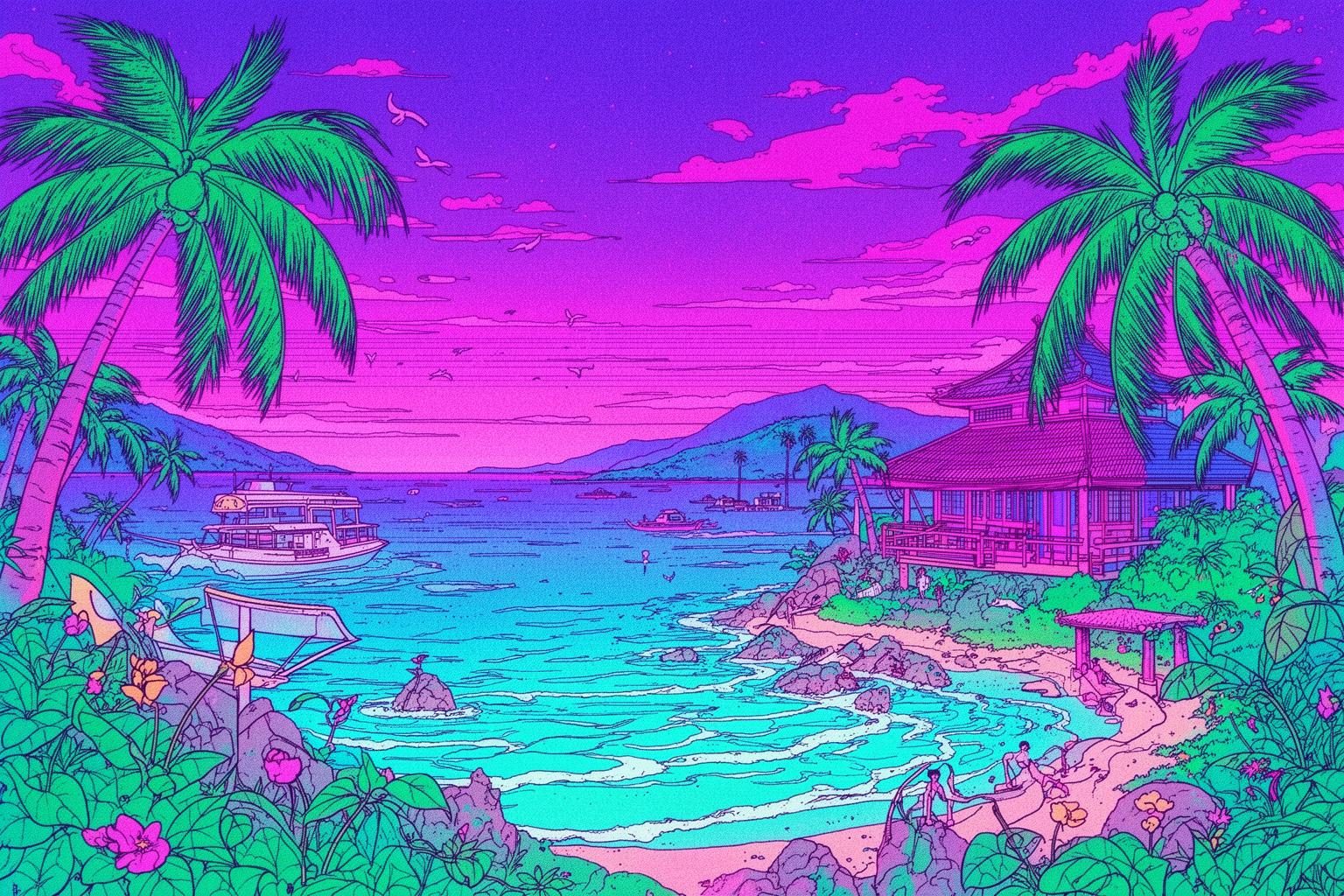
Okinawa is far more than just a surf destination. It’s an experience that seeps into your soul and stays with you. The search for waves becomes a journey through a vibrant culture, a layered history, and an exquisitely beautiful natural environment. The island has a way of slowing your pace, encouraging you to be present and savor the simple pleasures: a flawless sunset, a delicious meal, a warm smile from a stranger. The waves here will undoubtedly be epic. You’ll find crystal-clear waters, perfect reef breaks, and sessions that you’ll replay in your mind for years to come. But the true takeaway from a visit to Okinawa is the feeling you carry away—one of connection, peace, and the discovery of something truly special. So gather your crew, book your flight, rent a car, and start exploring. The waves await in that impossibly blue water. Go find them.