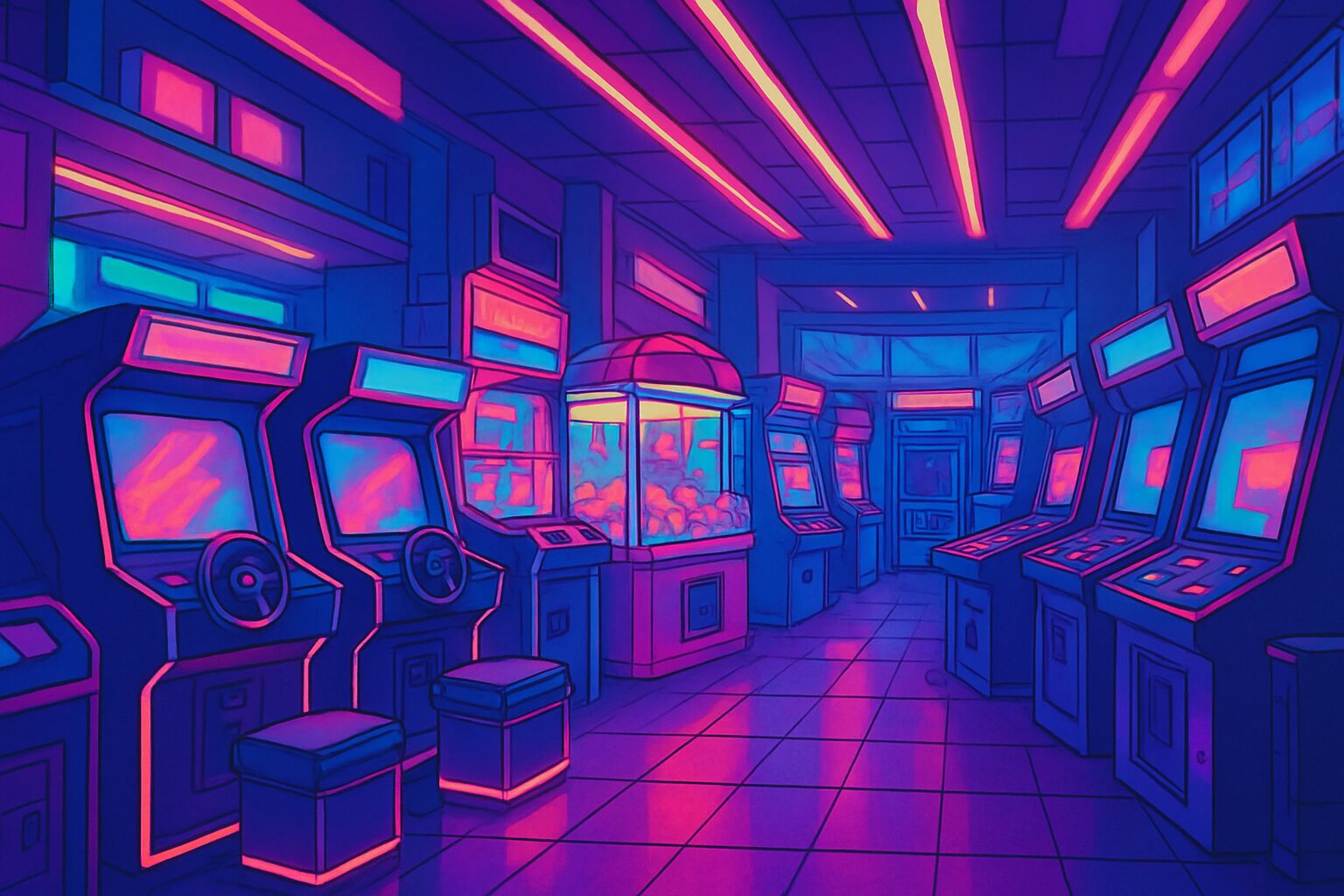
Yo, what’s the deal? It’s your girl, Li Wei, dropping in from a world drenched in neon and the high-octane symphony of a thousand button mashes. We’re about to dive headfirst into the electric heart of Tokyo, a place that’s basically the final boss level of pop culture: Akihabara. But we’re not just window shopping for anime figures or scoping out the latest tech. Nah, we’re on a sacred mission. We’re stepping into the dojo, the training ground, the digital sanctuary known as the Japanese arcade, or as the locals call it, the ge-sen (game center). Forget everything you think you know about arcades back home—those dusty corners with a couple of forgotten machines. In Akihabara, arcades are multi-story, glittering titans of entertainment, pulsing with an energy that redefines what it means to play. They are cathedrals of skill, community, and pure, unadulterated fun. This isn’t just about playing games; it’s about plugging directly into the mainframe of modern Japanese culture, a place where salarymen, students, and pro-level gamers coexist in a chaotic, beautiful harmony. It’s a full-body sensory experience, a test of reflexes, and honestly, a whole mood. So grab your wallet full of 100-yen coins, stretch out those fingers, and get ready to press start. This is our quest, and trust me, the EXP you’re about to gain is legendary.
If you’re fascinated by the retro-futuristic soul of these spaces, you might also enjoy hunting for digital ghosts in Japan’s retro arcades.
The Electric Heartbeat: Decoding the Vibe of Akiba

Stepping out of Akihabara Station and onto the main thoroughfare, Chuo Dori, feels like being struck by a culture shockwave—in the best possible way. The atmosphere can be summed up in one word: electric. It’s a sensory overload that somehow fits perfectly. Buildings are covered floor-to-ceiling with vivid anime characters, giant screens flash ads for the newest games, and a symphony of sounds washes over you. J-pop blasts from storefronts, cheerful, high-pitched calls from maid cafe staff fill the air, and beneath it all, a steady, rhythmic thrum pulses. That thrum is the collective heartbeat of the arcades—the bassline of countless rhythm games, the percussive strikes of fighting game combos, and the triumphant chimes of a prize being won. It draws you in, guiding you away from the main street and into the glowing entrances of these vertical marvels.
Inside, the air is thick with a distinct atmosphere. It’s warm, buzzing with the low hum of electricity and the concentrated energy of hundreds immersed in their own digital worlds. The sound is a layered symphony. On the ground floor, you’ll often hear the cheerful, inviting music of the UFO catchers, crafted to welcome and entice. As you climb the narrow escalators or stairs, the soundscape evolves. You might reach a floor devoted to rhythm games, where intense, high-BPM tracks and the sharp slaps of players hitting buttons in perfect sync create a wall of sound. Ascend further, and you might find the fighting game floor, often surprisingly quieter, interrupted only by the crisp clicks of joysticks and occasional grunts of focus or triumph. It’s a space that feels both communal and intensely personal. Surrounded by people, yet everyone is locked into their own zone, battle, or dance. This is the essence of the Akihabara arcade vibe: a shared space for individual quests, where you can be part of a vast community without uttering a single word.
A Trip Down Memory Lane: The Genesis of Japan’s Arcade Kingdom
To truly understand why Japanese arcades are such a big deal, you need to look back. This entire scene didn’t just appear overnight. Its roots run deep, reaching back to the post-war era. The earliest versions of these entertainment venues were actually located on the rooftops of department stores during the 1950s and 60s. They were simple, family-friendly places featuring mechanical horse rides and basic target-shooting games, designed to keep children occupied while their parents shopped. It was wholesome, a far cry from the neon-lit intensity of modern Akihabara.
The real game-changer, the event that fundamentally reshaped Japanese entertainment, was the arrival of Space Invaders in 1978. This marked the big bang of arcade culture. It became so incredibly popular that it reportedly led to a nationwide shortage of 100-yen coins. Consider that for a moment—a single game having a tangible impact on a country’s currency. That’s legendary-level influence. Cafes and shops removed their tables to make room for Space Invaders cabinets, creating what were known as “Invader Houses.” This was the moment arcades evolved from simple pastimes into full-blown social phenomena. It was no longer just for kids; it became a hangout spot and a competitive arena for an entire generation.
The 1980s and 90s were the golden age. This was when the genres we cherish today were born. The release of Street Fighter II in 1991 was another seismic moment, solidifying the fighting game genre as a cornerstone of the arcade scene. It wasn’t merely about beating a high score anymore; it was about defeating the person standing right beside you. This face-to-face competition is a key part of what makes the Japanese arcade experience so unique and engaging, even now. Arcades, or ge-sen, evolved into community hubs, the third place for countless young people. They were where you showcased your skills, made friends and rivals, and immersed yourself in a growing subculture. The multi-story complexes we see today in Akihabara are the direct heirs of this legacy, with each floor representing a different chapter in gaming history—from retro classics to the cutting-edge technology that continues to expand the possibilities of play.
The Modern Pantheon: A Guide to Akihabara’s Gaming Giants
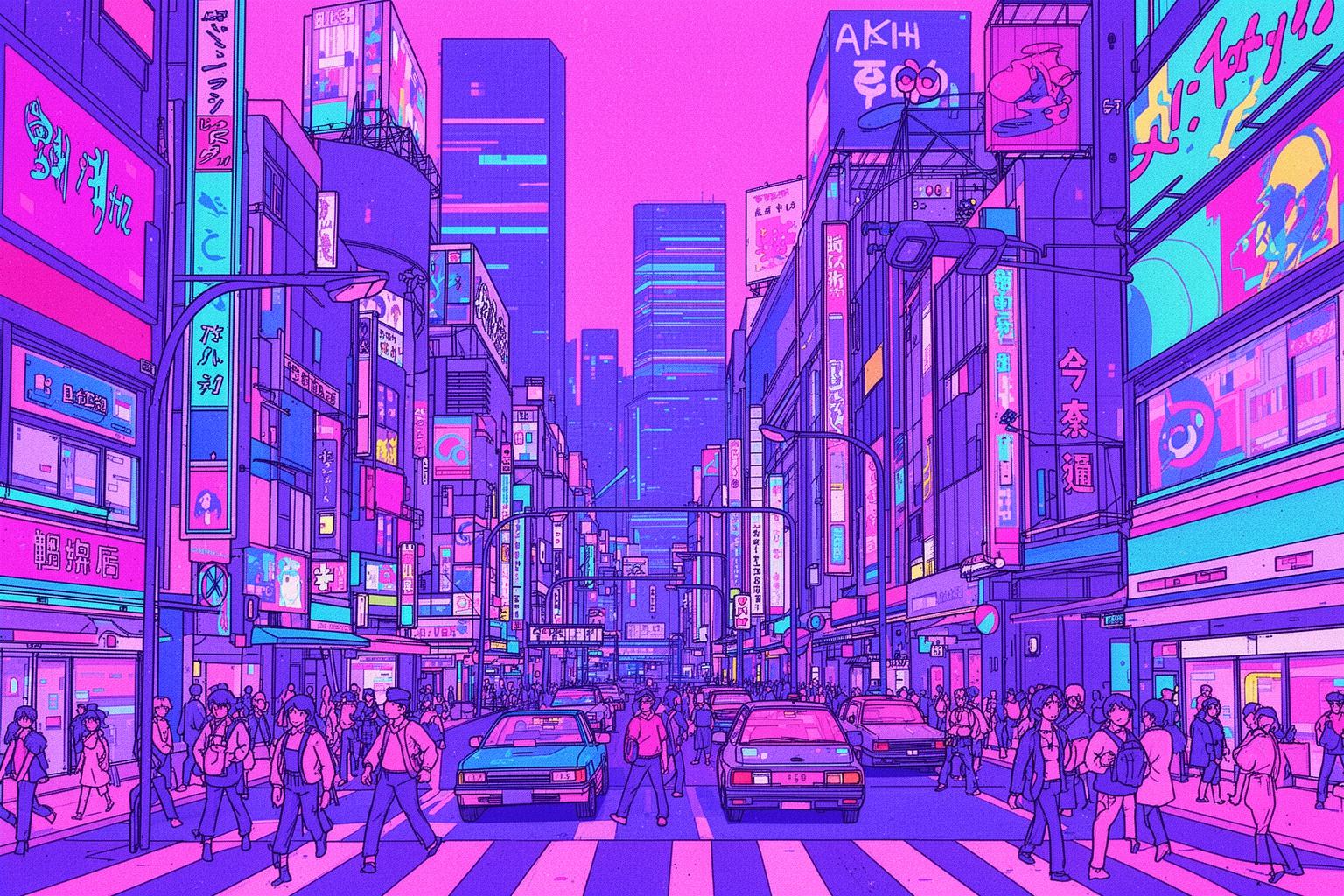
When wandering through Akiba, you’ll repeatedly notice a handful of names. These are the giants, the major chains that dominate the arcade scene. Understanding what each offers is essential for planning your ideal gaming pilgrimage.
GiGO (Formerly SEGA)
You simply can’t miss them. The GiGO buildings are iconic Akihabara landmarks, often towering multi-story structures covered with the latest anime and game advertisements. Although they’ve moved away from the classic blue SEGA branding, the spirit remains unchanged. A typical GiGO is layered like a cake of fun. The ground floor almost always features UFO catchers, serving as a welcoming entry with rows of glass cases filled with everything from cute plush toys to premium anime figures. It’s bright, noisy, and designed to be inviting to everyone. As you go up, the games become more specialized. The second and third floors often host a mix of popular rhythm games, large-scale experience games, and the ever-popular photo booths (purikura). Higher floors cater to more devoted players, with arcade card games and near the top, the fighting game section where competitive tension runs thick. GiGO is a fantastic all-rounder and a great starting point to sample everything a modern arcade offers.
Taito Station
Another titan in the arcade world, Taito Station is easily identified by its striking red branding and the iconic Space Invaders logo. Like GiGO, Taito Stations are multi-story entertainment palaces with a similar setup. The ground floor is a crane game haven, attracting onlookers with its collection of adorable and trendy prizes. Taito has a rich legacy as the creators of Space Invaders and often honor that history while embracing the newest, flashiest machines. You’ll find a vast selection of their popular rhythm series, Groove Coaster, alongside major titles. The upper floors are a treasure trove for hardcore fans, featuring the latest fighting games, online multiplayer cabinets, and a strong lineup of medal games. Taito Stations are known for being clean, bright, and welcoming to newcomers, making them another excellent spot for your first dive into the Akiba ge-sen scene.
The Retro Sanctuaries
While the major chains focus on the latest trends, Akihabara also houses sacred spots that preserve gaming history. These are the destinations for true aficionados.
Super Potato
Super Potato is less of an arcade and more like a living museum you can interact with. Primarily a retro game store, its floors are stacked with cartridges and consoles from decades ago, with the nostalgic scent of old plastic and cardboard filling the air. The top floor features a small, carefully curated retro arcade. Here, you can play classics on their original hardware, sitting at candy cabinets with beautifully preserved CRT monitors. It’s an opportunity to play Street Fighter II or Metal Slug exactly as they were intended. The atmosphere is respectful and relaxed, a sharp contrast to the energetic buzz of the larger arcades. It’s a must-visit pilgrimage spot for anyone who cherishes video game history.
Hey (Hirose Entertainment Yard)
If Super Potato is the museum, Hey is the hardcore dojo. This venue is legendary, especially among fans of two specific genres: fighting games and shoot ’em ups (shmups). The lighting is somewhat dimmer, and the focus is more intense. On the shmup floor, you’ll see rows of players skillfully dodging intricate neon bullet patterns with a zen-like focus. It’s captivating. The fighting game floor is equally serious. The average skill level here is remarkably high. This isn’t a place for casual button mashing; it’s where masters showcase their craft and where you can challenge yourself against the best. The vibe is no-nonsense but deeply respectful. It’s a temple for the truly dedicated, and simply watching the players is an education in itself.
Mastering the Craft: A Deep Dive into Arcade Genres
Japanese arcades boast an astonishing variety of genres, many of which have no real counterpart in the West. Each genre possesses its own distinct culture, skills, and community. Immersing yourself in these is where you truly discover the soul of the ge-sen.
The Rhythm Realm: Dance, Drum, and Dive
Rhythm games are arguably the most dazzling genre to both play and watch. These are far from simple “press the button when it crosses the line” games. They engage your whole body. Stepping onto a rhythm game floor feels like entering a rave. The music pulses, and the machines themselves put on a light show that reacts to players’ moves. You’ll spot players with custom gloves, performing moves at a breathtaking speed and precision that seem almost superhuman. It’s a form of performance art.
- maimai DX: This game lives in a circular, washing machine-like cabinet. Players tap and slide their hands around the screen’s edges and on the surface itself, creating a dance. It’s easy to pick up but has a staggeringly high skill ceiling.
- CHUNITHM: This one is wild. It features a standard button interface at the bottom, but also sensors up the cabinet’s sides. Players break invisible beams in the air with their hands, timed to the music. It looks like conducting a digital orchestra.
- SOUND VOLTEX: If you want to feel like a futuristic DJ, this is your game. It mixes standard buttons with two analog knobs that you twist and turn, controlling filters and lasers on the screen. Playing it is incredibly satisfying.
- Taiko no Tatsujin: The most accessible and culturally significant of the group. The concept is simple: hit a giant taiko drum with sticks in time with the music. It’s fun, physical, and its use of a traditional Japanese instrument makes it popular with everyone from kids to grandparents.
The Arena of Warriors: Fighting Game Culture
The fighting game area is a different world. It’s the modern equivalent of a martial arts dojo. Here, skill, strategy, and mental toughness reign supreme. The culture runs deep with its unwritten rules. When you want to challenge a player currently in a match, you don’t tap their shoulder. Instead, you quietly place a 100-yen coin on the cabinet bezel—this universally signals “I got next.” The system usually follows a “winner stays on” rule, so to continue playing, you must keep winning. This fosters an intense, competitive environment. Players often remain silent, faces inches from the screen, their hands a blur on the joystick and buttons. It’s not button mashing; it’s about reading your opponent, understanding frame data, and executing intricate combos under pressure. Watching a high-level match is like observing a lightning-fast chess game. Even non-players can appreciate this pure showcase of skill.
The Art of the Claw: Conquering the UFO Catcher
Let’s be honest, for many visitors, the UFO catcher or crane game is the main attraction. And it’s no scam—no cap. Unlike rigged machines you might find elsewhere, Japanese crane games rely on skill, physics, and sound strategy. Winning a rare figure isn’t luck; it’s about choosing the right plan. Different claws exist (three-prong for plushies, two-prong for boxes) and myriad prize setups. Sometimes you lift the prize, other times drag, push, or snip a tag with the claw. A key tactic is to watch others play first to see what works. And here’s the ultimate insider hint: don’t hesitate to ask for help. If you’ve been struggling, politely call over a staff member (the ten-in). They often come, assess the situation, and reposition the prize to make winning easier. This “assist” is a core part of the culture—they want you to win! It creates a positive vibe and keeps players engaged. The prize variety is staggering—from Japan-exclusive snacks and drinks to exquisitely detailed character figures worth a fortune outside. Winning a prize in a UFO catcher isn’t just about gaining an item; it’s earning a trophy, a tangible memory of your arcade triumph.
The Digital-Physical Hybrid: Arcade Card Games
This genre is booming in Japan and is fascinating to watch. These games combine digital gameplay on screen with physical collectible cards. Players build decks of real, holographic cards, scan them on the machine, and see their characters appear in-game. As you play, the machine may even dispense new cards to collect. Titles like KanColle Arcade, based on a popular browser game about anthropomorphic warships, or Fate/Grand Order Arcade have huge dedicated followings. Players use binders to store cards, and a whole secondary market exists for trading rare ones. It’s a brilliant blend of the joy of physical collecting with the excitement of video games, creating a hobby that extends well beyond the arcade.
The Medal Game Oasis: A Different Kind of Grind
Usually found on a separate floor, the medal game area feels like a completely different world. It’s more relaxed, less frantic, with the atmosphere of a family-friendly casino. Instead of 100-yen coins, you buy buckets of small metal tokens called medals. These games are often massive, elaborate mechanical dioramas. The most common type is the medal pusher, where you drop medals onto a moving platform hoping to push more medals—or a big jackpot—off the edge. These aren’t games of quick reflexes but of patience, strategy, and long-term investment. You’ll see regulars, often older, who camp out at machines for hours, steadily building their medal piles. The spectacle of a jackpot, when hundreds or thousands of medals cascade down in a thunderous waterfall of sound, is truly mesmerizing. It’s a uniquely Japanese corner of the arcade world, offering a captivating experience all its own.
Arcade Etiquette 101: How to Play Like a Local
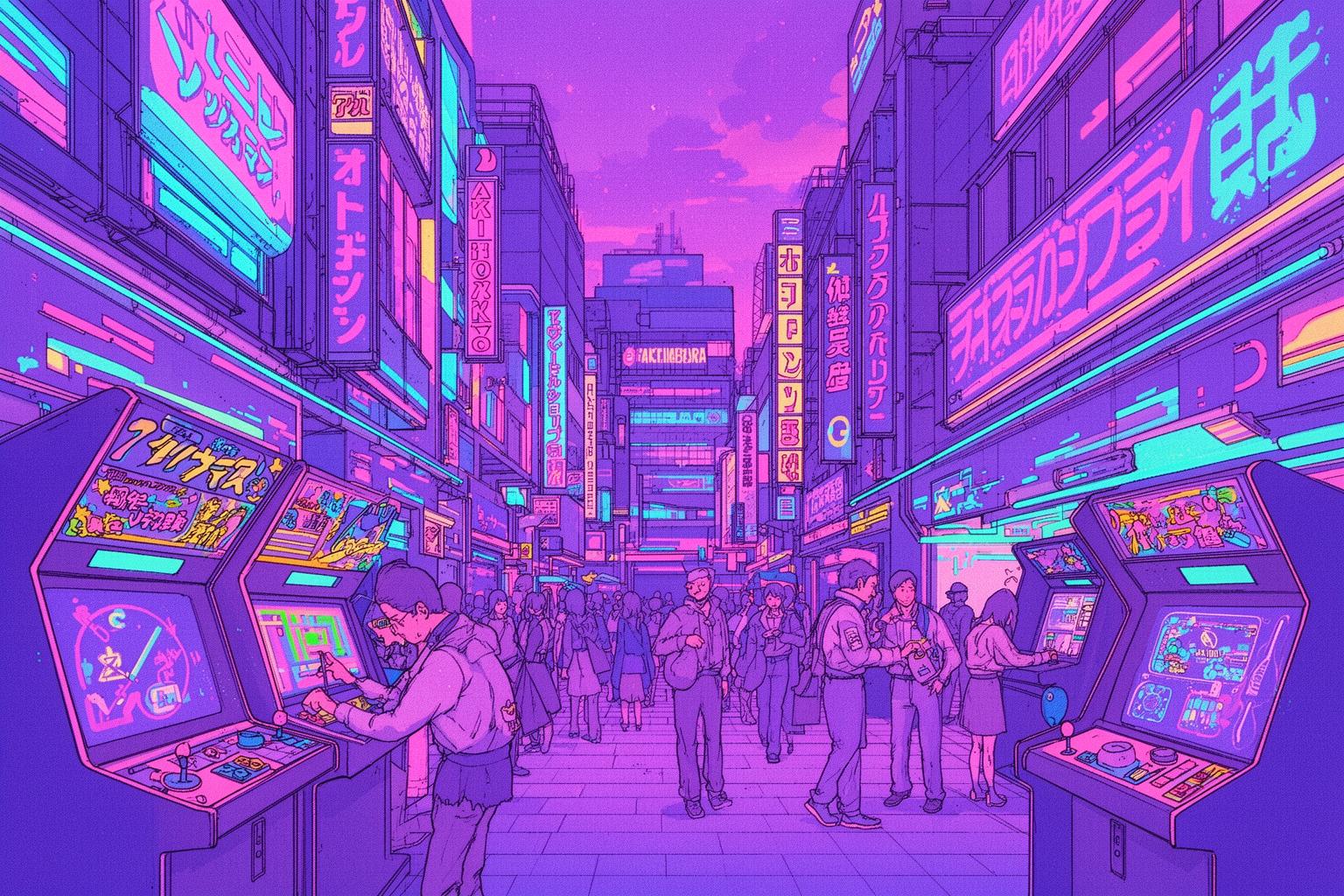
To have the best experience and show respect for the local culture, it’s helpful to know some of the unspoken rules of the ge-sen. It’s all about creating a positive atmosphere for everyone.
- Personal Space: Arcades can get crowded, but Japanese culture highly values personal space. Avoid leaning over someone’s shoulder or standing too close while they’re playing. Give them enough room to concentrate.
- Watching is Cool: Spectating is a big part of the fun, especially for fighting and rhythm games. It’s completely fine to watch, but do so from a respectful distance. Don’t be a distraction.
- One Game at a Time: If there’s a line for a popular machine, the etiquette is to give up your spot after your turn ends, even if you win. Then, get back in line for another chance. This way, everyone gets to play.
- Keep it Clean: Ashtrays are often placed on top of machines for players currently using them. Don’t treat a machine as a trash bin or a place to leave your drink. It’s disrespectful to both the next player and the machine itself.
- The Challenge Ritual: As mentioned earlier, if you want to challenge someone on a fighting game cabinet, don’t interrupt them. Put your 100-yen coin on the dashboard to show you’re next. This silent, respectful system works perfectly.
- Be Aware of Your Surroundings: People move quickly, especially around rhythm games. Be mindful of where you stand so you don’t accidentally get in the way of someone’s perfectly timed moves.
Practical Quest Log: Navigating Your Akihabara Arcade Adventure
Alright, you’ve mastered the theory. Now it’s time for the practical steps to ensure your mission succeeds.
- Access and Orientation: Getting to Akihabara is incredibly simple. JR Akihabara Station is a key hub on the Yamanote Line (the green line looping around Tokyo), the Chuo-Sobu Line, and the Keihin-Tohoku Line. It’s also accessible via the Tokyo Metro Hibiya Line. Once you arrive, follow the signs to the “Electric Town Exit” (Denki-gai). As soon as you step out, you’ll find yourself right in the center of the action. The main street, Chuo Dori, is closed to traffic on Sunday afternoons, and the biggest arcades line this street, making them impossible to miss.
- The Currency of Fun: The 100-yen coin is the key to the arcade experience. While some newer machines accept 500-yen coins or even electronic payments, 100-yen coins remain essential. Every arcade has change machines that break down 1,000-yen bills (and sometimes larger denominations) into a satisfying stream of coins. A handy tip is to carry a transit card like Suica or PASMO with a balance. Many newer machines have card readers, allowing you to just tap and play, which is very convenient.
- Best Times to Visit: This depends on what kind of experience you want. For trying many games with little to no waiting, weekday afternoons are ideal—they’re quieter and offer more space to explore. If you want to soak in the energy, watch top players in action, and enjoy a vibrant atmosphere, Friday nights or weekend afternoons are the peak times. It’s crowded, electric, and truly spectacular.
- Fueling Up: A long arcade session calls for some energy. Fortunately, Akihabara is full of spots for a quick and tasty meal. You’re surrounded by excellent ramen shops, curry houses, and beef bowl eateries. These places are designed for fast, satisfying meals so you can return to gaming quickly. For something more thematic, try one of the many themed cafes like the Gundam Cafe or an animal cafe for a unique break.
The Arcade’s Soul: A Cultural Perspective
From my perspective, having observed the arcade scene develop in China and other parts of East Asia, there is something truly unique about what has been preserved and nurtured in Japan. While arcades have declined or disappeared in many regions worldwide due to the rise of home consoles and mobile gaming, they have remained an essential part of the cultural landscape here. Why is that? I believe it comes down to the focus on the physical experience and community.
You simply can’t replicate the sensation of a massive Taiko no Tatsujin drum, the tactile feedback of a premium racing cabinet, or the distinctive air-based controls of CHUNITHM at home. Japanese arcades have endured by emphasizing experiences that cannot be recreated in your living room. They are creators, continually innovating new ways to play.
More importantly, they act as a vital “third place.” In a society where homes may be small and work hours long, the ge-sen offers a space that is neither home nor work. It’s a place to unwind, socialize, or simply exist in a state of focused play. It transcends demographics. You might see a high school student in uniform playing a rhythm game next to a salaryman in a full suit, just decompressing after a long day. It’s a social equalizer. The only thing that matters inside those walls is your skill and passion for the game. It’s a living, breathing community, and in a world growing increasingly digital and isolated, the tangible, physical community of the Japanese arcade feels more crucial and relevant than ever.
A Final Thought Before You Press Start
Akihabara’s arcades are far more than just a collection of games. They are time capsules, technological wonders, and vibrant community hubs all rolled into one. They are places where you can witness incredible displays of human skill, experience the pure delight of winning a silly plush toy, and connect with a subculture deeply woven into modern Japan’s identity. My advice is simple: be curious. Don’t be put off by the noise or the skill of the players. Climb the stairs. Try a game that looks completely wild. Put 100 yen into a machine you don’t understand. Watch the masters and appreciate their craft. Let yourself get lost in the neon glow and the digital symphony. This is your training ground. The electric shadows of Akihabara are waiting to see what you’ve got. Now, go chase that high score.