Hey, jet-setters! Sofia here, coming at you straight from the heart of Japan, where the past isn’t just a memory—it’s a whole mood, a living, breathing aesthetic you can step right into. And lately, I’ve been completely obsessed with one specific vibe: the golden hour glow of a Tokyo sunset, painting the sky in shades of peach and lavender, with the perfect soundtrack spinning on a turntable. I’m talking about 80s City Pop, the music that defined Japan’s bubble era. It’s that smooth, optimistic, and ridiculously cool sound that makes you want to hop into a convertible and cruise down the Shuto Expressway with the city lights blurring into a river of neon. This isn’t just music you listen to on your phone; it’s an experience. And I’ve found the most authentic way to dive into this retro fantasy: the hidden vinyl cafes and record bars tucked away in the quiet corners of Japan’s sprawling cities. These aren’t just places to get a coffee or a cocktail; they are sanctuaries of sound, time capsules curated by passionate masters who believe in the magic of analog. Forget the tourist traps and the crazy-crowded hotspots for a second. We’re going on a hunt for something real, something with soul. We’re chasing that perfect moment when the needle drops on a Tatsuro Yamashita record, the city outside fades to a murmur, and you feel like the main character in your own stylish, nostalgic movie. Ready to find the groove? Let’s go!
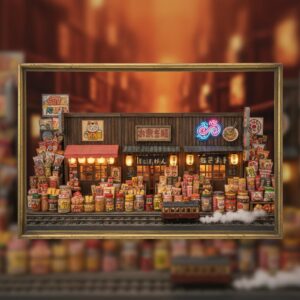
If you’re captivated by this journey into Japan’s nostalgic soundscapes, you might also enjoy stepping back into the ambiance of a classic Showa-era snack bar.
The City Pop Renaissance: What’s the Actual Vibe?
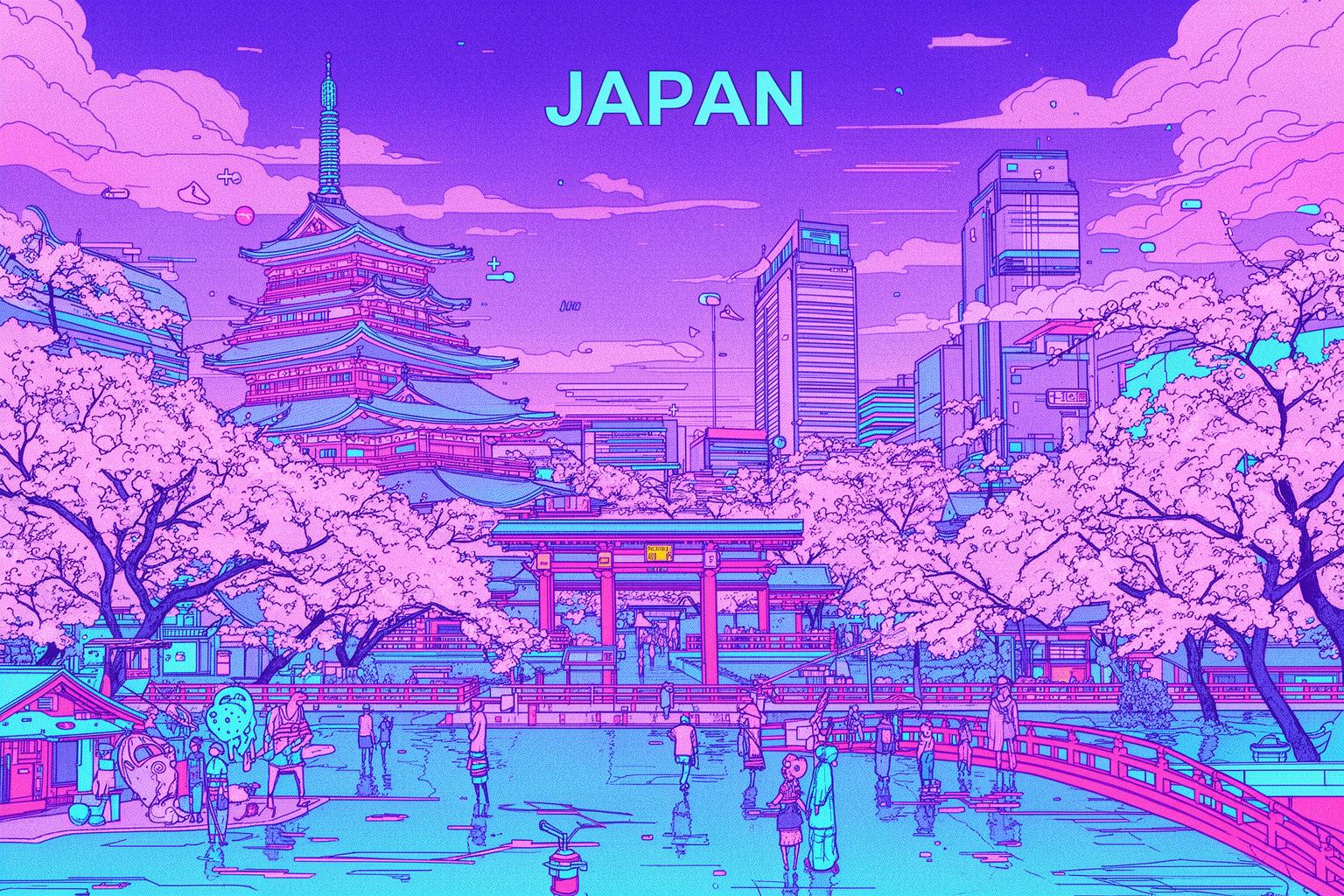
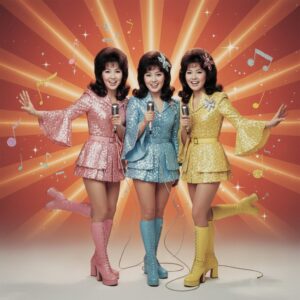
So, before we explore these hidden treasures, let’s get the lowdown on City Pop. If you’ve spent any time online recently, you’ve probably come across it. That viral hit, Mariya Takeuchi’s “Plastic Love,” turned into an unexpected global anthem—a gateway for millions into this amazing genre. But what exactly is it? Imagine Japan in the 1980s: a booming economy sparking an overwhelming wave of optimism and prosperity. The country was a technological giant, and its cities, especially Tokyo, shone as futuristic urban centers. City Pop is essentially the soundtrack of that era. It’s a refined blend of American soft rock, AOR (Adult-Oriented Rock), funk, and soul, all seen through a distinctively Japanese lens of sleek production and airy, melancholic tunes. It’s the music of city life—late-night drives, seaside vacations, summer flings, and cocktails in skyscraper lounges. Artists like the legendary Tatsuro Yamashita, summer jam queen Anri, smooth crooner Toshiki Kadomatsu, and the iconic Miki Matsubara crafted a sound that was both impeccably polished and deeply heartfelt.
But here’s the catch: why is this 40-year-old music making such a huge comeback now? It’s all about the aesthetic. The sound of City Pop is inseparably tied to the visual culture of its time. We’re talking about the soft-focus artwork of Hiroshi Nagai’s album covers, featuring idyllic poolsides and coastal highways beneath impossibly blue skies. It’s the vibe of classic anime like Kimagure Orange Road and City Hunter, with their stylish characters leading effortlessly cool urban lives. In a world that feels increasingly chaotic and digital, City Pop provides a glimpse into a past that seems simpler, more hopeful, and infinitely more stylish. It’s a kind of escapism, a sonic daydream. And these vinyl cafes? They are the tangible expression of that daydream. They’re not just playing music; they’re carefully recreating a mood. They recognize that listening to City Pop is about more than just the melodies; it’s about the warm crackle of the vinyl, the glow of the tube amplifier, the feel of a highball glass in your hand. It’s a full sensory experience that streaming just can’t match. This isn’t merely nostalgia for a time most new fans never experienced; it’s a longing for the feeling of that era—a sense of boundless possibility and effortless cool. And honestly, who couldn’t use a bit more of that in their life?
The Hunt for Analog Gold: Our Top Picks for City Pop Cafes
Alright, squad, this is where the true adventure begins. Tracking down these spots is all part of the fun. They rarely boast huge signs or flashy entrances. These are passion projects, often run by a single proprietor, tucked away in basements or perched on the second floors of unremarkable buildings. I’m excited to share a few of my absolute favorite discoveries—places that feel pure magic. To preserve their intimate, locals-only atmosphere, I’ve given these spots my own unique names, but the descriptions will perfectly guide you in finding similar gems on your journey through Tokyo, Osaka, and beyond.
Neon Dusk in Shimokitazawa, Tokyo
Shimokitazawa already has a vibe all its own—a labyrinth of narrow streets crowded with vintage clothing shops, tiny theaters, and indie music venues. It’s the ideal hunting ground for a place like Neon Dusk. You’ll find it tucked down a blink-and-you-miss-it alley, identified only by a small, subtle sign featuring a stylized record player. You descend a steep, narrow staircase into a basement space, and the moment the heavy door shuts behind you, the chaotic energy of Shimokita fades away. You’re wrapped in warm, dim lighting and the rich, immersive sound of vinyl.
The Atmosphere
The atmosphere here is everything. It’s tiny, seating maybe ten people at the dark wood counter and a few small tables. The walls are floor-to-ceiling with thousands of record sleeves—a library of jazz, soul, funk, and an astonishing collection of City Pop. The air carries the scents of dark roast coffee, old paper, and a faint trace of Japanese whiskey. The only light comes from a few dim Edison bulbs and a single focused spotlight on the magnificent turntable setup, making the spinning record the undeniable star. It’s intimate, reverent, and incredibly cozy. You feel like you’ve stumbled upon a secret society for music lovers. This is a spot for quiet reflection, for letting the music wash over you. It’s less a cafe and more a listening sanctuary. The silence between songs is as important as the music itself, broken only by the soft clink of ice and the gentle rustle as the master flips through his collection to find the next perfect track.
The Master
The owner, whom I’ll call Kenji-san, is the quintessential record bar “master.” Likely in his late 60s, with silver hair and a calm, focused presence, he barely speaks, communicating instead through his music choices. Watching him work is like witnessing a tea ceremony. He handles each record with near-spiritual reverence, carefully wiping it with an anti-static cloth before lowering the needle. He seems to possess a sixth sense for the room’s mood, seamlessly shifting from a mellow, introspective Taeko Onuki track to an upbeat, groovy number by Piper as the evening unfolds. Don’t try to make small talk. Instead, offer a respectful nod and show your appreciation through attentive listening. If you’re lucky, and he senses your genuine love for the music, he might pull out a rare pressing just to watch your reaction. It’s his way of saying, “I see you. You get it.”
The Menu and The Experience
The menu is as minimalist and refined as the decor. There are two types of single-origin pour-over coffee, a selection of fine Japanese whiskies, and a few classic cocktails. I always opt for the highball—the crisp, clean taste of Suntory Toki with soda is the perfect match for the smooth sounds. As the sun sets outside, the magic truly takes hold. You’re disconnected from the world, nursing your drink, lost in the warm analog soundscape. When Kenji-san plays Anri’s “Last Summer Whisper,” and the melancholic sax solo fills the room, it’s a legitimate main-character moment. You feel the weight of the city, the passage of time, and the pure bittersweet beauty of the music all at once. It’s cinematic. It’s transportive. It’s why you came to Japan.
Practical Info
To locate a place like Neon Dusk, head to Shimokitazawa Station (served by the Keio Inokashira and Odakyu Lines). The key is to wander. Avoid the main shopping streets and explore the winding side alleys, especially in the evening. Look for signs in Japanese reading レコードバー (rekōdo bā). Expect a small cover charge, called a “table charge,” common in these venues. And remember, photos are almost always prohibited. The vibe here is sacred.
Pacific Breeze in Nishi-Ogikubo, Tokyo
If Neon Dusk is the moody, introspective poet, then Pacific Breeze is the effortlessly cool artist with a sunny disposition. Situated in the charming, laid-back neighborhood of Nishi-Ogikubo—a local favorite known for its antique shops and cozy eateries—this spot offers a distinct but equally captivating City Pop experience. It’s less a dark, hushed bar and more a stylish, mid-century modern lounge where the music invites conversation instead of demanding silence.
The Atmosphere
You’ll find Pacific Breeze on the second floor of a small, older building overlooking a quiet ginkgo-lined street. As you climb the wooden stairs, you’re welcomed by the sound of a breezy, upbeat track, perhaps something by Hiroshi Sato. The space is brighter and more open, with large windows letting in soft afternoon light. The decor is flawless: warm teak wood paneling, vintage Danish-style armchairs to sink into, and lush green plants in ceramic pots. The centerpiece is a stunning wall unit housing both the record collection and a gleaming silver-faced Marantz amplifier alongside massive vintage JBL speakers delivering a sound so warm and full it feels like a hug. The atmosphere is relaxed, social, and incredibly chic—like being invited to the impossibly cool living room of your most stylish friend from 1985.
The Masters
Pacific Breeze is run by a young couple, Yuka and Taka, in their early 30s. They inherited the space from Yuka’s grandfather, who operated it as a traditional jazz kissaten for forty years. They lovingly restored it, preserving the incredible sound system and mid-century bones while infusing it with their shared passion for City Pop and 80s aesthetics. They are perfect hosts—warm, friendly, and genuinely eager to share their love of the music. Taka serves as the main DJ, curating playful, feel-good sets that have you tapping your feet and Shazam-ing every other song. Yuka runs the bar, crafting beautiful, inventive cocktails and happily chatting about the neighborhood or recommending rare albums. Their energy is contagious, making the space welcoming and alive.
The Menu and The Experience
The menu here is broader and more playful, reflecting the couple’s personality. The cocktail list shines, featuring drinks named after City Pop classics. The “Ride on Time” is a refreshing gin and yuzu blend, while the “Midnight Pretenders” is a smoky, sophisticated whiskey cocktail. They also offer a small selection of delicious, retro-inspired dishes. You simply must try their take on the kissaten classic, Napolitan spaghetti, or the perfect-for-sharing tamago sando (egg salad sandwich) on fluffy milk bread. The experience is communal—you’ll see groups of friends chatting quietly, couples on dates, and solo listeners all grooving to the same beat. It’s the perfect spot to ease into the world of vinyl cafes. As evening falls, Taka might play a full album, like Toshiki Kadomatsu’s “After 5 Clash,” letting it run start to finish. It becomes a shared listening party, a collective journey fueled by fantastic drinks and great company.
Practical Info
Nishi-Ogikubo is on the JR Chuo Line, a quick ride from Shinjuku. The neighborhood moves at a much slower pace than central Tokyo. Spend the afternoon browsing incredible antique and curiosity shops before heading to Pacific Breeze for sunset drinks. Look for second-floor venues, as they often offer quieter, more intimate settings. Don’t hesitate to strike up a conversation with the owners if they seem open; their passion is a huge part of the experience.
Groove Ship in Nakazakicho, Osaka
Let’s take a break from Tokyo and head down to the vibrant, energetic city of Osaka. While Tokyo is cool and reserved, Osaka is famously loud, fun, and a bit wild. That spirit is perfectly captured in Groove Ship, a fictional record bar I imagine hidden in the charming, trendy neighborhood of Nakazakicho. This area is a wonder—a small cluster of pre-war wooden buildings that survived the bombings, now a maze of winding alleys filled with quirky boutiques, art galleries, and cafes. Groove Ship isn’t just a City Pop bar; it’s a full-on funk and soul party.
The Atmosphere
From the outside, Groove Ship looks like any other old wooden house in the neighborhood, but you can hear the thumping bassline half a block away. Inside, it’s a glorious burst of retro-funk style. The lighting is dim, but the room pulses with the glow of a slowly spinning mirror ball casting dancing squares of light. Vintage lava lamps bubble on shelves, and the walls are plastered with concert posters of 70s and 80s funk legends. The sound system is the centerpiece: enormous, custom-built speakers flank a DJ booth where the owner commands a pair of Technics SL-1200 turntables. The vibe is electric. It’s less about quiet, reverent listening and more about feeling the groove deep in your soul. People nod their heads, sway in seats, and the energy is pure joy. It’s the perfect place to start a night out in Osaka.
The Master
The master of Groove Ship, whom I’ll call Hiro-san, is a former club DJ with an infectious grin and encyclopedic knowledge of any track with a killer bassline. He’s not just spinning records; he’s performing. He mixes and blends, seamlessly transitioning from a funky City Pop banger by Omega Tribe to a classic Earth, Wind & Fire number without missing a beat. Hiro-san is constantly dancing, singing along, and locking eyes with patrons, sharing the room’s collective energy. He loves taking requests, but only if you can prove your taste is legit! His passion fuels the whole place, making everyone feel like they’re at the best house party ever.
The Menu and The Experience
Groove Ship’s menu is all about straightforward fun. Classic Japanese izakaya fare: skewers of yakitori, salty edamame, and crispy karaage (fried chicken). The drink options are simple—ice-cold Japanese draft beer, a solid selection of sake and shochu, and easygoing highballs. It’s designed for easy enjoyment while focusing on the music. The vibe is pure, unfiltered fun. This is where you bring friends to get hyped for a night out. You’ll hear the more danceable, funk-infused side of City Pop—artists like Kiyotaka Sugiyama, Junko Ohashi, and the upbeat works of Tatsuro Yamashita. Hiro-san knows how to pace a set, starting mellow as people arrive and gradually building tempo and energy until the whole room buzzes. It’s impossible to leave Groove Ship in a bad mood.
Practical Info
Nakazakicho is a short walk from Umeda, Osaka’s transport and business center. It feels like a different world. Spend an afternoon exploring its alleys, discovering unique shops, and then follow the music to find a place like Groove Ship. Osaka’s nightlife is legendary, and this spot is the perfect launch point. The people are famously friendly, so don’t be surprised if you make new friends bonding over a killer bassline.
More Than Just Music: The Vinyl Kissaten Culture
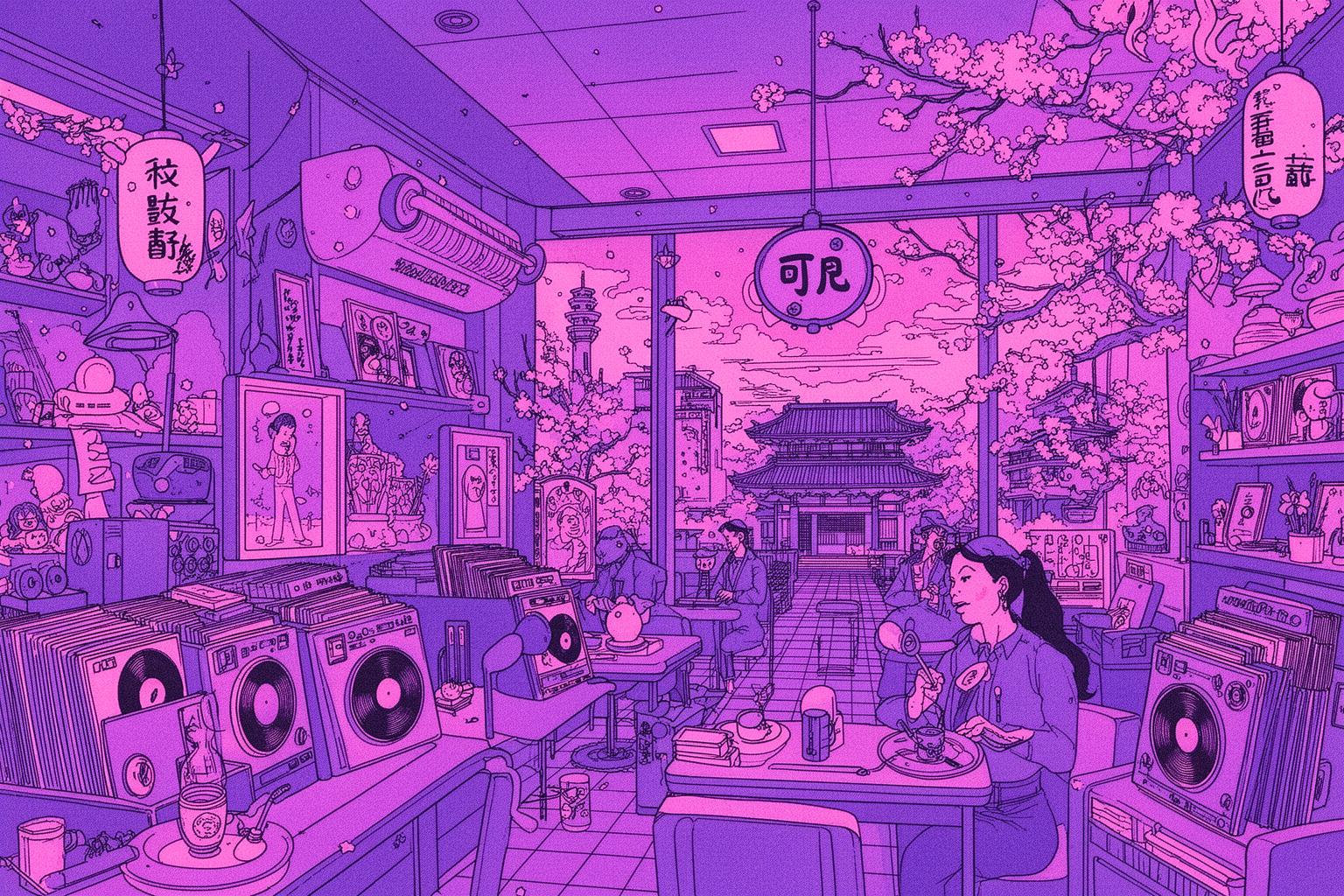
Stepping into one of these vinyl cafes, or rekōdo bā, means engaging in a culture that extends far beyond merely playing old records. It’s an immersion into a world that treasures patience, quality, and attentive listening—a genuine counterpoint to today’s endless scrolling and disposable media. This tradition traces back to the jazz kissa (jazz cafés) that emerged across Japan in the post-war period. When imported records were prohibitively costly, these cafes provided a space where customers could pay a modest fee for a cup of coffee and enjoy the latest American jazz on high-fidelity sound systems. It was a serious experience. Conversation was often prohibited, and patrons were expected to remain silent, fully focusing on the music. This legacy of respectful listening still resonates in many vinyl bars today.
The Etiquette: Listen Up!
This is crucial for first-time visitors. The atmosphere can vary, ranging from the lively vibe of a place like Groove Ship to the reverent quiet of Neon Dusk. The key rule is to gauge the environment. Upon entering, take a moment to observe how others are behaving. If the space is quiet and everyone faces the speakers, keep your voice low or remain silent. The owner, or “master,” isn’t merely a bartender; they act as a curator and guide on a sonic journey. Loud talking is considered disrespectful to the music, the master, and fellow listeners. Also, this isn’t the place for laptops. These cafes are sanctuaries from the digital world, not workspaces. Put your phone away or at least set it to silent and keep it out of view. The goal is to be present, to let the outside world fade away so the music can command your full attention.
The Altar of Audio: A Feast for the Ears
One of the most astonishing features of these cafes is the exceptional quality of their audio equipment. The owners are passionate audiophiles, and their sound systems are their pride and joy. You’ll find gear that would make a sound engineer beam with delight. This includes vintage turntables from brands like Micro Seiki or Luxman, often equipped with heavy platters and meticulously crafted tonearms. The core of the system is typically a tube amplifier, renowned for producing a sound that is warm, rich, and lifelike—a sharp contrast to the compressed, sterile audio of digital formats. Then there are the speakers, often huge, custom-made, or legendary vintage models from brands such as JBL, Altec Lansing, or Tannoy. These aren’t simply speakers; they are furniture-like monoliths designed to reproduce music with breathtaking clarity and presence. Hearing a familiar City Pop track on one of these setups is like experiencing it anew. You can distinguish every instrument, feel the bass resonance, and notice the subtle nuances of the vocalist’s breath. It’s a physical sensation. The sound possesses texture and weight. You don’t just hear it; you feel it deep in your chest. It’s a powerful reminder of what has been lost in the era of earbuds and laptop speakers.
How to Find Your Own City Pop Haven
Alright, so you’re hooked on the vibe and eager for your own analog adventure. But how do you locate these spots that are, by nature, hidden? It requires a bit of detective work, but that’s exactly what makes it so rewarding when you finally push open that door and hear the first notes of your favorite song.
Keywords and Neighborhoods
First, learn the terminology. When searching online or on Google Maps, use these Japanese terms: 「レコードバー」 (rekōdo bā – record bar), 「音楽バー」 (ongaku bā – music bar), or even 「ジャズ喫茶」 (jazu kissa – jazz cafe), as many have expanded their musical offerings to include City Pop and other genres. To be more specific, you can add 「シティポップ」 (shiti poppu). For neighborhoods in Tokyo, explore beyond the usual spots. While Shinjuku and Shibuya feature some great venues (especially in areas like Golden Gai or Nonbei Yokocho), the true gems often lie in more residential, artsy neighborhoods like Shimokitazawa, Koenji, Kichijoji, and Nishi-Ogikubo. These districts are known for their vibrant subcultures and independent businesses. In Osaka, in addition to Nakazakicho, check out the trendy alleys of America-mura or the slightly edgier, music-focused streets of Shinsaibashi.
On-the-Ground Recon
Honestly, the best way to discover these places is to simply wander. Once you’re in a promising neighborhood, slow down and really observe your surroundings. Most of these bars are not on the ground floor. Keep an eye on the second and third floors of buildings for small, intriguing signs. Look for basement entrances. A simple, elegant sign with a musical note or a record player icon is a dead giveaway. Sometimes, the only hint is the faint sound of a bassline spilling into the street. Trust your ears and follow the music. Don’t hesitate to peek into a place that looks interesting. The worst case is that it’s not what you’re looking for. The best case is discovering your new favorite spot in the world.
A Note on Photography
This is important. Many of these cozy, atmospheric venues have a strict no-photography or no-flash rule. It’s to protect the privacy of the patrons and, more importantly, to maintain the carefully cultivated vibe. The owner wants you to experience the moment through your senses, not through a screen. Always ask before taking a photo. A simple “Shashin, daijoubu desu ka?” (Is a photo okay?) will suffice. If they say no, respect it. The memories you create will be more vivid than any photograph, I promise.
Pairing the Mood: What to Do Before and After
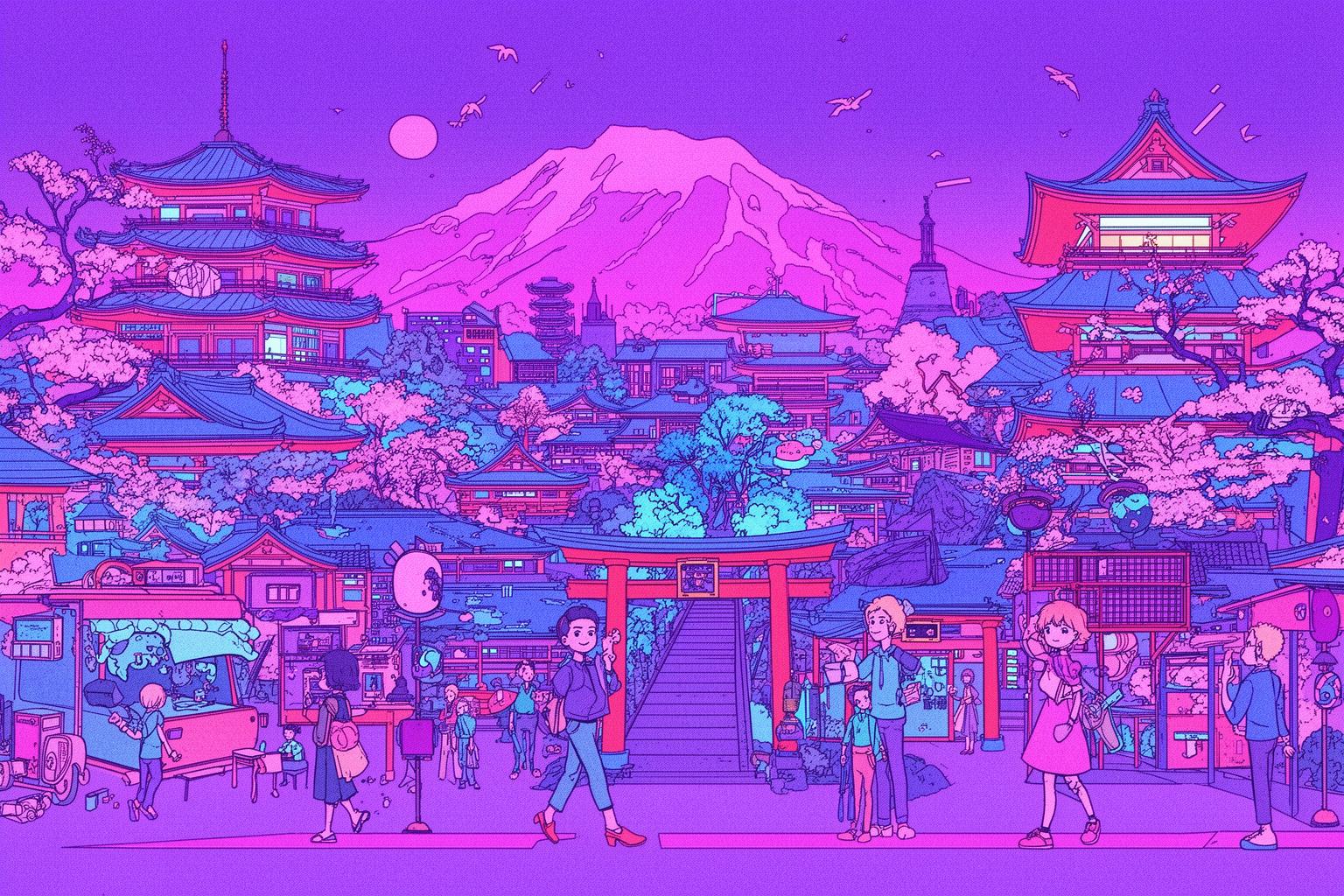
Visiting a City Pop cafe is an unforgettable experience, but you can create an entire perfect, retro-themed day around it. It’s all about immersing yourself in that 80s vibe.
Before: The Wind-Up
To get into the mood, spend the afternoon crate-digging on your own. Japan boasts some of the best record stores worldwide. In Tokyo, the huge Disk Union and Tower Records in Shinjuku and Shibuya are iconic, with whole floors dedicated to Japanese music, including extensive City Pop collections. You can easily spend hours browsing records, discovering new artists, and admiring stunning album artwork. Alternatively, embrace the vintage style by exploring second-hand clothing shops in Shimokitazawa or Koenji, where you can assemble a stylish, retro-inspired outfit for your night out. Another option is to visit places that seem frozen in the Showa era (which ended in 1989), like the old-fashioned Yanaka Ginza shopping street or the Nezu Museum with its peaceful garden, helping you mentally step back in time.
After: The Cool-Down
The music has created a specific atmosphere—cool, urban, and slightly melancholic. Don’t break the mood by rushing back to a noisy, crowded train station. Instead, keep the vibe alive. After leaving the bar, take a long stroll through the now twinkling city streets. Find a late-night ramen spot and enjoy a comforting bowl of noodles at a quiet counter. Or, enhance the experience by visiting a stylish cocktail bar on a high floor of a skyscraper, such as the Park Hyatt’s New York Bar (famous from Lost in Translation). Gazing over the endless sea of city lights while the smooth sounds of City Pop linger in your mind is an utterly sublime moment. It’s the perfect conclusion to a perfect day, letting you feel as if you truly lived inside one of those songs, if only for an evening.
A Sunset Serenade: The Final Track
Chasing the City Pop sunset across Japan has been one of the most fulfilling travel experiences of my life. It’s about much more than just enjoying cool, retro music. It’s about uncovering small, deeply personal spaces that serve as anchors to a different era. In a country often seen as hyper-modern and fast-paced, these vinyl cafes represent acts of cultural preservation, run by passionate individuals committed to the tangible, beautiful experience of analog sound. They stand as quiet rebellions against the digital stream, inviting you to slow down, listen deeply, and simply be present. So on your next trip to Japan, I challenge you to look beyond the guidebooks. Wander down that narrow alleyway. Climb that unassuming staircase. Follow that subtle, groovy bassline. You might just find a seat at a quiet counter, a master ready to spin the perfect track, and a sunset-colored drink waiting for you. And as the needle drops and the opening chords of your favorite City Pop song fill the room, you’ll have discovered it—that perfect, fleeting moment of Japanese magic you never knew you were searching for.