Yo, what’s the move? Let’s talk about a Japan travel hack that’s low-key one of the coolest things you’ll ever experience. It’s not about the temples, the neon-drenched cities, or even the god-tier food scene, though all that is fire, no cap. Nah, we’re diving deeper, into the auditory soul of the city. We’re talking about hassha merodī—the departure melodies at Japanese train stations. These aren’t just your basic beeps and boops. We’re talking full-on, seven-second symphonies that play just before the doors slide shut and the train whispers away. And the wildest part? A bunch of them sound like they were ripped straight from a forgotten cartridge of a Famicom or Nintendo Entertainment System game. It’s a legit 8-bit symphony happening 24/7, a nostalgic soundtrack that turns a simple commute into a side quest. These chiptune bangers are more than just a heads-up that your train is leaving; they’re a cultural phenomenon, a slice of local identity, and an unexpectedly emotional part of daily life in Japan. As a photographer, I’m always chasing a feeling, a mood, a story. And these melodies? They’re the secret soundtrack to the photos I take, the invisible layer of atmosphere that makes this place so special. It’s the ultimate Easter egg for anyone who grew up with a controller in their hand, a secret handshake between you and the city. Get ready to plug in, because we’re about to go on an auditory adventure to track down the most iconic, retro-sounding train jingles in the land. This is your official guide to leveling up your Japan trip, one pixelated platform at a time. The main quest starts now.
For a deeper dive into Japan’s unique blend of retro gaming culture and real-world exploration, consider starting your adventure in the iconic Akihabara district.
The Heartbeat of the Metropolis: Riding the Yamanote Line’s Retro Rhythms
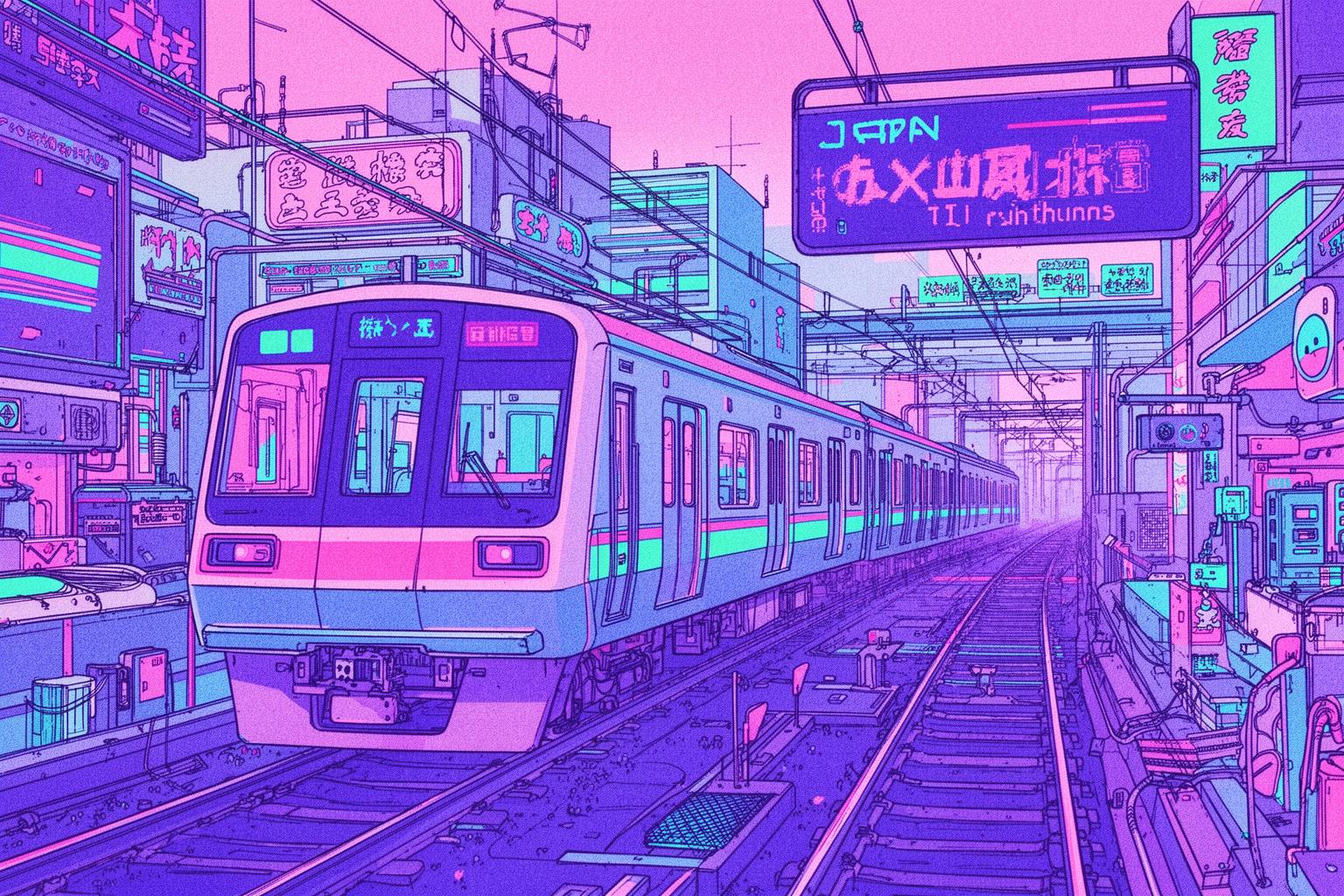
The Yamanote Line is essentially the star of Tokyo’s transit network. It’s the iconic light green loop that encircles the city’s core, linking major hubs like Shinjuku, Shibuya, and Tokyo Station. Riding the entire loop is an experience in itself—a 60-minute journey through Tokyo’s many personalities. But if you pay attention, you’ll discover it’s also a moving concert hall of chiptune delight. Many of its stations feature unique melodies, each serving as a tiny audio postcard representing the neighborhood it serves. This is where the quest for 8-bit nostalgia truly begins, an ideal starting point for any melody hunter. It’s the foundation for understanding how a simple sound can define a space, transforming a functional platform into a place with genuine soul and an unexpectedly catchy soundtrack. The steady flow of trains creates a rhythm, and these melodies act as the grace notes that make the whole composition unforgettable. It’s a symphony of motion, and we’re about to dive into some of its most legendary tunes.
Takadanobaba Station: A High-Flying Homage to the Mighty Atom
First stop, Takadanobaba. The moment you step onto the Yamanote Line platform here, you’re struck by a surge of pure, unfiltered retro-futurism. The departure melody is the theme from Astro Boy (Tetsuwan Atomu), and it absolutely rocks. The synthesized notes are bright, heroic, and instantly recognizable, perfectly capturing the spirited optimism of Osamu Tezuka’s iconic character. It doesn’t just sound like a video game; it feels like the start screen of the best game you never played. There’s a solid reason for this epic soundtrack. Tezuka Productions, the studio founded by the god of manga himself, had its headquarters nearby for decades. The area pulses with this creative, slightly chaotic energy. Takadanobaba is a huge student hub, home to Waseda University, giving it a youthful, electric vibe that’s constantly in motion. The streets are a labyrinth of ramen shops with lines winding around the block, affordable and lively izakayas buzzing with chatter, and bookstores brimming with knowledge. It’s a bit rougher around the edges compared to its sleeker Yamanote neighbors, but that’s its charm. It feels genuine, lived-in, and unabashedly itself.
To fully immerse yourself in the 8-bit atmosphere after hearing the melody, you must visit a local game center. Mikado Game Center is legendary. It’s not a glossy modern arcade; it’s a time capsule, a gritty, noisy temple dedicated to classic fighting games, shoot ’em ups, and obscure retro titles. The sound of clicking joysticks and countless game soundtracks blending together is the perfect real-world extension of the Astro Boy chiptune. It’s a place where the passion for gaming is raw and tangible. For photographers, Takadanobaba is a treasure trove. It’s about capturing kinetic energy—the blur of students rushing for trains, steam rising from a ramen cart, neon signs reflecting in puddles after a sudden Tokyo rain. It’s a visual texture that feels both timeless and transient. My advice? Get off the train, grab a cheap, incredible bowl of ramen, wander the backstreets, then return to the platform just to hear that heroic little melody one more time as a train pulls away. It reminds you that even in a sprawling metropolis, a neighborhood can have its own superhero theme song.
Ebisu Station: The Sophisticated Soundtrack of a Classic Brew
Next, we glide into Ebisu, where the mood takes a polished turn. The departure melody here is a lively, instantly catchy tune. It’s the theme from the classic film The Third Man, but for anyone in Japan, it’s forever linked to one thing: Yebisu Beer. The brewery that gave the area its name has used this song in its commercials for years. The melody itself, performed on a synthesized zither, carries a quirky, slightly mysterious quality that could be the theme for a charming puzzle-platformer game. It’s sophisticated yet playful. It’s the sound of good times, clinking glasses, and easy laughter. Ebisu station and its surroundings reflect this vibe perfectly. It’s sleek, stylish, and effortlessly cool—without the hectic crush of Shibuya or Shinjuku. It’s the kind of spot you visit for a nice meal, a relaxed date night, or a leisurely afternoon of window shopping. It has main character energy, but for a laid-back indie film rather than a blockbuster summer hit.
The must-see place here is Yebisu Garden Place. It’s a spacious, elegant complex built on the old brewery grounds. Within it stands a stunning chateau-style building housing a Joël Robuchon restaurant, a major photography museum (the Tokyo Photographic Art Museum, a personal favorite), a cinema, and, naturally, the Museum of Yebisu Beer. You can take a tour, learn the history, and sample brews you won’t find elsewhere. It’s an entire mood. Wandering through the red-brick plazas of Garden Place, especially at night when illuminated, feels like stepping into a different city—or perhaps the final, triumphant level of that puzzle game the melody hinted at. Photography here is about clean lines, elegant architecture, and capturing the warm, inviting glow of light. It’s a stark contrast to the gritty energy of Takadanobaba. Here, the challenge is to capture the place’s quiet confidence. Find a cafe seat, sip a perfect coffee, and watch the stylish locals go about their day. Ebisu shows that 8-bit nostalgia isn’t only about action and adventure—it can also be the soundtrack to a life of refined enjoyment. The melody subtly invites you to slow down, appreciate craftsmanship, and savor a moment of sophisticated pleasure.
Sugamo Station: Cherry Blossoms Rendered in Chiptune
Let’s change gears completely and head to Sugamo. The melody greeting you here is a delicate, beautiful version of “Sakura Sakura,” one of Japan’s most famous folk songs about cherry blossoms. Played through the station’s speakers, the simple pentatonic scale has a haunting, almost melancholy quality reminiscent of music from early Legend of Zelda or Final Fantasy games. It’s the sort of tune you might hear upon entering a wise elder’s village or a hidden ancient forest. It evokes timelessness and a deep connection to nature and tradition. That sentiment perfectly represents Sugamo neighborhood itself. Known as the “Harajuku for Grandmas” (Obāchan no Harajuku), and that’s not an insult—it’s a proud title. This area is a haven of old-school charm, a peaceful counterbalance to Tokyo’s high-energy districts.
The main street here is Jizo-dori, a long shopping arcade that feels like a step back in time. Instead of fast fashion stores, you’ll find shops selling traditional Japanese sweets (wagashi), comfortable clothing, artisanal pickles, and red lucky underwear. The pace is slower, the people friendly, and the atmosphere deeply wholesome. Central to it all is Kogan-ji Temple, home to the Togenuki Jizo statue, believed to have healing powers. Long lines of people wait to wash the statue, hoping to cure their ailments. It’s a beautiful, moving expression of faith and community. From a photographer’s viewpoint, Sugamo is about capturing details and textures—the wrinkled hands of shopkeepers arranging sweets, colorful displays of traditional goods, and the reverence on faces at the temple. It’s about finding beauty in everyday moments and grace in old customs. The “Sakura Sakura” melody at the station isn’t just a tune; it’s the spirit of the place compressed into a few seconds of sound. It reminds you that beneath hyper-modern Tokyo lies deep tradition and quiet, enduring beauty. It’s a melody that invites you to pause, breathe, and cherish the simple, lasting things.
Beyond the Loop: Melodies on the Fringes and Fantasy Frontiers
While the Yamanote Line is a treasure chest, some of the most memorable melodies emerge when you step beyond that central loop. These stations serve as gateways to unique experiences, with soundtracks crafted to pump you up for what lies ahead. It’s like the music shifts as you enter a new region on a game’s world map. These tunes demonstrate that the chiptune phenomenon isn’t just a Tokyo-specific curiosity; it’s a creative thread woven throughout the vast rail network of the Kanto region. Exploring these stations feels like embarking on a special quest, hunting down rare audio gems that most tourists completely overlook. This adds another layer to the adventure, rewarding curious travelers with distinctive sonic landscapes.
Maihama Station: Overture to a Magic Kingdom
Arriving at Maihama Station on the Keiyo Line is an experience in itself. Even before the doors open, you’re greeted by a cheerful orchestral melody that instantly flips a switch in your mind. You’re no longer just in Chiba; you’re standing at the gateway to Tokyo Disney Resort. The station features a rotation of Disney songs for its hassha merodī, such as “Zip-a-Dee-Doo-Dah” and “It’s a Small World.” You might think, “That’s Disney, not Nintendo.” But listen closely. The way these familiar tunes are synthesized into short, looping jingles gives them an uncanny resemblance to the soundtrack of a classic Square RPG from the 16-bit era. They carry the grandeur and optimism of a Final Fantasy world map theme or the upbeat bounce of the main town in Chrono Trigger. It’s the sound of adventure, fantasy, and pure joy—a perfect audio primer for a day immersed in a world of make-believe.
The entire area is, naturally, centered around the Disney experience. The station itself is designed to accommodate large, happy crowds, and leads directly to Ikspiari, a sprawling shopping and dining complex reminiscent of Downtown Disney. From there, you can board the Disney Resort Line, a monorail with Mickey Mouse-shaped windows that circles the two parks, Disneyland and DisneySea. The atmosphere buzzes with excitement. Families dressed in matching outfits, teenagers sporting elaborate character-themed accessories, and couples ready for a magical day fill the scene. For photographers, the challenge isn’t finding a subject—it’s capturing the quiet, candid moments amid the spectacle. A child’s awe-struck gaze upon seeing the castle for the first time, the intricate details of the park’s architecture, the explosion of color from a parade. The melody at Maihama Station is the opening note in this sensory symphony. It’s a brilliantly effective piece of environmental design, using sound to transport you from the everyday reality of a commuter train to the brink of a fantasy world before you even step onto the platform. It proves that a seven-second jingle can serve as a powerful portal to another realm.
Kamakura Station: The Echoes of an Ancient Capital
Let’s journey south of Tokyo to the coastal city of Kamakura, a world apart from the capital’s hectic pace. Once Japan’s political center, Kamakura boasts a stunning collection of ancient temples, shrines, and a serene, contemplative atmosphere. When your train departs Kamakura Station, you’ll hear a gentle, slightly wistful melody—a song called “Furusato no Fūkei” (Scenery of My Hometown), a traditional warabe uta, or children’s folk song. Much like Sugamo’s “Sakura Sakura,” its simple, elegant structure and synthesized tones evoke the nostalgic feeling of an RPG town theme. It’s the sound of history, quiet reflection, and a profound connection to the past. The melody perfectly captures the spirit of Kamakura.
A day here is like traveling back in time. The top quest is, naturally, the Great Buddha (Daibutsu) at Kōtoku-in, a colossal bronze statue sitting serenely outdoors—a truly magnificent sight. But Kamakura’s magic is also in the smaller moments. Stroll through the lush bamboo grove at Hōkoku-ji Temple, cleanse your money for good fortune at Zeniarai Benzaiten Shrine, or hike the trails linking the temple grounds. The main street from the station to Tsurugaoka Hachimangū shrine, Komachi-dori, is a bustling lane lined with shops selling local treats like purple sweet potato soft serve and freshly made rice crackers. Photographing Kamakura means capturing the interplay of nature and history—the way sunlight filters through bamboo, the weathered stones of ancient statues, the vibrant hues of hydrangeas during the rainy season. The station’s melody acts as a bookend to this experience, a gentle farewell that lingers in your mind as you return to the modern world, carrying the peace and legacy of the ancient capital with you. It’s a subtle reminder that some places—and some melodies—possess a timeless resonance that stays with you long after the journey ends.
The Art of the Hunt: A Melody Chaser’s Field Guide
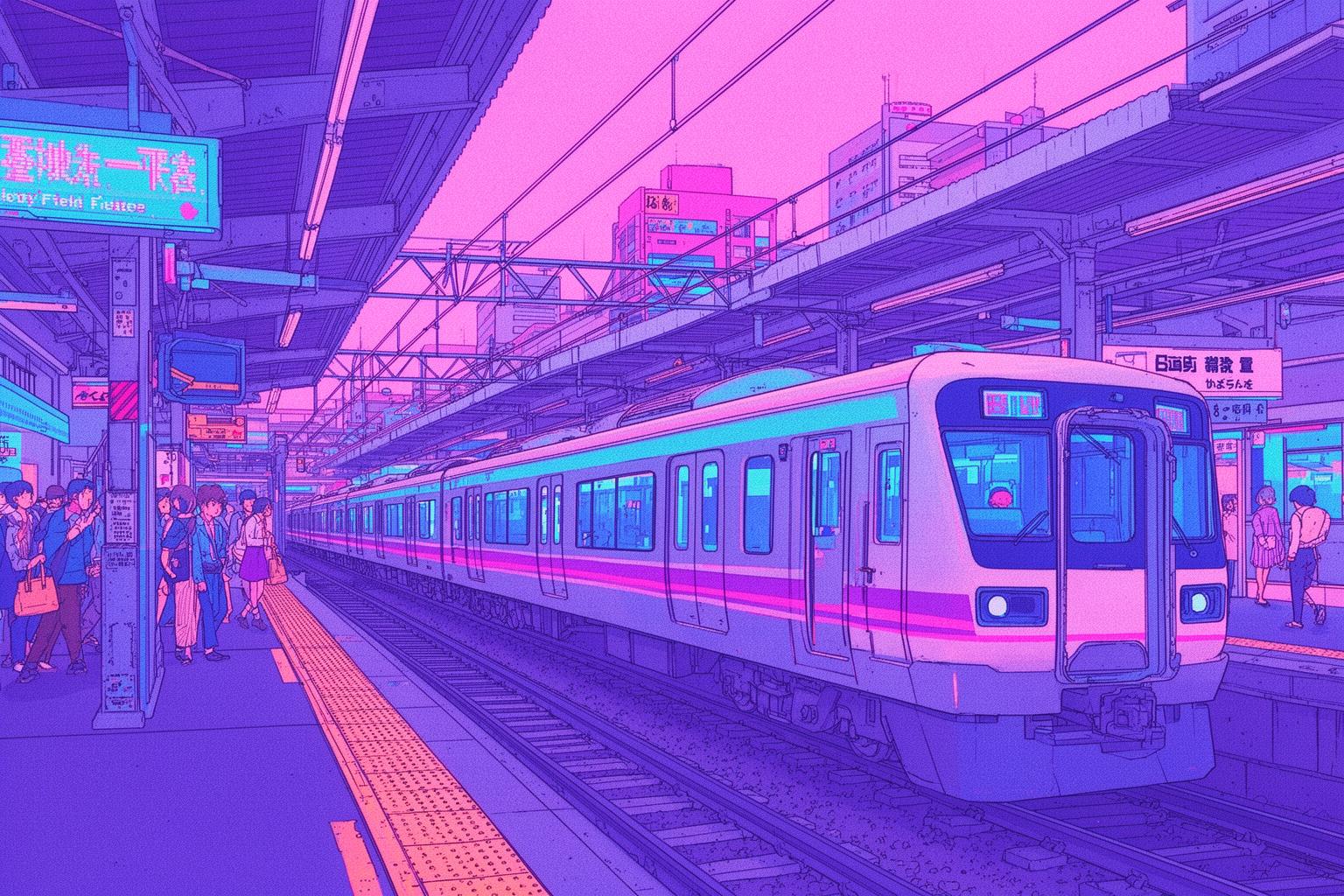
Entering the world of hassha merodī is like uncovering a secret level in your travels. It turns the often mundane journey from A to B into an active, engaging game. In Japan, there’s an entire subculture of railway enthusiasts known as densha otaku, and within this group is a niche called oto-tetsu—literally meaning “sound iron”—who focus on recording and cataloging these station melodies. You don’t have to dive in that deeply, but adopting an oto-tetsu mindset can make your trip much more enjoyable. The first tip is to know that melodies can be unique to a specific platform or travel direction. At a station like Shinjuku, a labyrinthine giant, one platform may have one tune, while the adjacent one plays something completely different. So, doing a bit of research beforehand on sites like Wikipedia, which often feature surprisingly detailed articles about Japanese train stations, can be very helpful. Alternatively, you can just embrace the chaos and let it be a surprise.
Be ready to be patient. During peak rush hour, train turnover is incredibly quick. The melody might only play for a couple of seconds before being cut off by a sharp whistle from a platform attendant. The best times to search for these melodies are usually mid-morning or mid-afternoon on weekdays when the platforms are less crowded, allowing you to linger without being swept away by the human tide. Bring a good pair of headphones to listen back to your recordings; your phone’s microphone can surprisingly capture the sound well. Recording the melody changes how you experience the moment. You become acutely aware of the full soundscape: the rumble of the approaching train, automated announcements, passenger chatter, and then, for a few precious seconds, the pure, clear notes of the melody. It’s a form of active listening that roots you in the present. Remember, these melodies aren’t just for enjoyment—they play an important safety role, providing a clear, non-verbal signal that the doors are about to close. This perfectly illustrates the Japanese design philosophy, where functionality and aesthetics are seamlessly combined. What could be a stressful, harsh alarm instead becomes a fleeting moment of beauty, a small piece of public art that enhances the daily lives of millions.
Legendary Melodies and Limited-Time Quests
One of the most captivating aspects of the hassha merodī world is its constant evolution—it’s never static. While many stations have retained the same beloved jingle for decades, others engage in limited-time promotional campaigns that transform the transit network into a lively stage for pop culture. These campaigns are akin to rare, timed events in a video game, and discovering one is a real delight for dedicated melody hunters. For fans of classic JRPGs, the ultimate prize in these campaigns were the Dragon Quest tunes. To mark new game releases, certain stations—especially on the Seibu Line, which once served the now-defunct Toshimaen amusement park—would temporarily replace their usual jingles with the iconic game overture. Picture yourself on a platform, hearing that grand, adventurous fanfare—it’s enough to make you want to grab a sword and battle slimes. This was a perfect blend of fantasy and reality, paying homage to the game’s profound cultural significance in Japan.
Similarly, to celebrate the 30th anniversary of the Final Fantasy series, several Yamanote Line stations temporarily featured melodies from the games. Commuters could hear the triumphant victory fanfare, the chocobo theme, or the main prelude, turning an ordinary ride into a journey through gaming history. These campaigns are brilliant marketing strategies, but they also serve as genuine gifts to the public, injecting a sense of fun and wonder into everyday life. Often announced with little fanfare, the element of surprise adds to the magic. It’s worth monitoring the social media accounts of Japan Rail (JR) companies or gaming news sources before your trip because your visit might just coincide with a special collaboration. These events highlight an important point: these melodies are not merely historical artifacts but a living, vibrant part of Japan’s cultural dialogue. They reflect current passions, spanning anime, video games, local sports teams, and historical milestones. This keeps the search for them perpetually fresh and rewarding, giving you every reason to keep your ears open while traveling through Japan.
A Final Note: The Resonance of a Fleeting Tune
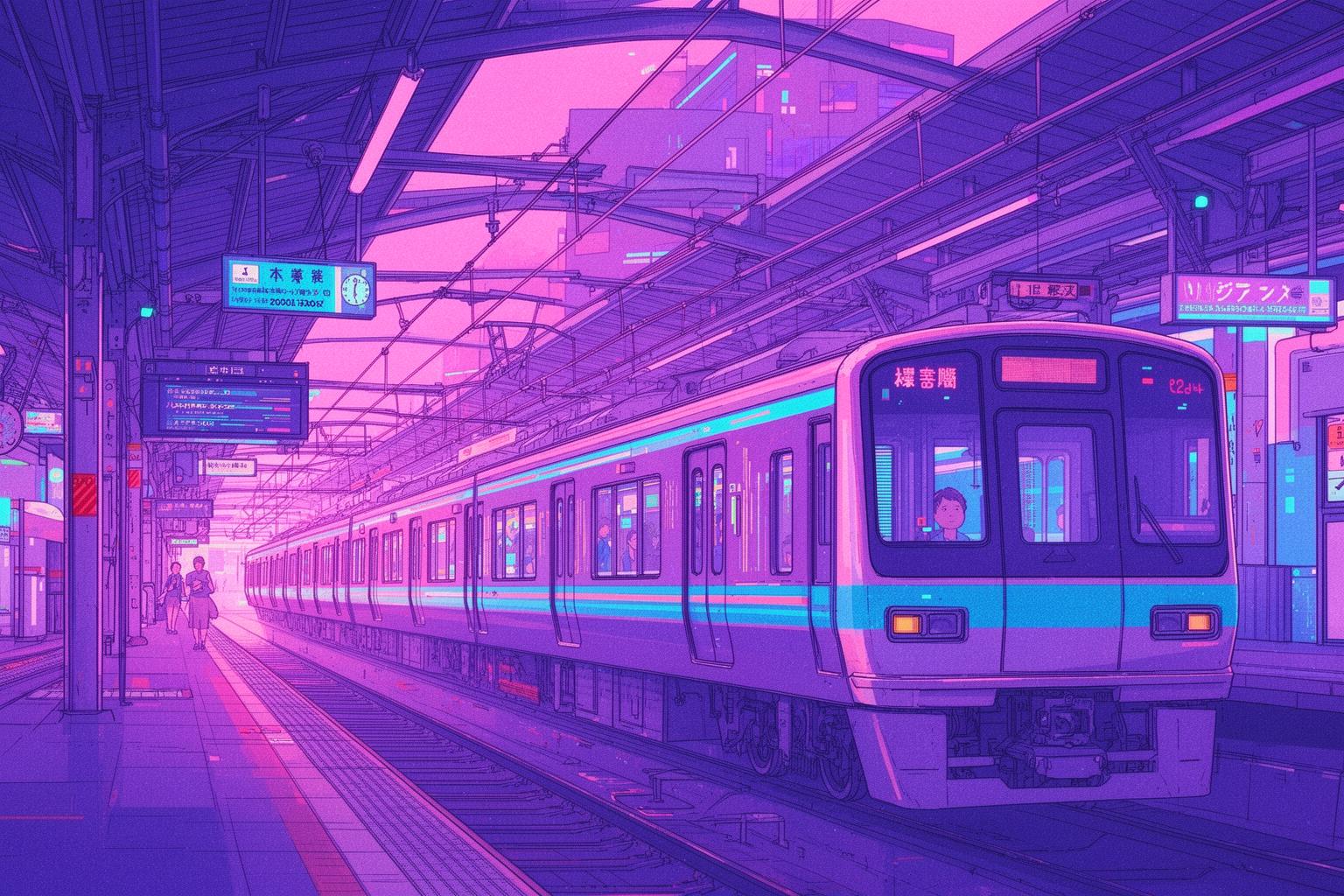
As the train departs and the final synthesized note of a melody blends into the rhythmic clatter of the tracks, a strange and beautiful feeling takes hold. It’s a blend of nostalgia, contentment, and a touch of melancholy. These sounds are inherently fleeting, lasting only seven seconds each—a brief musical moment between arrival and departure. Yet, their effect is unexpectedly profound. They become part of a place’s memory, the distinctive audio signature of a neighborhood. You may forget the exact layout of a station or the name of a shop you passed, but you’ll remember the heroic chime of Astro Boy at Takadanobaba or the gentle folk tune of Kamakura. As a photographer, I’m fascinated with capturing moments that tell a story. But what I’ve discovered in Japan is that some of the most powerful stories aren’t seen—they’re heard. These 8-bit melodies are the invisible threads that weave the urban landscape together. They testify to a culture that finds art within the infrastructure of daily life, believing even the most functional signals can bring joy and local pride. So, when you visit Japan, by all means, take in the sights. But don’t forget to listen. Listen for the pixelated symphonies on the platforms. Let them serve as the soundtrack to your journey. Let them surprise and delight you, connecting you to the rhythm of this remarkable country. Because sometimes, the most lasting travel memories are the ones that linger for just a few perfect, fleeting seconds.