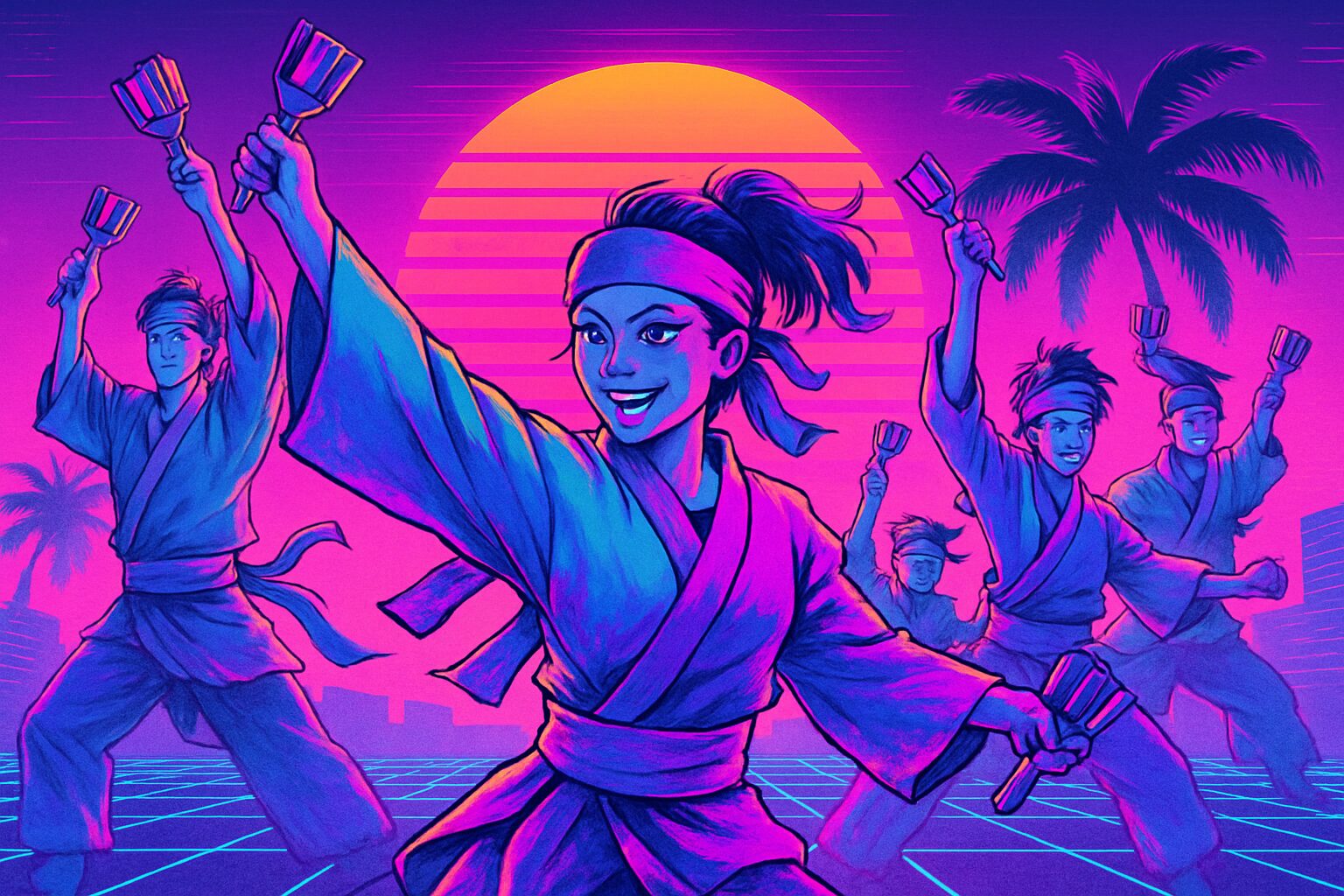
Yo, what’s up, world travelers! Yuki here, your go-to guide for all things Japan. Let’s talk about something that’s more than just a festival. It’s a full-blown, high-energy, sensory-overload experience that’ll shake you to your core and leave you absolutely buzzing. We’re diving deep into the world of Yosakoi Soran, a phenomenon that takes the streets of Japan by storm, especially in the northern city of Sapporo. Forget everything you think you know about traditional Japanese dance. This ain’t a quiet, reserved performance in a hushed temple garden. This is a loud, proud, and ridiculously epic street party where thousands of dancers, decked out in the most fire costumes you’ve ever seen, unleash a storm of synchronized energy. It’s a clash of tradition and modern swag, where ancient fishermen’s chants get remixed with EDM beats and rock guitar riffs. The vibe is absolutely electric, a pure, uncut shot of Japanese passion that’s all about community, resilience, and celebrating life at full volume. It’s a spectacle of color, sound, and raw human spirit that you honestly have to see to believe. So, get ready, because we’re about to explore why this festival is a must-add to your Japan bucket list. This is the real deal, the ultimate expression of collective joy, and it’s waiting to blow your mind.
If you’re captivated by this explosive fusion of tradition and modern energy, you’ll also love discovering other vibrant Japanese celebrations like the Y2K gal-style fireworks festivals.
The Roots: A Tale of Two Dances
To truly appreciate the excitement around Yosakoi Soran, you need to know its origin story. It’s not simply one dance; it’s a legendary blend—a fusion of two strong cultural traditions from opposite ends of Japan. It’s a tale of resilience, regional pride, and a flash of creative brilliance that united them.
Kochi’s Revival: The Birth of Yosakoi
Let’s go back to post-World War II Japan, down south on the island of Shikoku, in Kochi Prefecture. Morale was low, the economy was struggling, and people needed something to lift their spirits. In 1954, the local chamber of commerce had a brilliant idea. They wanted to create a festival that would not only boost morale but also encourage spending and revitalize the local community. Inspired by the famous Awa Odori festival in nearby Tokushima, they thought, “We need something like that, but with our own unique twist.”
Thus, the Yosakoi Festival was born. The name, “Yosakoi,” comes from a local dialect and roughly means “Come on over tonight!”—an open invitation to join the celebration. They created a new song, the “Yosakoi Naruko Dancing” song, composed by Takemasa Eisaku. The rules were simple and welcoming. First, teams had to use props called naruko—small wooden clappers originally used by farmers to scare birds from rice fields. These produce a crisp, sharp clack-clack sound that’s become the signature rhythm of the dance. Second, teams had to include at least one phrase from the original Yosakoi song in their music. Third, they had to move forward while dancing to fit the parade format. That was all. Beyond these, anything was allowed. This openness was key to its success. Teams could design their own costumes, choreograph freely, and arrange the music in any style they liked. This creative freedom let Yosakoi evolve, remain relevant, and grow into a massive celebration of life and community held every August in Kochi.
Hokkaido’s Classic: The Soran Bushi
Now, let’s journey to the other end of the country, to the rugged northern island of Hokkaido. The cultural backdrop here is quite different. For generations, herring fishing was the economic lifeline for many coastal towns, a demanding, strenuous labor. To coordinate their efforts and endure harsh conditions, fishermen sang work songs called min’yo. The best known of these is the Soran Bushi.
It’s more than just a song; it’s an auditory narrative of a fisherman’s life. The lyrics, with iconic shouts of “Dokkoisho! Dokkoisho!” and “Soran! Soran!”, imitate the grunts and calls made while hauling heavy nets brimming with fish from the cold sea. The traditional dance that goes with the song is equally evocative. Dancers crouch low, mimic pulling ropes, hauling nets over their shoulders, and tossing their catch into baskets. It’s a dance that embodies strength, stamina, and a deep bond with the sea. Soran Bushi has grown beyond a work song to become Hokkaido’s anthem—a symbol of its people’s resilience and toughness. It’s taught in schools across Japan, a living piece of history capturing the spirit of the north.
The Ultimate Mashup: Sapporo’s Yosakoi Soran Festival is Born
In the south, you have Yosakoi, a festival bursting with vibrant, free-form celebration. In the north, there’s the Soran Bushi, a powerful traditional work song. How did these two legends come together? Credit goes to a single university student from Hokkaido named Gakuon Shiratori. While studying in Kochi, he was captivated by the Yosakoi Festival’s energy and the enthusiastic participation of the local community. He saw people of all ages, from children to grandparents, dancing with huge smiles on their faces and knew he had to bring that spirit back home.
In 1992, he gathered a group of fellow students and proposed a bold idea: to create a new festival in Sapporo, the capital of Hokkaido. Rather than simply copying Kochi’s festival, they aimed to give it a distinct Hokkaido identity. Their key innovation was blending the free-form style of Yosakoi with the soul of Hokkaido’s own Soran Bushi. They established a core rule: every team’s music must include a phrase from the Soran Bushi. Thus, the Yosakoi Soran Festival was born.
The inaugural festival was modest, featuring just 10 teams and about 1,000 dancers performing in Sapporo’s Odori Park. But the concept was pure magic. It struck a deep chord with the people of Hokkaido by combining the infectious, participatory energy of Yosakoi with a strong sense of local pride rooted in the Soran Bushi. The festival’s popularity skyrocketed, growing bigger, more dynamic, and more spectacular each year. Today, it stands as one of Japan’s largest festivals, attracting around 30,000 dancers from across Japan and beyond, while nearly two million spectators flood the city. It has become the signature event that ushers in the glorious, yet all-too-brief, Sapporo summer every early June, transforming the entire city into a vast, pulsating stage.
Deconstructing the Vibe: The Sights and Sounds
Attending a Yosakoi Soran festival is an immersive full-body experience. It delights the eyes, enchants the ears, and takes you on an emotional journey all at once. The atmosphere is so charged with energy you can almost taste it. To truly grasp the vibe, you need to break down its essential elements: the costumes, the props, and the music.
The Drip is Real: Costumes and Aesthetics
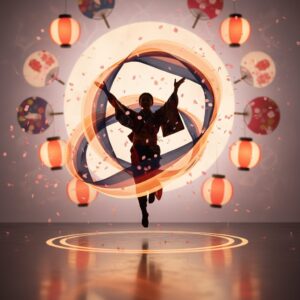
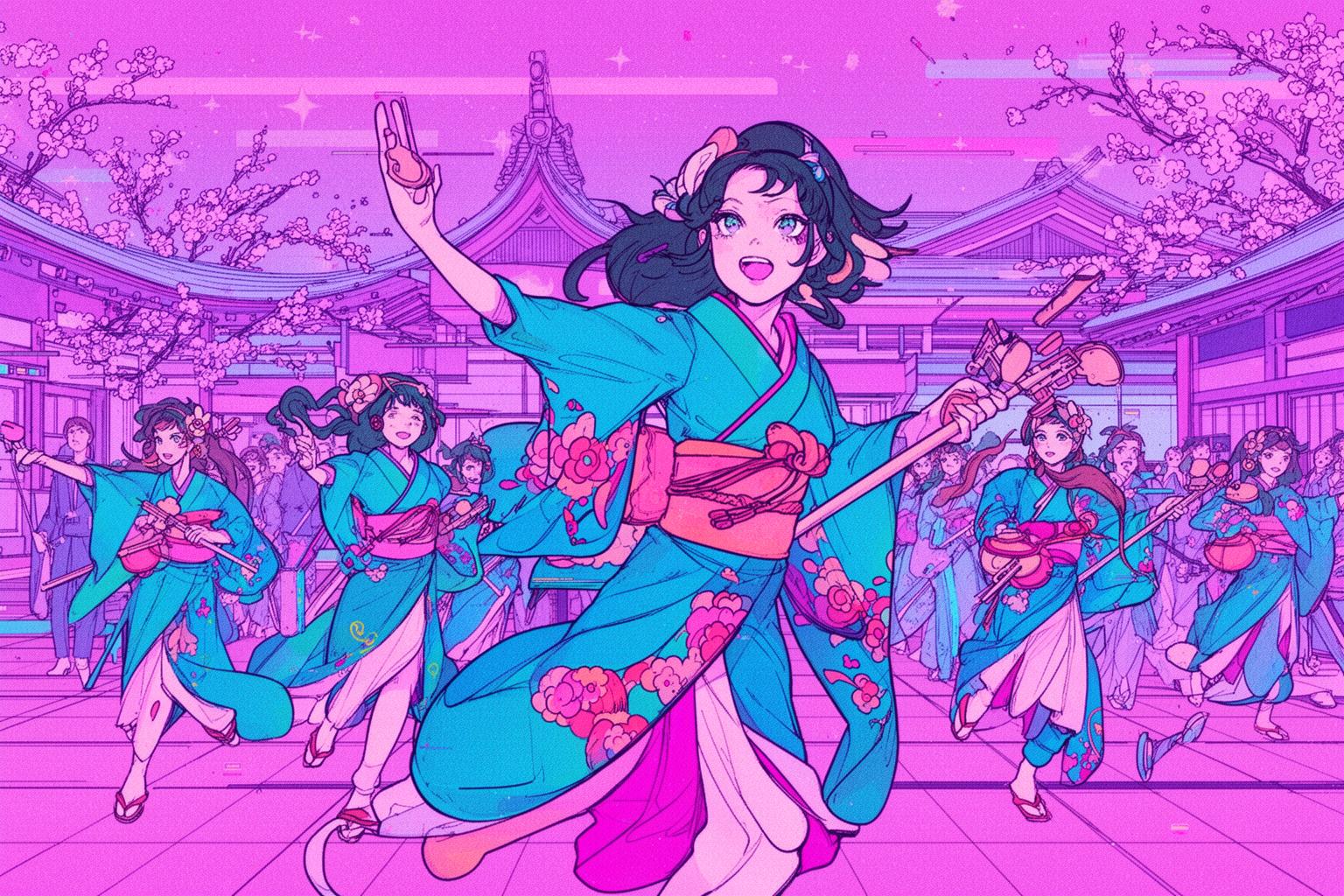
One of the first things that strikes you is the sheer visual extravaganza of the costumes. This isn’t a realm of subtlety. Each team, which can number up to 150 members, sports its own unique, custom-designed outfit, and they pull out all the stops. The creativity is off the charts. Many costumes start with traditional Japanese garments like happi coats (lightweight festival coats) and yukata (summer kimonos) but are transformed and reimagined in ways that are completely modern and breathtaking.
Picture bold, vibrant colors that stand out against the city backdrop. Imagine intricate patterns that narrate stories tied to the team’s theme, which might range from local folklore to abstract ideas like fire or water. The fabrics vary from classic cotton to shimmering silks and high-tech materials that gleam in the light. But it goes beyond that. The artistry often features dramatic reveals. A team might kick off their performance wearing dark, flowing capes, and at a climactic moment in the music, they’ll pull them off in perfect synchronicity to reveal a burst of dazzling color underneath. These costume changes, known as hayagawari, are a major crowd-pleaser and showcase the teams’ showmanship.
The commitment extends from head to toe. Hair and makeup are just as elaborate and theatrical. You’ll see dancers with wildly styled hair, intricate face paint, and accessories that complete their thematic look. Every detail is carefully planned to forge a powerful, unified visual identity that absolutely slays on stage. The costumes are not just clothing; they are a vital part of the storytelling, an extension of the dance itself.
The Tools of the Trade: Props That Pop
Beyond costumes, the props are crucial to the Yosakoi Soran experience. They bring extra layers of sound, movement, and spectacle to the performances.
The most iconic prop, naturally, is the naruko. Every dancer holds one in each hand. The sharp, rhythmic clack-clack-clack they produce is the undeniable heartbeat of the festival. It’s a percussive sound that cuts through the music and synchronizes the entire team’s movements. But naruko also serve as a visual element. Choreographers use them to craft stunning visual effects, with dancers flashing their colorful sides in complex patterns, creating waves of color and motion through the group. The sound is contagious, making you want to move instantly.
Then come the flags. And these are no small handheld flags. These are colossal banners, or hata, that can reach several meters in height and width. Managing these massive flags requires specialized skill, combining immense strength, balance, and artistry. The flag bearers, often positioned at the front or the back of the team, are powerhouse performers in their own right. Watching them make the giant flags billow, snap, and dance in the air is truly breathtaking. The flags act as the team’s emblem, a rallying symbol that announces their presence with epic grandeur.
But teams don’t stop there. The spirit of innovation in Yosakoi means you’ll encounter all sorts of creative props. Some teams use traditional Japanese fans (sensu) for graceful, flowing choreography. Others bring paper lanterns (chochin), parasols (wagasa), or even custom-built props tailored to their unique themes. This ongoing creativity guarantees you’ll always see something new and surprising, making each performance a fresh delight.
The Soundtrack to the Streets: Music That Slaps
Now, let’s talk about the music. This is where the fusion of old and new really shines. As mentioned, the one firm rule is that each team’s custom mix must incorporate a phrase or melody from the traditional Soran Bushi. Beyond that, the approach is completely open, resulting in incredible variety.
Get ready for a sonic adventure. One team might hit you with a high-energy rock anthem, loaded with shredding electric guitars and powerful drums, weaving the Soran Bushi chant boldly through the chorus. Another might bring a track built on pulsing EDM or techno beats, creating a street-side dance club vibe. You’ll hear hip-hop, funk, Latin samba rhythms, and sweeping orchestral arrangements, all blended effortlessly with traditional Japanese instruments like the shamisen (a three-stringed lute), shakuhachi (bamboo flute), and thunderous taiko drums.
Adding to this immersive soundscape is the jikatasha. These are large, elaborately decorated trucks that follow the teams along the parade route. They serve as mobile sound systems, packed with huge speakers, often carrying live singers, MCs, and musicians. The MCs act as hype-men, shouting encouragement, chanting along with the music, and energizing the crowd. The jikatasha functions as the team’s engine, blasting their unique soundtrack and creating a sonic bubble that envelops both dancers and audience. The blend of diverse musical styles and the live, raw energy from the trucks makes the festival’s soundscape as dynamic and thrilling as its visuals.
The Heart of the Festival: The Teams and Their Passion
While the sights and sounds are breathtaking, the true essence of the Yosakoi Soran Festival resides in its people. The thousands of dancers who pour their hearts and souls onto the pavement are what make the event feel so emotionally impactful and powerful.
All Walks of Life: Who are the Dancers?
The charm of Yosakoi Soran lies in its inclusivity. The teams represent a vibrant cross-section of Japanese society. A major driving force behind the festival is university students. Many of the leading, most innovative teams are university-affiliated, bringing youthful energy, fierce competition, and cutting-edge choreography to the event. For them, being part of a Yosakoi team is a significant aspect of their university experience, much like being on a varsity sports team.
However, it’s far from only a student affair. You’ll find teams sponsored by major Japanese corporations, with employees dancing alongside colleagues to foster camaraderie and demonstrate company pride. Numerous local community teams also participate, uniting people from the same neighborhoods. These groups often span multiple generations, with young children dancing alongside their parents and grandparents. It’s a remarkable testament to community bonding, where age and occupation fade away, and everyone is connected through their passion for the dance.
This diverse mix of participants gives the festival its distinctive character. You witness the polished, hyper-synchronized routines of competitive student teams, the lively, spirited dances of corporate groups, and the warm, heartfelt energy of local community teams. Each brings a unique flavor, yet all share an unmistakable, contagious passion. Within every team, there’s a strong sense of family, or nakama. They’ve spent countless hours together, supporting one another and working toward a shared goal. When you watch their performances, you’re not merely observing dance; you’re witnessing the culmination of shared effort and friendship.
The Grind is Everything: A Year of Preparation
What unfolds on the streets of Sapporo during those few June days is the result of almost a year of relentless hard work and dedication. For most teams, especially the competitive ones, preparation for the next festival begins almost immediately after the current one ends. It’s a year-long cycle of creative and physical devotion.
The process begins with brainstorming a theme for the upcoming year. Once a concept is chosen, the immense work of creation commences. A composer crafts the team’s unique musical track—a complex piece that must be original while incorporating the Soran Bushi. A choreographer designs every step, arm movement, and formation change for a typical performance lasting around four and a half minutes. Costume designers sketch, source materials, and produce up to 150 intricate, identical outfits. Meanwhile, the dancers themselves spend countless hours in the studio, rehearsing week after week.
They drill the choreography until it becomes muscle memory, aiming for flawless synchronization. They build physical stamina to endure performing the high-energy routine multiple times a day, under the sun, on hard asphalt. This intense preparation forges extraordinary bonds among team members. They sweat together, struggle together, and improve together. So when you watch them perform, look closely at their faces. You’ll see intense focus, but also pure, unfiltered joy. You’ll witness the ecstatic release of a year’s worth of effort. You’ll see the pride they take in their team and performance. At times, after a particularly powerful routine, you might even see tears of exhaustion and elation. It’s this raw, visible emotion that makes watching Yosakoi Soran such a deeply moving and unforgettable experience.
Your Ultimate Yosakoi Soran Game Plan: Experiencing Sapporo’s Fest
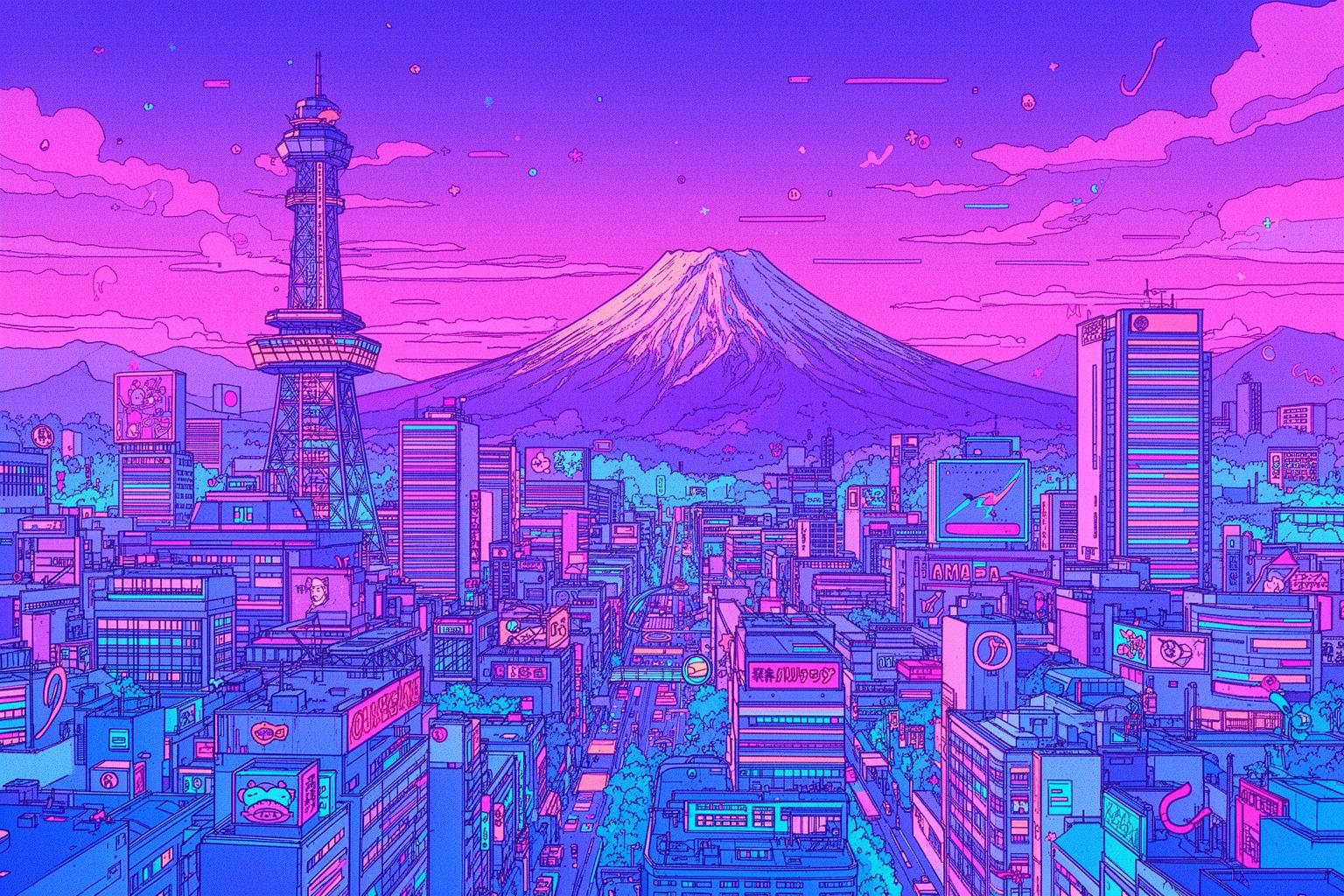
Alright, you’re excited and ready to dive into this festival yourself. Now, let’s get into the practical details to ensure your trip is truly unforgettable. A little planning ahead will make all the difference in navigating this huge, city-wide celebration.
When and Where: Festival Essentials
The Sapporo Yosakoi Soran Festival marks the official start of summer in Hokkaido. It usually runs for five days in early June, ending with the awards ceremony on Sunday. The entire city turns into a stage, but there are several key spots you should know about.
Odori Park serves as the festival’s main hub— a long, scenic green space cutting through central Sapporo. This is where the main parade takes place: teams dance down the long stretch of street. A massive main stage is also set up here for judged performances, featuring stadium-style seating and giant screens. This is the heart of the festival.
Another important location is the Susukino entertainment district. Here, the parade route runs along the main street, surrounded by iconic neon lights, creating a vibrant, electric atmosphere at night. Smaller stages and performance spaces are also scattered near Sapporo Station, within underground shopping arcades, and across various neighborhoods. Part of the joy is wandering the city and discovering unexpected performances.
Finding Your Spot: Viewing Tips
You have two primary ways to watch: along the parade routes or from the fixed stage venues, each offering a unique experience. Watching along the parade lets you see the teams’ forward momentum up close. You can feel the rumble of the jikatasha trucks and experience the performance in a raw, street-level way. The downside is you only catch each choreography segment briefly as the team passes.
At the stage venues, you see the entire four-and-a-half-minute performance from a fixed perspective, allowing you to appreciate intricate formations, the full choreographic narrative, and the grand finale. Odori Park’s main stage offers the highest production values but draws the biggest crowds. Reserved seating tickets are available and recommended, especially for the final competition rounds. Without tickets, standing-room spots are free but you’ll need to arrive early, particularly for the popular teams.
My advice? Do both. Take in the street-level energy at the parade route in Susukino or Odori Park’s west end, then catch performances on the main stages to enjoy the full artistry. Check the official festival schedule online, usually released a few weeks beforehand, to plan your must-see performances.
Fueling the Excitement: Food and Souvenirs
A Japanese festival isn’t just about performances—it’s also a grand celebration of food. Odori Park, especially, transforms into a food lover’s paradise. Part of the park becomes the “Hokkaido Food Park,” packed with yatai (food stalls) offering Hokkaido’s finest cuisine.
This is your chance to try local favorites like grilled scallops with butter and soy sauce, fresh melon, and their famously rich and creamy soft-serve ice cream. You’ll find Sapporo-style ramen, jingisukan (grilled mutton barbecue), fresh seafood bowls, and much more. Grab some treats, settle on the grass, and enjoy the flavors of Hokkaido as festival sounds fill the air—this is an essential part of the experience.
If you want a keepsake, there’s plenty of official Yosakoi Soran merchandise available—T-shirts, towels, keychains, and even miniature naruko. Picking up a pair of naruko lets you join in the fun by clicking them together to cheer on the dancers as they go by.
Beyond Sapporo: The Yosakoi Spirit Across Japan
The remarkable success of Sapporo’s festival has motivated cities across Japan to launch their own Yosakoi events. This adaptable, high-energy format has proven ideal for celebrating local culture and fostering community spirit. While Sapporo’s festival is among the largest, it’s worth exploring a few others.
The Original Festival: Kochi’s Yosakoi Matsuri
Naturally, respect must be given to the original. Kochi’s Yosakoi Matsuri, held annually from August 9th to 12th, is where it all began. The atmosphere here differs from Sapporo’s—feeling a bit more traditional with a distinct southern summer heat intensity. The city’s narrow arcade streets offer a more intimate and chaotic viewing experience. If you find yourself in southern Japan during summer, this is an essential cultural pilgrimage for any Yosakoi enthusiast.
Yosakoi in the Capital: Tokyo’s Super Yosakoi
Even the vast metropolis of Tokyo joins in the festivities. The Harajuku Omotesando Genki Matsuri Super Yosakoi takes place at the end of August in Tokyo’s trendiest districts. Watching vibrant, traditionally inspired teams parade down fashionable Omotesando Avenue, lined with high-end boutiques, creates a fascinating contrast unique to Tokyo. It brings together teams from across the country and stands as one of the largest Yosakoi events in the Kanto region.
A Nationwide Phenomenon
From Sasebo in Nagasaki to Sendai in Tohoku, dozens of cities now host their own Yosakoi festivals throughout the year. Each festival incorporates local folk songs, traditions, and unique flair. This nationwide expansion highlights the strength of the Yosakoi format—its ability to be rooted deeply in tradition while embracing creativity and local interpretation. It has evolved into a modern Japanese folk tradition in its own right.
Pro Tips for Your First Yosakoi Adventure
Ready to dive in? Here are a few final tips to ensure your first Yosakoi Soran experience is smooth, comfortable, and absolutely unforgettable.
What to Wear and Bring
Comfortable shoes are the top priority and absolutely non-negotiable. You’ll be on your feet for hours, walking between venues and standing to watch performances. Don’t prioritize style over comfort when it comes to footwear—your feet will thank you later. The weather in Sapporo in early June can be somewhat unpredictable. It might be warm and sunny during the day but can get quite chilly in the evening. Dressing in layers is the best approach. A light jacket or hoodie will be your best companion once the sun sets.
Even on cloudy days, the sun’s UV rays can be strong, so bring sun protection: a hat, sunglasses, and sunscreen are crucial. Staying hydrated is also important, so carry a water bottle with you. While drinks are available everywhere, having your own is always practical. Lastly, with all the photos, videos, and checking the festival schedule on your phone, your battery will drain quickly. A portable charger is a must-have.
Festival Etiquette 101
Japanese festivals are extremely well-organized and safe, and practicing good manners makes a big difference. When watching a parade, find a spot and try to stay there. Avoid pushing or blocking the view of those who arrived before you. The performers give their all, so respect their space and don’t interfere with the performance route. After enjoying food from the stalls, make sure to dispose of your trash in the designated bins. Keeping the festival area clean is a shared point of pride.
The most important etiquette is to show your appreciation! The dancers draw energy from the crowd. Clap, cheer, and shout encouragements like “Ganbatte!” (Go for it!). You’ll often hear call-and-response chants led by the team’s MC—don’t hesitate to join in! Your enthusiastic support adds to the festival’s vibe and makes the experience more enjoyable for everyone, including the performers.
The Unforgettable Echo: Why Yosakoi Soran Stays With You
Long after the final naruko has clacked and the last note of the Soran Bushi has faded, the essence of the Yosakoi Soran Festival remains with you. It’s more than just a dance festival; it stands as a powerful tribute to the human spirit. It’s about discovering joy in collective effort, celebrating community, and channeling every bit of your energy into a moment of pure, explosive expression.
You’ll recall the dazzling colors, the thunderous music, and the dancers’ remarkable precision. But what will truly linger is the expression on the performers’ faces—the intense focus, the victorious smiles, and the emotional release following a flawless performance. It’s a reminder of what people can accomplish when united by a shared passion.
Experiencing Yosakoi Soran means witnessing a living, evolving tradition that connects generations. It’s a celebration of Japan’s past and future, all wrapped in one spectacular, heart-pounding event. So, when planning your trip to Japan, be sure to check the festival schedules. Make space for this experience. I assure you, the fiery passion and boundless energy of Yosakoi Soran is something you will never forget. It’s a vibe, an energy, a moment that captures the vibrant spirit of modern Japan.