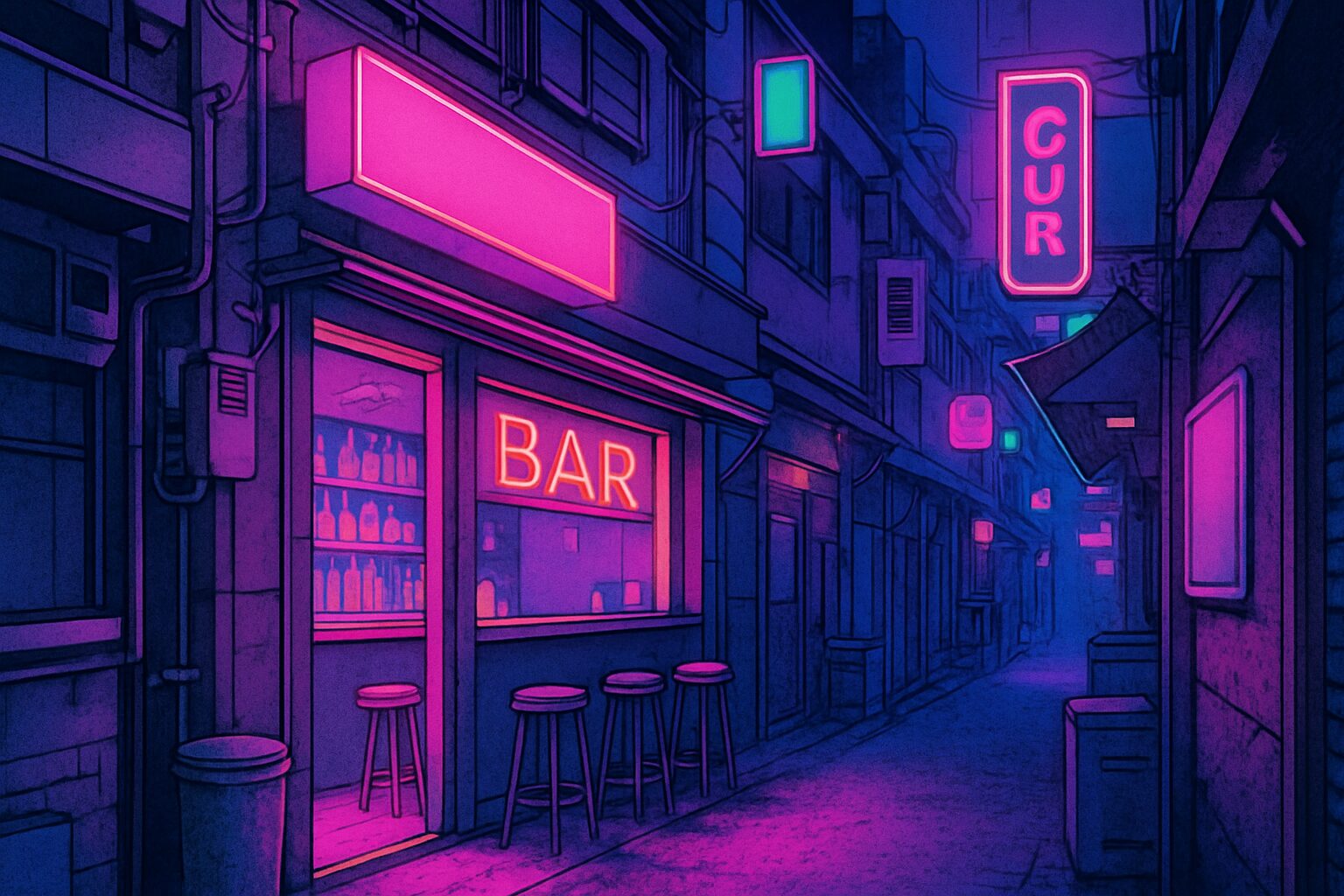
Yo, what’s up, world travelers! Yuki here, your go-to guide for navigating the electric wonderland that is Japan. Today, we’re diving headfirst into a place that’s pure magic, a total time warp tucked away in the heart of Tokyo’s most futuristic district. We’re talking about Shinjuku Golden Gai. Picture this: you’re walking through Shinjuku, a real-life cyberpunk city with skyscraper-sized screens flashing neon dreams and crowds flowing like rivers. It’s loud, it’s massive, it’s overwhelmingly modern. But then, you take a sharp turn off the main drag, just past the Hanazono Shrine, and bam—you’re in another world. The roar of the city fades to a murmur, replaced by the soft glow of paper lanterns and the intimate buzz of conversation spilling from tiny doorways. This isn’t just a collection of bars; it’s a living, breathing piece of history, a labyrinthine network of six narrow alleys crammed with over two hundred minuscule bars, some so small they can only seat five or six people. This is the legendary Shinjuku Golden Gai, a gritty, atmospheric holdout from the post-war Showa Era. It’s where Tokyo’s modern-day samurai—the salarymen, the artists, the writers, the dreamers—come to loosen their ties, drown their sorrows, and spill the tea in the most intimate settings imaginable. Stepping into Golden Gai feels like you’ve stumbled onto a secret movie set, a place where every shadowed corner and steep, rickety staircase holds a story. It’s a bit intimidating, totally authentic, and a low-key essential experience for anyone wanting to see the real soul of Tokyo. It’s a place that challenges you to be curious, to peek behind the curtain, and to find your own little haven in the world’s biggest metropolis. So, get ready to get lost in the best way possible. This is your deep dive into the legend.
What’s the Vibe? Unpacking the Golden Gai Experience
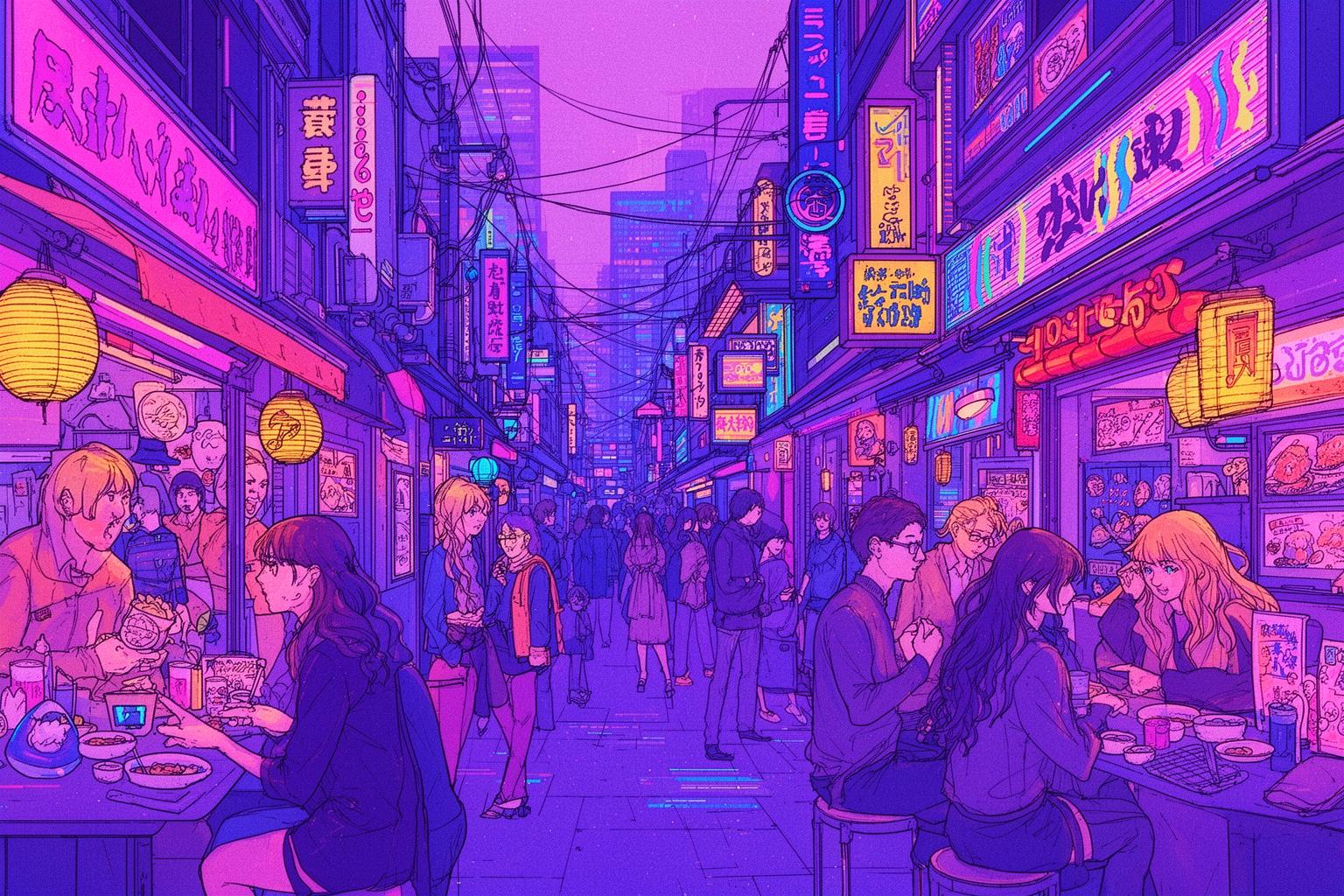
Capturing the essence of Golden Gai is like trying to bottle lightning. It’s an entire vibe—a complex blend of nostalgia, intimacy, and a touch of beautiful decay. It’s not a single feeling but a sensory journey that shifts with every step through its maze-like paths. The moment you step inside, the place’s intense density strikes you. The buildings are ramshackle, two-story wooden structures called nagaya, built so close together they seem to support each other. The alleys are so narrow you can almost touch both sides at once, fostering an immediate closeness with strangers passing by. It sparks a shared sense of adventure, as if you’re all part of a secret club.
A Sensory Overload (In the Best Way)
Let’s dive into the sensory details, where the true magic lives. Visually, it’s a photographer’s paradise—though one must be mindful when taking pictures. Your eyes are pulled in all directions: to the warm, inviting glow of red and white paper lanterns hanging above doorways, each adorned with a bar’s name in elegant calligraphy. Faded movie posters from the ’60s, quirky art, and handwritten signs in Japanese and increasingly in English catch your attention. Doors and walls are plastered with stickers from countless travelers, a testament to the area’s international cult following. Peering through small, smudged windows reveals wood-paneled interiors, shelves crammed with a diverse array of whiskey bottles, and the focused silhouette of the “Master” bartender polishing a glass. Overhead, the electrical wiring forms a chaotic web—a messy crown testifying to the area’s organic, unplanned growth. It’s a beautiful mess, a living monument to history.
Then come the sounds. Golden Gai has its own unique soundtrack. From the outside, it hums quietly—a collective murmur of human connection. As you venture deeper, distinct sounds emerge: the gentle clink of ice in a glass, bursts of laughter from second-story windows, the sizzle of something grilling on a tiny hot plate. Occasionally, faint strains of vintage jazz or Enka—a nostalgic Japanese ballad style—drift from open doors. The noise is never overpowering; it’s intimate. It’s the sound of sincere conversation in a city that often feels impersonal. This is a place for talking, not shouting over a DJ.
The smells complete the immersive experience. There’s a dominant scent of old wood—the very bones of the buildings exhaling decades of stories. It mingles with the faint sweet aroma of sake, the sharp bite of whiskey, and sometimes the savory scent of simple bar snacks like ramen or grilled squid. On a damp evening, the smell of rain on stone and a hint of incense from nearby Hanazono Shrine can drift in, layering the atmosphere. It smells like history. It smells like secrets.
The Six Alleys of Destiny
Golden Gai isn’t just one street—it’s a network of six main alleys, each with its own subtle character. Maneki-dori is among the wider and more accessible entrances. Then there are G1 and G2 streets, which feel even more compressed and labyrinthine. The Hanazono alleys—Sanban-gai, Goban-gai, Hachiban-gai—run parallel, each offering a distinct flavor. Exploring them all is part of the fun. Some alleys feel brighter, with more bars actively welcoming newcomers; others are darker, more enigmatic, with unmarked doors seeming reserved for regulars. Don’t be discouraged. The joy is in the wandering. You might find a punk rock bar beside a serene spot specializing in fine sake, or encounter a steep, near-vertical staircase leading up to a second-floor bar, making you wonder what lies beyond. This architectural jumble is a direct link to the past, embodying a community fiercely protective of its identity.
Night and Day: A Tale of Two Gais
Golden Gai’s transformation between day and night is striking. Visit by day, and you might question if you’re in the right place. It’s eerily quiet. The alleys are mostly empty, aside from a few locals or delivery folks. The lanterns are unlit, doors shuttered. It feels like a ghost town—a sleeping dragon. Yet this is a perfect time to visit for a different reason. You can admire the architecture and rustic details without the crowds, take photos of the alleys themselves (just not of people or private property), and truly understand the maze-like layout. There’s a peaceful, melancholy beauty in daylight.
Once night falls, the dragon awakens. Around 7 PM, lights begin to flicker on. Lanterns glow softly, casting a warm, cinematic light along the narrow streets. Doors slide open, revealing tiny, luminous interiors. A murmur builds as bartenders prepare and the first patrons arrive. By 9 PM, the alleys pulse with energy—controlled and intimate. This is when Golden Gai shines brightest: a mesmerizing spectacle of light, shadow, and human connection that lasts deep into the Tokyo night, often until the first morning trains start running.
The History Behind the Hype: From Black Market to Cultural Icon
To truly understand Golden Gai, you need to know its origins. This spot didn’t just suddenly become a trendy tourist destination; it was shaped by history, and its rough, resilient spirit speaks volumes about its enduring strength. Its story mirrors that of modern Tokyo itself—marked by struggle, creativity, and a fierce independence. If these walls could speak, they would share some unforgettable stories.
Echoes of the Showa Era
The tale begins amid the ruins of World War II. Tokyo lay in devastation, and survival meant hustling hard. The area now known as Golden Gai, situated right next to Shinjuku’s major transit hub, emerged as a yami-ichi, or black market, in the late 1940s. It was a place born from desperation and opportunity, where all kinds of goods were traded outside official channels. By the 1950s, as Japan started to rebuild, the district evolved into a red-light area known for cheap drinks and companionship. The iconic layout of tiny, two-story buildings was established around 1958, turning the neighborhood into a center for a gritty, unpolished nightlife.
This atmosphere captures the Showa Era (1926-1989) vibe that Golden Gai has so faithfully preserved. It’s a window into a pre-economic miracle Japan—a time of rebuilding and raw vitality. The small size of the bars wasn’t just stylistic; it was a necessity. Limited land and simple structures were all people could afford. Yet, this constraint became a strength, fostering the intimate, face-to-face interactions that define Golden Gai’s experience even today.
The Literati and the Bohemians
During the 1960s and 70s, Golden Gai flourished as a cultural hub, becoming the unofficial epicenter of Tokyo’s avant-garde scene. Its cheap drinks and casual ambiance drew Japan’s countercultural elite. Renowned writers, journalists, actors, musicians, and filmmakers took these tiny bars as their second homes. It was a place to debate politics, philosophy, and art late into the night. Legendary figures such as author Yukio Mishima, graphic designer Tadanori Yokoo, and filmmaker Shuji Terayama were regulars. The area brimmed with intellectual and creative energy. Bar masters weren’t just mixologists; they curated conversations, offered confidences, and played vital roles in the cultural landscape.
That legacy remains strong today. Many bars embrace themes that pay homage to this heritage, dedicated to specific authors, film genres, or musical movements. The clientele still blends artists, writers, and creative types with salarymen and curious visitors. This bohemian, intellectual spirit is what lifts Golden Gai beyond being merely a collection of bars—it’s a true cultural landmark. When you drink here, you occupy the same space where some of Japan’s most significant 20th-century cultural dialogues unfolded. It’s an atmosphere you have to experience to appreciate (IYKYK).
Fighting the Fire (and the Yakuza)
The most intense chapter in Golden Gai’s story came in the 1980s, during the height of Japan’s “Bubble Economy.” Real estate prices in Tokyo soared, and developers were eager to claim every parcel of land. The dilapidated, low-rise Golden Gai, perched on prime Shinjuku real estate, became a prime target for demolition. Developers, often backed by the yakuza (Japanese mafia), used aggressive tactics to evict bar owners. They made lowball offers, issued threats, and in many instances resorted to arson—a common method then to clear old wooden buildings to make way for new developments.
But the Golden Gai community stood firm. These weren’t just business owners; they were defenders of a culture. They banded together, forming the “Golden Gai Protection Association.” They took proactive measures, organizing volunteer patrols that stayed awake all night to monitor suspicious activities and guard against fires. This remarkable solidarity and community spirit is why Golden Gai remains today. They fought for their home—and prevailed. This history of resistance is woven into the very fabric of the district. It symbolizes defiance against unchecked development and celebrates the power of a community safeguarding its heritage.
So, You Wanna Dive In? A Playbook for Your First Golden Gai Night
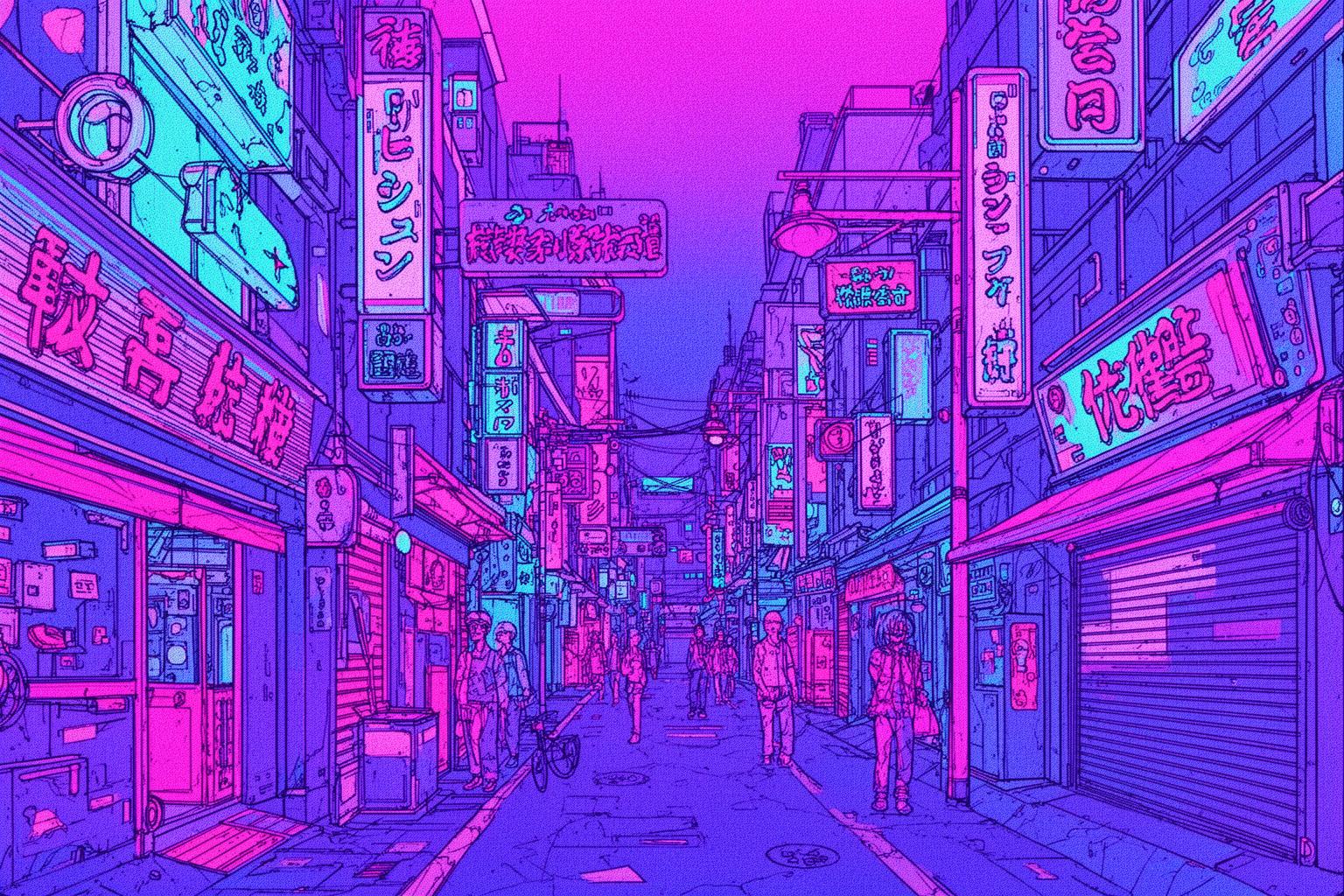
Alright, you’re hooked on the history and the vibe. You’re ready to dive into the labyrinth. But let’s be honest, for a first-timer, Golden Gai can feel a bit overwhelming. With hundreds of doors and a unique set of unwritten rules, it’s easy to get a little lost. No worries—I’ve got you covered. Here’s a handy playbook to help you navigate your first night like a pro and have an unforgettable time.
The Art of Choosing a Bar
This is the first and biggest hurdle. You’re faced with an overwhelming number of choices. How do you pick one? First, just walk around. Take a lap through the alleys to get a feel for the place. Peek through windows and open doors. What you want is a vibe that draws you in.
A few key things to notice: many bars that welcome foreigners will have signs in English outside, maybe with a menu or a note about cover charges. That’s usually a green light. If a door is wide open and you can spot some empty seats at the counter, that’s another good sign. The Master might even give you a friendly nod. Some bars have strong themes—if you see one decked out with horror movie posters and you’re into horror, that’s your spot! Trust your instincts.
Now, about the cover charge—this often trips people up. Most Golden Gai bars have a seating fee, sometimes called an otoshi or sekiryo. This usually runs from around 500 yen to 1500 yen per person. This is NOT a scam; it’s standard practice. Think of it as the rent for your seat in their incredibly small, unique space. Often, this fee includes a small snack, the otoshi, like edamame, crackers, or pickled veggies. It’s part of the experience. The price is generally posted on a sign near the door. If you don’t see one, it’s perfectly fine to politely ask before sitting down—just gesture and say, “Charge?”—and they’ll tell you.
Lastly, be aware that some bars are essentially “members only” or meant for regulars. These spots might lack English signs and feel closed off. If you peek in and get a polite wave-off or a simple “sumimasen” (excuse me), don’t take it personally. They’re not being rude; they’re simply preserving the quiet, intimate atmosphere for their loyal customers. Just smile, nod, and move on to the next bar. Plenty of other places will be happy to welcome you.
Bar Etiquette 101: How Not to Be That Tourist
Golden Gai has its own code of conduct. It’s not a wild party scene for pub crawls. It’s a place for intimate conversation and soaking up the atmosphere. Following a few simple rules will earn you respect from bartenders and locals alike, and greatly enhance your experience.
First and foremost, photography is a delicate issue. The general rule is: do not take photos inside the bars. Period. Especially not of other patrons or the bartender. These are small, private spaces where people come to relax, not to be in the background of your Instagram story. Taking pictures of the alleys is generally okay, but be discreet and avoid using flash. If you really want a photo of a bar’s interior, ask the Master’s permission first. A simple “Shashin, OK?” (Photo, OK?) will suffice. If they say no, respect that.
Keep your voice down. These aren’t loud, rowdy pubs. The walls are thin, and the spaces are tiny. You’re there to have a conversation with the person next to you or the bartender, not to shout across the room. Large, noisy groups are generally not a good fit for Golden Gai. It’s best enjoyed solo, as a couple, or with one or two friends.
Embrace the bar-hopping culture. Golden Gai is designed for sampling multiple spots. It’s common to have one or two drinks at a bar, enjoy its unique vibe for an hour or so, and then move on. This way, you get to experience more of the area and also free up limited seating for others.
Finally, engage with the Master. The bartender is the heart and soul of each place. They’re not just pouring drinks; they’re hosting the experience. Showing a little effort goes a long way. Learn a few simple Japanese phrases like “Konnichiwa” (hello), “Arigato” (thank you), and “Oishii” (delicious). Be friendly, respectful, and genuinely curious. Even with a language gap, a smile and a positive attitude will open doors.
What to Drink, What to Eat
When in Golden Gai, do as the locals do. While you can easily order a beer, this is a great chance to explore Japanese spirits. The Japanese Highball (whiskey and soda) is a classic and incredibly refreshing choice. Exploring Japanese whisky is a must for enthusiasts; many bars boast impressive collections. Sake and shochu are also popular staples. If you’re unsure, just ask the Master for a recommendation (“Osusume wa?”). They’ll be happy to guide you.
As for food, don’t expect a full meal. Most Golden Gai bars serve simple snacks or otsumami to complement your drinks. These might include dried squid, smoked pickles, instant ramen with a twist, or a small bowl of simmered beef. The food is part of the charm—simple, comforting, and meant to enhance your drink, not steal the spotlight. It’s best to have a proper dinner before arriving in Golden Gai and treat the bar snacks as a tasty bonus.
Not Just Another Bar: Types of Haunts You’ll Find
One of the most captivating aspects of Golden Gai is the incredible variety of experiences condensed into such a small area. Each of its 200-plus bars is a distinct world, reflecting the passions and personality of its owner. When you choose a bar, you’re selecting a unique realm to immerse yourself in for an hour. While it’s impossible to categorize them all, you’ll generally encounter a few recognizable types of establishments as you wander through the lantern-lit alleys.
The Themed Dens
This is where Golden Gai truly reveals its fun and quirky side. Many bars are centered around a very specific theme, making them destinations in their own right. These passion projects convey a contagious enthusiasm. For instance, you might find a bar with walls adorned by vintage vinyl records, where the Master plays classic rock or obscure jazz throughout the night. There are bars for cinephiles, featuring shelves stocked with DVDs and movie posters, where discussions about Kurosawa or Ozu can stretch until dawn. One of the most well-known (and intense) locations is a horror-themed bar, decorated with spooky paraphernalia and skeletons in a delightfully eerie way. You’ll also discover punk rock bars blasting loud music in the cramped space, literary bars that resemble cozy old libraries, and even places dedicated to niche interests like troll dolls or model trains. These themed dens spark instant conversations and attract like-minded patrons, fostering a warm sense of community—even if you’re there for just one drink.
The Classic Showa Throwbacks
Next are the timeless classics. These bars seem unchanged since the 1960s. Their Masters are often older, having managed the bars for decades. Their experience is a major part of the charm. The interiors typically feature dark wood smoothed by countless elbows resting on the bar. The lighting is dim, the music soft jazz or nostalgic enka, and the shelves lined with dusty bottles that look decades old. These bars tend to be quieter and more reflective, drawing an older, regular crowd of salarymen and local residents. As a foreigner, you might feel more like an observer here, but if you remain quiet and respectful, you’ll receive a gentle, formal courtesy. Visiting one of these bars is about as close as you can get to stepping back in time to the Showa Era. It’s a deeply authentic experience focused on absorbing the history and quiet dignity of the place.
The New Wave & Foreigner-Friendly Spots
With Golden Gai’s growing international popularity, a new generation of bar owners has arrived, injecting fresh energy into the historic alleys. These bars, often operated by younger Masters, tend to be more open and welcoming to international visitors. They’re more likely to offer English menus and have staff who speak some English. The atmosphere is typically more modern and lively, with music ranging from indie rock to electronic, and decor that can be more polished or artistically eclectic. These bars serve as an excellent entry point for first-time visitors. They bridge Golden Gai’s historic past with its global present. Famous spots like Albatross, featuring quirky chandeliers and rooftop seating, are iconic examples. They deliver the quintessential Golden Gai experience—tiny space, intimate vibe—with a lower barrier to entry, making them ideal for starting your night before venturing into some of the more traditional bars.
Practical Intel for the Urban Explorer
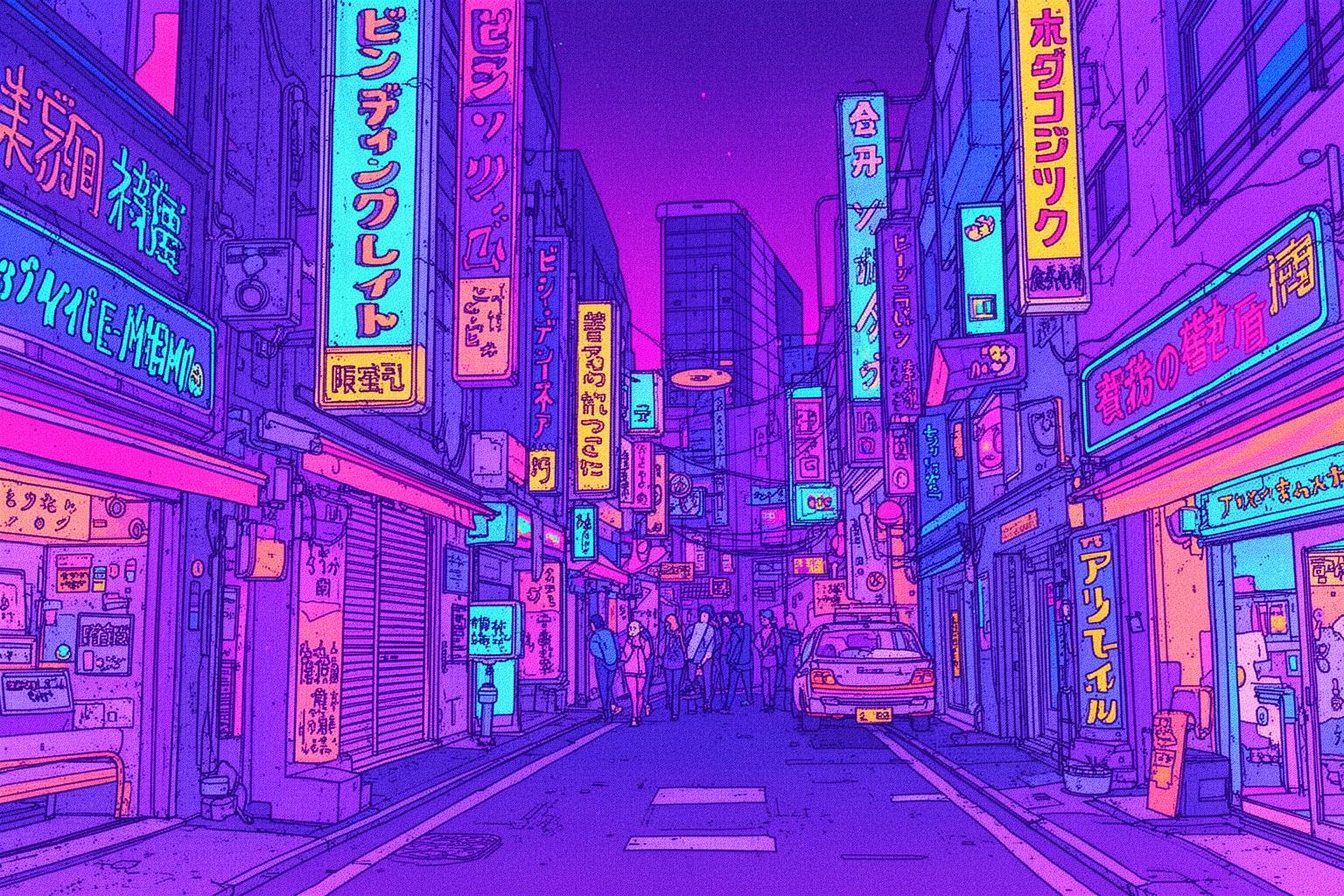
Alright, let’s dive into the essentials. You know the vibe, the history, and the etiquette. Now, all that’s left is to figure out how to get there and what to expect logistically. A bit of planning can make your Golden Gai experience smooth, stress-free, and much more enjoyable. Here’s the crucial info.
Getting There: Your Guide to the Maze
Golden Gai sits in Shinjuku’s Kabukicho district but feels like a world apart. The simplest route is from Shinjuku Station, one of the busiest train hubs worldwide. Don’t be intimidated! Look for the East Exit. Once outside, you’ll be in a plaza surrounded by massive screens and department stores. Your key landmark is the giant Don Quijote store. Head past it, moving north along Yasukuni Dori, a main road. Walk for about five to ten minutes. Your goal will be on the right, nestled behind the Shinjuku Ward Office and right next to the peaceful Hanazono Shrine. Spot the shrine’s entrance, and you know you’re in the right spot. Golden Gai is the cluster of tiny buildings beside it. Other nearby stations include Shinjuku-Sanchome (on the Marunouchi and Shinjuku subway lines), which is actually a bit closer, and Seibu-Shinjuku Station.
The Perfect Time: When to Visit
Timing is crucial. As mentioned, Golden Gai is nocturnal. Most bars open their doors no earlier than 7 PM or even 8 PM. Arriving before that means seeing a quiet, shuttered neighborhood. The ideal time to show up is between 8 PM and 10 PM. By then, most venues are open, and the alleys buzz pleasantly with energy; it’s not yet so packed that seats are impossible to find. Golden Gai stays lively well into the night, with many bars open until 4 AM or 5 AM, catering to night owls and those who missed the last train. Weekdays (Monday to Thursday) tend to be quieter and more relaxed, making it easier to grab a seat and chat with the bartender. Weekends (Friday and Saturday) are busier, electrifying the atmosphere. Both have their appeal; it just depends on what kind of night you’re after.
Planning Your Budget
Golden Gai isn’t Tokyo’s cheapest drinking spot, but it doesn’t have to cost a fortune if you plan wisely. Key expenses are cover charges and drinks. As a guideline, expect cover fees around ¥1,000 per bar you visit. Drinks typically run between ¥800 and ¥1,200 each. So, visiting one bar with two drinks will cost around ¥2,600 to ¥3,400. If you’re hopping between two or three bars, budgeting ¥7,000 to ¥10,000 per person is a good estimate for an enjoyable and satisfying night.
Important tip: bring cash. While some modern, foreigner-friendly bars may accept credit cards, the vast majority of classic, old-school bars are cash-only. Don’t get stuck without yen in your wallet. It’s wise to withdraw cash before entering the maze to avoid any awkward situations.
Beyond the Gai: Exploring the Neighborhood
While Shinjuku Golden Gai is a destination in its own right, one of its greatest strengths lies in its location at the heart of one of Tokyo’s most vibrant wards. Your journey doesn’t have to start and finish within those six alleys. You can easily spend an entire day or night exploring the area, taking in the incredible contrasts that Shinjuku presents.
Pre-Game Eats: Fueling Up Near Golden Gai
Since most Golden Gai bars serve only light snacks, it’s best to have a proper meal beforehand. Fortunately, you’re in one of Tokyo’s top food neighborhoods. For a classic pre-Gai meal, ramen is a safe bet. Shinjuku is a ramen battleground, featuring famous chains and beloved local spots on nearly every corner. A hearty bowl of tonkotsu ramen makes the perfect fuel for an evening of drinking. If you’re with a group, an izakaya (Japanese-style pub) is an excellent choice. There, you can share a variety of small plates like yakitori, sashimi, and fried chicken while enjoying your first drinks of the night. For a more nostalgic experience, check out Omoide Yokocho (Memory Lane, often dubbed “Piss Alley”), a network of narrow, smoke-filled alleyways near Shinjuku Station’s west exit, renowned for its grilled skewers. It offers a similar Showa-era atmosphere but focuses more on food than Golden Gai.
Post-Gai Adventures
Your night doesn’t have to end when you leave Golden Gai. You’re right on the edge of Kabukicho, Tokyo’s famous and expansive entertainment and red-light district. While it calls for some street smarts (politely ignore touts trying to lure you into clubs), it’s an incredible display of neon lights, giant Godzilla heads, and lively energy. For a completely different nightlife experience, Shinjuku Ni-chome, just a short walk away, is Tokyo’s main LGBTQ+ district, filled with hundreds of friendly and diverse bars and clubs. It’s a vibrant, welcoming neighborhood that offers another fascinating facet of Tokyo’s nightlife.
Daytime Shinjuku: A Different Side
To fully grasp the context of Golden Gai, spend some time exploring Shinjuku during the day. The contrast will amaze you. For a touch of tranquility, visit the Shinjuku Gyoen National Garden. This vast, stunning park features traditional Japanese, English, and French-style gardens. It provides a peaceful oasis amidst the city’s chaos and is the perfect remedy after a late night in Golden Gai. For a breathtaking view, head to the Tokyo Metropolitan Government Building. The observation decks on the 45th floor are free to access and offer panoramic views of the entire city. On a clear day, you can even spot Mount Fuji. From that height, seeing the tiny cluster of rooftops in Golden Gai truly highlights its miraculous survival.
A Final Toast to the Labyrinth

In a city that is always reinventing itself, one that values the new and the futuristic, Shinjuku Golden Gai remains a stubborn, beautiful tribute to the past. It’s more than just an eccentric nightlife spot; it’s a living museum, a cultural time capsule, and a powerful emblem of community resilience. It serves as a reminder that even in the largest, most impersonal city in the world, there are hidden pockets of deep intimacy and human connection waiting to be uncovered.
A night in Golden Gai offers a uniquely Japanese experience. It’s about the quiet joy of a perfectly made highball, the shared laughter with a stranger met at a tiny five-seat bar, and the sensation of being let in on a wonderful secret. It invites you to slow down, be present, and engage with the people and history surrounding you. So, when in Tokyo, be bold. Turn away from the bustling main street, step into the warm glow of the lanterns, and allow yourself to get lost in the maze. Find a bar that calls to you, slide onto an empty stool, and raise a glass to the modern samurai and the timeless spirit of Shinjuku Golden Gai. It’s an experience like no other, one you’ll never forget. Kanpai!