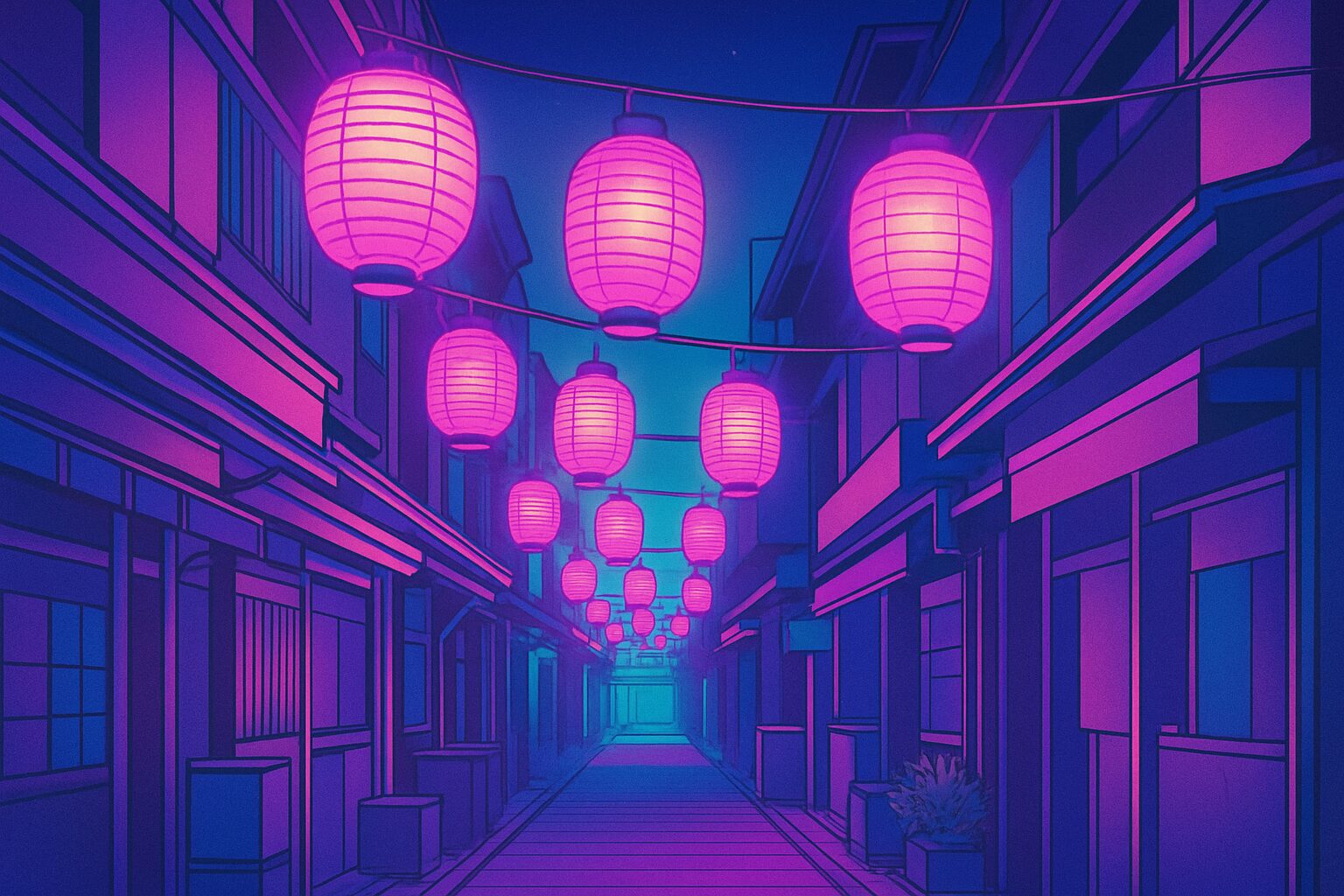
Yo, what’s up, fellow travelers and anime lovers! Mia Kim here, and today we’re diving headfirst into a vibe so specific, so magical, it feels like you’ve glitched through the screen and landed straight in a Studio Ghibli masterpiece. We’re talking about that moment in ‘Spirited Away’ when Chihiro wanders into the spirit world—the glowing red lanterns, the steam rising from food stalls, the narrow alleyways humming with a mysterious, intoxicating energy. You know the scene. It’s iconic. It’s the Japan we all dream about finding. And I’m here to tell you, it’s real. It’s not a ghost town for gods and spirits, but it’s the next best thing. It’s the world of yokocho, Japan’s back-alley drinking dens. These are not your slick, polished, futuristic Tokyo hotspots. Nah, this is the opposite. This is time travel. Yokocho are gritty, smoky, impossibly narrow labyrinths packed with tiny bars and eateries, each with its own story. They are living, breathing relics of a bygone era, specifically the Showa period, a time of post-war reconstruction and booming optimism. Stepping into a yokocho is like stepping into a living photograph of the past, a place where the ghosts of history are literally soaked into the wooden countertops and smoke-stained walls. It’s where salarymen unwind, where locals share stories over crackling yakitori, and where you, my friend, can get beautifully, wonderfully lost. This is your guide to finding those ‘Spirited Away’ moments, to chasing the glow of the chochin lanterns, and to discovering the real soul of Japan, one smoky alley at a time. Let’s get it.
If you’re captivated by the idea of stepping into a real-life Ghibli world, you might also want to slip into the real-life Spirited Away hot spring town of Shima Onsen.
What’s the Deal with Yokocho? The OG Back-Alley Vibe
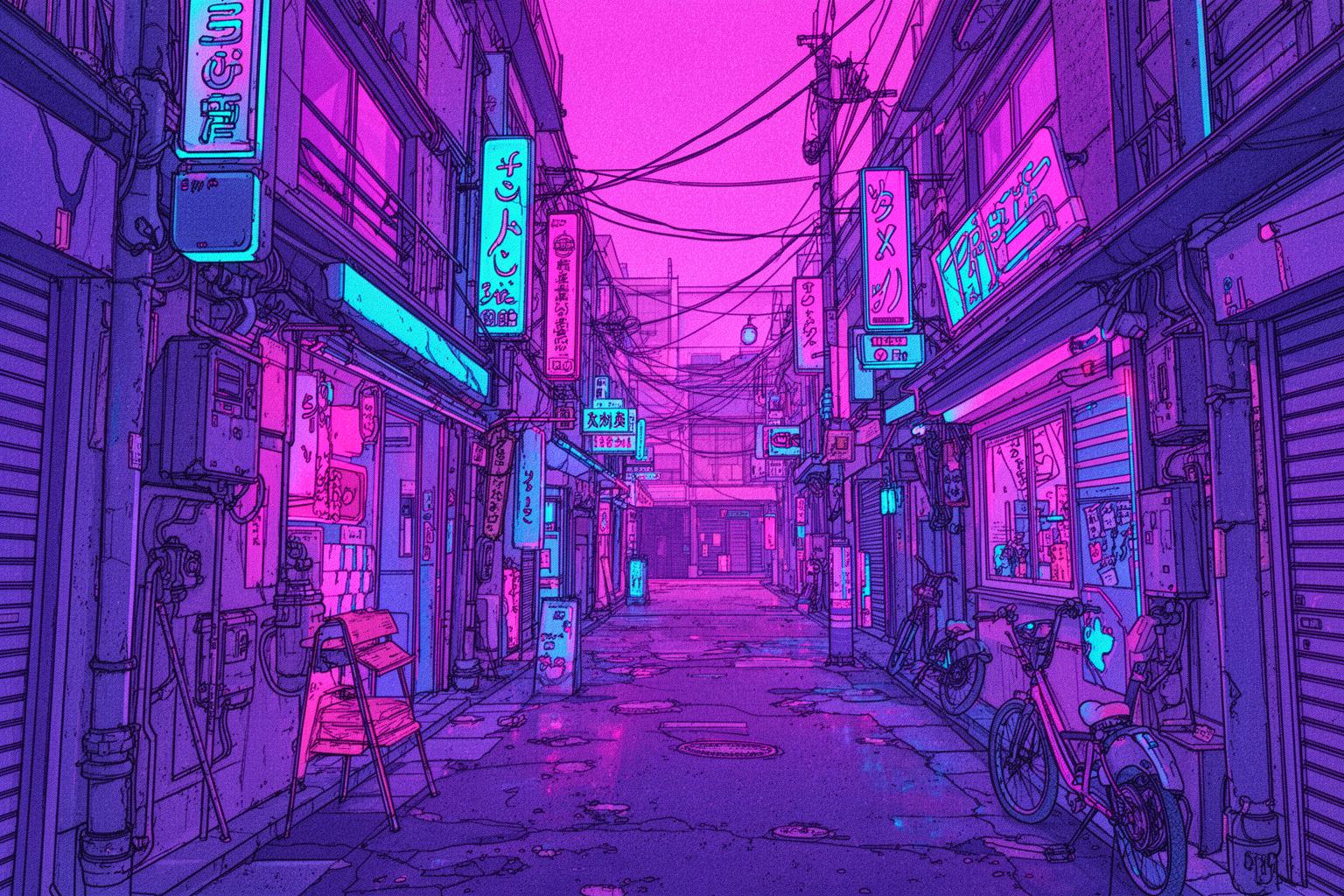
Before we teleport into specific spots, let’s get the basics. What exactly is a yokocho? The word literally means “side street” or “alleyway,” but that’s like calling a dragon a lizard—it hardly captures the true essence. The yokocho we’re referring to are more than just physical locations; they are cultural institutions. Their history is deeply tied to post-World War II Japan. In the immediate post-war period, cities lay in ruins, and basic necessities were in short supply. Black markets, or yami-ichi, emerged in the bombed-out remnants of urban centers, often near major train stations. These spots were chaotic, lively, and somewhat illicit, where people could find food, drink, and goods unavailable through official means. They were the lifeblood of the city, born from destruction and resilience.
As Japan embarked on its remarkable economic recovery, these black markets gradually became more established. The makeshift stalls and shacks transformed into small, permanent restaurants and bars, yet they never lost their raw, gritty spirit. They kept their cramped spaces, their ramshackle charm, and their tight-knit community atmosphere. This marked the birth of the modern yokocho. They serve as a direct link to the Showa Era (1926-1989), a period that holds deep nostalgic value for many Japanese. It’s known as Showa Roman, a romantic idealization of a time that felt simpler, more analog, and perhaps more genuine. Sitting on a wobbly stool in a yokocho, enveloped by grill smoke and the warm hum of conversation, you’re experiencing a slice of living history. The architecture is often a chaotic mix of mismatched additions, exposed wiring, and faded hand-painted signs—a sharp contrast to the sleek minimalism of contemporary Japan. This contrast is what makes them so captivating. It’s a form of rebellion against the sanitized perfection of today, a celebration of the beautifully imperfect. They are havens of human connection in an increasingly digital world, places where face-to-face interaction in a cramped, shared environment is the main attraction.
Tokyo’s Labyrinthine Legends: Where the Spirits (and Salarymen) Drink
Tokyo, the vast mega-metropolis, is a city of constant reinvention. Yet, tucked away in the shadows of its gleaming skyscrapers lie some of Japan’s most iconic and atmospheric yokocho. These are places where the city’s past stubbornly resists being erased, where the ghost in the machine emerges to play after dark. Each yokocho has its own unique character and secret language. Getting lost here isn’t merely a possibility; it’s the main attraction.
Shinjuku Omoide Yokocho: Memory Lane’s Smoky Embrace
Let’s begin with a classic, an absolute institution. Omoide Yokocho, often called “Memory Lane” or less flatteringly, “Piss Alley” (a throwback to a time when public facilities were, well, scarce), lies just a stone’s throw from the west exit of the sprawling Shinjuku Station. The instant you step into its narrow entrance, the futuristic chaos of Shinjuku fades away, replaced by a thick, fragrant haze of yakitori smoke and the soft, welcoming glow of paper lanterns. This place is sensory overload in the best possible way.
The alleyways — and there are several interconnected ones — are so narrow you’ll be shoulder-to-shoulder with fellow adventurers and tired salarymen loosening their ties. The air buzzes with the sound of sizzling meat, clinking beer mugs, and the murmur of countless conversations merging into a comforting hum. The stalls themselves are minuscule, many seating fewer than ten people. You’ll spot chefs, often seasoned masters who have tended the same grill for decades, expertly turning skewers of chicken, pork, and vegetables over blazing charcoal. Their movements resemble a mesmerizing dance of precision and skill.
So, what’s the must-try here? Yakitori, without question. This is the heartland of grilled skewers. Be bold. Don’t just settle for the basic chicken thigh (`momo`). Try the `tsukune` (chicken meatballs), `kawa` (crispy chicken skin), or, if you’re feeling adventurous, the `hatsu` (chicken hearts). Most places offer two main seasonings: `shio` (salt) or `tare` (a sweet and savory soy-based glaze). Either choice is a winner. Pair your skewers with a cold draft beer (`nama biiru`) or a simple glass of sake. The experience goes beyond food; it’s about the atmosphere. It’s about squeezing into a tiny space, pointing at what looks good, and sharing a moment with those beside you, even if you don’t speak the same language. A tip for first-timers: the smoke is intense and will cling to your clothes and hair. Don’t wear your best outfit. Embrace the grime; it’s part of the authentic charm of Omoide Yokocho.
Shinjuku Golden Gai: A Neon-Soaked Micro-Bar Maze
Just across the tracks on Shinjuku’s east side is another legend with a completely different atmosphere. If Omoide Yokocho is a smoky, rustic village, Golden Gai is a surreal, neon-drenched fever dream. This compact area consists of six narrow alleys packed with over 200 tiny, and I mean tiny, bars. Some can barely accommodate five customers at once. It’s a chaotic architectural marvel, a jumble of little wooden buildings stacked two stories high that somehow survived the post-war redevelopment that flattened so much of Tokyo.
Historically, Golden Gai was a haven for artists, writers, musicians, and filmmakers in the mid-20th century. It carried a bohemian, counter-cultural vibe, and that creative, slightly eccentric spirit still lingers. Each bar is its own world, with a unique theme and personality shaped by its owner, or “master.” One might be decked out floor-to-ceiling in vintage movie posters, another specialize in punk rock music, while a third offers a quiet, contemplative space for sipping rare Japanese whiskies. The facades are just as eclectic, featuring steep, narrow staircases leading to second-floor bars, cryptic signs, and plants spilling from windows.
Navigating Golden Gai requires a bit more savvy than Omoide Yokocho. Key to know: many bars impose a cover charge, or `otoshi`, which generally includes a small appetizer. This ensures patrons are there to settle in and drink, not just hop between spots. The fees are usually posted outside, so be alert. Also, many bars cater to regulars and can seem intimidating to foreigners. However, in recent years, numerous places have become much more welcoming to international visitors, often featuring signs in English. The best approach is to explore the alleys, peek through windows, and pick a spot whose vibe resonates with you. Don’t hesitate. The masters are often fascinating personalities, and showing genuine interest can lead to some of your trip’s most memorable conversations. It’s a place for intimate chats, not rowdy crowds. Go with one or two friends, settle in, and let Golden Gai’s distinctive magic envelop you.
Shibuya Nonbei Yokocho: Drunkard’s Alley, A Pocket of the Past
Shibuya conjures images of the famous Scramble Crossing, crowds of people, colossal video screens, and the height of Japanese youth fashion. It seems like the last place to find a quiet, Showa-era alley. But you’d be mistaken. Nestled right beside the JR train tracks, almost hidden in plain sight, is Nonbei Yokocho, meaning “Drunkard’s Alley.” It is a true treasure. This tiny sliver of old Tokyo offers a peaceful escape from Shibuya’s relentless modernity. It comprises just two parallel alleys lined with about 40 minuscule bars and eateries.
The atmosphere here is more subdued and intimate than the energetic alleyways of Shinjuku. Lanterns cast a warm, gentle glow on the dark wooden buildings, and the nearby trains provide a rhythmic, industrial backdrop. Given its small scale, it feels like a secret discovery: one moment in the bustling 21st-century Tokyo, the next stepping onto a 1950s film set. It’s a genuine time-slip experience.
Many establishments in Nonbei Yokocho are family-run, passed down through generations. You’ll find classic yakitori spots, cozy oden restaurants where ingredients gently simmer in savory broth, and tiny, elegant bars run by proprietors often clad in kimono. It’s an excellent place to experience a more personal side of Japanese hospitality. The spaces are tight, so you’ll almost certainly end up chatting with neighbors or the bar’s host. Here you can learn about the area’s history or get personalized sake recommendations. A tip: most places are very small, making Nonbei Yokocho best suited for solo visitors or pairs. Large groups will struggle to find seating together. Visit when you want to escape the crowds, slow down, and enjoy a quiet, reflective drink in a place that seems to hold its breath against the passage of time.
Kichijoji Harmonica Yokocho: The Daytime Market’s Nocturnal Soul
For a different flavor of yokocho, head west to Kichijoji, a neighborhood consistently ranked among Tokyo’s most desirable. Just outside the station’s north exit is Harmonica Yokocho, a spot with a captivating dual personality. By day, it’s a bustling market, a network of narrow alleys where vendors sell fresh fish, flowers, and traditional sweets. Bright, lively, and full of local shoppers, it’s a vibrant daytime scene. But as dusk falls, a transformation takes place. Market stalls close, and from those same spaces emerge tiny bars, standing-only `tachinomi` spots, and intimate eateries like fireflies lighting up the night.
The name “Harmonica Yokocho” supposedly derives from how the rows of small shops resemble the mouthpiece of a harmonica. The layout is a genuine maze, perfect for getting delightfully lost. You might turn a corner looking for a renowned gyoza spot and stumble upon a hidden wine bar or a place serving exceptional taiyaki (fish-shaped cakes filled with red bean paste).
Unlike Shinjuku’s exclusively nightlife-focused alleys, Harmonica Yokocho offers a wonderful blend of experiences. Start your evening with some outstanding street food—Minmin’s gyoza is legendary, with lines often spilling out the door. You’ll also find butcher shops selling freshly fried menchi-katsu (ground meat cutlets) that are simply delicious. After snacking, slip into one of the many standing bars for a quick beer and a chat with locals. The vibe is lively and casual, less about lingering for hours and more about hopping between several spots, sampling a variety of flavors. It’s genuinely local and authentic—a true slice of daily life and nighttime revelry woven together in a beloved Tokyo neighborhood.
Osaka’s Naniwa Soul: Gritty, Glorious, and Full of Flavor
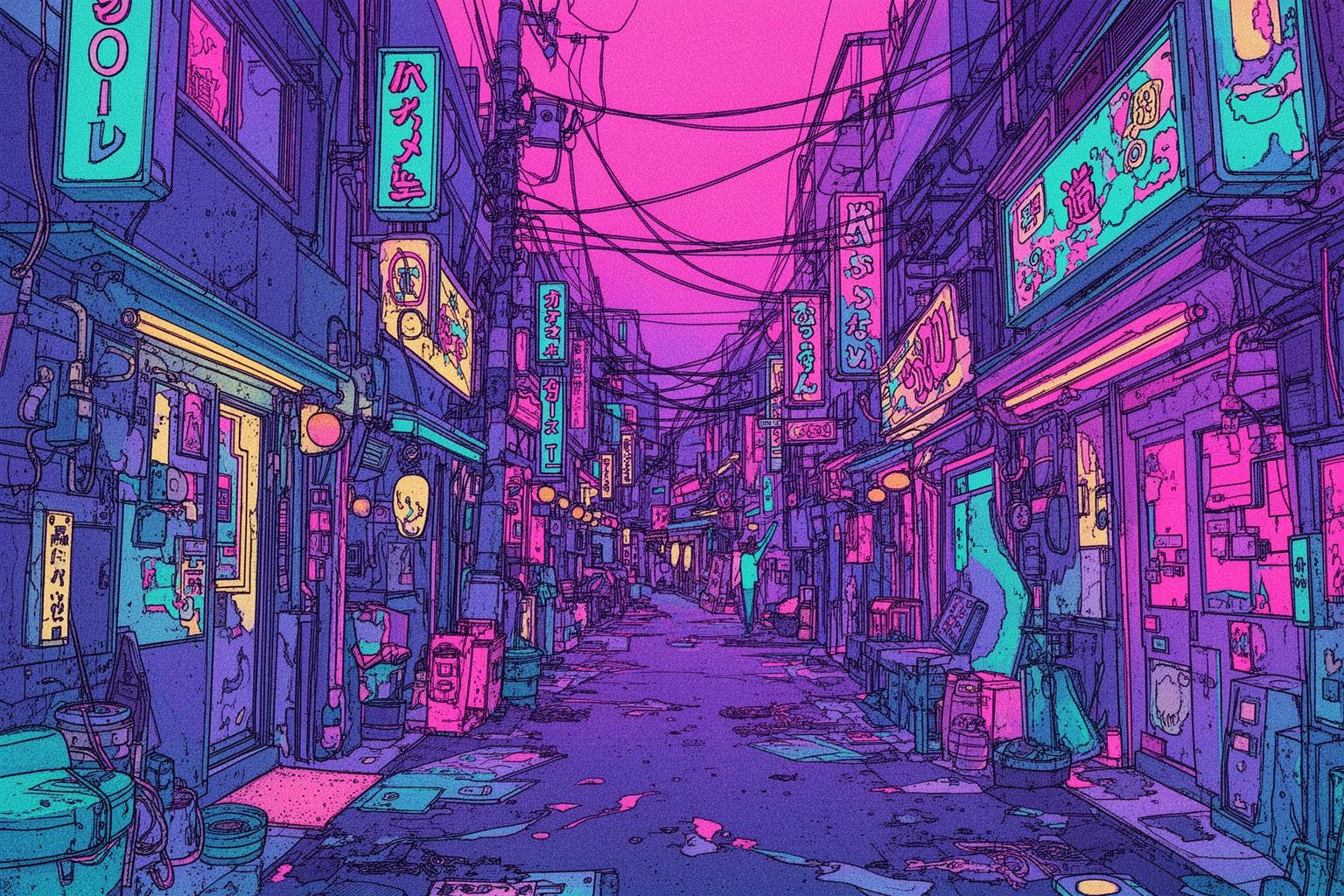
If Tokyo is the sleek and sophisticated capital, Osaka is its loud, brash, and endlessly charming sibling. The city embraces the philosophy of `kuidaore`, which roughly means “eat until you drop.” Osakans delight in eating, drinking, and enjoying themselves, and their yokocho perfectly embody this lively spirit. The atmosphere here is distinct—less about quiet nostalgia and more about vibrant, in-your-face fun.
Hozenji Yokocho: Moss-Covered Gods and Cobblestone Charm
Situated in the heart of the bustling Namba district, Hozenji Yokocho is a true oasis of tradition and calm. This beautiful, stone-paved alley feels worlds away from the neon chaos of nearby Dotonbori. Named after the Hozenji Temple at its center, it houses a famous statue of the deity Fudo Myo-o, entirely cloaked in a thick, green layer of moss. Worshippers pour water over the statue as they pray, and over centuries, this ritual has created a stunning, verdant covering. Seeing it illuminated by lantern light offers a genuinely spiritual experience.
The alley is lined with upscale traditional restaurants (`kappo`), cozy izakayas, and charming cafes. Compared to the smoky alleys of Tokyo, the atmosphere here is more refined and tranquil. It’s clean, elegant, and highly photogenic. The sound of footsteps on wet cobblestones and soft murmurs from behind wooden doors create a serene, deeply romantic ambiance. This is the kind of place where you might imagine a geisha disappearing around a corner. While some restaurants can be pricey, there are still many affordable spots for a drink or a bite. The true appeal is the ambiance. It’s ideal for a quiet, reflective stroll before or after dinner, feeling less like a drunken alley and more like a sacred path where spirituality and gastronomy intertwine. It’s a ‘Spirited Away’ vibe of another sort—less a chaotic bathhouse, more a tranquil temple garden at dusk.
Shinsekai & Janjan Yokocho: A Retro Future Frozen in Time
For something entirely different, we turn to Shinsekai. This district is a wild, wonderful, and unapologetically kitschy time capsule. Its name means “New World,” and it was developed before the war, partly inspired by Paris (as seen in the Tsutenkaku Tower, reminiscent of the Eiffel Tower) and partly by Coney Island. The result is a quirky and fascinating vision of a retro future that never fully materialized. It’s vibrant, slightly rundown, and rich with character.
The main culinary highlight here is `kushikatsu`, deep-fried skewers of meat, seafood, and vegetables. The streets boast dozens of kushikatsu restaurants, each featuring loud, flashy facades adorned with the area’s mascot, the grinning Billiken statue. A famous rule when eating kushikatsu is universal: NO DOUBLE DIPPING. Diners use a communal pot of thin dipping sauce and may only dip their skewer once before biting. If more sauce is needed, cabbage leaves are provided to scoop it onto your plate.
Running through the center of Shinsekai is Janjan Yokocho, a covered shopping arcade that perfectly captures the district’s Showa-era spirit. Its name comes from the “janjan” sound of shamisen once played to attract customers. Today, it’s a gritty, atmospheric tunnel filled with inexpensive kushikatsu spots, standing-only sushi bars, and old-fashioned shogi (Japanese chess) parlors where elderly men spend afternoons immersed in concentration. The vibe here is overwhelmingly local and a bit rough around the edges, but in the most compelling way. It’s loud, cheap, and unapologetically authentic. This is the Osaka of old, a place untouched by tourist polish. It feels genuine. Strolling through Janjan Yokocho, amid the aroma of fried food and the buzz of local chatter, is a powerful experience. It’s less about peaceful beauty and more about the raw, pulsating energy of a city that loves to live out loud.
Mastering the Maze: Your Ultimate Yokocho Etiquette Guide
Alright, you’re excited and ready to explore the lantern-lit labyrinth. But wait a moment. These places follow a set of unspoken rules, a kind of local code. Understanding the etiquette will not only prevent you from looking like a clueless tourist but also unlock a deeper, more genuine experience. Consider this your cheat sheet for blending in like a local.
Finding a Seat
This is your first hurdle. Most yokocho spots are quite small. If a place appears full, it probably is. Avoid trying to squeeze in or standing awkwardly nearby. The best move is to glance inside and make eye contact with the staff. A simple gesture or questioning look usually works. They’ll either beckon you in if there’s room or politely show the “hands-crossed” gesture, the Japanese sign for “no” or “full.” Some venues might have a short line—in that case, just join at the end. Pro tip: Standing bars (`tachinomi`) are perfect for a quick drink since the turnover is faster.
The Cover Charge (`Otoshi`)
As noted with Golden Gai, many izakayas and bars (though not all) impose a small cover charge that often appears as a mandatory appetizer called `otoshi` or `tsukidashi`. It will arrive automatically after you place your first drink order. Don’t be alarmed; it’s not a rip-off but part of the custom. Think of it as a table fee. The otoshi is usually a modest dish such as edamame, potato salad, or pickled vegetables. The charge generally costs a few hundred yen per person.
How to Order
Don’t expect glossy, multilingual menus in the more traditional places. Often, menus are handwritten on paper strips posted on the wall. This is where a bit of courage helps. If you can’t read it, don’t worry. Start by ordering a drink. Saying “Nama biiru, kudasai” (Draft beer, please) is always a safe bet. For food, you have several options. Use a translation app on your phone to figure out the menu, or do what I do: watch what the diners nearby are eating. If something looks good, just point and say “Kore, kudasai” (This one, please). It’s a fun and interactive way to try new things. The staff are accustomed to foreigners and are usually patient and appreciative of your effort.
Pace Yourself and Don’t Linger
Yokocho culture often revolves around `hashigo-zake`, or bar hopping. The idea is to enjoy a drink and a small dish or two at one spot, then move on to the next. Since seating is limited, it’s considered rude to occupy a spot for hours while nursing just one drink, especially when it’s crowded. The usual pace is to stay about an hour, soak in the atmosphere, settle your bill, and then head out to explore the next place. This keeps the flow going and allows more guests to enjoy the compact spaces.
Paying the Bill
When you’re ready to leave, catch the staff’s attention and say “Okaikei, onegaishimasu” (The bill, please). They might count your plates or tally your order. Payment is almost always cash, especially in older, smaller venues. Don’t assume they accept credit cards. It’s important to have enough yen to cover your night. Tipping isn’t practiced in Japan, so the price on the bill is the final amount. Simply pay the amount, say politely “Gochisousama deshita” (Thank you for the meal), and you’re good to go.
More Than Just a Drink: Finding Your Own Spirited Away Moment
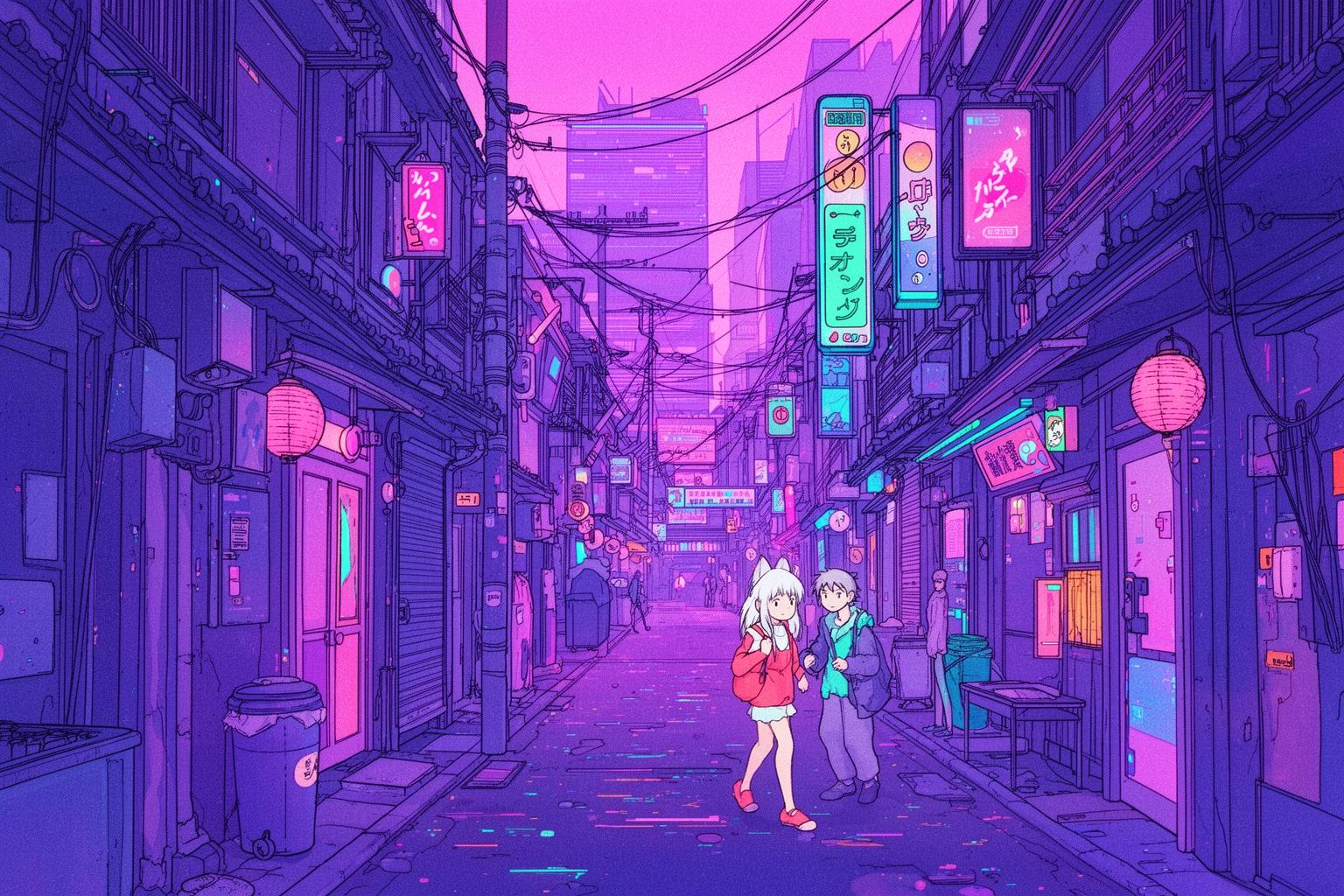
At the end of the day, chasing the ‘Spirited Away’ vibe isn’t about locating an exact replica of the movie set. It’s about capturing that feeling—the excitement of discovery, the wonder of stepping into another world, the warmth of human connection in a strange and beautiful place. Yokocho are more than just spots to eat and drink; they are stages of everyday life. They serve as living museums, time capsules, and community hubs all wrapped into one smoky, delicious experience.
My best advice is this: be curious. Be bold. Put your phone away (after snapping a few moody, lantern-lit photos, of course). Let your senses lead the way. Follow the most inviting scent. Slip into the alley that seems the most mysterious. Try the food you can’t identify. Smile at the person sitting beside you. These are the moments that will linger long after the sake’s warmth has faded. This is where the real magic lies. It’s in the shared laughter over a dropped skewer, the quiet nod of respect from the chef, the sudden sense of belonging thousands of miles from home. So go ahead, get lost. Wander down that narrow alley. You never know which beautiful spirits you might encounter.