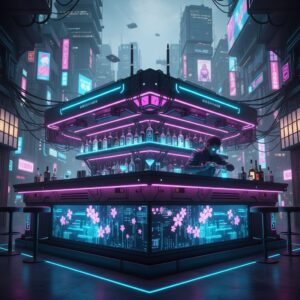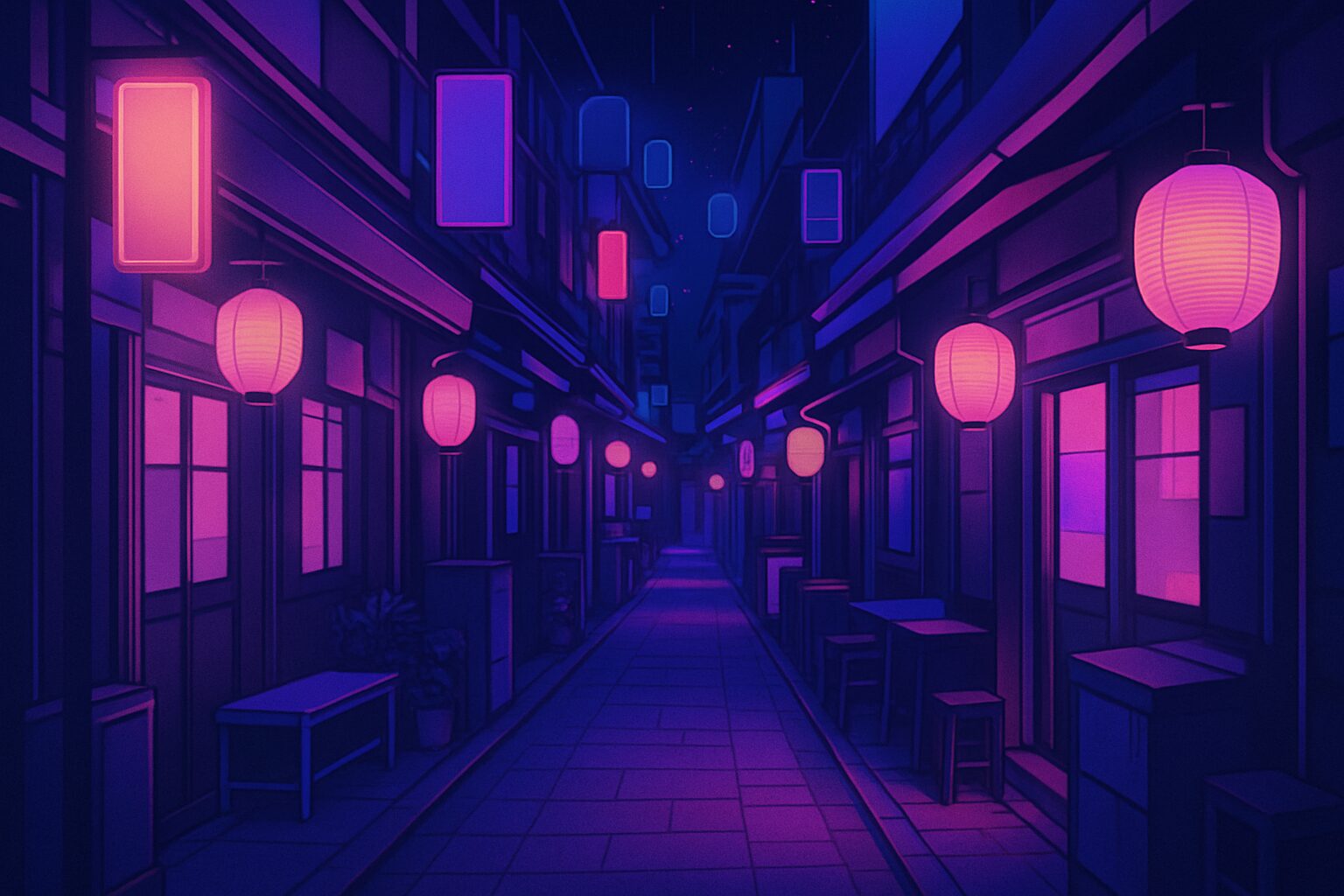
What’s good, fellow time-travelers and vibe-seekers? It’s your boy James Walker, here to drop some serious knowledge on a Japan that’s straight out of your favorite dystopian sci-fi flick. We’re talking about a world of neon-drenched nights, steam hissing from hidden vents, and shadowy lanes crammed with more character than a Shakespearian play. Forget the sterile, high-tech image you might have of Japan. We’re diving deep, head-first, into the glorious, gritty, and utterly intoxicating world of yokocho. These aren’t just back alleys; they’re living, breathing arteries of the city, pulsating with the ghosts of post-war Japan and the electric energy of today. Think Blade Runner, but with better food. Think a retro-futuristic dreamscape where you can grab the best yakitori of your life. Yokocho are these tight-squeeze laneways, packed wall-to-wall with tiny bars and eateries, each one a universe unto itself, often with seating for no more than a handful of people. They are a sensory explosion—the fragrant smoke of grilling meat, the clatter of glasses, the low murmur of conversations in a language you may not understand but a vibe you absolutely will. This is where the soul of urban Japan hides in plain sight, a defiant, chaotic masterpiece standing against the sleek, modern metropolis. It’s where salarymen unwind, where artists debate, and where you, my friend, are about to have an unforgettable nightcap. So, buckle up. We’re about to jack into the matrix of Japan’s most atmospheric alleyways. It’s gonna be lit.
For a deeper dive into exploring these atmospheric lanes with family, check out our guide to Tokyo’s neon labyrinths.
Shinjuku’s Neon-Drenched Dreams: Omoide Yokocho & Golden Gai
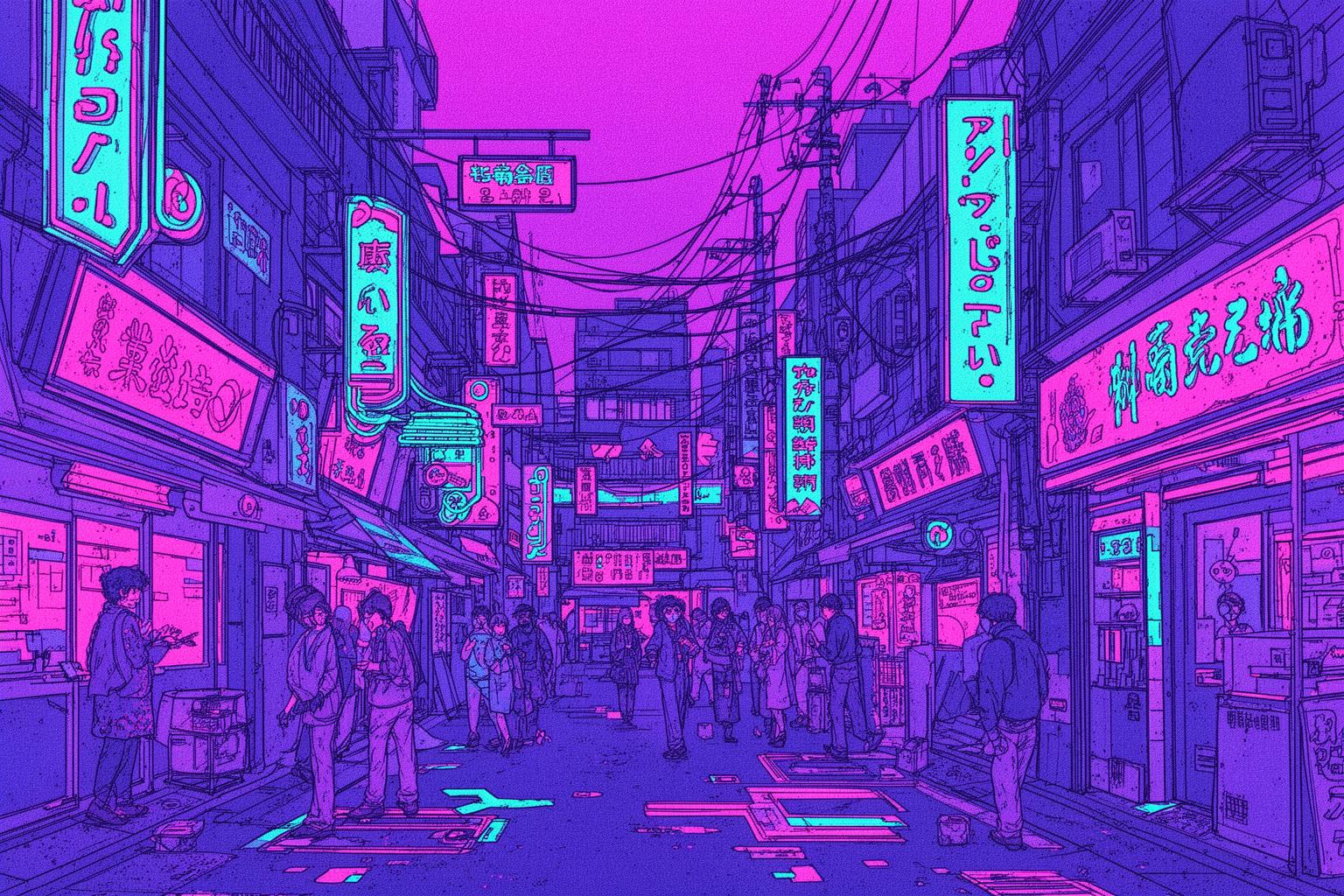
Shinjuku is unquestionably Tokyo’s reigning heavyweight champion of cyberpunk aesthetics. It sprawls as a concrete jungle where shining skyscrapers pierce the sky, while beneath them, an older, more chaotic world pulses in the shadows. This is the epicenter for our yokocho adventure, offering two legendary yet distinct experiences: the smoky, blue-collar haven of Omoide Yokocho and the bohemian, maze-like bar haven of Golden Gai. These two are basically the twin pillars of Tokyo’s alleyway nightlife, and truly knowing the city’s night scene means delightfully losing yourself in both.
Omoide Yokocho: Where Post-War Energy Still Burns Bright
Let’s get this straight: Omoide Yokocho’s nickname is ‘Piss Alley.’ Yes, really. While its official translation is ‘Memory Lane,’ the nickname recalls its rough post-war origins when indoor plumbing was a luxury. Don’t be deterred by the name. Today, it’s a clean (albeit charmingly grimy) time capsule that overwhelms your senses the moment you walk beneath its iconic green sign. The air is dense—and I mean dense—with smoke from countless yakitori grills. It clings to your clothes, your hair, your very soul, branding you as a true Tokyo nightcrawler. This place is the original, the blueprint. It began as a black market in the late 1940s, a spot of scrappy survival amid a defeated nation’s ruins. That gritty resilience is embedded in its very foundation.
The atmosphere here is impeccable. It’s pure, unfiltered Showa-era spirit. Low wooden beams, exposed wiring resembling a cybernetic spider’s web, and paper lanterns casting a warm, almost otherworldly glow on the faces of patrons squeezed shoulder-to-shoulder on tiny wooden stools. You’ll rub elbows with stoic salarymen loosening their ties, young couples on quirky dates, and wide-eyed travelers alike. No pretense here; it’s loud, cramped, and utterly amazing. Each tight stall, barely bigger than a closet, is family-run, often passed down through generations. Menus are simple, scrawled on wooden planks or yellowed paper, focused on one thing: ridiculously tasty, no-frills food.
So, what’s the plan? Bar-hopping, or rather stool-hopping. Don’t settle at the first joint you see. Take a slow stroll, soak in the vibe, and let the smells guide you. The highlight is yakitori—grilled chicken skewers—but not just the standard breast. Be bold. Try kawa (crispy skin), sunagimo (gizzard), hatsu (heart), and the top-tier tsukune (minced chicken meatballs), often dipped in raw egg yolk. It’s pure fire. Beyond chicken, find stalls serving motsuni (a rich stew of beef or pork offal) to warm your insides, grilled vegetables, and other hearty dishes. Pair it with a frosty draft beer (nama biiru) or a cheap, effective shochu. The counter masters are characters in their own right, moving with practiced grace earned from decades in tight quarters. A nod and a simple “Oishii!” (Delicious!) will earn you a gruff but warm smile.
From a historical angle, Omoide Yokocho is more than a dining spot; it’s a living museum. It channels the raw, unfiltered energy of Japan’s post-war economic boom. These were the places where men rebuilding the country came to recharge, vent about bosses, and dream over cheap drinks and grilled meats. Having survived fires and relentless redevelopment that sanitized much of Tokyo, its ongoing existence is a tribute to the city’s love for the authentic, the unpolished, and the real. Sitting amidst smoke and noise here, you’re not just a tourist; you’re part of a ritual played out nightly for over seventy years. Getting there is easy—just a stone’s throw from Shinjuku Station’s West Exit. The magic kicks in as the sun sets around 6 PM, so come early to secure a seat. One essential tip: bring cash. Most old-school spots don’t take credit cards.
Golden Gai: The Ultimate Micro-Bar Wonderland
If Omoide Yokocho is a gritty, blue-collar symphony of smoke and sizzle, Golden Gai is its bohemian, slightly unhinged cousin—a Lynchian fever dream of a neighborhood. A short walk from Shinjuku Station’s East Exit, this area is a preserved block of post-war buildings, a chaotic cluster of more than 200 tiny bars packed into six narrow, intersecting alleys. These micro-bars often hold no more than five or six people. It’s an architectural marvel of controlled chaos, with rickety two-story wooden buildings linked by perilously steep, narrow staircases that would horrify any health and safety inspector. This is Blade Runner’s vision of urban density brought to life.
The vibe couldn’t be more different. It’s less about food and more about the art of drinking and conversation. Golden Gai has a long history as a haven for artists, writers, musicians, filmmakers, and intellectuals. Legends like author Yukio Mishima and director Akira Kurosawa were known patrons. That countercultural, creative energy remains strong. Every bar has a distinct, often eccentric theme. You might discover a spot devoted to ’80s punk rock, a tiny mini-cinema showing obscure films, a horror-themed haunt, or a tranquil bar specializing in fine whiskey. The ‘master’ or ‘mama-san’ running the bar is the soul of the place, shaping its entire character.
Navigating Golden Gai takes more finesse than Omoide Yokocho. Be mindful of cover charges—many bars have a seating fee (sekiryo or otoshi), usually including a small appetizer, to ensure patrons plan to stay a while. Charges vary from 500 to 2000 yen. Watch for signs—many bars welcoming foreigners post prices and rules in English. If a door is closed without a sign, it may be members-only, so move along. The real thrill is finding your own bar. Wander the alleys, peek through tiny windows, and listen to the sounds spilling out. When a place calls to you, open the door, grab a seat if you can, and order a drink. This is where conversations ignite, whether with the bartender or a neighbor squeezed in beside you. You’ll meet fascinating people from all walks of life.
A word on etiquette: Golden Gai fiercely protects its atmosphere and patrons’ privacy. Photography is mostly forbidden both inside bars and in the alleys, seen as disrespectful to regulars seeking escape. Always ask before snapping photos. This isn’t a theme park; it’s a real, living community. Historically, Golden Gai’s survival is astonishing given its location on some of the world’s priciest real estate. During the 1980s bubble economy, the Yakuza even attempted arson to force owners out. But bar owners and patrons united, patrolling the alleys nightly to defend their turf. This defiant spirit is what makes Golden Gai so special: a middle finger to corporate sameness, and a joyous celebration of the unique, the weird, and the wonderful.
Shibuya’s Secret Sip Spot: Nonbei Yokocho (Drunkard’s Alley)
Shibuya. The name alone evokes scenes of the Scramble Crossing, a flood of people moving beneath a canyon of enormous video screens. It is the heart of Japanese youth culture, a hyper-modern, high-energy sensory onslaught. Yet, hidden literally in the shadow of the elevated JR train tracks, lies a place that seems to belong to a completely different era: Nonbei Yokocho, or “Drunkard’s Alley.” Finding it is part of the adventure. So discreet and out of place, you might pass by it hundreds of times without ever noticing. That is exactly its allure. It stands as Shibuya’s best-kept secret, a peaceful haven away from the vibrant chaos just steps away.
Entering Nonbei Yokocho feels like encountering a glitch in the matrix. The roar of Shibuya softens into a gentle murmur, replaced by the warm glow of red paper lanterns and quiet voices behind sliding wooden doors. The alley is extremely narrow, barely wide enough for two to pass, lined with tiny, aging wooden buildings that have somehow resisted both gravity and demolition. The contrast with the sleek, newly developed Shibuya Stream complex nearby is striking. This is the quintessential analog experience within a digital city. The air carries the scent of dashi broth and old wood—a comforting, nostalgic aroma that instantly soothes. Unlike the smoky chaos of Omoide Yokocho, this place exudes an intimate, reflective atmosphere. Here, you come for a quiet drink and meaningful conversation, not a wild party.
Nonbei Yokocho consists of two small parallel lanes. The establishments include classic yakitori spots, cozy oden eateries, and tiny, traditional izakayas. Many bars remain family-owned, operating since the alley’s beginnings in the early 1950s. The clientele tends to be a bit older, mostly locals and regulars who’ve frequented the area for decades. Seating can be limited, with some places accommodating only four or five customers, but the reward is a genuinely authentic, personal experience. A signature dish to seek out is oden, a traditional Japanese winter comfort food where ingredients like daikon radish, boiled eggs, and fish cakes simmer for hours in a light, savory dashi broth. It pairs perfectly with a warm flask of sake on a chilly evening.
The historical importance of Nonbei Yokocho lies in its remarkable resilience. While Shibuya has been repeatedly transformed by massive redevelopment, this tiny remnant of the past has endured. It stands as a living tribute to pre-Olympics (1964) Tokyo, recalling a more human-scale city. The buildings themselves are treasured examples of post-war vernacular architecture. Visiting Nonbei Yokocho is more than just having a drink; it is paying homage to a piece of history that refuses to vanish. It is a quiet defiance against the relentless advance of time. For first-time visitors, my advice is to approach with an open mind and respectful demeanor. Given the small size of the bars, it is not a spot for large, noisy groups. Come alone or with one companion. Pointing at menu items is perfectly fine if your Japanese is limited. A smile and a polite nod go a long way. Nonbei Yokocho offers a distinct Blade Runner vibe—not the neon-lit chaos, but the quiet, forgotten corners of the megacity, where stories are whispered over cups of sake as the futuristic city hums and glows all around you.
Taking the Vibe National: Yokocho outside Tokyo
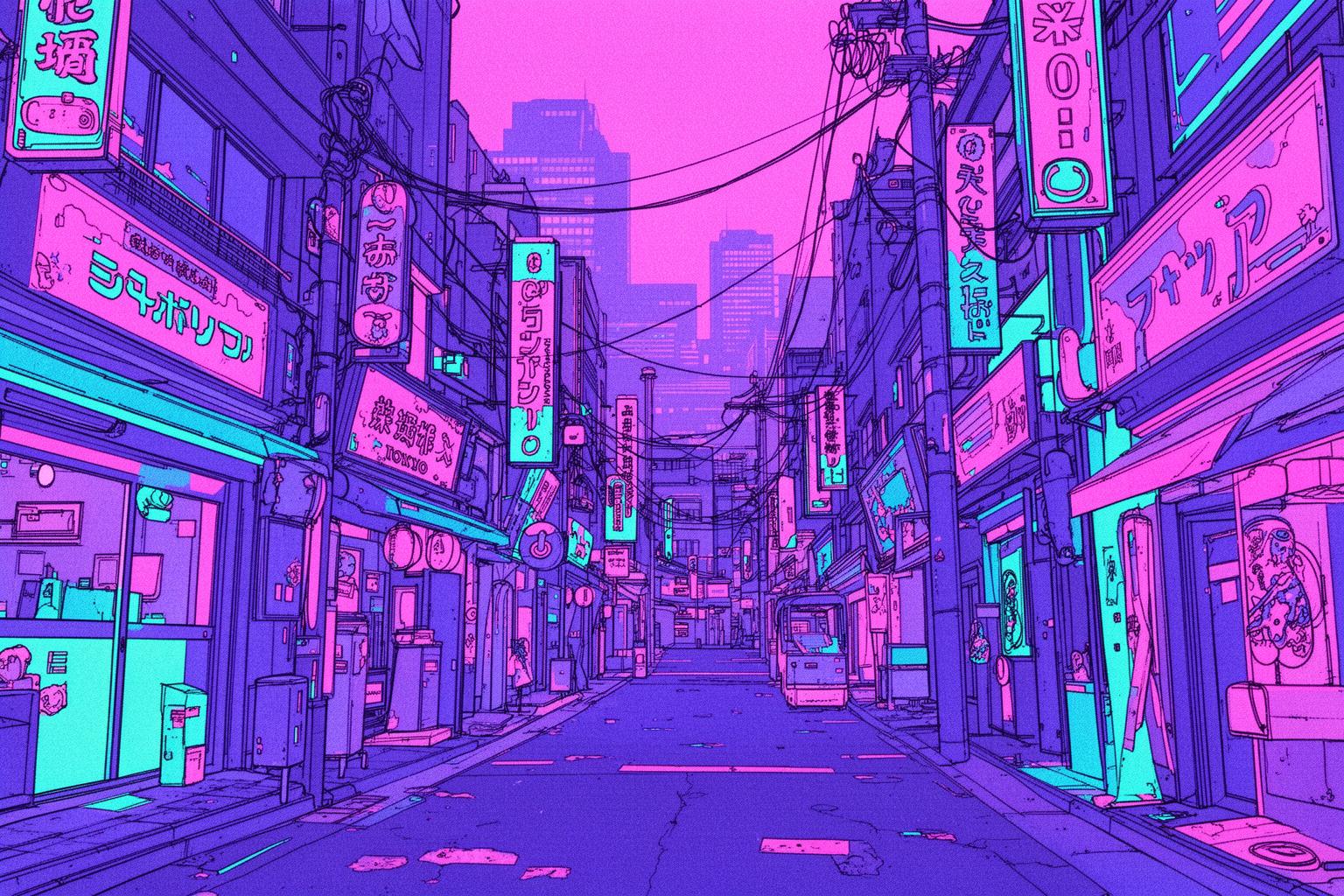
While Tokyo may be the reigning king of cyberpunk cityscapes, the yokocho spirit thrives throughout Japan. Each city adds its own unique flavor to the back-alley drinking scene, reflecting local culture, cuisine, and history. Exploring beyond the capital uncovers an entirely new dimension of this captivating world, demonstrating that the craving for intimate, authentic, and slightly hidden watering holes is a universal Japanese trait. Let’s take a quick tour of some of the best yokocho that other regions have to offer. Bet.
Osaka’s Spiritual Sips: Hozenji Yokocho
Welcome to Osaka, Japan’s vibrant, food-obsessed kitchen. In the heart of bustling Namba, just a stone’s throw from the flashy neon of Dotonbori’s Glico Running Man, lies a place of serene, old-world charm: Hozenji Yokocho. This isn’t your typical gritty, post-war alley. Instead, it’s a beautiful, stone-paved lane lined with traditional wooden restaurants and lit by elegant paper lanterns. The vibe here feels less cyberpunk and more like a samurai film, yet the narrow, atmospheric ambiance is pure yokocho. The alley takes its name from the adjacent Hozenji Temple, whose spiritual center is a famous statue of Fudo Myoo, a fearsome Buddhist deity. The statue is covered in a thick, green carpet of moss, the result of a local tradition where worshipers splash it with water while praying. The sight of the mossy statue, wreathed in incense smoke, is truly magical and sets a contemplative tone for the whole area.
Hozenji Yokocho is somewhat more upscale than its Tokyo counterparts. While casual izakayas are still present, it also hosts high-end kappo restaurants where skilled chefs prepare exquisite multi-course meals right before your eyes. This is the place to savor some of Osaka’s signature dishes or embrace the city’s kuidaore (‘eat until you drop’) culture. Look out for top-tier okonomiyaki (savory pancake), kushi-katsu (deep-fried skewers), and teppanyaki. The experience is more refined — a culinary pilgrimage rather than a boisterous pub crawl. But the essence remains: small, intimate spaces where the quality of the food and chef’s skill are paramount. Walking down this beautifully preserved alley, accompanied by distant temple bells and the aroma of delicious food, feels like stepping back into the Edo period. It’s a poignant reminder that even in Japan’s liveliest cities, pockets of tranquility and tradition endure. A night here feels less like a scene from Blade Runner and more like a quiet moment from a Studio Ghibli film, which has a vibe all its own.
Kyoto’s Geisha Glow-Up: Pontocho Alley
Kyoto, the former imperial capital, embraces a certain elegance, and its most famous yokocho, Pontocho, epitomizes this. Running parallel to the Kamo River, Pontocho is a long, incredibly narrow paved alley, arguably one of Japan’s most atmospheric streets. By day, it’s quiet and sleepy, but as dusk falls, lanterns illuminate the path, transforming it into a magical corridor of light and shadow. Pontocho is one of Kyoto’s five hanamachi (geisha districts), and if you’re lucky, you might catch a fleeting glimpse of a geiko (the Kyoto term for geisha) or a maiko (apprentice geiko) gracefully shuffling in their wooden sandals en route to an appointment. This makes a stroll down Pontocho an unforgettable experience.
The aesthetic here is pure traditional Japan. The buildings are beautiful examples of machiya, traditional wooden townhouses with dark wood lattices and sliding paper screens. The vibe is exclusive and refined. While it may seem intimidating, Pontocho offers a surprisingly wide range of dining options—from accessible yakitori bars and modern bistros to exclusive, invitation-only tea houses and high-end Kyo-ryori (traditional Kyoto cuisine) restaurants. The real highlight, from May to September, is kawayuka. During these months, many restaurants construct temporary wooden platforms over the Kamo River, allowing diners to enjoy meals in the cool evening breeze. It’s an incredibly romantic and quintessentially Kyoto experience. While Pontocho may lack the gritty, cyberpunk edge of Shinjuku’s alleys, its dense, lantern-lit, and slightly mysterious atmosphere captures the same feeling of discovering a hidden, parallel world. It’s a journey into a more elegant and ethereal side of the Japanese night.
Fukuoka’s Riverside Realness: Nakasu Yatai & Omoide Dori
Heading south to Kyushu, we arrive in Fukuoka, a city known for its friendly people, beautiful women, and, most importantly, its outstanding food scene. Fukuoka’s unique contribution to the yokocho concept is its vibrant culture of yatai—open-air food stalls. The best place to experience this is at the southern end of Nakasu Island, a lively entertainment district nestled between two rivers. Each evening around 6 PM, a fleet of wooden carts magically appears, unfolding into about a dozen tiny, temporary restaurants, each seating around eight to ten people. This isn’t just a collection of food trucks; it’s a cherished local tradition dating back to the post-war era. Though not a permanent alleyway, the yatai lined up shoulder to shoulder create a temporary yokocho vibe buzzing with energy and camaraderie.
The atmosphere is fun, casual, and incredibly welcoming. You’ll be sitting elbow-to-elbow with locals who are famously friendly and often eager to chat with visitors. The food takes center stage. You absolutely must try Hakata Ramen, a rich pork-bone tonkotsu broth with thin, straight noodles—perfect for concluding a night of drinking. Other yatai staples include oden, gyoza, yakitori, and fresh seafood grilled before your eyes. Just a short walk from the main yatai area, you’ll find more permanent yokocho-style streets like Omoide Dori, which offer a similar experience in brick-and-mortar establishments. The blend of riverside yatai and nearby back alleys makes Fukuoka a paradise for lovers of casual, delicious food and lively atmospheres. It’s a different flavor of cyberpunk—more communal and open yet sharing the core essence of discovering amazing experiences in small, transient spaces.
The Lowdown on Yokocho Life: Rules of the Game
Alright, so you’re ready to jump in. You’ve chosen your destinations and are excited for a night filled with authentic, Blade Runner-style adventure. That’s the right attitude. But before you dive into the smoky maze, it’s helpful to understand a bit about the unwritten rules and cultural subtleties. Yokocho operate on a different wavelength than your typical restaurant or bar. They are cozy spaces with their own pace and etiquette. Knowing this will not only make your visit smoother but will also earn you the respect of both locals and the experts behind the counter. Consider this your handy guide to navigating the yokocho scene like a pro.
It’s a Vibe, Not Just a Place: Yokocho Etiquette
First off: seating. It will be tight. Don’t be surprised if you have to squeeze past other patrons and tuck your bag under your stool. Space is a rare commodity here, so be mindful of your personal area. When you enter, a simple nod to the host and a gesture showing how many people are in your group is usually enough. They’ll direct you to a seat if one is available.
Once seated, the system might feel a little different. In many spots, especially in Golden Gai, there’s a cover charge called otoshi or sekiryo. This isn’t a rip-off. It’s a seating fee that usually comes with a small, simple appetizer. Think of it as rent for your seat. The price will typically be posted somewhere, but if it isn’t, it’s safe to assume it’s included. It’s also generally expected that each person orders at least one drink. These places aren’t just for hanging out; they’re businesses, and turnover is important in these tiny venues. The general guideline is ‘one drink, one food item’ per person, especially in food-centric yokocho like Omoide Yokocho. Don’t just order a glass of water and occupy a valuable seat for a long time—that’s a serious faux pas.
When it comes to ordering, don’t feel shy. Many tourist-friendly spots will have English menus, but if not, it’s part of the adventure! Menus tend to be small and focused. Take a look at what others are having. If it looks good, you can politely point and say, “Kore, onegaishimasu” (This one, please). A little adventurous pointing can lead to delicious surprises. To get the staff’s attention, a quiet “Sumimasen” (Excuse me) is sufficient. No shouting or frantic waving needed.
Paying the bill is straightforward. Tipping isn’t customary in Japan, so don’t leave extra money on the table. When you’re ready to go, catch the host’s eye and say “O-kaikei, onegaishimasu” (The bill, please). They’ll calculate it, often on a small slip of paper. Most yokocho, especially the older ones, are cash-only, so don’t count on using a credit card. Always have enough yen to cover your evening. As you leave, a simple “Gochisousama deshita” (Thank you for the meal) is a polite, much-appreciated gesture.
Socializing here requires some finesse. Yokocho are naturally social spaces. It’s common, and often welcomed, to strike up conversation with the person next to you or the bartender. However, it’s important to gauge the atmosphere. If others are engaged in quiet talks or seem reserved, respect their space. And as mentioned, be very careful with photography. In places like Golden Gai, photos are often strictly prohibited to protect regulars’ privacy. In other yokocho, rules may be looser, but it’s always polite to ask before snapping pictures of people or the interior. A simple “Shashin, ii desu ka?” (Is it okay to take a photo?) will do. Don’t be the annoying tourist treating a local haunt like your personal Instagram backdrop.
Decoding the Matrix: Why Yokocho Screams Cyberpunk
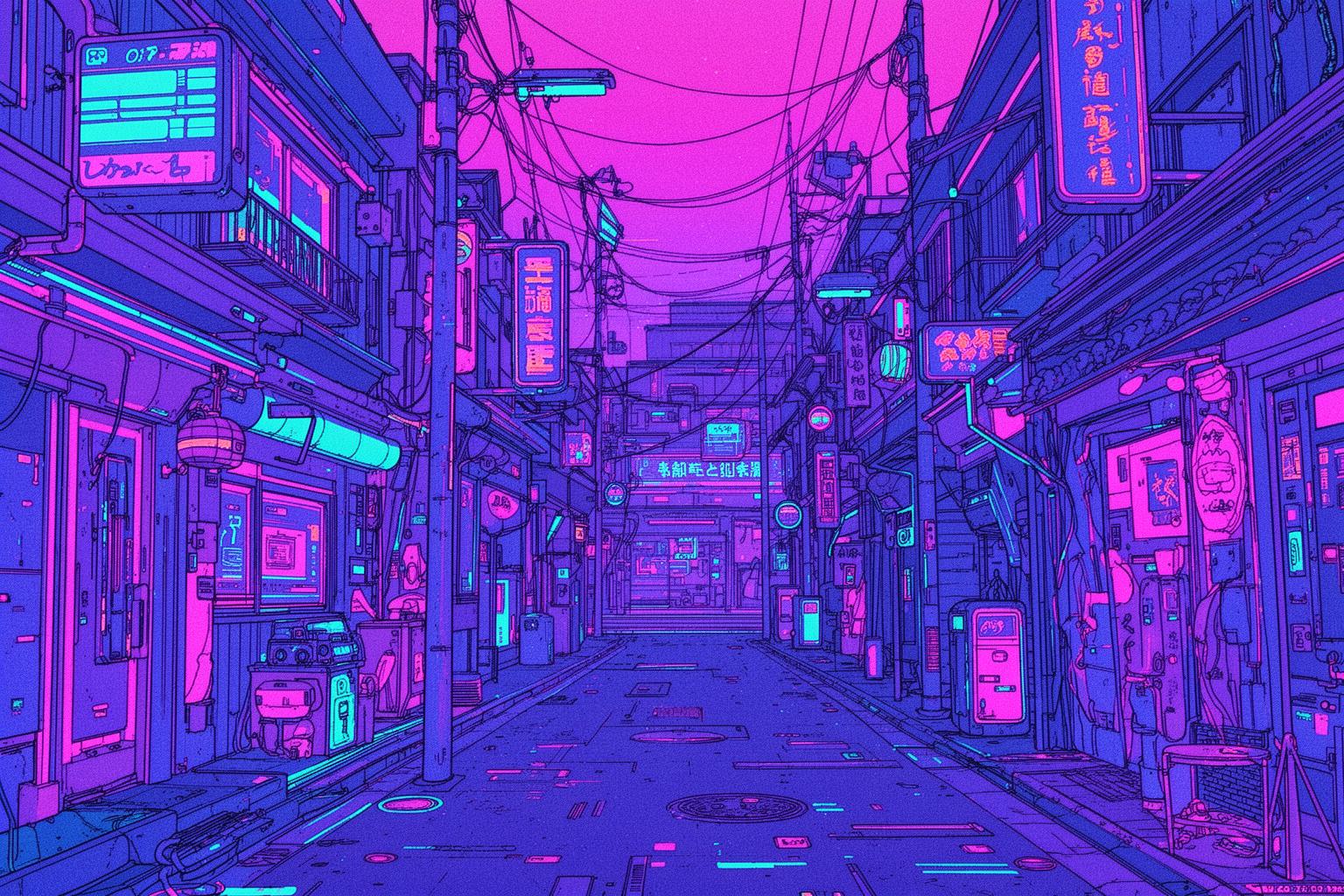
So, why does the term ‘Blade Runner’ fit so perfectly with these old-school alleyways? What is it about these smoky, cramped corridors that so vividly conjures the feeling of a futuristic, dystopian world? The link goes deeper than a few neon signs. It’s a blend of aesthetics, culture, and history that makes yokocho the living embodiment of the cyberpunk genre. Let’s decode it.
The most obvious connection lies in the visual aesthetic. Cyberpunk as a genre is characterized by its visual density and sensory overload, and yokocho exemplify this perfectly. The extreme narrowness of the alleys creates a natural canyon effect, drawing your eyes upward to a tangled mess of electrical wires, overlapping signs, and mysterious upper floors. It’s a vertical world. Lighting plays a crucial role. It’s not the flat, even illumination of a modern street; it’s a dramatic interplay of light and shadow, with the warm, inviting glow of paper lanterns contrasted against the harsh, electric buzz of a fluorescent bulb or a flickering neon sign. The constant steam and smoke—from cooking grills, simmering oden pots, and cigarette-smoking patrons—diffuse the light, crafting a hazy, cinematic atmosphere where everything feels slightly surreal. The language on the signs, a dense weave of Japanese kanji, hiragana, and katakana, enhances the exotic, futuristic vibe for non-Japanese speakers. It’s a world that feels both ancient and futuristic simultaneously.
Culturally, yokocho perfectly capture the core cyberpunk theme of ‘high-tech, low-life.’ Just outside the alley’s entrance lies the gleaming, high-tech world of modern Japan: bullet trains, talking robots, and towering corporate skyscrapers. But inside the yokocho, you encounter a grittier, more human ‘low-life’ reality. It’s where the cogs in the corporate machine—the salarymen—shed their suits and ties and be themselves. It’s a realm of analog pleasures in a digital world. This fusion of contrasting worlds coexisting in the same space is pure cyberpunk. The genre often explores lives lived in the cracks of a technologically advanced society, and that’s exactly the niche yokocho fill. They are the human-scale, slightly anarchic counterpart to the sterile perfection of megacorporate cities.
Finally, there are the visible layers of history. Cyberpunk cities are never brand new; they’re built on the ruins of the past, with history showing in the architecture and grime. Yokocho are literal historical artifacts—pockets of the post-war Showa era preserved, like insects trapped in amber, right in the midst of the hyper-modern Heisei and Reiwa eras. You can see the layers of time physically: aging wooden structures, faded signs, old-fashioned cooking methods, all nestled between gleaming glass and steel buildings. This sense of a city with a deep, complex, and sometimes dark past is central to the worlds created by William Gibson and Ridley Scott. When you’re in a yokocho, you’re not in a retro theme park. You’re in a real place, steeped in decades of history, dreams, and struggles. You feel the ghost in the machine. That authenticity—that lived-in, layered reality—is what makes these alleys far more powerful than any movie set. They are the real deal.
Thus, our journey through the neon-lit, smoke-filled heart of Japan draws to a close. From the boisterous energy of Shinjuku to the quiet dignity of Kyoto, yokocho stand as potent symbols of community, resilience, and the enduring allure of analog human experience. These alleys are more than just spots to drink and eat; they are portals. They transport you to another time, a different mindset, a parallel reality humming just beneath modern Japan’s surface. They invite you to get lost, embrace the unknown, and connect with others on the most basic level—shoulder-to-shoulder, sharing a drink and a story in a tiny room glowing in the dark. So next time you find yourself in a Japanese city, don’t just stay on the main roads. Slip under that worn noren curtain, slide open that rickety door, and step into the cyberpunk dream. Your adventure is only beginning.