Yo, what’s the deal? So you’ve hit up Tokyo, done the scramble, seen the temples, and now you’re back for round two. You’re looking for that next-level Japan experience, something that hits different, something a little more… authentic. You’ve heard the legends, the whispers of a real-life Nintendo World that isn’t a theme park, a place where the chiptunes of the 80s still echo in dimly lit halls. Bet. You’re talking about Japan’s retro arcade scene, the true heart of its gaming culture. This ain’t about the flashy, crane-game-filled complexes you see in every major station. Nah, we’re going deeper. We’re talking about the low-key, high-skill sanctuaries where the pixels are chunky, the competition is fierce, and the vibe is absolutely immaculate. These spots are living, breathing museums, community hubs where decades of gaming history are not just preserved, but actively celebrated every single day. Forget the tourist traps. This is your portal to the underground, a journey into the nostalgic glow of CRT screens and the rhythmic click-clack of authentic arcade hardware. It’s a subculture, a time capsule, and honestly, one of the dopest ways to connect with a side of Japan that most travelers completely miss. This is where you’ll find the soul of the game. Ready to press start?
For a different kind of immersive gaming pilgrimage, you can also explore the real-world locations that inspired the hauntingly beautiful world of Nier: Automata.
The Vibe Check: What’s a Japanese Retro Arcade Really Like?
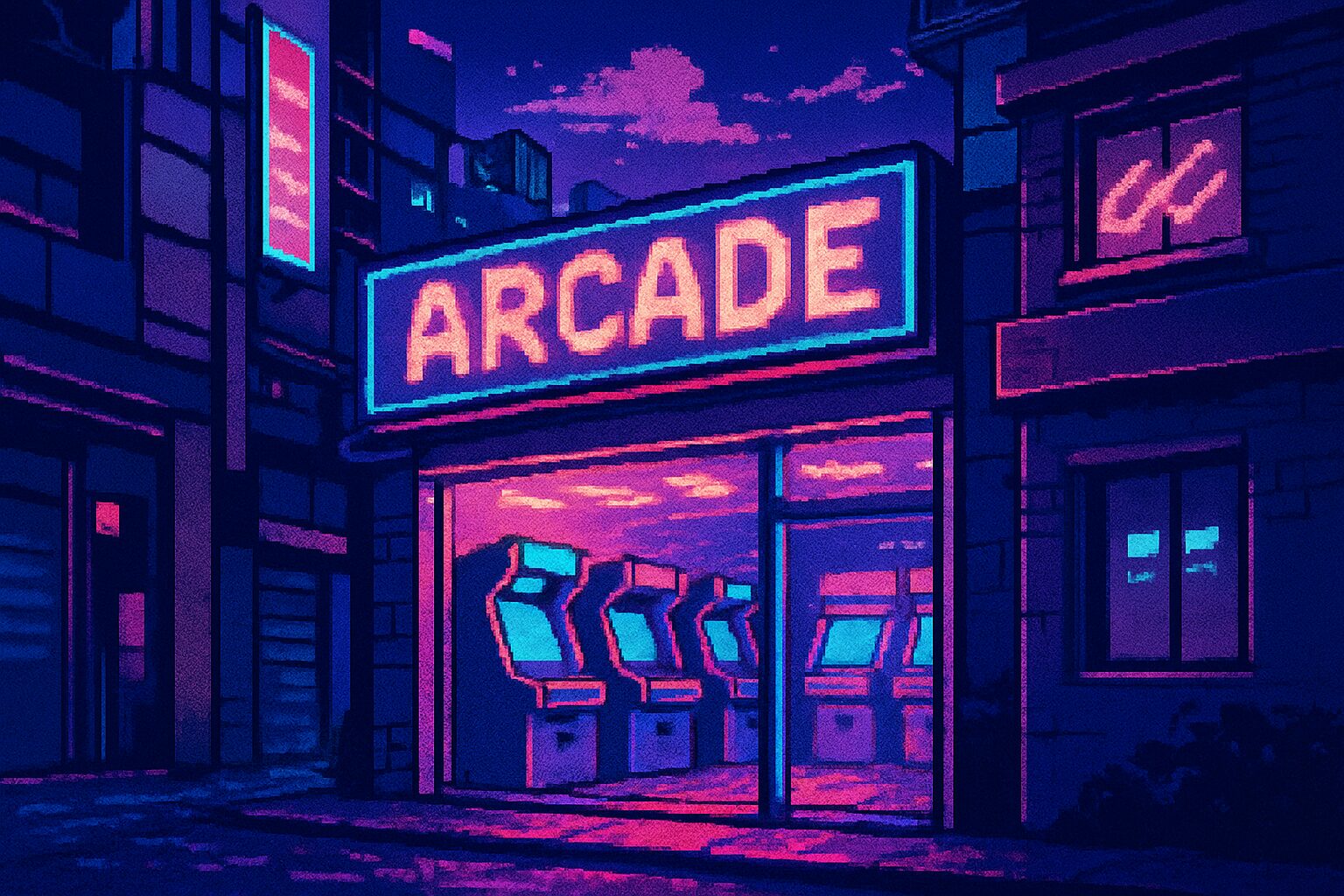
First things first, let’s set one thing straight. Stepping into a genuine Japanese retro arcade, or retoro ge-sen as the locals call it, is an all-encompassing sensory experience in the best possible way. It’s a far cry from the bright, family-friendly game centers. The moment you walk through the door—which is often a plain entrance tucked away on a side street or up a narrow staircase—the atmosphere instantly changes. The air is thick with a distinctive blend of scents: the faint, warm ozone scent of old electronics, a touch of aged wood and flooring, and, depending on the venue, the lingering trace of cigarette smoke from a bygone era. It’s not unpleasant; it’s just… authentic. It’s the smell of history, of countless hours spent by passionate players perfecting their skills.
Then, the sound hits you. It’s more than just noise; it’s a symphony. A beautiful, chaotic blend of 8-bit and 16-bit soundtracks overlapping one another. You’ll catch the iconic wocka-wocka of Pac-Man, the screeching tires from Out Run, the explosive shing of a perfect combo in Street Fighter II, and the high-energy synth of a classic shoot-’em-up, or ‘shmup’. It’s a wall of sound that surrounds you, instantly transporting you back in time. You can feel the bass from the speakers vibrating through the floorboards. The dominant sound, however, is the mechanical rhythm of the game cabinets themselves. The sharp, satisfying click of Sanwa joysticks, the rhythmic, sometimes frantic, tap-tap-tap of buttons being mashed with precision and intent. This is the heartbeat of the arcade.
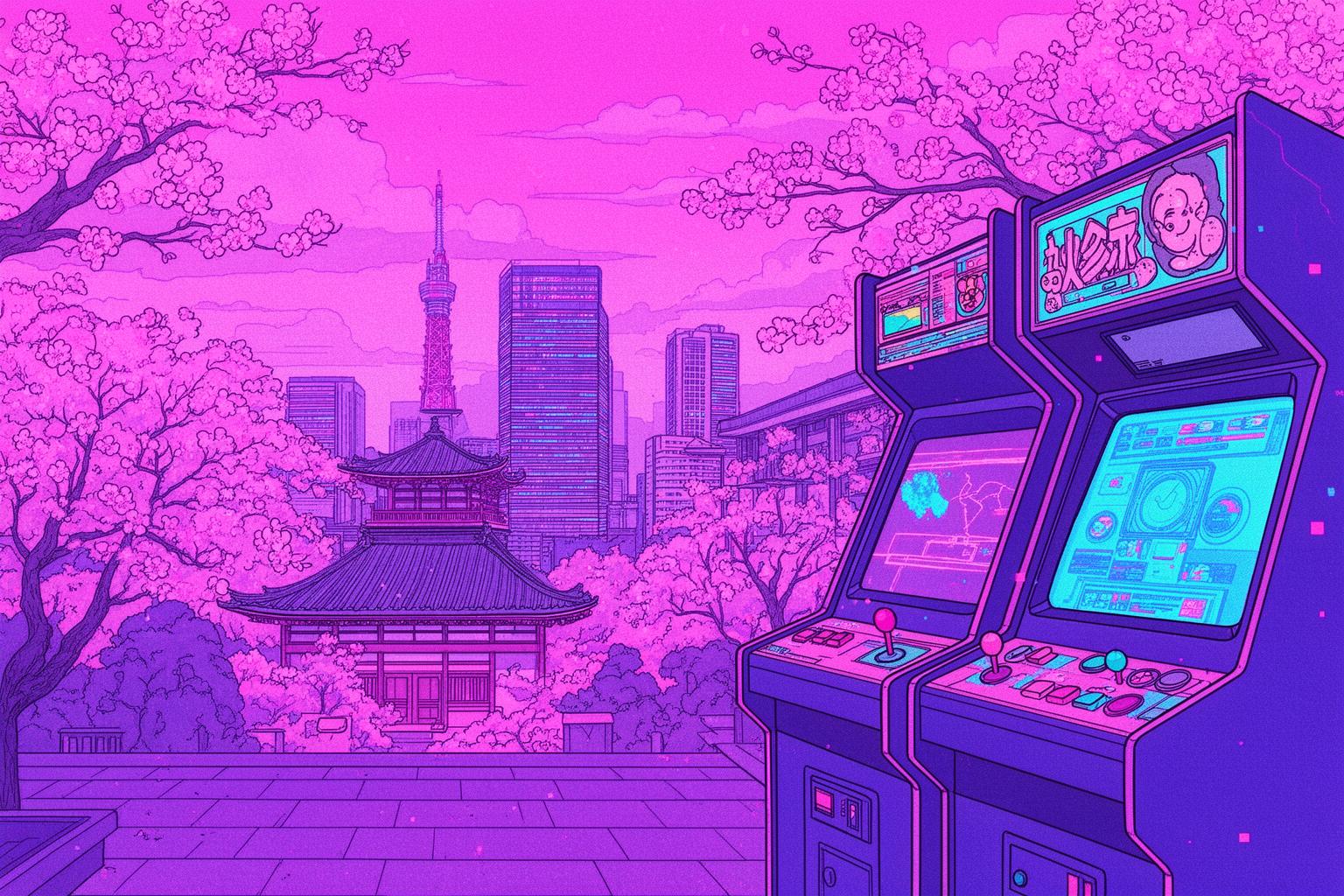
The lighting is almost always dim, creating a focused, almost sacred ambiance. The only true sources of light are the hypnotic glows coming from the CRT monitors. These aren’t crisp, sterile HD screens. They are cathode-ray tubes, with their signature scanlines and warm, rich colors that make the pixel art pop in a way modern displays simply can’t replicate. Each screen is a portal, a small, vivid world inviting you in. The space is often cramped, with cabinets arranged in tight rows, creating narrow aisles. This closeness is part of the appeal. You’re physically near other players, sharing a collective experience. You’ll see old-timers, salarymen decompressing after work, students, and hardcore enthusiasts, all coexisting in this shared environment. There’s a quiet, unspoken respect. Players are focused, their bodies swaying with the on-screen action, their faces lit by the screen’s glow. It’s a place of concentration, a dojo for digital warriors. The overall vibe is one of reverence. You’ve entered a subculture’s sanctuary, a space that exists outside of time, devoted purely to the art and challenge of gaming. It’s raw, it’s unfiltered, and it’s absolutely fire.
Beyond Akiba: Unlocking the Real Retro Havens
Everyone knows Akihabara, the electric town, and it boasts some legendary spots. There’s Super Potato, renowned for its treasure trove of classic cartridges, and HEY (Hirose Entertainment Yard) by Taito, famous for its incredible selection of shoot-’em-ups. But let’s be honest, Akiba is also the epicenter for tourists. It can get crowded, and sometimes the atmosphere feels more like a museum than a thriving community. For those returning visitors seeking a genuine, unfiltered experience, you need to explore beyond the main street. The real treasures lie in the neighborhood arcades that have served their local communities for decades. These are the places where high-score legends emerge and the true spirit of the arcade comes alive.
The Mecca: Game Center Mikado (Takadanobaba, Tokyo)
If there’s one spot that stands as the ultimate king of Tokyo’s retro scene, it’s Mikado. Nestled in the bustling student area of Takadanobaba, just a couple of stops from Shinjuku on the Yamanote line, Mikado is a pilgrimage destination for fighting game enthusiasts from around the globe. Finding it is part of the charm: you exit the station, weave through a labyrinth of ramen shops and izakayas, and finally spot its modest sign. The magic unfolds when you either descend to the main floor or ascend to the second. Mikado isn’t polished; it’s gritty, loud, and packed with an insane collection of classic arcade cabinets, especially fighting games. Rows upon rows of Street Fighter variations, The King of Fighters, Fatal Fury, Samurai Shodown, and countless other obscure titles—many of which you’ve probably only seen on emulators—line the walls.
The atmosphere here is electrifying. On any given night, world-class players battle on the head-to-head ‘candy cabs.’ The energy during their often streamed tournaments is phenomenal. The crowd blends die-hard regulars who greet each other with nods and wide-eyed newcomers taking it all in. Don’t be intimidated; while the community is serious about their games, they’re generally welcoming. The first floor usually offers a wider variety of genres, from classic puzzle games to legendary shmups, while the second floor functions as the fighting game dojo. Pro tip: Mikado runs on 100-yen coins. Come equipped with plenty of change or use the change machines on site. This place is a living institution, a testament to how community keeps a culture vibrant. It’s more than just an arcade; it’s the beating heart of a worldwide scene.
The Collector’s Closet: Natsuge Museum (Akihabara)
I know I said to look beyond Akihabara, but the Natsuge Museum is the rare exception—it feels worlds away from the polished Taito Stations along the main street. ‘Natsuge’ is short for natsukashii ge-mu—nostalgic games—and that’s exactly what you’ll find here. Tucked away on an upper floor of an unremarkable Akihabara building, you could easily miss it if you weren’t seeking it out. The space is tiny—really tiny. It feels less like an arcade and more like you’ve unlocked a master collector’s secret vault. The owner, a legend in the community, curates a rotating collection of incredibly rare and historically significant arcade boards. You might encounter prototype versions of famous games or obscure, forgotten titles from the ’70s. This place isn’t about chasing high scores or competition; it’s about preservation and appreciation. The atmosphere is quiet, almost scholarly, offering a firsthand experience of gaming history. Due to its small size, it’s best visited alone or with just one companion. Speak softly, show respect, and relish the chance to play something truly unique. It’s a one-of-a-kind experience that offers a fresh perspective on what a retro arcade can be.
The West-Side Story: Zarigani (Osaka)
Tokyo doesn’t hold a monopoly on fantastic retro spots. When you find yourself in the vibrant, energetic city of Osaka, you have to check out Zarigani. Located in the trendy, youth-centric Amerikamura district, Zarigani perfectly captures Osaka’s laid-back, gritty, and fun-loving vibe. This spot is a hybrid: part dive bar, part retro arcade. The atmosphere is super relaxed. You can order a beer or a highball at the bar and then roam over to a lineup of impeccably maintained classic cabinets. They offer a solid selection of essentials: Donkey Kong, Pac-Man, Galaga, and various fighting games. It’s the ideal place to pre-game before a night out or to enjoy a social, laid-back gaming session. The crowd mixes local artists, musicians, and gamers. It’s less intense than a hardcore venue like Mikado, making it very welcoming for newcomers. Zarigani shows how retro gaming culture is woven into urban nightlife—a place for friends to gather, share a drink, and chase some ghosts. It proves that the arcade spirit thrives throughout Japan, each venue flavored by its own local vibe.
The Unwritten Rules of the Retro Arcade Dojo
Alright, so you’ve found your spot and have your 100-yen coins ready. Before you dive in, you need to know the code. Japanese arcades follow a specific etiquette—a set of unwritten rules that keep everything running smoothly and respectfully. Following these will not only improve your experience but also show you’re not just a tourist, but a true player. This is insider knowledge, the kind that makes you fit right in.
The Art of the Queue
This is the most important rule, no joke. If someone’s playing a game you want to try, don’t just stand behind them and stare—that’s awkward. The proper way to signal you’re next is to place a 100-yen coin on the arcade cabinet’s control panel or bezel of the screen, somewhere visible but not in the way of the current player. This universally means “I’m next.” It’s a simple, elegant system. The current player will see it, finish their game, and then step aside for you. If there’s already a coin there, place yours next to it to form a queue. The whole system relies on mutual trust and respect, so don’t break it.
Spectator Mode: Activated
Watching skilled players is one of the best parts of the arcade experience. You can pick up new strategies and enjoy some truly impressive gameplay. It’s totally fine to watch, but do so respectfully. Give the player room—don’t stand right behind them breathing down their neck. Instead, stand a bit to the side. And whatever you do, avoid offering unsolicited advice or commentary. This is called “backseat gaming,” and it’s a major faux pas. Players are often deeply focused, in a flow state. Let them focus. A quiet nod of appreciation after a great combo or high score is perfectly fine, but keep the chatter to a minimum unless they initiate conversation. The vibe is one of shared, focused passion.
The Law of the Challenge: Winner Stays On
This rule applies mainly to head-to-head games, especially fighting games. The general rule is “winner stays on.” When you sit at the second-player side of a cabinet where someone is already playing, you’re issuing a challenge. You play your match, and if you win, you keep your spot and face the next challenger. If you lose, you get up and let the next person in line (the one with their coin on the machine) take their turn. It’s a merit-based system that keeps the best players on the machine and creates an exciting king-of-the-hill dynamic. Don’t be a sore loser or overstay your welcome if you’re losing. Step aside, watch for a bit, and get back in line when you’re ready to try again. It’s all part of the competitive yet respectful culture.
Cash is King
These old-school spots run on old-school currency. Forget credit cards, IC cards like Suica or Pasmo, or any digital payments. Retro arcades work with humble 100-yen coins. Most games cost ¥100 per play, though some older or special machines might be ¥50. You’ll spend coins faster than you expect. Always have a good supply ready. Most arcades have a change machine (ryogaki) that breaks ¥1000 and ¥5000 bills into coins. It’s smart to break a larger bill as soon as you arrive so you’re set for your session. Running out of coins just as you’re about to beat your high score is a tragedy you can easily avoid.
Level Up Your Trip: More Than Just Games
A visit to a retro arcade is an incredible experience in itself, but to fully immerse yourself in the culture, you need to expand the adventure. The arcade serves as the main quest, yet the side quests are equally important. They add context, flavor, and a deeper appreciation for the entire scene.
The Treasure Hunt: Second-Hand Shops
After spending a few hours playing these classics, you’ll naturally want to own some of them. This is where Japan’s outstanding second-hand media shops come into play. Following a session at Mikado, you can catch a train to Shinjuku or Nakano and explore places like Mandarake or Book-Off Super Bazaar. Nakano Broadway, in particular, is a haven. It’s a multi-story complex packed with small shops selling everything from vintage game cartridges and consoles to original soundtracks on vinyl and cassette, art books (genga), and classic manga. You might find pristine copies of Famicom games, rare Neo Geo cartridges, and 90s strategy guides. It’s a treasure hunt offering a tangible piece of the history you just enjoyed. Even if you don’t purchase anything, browsing these shelves feels like strolling through a pop culture museum.
Themed Cafes and Bars: The Cool Down Spot
When your hands ache from button mashing and your eyes are strained from gazing at CRT screens, you’ll want a place to relax and reflect on the excitement. Japan offers a variety of video game-themed cafes and bars to suit this need. In Tokyo, establishments like 8bit Cafe in Shinjuku are legendary. The decor pays homage to 8-bit culture, decorated with vintage consoles, game memorabilia, and action figures on every shelf. Their drink menu includes game-themed cocktails, and they often provide consoles for guests to play freely. These venues provide a laid-back, social way to enjoy gaming culture. It’s a spot to chat, flip through old gaming magazines they keep on hand, and soak in the nostalgic atmosphere. They make the perfect conclusion to an intense arcade outing.
The Fuel: Konbini and Vending Machine Culture
No authentic Japanese arcade experience is complete without the right fuel. A vital part of any local gamer’s ritual is stopping by a convenience store (konbini) or vending machine (jidohanbaiki) before or during gameplay. Before entering the arcade, grab an onigiri (rice ball) or a katsu sando (pork cutlet sandwich) to recharge. Inside or just outside the arcade, you’ll almost always find a vending machine stocked with a variety of drinks. Canned coffee, especially brands like Boss or Georgia, is a classic pick for late-night gaming sessions. Sipping a cold drink between intense matches is a quintessential part of the arcade visit rhythm. It’s a small detail, but these little rituals make you feel less like a tourist and more like an active participant in the local scene. It’s about embracing the entire vibe, not just the gameplay.
A Deeper Dive: The Cultural Significance of the Arcade
To genuinely appreciate these pixelated temples, you need to understand why they hold such deep roots in Japanese culture. Arcades, or “Game Centers” as they are called in Japan, were much more than just places to play video games; they served as the epicenters of modern Japanese youth culture and technological innovation for decades. Their history reflects Japan’s post-war economic boom and its emergence as a global pop culture powerhouse.
The Social Hub of a Generation
In the late 1970s and throughout the 1980s, long before the internet and online multiplayer existed, arcades functioned as the original social networks for young people. After school, students would gather at their local game center. It became a “third place,” separate from home and school, where they could hang out with friends, compete with rivals, and build communities around their favorite games. This was where skills were proven. Instead of googling a walkthrough, you learned by watching more skilled players, sharing tips, and through countless hours of trial and error. Achieving the high score on the local Donkey Kong or Galaga machine earned you legendary status in your community. These venues were hotbeds for competition, camaraderie, and a shared cultural language crafted from pixels and joysticks.
The Hotbed of Innovation
Japanese arcades stood at the forefront of video game technology. Companies like Namco, Taito, Sega, and Capcom treated the arcade as their R&D lab. It was a place where they could push the limits of graphics and gameplay without the restrictions of home console hardware. Iconic genres were born and refined in Japanese arcades. Taito’s Space Invaders in 1978 sparked a nationwide shortage of 100-yen coins and launched the golden age of arcades. The 1990s witnessed the explosion of fighting games, led by Capcom’s Street Fighter II. This game revitalized the arcade industry and established the competitive one-on-one format that is still popular today. Soon after, rhythm games like Konami’s Beatmania and Dance Dance Revolution transformed arcades into interactive dance floors. The arcade was a relentless engine of innovation and creativity that propelled the entire global video game industry forward.
The Decline and the Hardcore Revival
The rise of powerful home consoles such as the PlayStation and the emergence of online gaming in the 2000s delivered a significant blow to the arcade industry. Why pay 100 yen per play when you could enjoy an almost perfect gaming experience at home for a one-time cost? Many arcades across Japan shut their doors. However, the story doesn’t end there. While casual players moved on, a dedicated core of hardcore gamers remained. These players, supported by arcade owners, kept the spirit alive. Venues like Mikado nurtured this community, not only by preserving classic games but also by organizing events, live streams, and tournaments that celebrated the unique excitement of in-person competition. The modern retro arcade scene is a tale of resilience, proving that some experiences—the tactile feel of a real arcade stick, the energy of a live crowd, the face-to-face challenge—cannot be fully replicated at home. It is a niche, certainly, but a passionate and thriving one.
Final Boss: Your Retro Gaming Quest Awaits
So there you have it—the key to unlocking one of Japan’s most captivating and authentic subcultures. These retro arcades are far more than just rooms filled with old machines. They serve as sanctuaries of skill, living records of digital art, and vibrant community hubs where the past is always alive. They provide a direct link to a cultural moment, offering a chance to experience the roots of the global gaming phenomenon in its original, unfiltered form. For travelers who have seen the main attractions and crave something with more soul, grit, and heart, this is the place.
On your next trip, dare to stray down that side street. Look for the faint glow and the muffled sounds of 8-bit anthems. Push open the door, let the wall of sound surround you, and step into another decade. Exchange your bills for a stack of silver coins, place one on a cabinet to claim your turn, and grip the joystick. You’re not just playing a game—you’re taking part in living history. Go for that high score. Your true Japanese adventure begins now. Game on.