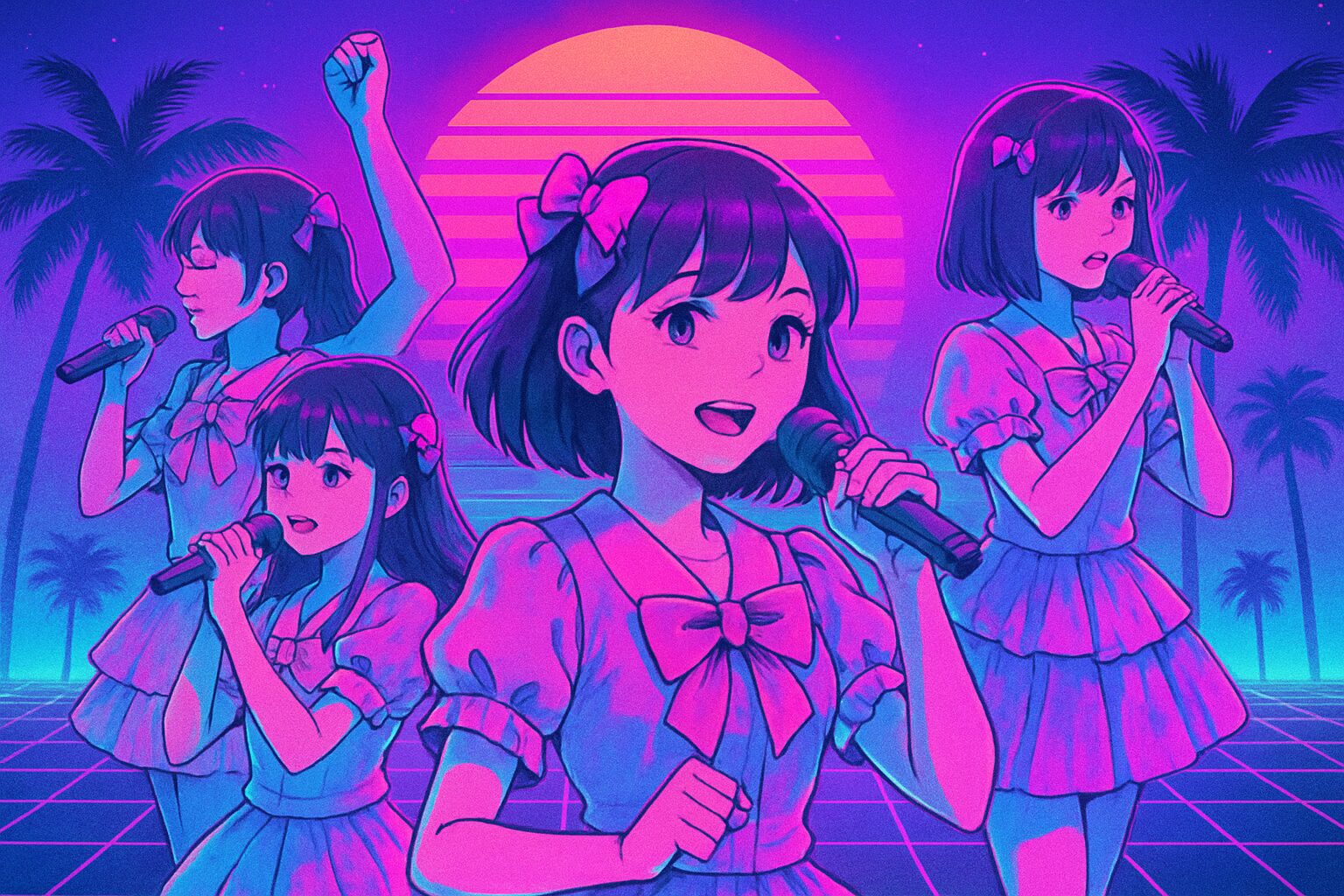
Yo, let’s get real for a sec. When you think of Japan, what pops into your head? Maybe it’s the neon glow of Tokyo nights, the serene beauty of ancient temples, or the mind-blowing deliciousness of a perfect bowl of ramen. All solid choices. But to truly get the pulse of modern Japan, you gotta tune into its soundtrack. And for a solid thirty years, from 1989 to 2019, that soundtrack was dominated by the explosive, vibrant, and utterly captivating world of Heisei-era J-Pop idols. This wasn’t just music; it was a cultural phenomenon, a full-blown movement that shaped television, fashion, and the very definition of entertainment. The Heisei era was the crucible where the modern idol was forged—a high-energy, multi-talented performer whose true weapon was the power of the group, expressed through razor-sharp, perfectly synchronized dance moves that could mesmerize millions. It was an age of epic CD sales battles, televised auditions that had the whole nation hooked, and the birth of groups that became more than just stars; they became family, friends, and icons for a generation. They were the glittering heart of an era of change, pumping out optimism and pure, unadulterated bangers. To understand this vibe, you have to go to the source, the epicenter of where this culture still breathes and evolves. You have to feel the energy of the streets where it all went down. You have to stand in the middle of Shibuya, the undisputed capital of Japanese youth culture, and just let it all wash over you. The giant screens flashing music videos, the shops blasting the latest hits, the sheer human electricity—it’s all here.
This synchronized, hyper-stylized aesthetic found its perfect visual counterpart in the era’s obsession with Purikura photo booths.
The Architects: SMAP and the Birth of the Modern Idol

Before you can even discuss the hyper-synchronized girl groups or the countless dancing boys who later came to define the Heisei era, you must first pay homage to the undeniable kings who set the standard: SMAP. Debuting in 1991, right at the beginning of the era, they represented a paradigm shift. Idols before them were often just singers, limited to music shows and teen magazines. SMAP completely shattered that mold. They were not merely a boy band; they were a cultural institution. They were actors, comedians, chefs, and hosts. They were omnipresent, and their influence was unavoidable.
The Variety Show Revolution: SMAPxSMAP
To fully appreciate the breadth of SMAP’s dominance, you need to understand their legendary weekly TV show, SMAPxSMAP. Airing for over 20 years, it was more than a variety program; it was a cultural landmark. The most iconic segment, “Bistro SMAP,” featured the members dressed as chefs, preparing full-course meals for A-list guests. These guests weren’t just Japanese celebrities; they included global icons like Michael Jackson, Madonna, Tom Hanks, and Lady Gaga. Witnessing these international superstars casually chatting and enjoying food cooked by J-Pop idols was surreal and groundbreaking. It humanized SMAP, making them feel like the charming, funny guys you wished you knew. The show was also a comedy powerhouse, with elaborate parodies and skits highlighting their impeccable comedic timing and readiness to be silly—qualities rarely seen in top idols at the time. This became the blueprint for the “multi-tainer” idol, a model followed by groups from Arashi to the latest K-Pop sensations. SMAP proved that an idol could be cool, talented, and hilarious all at once.
Musical Maturity and Unforgettable Anthems
While their variety talents were legendary, their music should not be overlooked. SMAP’s discography traces a journey through Heisei pop history. They began with catchy, upbeat idol songs but quickly evolved, blending R&B, funk, and soul into their sound. Their music matured alongside them and their fans, delivering some of Japan’s most enduring anthems. “Yozora no Mukou” was the first million-selling single for a Johnny’s group—a melancholic, beautiful track that revealed new emotional depth. Then came “Lion Heart,” a tender ballad that became a popular wedding song nationwide. However, their masterpiece, the song that transcended pop to become a national treasure, is “Sekai ni Hitotsu Dake no Hana” (The One and Only Flower in the World). Its simple yet profound message— that you don’t need to be number one, just be yourself— resonated deeply in a society often focused on conformity. The song was included in school textbooks and became a source of comfort and unity, especially after national disasters. It remains the best-selling single of the 21st century in Japan for good reason. On stage, SMAP exuded effortless cool. They didn’t always rely on intricate, military-precision choreography but emphasized charisma and individual style. Each member’s distinct personality shone through in their performances, creating a sum greater than its parts. Their legendary concerts at iconic venues like the Tokyo Dome were spectacular, yet they always maintained a personal connection with their audience. They paved the way, proving that an idol group could sustain a decades-long career, evolve their craft, and become an unforgettable part of the national identity.
The Formation Queens: Morning Musume and the Idol Warring States Period
If SMAP wrote the playbook for male idols, then Morning Musume (affectionately known as Momusu) penned the bible for Heisei-era female idols. They burst onto the scene in 1997, born from the crucible of a reality TV audition show called ASAYAN. The concept, devised by legendary producer Tsunku♂, was pure dramatic brilliance. He took the five runners-up from a vocalist audition and set a challenge: sell 50,000 copies of their indie single in five days, and they would debut. The nation watched, captivated, as these girls tirelessly promoted their song on the streets. They succeeded, and Morning Musume was born. This origin story, blending an underdog spirit with reality TV drama, instantly forged a strong bond with the public.
The Golden Era and “LOVE Machine”
From 1999 to the early 2000s, Morning Musume experienced their “Golden Era,” a whirlwind period of chart-topping success. The spark was their seventh single, “LOVE Machine.” This song epitomized Heisei J-Pop. It burst with disco-funk energy, featuring an incredibly catchy chorus and lyrics about uplifting Japan’s gloomy economy with love and dance. It was the perfect anthem for a nation in recession—a burst of pure, unfiltered optimism. The music video, showing the girls in vibrant costumes dancing joyfully, became iconic. The single sold over 1.6 million copies and became a cultural touchstone, played at school festivals, company events, and sports games. Following this came a series of huge hits like the energetic “Ren’ai Revolution 21” and the quirky feel-good anthem “The Peace!” Morning Musume became a social phenomenon, their images adorning everything from snacks to stationery.
The Revolutionary Graduation System
What truly distinguished Morning Musume and guaranteed their longevity was their groundbreaking “graduation and addition” system. Unlike traditional groups with fixed lineups, Momusu was designed to be in a constant state of evolution. Members would “graduate” to pursue solo careers or other paths, while new members, selected through nationwide auditions, would be added as new “generations.” This system was ingenious for several reasons. It kept the group’s sound and image fresh and ever-changing. It created ongoing drama and excitement, as fans eagerly followed auditions and speculated about the next star. It also built an incredible legacy—a sisterhood of over 40 members spanning more than 25 years. Fans could track a girl’s journey from tearful audition to emotional graduation concert, fostering a level of investment and loyalty rare in pop music. This system set the standard for many idol groups that followed, most notably AKB48.
The Birth of Formation Dance
Now, let’s turn to the heart of the Heisei vibe: the dance. Morning Musume are the godmothers of what’s now called “formation dance.” Their choreography went beyond individual members doing the same steps—it involved using the entire group as a single, dynamic unit. They crafted intricate patterns, shifting lines, and complex geometric shapes on stage. At one moment they’d form a perfect V-formation; the next, they’d split into smaller units before coming together in a pulsing circle. Watching a Morning Musume performance is a masterclass in precision, speed, and endurance. Every arm angle is identical, every step perfectly timed, every transition seamless. This was more than dancing; it was athletic artistry. Songs from their later years, like “One Two Three” or “The Matenrou Show,” showcase breathtakingly complex routines that would leave most people gasping for breath. Their commitment to high-level, synchronized performance raised the bar for all female idol groups and became a defining trait of the genre. They proved that cuteness and charisma could be matched with extraordinary technical skill and discipline.
The Princes of Relatability: Arashi and the Peak of Heisei Idol Culture
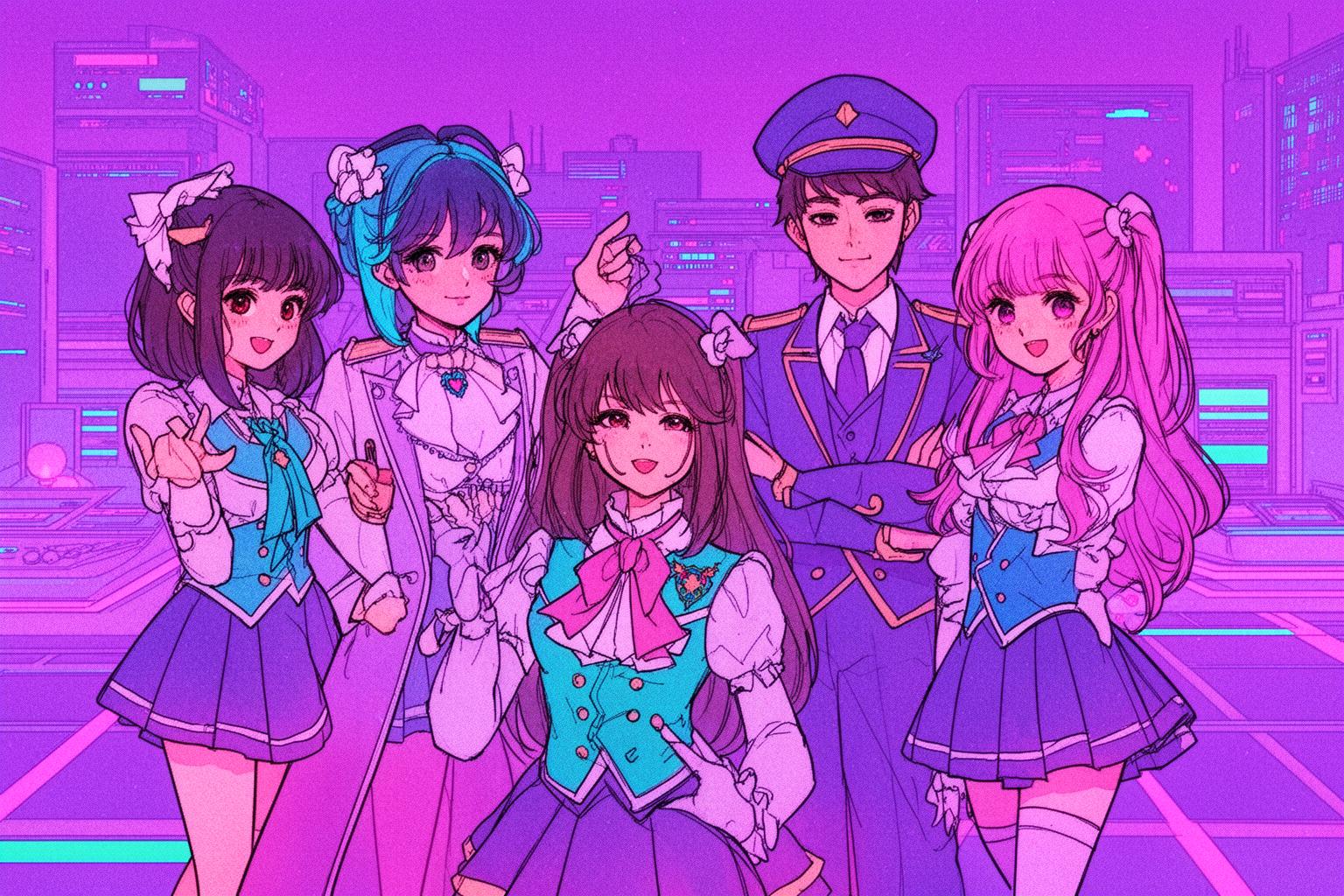
As the Heisei era entered its latter half, a new group emerged from the foundation laid by SMAP, poised to claim the spotlight. That group was Arashi. Debuting in 1999, they were initially regarded as just another Johnny’s act, but they would soon become arguably the most beloved and successful idol group of their generation, earning the title “National Idols” without dispute. Their secret to success wasn’t edgy coolness or revolutionary musical innovation—it was something far more powerful: genuine, tangible friendship and an extraordinary sense of relatability.
From See-Through Suits to Superstardom
Arashi’s debut was famously a bit quirky. They were introduced to the world on a cruise ship off the coast of Hawaii, wearing see-through plastic raincoats over shorts. Though the members still laugh about it, this moment hinted at the unpretentiousness that would become their signature. Their early years were marked by a gradual ascent, not an instant breakthrough. Their big moment arrived in 2005 when Jun Matsumoto starred in the hugely popular drama Hana Yori Dango. Arashi performed the theme song, “Wish,” followed by “Love so sweet.” The drama was a massive hit across Asia, launching Arashi into the stratosphere. Suddenly, everyone knew their names, and their music became the soundtrack of a generation’s romantic dreams.
The Power of Friendship and Variety TV
While SMAP’s variety show image centered on being smooth hosts capable of mingling with international celebrities, Arashi’s appeal was based on five best friends having fun together. Their prime-time shows, such as VS Arashi and Arashi ni Shiyagare, became must-watch TV in Japan. VS Arashi featured them competing in quirky physical challenges against teams of celebrity guests. The entertainment wasn’t about winning or losing but enjoying their interactions—teasing, collaborating, and celebrating with genuine warmth. Their trademark “nakayoshi” (close friendship) spirit became their brand. Fans felt included in this inner circle. Their authenticity was their greatest strength; they weren’t remote, untouchable stars, but five humorous, talented guys you felt you could truly hang out with. This strong connection made them feel like part of the family in homes throughout Japan.
The Concert Experience: A Universe of Light
To fully grasp the Arashi phenomenon, one had to attend their concerts. They excelled at transforming massive venues like Tokyo Dome or the National Stadium into immersive, intimate spaces. They pioneered technologies such as the “Johnny’s Moving Stage,” a transparent platform that floated above the audience, bringing the group incredibly close to their fans. Their most iconic innovation, however, was the synchronized penlight system. Each fan received a centrally controlled penlight upon entry, and during the show, the stadium would glow with intricate patterns, shifting colors, and even messages timed perfectly to the music. The visual impact was stunning. The audience wasn’t just watching a performance; they were part of a breathtaking spectacle, creating a sea of light synchronized with the music. This emotional experience powerfully symbolized the bond between Arashi and their fans. Their music—a steady stream of upbeat, positive J-Pop with clean, sharp choreography—served as the perfect backdrop for these joyous, large-scale celebrations.
The Social Experiment: AKB48 and the Idol You Can Meet
Just when it seemed the Heisei idol formula was firmly established, producer Akimoto Yasushi arrived in 2005 and completely shook up the entire foundation. He formed a group that not only dominated the charts but also fundamentally transformed the relationship between idols and their fans. That group was AKB48, whose core concept was sheer brilliance: “idols you can meet.”
The Akihabara Theater: The Dream’s Starting Point
Forget huge stadiums and prime-time TV shows. AKB48 began in a modest, 250-seat theater on the 8th floor of a Don Quijote discount store in the otaku haven of Akihabara, Tokyo. The idea was for them to perform there almost daily. Fans could come and watch them up close, as they refined their skills. They could witness the girls sweat, make errors, and improve over time. This fostered an unprecedented level of intimacy. These weren’t polished stars broadcast through a screen; they were hardworking girls chasing a dream, right before your eyes. Visiting the AKB48 theater in Akiba became a pilgrimage for fans. The sensation of being in that small, intense venue, surrounded by devoted fans performing synchronized chants (wotagei), is a distinctive and essential part of the modern idol experience.
The General Election and Handshake Events: A Fandom Revolution
Akimoto Yasushi introduced two systems that revolutionized the music industry. The first was the “Senbatsu Sousenkyo,” or General Election. The lineup for AKB48’s next major single wasn’t chosen by producers but by the fans. Each CD included a voting ticket. The more CDs you purchased, the more votes you gained for your favorite member (oshimen). The election became a massive, nationally televised spectacle, blending the drama of a political election with that of a beauty pageant. The girls’ tearful, emotional speeches upon ranking became legendary. This system created a powerful sense of involvement and competition, turning fans into active participants in their idol’s career.
The second innovation was the handshake event. Buying a CD didn’t just get you a disc; it gave you a ticket to a large-scale event where you could meet the idols and shake their hand for a few seconds. This dismantled the final barrier between fan and star. The idols, once distant figures, were now people you could meet, talk to, and encourage. This model was so successful that AKB48 turned into a sales powerhouse, regularly selling millions of copies of a single during an era of declining CD sales. The concept was replicated across Japan with sister groups like SKE48 in Nagoya, NMB48 in Osaka, and HKT48 in Fukuoka, and even expanded throughout Asia, creating a massive idol empire known as the 48 Group.
The Spectacle of Numbers
Musically, AKB48’s hits like “Heavy Rotation,” “Koisuru Fortune Cookie,” and “Flying Get” offer pure, infectious pop joy. Their dance style focuses less on the intricate technicality of groups like Morning Musume and more on the overwhelming power of large numbers. With dozens of girls on stage simultaneously, their performances are vibrant, colorful spectacles. The choreography is designed to be catchy and easy for fans to mimic, further deepening the connection. The sight of the entire group moving as one massive, smiling entity is a unique, high-energy performance. It’s not about individual virtuosity but the collective spirit—a visual representation of a dream shared by hundreds of members and millions of fans. They democratized the idol world, proving that with the right concept, anyone could become a star, and any fan could have a role in making it happen.
Experiencing the Heisei Vibe Today: A Traveler’s Guide to Idol Culture

The Heisei era may have ended, but its spirit remains vibrant on the streets of Tokyo. For any traveler eager to immerse themselves in this lively subculture, the city offers a playground of sights and sounds. The foundation laid by these legendary groups continues to define what it means to be an idol in Japan, and you can experience their legacy up close.
The Holy Lands: Where to Go
Your first destination should be Akihabara, the epicenter of otaku and idol culture. Begin with a visit to the Don Quijote building, home to the AKB48 Theater. Even if you don’t catch a performance, just being there allows you to feel the history. The streets are filled with shops like Mandarake and Trio, multi-story treasure troves of idol merchandise, ranging from CDs and photobooks to rare trading cards (photokards) and light sticks (penlights). Promotional trucks blast the latest idol hits while fans trade photos on the sidewalks, creating a fully immersive sensory experience.
Next, head to Shibuya, the trendsetting hotspot. Stand in the middle of the famous Scramble Crossing and glance up at the giant video screens—chances are you’ll see a J-Pop music video playing. Visit the iconic Shibuya 109 building, a bastion of youth fashion heavily influenced by idol styles. The real gem here for music fans is Tower Records. Its Shibuya flagship store is a nine-story giant, and the J-Pop floor is a sanctuary of music, with extensive new release displays, in-store events, and an incredible selection. You can easily spend hours soaking it all in.
For a slightly different vibe, explore Harajuku. Stroll down Takeshita Street, the bustling heart of kawaii culture. Here, you’ll find unofficial idol photo shops selling candid shots and portraits of all your favorite stars, an essential part of the fan experience.
How to Engage: Concerts, Karaoke, and Merch
Attending a concert is the ultimate idol experience. Tickets can be hard to get, often requiring fan club membership and a lottery, but it’s well worth the effort. The energy inside venues like the Tokyo Dome or Yokohama Arena is electric. Before going, learn the etiquette: fans bring uchiwa (decorative fans) emblazoned with their favorite member’s name, carry penlights in the member’s designated color, and know the fan chants or wotagei—call-and-response cheers during the songs. Joining thousands of fans in these chants creates a powerful sense of unity and is a major part of the excitement.
If you can’t make it to a concert, the next best option is karaoke. Karaoke in Japan is a serious affair, with idol songs being a staple. Gather a group of friends, rent a private room at chains like Big Echo or Karaokekan, and sing your heart out. The machines play official music videos, so you can even try to mimic the dance moves. It’s a perfect way to spend an evening and a key aspect of Japanese social life.
Finally, dive into the world of merchandise. During the Heisei era, CD sales were everything, and that legacy continues. CDs often come in multiple versions, each including different DVDs or photobooks. They might contain random trading cards or tickets to handshake events. Collecting these “goods” is a huge part of the hobby—a tangible way to support your favorite group and own a piece of their history.
The Enduring Beat of an Unforgettable Era
The idols of the Heisei era were more than mere entertainers. They served as companions, role models, and the vibrant, pulsating core of their time. SMAP showed Japan that idols could be cool, humorous, and respected adults. Morning Musume demonstrated the power of discipline and evolution, leaving a legacy of athletic, high-formation dance. Arashi won the nation’s heart with the simple strength of friendship and positivity. Meanwhile, AKB48 broke down the barrier between stars and their audience, creating a new, interactive entertainment experience. Together, they shaped a cultural narrative that was lively, hopeful, and distinctly Japanese. Their influence resonates in every new group that takes the stage today, in every perfectly synchronized dance routine, and in every fan chant that fills a stadium. So, the next time you’re in Japan, put on your headphones and listen. Hear the frantic energy of an early Momusu track, the smooth cool of a SMAP ballad, the pure joy of an Arashi pop song, or the irresistibly catchy chorus of an AKB48 anthem. Within those beats and rhythms, you’ll find the story of an era—a story that will make you want to dance, a vibe still throbbing in the heart of Tokyo, waiting for you to discover it.