Yo, let’s spill the tea on a place that’s gonna reboot your entire system. Forget the neon chaos of Tokyo for a sec and picture this: a constellation of sleepy islands floating in Japan’s calmest sea, where world-class contemporary art doesn’t just hang on a wall—it lives and breathes with the landscape, the architecture, and the very soul of the community. This isn’t some stuffy gallery crawl. This is the Setouchi Art Islands, a full-on creative pilgrimage that’s been blowing minds for decades. We’re talking about a place where you can go from meditating in a concrete sanctuary designed by a starchitect to sipping soy sauce-flavored cider in a 400-year-old brewery town. It’s a place where art literally saved a region from fading away, turning depopulating islands into a global beacon of creativity and hope. This journey is more than just getting fire content for your feed; it’s about connecting with the spirit of ‘making’—the insane craftsmanship of the artists, the quiet dignity of the local producers, and the enduring power of human creativity to transform, well, everything. It’s a whole vibe, and honestly, if you’re looking for a trip that’s gonna stick with you long after you’ve left, this is it. Get ready to slow down, breathe in that salty air, and let the art work its magic. It’s a trip that’s less about a destination and more about a feeling—a deep, resonant hum of inspiration that rewires your brain in the best way possible.
For a different kind of artistic pilgrimage that connects deeply with nature, consider exploring the ancient forests of Yakushima.
The Setouchi Vibe: What’s the Tea?
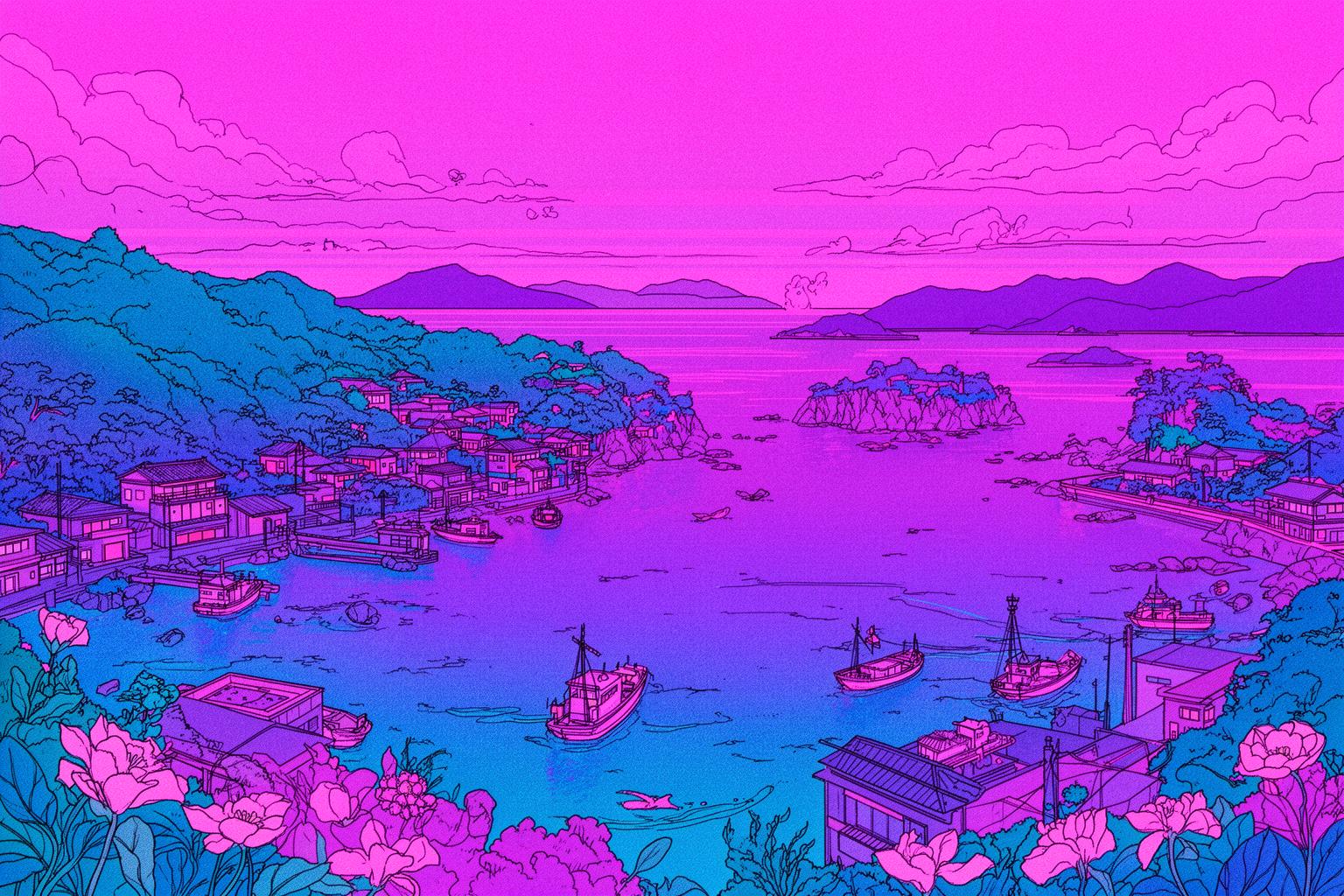
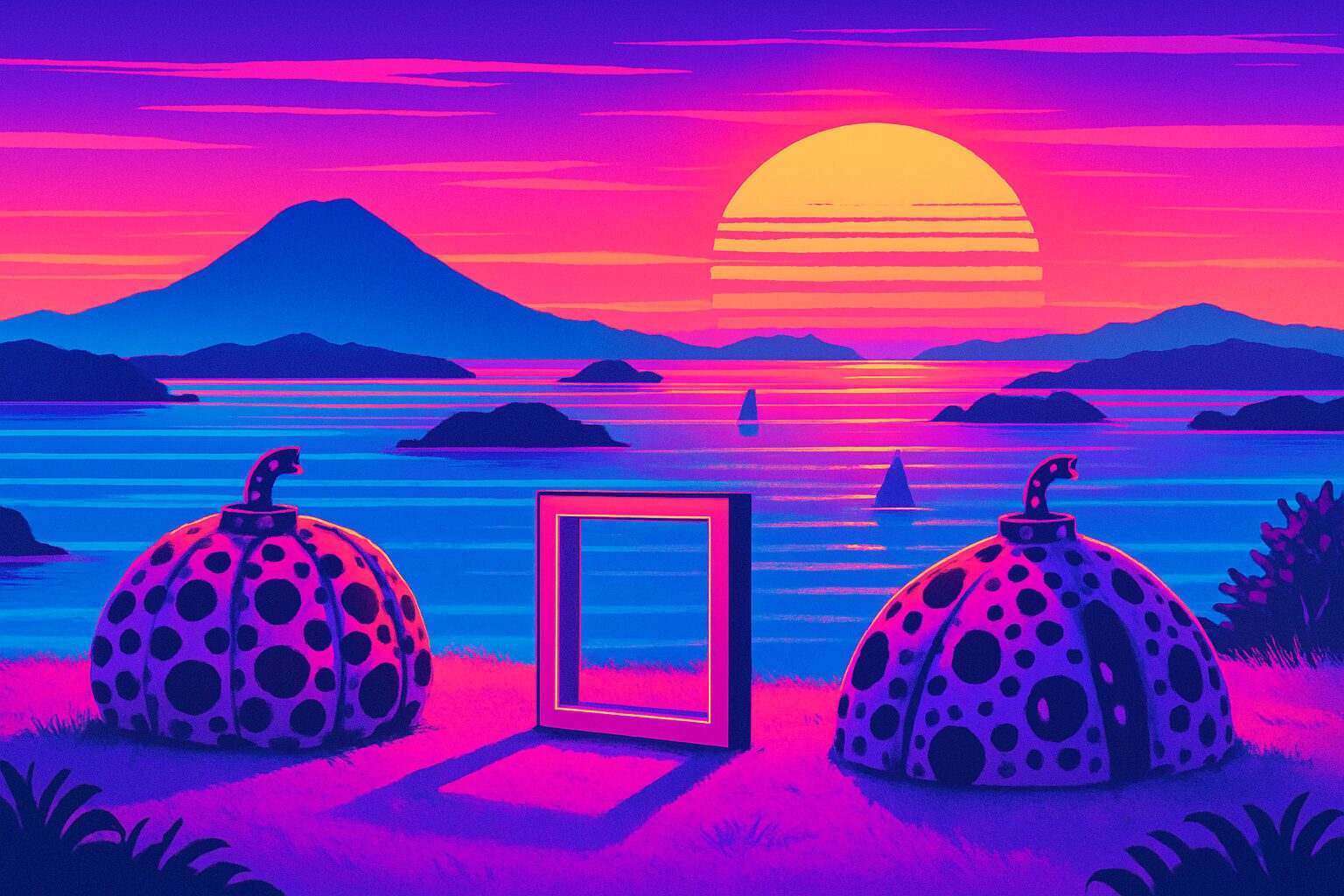
The entire Setouchi experience is founded on this stunning, almost dreamlike contrast. On one side, you have the timeless beauty of the Seto Inland Sea, or ‘Setonaikai.’ Picture misty mornings where islands resemble ink paintings, sparkling blue waters scattered with fishing boats, and tiny, sunlit villages where elderly residents tend their gardens. Life here moves at a deliciously, unapologetically slow pace. You can hear the summer cicadas, the waves gently lapping the shore, and little else. It feels ancient and profoundly peaceful, showcasing a Japan far removed from the urban hustle. Yet within this tranquil setting, bursts of avant-garde creativity emerge. You might turn a corner in a quiet village and encounter a giant, polka-dotted pumpkin. You might step inside what appears to be a traditional wooden house and find yourself immersed in a dazzling digital art installation. Or enter a massive concrete structure carved into a hillside, where a single water droplet transforms into a universe. This contrast is at the heart of Setouchi’s magic: the dialogue between old and new, nature and human creation, silence and expression. The very atmosphere here feels different—infused with a subtle, creative energy. While the region erupts spectacularly every three years during the Setouchi Triennale, an international art festival attracting visitors worldwide, there is a unique magic in visiting during the quieter ‘off’ years. It’s more intimate, offering space and time to truly connect with the art and islands on a deeper level. It’s less a festival and more a private conversation, a feeling that’s truly priceless.
Naoshima: The OG Art Island That Started It All
If the Setouchi Art Islands were a band, Naoshima would be the legendary lead singer. This is where the entire ambitious project began in the late ’80s, thanks to the vision of the Benesse Corporation. The concept was revolutionary: to transform an island struggling with industrial decline into a world-class art destination. And wow, did they succeed. Naoshima has become a global icon, essential for any art or architecture enthusiast, yet it still retains its charming small-island feel. It’s the perfect gateway to the Setouchi world, offering a concentrated experience of everything that makes this region so unique.
The Iconic Polka-Dot Queen: Yayoi Kusama’s Pumpkins
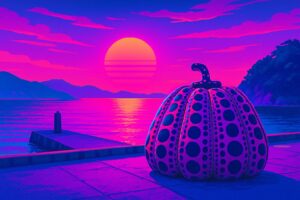
You can’t mention Naoshima without bringing up the pumpkins. They’ve become the island’s unofficial mascots and symbols of its artistic revival. First, there’s the ‘Red Pumpkin’ at Miyanoura Port, greeting you as you step off the ferry. It’s enormous, hollow, and covered with those signature black dots, and you can actually go inside it. It’s playful and instantly recognizable. But the real star, the one that has graced countless magazine covers, is the ‘Yellow Pumpkin’ situated at the end of a small pier near the Benesse House Museum. Seriously, seeing it in person is unforgettable. Set against the blue sea and green coastline, this solitary, surreal piece feels both out of place and perfectly at home. It’s more than a photo opportunity; it’s a statement of purpose. It immediately tells you that this island plays by its own rules. It’s a reminder from the incredible Yayoi Kusama that art can be powerful, joyful, and accessible all at once. This pop art icon has become a pilgrimage site, a bright yellow beacon of creativity.
Worshipping at the Altar of Concrete: Tadao Ando’s Architecture
While Kusama might be the face of Naoshima, architect Tadao Ando is its soul. His signature style—smooth, exposed concrete, masterful use of natural light, and deep respect for nature—defines the island’s major art venues. His buildings aren’t just containers for art; they are artworks themselves. Visiting them is like a religious experience for design lovers. The undisputed masterpiece is the Chichu Art Museum. The name means ‘in the earth,’ as much of the building is buried underground to preserve the natural scenery. This isn’t a place you can just drop into—you book your ticket weeks, sometimes months, ahead for a specific entry time. From the start of your walk through the impeccably manicured gardens to the entrance, you’re being primed for what lies within. Ando guides you through stark concrete corridors that open into breathtaking spaces. The climax is a vast, all-white room housing five of Claude Monet’s ‘Water Lilies’ paintings. Bathed solely in natural, diffused light from above, the paintings take on a heavenly quality unlike anything you’ve seen before. It’s so quiet you can hear your own heartbeat. Then there’s Walter De Maria’s installation—a massive granite sphere on a grand staircase, surrounded by gold-leafed wooden sculptures, all illuminated by the shifting natural light. And James Turrell’s light installations play with your perception of space and reality in the most mesmerizing way. It’s a masterclass in creating atmosphere. Further down the coast is the Benesse House Museum, Ando’s first project on the island. It’s a stunning blend of museum and luxury hotel. Imagine waking up to works by Warhol, Basquiat, and Sugimoto just steps from your room. Staying here is the ultimate indulgence, letting you explore the galleries after hours in total tranquility. For those seeking a deeper understanding of Ando’s genius, the Ando Museum in the Honmura district is a hidden gem. Situated inside a 100-year-old traditional house, Ando inserted a concrete box, creating a mind-bending dialogue between past and present, wood and concrete. It’s a tribute to the art of architecture.
Honmura’s Art House Project: Where Life is Art
This is where Naoshima’s creative spirit feels most vibrant and intertwined with the local community. The Art House Project transforms empty, abandoned houses in the old fishing village of Honmura into permanent art installations. You purchase a combo ticket and wander through narrow, winding streets, ‘house-hopping’ from one incredible experience to the next. Each house is a collaboration between an artist and the essence of the original building. The one you absolutely must see is Minamidera. From the outside, it appears as a simple, dark-wood building designed by Tadao Ando. Inside, it’s a pitch-black void housing a James Turrell light piece called ‘Backside of the Moon.’ You are guided into complete darkness and must feel your way to a bench. For the first few minutes, you see nothing. Absolutely nothing. Your eyes strain, and your mind races. Then, slowly, very slowly, a faint, deep blue rectangle begins to emerge from the darkness. It’s a profound, meditative experience that plays with your senses and forces you to be fully present. Then there’s Kadoya, the first house in the project, featuring Tatsuo Miyajima’s ‘Sea of Time ’98.’ Inside a 200-year-old house, a pool of water contains blinking LED counters, each set to a different rhythm by local villagers. It’s a beautiful, poignant reflection on life, time, and community. Exploring the Art House Project is a lesson in revitalization, demonstrating how art can breathe new life into forgotten spaces and create a living museum woven into the very fabric of a town.
Teshima: Whispers of Water and Wind
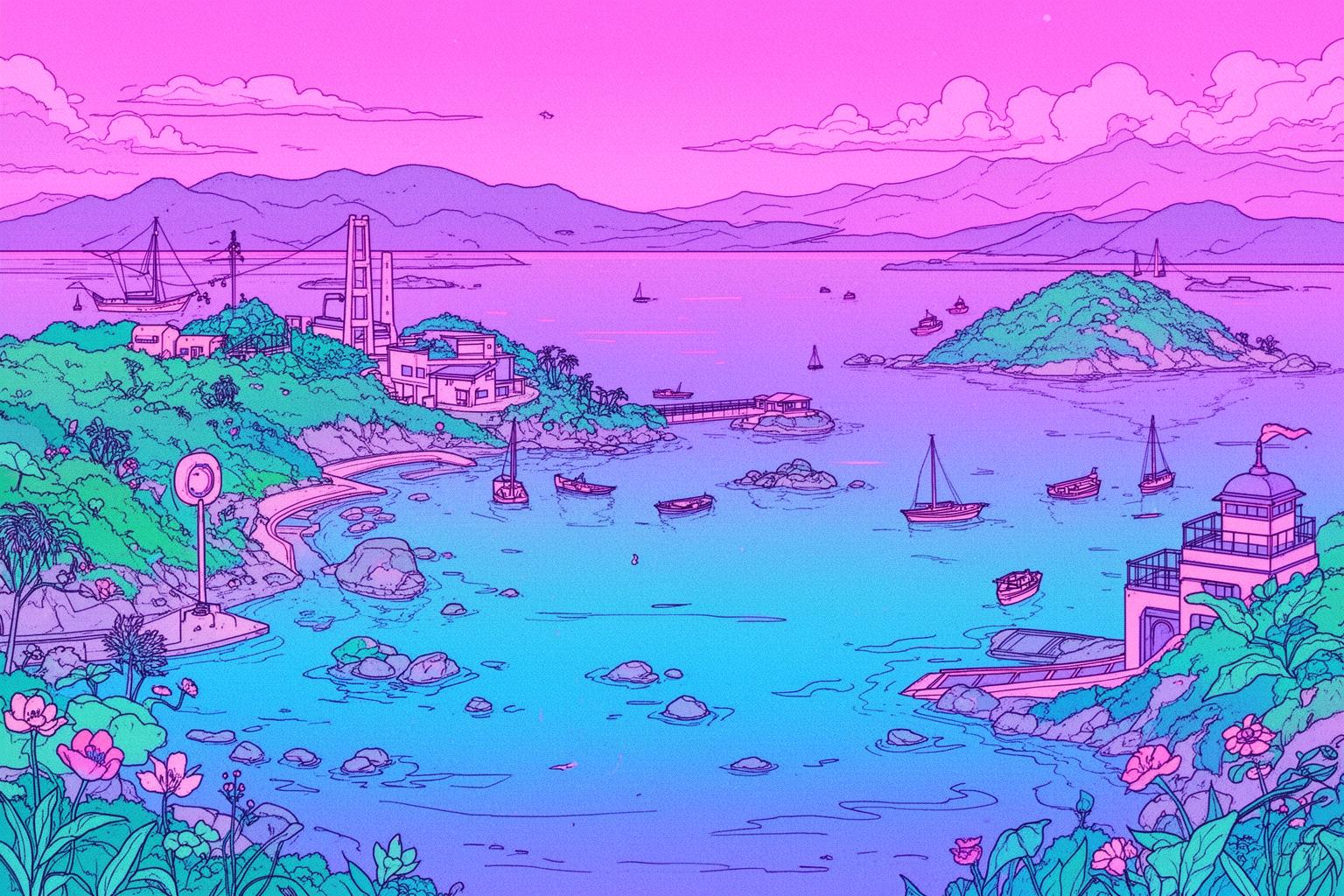
If Naoshima is the bold, iconic headline act, Teshima is the soulful, experimental artist that quietly steals the spotlight. It’s a larger, more rural island with breathtaking terraced rice paddies cascading down to the sea. The atmosphere here is softer, more natural, and deeply attuned to the elements. Exploring by e-bike is the way to go, cruising up and down the hills with the wind in your hair, feeling as though you have the entire island to yourself. Teshima’s art is less about grand declarations and more about subtle, profound experiences that tune you into nature’s rhythms.
The Teshima Art Museum: Seriously, It Will Transform You
Let’s be clear: this isn’t a museum. Not in any conventional sense. There are no paintings, sculptures, or labels on the walls. The Teshima Art Museum is a unique, breathtaking work of art, created through a collaboration between artist Rei Naito and architect Ryue Nishizawa. From afar, it resembles a giant water droplet resting on the green hillside overlooking the sea. You remove your shoes and step inside the main space—a vast, seamless, white concrete shell with two large elliptical openings to the sky. And that’s it. For a moment, you wonder what you’re meant to be observing. Then you notice it: tiny pinpricks of water seeping up from nearly invisible holes in the floor. They tremble, grow, and glide across the gently sloping surface, sometimes joining other droplets to form larger pools, sometimes disappearing into other minuscule holes. The only sounds are the whispering wind, birds chirping outside, and the quiet breaths of fellow visitors. You can sit, wander, or lie flat on the cool concrete floor and simply watch the sky through the open roof. It is, without exaggeration, one of the most serene and moving art experiences you’ll find anywhere in the world. This space heightens your senses and connects you directly to the elements—the water rising from the earth, the light and air from above. It represents minimalism taken to its most sublime form. Visitors spend hours here, and many leave in tears. It’s a place of pure magic, a meditative masterpiece that will remain etched in your memory forever.
More Than a Museum: Teshima’s Spirit
While the Art Museum is the main attraction, Teshima’s spirit stretches far beyond it. Near a quiet beach, you’ll find Christian Boltanski’s ‘Les Archives du Cœur’ (The Heart Archives). Inside a dark, weathered building, you can listen to a library of thousands of human heartbeats recorded from people across the globe. A single bare lightbulb flashes in sync with the beating rhythm. It’s haunting, powerful, and profoundly human. You can even record your own heartbeat to add to the collection, a small act of immortality. Here, memory and connection are the medium. For a different kind of craft, visit Shima Kitchen. It’s not just a restaurant; it’s a community project. Set in a beautifully restored old house, it’s operated by the island’s local ‘obaa-chans’ (grandmothers), who serve delicious, wholesome meals made with fresh, local ingredients. Dining here feels like being welcomed into someone’s home, a heartwarming expression of the island’s community spirit. Cycling between these spots, past fields of olives and lemons with panoramic sea views at every turn, is an essential part of the Teshima experience. This island invites you to slow down and simply be.
Inujima: Industrial Scars Turned into Beauty
Inujima is the smallest of the main art islands, and you can easily explore it on foot in just a couple of hours. But don’t be deceived by its size; it delivers a profound impact. Its name means “Dog Island,” and it boasts a compelling, gritty history. Once the site of a massive copper refinery that flourished and then collapsed within a decade, it now harbors hauntingly beautiful industrial ruins. The art on Inujima reflects this history—the craft of reclamation and the interplay between nature, industry, and art.
The Seirensho Art Museum: Rising from the Ashes
The island’s prime attraction is the Inujima Seirensho Art Museum, a project that is nothing short of brilliant. Rather than demolishing the old refinery, artist Yukinori Yanagi and architect Hiroshi Sambuichi transformed it. They retained the decaying brick factory buildings and towering chimneys, repurposing them into a stunning museum that critiques Japan’s rapid, often destructive modernization. The museum is designed with environmental sustainability in mind, utilizing solar, geothermal, and other natural energy sources. Yanagi’s artwork serves as a powerful commentary, employing the figure of the nationalist author Yukio Mishima to explore themes of patriotism and progress. Visitors walk through dark, maze-like corridors made from the original factory materials, encountering fragmented reflections of themselves alongside Mishima’s former home. It is a challenging, thought-provoking experience deeply connected to its surroundings, turning an industrial scar into a site of profound beauty and reflection—a masterpiece of architectural and artistic reclamation.
Inujima Art House Project: Strolling Through Creativity
Similar to Naoshima, Inujima hosts an Art House Project, albeit on a far more intimate scale. Five galleries are scattered across the small, tranquil village. Whimsical and surprising, these spaces were created by artist Yusuke Asai using local materials and designed by architect Kazuyo Sejima. As you wander from one gallery to another, your path takes you past the gardens and homes of the island’s few elderly residents. The art here feels deeply personal—a collection of creative treasures woven into the everyday life of the island. The entirety of the Inujima experience—from the powerful statement of the Seirensho Museum to the quiet allure of the Art House Project—is a moving tribute to the ability of art to honor the past while shaping a new future.
Shodoshima: The Island of Olives and Soy Sauce
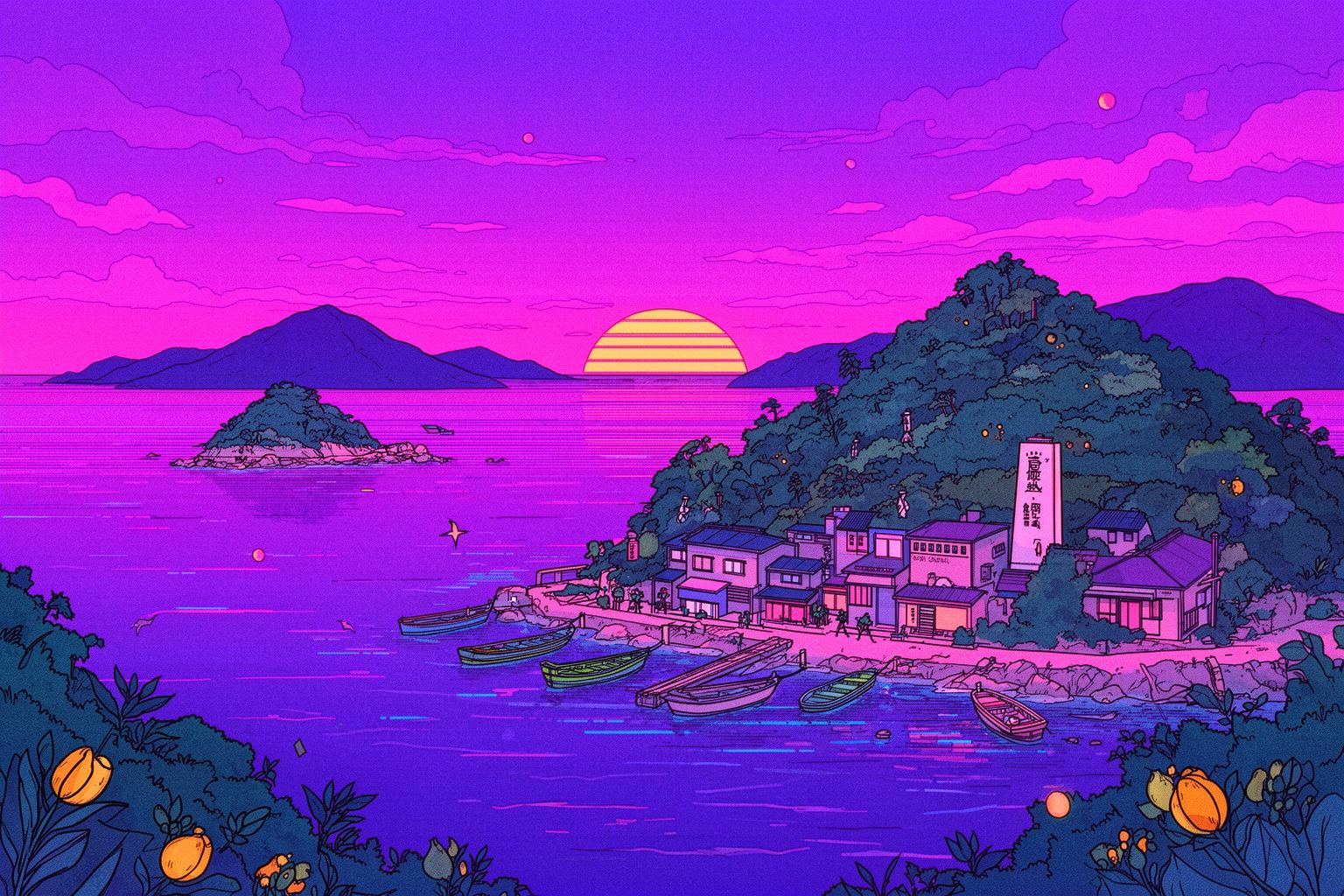
Welcome to the big one. Shodoshima is the largest island in the region and offers a completely different vibe. While it features its share of art installations, especially during the Triennale, its main focus is on deep-rooted, traditional craftsmanship. This island is at the heart of our maker’s pilgrimage, where you can taste, smell, and see centuries of artisanal heritage. It’s renowned for two things that might seem unexpected for Japan: olives and soy sauce. The best way to explore its varied landscapes—from dramatic gorges to sandy beaches—is by renting a car or taking the local bus.
A Taste of Tradition: The Craft of Soy Sauce
Hishio no Sato, or Soy Sauce Village, is an essential stop. This area hosts several breweries, some of which have been producing soy sauce using the same methods for over 400 years. The air here is rich with the deep, savory aroma of fermented shoyu. The perfect place to begin is the Marukin Soy Sauce Historical Museum, housed in a beautifully preserved old factory, offering a fascinating insight into the traditional process. Unlike mass production, this is all about craftsmanship. You’ll see giant wooden barrels called kioke, where the soy sauce mash ferments for one to two years. These barrels are living entities, home to generations of microorganisms that give each brewery’s sauce its distinct, complex flavor. Crafted by specialized artisans, these barrels are increasingly rare. Learning about the role of koji mold and the patient, hands-on work of the brewers will deepen your appreciation of this everyday condiment. Naturally, you get to taste the fruits of their labor. Many breweries have shops where you can sample various soy sauce varieties. And don’t leave without trying the soy sauce ice cream—it might sound odd, but its salty, caramel-like flavor is unbelievably delicious.
Japan’s Mediterranean Moment: The Olive Groves
Shodoshima was the first place in Japan to successfully cultivate olives over a century ago. The island’s mild, sunny climate is ideal for them, and today, its hills are blanketed with silvery-green olive groves, lending it a distinctly Mediterranean feel. The Shodoshima Olive Park is a fantastic place to dive into this history. You can stroll through the groves, visit a museum dedicated to olive cultivation, and admire a beautiful Greek-style windmill on the hill—a tribute to the island’s sister-city relationship with Milos, Greece. For Studio Ghibli fans, this place is a pilgrimage site, as it famously resembles the setting of ‘Kiki’s Delivery Service,’ and you can even borrow a witch’s broom for the perfect photo opportunity. More importantly, you can learn about the craft of olive oil production, from harvesting to pressing, and taste some of the island’s award-winning oils. The quality is outstanding, making it an ideal, stylish souvenir.
Nature’s Art: Kankakei Gorge and Angel Road
Shodoshima’s natural beauty is a masterpiece in itself. The Kankakei Gorge, one of Japan’s ‘Three Most Beautiful Gorges,’ is awe-inspiring. You can take a ropeway up the mountain, and the views of the gorge’s dramatic rock formations and the Seto Inland Sea beyond are truly spectacular. It’s especially breathtaking in autumn, when the leaves blaze with fiery reds and oranges. Then there’s Angel Road, a magical spot on the island’s west coast. This 500-meter-long sandbar connects the mainland to three small islands, but it only emerges twice a day at low tide. Crossing this fleeting path with your partner is said to make your wishes come true. It’s a romantic, beautiful experience that reminds you of the powerful, quiet rhythms of nature.
Ogijima & Megijima: The Charming Outliers
Just a short ferry ride from Takamatsu Port lie two smaller, charming islands ideal for a day trip. They provide a more rustic, low-key art experience.
Ogijima: Labyrinth of Cats and Art
Ogijima is immediately recognizable from the ferry by its striking visitor center, ‘Ogijima’s Soul,’ created by Spanish artist Jaume Plensa. The beautiful white latticed-letter structure shelters a space for both the community and visitors. The village itself is a tightly packed maze of old houses ascending a steep hillside. Getting lost in its narrow, winding alleys adds to the enjoyment. The island is also known for its large population of friendly cats, who bask in the sun and welcome visitors. Art installations from past Triennales are sprinkled throughout the village, often in unexpected spots, turning a simple stroll into a treasure hunt.
Megijima: The Ogre’s Fortress
Megijima is famously known in Japanese folklore as Onigashima, or ‘Ogre Island,’ the legendary home of the ogres from the Momotaro (Peach Boy) fairy tale. The main attraction is a huge man-made cave atop the island’s highest peak, believed to have been the ogres’ former dwelling. It’s a quirky and entertaining site to explore. The island also boasts some lovely beaches and additional art installations, including a series of gull-shaped wind vanes along the breakwater that form a kinetic sculpture moving with the sea breeze. It’s a playful and relaxed addition to your Setouchi itinerary.
Your Setouchi Game Plan: The Practical Tea
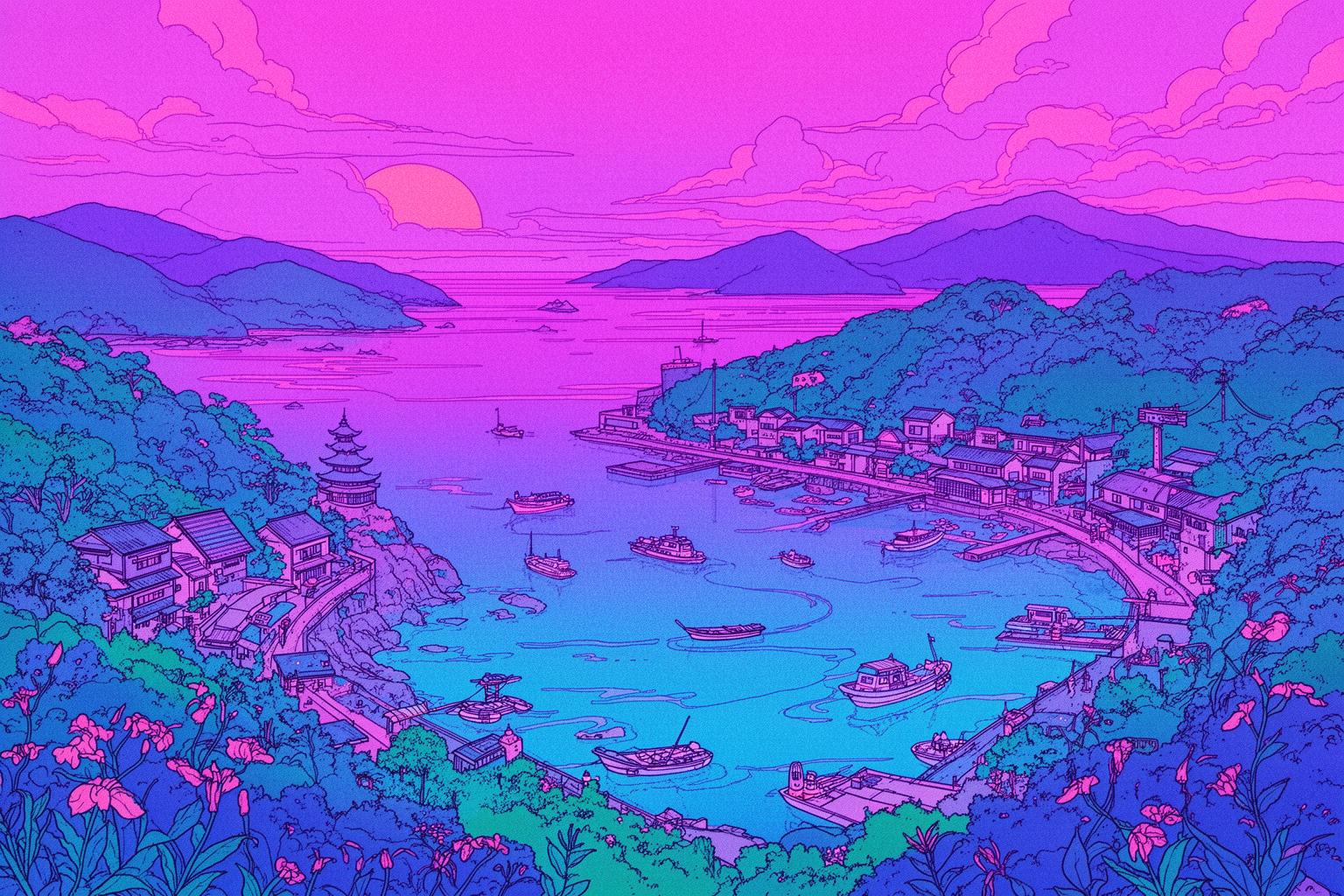
Alright, so you’re convinced. But let’s be honest, island hopping in a foreign country can feel daunting. The logistics of the Setouchi islands require some planning, but trust me, it’s completely doable and well worth the effort. Here’s the insider scoop on how to navigate it like a pro.
Getting There: The Main Gateways
Your trip will most likely begin at one of two main hubs on the mainland: Takamatsu in Kagawa Prefecture (on Shikoku island) or Uno in Okayama Prefecture (on Japan’s main island, Honshu). Both are well connected. You can fly directly into Takamatsu Airport (TAK) or Okayama Airport (OKJ). Alternatively, and my personal favorite way to travel in Japan, is by Shinkansen (bullet train). You can zip to Okayama Station from major cities like Tokyo, Kyoto, or Osaka in just a few hours. From Okayama Station, it’s a short local train ride to Uno Port. From Takamatsu Airport, a convenient bus will take you straight to Takamatsu Port. Takamatsu is a larger city with more amenities, while Uno is a small, quiet port town. Your choice of base depends on which islands you want to focus on.
Island Hopping 101: Mastering the Ferries
Ferries are your lifeline in Setouchi. They’re part of the experience itself—standing on deck with the wind in your hair as you approach a new island is a memory in the making. There are two main types: slower, larger car ferries and smaller, faster passenger boats. The slow ferries are cheaper, offer great views, and are super relaxed. The high-speed boats get you there faster but cost a bit more. The most crucial rule of Setouchi travel is this: CHECK THE FERRY TIMETABLE. I can’t stress this enough. Timetables vary by season and day of the week. Some routes run very infrequently. Missing the last ferry back is a serious downer. Use apps like Japan Transit Planner or Google Maps for a general idea, but always double-check with the official ferry company websites (like Shikoku Kisen). Take a screenshot of the day’s schedule before heading out. During the Setouchi Triennale, special multi-day ferry passes are available, which can offer great value if you’re hopping a lot. Outside the festival period, you’ll buy tickets individually at the port before boarding. It’s pretty straightforward.
Island Mobility: Bikes, Buses, and Your Own Two Feet
Once on the islands, an electric-assist bicycle will be your best friend. For Naoshima and Teshima, which have some steep hills, renting an e-bike is a must. It gives you the freedom to explore at your own pace and discover hidden spots. Pro tip: book your bike online in advance, especially in busy seasons, as they can sell out. Most rental shops are near the main ports. Most islands also have local bus services. These are great for reaching main sights but are often infrequent. Grab a bus timetable when you arrive and plan your art visits accordingly. In compact villages like Honmura (Naoshima) or on tiny islands like Inujima and Ogijima, your own two feet are all you need. Walking is the best way to soak in the atmosphere and find all the little details.
Where to Crash: From Art Hotels to Local Minshuku
Accommodation in Setouchi covers a wide range. For the ultimate luxury experience, you can stay at the Benesse House on Naoshima, but be prepared to book far in advance and pay a premium. There are also plenty of stylish guesthouses and small modern hotels on the main islands, offering a great mix of comfort and local charm. For a more authentic, budget-friendly stay, look for a minshuku. These are Japanese-style family-run inns, similar to B&Bs. You’ll likely sleep on a futon on a tatami mat floor and often can enjoy a delicious home-cooked dinner and breakfast. It’s a wonderful way to experience local hospitality. Whatever your style, booking ahead is absolutely essential. These are small islands with limited lodging, and places fill up quickly, even off-season.
Ami’s Style & Safety Guide for the Islands
Alright, let’s discuss logistics from a fashion-meets-function standpoint. This trip is active, but you can definitely still look stylish while on the move. It’s all about packing smart.
The Fit Check: What to Bring
First and foremost: footwear. Expect lots of walking and biking, sometimes on steep or uneven terrain. This is not the time for heels or fragile sandals. A pair of fashionable, comfortable sneakers is your top priority. Think cool brands like New Balance, Veja, or Onitsuka Tiger. Comfortable flat sandals such as Birkenstocks are also a great option for more laid-back moments. For clothing, focus on layers. Weather can be unpredictable, and the ferries are often windy. Pack breathable materials like cotton and linen for humid, hot summers. A lightweight, packable jacket (like a chic trench or a minimalist windbreaker) is ideal for the ferry or cooler evenings. A stylish wide-brimmed hat and quality sunglasses are must-haves for sun protection. Lastly, a spacious, comfortable tote bag or a stylish backpack is key for carrying your daily essentials: water bottle, camera, maps, snacks, and a small towel or tenugui.
Low-Key Travel Tips
Here are a few final pointers to keep your trip running smoothly. While credit cards are accepted at most major museums and hotels, cash remains king at smaller shops, local eateries, and ferry ticket counters. Always carry enough yen. The coin lockers at main ferry ports are a lifesaver—you can stash your luggage for the day while exploring an island, giving you the freedom to bike without extra weight. A portable Wi-Fi device or local SIM card is highly recommended so you can check ferry schedules on the go and use Google Maps for island navigation. Although many tourism workers speak some English, knowing a few basic Japanese phrases is helpful. Simple expressions like ‘Arigato gozaimasu’ (thank you very much) or ‘Sumimasen’ (excuse me/sorry) are always appreciated. The most important tip: for the Chichu Art Museum on Naoshima, you must book tickets online in advance. Tickets go on sale on a specific date for the coming month and sell out almost immediately. Set a reminder and be ready to book as soon as they’re released. No tickets are sold at the door. IYKYK.
The Final Takeaway: It’s More Than Art
Visiting the Setouchi Art Islands is far more than simply checking off a few well-known museums. It is a journey that touches you in a quiet and profound way. It is found in the salty breeze aboard the ferry, the flavor of freshly pressed olive oil, the meditative stillness of the Teshima Art Museum, and the warm smiles of islanders who have opened their homes to the world. You arrive expecting to see art, but you depart having experienced a powerful story of resilience, renewal, and the remarkable harmony that arises when human creativity aligns with nature rather than opposes it. It is a pilgrimage to the essence of creating beauty, whether through perfectly fermented soy sauce, a breathtaking architectural work, or a revitalized community. The Setouchi islands do more than display art; they invite you to feel it, live it, and take its spirit of hopeful creation with you. And that, truly, is a masterpiece.