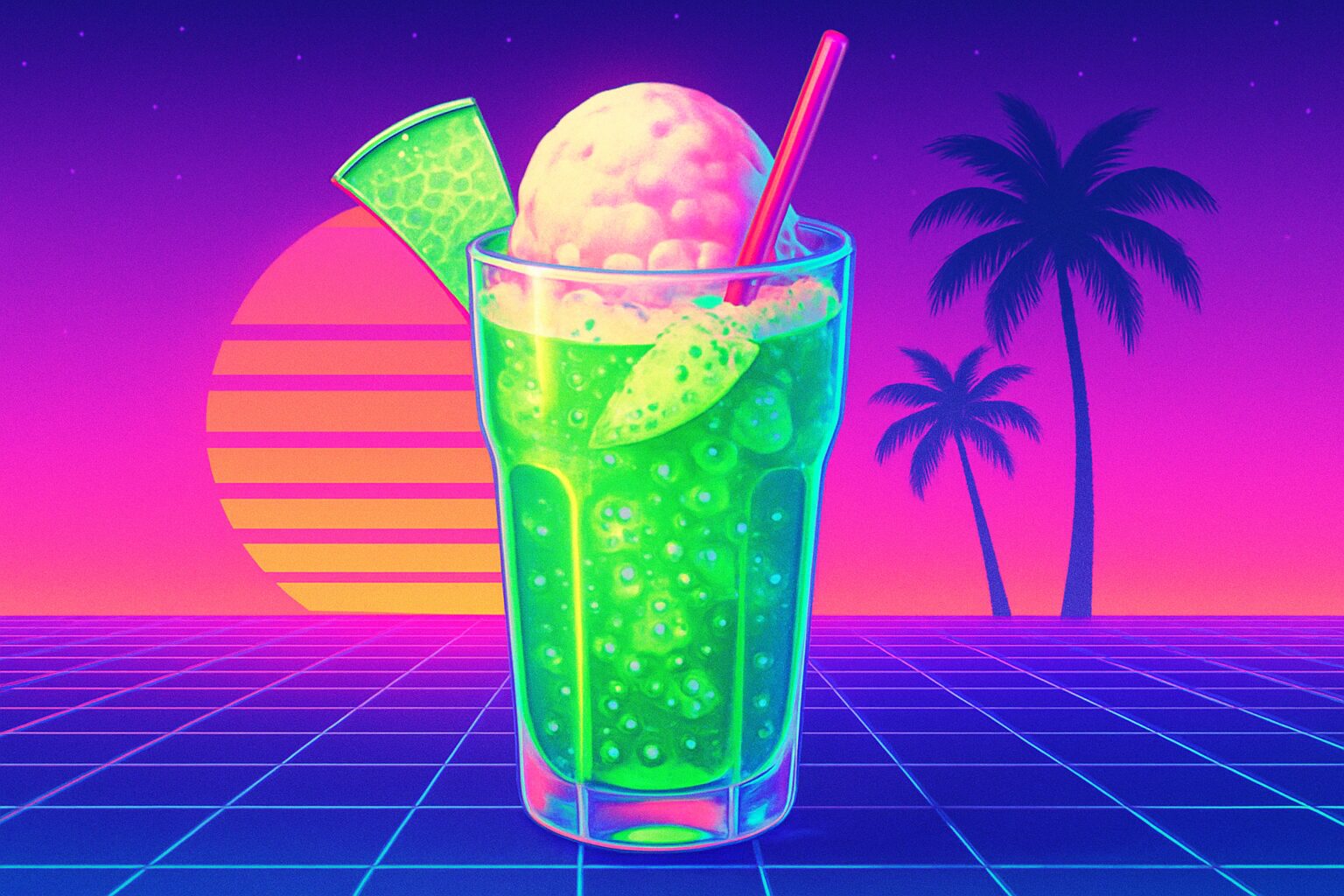
Yo, what’s the deal? Let’s talk about a vibe that’s pure, unadulterated Japan. It’s not about ancient temples or neon-drenched skyscrapers, not today. We’re diving deeper, into a portal to another time, a flavor that’s both a sugar rush and a full-blown nostalgic trip. I’m talking about the melon cream soda. That electric green, bubbly elixir topped with a perfect scoop of vanilla ice cream and a cherry that’s more of a statement than a fruit. This isn’t just a drink; it’s a mood, a whole aesthetic, a liquid time machine back to Japan’s Showa Era. It’s the taste of after-school treats, first dates at department store cafes, and long, lazy summer afternoons. For real, this drink is the main character. It’s the kind of simple pleasure that grounds you, that makes you feel the soul of a place. In a world chasing the next big thing, the melon cream soda is an icon of retro cool that’s making a massive comeback. It’s popping up on feeds everywhere, a beacon of analog charm in a digital world. Why? Because it’s legit. It’s not trying to be anything other than what it is: delicious, photogenic, and dripping with history. These drinks are usually found in spots called ‘kissaten’—old-school coffee shops that are basically living museums of a bygone era. Think dark wood paneling, velvet seats, the soft clink of spoons against glass, and the quiet hum of conversations that have been happening in the same booths for decades. It’s a whole sensory experience that’s got Gen Z and millennials completely hooked, and honestly, I get it. It’s a low-key rebellion against the sterile minimalism of modern cafes. It’s about finding beauty in the aged, the cherished, the stuff with a story. So, if you’re ready to catch a real vibe and sip on something that’s pure bottled sunshine, you’re in the right place. We’re about to go on a journey to find the most legendary, most aesthetic, most soul-soothing melon cream sodas across Japan. Bet. This is your ultimate guide to finding that perfect emerald glow. Let’s get it.
To fully immerse yourself in this nostalgic aesthetic, you should also explore the unique world of Tokyo’s Heisei-era retro cafes.
The Anatomy of a Vibe: What Makes Melon Soda Hit Different?
Before sliding into the DMs of Japan’s coolest kissaten, let’s first explore the science behind this legendary drink. What exactly is it? On the surface, it seems simple, but the magic lies in the details—the alchemy of basic ingredients that come together to create something iconic. At the heart of the drink is the melon soda. This isn’t your subtle, artisanal honeydew juice; it’s a bold, unapologetically artificial, brilliantly bright green soda. Its flavor belongs to a category of its own—it doesn’t taste like any specific melon but rather embodies a “melon flavor,” a candy-like sweetness that evokes pure childhood nostalgia. The carbonation is just right, crisp without being overpowering. Its vibrant, almost radioactive color delivers an immediate visual impact—a hue that shouts fun, fantasy, and a complete escape from the ordinary. It’s like the liquid version of an ’80s synth-pop track.
Next comes the crown jewel: a scoop of vanilla ice cream. This is essential—it’s not merely a topping but a co-star. Usually, it’s a classic, creamy vanilla. Plunged into the soda, it instantly fizzes and foams, creating an incredible creamy head atop the drink. Here is where the magic truly unfolds. As you sip, the ice cream gradually melts, blending with the sharp, sweet soda, transforming the flavor with each moment. The initial sips offer pure, zesty melon soda, but minutes later, you experience a creamy, dreamy fusion of vanilla and melon, similar to a float but somehow more refined. The temperature contrast—the cold ice cream against the chilled soda—adds a sensory delight. The quality of the ice cream is crucial; a rich, creamy vanilla elevates the drink from a simple soda to a luxurious dessert.
Finally, the cherry on top—literally. The bright red glacé cherry, often still on its stem, acts as the finishing touch. It doesn’t add much flavor, but that’s not its role. Its purpose is to provide a pop of color and signal that this is a special treat, a promise of indulgence. Holding the cherry by its stem and taking that first bite is a ritual. Some save it for last as a final sweet reward; others eat it first to start the experience. There’s no wrong way, but its presence is vital. Together, these three components—the electric green soda, the creamy vanilla float, and the iconic red cherry—form a trinity of nostalgic perfection. It’s a simple formula, yet when executed well, it becomes a masterpiece of café culture. This is a drink meant to be savored, admired, and photographed—a whole mood captured in a tall, elegant glass.
Tokyo’s Retro Realm: Kissaten Kissa
When searching for the ultimate melon soda experience in Tokyo, all paths lead to the iconic kissaten. These are more than just cafes; they are sanctuaries of Showa-era charm. Among the giants, one name often spoken with reverence is Kissa Housekibako, or the “Jewelry Box Cafe,” nestled in the Setagaya neighborhood. This spot isn’t merely retro; it’s a carefully curated world devoted to the “kawaii” culture of the 70s and 80s. Getting a seat can be challenging—you usually need a reservation, and spots fill up quickly, adding to its allure. But believe me, the effort pays off. Walking inside feels like stepping onto the set of a vintage shoujo manga. The walls are decorated with retro toys, pastel trinkets, and nostalgic illustrations. It’s a delightful sensory overload.
The Vibe Check
The ambiance at Housekibako is pure enchantment. It’s cozy and intimate, bathed in a soft, warm glow that makes everything feel dreamlike. The owner has clearly poured their passion into creating a space that feels intimate and deeply loved. You’ll catch city pop classics playing softly in the background, the perfect soundtrack for your nostalgic escape. This is a place to slow down, disconnect from Tokyo’s hustle, and savor the little details. Every corner offers a new discovery—from vintage Hello Kitty figures to collections of old manga. It’s a haven for photographers, yet it feels so authentic you almost want to put your camera away and just be present.
The Main Event: The Melon Cream Soda
At Housekibako, the melon soda is nothing short of a masterpiece. They call their cream sodas “crysta-soda,” and they truly live up to the name. Served in an elegant, ornate glass, the green is a rich, jewel-toned emerald. The ice cream is perfectly rounded, and the cherry perched atop looks like a tiny edible ruby. What sets it apart is the meticulous attention to detail. Sometimes they add edible glitter or tiny star-shaped sprinkles that sparkle in the light, just like its namesake. The flavor is timeless—sweet, fizzy, and incredibly refreshing. The high-quality ice cream melts into the soda, creating a luscious, creamy texture that’s simply sublime. It’s a drink that tastes as stunning as it looks—a rare achievement in today’s Instagram-focused world. They also offer a range of colored cream sodas, from sapphire blue to ruby red, but the melon remains the original and a must-try.
Beyond the Soda
While the cream sodas steal the spotlight, the food menu is equally delightful. They serve classic kissaten dishes like Napolitan spaghetti—a sweet, ketchup-based pasta beloved as Showa comfort food—and thick, fluffy Japanese toast. Their parfaits are legendary too: towering layers of fruit, ice cream, and whipped cream, almost too pretty to eat. Pairing your melon soda with a slice of toast or a small savory dish is the perfect way to complete your retro dining experience.
Pro-Tips and Access
Kissa Housekibako is just a short walk from Kamimachi Station on the Setagaya Line. The most important thing to remember is the reservation system. Keep an eye on their official social media channels (usually Twitter or Instagram) for updates on booking. Reservations often require entering a lottery or securing a spot via a timed booking link. Be prepared and act fast—this isn’t a walk-in cafe. Also, respect their rules: seating time limits help accommodate more guests, and the atmosphere is meant to be calm and respectful. This is a place for quiet appreciation, not loud gatherings. Some planning goes a long way and makes the experience all the more rewarding.
Shinjuku’s Underground Legend: Coffee Shop Galant
Now let’s change the pace and dive into the controlled chaos of Shinjuku. Tucked away from the glaring neon lights and bustling crowds is a kissaten that feels like a hidden club for those who know: Coffee Shop Galant. This spot is a time capsule, faithfully preserving its charm since 1977. Nestled on the second floor of a building in the Shinjuku Kabukicho district, finding it is like unlocking a secret side quest. You ascend a plain staircase, open a heavy door, and are instantly transported. The stark contrast between the noisy city outside and the calm, luxurious ambiance inside is striking.
The Ambiance
Galant is pure, unfiltered Showa-era elegance. The interior is a retro design gem—deep red velvet chairs, ornate chandeliers emitting a warm, golden light, stained glass partitions, and dark, polished wood throughout. The air is rich with the aroma of roasted coffee and, depending on the time, a subtle nostalgic trace of cigarette smoke (though many kissaten now have non-smoking policies or designated areas). It’s the kind of place where you can picture yakuza sealing deals in one corner and writers wrapping up novels in another. Classical or soft jazz often plays in the background, heightening the sophisticated, almost cinematic vibe. It’s a haven for solo visitors with books, couples on quiet dates, and groups of friends seeking refuge from the city’s rush. The atmosphere is mature, refined, and effortlessly cool.
The Highlight: The Melon Soda Float
At Galant, the melon cream soda is a classic prepared with confidence. Served in a tall, fluted glass that’s instantly familiar, the green soda is vibrant with a crisp, lively fizz. A generous scoop of vanilla ice cream forms the perfect frothy crown as it melts, topped off with a cherry for that flawless finishing touch. Drinking a melon soda at Galant is an authentic experience—no modern gimmicks, just the genuine article, crafted the way it’s been for decades. The harmony of sweet soda and creamy ice cream is impeccable. It’s the kind of drink that invites you to recline in your velvet chair, watch the world go by, and savor the moment. It’s less about posing for photos and more about enjoying a genuine piece of Tokyo’s cultural heritage.
What to Pair It With?
Galant boasts an extensive menu of classic kissaten dishes that are equally deserving of attention. Their food is a major draw alongside the atmosphere. They’re renowned for their pasta, especially the Napolitan. The menu also includes a variety of sandwiches, gratin, and pilaf. One underrated treat is the pizza toast—thick, fluffy shokupan bread topped with cheese, peppers, and tomato sauce, toasted to perfection. It’s ultimate comfort food. Naturally, their coffee is excellent, brewed using a siphon method that’s as much a performance as it is a preparation, yielding a smooth, rich cup. Pairing coffee with your melon soda might sound unconventional, but it works brilliantly—the bitterness of the coffee cuts through the soda’s sweetness, creating a surprisingly balanced flavor experience.
How to Get There and Insider Tips
Galant sits in the heart of Shinjuku, just a few minutes’ walk from Shinjuku Station’s East Exit. Find the building near the Uniqlo and Bic Camera (Bicqlo) to zero in on the area. It’s on the second floor, so watch for the sign. Unlike some niche spots requiring reservations, Galant generally welcomes walk-ins. That said, it can get crowded during peak afternoon hours. For a quieter visit, try weekday mornings or late evenings. This is a place to slow down. Bring a book, journal, or just your thoughts. Take your time. The staff are experienced professionals who’ve been around for years; they’re efficient without being intrusive. Galant is a genuine urban oasis.
Kyoto’s Timeless Treasure: Shin-Setsu
Let’s hop on a shinkansen and head west to Kyoto, a city where time seems to flow just a little differently. While Kyoto is renowned for its temples, gardens, and traditional tea houses, it also boasts a lively kissaten culture. In the bustling Teramachi Shopping Arcade, you’ll find a place bursting with color and joy: Shin-Setsu. It’s famous for one thing above all else—an incredible variety of cream sodas. There’s a whole rainbow of flavors, but the melon, the original, remains the undisputed favorite.
The Vibe Check
Shin-Setsu offers a unique take on retro. It’s less about the dark, moody Showa kissaten style and more of a bright, playful blend of American diner meets Japanese cafe. The exterior stands out instantly with its quirky, colorful signage. Inside, the space is cheerful and compact, decorated with vintage posters, Americana, and funky touches. It’s lively, often with a line stretching out the door, filled with locals, students, and travelers drawn by the legend of its cream sodas. The atmosphere buzzes with energy. It’s a fun, casual spot that doesn’t take itself too seriously but is utterly committed to the quality of its signature drinks. The vibe feels youthful and optimistic, a sunny contrast to the more solemn, traditional kissaten.
The Rainbow of Dreams: The Cream Sodas
At Shin-Setsu, you’re greeted by a menu boasting more than twenty flavors of cream soda. There’s grape, strawberry, lemon, blue curaçao, and many others you probably haven’t even considered. It’s tempting to try something exotic, but for your first visit, you’ve got to honor the classic melon. Their melon cream soda is a masterpiece. Served in a classic straight-sided glass, its color is a bright, cheerful lime green. The vanilla ice cream is perfectly scooped, topped with a vibrant red cherry. The flavor is crisp and clean, with a rich, sweet melon taste that brings pure joy in every sip. The best part? Watching the counter lined with colorful syrups as the staff carefully crafts each drink. If you’re with friends, it’s the perfect place to each order a different flavor and create your own fizzy, rainbow spectacle on the table. It’s an experience meant for sharing and simple delight.
Beyond the Fizz
Shin-Setsu keeps its food menu straightforward, focusing on what it does best. They offer a few classic cafe staples, like hot dogs and pancakes. The pancakes are especially popular—thick, fluffy, and served with just a pat of butter and syrup. They make an ideal pairing with the sweet, sparkling cream sodas. The food feels comforting and familiar. But let’s be honest, you’re really here for the sodas. The food plays a solid supporting role while the drinks are the true stars. This spot is perfect for a treat—a mid-afternoon sugar boost to keep you going through more Kyoto explorations.
How to Visit and What to Expect
Shin-Setsu is right in the Teramachi Shopping Arcade, making it a convenient stop while wandering downtown Kyoto. It’s near Kawaramachi Station. Due to its popularity, there’s almost always a line, especially on weekends and holidays, so be prepared to wait. The line usually moves steadily thanks to efficient service. The interior is small, so it’s best suited for pairs or solo visitors rather than large groups. Once inside, the service is quick and friendly. Embrace the lively atmosphere—it’s part of the charm. This is a high-energy spot, so soak it all in, snap a great photo of your cream soda, and savor the sugar-filled happiness.
Osaka’s Ode to Vinyl: Soni’s Cafe
Osaka, known for takoyaki, bright lights, and larger-than-life personalities, also boasts a kissaten scene that is equally bold. Nestled deep within the trendy, vintage-loving neighborhood of Nakazakicho—a maze of narrow alleyways and beautifully preserved old buildings—you’ll find Soni’s Cafe. This spot embodies a certain mood, seamlessly blending the classic kissaten vibe with a profound passion for music, especially vinyl records. It’s a haven for both audiophiles and cafe enthusiasts, where the soundtrack holds as much significance as the coffee and cream soda.
The Vibe Check
Soni’s Cafe truly defines a hidden gem. Wander through the quiet streets of Nakazakicho, and you’ll suddenly come across this modest storefront. Inside, the atmosphere is warm and inviting, filled with stacks of vinyl records, vintage audio gear, and music memorabilia. Shelves lining the walls hold hundreds, if not thousands, of LPs spanning genres from classic rock and jazz to soul and city pop. Low, intimate lighting creates a cozy, almost cave-like ambiance. The highlight is the high-end turntable and sound system, with the owner, Soni-san, often carefully picking the next record to play. The sound quality is impeccable. This is no mere background music; it’s a thoughtfully curated listening experience. The vibe is relaxed, creative, and deeply passionate—a place to escape, to listen, and to truly savor the art of sound.
The Headliner: The Melon Cream Soda
In a venue so dedicated to sensory pleasures, the melon soda naturally lives up to expectations—and then some. Soni’s rendition honors classic simplicity. Served in a heavy, satisfyingly thick glass, the soda is a beautiful, clear emerald and crowned with a dense, creamy scoop of high-quality vanilla ice cream. A cherry proudly rests on top. What makes it truly special here is the context. Sipping this cold, sweet, nostalgic drink while a rare groove from a ’70s funk record spins on the turntable offers an experience that’s hard to replicate. It’s a fusion of two distinct nostalgias—the taste of a Showa-era childhood and the warm, analog sound of vinyl. The soda’s sweetness is perfectly balanced, allowing you to savor it slowly while getting lost in the music. It’s a drink that invites you to linger, to enjoy the entire side of an album.
The Supporting Acts
Soni’s Cafe is also celebrated for its excellent coffee, crafted with great care by the owner. He often employs theネルドリップ (nel drip) method, a traditional Japanese flannel drip technique that produces a smooth, rich, and clean cup. The food menu is small but thoughtfully curated, frequently featuring a daily cake or a simple toast set. When available, the cheesecake stands out—rich, creamy, and not overly sweet, making it an ideal pairing with either bitter coffee or sweet cream soda. Here, the focus clearly lies on the drinks and music, with food serving to complement rather than overshadow the main attractions.
Finding Your Way and Insider Tips
Nakazakicho is only a short walk from Umeda, Osaka’s main transport hub, yet it feels like a world apart. The best way to explore is simply to get lost among its charming streets. Soni’s Cafe is a beloved local institution, so asking for directions at nearby shops will likely guide you there. It’s a dream destination for solo travelers—a place to come alone, with a book or just your thoughts. The owner is highly knowledgeable about music and may share stories about his collection if you show genuine interest. Be mindful of the listening environment; this isn’t a spot for loud conversations but rather a space for appreciation. Check the cafe’s opening hours in advance, as they can be irregular. Being a small, one-person operation, patience and flexibility are appreciated. Visiting Soni’s is more than just a coffee break—it’s a cultural immersion.
The Neo-Kissaten Wave: Modern Takes on a Retro Classic
Melon cream soda isn’t merely surviving within these historical time capsules; it’s flourishing. A new wave of café owners and creators, inspired by the Showa aesthetic, are adding their own twist to the classic, giving rise to what you could call “neo-kissaten.” These establishments capture the essence of the past while blending in modern design elements, updated menus, and fresh perspectives. They demonstrate that nostalgia isn’t about dwelling in history; it’s about bringing the finest aspects of the past into the present.
One standout example of this trend is Giraffe, a popular café in the trendy Koenji neighborhood of Tokyo. Koenji, known for its vintage clothing shops, live music venues, and countercultural vibe, provides the perfect backdrop for a café that bridges old and new. Giraffe boasts a bright, airy atmosphere with clean white walls and light wood furniture, yet it’s filled with retro touches like vintage glassware, old movie posters, and quirky decorations. The space feels both nostalgic and thoroughly contemporary.
Their melon cream soda perfectly embodies this philosophy. It’s served in a charming, custom-branded glass. The soda’s vibrant green hue comes from high-quality syrups, sometimes even house-made, lending it a more refined taste. The ice cream is a perfect scoop, with options for various flavors or premium, small-batch vanilla. They often top it with a high-quality maraschino cherry or a fresh one when in season. What’s particularly exciting is how they experiment with the formula—offering variations like melon soda with fruit jellies at the bottom or a version topped with sorbet instead of ice cream. This approach honors the original while embracing innovation. It has proven hugely popular with younger patrons who appreciate the aesthetic but also seek novelty.
Another growing trend in the neo-kissaten scene is the emphasis on food pairings. While traditional kissaten serve classics like Napolitan pasta and egg sandwiches, modern cafés are getting inventive. You might find melon soda paired with an artfully prepared fruit sando (fruit sandwich) featuring artisanal whipped cream or a savory curry crafted with a complex spice blend. These cafés recognize that today’s customers desire a complete experience—a great drink, delicious and visually appealing food, and an inviting atmosphere.
This revival isn’t limited to Tokyo. Across Japan, from Fukuoka to Sapporo, young entrepreneurs are opening cafés that celebrate the Showa vibe. They hunt flea markets for vintage furniture, collect old magazines and records, and refine their cream soda recipes. They’re building community hubs where people can connect with a slice of Japanese cultural history in a way that feels both fresh and exciting. It’s a testament to the enduring charm of melon cream soda, showing that a simple drink can be a powerful symbol—capable of inspiring new generations and evolving over time without losing its essential, bubbly spirit. So, as you explore Japan, be sure to seek out these new-wave spots. They offer a fresh yet equally authentic way to enjoy this iconic treat.
A Photographer’s Final Frame: Capturing the Glow
From a photographer’s viewpoint, the melon cream soda is an ideal subject. It’s an exploration of color, light, and texture. The thrill and satisfaction come from capturing its fleeting beauty. When you first receive the glass, the light passes through that vivid green liquid, casting a radiant glow that brightens the table around it. The way the bubbles reflect the light, the clean contours of the glass, the perfect roundness of the ice cream—it’s all visually captivating. My tip is to find the light. Sit by a window if possible. Natural light makes the colors pop in a way artificial lighting simply can’t. Observe how the light plays off the condensation gathering on the outside of the glass. Those droplets tell a story of temperature and anticipation.
Don’t limit yourself to a top-down shot for your feed. Get low. Shoot from the side to reveal the layers—the soda, the ice cream, the cherry. Focus on the details. The fizz where the ice cream meets the soda is a moment of beautiful, chaotic energy. The reflection of the café’s interior in the glass’s curve. The deep red of the cherry against the stark white of the ice cream. These are the details that transform a simple photo into something that expresses a feeling, a mood.
But also, remember to put the camera down. The best part of the melon cream soda experience isn’t photographing it; it’s tasting it. It’s the sensation of that cold, sweet fizz on your tongue. It’s watching the ice cream melt and gradually alter the drink’s flavor with each passing minute. It’s the quiet moment of reflection in a charming, nostalgic setting. This drink reminds us that some of the most meaningful travel experiences come from the simplest joys. It’s a taste of history, a sip of happiness, and a vivid, green symbol of retro cool that continues to glow. So head out, find your favorite kissaten, order that glowing green treat, and take a moment to simply savor the vibe. It’s a flavor, and a feeling, you won’t forget anytime soon.