What’s up, world-wanderers? Keiko here, your friendly neighborhood curator, dropping in from the electric heart of Tokyo. Forget what you think you know about Japan for a sec. We’re putting the serene temples and the minimalist tea ceremonies on pause. Today, we’re time-traveling. We’re diving headfirst into an era of unapologetic chaos, glitter-bombed optimism, and dial-up modem dreams. We’re talking about Heisei Retro, the Y2K aesthetic that’s currently lighting up Tokyo’s subculture scene like a neon sign in a rain-slicked Shinjuku alley. This isn’t your grandma’s Japan; this is the Japan of the gals who ruled Shibuya, the pop queens who dominated the airwaves, and the pixelated pets that lived in our pockets. It’s a full-on vibe, a sensory explosion that captures the very specific energy of Japan from the late 90s to the early 2000s. These Heisei Retro cafes are more than just cute spots for a coffee. They are living, breathing archives of a generation, sanctuaries of nostalgia where the music slaps, the colors pop, and the parfaits are stacked to the heavens. For travelers craving a taste of something authentically local yet globally resonant, something beyond the usual tourist trail, this is it. This is your portal to a different Tokyo, a city that’s not just looking forward, but also looking back with a huge, glittery grin. So, buckle up. We’re about to glitch back to the turn of the millennium.
For a different perspective on Tokyo’s unique coffee culture, explore the city’s more eccentric and artistic kissaten.
The Heisei Rewind: Decoding the Y2K Dreamscape
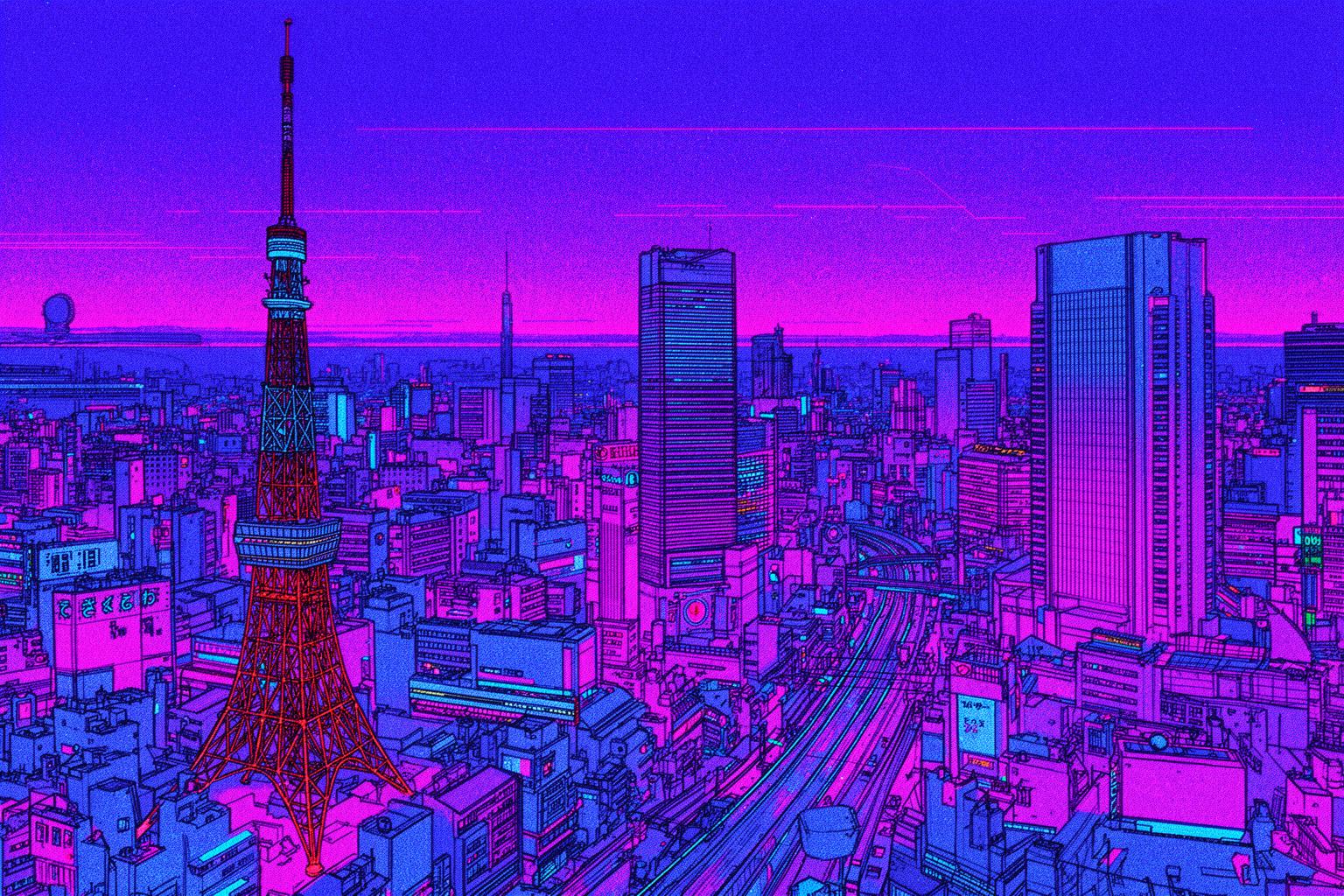
To truly embrace the Heisei Retro cafe experience, you first need to understand the source code. The Heisei era (1989-2019) was a lengthy and transformative time, but the period we’re most fascinated by is that vibrant, chaotic burst of energy from roughly 1995 to 2005. It marked Japan’s Y2K moment, a time characterized by economic uncertainty alongside a cultural explosion. This was the final flourish of the analog world clashing with the dawn of the digital age, creating a distinctive—and sometimes bizarre—cultural blend. It was an era of maximalism, bold self-expression, and a futuristic optimism that felt both deeply sincere and endearingly naive. This era wasn’t merely a span of time; it was a feeling, a mindset now lovingly revived in cafes throughout Tokyo.
A Symphony of J-Pop Queens and Digital Beats
The unmistakable soundtrack of this era was J-Pop, led by the divas—the queens and empresses of sound. We’re talking about icons like Ayumi Hamasaki, Namie Amuro, and Utada Hikaru. Their music was more than just background noise; it served as the operating system for a whole generation. Ayumi Hamasaki, or ‘Ayu,’ wasn’t simply a singer; she was a cultural phenomenon. Her constantly evolving style—from high-fashion goddess to the accessible gyaru—set trends that rippled through every high school across the country. Her lyrics, often exploring themes of loneliness and identity, resonated deeply with young people navigating rapid change. Namie Amuro was the queen of cool, blending R&B influences with effortless street style that made her an icon for aspiring teens. Then there was Utada Hikaru, the prodigy whose debut album, “First Love,” remains the best-selling album in Japanese history. Her sound was introspective and soulful, perfectly capturing the era’s melancholic undertones. When you enter a Heisei Retro cafe, the background music is never incidental. It’s a carefully curated playlist featuring these artists and others like Morning Musume, SPEED, and MAX. The pulsing Eurobeat tracks, heartfelt ballads, and energetic dance numbers all combine to whisk you back instantly. It’s a sonic time capsule that sparks a powerful sense of ‘natsukashii’ (nostalgia), even if you’re hearing these songs for the very first time. The music tells the story of a generation finding its voice and forms the constant heartbeat of the Heisei Retro scene.
The Gospel of Gal: Fashion from the Streets of Shibuya
If J-Pop was the soundtrack, then the fashion emerging from Tokyo’s Shibuya district was its visual identity. The epicenter of this fashion revolution was the iconic Shibuya 109 building, a vertical mall that stood as the holy cathedral of the ‘gyaru’ (gal) subculture. This was no quiet elegance; it was loud, proud, and boldly in-your-face self-expression. The classic ‘kogal’ look defined the mid-90s: plaid miniskirts worn impossibly high, baggy ‘loose socks’ bunched around the ankles, and chunky platform boots that added height and attitude. They flaunted tanned skin, bleached hair, and a distinctive makeup style emphasizing the eyes. It was a direct rebellion against the traditional Japanese ideal of pale skin and black hair. This was a declaration of independence. Over time, the look became even more extreme with styles like ‘ganguro’ and ‘yamanba,’ featuring deep tans and striking white makeup. This fashion was more than clothes; it was a lifestyle chronicled in legendary magazines such as Egg and Popteen, which became bibles for girls nationwide. In a Heisei Retro cafe, the spirit of gyaru is omnipresent—in the leopard-print upholstery, the staff’s neon acrylic nails, glittery phone cases, and the overall aesthetic of glamorous, unapologetic fun. These cafes celebrate the creativity and boldness of a subculture that refused to be ignored, creating spaces that feel both rebellious and warmly inviting.
Pixels and Pagers: The Dawn of a Digital Youth
The technology of the Heisei Y2K era is a key part of its nostalgic appeal. It was a captivating transitional period. The internet was becoming accessible, but it was still a wild, untamed frontier, reached through screeching dial-up modems. Communication was becoming instant, but filtered through charmingly primitive devices. The ultimate status symbol was the ‘garakei,’ the Japanese flip phone. These weren’t the sleek, minimalist smartphones of today; rather, they were chunky, customizable canvases for self-expression. Every high schooler’s phone was decked out with dangling straps (‘keitei sutoraapu’), featuring everything from favorite Sanrio characters to tiny flashing disco balls. Composing messages on a T9 keypad was an art, while decorating emails with ’emoji’ (the original picture characters) and ‘kaomoji’ (text-based emoticons) was the main way of digital communication. Then there was the Tamagotchi, the tiny egg-shaped digital pet that taught a generation responsibility and digital grief. And, of course, the ‘Purikura’ photo sticker booths became a social ritual. These machines weren’t just for photos; they were about creating memories. Friends would cram into booths, strike poses against a green screen, then spend ages decorating the prints with digital stamps, glittery text, and hand-drawn doodles using a stylus. The resulting sticker sheets were treasures, collected in special Purikura albums. This affection for charmingly lo-fi, personalized tech is a cornerstone of the Heisei Retro aesthetic. It represents a time when technology felt more playful, more personal, and a little less overwhelming than it does today.
The Anatomy of a Heisei Hangout: What Makes it a Vibe
So, what exactly transforms an ordinary cafe into a Heisei Retro haven? It’s a unique blend of sights, sounds, and flavors. It’s about crafting a fully immersive space that doesn’t merely reference the era but wholeheartedly revives its spirit. These venues are curated with the meticulousness of a museum exhibit, yet infused with the fun and energy of a high school slumber party. Stepping inside feels like walking through a portal, where every detail is designed to wash over you with waves of pure, unfiltered nostalgia.
A Visual Feast: The Interior Style
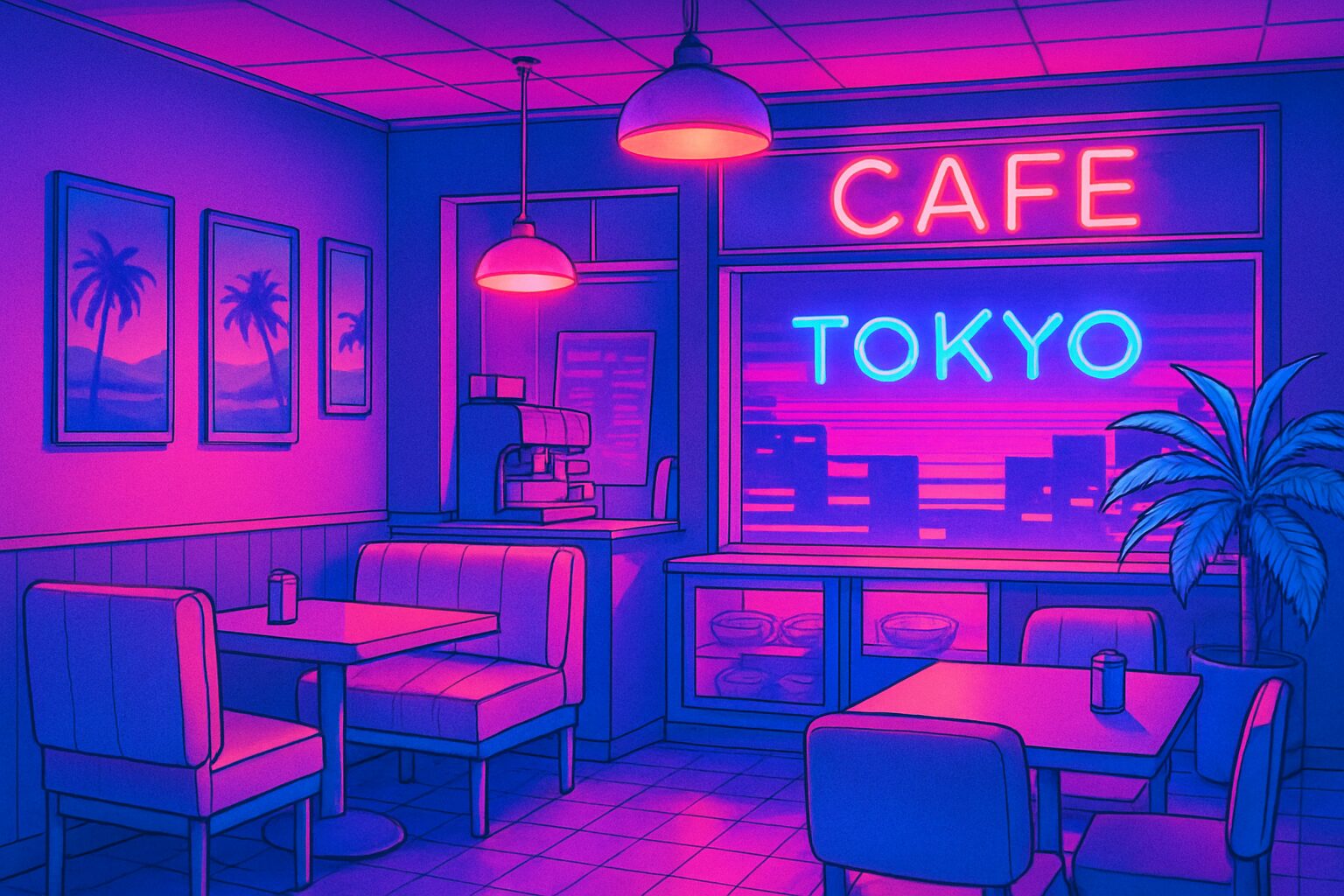
The first thing you notice is the color. Heisei Retro interiors reject beige minimalism outright. We’re talking about an explosion of hot pink, lime green, electric blue, and sunny orange, often clashing in the most spectacular way. The furniture plays a starring role in this visual orchestra. Forget reclaimed wood and industrial metal; think inflatable chairs made from transparent, glitter-filled plastic—the kind you begged your parents for as a kid. Picture low, fuzzy sofas and beaded curtains that jingle as you pass through them. Lava lamps are nearly mandatory, their slow, mesmerizing glow casting a groovy ambiance across the room. The walls might be plastered with posters of J-Pop idols, torn pages from vintage fashion magazines, or oversized, stylized butterfly motifs—a hugely popular symbol of the era, thanks to pop queen Koda Kumi. The materials revel in artificiality and fun: plastic, vinyl, fur, and an overload of glitter. This aesthetic predates the polished curation of Instagram but feels perfectly tailored for it. Every corner invites a photo, every table becomes the backdrop for a story. Lighting is typically soft and colorful, with neon signs spelling out cute phrases in Japanese or English, creating an atmosphere that’s both lively and cozy, like chilling in your coolest friend’s impeccably decorated Y2K-era bedroom.
Savor the Nostalgia: A Menu Straight from 2002
The menu in a Heisei Retro cafe is a culinary time capsule, offering dishes focused on comfort, fun, and visual impact. This isn’t a place for subtle, artisanal flavors—it’s a celebration of pure, unfiltered joy on a plate. The reigning star of the drinks menu is cream soda—not just any cream soda, but towering, jewel-toned creations, most famously the vibrant melon soda—a sweet, almost unnaturally green drink topped with a perfect scoop of vanilla ice cream and a bright red maraschino cherry. It’s the taste of Japanese childhood summers, and it’s essential. Parfaits are another classic, following the maximalist approach of the decor. These towering architectural treats come in tall, elegant glasses, layered with everything from cornflakes and fruit cocktail to sponge cake, whipped cream, and multiple ice cream flavors. They are often garnished with Pocky sticks, colorful sprinkles, and sometimes even a whole slice of cheesecake or pudding. Savory offerings also lean into classic comfort foods. ‘Spaghetti Napolitan’ is a common favorite—a uniquely Japanese pasta dish with ketchup-based sauce, sausage, onions, and green peppers. It’s something you’d find in any traditional ‘kissaten’ (coffee shop), but here it’s served with a side of pop-culture nostalgia. Other options might include ‘doria,’ a baked rice gratin topped with creamy béchamel and cheese, or ‘omurice,’ a fluffy omelet served over fried rice and drizzled with ketchup. The food is unapologetically playful, designed to be both Instagram-worthy and delightfully indulgent.
The Soundtrack of the Era: Carefully Selected BGM
As mentioned, music forms the heart of a Heisei Retro cafe. The owners are often passionate fans of the era, and the playlists reflect this dedication. It’s not a random mix of ’90s hits but a thoughtfully curated journey through J-Pop chart-toppers from around 1998 to 2004. One moment, you’re tapping your feet to the infectious bubblegum pop of Morning Musume’s “Love Machine,” a song that shaped countless school festivals and company parties. The next, you might be moved by the sweeping ballads of Ayumi Hamasaki, her powerful voice filling the room with emotion. You’ll catch the smooth R&B grooves of Dragon Ash, the catchy dance beats of MAX, and the flawless pop of Suzuki Ami. Often, the music is accompanied by a screen showing original music videos from the era. Witnessing the iconic choreography, the hallmark Y2K fashion, and the slightly grainy video quality adds another immersive layer. The music never simply plays in the background; it sparks conversations, evokes memories, and weaves an invisible thread binding the entire experience. It fosters a shared space where strangers hum along to the same chorus, united by a collective cultural nostalgia.
The Holy Trinity of Heisei Cafes: A Guided Tour
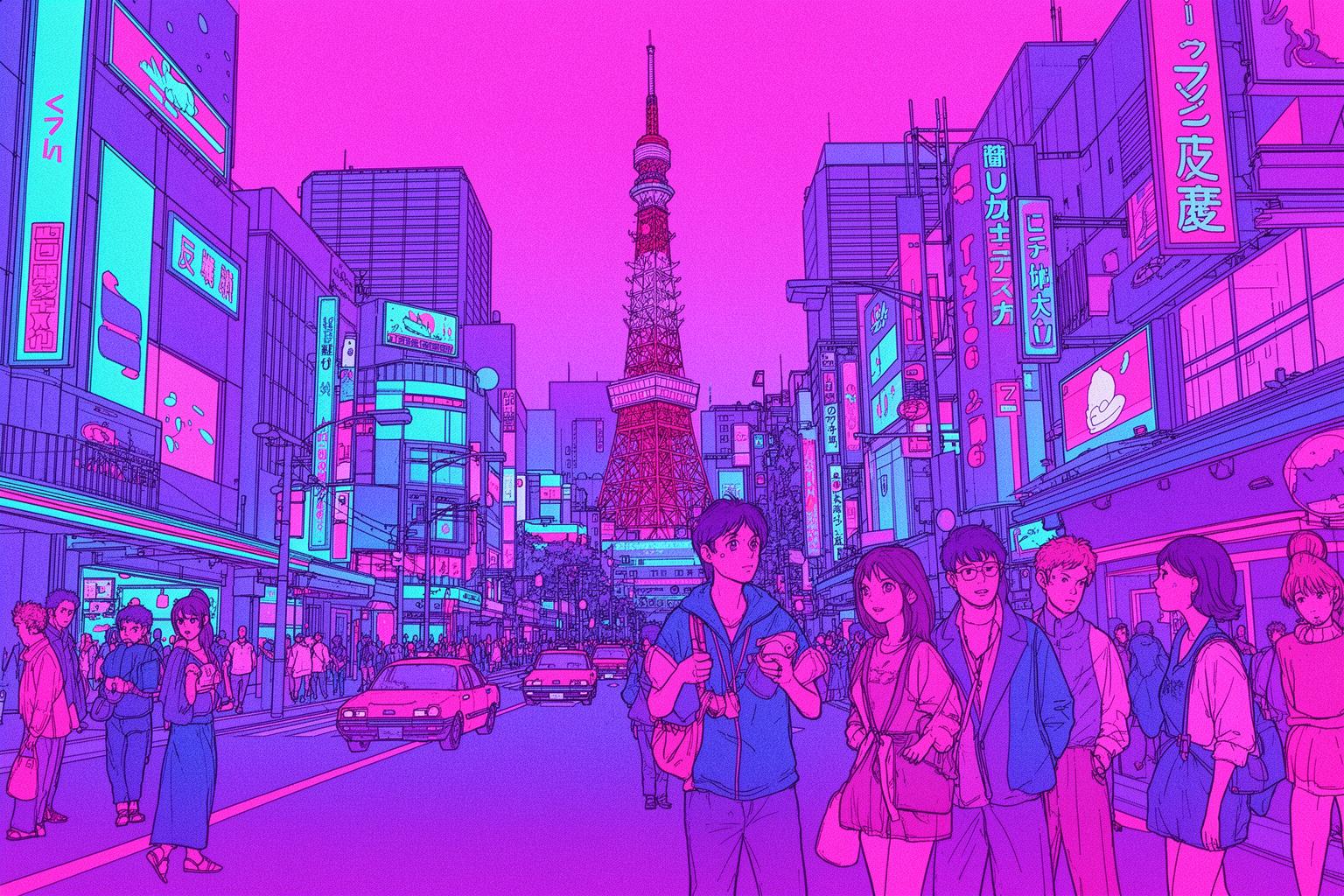
While Tokyo is sprinkled with these nostalgic treasures, they usually gather in neighborhoods celebrated for their youth culture. Let’s embark on a brief tour of several quintessential Heisei Retro cafes you may come across, each offering its own distinct nostalgic charm. Though their names might be fictional, their essence and style are very much authentic, reflecting the diverse elements of the Y2K movement.
Shibuya’s Neon Pulse: Cafe Pichi Pichi
Picture this: you slip into a small building just steps away from the Shibuya 109 building, ascend a narrow staircase adorned with neon graffiti, and push open a door to be met with a burst of sound and color. Welcome to Cafe Pichi Pichi, personifying the Shibuya ‘gyaru’ spirit. The atmosphere is loud, energetic, and boldly extravagant. The decor presents a vibrant mix of leopard print, hot pink faux fur, and sparkling disco balls. The booths are covered in shiny vinyl, and the walls display a collage of old Egg magazine editions, featuring iconic gals in their heyday. Neon signs flash phrases in ‘gyaru-moji,’ a stylized, somewhat indecipherable script popular in that era. The staff appear as if they’ve stepped out of 2003, passionately embodying the fashion. The menu is playful—order the “Super Loose Socks Parfait,” a hilariously tall treat inspired by the iconic legwear, or “Ayu-sama’s Sparkling Pink Lemonade,” a glittering drink paying tribute to the queen of J-Pop. The clientele is a captivating mix: fashion students taking notes, groups of friends in their late 20s and 30s reminiscing about their youth, and a new generation of teens embracing the gyaru style. Getting here adds to the experience—navigate the bustling Shibuya Scramble, head toward the 109 building, and watch for small, vibrant signs marking these hidden gems. A tip for visitors: come with a friend, order something outrageous, and spend at least an hour soaking in the high-energy vibe. It’s a full cultural immersion.
Harajuku’s Pastel Fantasy: Kira Kira Heart Cafe
If Shibuya is the loud, confident older sister, then Harajuku is the sweet, dreamy younger sibling. Venture away from the hustle of Takeshita Street down one of the quieter back alleys known as Ura-Harajuku, and you might discover a spot like Kira Kira Heart Cafe. The aesthetic shifts here from wild gyaru to the pure, unfiltered ‘kawaii’ (cute) culture that defines Harajuku. As soon as you step inside, you’re swallowed by a world of pastel pink, baby blue, and lavender. The decor is richly inspired by Sanrio characters like Hello Kitty, My Melody, and the Little Twin Stars. Think fluffy, cloud-shaped cushions, heart-shaped tables, and walls decorated with dreamy, sparkly decals. The lighting is soft and enchanting, giving everyone the look of living in a dreamy filter. The menu is a feast for the eyes and palate. Lattes come with impeccably crafted foam art of your favorite characters. The signature dish might be a rainbow grilled cheese sandwich that oozes multicolored cheese when pulled apart, or a dessert set resembling a miniature jewelry box, complete with edible pearls and spun sugar ribbons. Kira Kira Heart Cafe draws a devoted crowd to the kawaii lifestyle—you’ll spot girls in intricate Lolita fashion with delicate dresses and petticoats, fans of the colorful decora style adorned with numerous hair clips and accessories, and international visitors chasing the perfect “cute Japan” photo moment. The atmosphere is much calmer than Shibuya’s, focused on quiet appreciation, snapping perfect food photos, and hushed conversations with friends in this pastel haven. It’s a celebration of the softer, more whimsical side of Heisei Y2K style.
Shimokitazawa’s Lo-Fi Retreat: Pixel Dream Parlor
For a different nostalgic vibe, head to the effortlessly cool neighborhood of Shimokitazawa, known for vintage clothing shops, indie theaters, and a relaxed atmosphere. Hidden in a basement down a narrow staircase you’ll find a place like Pixel Dream Parlor. This cafe channels an indie, otaku-flavored facet of the Heisei era. The ambiance focuses less on glitter and glamour and more on cozy, lo-fi early digital culture charm. The decor pays homage to 90s and early 2000s gaming and anime. Old bulky CRT TVs are positioned in corners, playing a continuous loop of iconic anime openings such as ‘Neon Genesis Evangelion’ and ‘Cardcaptor Sakura.’ Shelves are stocked with cherished manga volumes and classic video game cartridges. The café’s centerpiece is a gaming station featuring an original Nintendo 64 or PlayStation 1, inviting patrons to challenge friends to rounds of ‘Mario Kart 64’ or ‘Final Fantasy VII.’ The background music is subdued, featuring instrumental tracks from legendary video games or lo-fi beats from Japanese hip-hop artists of the time, like Nujabes. The menu is simple and comforting—classic Japanese curry rice, nostalgic coffee jelly desserts, or custom “Potion” energy drinks glowing in blue and green. Pixel Dream Parlor is a sanctuary for vintage lovers, gamers, and anyone who grew up immersed in the digital worlds of the period. It’s a laid-back, welcoming spot where you can relax for hours, sip coffee, and lose yourself in pixelated dreams of the past.
Level Up Your Trip: Living the Full Heisei Experience
A visit to a Heisei Retro cafe is impressive on its own, but to fully embrace the essence of the era, you need to turn it into a full-day experience. It’s about diving deep into the culture that surrounds these nostalgic spots. Think of the cafe as your home base for a day of time-travel adventures through Tokyo’s vibrant subcultures.
Dress the Part: A Y2K Fashion Quest
To genuinely get into the Heisei vibe, you have to dress the part. That means embarking on a treasure hunt for authentic Y2K fashion. The best places for this are the vintage and second-hand clothing stores in Harajuku and Shimokitazawa. In Harajuku, brave the crowds on Takeshita Street for shops like WEGO, which offer new items inspired by retro styles, then explore the backstreets to uncover vintage gems like Kinji or Flamingo. Here, you can browse through racks upon racks of clothing to find key pieces from the era: low-rise jeans, tiny shoulder bags (the kind barely fitting a flip phone and lip gloss), colorful baby tees with quirky English slogans, velour tracksuits, and, if luck is on your side, a pair of chunky platform sneakers. In Shimokitazawa, the vibe is more laid-back, with a greater concentration of carefully curated vintage shops. Spend an afternoon wandering its maze-like streets, and you’re sure to find the perfect Heisei-era outfit. It’s not about assembling a flawless costume; it’s about capturing the playful and experimental spirit of the fashion.
Capture the Moment, Heisei-Style: The Purikura Pilgrimage
Once your outfit is ready, it’s time to immortalize the look, and nothing beats Purikura for that. Although today’s photo sticker booths are quite advanced, you can still recreate the classic Heisei aesthetic. Head to a large game center, often signposted by Taito Station or GiGO. Inside, you’ll find an entire floor dedicated to the latest Purikura machines. The experience is a flurry of striking poses against a green screen, followed by a timed decorating session. This is where you unleash your inner Heisei teen. Use the digital stylus to draw hearts and stars, write your name and the date, and cover the photos in cute stickers. The key to the Y2K look is choosing filters that give you enormous, sparkling eyes and lighten your hair color. It’s an exaggerated, hyper-cute style that is quintessentially Heisei. The machine prints your creations on glossy sticker sheets, a tangible memento of your time-traveling day. It’s a super fun activity to enjoy with friends and the perfect finale to your retro-themed adventure.
Sing Your Heart Out: Heisei Karaoke Marathon
To genuinely connect with the soul of the Heisei era, you need to experience its music in the most Japanese way possible: karaoke. Karaoke boxes are everywhere in Tokyo and are a vital part of social life. Renting a private room with friends for a few hours is a beloved pastime. To complete your Heisei journey, find a karaoke spot (major chains include Karaoke Kan, Big Echo, and Karaoketsukan) and get ready to sing your heart out. The songbooks are digital tablets with vast libraries, where you can easily find all the Heisei-era hits. Compile a playlist of the legends: belt out Ayumi Hamasaki’s power ballads, dance to Morning Musume’s impossibly catchy tunes, and groove to the pop-rock anthems of L’Arc-en-Ciel or SMAP. Many karaoke places offer all-you-can-drink packages, making it the ideal evening plan. It’s in these private, neon-lit rooms, surrounded by friends and singing along to the anthems of a generation, that you truly feel the unrestrained joy and energy of the Heisei era.
The Nitty-Gritty: Your Heisei Retro Playbook
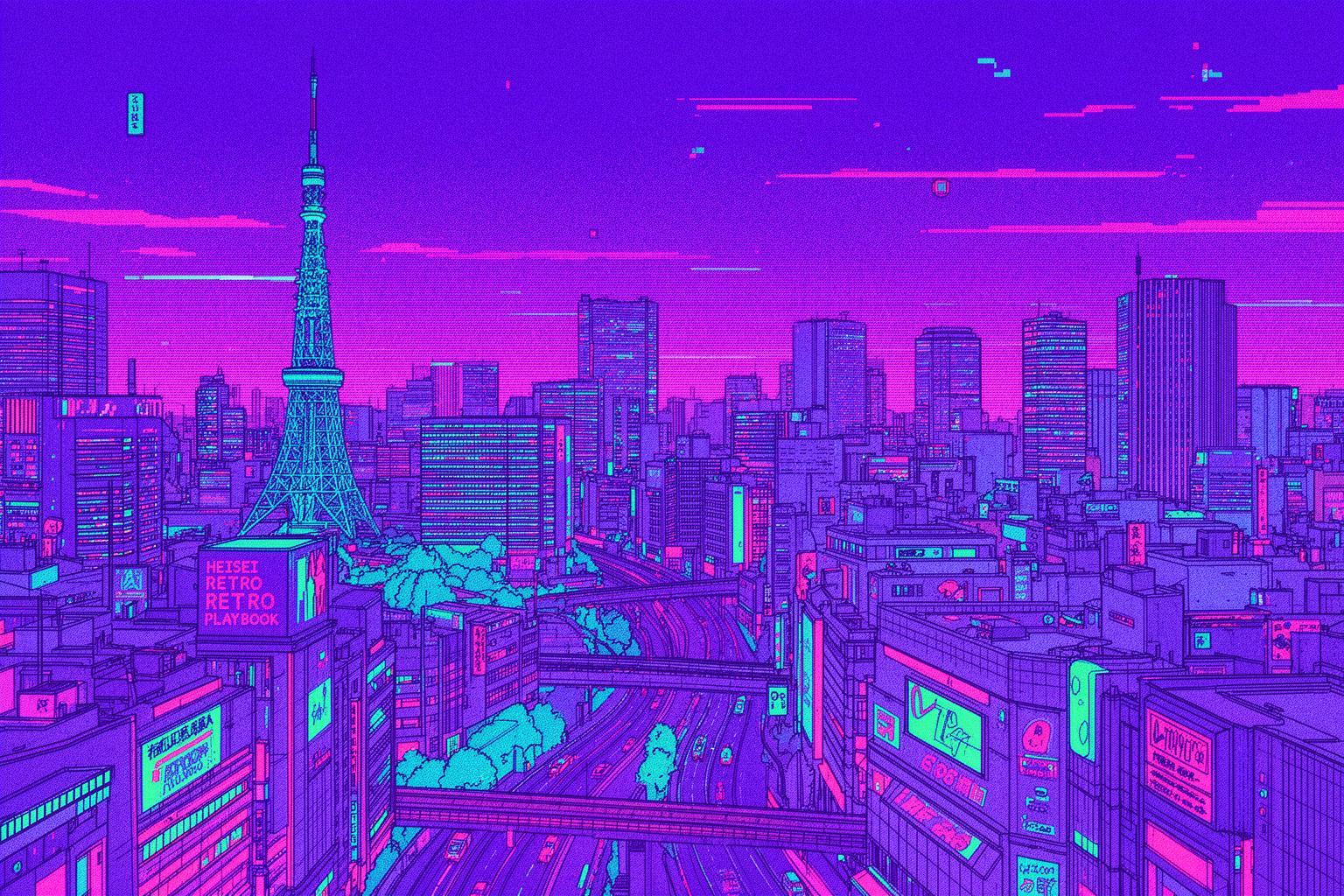
Ready to dive in? Here are some practical tips to ensure your Heisei Retro adventure is as smooth and enjoyable as possible. A bit of insider knowledge can greatly help you navigate Tokyo’s vibrant subculture scenes.
Navigating the Scene
These cafes tend to be small, independent spots, and they can become quite popular, especially since they’re a big hit on social media. This means you might face a queue, particularly on weekends or holidays. The best approach is to visit on a weekday afternoon when crowds tend to be lighter. Some of the most popular places may impose a time limit per table—usually around 90 minutes—to make sure everyone gets a chance to enjoy the experience. Don’t take this as a rush; instead, see it as encouragement to be fully present and savor every detail. Many of these cafes are tucked away on upper floors of unassuming buildings or down quiet side streets, so having a map app handy is essential. Keep an eye out for small, often colorful signs at street level that will lead you to your nostalgic destination.
The Photo Etiquette
Heisei Retro cafes are incredibly photogenic, and the owners understand that capturing the aesthetic is a big part of the appeal. Taking photos of your food, friends, and the decor is generally welcomed and expected. However, it’s important to be a considerate photographer. Avoid using a bright flash, as it can disrupt the atmosphere and disturb other guests. Be mindful of your space; don’t block walkways or stand on furniture to get the perfect shot. When photographing the overall vibe, be discreet and try to avoid including other customers clearly without their permission. The goal is to preserve the memory without interrupting others’ experiences. A quick, respectful photo is far better than an extended, intrusive photoshoot.
Cash is Still King (Sometimes)
Tokyo is a city of contrasts, and this shows in payment options. While big department stores, restaurants, and train stations fully accept credit cards and digital payments, many small, independent businesses that give the city its unique character might not. Many smaller Heisei Retro cafes may only accept cash or simply prefer it. To avoid any awkward situations, it’s wise to carry a reasonable amount of Japanese yen with you. Consider this part of the retro experience—paying with physical currency in an environment dedicated to a pre-digital-wallet era.
Language Lowdown
Don’t worry if you don’t speak Japanese. In youth-centered areas like Shibuya and Harajuku, staff are usually used to international visitors and tend to be very patient and helpful. Many cafes have picture menus, so ordering can be as simple as pointing. However, learning a few basic phrases can make the experience smoother and show respect for the local culture. A simple “Sumimasen” (Excuse me) can be used to get the staff’s attention. When ordering, you can point and say, “Kore o kudasai” (This one, please). A genuine “Oishii!” (Delicious!) will always bring a smile. And, of course, a polite “Arigatou gozaimasu” (Thank you very much) when you leave is essential. A little effort goes a long way and can greatly enrich your experience.
The Afterglow: Why Heisei Keeps Calling Us Back
Stepping out of a Heisei Retro café and back onto the hyper-modern streets of 21st-century Tokyo can feel like waking from a vivid dream. The sparkle fades, the J-Pop beats give way to the city’s ambient hum, yet the sensation lingers. These spaces hold a certain magic that transcends simple nostalgia. For those who experienced the era firsthand, it’s a comforting return to the soundtrack and style of their youth. For newcomers and travelers from around the world, it offers something different: a glimpse into the heart of a uniquely optimistic and creative period in Japanese history.
The appeal of the Heisei Y2K aesthetic today is no coincidence. In a time of curated minimalism, algorithm-driven trends, and pervasive global anxieties, the chaotic, colorful, and unapologetically sincere vibe of the early 2000s feels like a breath of fresh air. It was an era marked by fearless experimentation, clashing patterns, bold statements, and a faith in a fun, technology-infused future. These cafés do more than replicate an aesthetic; they revive an energy. They serve as interactive museums where you can taste, hear, and feel a distinct cultural moment. They remind us that it’s okay to be a little messy, a little loud, and a lot of fun. So, when planning your trip to Japan, look beyond ancient temples and futuristic skyscrapers. Seek out these hidden gems—portals to the recent past. Find a seat in a fuzzy pink booth, order a melon soda float, and let the sounds of a J-Pop queen wash over you. You’ll discover a side of Tokyo that is vibrant, playful, and utterly unforgettable.