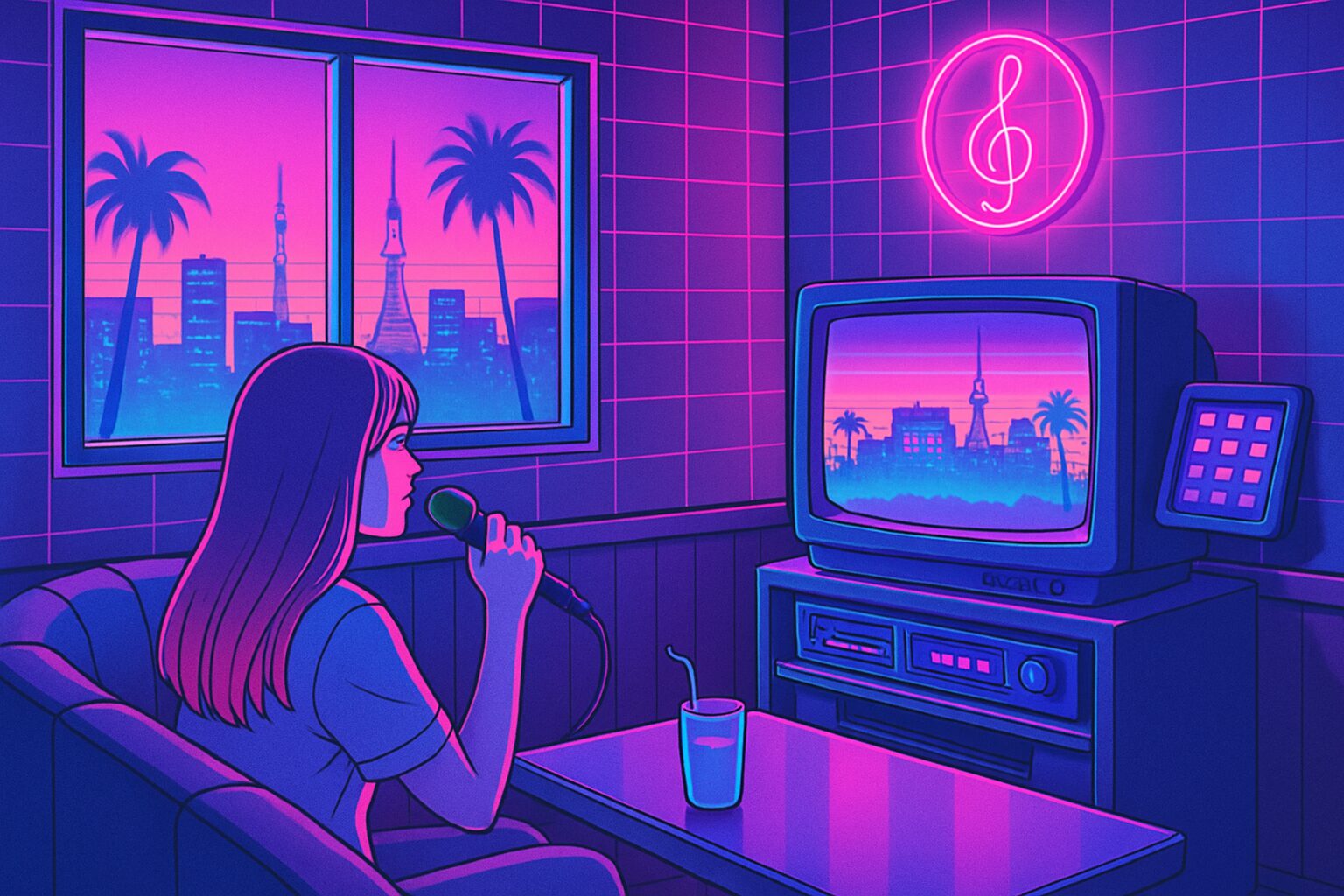
Tokyo at night is a vibe shift. The moment the sun dips below the skyline, the city undergoes a total metamorphosis. The daytime’s orderly hustle dissolves into a sprawling, electric playground, painted in a million shades of neon. It’s a sensory overload in the best way possible, a cyberpunk dream made real. Down alleys you’ve never noticed before, glowing signs hum, promising ramen, cocktails, or an escape. And among these countless promises of nocturnal adventure, one stands supreme, a cultural institution and a rite of passage for locals and travelers alike: the karaoke box. Now, if you’re picturing a crowded bar with a single stage where you nervously wait your turn to sing in front of strangers, you need to delete that file from your brain. That is not the wave here. In Japan, karaoke is a private affair, an intimate, high-energy ritual that unfolds behind closed doors. You and your crew rent a room—your own personal soundproofed sanctuary—and for a few hours, you are the rockstars, the pop divas, the main characters. It’s a space of pure, unadulterated release. But beyond the J-pop bangers and classic rock anthems lies a whole other level of karaoke culture, a secret world that’s pure magic for a certain kind of visitor. I’m talking about a treasure trove of Nintendo game soundtracks, waiting to be unleashed. This isn’t just about singing; it’s about reliving the epic boss battles, the triumphant fanfares, and the heart-swelling melodies that scored our digital lives. It’s about grabbing a mic with your friends and belting out the Calamari Inkantation from Splatoon in perfect, nonsensical harmony. This is where Japanese nightlife gets personal, nostalgic, and honestly, a little bit wonderfully weird. It’s an experience that’s low-key one of the most authentically fun things you can do in this city, a peek into a subculture that’s all about shared joy and epic vibes. So, you ready to press start?
For a different kind of nostalgic treasure hunt, you can also embark on an epic quest for Gachapon machines scattered throughout Tokyo’s neon-lit districts.
The Vibe Check: Stepping into Your Private Sonic Sanctuary

Your karaoke adventure doesn’t start with a bang, but with a quest. The first things you’ll notice are the giant, often vertical signs boasting names like Big Echo, KaraokeKan, or Manekineko, their glowing kanji characters lighting up the night sky. They promise fun, escape, and affordable hourly rates. You choose one, push through the automatic doors, and are instantly enveloped in a wall of sound. It’s not a single song, but a blend of many, faintly filtering through walls and floors. It’s the noise of countless parties happening simultaneously under one roof—a wild symphony of unrestrained joy. The air carries the scent of fried food, lingering cigarette smoke (though most places are now non-smoking, the ghost of it lingers), and a strong blast of air conditioning. It’s far from glamorous, but it’s electric. You approach the front desk, a brightly lit counter manned by a young, incredibly energetic employee. They’ll ask the key question: “Nan-mei sama desu ka?” (How many people?). You give them your party size and desired length of stay. The pricing, usually shown on a large poster, can appear complicated at first—weekday rates, weekend rates, daytime and nighttime fees, member discounts, and special packages. It’s a maze of options, but don’t worry. Just point to your preferred duration, and they’ll take care of the rest. After the transaction, you receive a small receipt with your room number and checkout time—your ticket to another dimension. You follow the number down a narrow, often dimly lit hallway. The muffled sounds of others’ fun grow louder with each door you pass—here, a group belting out a classic anime theme; there, a lone voice crooning a heartfelt ballad. It feels like wandering backstage at a festival of amateur stars. You find your door, slide it open, and step inside. This room is your kingdom. Typically small, cozy, and straightforward, it centers around a low table, probably sticky from previous drink spills, surrounded by plush, pleather couches that have seen many late-night antics. Facing the couches is the altar: a huge TV screen. On the table lie the sacred items: two microphones (always two), a tambourine, maybe some maracas, and the most crucial tech piece—a song-selection tablet called a `denmoku`. The lighting is usually dimmable, allowing you to set the mood from “interrogation room bright” to “moody music video.” This is your private stage, your recording studio, your confessional. There’s no audience, no judgment, no expectations. The only rule is to have fun. Here, you can be the person you’re too shy to be outside. You can dance on the couches, utterly butcher a high note, or sing the same song five times in a row. It’s a place of complete freedom—a temporary autonomous zone fueled by pop music and friendship. This is the heart of the Japanese karaoke experience, a vibe unmatched anywhere else in the world.
Hacking the Playlist: Your Quest for Nintendo Gold
Alright, so you’ve settled in, set the mood lighting just right, and are ready to sing. This is where the real journey starts. That little tablet, the `denmoku`, is your gateway. Most modern versions include an English language option, which is a total game-changer. Once you switch it on, you unlock a universe of music. But you’re not here for the usual hits. You have a special mission: to find the Nintendo bops. This is where a bit of insider knowledge really pays off. In Japanese karaoke, two major players dominate the software and song libraries for nearly every karaoke box in the country: DAM and JOYSOUND. Think of them as the Mario and Sonic of the karaoke scene. While both boast massive catalogs, each has its own strengths. For your purposes, JOYSOUND is often hailed as the champion of niche and otaku culture, offering a richer, more extensive collection of anime themes, Vocaloid tracks, and crucially, video game music. Some karaoke chains exclusively use one or the other, so if you’re a true fan, you might even pick your venue based on the system they use. But honestly, you’ll find great tracks on both. Now, how do you track down these elusive songs? Searching isn’t always as straightforward as typing “Zelda.” The trick is to be precise and think like the catalog does. Your best bet is to search by the exact song title in romaji. Let’s explore some must-try anthems to kick off your quest. First up, the undisputed king: “Jump Up, Super Star!” from Super Mario Odyssey. The moment that jazzy intro plays and Pauline’s vocals start, the entire room changes. It’s pure, unfiltered joy in musical form. Singing it feels like you’re right there in New Donk City, and it’s a guaranteed crowd-pleaser. Next, dive into the world of Splatoon. The tracks here are on another level of fun since the lyrics are in a fictional Inkling language. This takes the pressure off getting the words right. You’re not really singing; you’re vibing. Find “Calamari Inkantation” or “Now or Never!” and just go for it, mimicking the sounds. It turns into a hilarious, high-energy moment of joyful chaos. If you’re into JRPGs, you’re in for a treat. The Persona series, especially from Persona 3 onward, is known for its stylish, acid-jazz-infused soundtracks, many of which appear in the karaoke system. Searching for songs like “Last Surprise” (Persona 5), “Reach Out To The Truth” (Persona 4), or “Mass Destruction” (Persona 3) will make you feel cooler than ever. The English lyrics and irresistibly catchy beats create the perfect recipe for a karaoke power trip. Don’t overlook the classics either. A search for “Pokémon” will almost certainly bring up the original Japanese opening, “Mezase Pokémon Master.” Even if you don’t understand the words, the melody is so deeply embedded in the millennial psyche that you can’t help but belt it out. It’s nostalgia to the highest degree. The Kirby franchise also offers incredibly wholesome and fun tracks. Finding the main theme from the series or a vocal track like “Welcome to the New World!” from Kirby and the Forgotten Land feels like injecting pure sunshine into your karaoke night. Singing these songs is much more than just a performance. It’s a shared language among a global community of gamers. When you and your friends are screaming the chorus to a song from a game you’ve spent hundreds of hours playing together, you’re not just singing. You’re celebrating a shared history, tapping into deep nostalgia and camaraderie. It’s an “if you know, you know” moment that strengthens bonds. Often, the background video on the screen is just a generic loop of dolphins jumping or a couple walking on a beach, adding a surreal humor to singing about a pink puffball inhaling enemies. But if you’re lucky, the system will show the actual game footage or opening animation, turning the experience into something truly epic. It’s a high score you’ll chase all night long.
The Art of the Hang: How to Master the Karaoke Experience
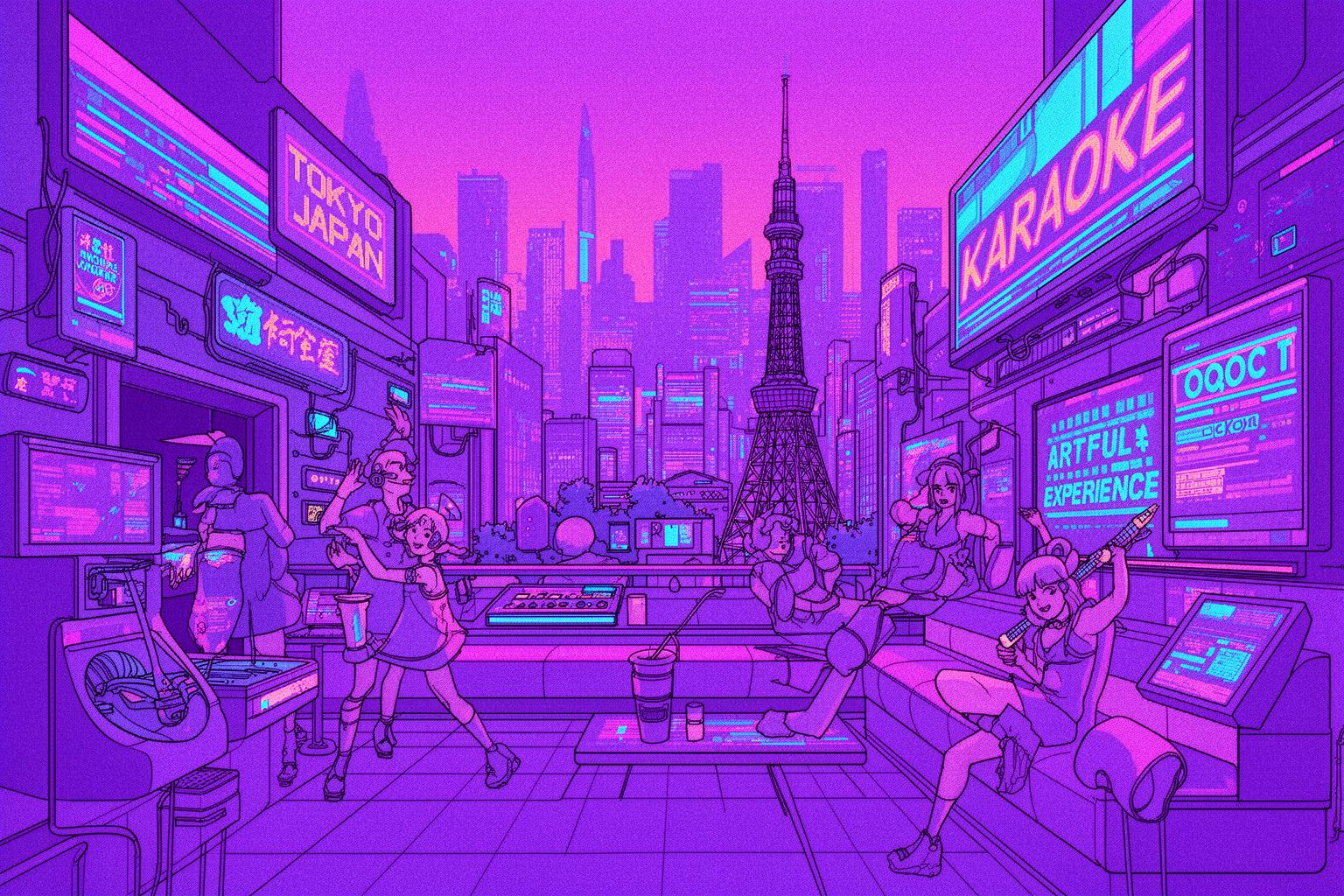
Alright, so you know how to find the songs. But to truly dominate the karaoke scene, you need to grasp how the session itself works. It’s not just about singing; it’s about crafting an entire vibe—a multi-hour adventure of growing excitement. It’s genuinely an art form. From managing your time to picking the ideal snacks, mastering the flow is essential to reaching karaoke nirvana.
Choosing Your Session: From Quick Blast to All-Night Extravaganza
When you get to the front desk, your first big decision is: how long do you want to party? The simplest option is to pay by the half-hour. This works well if you want a quick 60- or 90-minute burst to sing a few favorites and then head out. It’s flexible but can become pricey if you lose track of time—and believe me, you will lose track of time. An hour in a karaoke booth feels more like ten minutes in the real world. For those more committed, the ultimate prize is the “free time” package, or `furi-taimu` (フリータイム). This is by far the best deal around. It’s a flat-rate option that grants unlimited room access for an extended block of time. There are usually daytime free time plans (like 11 AM to 8 PM) and nighttime free time plans (such as 10 PM to 5 AM). That nighttime package is a legendary Tokyo experience. You and your friends can literally sing until sunrise and the first trains start again. It’s a marathon of music, snacks, and delightful delirium you won’t forget. Another growing trend is `hito-kara`, or solo karaoke. In many cultures, doing this alone might seem sad or lonely. In Japan, however, it’s a widely accepted and celebrated form of self-care. People go for `hito-kara` to rehearse a new song before showing it off to friends, to unwind after a tough day, or simply to enjoy the pure, judgment-free joy of singing whatever they want, as loudly as they want, for as long as they want. It’s a powerful expression of independence and a fantastic way to recharge socially. So even if your friends aren’t into video game music, don’t let that stop you. Book a solo room and have your own private Nintendo concert. Own it.
Fueling Your Performance: The Wonder of `Nomihoudai`
A singer is like an athlete, and every athlete needs fuel. This is where the karaoke food and drink system shines, and it’s truly a marvel. Every karaoke room has a phone on the wall—but it’s not for emergencies; it’s your direct line to a magical kitchen that delivers sustenance straight to your door. The real insider trick, the ultimate karaoke life hack, is the `nomihoudai`, or all-you-can-drink, plan. For a fixed fee on top of your room charge, you get unlimited drinks throughout your stay. There are usually two tiers. The basic one is a soft drink bar, offering a fantastic variety of sodas, juices, teas, and coffees—melon soda, Calpis (a yogurt-flavored drink), oolong tea, and all the classics. The higher tier includes alcohol, giving you access to draft beer, highballs (`haiboru`), lemon sours (`remon sawā`), and other simple cocktails. You call up the front desk, place your order, and within minutes there’s a knock on the door with your drinks in hand. It’s wonderfully indulgent. The food menu, or `fūdo menyu`, is just as crucial. It’s a hall of fame for Japanese comfort food and tasty snacks. Think generous plates of `karaage` (Japanese fried chicken), crispy fries (often called `pote-to furai`), edamame, takoyaki (octopus balls), and even personal-sized pizzas. For dessert, you can order elaborate ice cream parfaits that taste way better than expected. Continuously ordering snacks and drinks is part of the ritual. It keeps the energy high and ensures you have the stamina to last through a five-hour free time session.
The Unwritten Code: Karaoke Etiquette 101
Even in a private room, there’s a subtle etiquette in Japanese karaoke, especially with local friends. Following these unspoken rules will take you from tourist to true karaoke aficionado. First and foremost, don’t hog the mic. The `denmoku` tablet is shared. After your song, pass the tablet to the next person. It’s good manners to queue one song at a time so everyone gets a turn. Don’t stack up five songs in a row just for yourself. Second, be a supportive audience. When someone else is singing, you’re their hype squad—no exceptions. Put your phone down. Applaud their performance. If it’s an upbeat tune, grab the tambourine and shake it like your life depends on it. Sing along with the chorus if you know it. This act of boosting the mood is called `moriageru`, and it’s everyone’s responsibility. Your enthusiasm will be returned when it’s your turn. Respect the song choices. Your friend might pick a slow, emotional enka ballad you don’t know. It doesn’t matter. Listen respectfully. Appreciate their heartfelt, possibly tipsy performance. Karaoke is a glimpse into the soul, and you must honor what you see. Lastly, be ready for the ten-minute warning. About ten minutes before your time is up, the phone will ring with a sharp electronic tone. The staff will say, “Ato juppun desu” (Ten minutes left). This is a sacred signal. It means it’s time to pick the final, ultimate song of the night. It should be a banger, a crowd favorite, an anthem that leaves everyone breathless and exhilarated. Choose wisely—this song defines the entire session. It’s the grand finale, the last burst of energy before you return to the real world.
More Than a Mic: Karaoke’s Role in Japanese Culture
To fully grasp the atmosphere of a Tokyo karaoke box, it’s helpful to realize that you’re not merely engaging in a fun pastime; you’re participating in a deeply rooted cultural ritual. Karaoke is intricately embedded in Japanese social life, serving as a versatile tool for communication, celebration, and emotional release. Its origins are surprisingly modern, dating back to the 1970s with the creation of machines that played instrumental versions of popular songs for people to sing along to, mainly in bars and pubs. However, the true breakthrough occurred in the 1980s with the advent of the “karaoke box.” By shifting the activity from a public stage to a private room, it became accessible to everyone—not just the bold and vocally talented. Shy students, reserved office workers, and entire families could now enjoy singing without the fear of public scrutiny. This move to private performance was a brilliant innovation, perfectly aligning with a culture that values group harmony and the avoidance of public embarrassment. Karaoke quickly became the standard for the `nijikai`, or “second party.” A typical Japanese social outing might begin with a formal dinner or a company drinking party (`nomikai`) at an izakaya. After a few hours of polite conversation and structured drinking, the group typically transitions to the `nijikai`, which almost always involves karaoke. This is where genuine bonding occurs. With inhibitions lowered by alcohol and the formalities behind them, people can finally relax and express themselves. You might see a quiet, serious boss unexpectedly unleash heavy metal screams, or a shy coworker flawlessly sing a Disney princess ballad. Karaoke acts as a unique social lubricant, breaking down hierarchies and fostering more personal connections. Yet, it’s not just for groups; karaoke accommodates all of life’s moments. It’s where high school students celebrate the end of exams, couples enjoy dates, and friends comfort one another after breakups by belting out angsty rock songs. It crosses age and social boundaries. On a single karaoke floor, you might find a room of teenagers singing the latest TikTok hits, a room of businesspeople in suits, a family with young children in another, and an elderly couple singing nostalgic tunes from their youth. It is a truly universal space, a cultural commons where the only requirement is the willingness to pick up a mic and have fun.
Pro-Tips for Your First Time: A No-Stress Guide

Entering a karaoke box for the first time can feel a bit intimidating, but it’s one of the most accessible and enjoyable experiences you can have in Japan. Here are a few final tips to ensure your debut performance is a smashing success. First, don’t worry about the language barrier. While it can be fun to try some Japanese songs, it’s by no means necessary. The song catalogs are extensive and include a vast selection of English-language hits from every decade. Most modern `denmoku` tablets feature an English interface, allowing you to easily search for your favorite artists by typing their names in roman letters. Have a few go-to songs ready before you enter. When faced with a database containing tens of thousands of songs, it can be overwhelming. Knowing a few tracks you’re comfortable with can help get things started. An upbeat, well-known tune is always a great choice to kick things off. Keep in mind that at most venues, even if you don’t choose an all-you-can-drink plan, you’ll still need to order at least one drink per person. This is called the “one-drink system.” So when you check in, be prepared to order something from the menu. Explore the features of the remote—it does more than just queue songs. You can change the key to better suit your vocal range, adjust the tempo, control microphone and music volumes separately, and add playful sound effects or an echo that makes you sound like you’re singing in a cathedral. You can even add a guide vocal track that sings along with you, which is very helpful if you’re not completely confident with a song. Most importantly, embrace the spirit of karaoke, which is about passion, not perfection. No one expects a flawless performance. In fact, a bit of off-key enthusiasm often proves more entertaining than a technically perfect but soulless rendition. The goal is to participate, share a moment, and have fun. So let go of your inhibitions, grab the mic, and give it your all. What happens in the karaoke box, stays in the karaoke box.
Your adventure in a Japanese karaoke room is far more than just a night out. It’s a journey into a cultural phenomenon. It’s stepping through a portal from the orderly streets of Tokyo into a private world where you control the playlist. It’s the thrill of discovering that, yes, the theme from Kirby’s Dream Land is in the system—and it absolutely slaps. It’s the shared laughter when your friend attempts the high notes in a power ballad and spectacularly fails. It’s a place where memories aren’t just made; they’re scored, with a soundtrack of your own choosing. This experience is a quintessential slice of modern Japan, perfectly blending high-tech convenience, quirky subcultures, and the timeless human desire to simply let loose and sing your heart out. So on your next trip here, when the neon lights start calling your name, don’t just pass by those glowing signs. Step inside, grab a mic, and discover what it feels like to be a superstar—even if it’s just for a few hours in a small, soundproof room in the heart of Tokyo. Find your anthem, take a deep breath, and slay. Bet.