Alright legends, let’s have a real chat. You’ve seen the videos. The ones where skiers and boarders aren’t just riding on snow, they’re floating through it. They disappear into a cloud of white so profound it looks like a special effect, only to emerge moments later with a hoot of pure, unadulterated joy. That, my friends, is Japow. It’s not just a portmanteau; it’s a pilgrimage. It’s a whisper that turns into a roar in the heart of every snow lover. But beyond the epic resort clips lies something deeper, a quieter, more mystical experience: the Japanese backcountry. This isn’t about jostling for first chair or racing down groomed corduroy. This is about earning your turns in silent, snow-draped birch forests, standing atop peaks that have been revered as gods for centuries, and finding a connection to the mountains that feels ancient and deeply personal. It’s a vibe, a rhythm, a pursuit of silence in a world of noise, and it’s an experience that will redefine what you think you know about snow. It’s about finding that place where the only sound is the whisper of your skis on bottomless powder and the beat of your own stoked heart. So grab a cuppa, get comfy, because we’re about to drop into the deep end of Japan’s most sacred snowscapes.
For a truly meditative journey to these sacred snowscapes, consider the scenic approach along Japan’s legendary White Silk Road.
The Soul of Japow: More Than Just Meteorology

Before we explore specific locations, it’s important to understand what makes this snow legendary. It’s a perfect blend of geography and meteorology, almost tailor-made for extraordinary skiing. Icy, moisture-rich winds sweep across the Siberian plains, gathering vast amounts of water vapor as they cross the comparatively warm Sea of Japan. When this super-saturated air reaches Japan’s towering mountain ranges, it rises, rapidly cools, and releases enormous amounts of precipitation. Because the air is so cold, the resulting snowflakes have extremely low moisture content. This is the key. This is why it’s called “champagne powder.” It’s not the heavy, wet snow you might be familiar with. Instead, it’s ethereal, feather-light, nearly weightless snow. It doesn’t compress; it drifts. It’s the kind of snow that makes a 50cm snowfall feel endless.
But the magic extends beyond the science. There’s a palpable spirit here—a profound respect for nature deeply embedded in Japanese culture. Shinto, Japan’s indigenous spirituality, believes that gods and spirits, or kami, inhabit natural elements—in mountains, ancient trees, waterfalls, and even distinctive rocks. When you’re skinning up a silent mountainside, passing a small shrine or a shimenawa (a sacred rope) wrapped around a centuries-old tree, you can sense it. You’re not simply climbing a mountain; you’re a guest in a sacred place. This instills a quiet respect among those who venture into the backcountry. There’s less bravado, less showiness, and more humble appreciation. It’s this beautiful contrast of adrenaline-charged descents set against peaceful, spiritual surroundings that truly defines the Japanese backcountry experience. It’s a full-body, full-soul immersion.
Hokkaido: The Powder Kingdom
Hokkaido is Japan’s northernmost island and the undisputed heart of the Japow phenomenon. It’s a vast, untamed land that bears the full, raw impact of Siberian storms. The result is snow of an unparalleled consistency and quality. While there are endless spots to discover, a few key areas act as gateways to this powder haven, each offering its own unique character.
Niseko: The Global Mecca
Let’s begin with the biggest name. Niseko is Japan’s most renowned ski resort, deservedly so. It’s an expansive area made up of four interconnected resorts—Grand Hirafu, Hanazono, Niseko Village, and Annupuri—all accessible with a single lift pass, encircling the stunning Mt. Niseko-Annupuri. The atmosphere is vibrant and international. You’ll hear Australian accents everywhere, find flat whites on café menus, and get by entirely in English. It’s an ideal introduction for beginners, with top-notch infrastructure, dining, and nightlife.
However, for us, the true Niseko lies beyond the resort boundaries—in the backcountry. Niseko United boasts a progressive policy for backcountry access, opening a series of numbered gates when the ski patrol deems conditions safe. Passing through these gates is a rite of passage. You leave behind groomed trails and crowds, stepping into limitless potential. The rules are straightforward but strict: you must carry a beacon, shovel, and probe, and know how to use them. Gate 11, ‘Miharashi,’ opens onto wide, beautiful terrain. Gate 3, ‘Fujiwara no Sawa,’ leads into a legendary powder bowl. The mix of responsibility and freedom is intoxicating. Every turn is yours, each line a unique expression on a blank canvas.
For the ultimate journey, a guided ascent of Mt. Yotei is a dream come true. This perfectly conical stratovolcano towers above Niseko, a constant, breathtaking reminder of the wild around you. It’s a full-day adventure involving several hours of skinning uphill, but the payoff is indescribable. Standing on the crater rim with a 360-degree panorama of Hokkaido below, then dropping into the crater for an unforgettable run—it’s a near-spiritual experience. Access is straightforward, with numerous buses connecting from New Chitose Airport (CTS). The key is to book everything—lodging and particularly guides—months or even a year ahead. January and February mark peak season, delivering the coldest, deepest snow.
Rusutsu: The Tree-Skiing Paradise
Just beyond the mountain from Niseko lies Rusutsu. If Niseko is the bustling international hub, Rusutsu is the slightly quirky, endlessly fun theme park next door (which actually includes one at its base). The vibe is more traditionally Japanese, a bit quieter, with far less competition for fresh tracks. Rusutsu’s standout feature is its trees. Famous for perfectly spaced birch forests seemingly designed with skiers in mind, powder days here offer pure bliss. Dropping into the East Mountain trees feels like a silent dance through silver and white trunks, powder clouding overhead with every turn—this is skiing at its finest.
Though it lacks formal backcountry gates like Niseko, Rusutsu’s sidecountry access is excellent and widely accepted. Terrain off the Isola Gondola and runs on West Mountain provide countless chances to leave the main trails for deep, untouched powder. The focus here is less on alpine ascents and more on repeatedly enjoying accessible, incredible powder runs. This makes it perfect for those new to off-piste skiing, allowing confidence-building in a lower-risk setting. As a parent, I find Rusutsu hits a perfect balance. Kids can enjoy groomers or the hotel wave pool while you escape for some of the deepest tree skiing of your life. It’s a win-win, offering a taste of the wilderness without the commitment of a full expedition.
Asahidake: The Raw Wilderness
Now we move to the heart of Hokkaido: Daisetsuzan National Park, home to Asahidake. This is not a ski resort—let’s be clear on that. It’s an active volcano served by one ropeway (tram) that whisks you from base to alpine heights. Once off, there are no groomed runs, no traditional ski patrol, and no hot chocolate stands—you are in the wild. This is the raw, untamed essence of Japan’s backcountry. The scenery is otherworldly. Steaming fumaroles release sulfurous gas into the frozen air, a constant reminder of the power beneath your feet. The terrain features wide alpine bowls, natural halfpipes sculpted by wind and snow, and stunted, snow-covered silver birch at lower elevations.
The experience is profound. Riding the ropeway with a small group of dedicated powder seekers creates a quiet camaraderie. From the summit, you pick your line. Runs here are long, untouched, and truly spectacular. But the risks are real. Weather can shift instantly, visibility may vanish, and avalanche dangers are high. Having a guide is essential on your first visit. They ensure your safety and know where to find the best lines based on conditions. Asahidake demands respect, preparation, and humility. But for those willing, it offers the purest and most silent Japow experience imaginable. It’s a place that gets under your skin and stays with you forever.
Honshu’s Heart: The Japan Alps
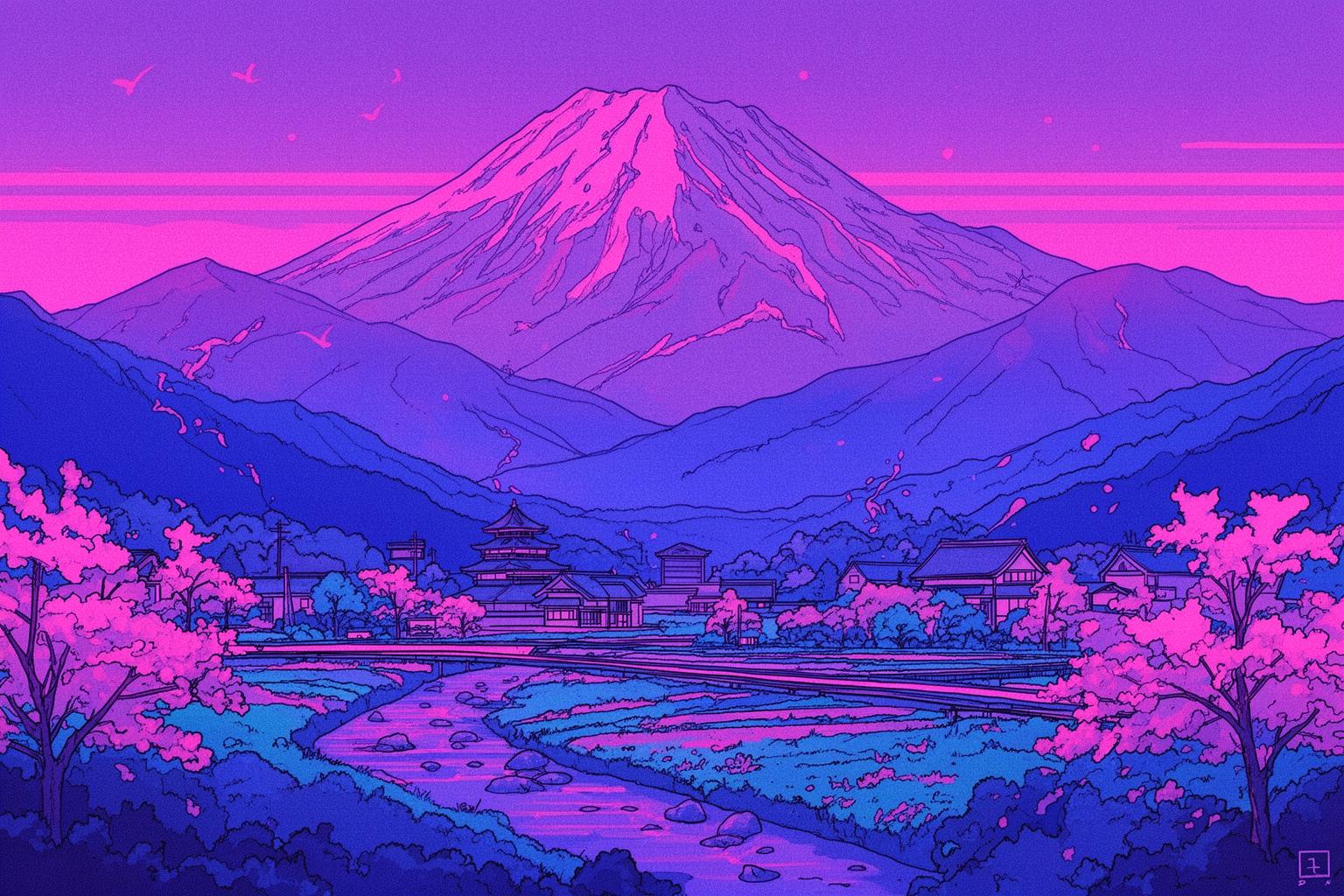
While Hokkaido may receive most of the international attention, Japan’s main island, Honshu, hosts the stunning Japan Alps. The mountains here tend to be steeper and more jagged, offering a distinct type of backcountry challenge. The snow can be denser than that of Hokkaido, but often the quantity is even greater, and the cultural experience is on an entirely different level. You’re not merely in a ski area; you’re immersed in a region rich with history, where ancient castles, temples, and onsen towns lie just a short distance from the slopes.
Hakuba Valley, Nagano: The Olympic Stage
Hakuba gained international recognition after hosting numerous events during the 1998 Nagano Winter Olympics. Rather than a single resort, it’s a vast valley encompassing ten distinct ski areas, each with its own character. Happo-One, the largest and most central resort, offers some of Japan’s steepest and most challenging in-bounds terrain. However, the true allure lies beyond the lifts. Hakuba’s backcountry is world-class, featuring massive alpine faces, narrow couloirs, and wide-open bowls that are truly jaw-dropping. The peaks of the Northern Alps are imposing and awe-inspiring, true giants of the alpine world.
Cortina, situated at the valley’s northern end, is legendary. It’s renowned for its exceptionally liberal off-piste policy and incredibly deep snow. On storm days, Cortina erupts with powder-chasing skiers and snowboarders tearing through its famous tree runs. The sidecountry is easily accessible and offers some of the best deep powder riding imaginable. Reaching the true backcountry often requires a brief boot-pack or skin from the top lifts, unlocking an extensive playground that links several of the valley’s resorts. Hiring a guide in Hakuba is highly advisable; the terrain’s scale can be overwhelming, and the alpine conditions demand great respect. After a big day on the slopes, the village of Echoland buzzes with life, boasting fantastic restaurants and bars where you can swap stories about your epic runs. For a richer cultural experience, a day trip to Jigokudani Yaen-Koen to see the famous snow monkeys bathing in hot springs is an absolute must.
Myoko Kogen, Niigata: The Relentless Snowfall
Travel to Niigata Prefecture, and you’ll discover Myoko Kogen. This area has a different vibe—older, more soulful, with less Western influence and more of an authentic, old-school Japanese ski town atmosphere. Myoko is famous for its snow—unbelievable, staggering, relentless amounts. It’s common for the region to be hit by multi-meter storms, draping the landscape in a thick white blanket. Locals humorously call the constant clearing of snow ‘Myoko Heavy Industries.’
The main resorts, such as Akakura Kanko and Akakura Onsen, are excellent, but the real treasures lie in the easily accessible off-piste areas. The trees here have a magical quality, and waist-deep powder often lies just meters from the groomed trails. Unlike some more regulated resorts, Myoko has a freer attitude toward venturing beyond the ropes, but with this liberty comes great responsibility. The snowpack can be complex, and the immense snowfall creates unique hazards. It’s a place that rewards curiosity but punishes carelessness. The atmosphere in Myoko is one of cozy immersion. You ski until exhaustion sets in, then retreat to a traditional inn, soak in a mineral-rich onsen to soothe tired muscles, and refuel with a hearty bowl of ramen. It feels less like a vacation and more like living the life of a devoted Japanese snow aficionado.
Gearing Up and Getting Wise: The Backcountry Code
Venturing beyond the resort boundaries is a serious endeavor that demands the right gear, proper knowledge, and the correct mindset. This isn’t about fear; it’s about being respectful and well-prepared, which is essential for enjoying a long and fulfilling backcountry career.
The Holy Trinity: Beacon, Shovel, Probe
This is non-negotiable. If you plan to enter the backcountry, you must carry an avalanche beacon (transceiver), a probe, and a shovel—and everyone in your group must have them. The beacon sends out a signal and can switch to receive mode to locate a buried person. The probe is a collapsible pole used to pinpoint their exact position under the snow, and the shovel is for digging them out. Owning the gear is only the first step. You must practice using it regularly. Drill with your partners and know your beacon’s functions thoroughly. In an avalanche burial, time is your greatest enemy, so fumbling with your gear is not an option. Many guiding services offer avalanche safety courses (AST or AIARE), and taking one is the best investment you can make in your backcountry trips.
To Guide or Not to Guide?
If it’s your first time in the Japanese backcountry, my advice is straightforward: hire a guide. It’s a no-brainer. A certified local guide is invaluable. They spend every day in these mountains, understand the subtle differences in the local snowpack compared to what you may know from North America or Europe, know the weather patterns inside out, and are familiar with the safest routes up and the most spectacular lines down. Crucially, they know where the best untracked snow remains long after a storm. They eliminate the stress of navigation and decision-making, letting you fully immerse yourself in the experience. Additionally, they will enhance your mountain knowledge, teaching you how to read terrain and make smarter choices in the future. It’s both an education and an adventure combined.
What to Wear and What to Carry
The key to comfort in the backcountry is layering. You’ll generate a lot of heat on the ascent (the ‘earn your turns’ part), so you need breathable layers you can easily remove. A moisture-wicking base layer is essential, followed by a light fleece or insulating mid-layer, and topped with a waterproof, breathable shell jacket and pants. Avoid heavy, insulated resort-style jackets, as you will quickly overheat.
In your backpack, along with your safety gear, you should always carry the essentials. Plenty of water and high-energy snacks are must-haves. A spare warm layer, like a puffy jacket, is vital for breaks or unexpected weather changes. Also bring a basic first-aid kit, a headlamp (in case you end up out later than planned), and some form of navigation such as a map and compass or GPS device. If you plan to access terrain requiring uphill travel, specialized gear is necessary: skis with touring bindings and climbing skins, or a splitboard that separates into two skis for ascending. This equipment truly frees you, allowing you to explore well beyond the reach of any ski lift.
The Apres-Ski Culture: Onsen, Izakaya, and Kanpai!
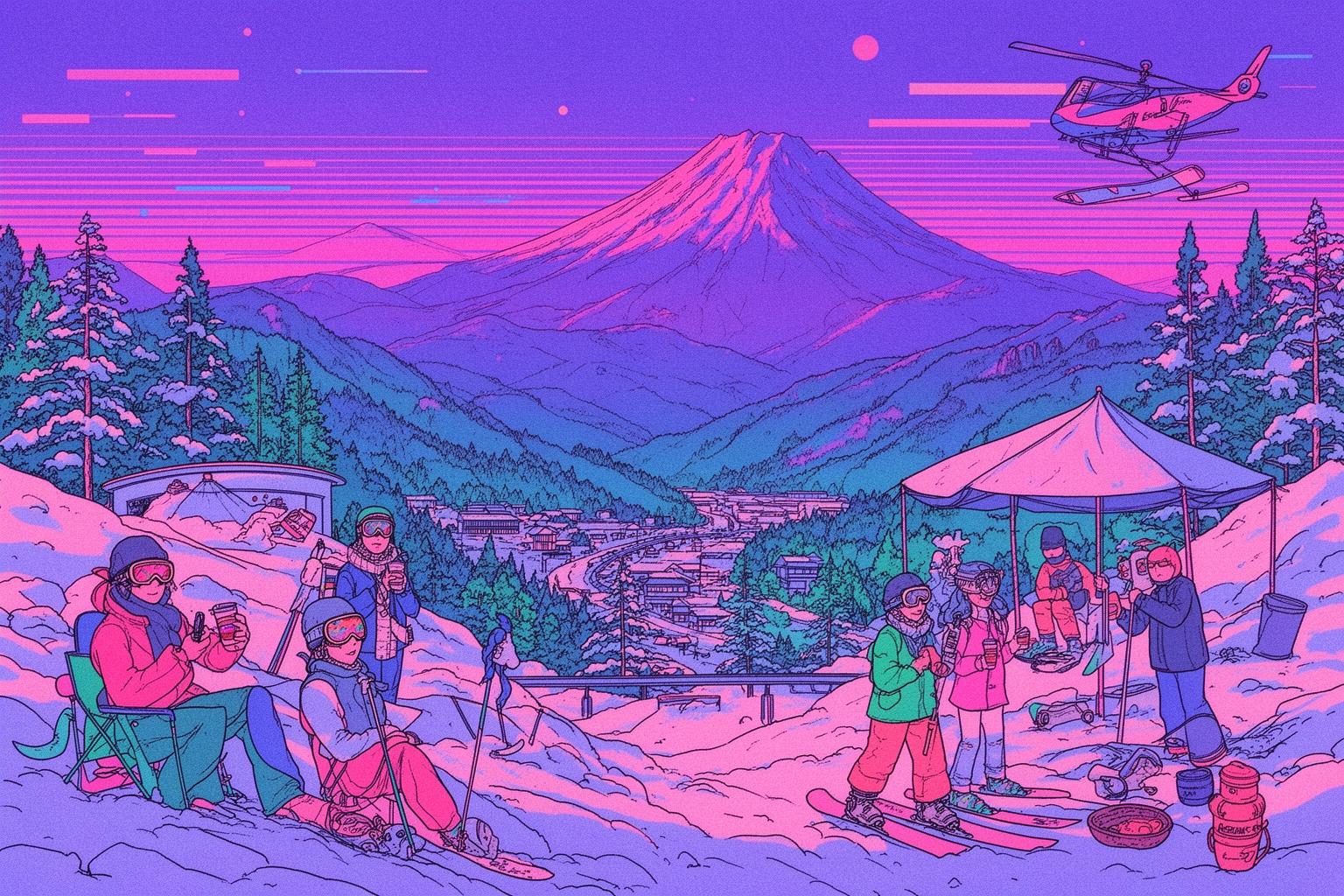
What you do after skiing is just as much a part of the Japanese experience as the powder itself. This is where you genuinely connect with the culture and rejuvenate your body and soul for the next day’s adventure.
Healing Waters: The Onsen Ritual
There is no greater pleasure for the human body than sinking into a natural volcanic hot spring, or onsen, after a long, cold day on the slopes. It is pure, unfiltered bliss. The onsen is a fundamental aspect of Japanese culture—a place for relaxation, socializing, and healing. The process follows a specific etiquette that’s important to observe. First, you go to the washing area. Sitting on a small plastic stool, you use the provided showers to thoroughly clean yourself before entering the bath. The onsen is meant for soaking, not washing. Once you’re spotless, you can slowly immerse yourself in the hot water. The small towel given to you can be placed on your head or to the side, but it should never enter the water. Many onsen feature an outdoor section, called a rotenburo, which offers a truly enchanting experience. Soaking in a steaming, mineral-rich pool while soft snowflakes fall from the night sky creates a cherished memory you’ll carry forever.
Fueling the Soul: Izakaya and Local Delicacies
Forget fancy dining. The heart of Japanese nightlife lies in the izakaya, a traditional Japanese pub. These spots are lively, sometimes noisy, a bit smoky, and always inviting. They’re where you go for drinks and a steady flow of delicious, unpretentious food. The menu is usually extensive and designed for sharing. Must-try dishes include karaage (Japanese fried chicken), gyoza (pan-fried dumplings), edamame, and various yakitori (grilled skewers). It’s the perfect way to refuel and celebrate the day’s achievements. Don’t hesitate; grab a table, order a large bottle of Sapporo Classic (in Hokkaido) or local sake, and toast with a hearty ‘Kanpai!’ (Cheers!).
Every region also boasts its own specialties. In Hokkaido, you have to try the ramen. Miso ramen from Sapporo, shoyu (soy sauce) ramen from Asahikawa—it’s the ultimate soul-warming meal. The island is also renowned for its incredible fresh seafood, especially crab and scallops. In Nagano, you’ll discover delicious soba (buckwheat noodles) and oyaki, savory steamed buns filled with various ingredients. Tasting the local cuisine is an adventure in itself and a flavorful window into the region’s culture.
A First-Timer’s Field Guide: Pro Tips for a Smooth Trip
Navigating Japan for the first time can feel a little overwhelming, but a few essential tips can make your trip much smoother and more enjoyable.
Navigating Japan: Travel and Transport
Japan’s public transportation system is a marvel of efficiency and punctuality. For long-distance travel, the Shinkansen (bullet train) offers an incredible experience. However, if your trip is centered on just one ski region, a Japan Rail Pass might not be the most cost-effective choice. Often, direct highway buses from the airport to the ski resort provide the easiest and most affordable option.
Renting a car, particularly in Hokkaido where the resorts are more spread out, gives you tremendous freedom. Just be sure to obtain an International Driving Permit from your home country before you travel and verify that your rental includes 4WD and winter tires. Driving on the opposite side of the road may take some adjustment, but the roads are generally well maintained.
One of the best travel hacks in Japan is the luggage forwarding service, called takkyubin. You can send your bulky ski or snowboard bag directly from the airport to your hotel for a reasonable fee. It will be ready for you upon check-in, allowing you to travel on trains and buses with only a small backpack—an absolute game-changer.
Money Matters: Cash is Still King
Although Japan is highly technologically advanced, it remains largely a cash-based society. While major hotels, large restaurants, and big stores accept credit cards, many smaller local eateries, cozy bars, lift ticket windows at smaller resorts, and onsens require cash. Always carry a sufficient amount of Japanese Yen. The easiest places to withdraw cash are ATMs inside 7-Eleven convenience stores or at Post Offices, as they reliably accept most international cards.
Respecting the Culture: Simple Dos and Don’ts
Japanese people are extremely polite and welcoming. Making a small effort to respect their customs goes a long way. A simple bow is a common form of greeting and shows respect. Tipping is not part of the culture and can sometimes be considered rude, so avoid it. Always remove your shoes when entering someone’s home, a traditional ryokan, or even some restaurants and temples. On public transport, it is customary to be quiet and avoid loud conversations or phone calls.
Don’t worry too much about the language barrier. In major tourist areas, English is widely spoken. Still, learning a few basic phrases is greatly appreciated. Phrases like Ohayou gozaimasu (Good morning), Konnichiwa (Hello), Arigatou gozaimasu (Thank you), and Sumimasen (Excuse me/Sorry) will take you far. Ultimately, a warm smile is a universal language.
The Echo of the Mountains
Pursuing the quiet Japow vibe is far more than just a ski holiday. It’s a journey that tests you physically and nourishes you spiritually. It’s about the burn in your legs during the climb, the burst of weightless powder on the descent, and the deep silence of a snow-blanketed forest. It’s about earning each turn and then earning your time in the onsen. It’s a sensory feast in the best sense—the warmth of hot sake, the touch of snowflakes on your skin, the echo of a distant temple bell. You come to Japan chasing legendary snow, and you leave carrying a piece of its soul within you. The mountains here don’t simply give you a ride; they share a story. So go, be respectful, be ready, and discover your own rhythm in Japan’s deep, silent, and mystical heart.