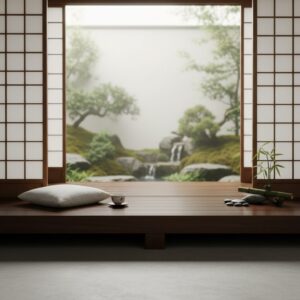
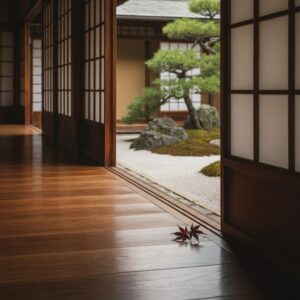
Yo, what’s up, world travelers and culture seekers! It’s Emily, your go-to guide for all things delicious and vibey in Japan. When someone says “Harajuku,” what’s the first thing that pops into your head? I bet it’s a full-on sensory explosion, right? Takeshita Street, a tidal wave of people, rainbow-colored everything, giant cotton candy, and the soundtrack of a thousand different pop songs clashing in the air. It’s iconic, it’s a whole mood, and honestly, you gotta experience it at least once. But let me drop some real talk: that’s just the opening act. The main event, the place where Tokyo’s real creative pulse beats, is hiding in plain sight, just a few steps away. I’m talking about Ura-Harajuku, or “Ura-Hara” as the locals call it. This is the flip side of the kawaii coin. It’s the low-key, effortlessly cool network of backstreets where Zen and street style collide. Forget the chaos. We’re going on a hunt for tranquility, for those quiet, authentic moments that make travel so epic. This isn’t just about finding a different shopping street; it’s about discovering the soul of a neighborhood, a place that proves Tokyo’s true magic is found not in the noise, but in the hush that follows. Ready to ditch the crowds and find your vibe? Let’s get into it.
To truly capture the essence of this serene atmosphere, consider exploring the perfect chill and zen Tokyo soundtrack to accompany your journey.
The Vibe Check: What Ura-Hara Actually Feels Like
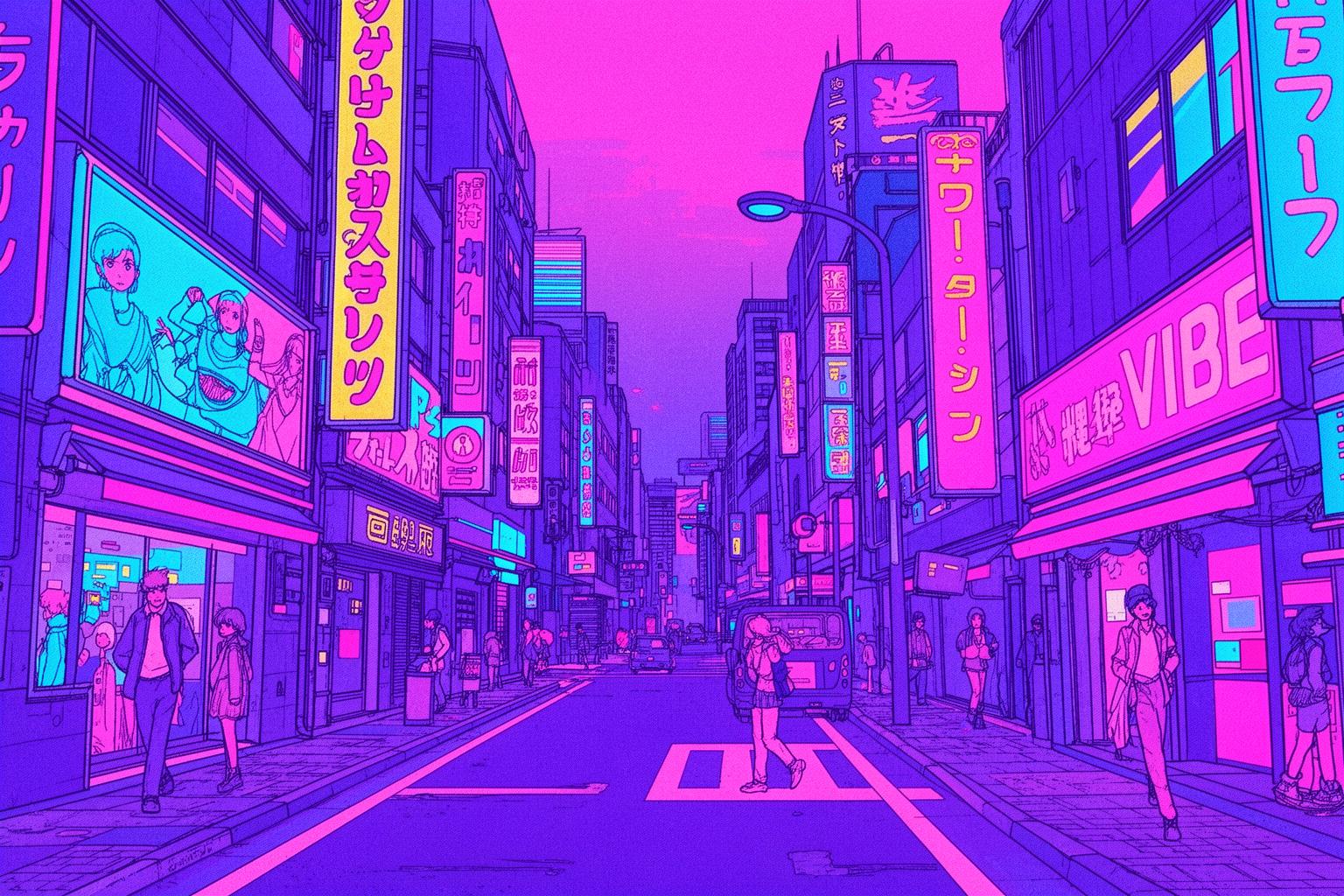
To truly understand Ura-Harajuku, you need to completely clear Takeshita Street from your mind. Seriously. Take a deep breath, exhale the neon and sweetness, and reset your senses. Entering the back alleys of Ura-Hara feels like turning down Tokyo’s volume. The roar of the crowd softens into a gentle murmur. The frantic energy gives way to a creative, almost meditative calm. The atmosphere itself shifts—less like a theme park and more like an open-air studio. You’ll notice the soundtrack changes from J-pop to the subtle hum of a sewing machine from a second-floor workshop, the soft clink of ceramic coffee cups, and the rustle of leaves from potted plants lining the doorways of minimalist boutiques. This is a place that values space. The streets are wider, the buildings are lower, and there’s room to breathe, to walk without being jostled, to pause and admire something without causing a crowd. The aesthetic is a masterclass in Japanese minimalism and wabi-sabi, the art of appreciating beauty in imperfection. You’ll see exposed concrete walls beside aged wooden facades, sleek glass storefronts adjacent to walls covered in carefully curated, artistic graffiti. It’s a visual dialogue between the raw and the refined. It’s less about shouting for attention and more about rewarding it. The longer you observe, the more details emerge: a tiny, hand-painted sign, a beautifully arranged display featuring a single perfect leather jacket, a hidden courtyard with a solitary bench seeming to wait just for you. This neighborhood doesn’t broadcast its coolness; it whispers it. It’s the kind of place where people come not just to shop, but to connect with a certain wavelength of creativity and calm. It’s the feeling of being in the know, of having uncovered a secret that the rest of the city is too busy to notice. That’s the essence of the Ura-Hara vibe: an IYKYK (if you know, you know) moment, a shared secret among those who seek style with substance.
Beyond the Hype: Discovering the Soul of Cat Street
The main artery of Ura-Harajuku, its vibrant heart, is the pedestrian haven known as Cat Street. Don’t expect to be surrounded by feline companions; the name’s origin is somewhat of a local legend. Some say it’s because the narrow, winding street resembles a cat’s back, while others believe it was once a popular spot for stray cats. Regardless of the true story, the name perfectly reflects the street’s sleek, independent, and slightly mysterious vibe. Cat Street winds its way between Harajuku and Shibuya, and walking its entire length feels like a journey through the history of Tokyo street style. This area was once the Shibuya River, which was covered over after the 1964 Tokyo Olympics. This past gives the street its distinctive, organic curves that stand out against the city’s otherwise strict grid layout. It feels less like a planned commercial path and more like a natural route forged by everyday life. As you stroll, you’ll notice that Cat Street and its side alleys serve as a living gallery of fashion and culture. It’s the complete opposite of the fast-fashion empires found elsewhere in the city. Here, the emphasis is on curation, craftsmanship, and individuality. You’ll discover legendary vintage shops where every item tells a story, racks of 1980s American college sweatshirts alongside pristine Japanese sukajan jackets. Independent designer boutiques, often no bigger than a walk-in closet, feature clothes sold directly by their creators. You’ll come across shops devoted to a single, perfect item—hand-tooled leather goods, artisanal denim, avant-garde eyewear, or locally crafted ceramics. Mixed among these fashion spots are small, independent art galleries showcasing emerging Tokyo artists, offering a live view of the city’s creative underground. The people-watching here is exceptional. Forget the theatrical costumes on the Harajuku bridge; Cat Street’s style is subtler but far more influential. You’ll see fashion students sketching, photographers setting up spontaneous shoots, designers gathering inspiration, and locals who have mastered the art of effortless cool. This is where trends are born, not copied. It’s a place that celebrates the unique, the well-made, and the thoughtfully chosen over the disposable and mass-produced.
Finding Your Zen Moment: It’s All in the Details
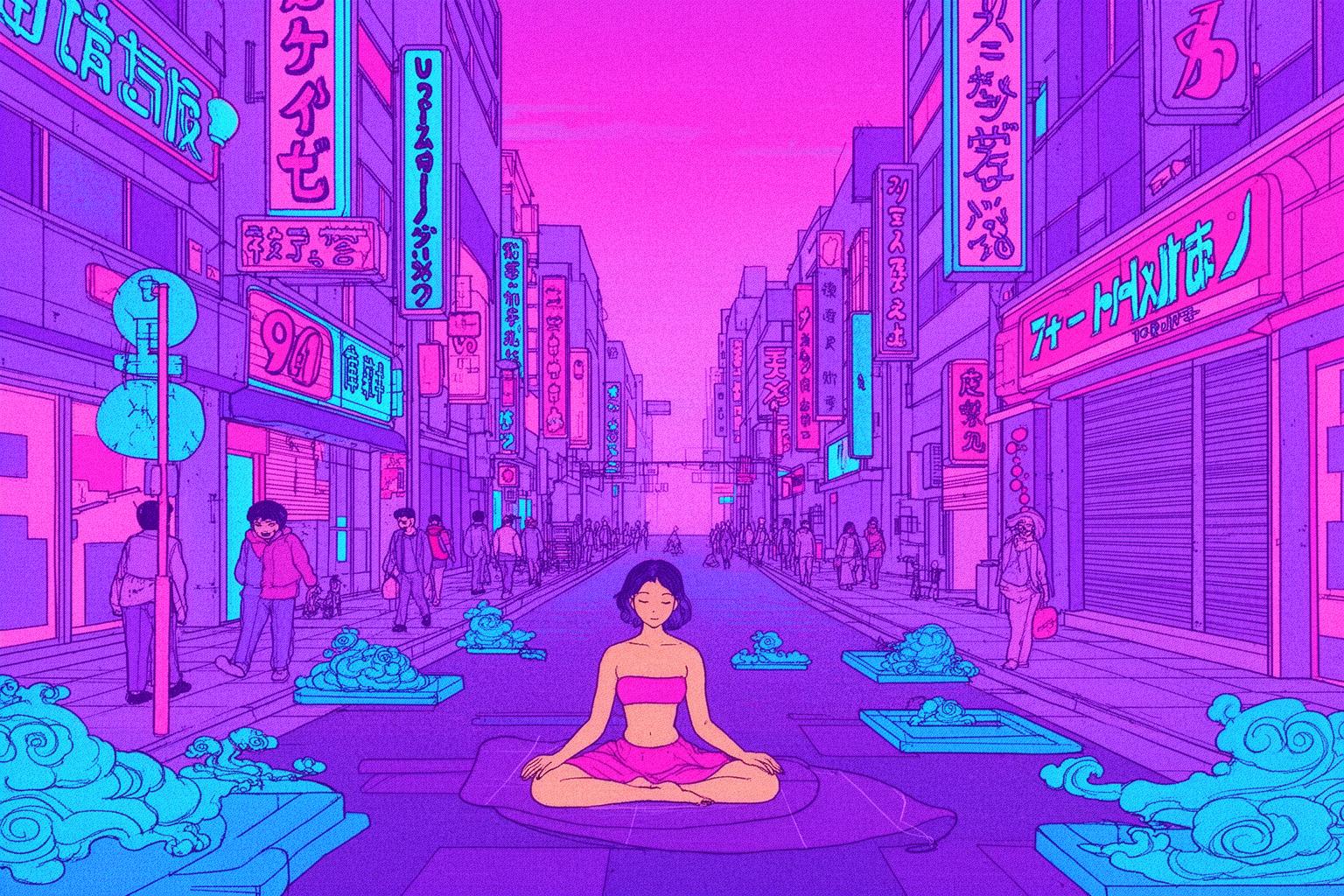
Okay, so we’ve established that the vibe is relaxed and the main street is a treasure trove of cool. But how do you discover that capital-Z Zen moment? The secret to Ura-Harajuku doesn’t lie in a single destination; it’s in the mindset. It’s a practice, a way of moving through the space that allows for moments of calm reflection and discovery. It’s about tuning into the subtle details most people rush past. The true essence of Ura-Hara emerges when you let go of the map and embrace the art of simply being present.
The Art of Aimless Wandering
The first rule of Ura-Hara: abandon the itinerary. This neighborhood is a labyrinth, and its greatest treasures are tucked away deep within its maze-like side streets. The magic happens when you let yourself get wonderfully, gloriously lost. Take that narrow alley that seems to lead nowhere. Follow the sound of wind chimes. Let a particular shade of blue on a doorway guide your next turn. Here you’ll find the real gems: the tiny, one-chair barbershop that looks like it’s been there for fifty years, the small shrine nestled between two apartment buildings, its stone lanterns cloaked in moss, or a sudden, breathtaking mural painted on a roll-down shutter visible only after business hours. This aimless wandering is a form of active meditation. Your senses heighten, you’re fully engaged with your surroundings, and you’re open to serendipity. You’re not merely passing through the landscape; you’re having a conversation with it. Each corner you turn is a new possibility, a fresh chance for a small, delightful surprise. In a city as hyper-efficient and goal-oriented as Tokyo, this practice of intentional aimlessness is a revolutionary kind of Zen. It’s about finding peace not by escaping the city, but by engaging with its quietest, most creative corners on your own terms. You’ll discover that the journey itself—the process of looking and finding—becomes the destination.
Cafe Culture as a Ritual
As a foodie, I can tell you the cafe scene in Ura-Harajuku is central to its tranquil identity. These aren’t your typical grab-and-go coffee chains. The cafes here are sanctuaries of calm, places where the simple act of drinking a cup of coffee becomes a mindful ritual. Many are tiny, owner-operated spaces where every detail is intentional. Picture this: you step into a minimalist setting with nothing but a polished concrete counter, a few wooden stools, and a single, beautifully arranged flower in a vase. The barista, often the owner, greets you with a quiet nod. There’s no elaborate menu, just a selection of single-origin beans. You watch as they carefully weigh the beans, grind them fresh, and perform the slow, hypnotic pour-over process. The entire experience unfolds as a performance of focus and care. When the coffee arrives in a handcrafted ceramic mug, you pause to appreciate the aroma, the warmth, the complex flavors. You find a quiet corner, perhaps overlooking the street from a second-story window, and simply sit. You savor your drink, watch the stylish locals drift by, and feel the rhythm of the neighborhood. This is a modern-day tea ceremony—a forced pause in your day, a ten-minute meditation powered by caffeine. These cafes are more than just places to get a drink; they are community hubs, quiet workspaces, and essential sanctuaries for recharging your creative and spiritual batteries. Finding your favorite little coffee spot in Ura-Hara is like unlocking a key to the neighborhood’s soul.
The Quiet Couturiers
Shopping in Ura-Harajuku can also be a Zen-like experience. Unlike the frantic consumerism found elsewhere, browsing the boutiques here is a slow, contemplative process. Many shops are curated with such precision that they resemble galleries more than retail stores. Racks are sparsely stocked, allowing each item to be seen and appreciated as a work of art. The lighting is soft, the music ambient, and there’s no pressure from pushy salespeople. The shopkeepers are often the designers themselves or passionate experts eager to share the stories behind their products. You can have genuine conversations about the origin of the fabric, the inspiration for a particular cut, or the traditional techniques used to create a piece of jewelry. This transforms shopping from a mere transaction into an educational and personal experience. You’re not just buying a t-shirt; you’re acquiring a piece of someone’s creative vision. You might spend an hour in a single store, feeling the textures of hand-dyed indigo, admiring the intricate stitching on a pair of boots, and learning about the brand’s philosophy. This mindful approach to consumption counters the fast-fashion mentality. It encourages you to think carefully about what you buy, to value quality over quantity, and to forge a connection with the objects you bring into your life. It’s a form of Zen you can wear—a reminder of a quiet afternoon spent appreciating craftsmanship in Tokyo’s backstreets.
Hidden Greenery and Urban Oases
Though nestled in one of the world’s largest cities, Ura-Harajuku is dotted with small pockets of nature that act as essential anchors of tranquility. These aren’t sprawling parks, but tiny, deliberate gestures of green that break up the concrete and asphalt. You’ll notice it in the meticulously nurtured bonsai tree outside a shop entrance, its ancient, twisted branches a testament to patience and time. You’ll see it in vibrant cascades of ivy spilling over walls, softening the hard edges of the urban landscape. Look for the small, almost hidden community gardens and countless potted plants—from fragrant herbs to miniature maples—that line the streets, each a small act of love and care by local residents or shop owners. These touches of greenery are vital to the area’s Zen atmosphere. They offer visual and psychological resting points, reminding you to breathe and reconnect with nature, even if only briefly. Discovering a small shrine, like the Togo Shrine—a bit of a walk but a world away in peace—provides a deeper escape. Yet even the tiniest patch of moss growing in a pavement crack can become a focal point for a moment of mindfulness. These urban oases teach you to find nature and serenity not only in vast open spaces but in the small, resilient details of city life.
The Practical Playbook: How to Do Ura-Hara Right
Alright, so you’re captivated by the vibe and eager to find your Zen. Let’s dive into the practical details—the essential tips for navigating this little slice of paradise. A bit of know-how can make all the difference between having a good day and experiencing an absolutely perfect one.
Getting There is Half the Fun
Reaching Ura-Harajuku is incredibly easy, with the key being to consciously walk away from the main tourist crowds. The most common starting point is Harajuku Station on the JR Yamanote Line. When you exit via the main Takeshita exit, you’ll see a tide of people heading straight for Takeshita Street. Do the opposite. Turn right and follow the main road, Meiji Dori. In just a few minutes, you’ll spot the entrance to Cat Street on your left. It’s a subtle turn, but it’s your gateway to another world. Alternatively, you can take the Tokyo Metro to Meiji-jingumae ‘Harajuku’ Station (Chiyoda and Fukutoshin Lines), which places you right at the intersection of Meiji Dori and Omotesando—with Cat Street just a short walk away. My personal tip? Start from Shibuya. Walk up from Shibuya Station past the famous crossing, then head toward Harajuku. Cat Street begins there, offering a smooth transition from Shibuya’s high-energy buzz to Ura-Hara’s relaxed cool. This route feels like a perfect decompression zone.
Timing is Everything
To fully embrace the tranquil, Zen-like atmosphere, timing is key. If possible, visit on a weekday morning or early afternoon. That’s when the neighborhood is at its most peaceful. You’ll catch shop owners setting up for the day, locals walking dogs, and blissfully uncrowded streets. You can browse shops at your own pace and easily find a prime seat at any café. Naturally, weekends—especially Saturday and Sunday afternoons—are busier. The vibe becomes buzzier and more social, but still far removed from the chaotic Takeshita Street. The crowd is different—more locals, more industry folks, fewer frantic tourists. If you want a livelier (but still cool) atmosphere, weekends are great. But for pure, unfiltered Zen, a Tuesday morning is absolute gold.
A Few Insider Tips
Here are a few little things to make your exploration even smoother. First, wear your most comfortable shoes. Ura-Hara is made for walking and exploring, and you’ll be on your feet for hours without noticing. Second, while most larger stores accept credit cards, many smaller, independent boutiques and cafés operate on a cash-only basis. It’s wise to carry some yen with you. Third, always remember to look up! Some of the coolest spots—a vintage store, a gallery, or a hidden bar—are tucked away on the second or third floors of unremarkable buildings, accessible only by narrow staircases. Keep an eye out for street-level signs and sandwich boards. Finally, don’t hesitate to duck into alleys. Ura-Hara’s famously confusing layout is part of its charm. The best discoveries often come from embracing the possibility of taking a wrong turn, which frequently turns out to be the right one.
The Cultural Context: More Than Just a Shopping Street
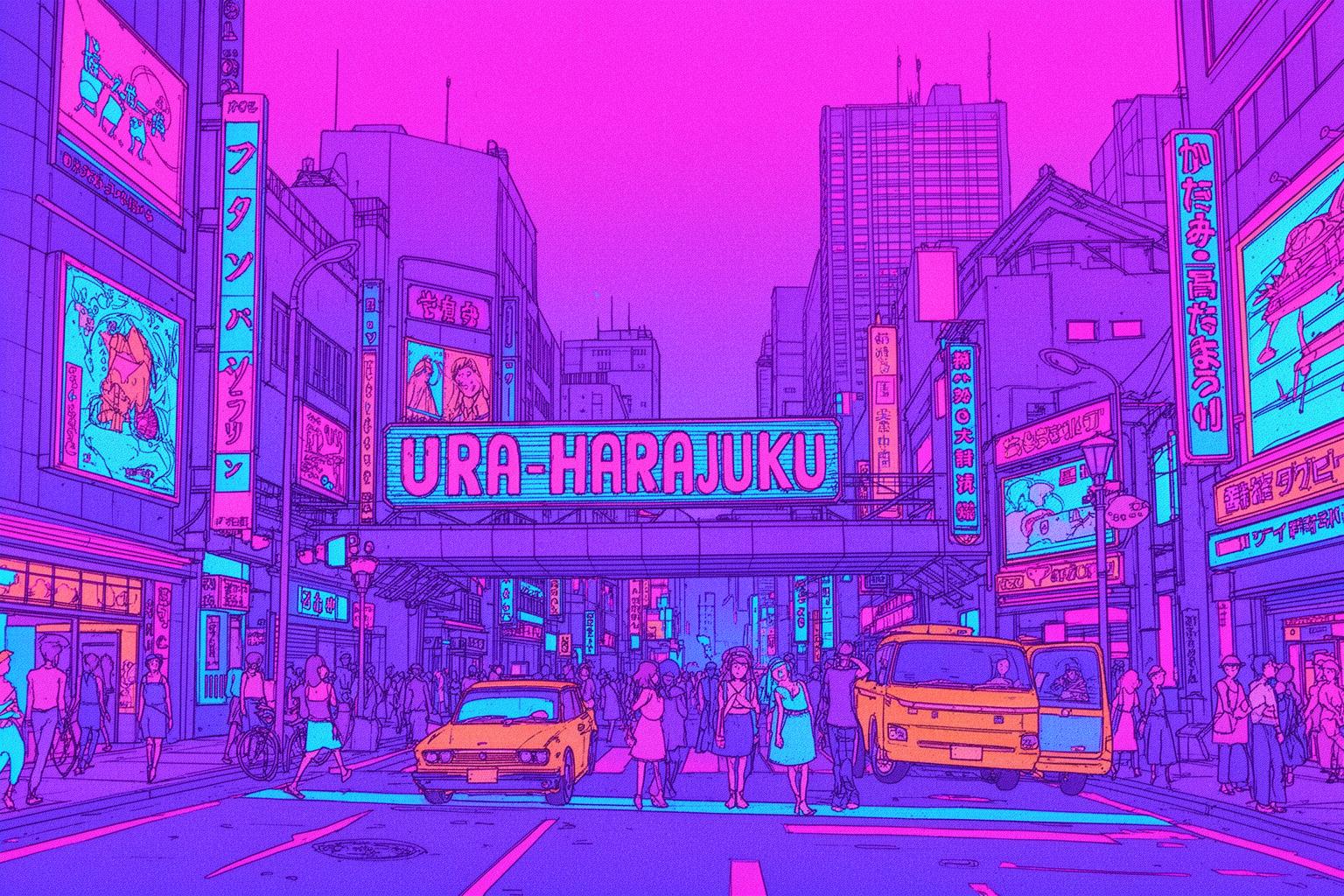
To truly appreciate Ura-Harajuku, you need to understand its origins. This neighborhood didn’t simply emerge out of nowhere; it was born from a cultural rebellion. In the 1990s, as mainstream Japanese fashion grew increasingly commercialized, a new wave of young, independent designers and creatives sought a space to express themselves freely. Fed up with department stores and mass-market trends, they set up shop in the cheap, overlooked backstreets behind Harajuku’s main avenue—literally, the ura (裏), or “backside” of Harajuku. This area became the birthplace of the legendary Ura-Harajuku movement, a cultural force that helped define global streetwear for decades. Iconic brands like A Bathing Ape (BAPE), Undercover, and Neighborhood all began here, in small, hard-to-find shops that turned into pilgrimage sites for fashion enthusiasts worldwide. The Ura-Hara philosophy centered on exclusivity, authenticity, and a DIY ethos. It focused on creating limited-edition products for a tight-knit, dedicated community, fostering a sense of belonging and insider knowledge. This history is embedded in the neighborhood’s DNA. Even today, with some larger brands moving in, the original spirit of independence and artistry remains. Walking these streets means treading on hallowed ground for street culture—you’re in the place where fashion’s rules were rewritten, and the boundary between high fashion and street style became forever blurred. Understanding this background adds a whole new dimension to your visit. You’re not just exploring a trendy neighborhood; you’re stepping into a living museum of counter-culture history.
A Taste of Tranquility: Foodie Finds in the Back Alleys
Now, you know I wouldn’t write an article without exploring the food scene. Just as Ura-Hara’s fashion pushes back against the mainstream, its culinary world does the same. Forget the flashy rainbow-colored snacks of Takeshita Street. Here, the food is thoughtful, wholesome, and often served in tranquil settings that reflect the neighborhood’s Zen atmosphere. This is the place to come for a meal that nourishes both body and soul. You’ll find plenty of options catering to a more mindful approach to eating. Think cozy little restaurants offering healthy, macrobiotic lunch sets with perfectly balanced plates of brown rice, miso soup, and seasonal vegetables. Artisanal curry shops abound, where spice blends have been perfected over the years, served in calm, counter-seating spaces. Vegan and vegetarian cafes are plentiful, presenting creative and delicious plant-based dishes that go well beyond typical salads. One of my favorite pastimes is discovering a tiny gyoza bar tucked away in an alley, where you can watch the chef carefully fold and pan-fry dumplings to perfection, accompanied by a cold beer. Even the food trucks that appear in the area stand out, often serving organic coffee or gourmet sandwiches. Dining in Ura-Harajuku is part of the entire experience. It’s about savoring fresh, high-quality ingredients, enjoying a meal in a serene environment, and supporting small, local businesses. It’s the ideal way to recharge during a day of exploration, turning your lunch break into another moment of quiet reflection.
The Final Take: Why Ura-Harajuku is the Ultimate Tokyo Vibe
In a city as expansive and diverse as Tokyo, it’s easy to be caught up in the spectacular, the loud, and the overwhelmingly busy. While those experiences have their own excitement, the true, lasting charm often resides in the spaces in between. Ura-Harajuku is one such precious space. It serves as a powerful reminder that Harajuku isn’t a single entity; it has a dual nature. There’s the vibrant, chaotic side it presents to the world, and then there’s this—its thoughtful, creative, and serene essence. This neighborhood is more than just streets and shops; it’s a philosophy. It stands as a testament to the power of a creative community to carve out its own space and shape its own culture. It proves that you can be at the heart of global trends while still retaining a sense of peace and individuality. So, the next time you’re in Tokyo, I encourage you to look beyond the obvious. Peel back the layers. Step off the well-worn path and into the quiet embrace of Ura-Harajuku’s back alleys. Allow yourself to wander aimlessly, discover a shop that resonates with you, enjoy a mindful cup of coffee, and simply… be. Find a bench, watch the world pass by, and listen to the subtle hum of the city’s creative pulse. That’s the true Tokyo glow-up. That is the Zen moment you came all this way to find, even if you didn’t know you were searching for it.