Yo, what’s the 411? Welcome to the ultimate throwback, a journey back to a time when everything was extra, the vibes were maxed out, and life was lived in neon technicolor. We’re talking about the Heisei Era, specifically the late ’90s and early 2000s, the Y2K dreamscape that birthed one of Japan’s most iconic subcultures: the Gyaru, or as we called them, Gals. Picture this: sun-kissed tans, bleach-blonde hair, platform boots that could crush mountains, and decked-out flip phones covered in more rhinestones than a pop star’s wardrobe. It was a mood, a lifestyle, a declaration of pure, unapologetic joy. And what’s the one event that perfectly captures this explosive, high-energy, live-for-the-moment spirit? The summer fireworks festival, the hanabi taikai. Forget your quiet, contemplative fireworks viewing. We’re diving into the Heisei Retro experience, where the booms of the fireworks in the sky are matched by the Eurobeat bass pumping from a portable CD player on the ground. This isn’t just about seeing pretty lights; it’s about feeling them, living them, and becoming part of a massive, glittering, ephemeral party under the stars. It’s about creating memories so bright they burn like the magnesium in a firework core. This is the Gal way of hanabi, and trust me, it’s a whole different level of age-age (super hyped). Before we blast off into this glittering past, let’s get our bearings. While the vibe is everywhere, the heart of this energy often pulsed strongest in the big city, where Gals would gather before heading out to the massive festivals on the outskirts. Imagine the scene at a place like Sumida Park, the epicenter for one of Tokyo’s most legendary fireworks shows.
To fully immerse yourself in this era’s unique energy, explore how to channel its iconic J-Pop and Rock Matsuri vibes in modern Japan.
Decoding the Vibe: The Unforgettable Spirit of the Heisei Gal
Before we even start talking about fireworks, you’ve got to get the mindset right. Being a Gal in the Y2K era wasn’t just a fashion statement; it was an entire universe. It was a rebellion against the traditional, the subtle, the quiet. It was loud, proud, and unapologetically you. The vibe was infectious—a blend of boundless optimism from a booming economy and a hunger to carve out a unique identity in a society that often prized conformity. Think of it as a cultural big bang, and that energy is exactly what we’re channeling for our Heisei Retro fireworks experience. This was never just about looking cute; it was about feeling powerful, connected to your crew, and living every moment at full volume. The world was your dance floor, and you had the perfect platform boots to stomp it down.
The Look: More is More, Then Add Glitter
Let’s be clear: subtlety was never part of the Gal vocabulary. The aesthetic was gloriously curated chaos. It all started with the tan. A deep, golden-brown tan—usually achieved through tanning salons—was the ultimate status symbol. It signaled you were living your best life, probably spending days at the beach or simply too cool to be indoors. Then came the hair, the crowning glory. We’re talking dramatic dye jobs—bleach blonde, honey-gold, silver, sometimes with vivid streaks of pink or blue—teased and sprayed into gravity-defying volumes. The makeup was just as iconic. Thin, arched eyebrows, white or silver eyeshadow generously applied from lash line to brow, sharp black eyeliner flicked into a cat-eye, and multiple layers of mascara on both top and bottom lashes to create a wide-eyed, doll-like look. False eyelashes were a must, often stacked for extra impact. And don’t forget the white highlighter on the nose bridge and under the eyes to make them pop. The final touch? A dab of concealer on the lips for a pale, nude effect that put all the focus on the eyes.
And the fashion? Chou iconic. It was a mix-and-match masterpiece. Mini-skirts were practically a uniform, paired with legendary loose socks, or ruuzu sokkusu. These ridiculously long white socks were scrunched down around the ankles and held up with special sock glue called ‘Sock Touch.’ The bigger the scrunch, the better. On the feet? Platform boots, of course. Towering platforms that added height and heaps of attitude. Tops were typically tube tops, camisoles, or tiny t-shirts from brands like Alba Rosa, featuring its hibiscus logo—the holy grail of Gal fashion. In winter, these were paired with oversized jackets and scarves. Accessories were essential: layers of colorful bracelets, hibiscus flowers tucked behind the ear, and a flip phone—the keitai—that was a work of art itself. This wasn’t just getting dressed; it was a ritual, an art form. It was about crafting a look that screamed confidence, fun, and membership in the coolest tribe around.
The Soundtrack of Our Lives: J-Pop Queens and Para Para Beats
You can’t understand the Heisei Gal without grasping the music that fueled her. The airwaves were ruled by the absolute queens of J-Pop. We’re talking about Ayumi Hamasaki, the empress, whose lyrics about love, loneliness, and self-discovery resonated with every Gal’s soul. Her ever-changing hair and glamorous music videos set countless trends. Namie Amuro was another goddess—the original icon whose mid-90s style—the skinny eyebrows, platform boots, mini-skirts—laid the foundation for the entire Amuraa phenomenon that blossomed into the Gal movement. Every girl wanted to be her. Their songs weren’t just background music; they were the anthems of our lives, blasting from portable CD players at Shibuya’s 109, memorized for karaoke sessions with friends.
But when it was time to dance, there was only one choice: Eurobeat and the Para Para dance that went with it. Para Para wasn’t just a dance; it was a synchronized group ritual. It involved complex, coordinated arm moves performed to fast-paced, high-energy Eurobeat tracks. Clubs hosted dedicated Para Para nights, and everyone knew the routines by heart. It was a way to lose yourself in the music with your friends, a shared language spoken through your hands. Imagine a group of Gals, decked out in their finest, flawlessly performing a Para Para routine on a blue tarp while waiting for the fireworks to begin. It was pure, unfiltered joy. The beat was relentless, the energy electric, and for those few minutes, nothing else mattered but the music and movement. It was the ultimate expression of the Gal spirit: synchronized yet individualistic, chaotic yet perfectly in harmony.
The Sacred Tech: Deco-den, Purikura, and the Art of Connection
Long before smartphones, the flip phone, or keitai, was the heart of a Gal’s social world. But a plain phone? Never. It had to be a deco-den—short for ‘decorated denwa (phone).’ This was a canvas for extreme self-expression. Phones were covered, and I mean covered, in rhinestones, pearls, tiny plastic sweets, cartoon characters, and elaborate 3D sculptures, all painstakingly glued on. It was a competition to see whose phone was the most outrageously fabulous. Long, dangling phone straps with dozens of charms were also a must. Your phone wasn’t just a communication device; it was a piece of jewelry, a statement of personality.
And how did we capture our memories? With purikura. These photo booths were on a whole other level. You and your crew would cram inside, strike goofy, cute, or cool poses, and then the magic would begin. At the editing station outside, you could decorate your photos with digital stamps, glittery backgrounds, hearts, stars, and write messages in cutesy fonts. The machines had built-in beautifying filters that enlarged your eyes and smoothed your skin, creating a hyper-idealized, anime-like version of yourself. You’d print out the tiny stickers, cut them up, trade them with friends, and paste them into purikura albums that became sacred texts of your friendships and adventures. A trip to the fireworks festival was incomplete without a purikura session to commemorate the look, the friendship, and the chou tanoshii (super fun) vibe of the day.
The Main Event: Painting the Night Sky, Y2K Style
Now that you’re embracing the Heisei Gal spirit, let’s dive into the main event: the hanabi taikai. A fireworks festival in Japan is a major occasion, a quintessential summer experience. But seen through the Gal perspective, it transforms from a simple event into an all-day epic saga of friendship, fashion, and pure fun. It’s a multi-phase operation, planned with military precision yet carried out with the wild energy of a pop concert. The fireworks are the grand finale, but the journey leading up to them is just as significant. It’s a performance, a pilgrimage, and a party from the first spritz of hairspray in the morning to the final lingering trails of smoke in the night sky.
Pre-Gaming the Hanabi: The Sacred Ritual of Getting Ready
The day of the fireworks festival didn’t begin in the evening. It started early afternoon at a friend’s apartment. This was the pre-game, the ritual of transformation. The air was thick with the sweet scent of hairspray and a J-Pop playlist blasting from the stereo. Everyone was sprawled on the floor, surrounded by a chaotic mess of makeup palettes, curling irons, glitter pots, and fashion magazines for inspiration. This wasn’t a solo affair; it was a team effort. You’d help your friend perfect her eyeliner wing, weigh in on which hibiscus flower best matched her yukata, and collectively settle on the perfect nail art. It was a bonding experience filled with laughter, gossip, and growing excitement for the night ahead. Choosing the look was a major production. Would you go for a traditional yukata styled in a Gal way—a little shorter, with a flashy obi, paired with platform sandals instead of traditional geta? Or would you sport a branded mini-dress to show off your tan? Every detail was carefully planned. This process could take hours but was essential to the experience. By the time you left, you weren’t just friends; you were a squad, a sparkling unit ready to take on the world—or at least the crowded train to the festival site.
The Journey is the Party: Train Rides and Station Meetups
Navigating the Japanese train system during a major fireworks event is an experience in itself. Trains are packed shoulder to shoulder, a sweaty, pulsing mass of people. But for a Gal crew, this wasn’t a hurdle; it was a moving party. A chance to see and be seen. You’d spot other Gal groups and exchange knowing looks of approval, a silent recognition of shared effort and style. The journey was a sensory overload—the click of platform shoes on the station floor, a cacophony of ringtones from a dozen flip phones, city lights flashing past the window. The train window doubled as a mirror for last-minute makeup touch-ups, you’d share snacks from the konbini, and finalize your game plan for arrival. The station was a major meeting point, a chaotic but thrilling energy hub. Finding friends among the massive crowds outside the station was the night’s first challenge, a frantic search ending in shrieks of joy and big group hugs. The air buzzed with anticipation. You were part of something big, a temporary city gathered for one purpose: to celebrate summer, to be with friends, and to witness something beautiful and explosive.
Finding Your Spot: The Art and War of the Blue Tarp
Once the journey was over, the next mission was securing your territory. The best fireworks viewing spots are claimed hours, sometimes days, ahead. The weapon of choice? A simple blue plastic tarp. Finding a patch of grass or pavement to lay down your tarp was a strategic operation. You’d send out a scout to find a decent spot—ideally with a good view, near food stalls but not too close to overflowing trash cans. Once the tarp was down, it became your home base for the evening. Shoes came off, bags were piled in the center, and everyone claimed their personal space. This little blue rectangle was your island amid a sea of people. It was where you’d eat, drink, chat, and wait for sunset. The hours of waiting weren’t dull. They were prime for people-watching, taking group photos on your deco-den, playing games, and soaking in the incredible atmosphere. Surrounded by families, couples, and other friend groups, there was a sense of shared community, collective patience building toward a single, spectacular moment. The blue tarp wasn’t just a seat; it was the stage for the festival’s opening act—the calm before the breathtaking storm.
A Tour of Japan’s Most Iconic Hanabi (The Heisei Retro Edition)
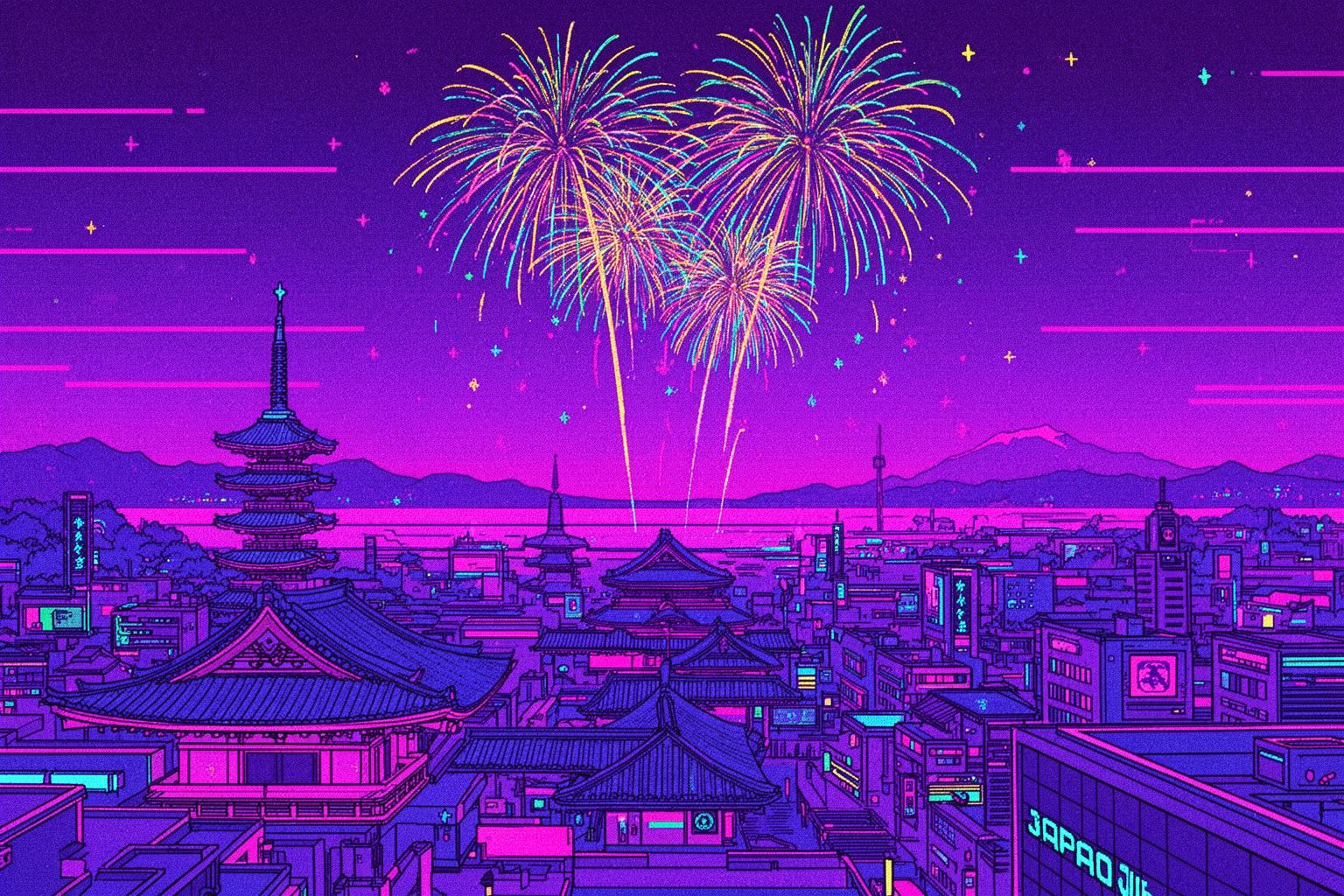
Japan hosts countless fireworks festivals, each boasting its own distinct character. During the Heisei era, these celebrations grew larger, bolder, and more technologically advanced than ever before. New types of shells were developed, enabling fireworks that changed color mid-explosion or burst into intricate shapes like hearts, smiley faces, and beloved cartoon characters. The scale became monumental. Let’s explore some of the major festivals and imagine how a Y2K Gal crew would have enjoyed them. It’s not just about the fireworks themselves, but the entire experience—the setting, the crowd, and the atmosphere.
Tokyo’s Sumidagawa Fireworks Festival: Urban Glamour and Riverside Mayhem
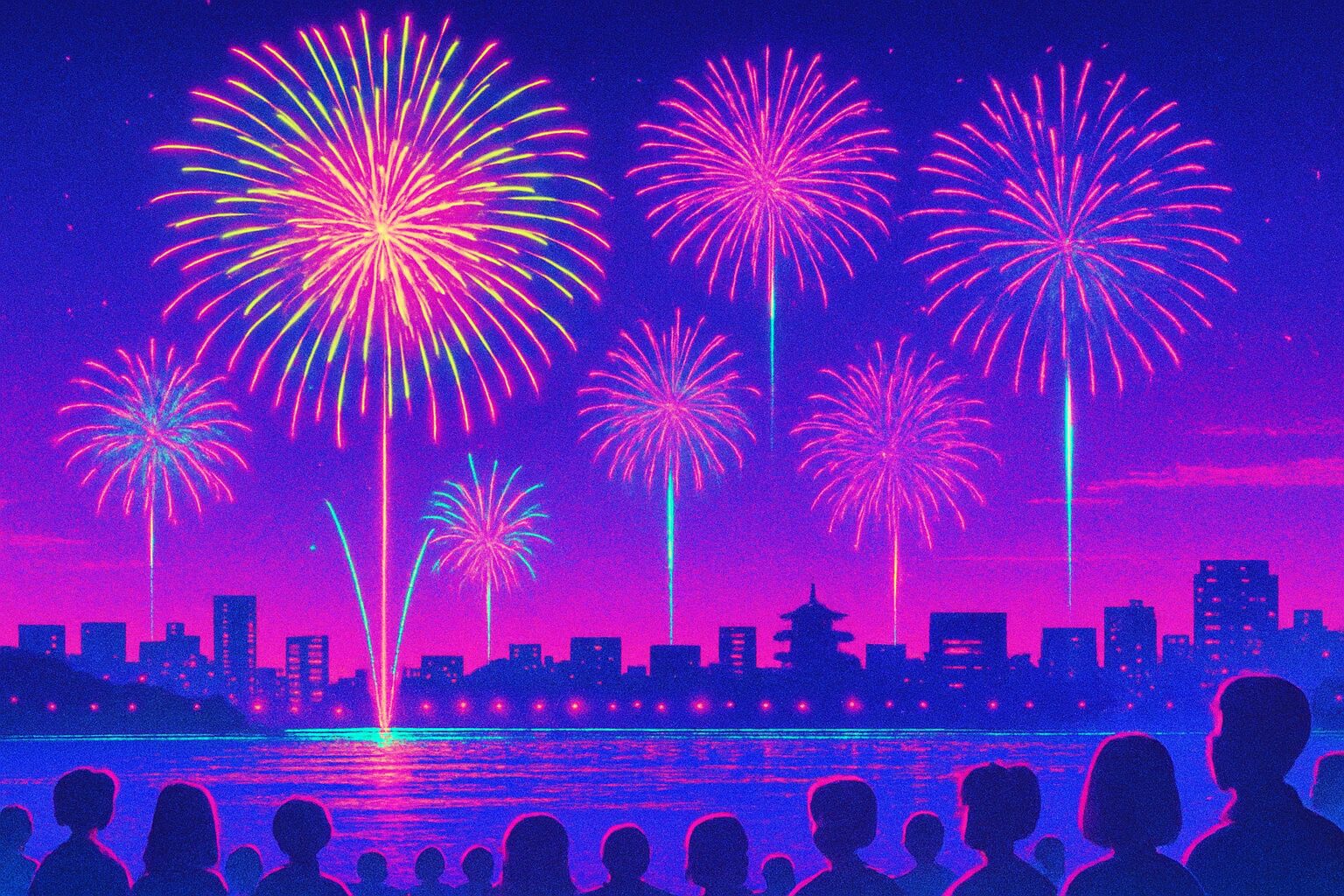
The Sumidagawa Fireworks Festival is among Japan’s oldest and most iconic, a true Tokyo institution. For a Gal crew, it offered the ultimate urban hanabi experience. It’s not held in an open field but right in the city center, with fireworks launching from barges on the Sumida River, framed by skyscrapers and the illuminated Tokyo Skytree. The vibe is pure energy and chaos. Asakusa’s streets become completely packed with millions of people. For a Gal, this wasn’t a downside—it was the whole point. Being in the thick of it, at the pulsating heart of the celebration, was essential. The strategy wasn’t to find a quiet, perfect spot but to embrace the madness. You’d claim a space on a bridge or along the crowded riverbank, your blue tarp a tiny island in a sea of people. Fashion would be sharp—a slightly more chic, urban yukata, perhaps, to stand out. Pre-show activities would include visiting yatai (food stalls) for candied apples and chocolate-covered bananas, followed by a purikura session in a nearby arcade. The fireworks themselves are spectacular, but the true show is the crowd. It’s a sensory overload of sights, sounds, and scents. The reflections of explosions shimmer on the river and glass skyscrapers, creating a dazzling, almost surreal light display. When a heart-shaped firework blooms, a collective gasp and cheer ripple through the crowd, and you’d grab your friends’ hands, feeling deeply connected in that fleeting perfect moment. Afterward, the party continues. You’d weave through the crowds back to the station, possibly heading to Shibuya or Shinjuku for a late-night karaoke session, still energized by the night.
Nagaoka Fireworks Festival, Niigata: Go Big or Go Home
If Sumidagawa embodies urban chaos, the Nagaoka Fireworks Festival represents sheer scale and emotion. It’s one of Japan’s “big three” festivals, renowned for its colossal shells. The San-shakudama, nearly a meter wide, explodes into a breathtaking chrysanthemum over 600 meters across. For a Gal crew traveling to Niigata, it would be a pilgrimage. This is a more solemn hanabi experience, but no less festive. The atmosphere is one of awe and reverence. The festival has a deep emotional significance, originating as a memorial for war victims, with themes of restoration and peace. The highlight is the Phoenix: fireworks launched from multiple points along a two-kilometer stretch of the Shinano River, perfectly synchronized to a poignant song about recovery. Even the most party-loving Gal would be moved to tears. Imagine sitting on the riverbank as the ground shakes from the explosion’s force, the sky flooded with an endless golden light display. You’d hold your breath, your heavily lined eyes wide with wonder. It’s a moment that goes beyond fun and fashion, tapping into something profound. The journey to Nagaoka is part of the adventure—a long train ride filled with snacks and J-Pop. Snagging a good spot here is critical, so the blue tarp strategy would be expertly executed. This festival is less about being seen and more about witnessing something unforgettable. The memory of the giant Phoenix firework soaring across the night sky becomes a story told for years, setting the standard for all future fireworks.
Omagari National Fireworks Competition, Akita: For the True Hanabi Connoisseurs
This festival is for the artists, the purists, the dedicated lovers of the craft. Omagari isn’t just a festival; it’s the national championship for firework pyrotechnicians. The best from across Japan gather here to display their most innovative and technically brilliant creations. For a Gal crew, a trip to Omagari in Akita Prefecture would be like attending fashion week for fireworks. It’s a chance to see cutting-edge designs—the trends that will influence next year’s festivals. Unique in having both daytime and nighttime events, the daytime fireworks use colored smoke to form intricate patterns against the blue sky, creating a completely different, surreal experience. But the night competition is the main event. Here you’ll witness displays unseen anywhere else: shells bursting into perfect cubes, fireworks spelling out words, and breathtaking color combinations. The atmosphere is one of focused appreciation. The crowd is knowledgeable, with gasps of admiration for masterfully executed bursts. This appeals to the Gal’s love of artistry and perfection. Sitting on your tarp, you’d offer expert commentary like, “OMG, did you see that one shift from pink to gold? Chou kirei (super beautiful)!” The festival requires more planning due to its remote location, but the reward is immense. It’s an event that blends massive celebration with high art, a perfect combination of spectacular and sophisticated. It’s about recognizing the incredible skill and passion behind every flash and bang—something a Gal, who spends hours perfecting her look, could truly respect.
Your Modern Guide to Living the Heisei Retro Hanabi Life
So, you’re convinced. You want to plunge headfirst into this glitter-drenched, high-energy world. The good news is that the Heisei Retro craze is genuine, and Y2K fashion and vibes are staging a massive comeback. You can definitely craft your own modern take on this experience. It’s all about embodying the spirit: focusing on friendship, bold self-expression, and pure, unfiltered joy in the moment. Here’s a practical guide to turning your retro hanabi dreams into reality.
What to Wear: The Modern Yukata with a Gal Twist
Nowadays, you have even more choices to create an unforgettable look. You don’t need to go fully 2002 to catch the vibe. Start with a yukata. Instead of a super traditional pattern, choose one with bold, bright colors—maybe a pop-art print or a retro floral design. Wear it a bit looser and cinch it with a flashy, contrasting obi. Instead of uncomfortable wooden geta, opt for modern platform sandals or chunky sneakers for a cool, contemporary edge. Don’t hesitate to accessorize! Add some glittery hair clips, a colorful fan, and perhaps a cute, small bag instead of the traditional drawstring pouch. For makeup, hint at the Gal style without going full ganguro. Think shimmery eyeshadow, a sharp eyeliner wing, and glossy lips. The key is to blend traditional elements with your own personality and a splash of that fearless Y2K spirit. It’s about being playful and creative, not about strict historical accuracy.
Your Y2K Survival Kit: What to Pack for the Party
Your bag for the night is your lifeline. Let’s assemble the ultimate Heisei-inspired survival kit. First, the essentials: your phone (fully charged, naturally) and a portable charger. You’ll be snapping tons of photos. A small wallet with cash is vital since many food stalls only accept cash. Next, the practical items: a small pack of tissues and wet wipes are invaluable. Bring a plastic bag for your trash—a must to keep the area clean. And of course, don’t forget the blue tarp! A small one is easy to carry and will make your night much more comfortable. Now for the Y2K-inspired extras: a portable fan (one of those handheld electric fans) is a modern luxury Gals would have loved during the sweltering summer heat. A small bottle of glittery body spray for touch-ups. A sheet of cute, sparkly stickers to share with new friends. And maybe a portable speaker to blast some classic J-Pop while you wait (just be considerate of your neighbors!). It’s about being ready for a long, fun, and possibly messy night.
Foodie Mission: Conquering the Legendary Yatai Stalls
The food stalls, or yatai, are a vital part of the fireworks festival experience. They line the streets leading to the viewing area, filling the air with an irresistible mix of savory and sweet aromas. Exploring the yatai is a delicious adventure. You have to try the classics. Yakisoba—fried noodles with pork and cabbage sizzling on a giant griddle—is a must. Takoyaki, savory octopus balls cooked in a special pan and topped with sauce, mayo, and bonito flakes, are perfect for sharing. For something heartier, there’s okonomiyaki, a savory pancake filled with whatever ingredients you like. And don’t forget food on a stick! Ikayaki (grilled squid), yakitori (grilled chicken skewers), and chocolate-covered bananas are all easy to eat while walking. To drink, grab a ramune, the classic Japanese soda in a glass bottle with a marble stopper you have to pop. Or, if you’re of age, a cold beer or a chuhai (shochu highball). The Gal strategy: divide and conquer. Send one friend to the takoyaki line, another to yakisoba, then regroup at the blue tarp to share your feast. It’s affordable, delicious, and part of the vibrant, chaotic festival vibe.
Pro-Tips for First-Timers: Navigating the Crowds & Making Friends
Attending a major Japanese fireworks festival for the first time can be overwhelming. The sheer number of people is staggering. Here are some tips to stay calm and maximize your fun. First, arrive early. I cannot emphasize this enough. To get a decent spot, you need to be there hours before sunset. Second, use the restroom before claiming your spot. Lines for portable toilets can be extremely long, and you don’t want to lose your hard-earned place. Third, have a designated meeting spot. It’s all too easy to get separated in the crowd, and cell service can be spotty. Pick a visible landmark and a time to meet if you get lost. Fourth, be patient heading home. The rush to the train station after the finale is intense. Don’t fight it. Hang back for a bit, let the worst of the crowds thin, and enjoy the festival’s afterglow. Finally, don’t be shy! The atmosphere at these events is warm and communal. Compliment someone’s yukata, share a snack with your neighbors on the next tarp, or ask someone to take a group photo. The Heisei Gal spirit was all about making connections and sharing the fun. Embrace that openness, and you’ll not only enjoy an amazing show but might also make new friends along the way.
More Than Just Explosions: The Heartbeat of the Hanabi
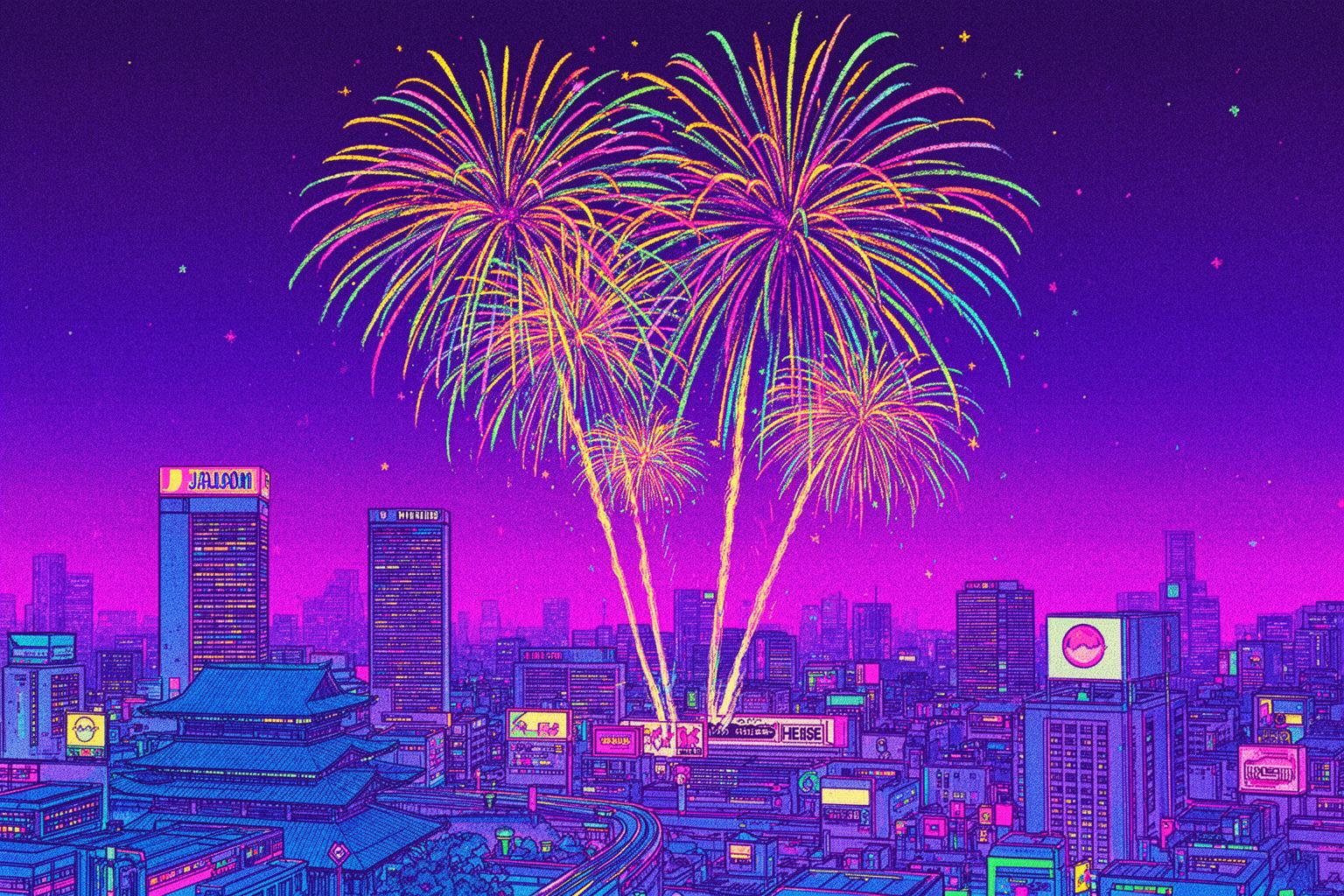
It’s easy to get swept up in the fashion, the food, and the sheer spectacle of it all. But beneath the sparkling exterior lies a deeper cultural significance to the hanabi that resonates with the Japanese spirit, something the Heisei Gals, in their own way, deeply understood. Fireworks in Japan are closely tied to the concept of mono no aware, a gentle sorrow for the impermanence of things. Each stunning burst of light is dazzling and breathtaking, then gone in an instant. It serves as a powerful reminder of life’s beauty and brevity, a theme deeply embedded in Japanese art and philosophy. A fireworks festival celebrates the present moment. You can’t capture it or hold onto it; you can only experience it here and now with those around you. This idea of living in the moment was central to the Gal mindset. It wasn’t about worrying about the future or holding onto the past; it was about making this very moment as fun, beautiful, and memorable as possible. The hanabi was a perfect metaphor for their way of life. It was also a strong symbol of community. For one night, millions of people from every walk of life come together, look up at the same sky, and share a collective moment of awe. It’s a unifying experience that briefly erases the divisions of everyday life. In that shared darkness, lit only by the bursts above, everyone is equal. It creates a sense of connection on a grand scale. So while the Gals were busy taking purikura and dancing to Eurobeat, they were also partaking in a centuries-old tradition of honoring summer, community, and the beautiful, fleeting nature of existence.
The Afterglow: Keeping the Heisei Vibe Alive
The final firework echoes and fades away, leaving trails of smoke drifting through the humid night air. The crowd bursts into a last round of applause. The show has ended. Yet the feeling, the energy, the vibe—those linger with you. As you pack up your blue tarp, surrounded by friends, ears still ringing faintly, you experience a blend of happy exhaustion and pure exhilaration. The journey home hums with a sleepy, satisfied buzz, a sharp contrast to the high-octane thrill of the trip there. This is the afterglow, the moment when memories begin to take shape. The Heisei Retro fireworks experience is more than just a nostalgic theme—it’s a blueprint for having fun. It reminds you to be bold, expressive, to prioritize friendships, and to find magic in a shared moment. It’s about recognizing that the preparations, the journey, and the company are just as vital as the main event. It encourages embracing the temporary, celebrating the present, and living life with the same explosive, colorful, unapologetic energy as a sky full of fireworks. So, whether you’re planning a trip to Japan or simply seeking a fresh way to enjoy summer, take a page from the Heisei Gal handbook. Gather your crew, don your most fabulous outfit, and go find something beautiful to watch together. Live for the moment, because like a firework, it’s brilliant, beautiful, and gone all too soon. Go create memories that are truly saikou (the best)!