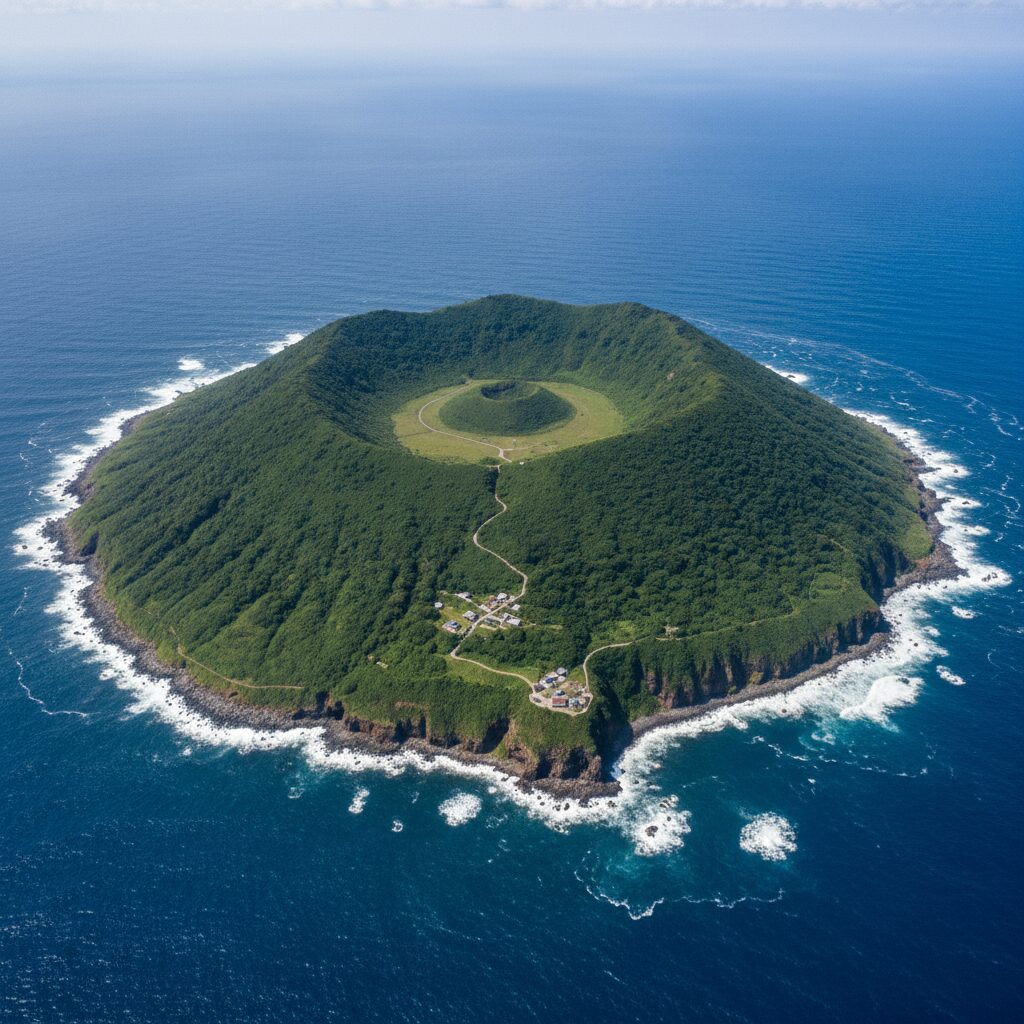
Yo, let’s get one thing straight. You think you know Japan? You’ve done the neon-drenched streets of Tokyo, the tranquil temples of Kyoto, maybe even hit the powder in Hokkaido. That’s cool, that’s the highlight reel. But what if I told you there’s a part of Tokyo that feels more like a lost world from a fantasy epic? A place so remote, so mind-bendingly wild, that getting there is a boss-level challenge in itself. We’re talking about Aogashima, the undisputed king of Japan’s Izu Islands. This ain’t your standard-issue island getaway; it’s an expedition to the heart of a living, breathing double volcano rising from the deep blue of the Philippine Sea. It’s a fortress of nature, a geological masterpiece, and honestly, one of the most absurdly beautiful places on this spinning rock we call Earth. This island, with its caldera-within-a-caldera structure, is a bucket-list destination for hikers, adventurers, and anyone who wants to feel like they’ve truly stepped off the grid. Forget everything you know, because Aogashima is about to rewrite your definition of ‘epic.’ It’s a place that challenges you, changes you, and leaves an indelible mark on your soul. Prepare for a deep dive into the raw power and serene beauty of a place that time, and most of the world, has left gloriously alone.
The Vibe Check: Decoding Aogashima’s Soul
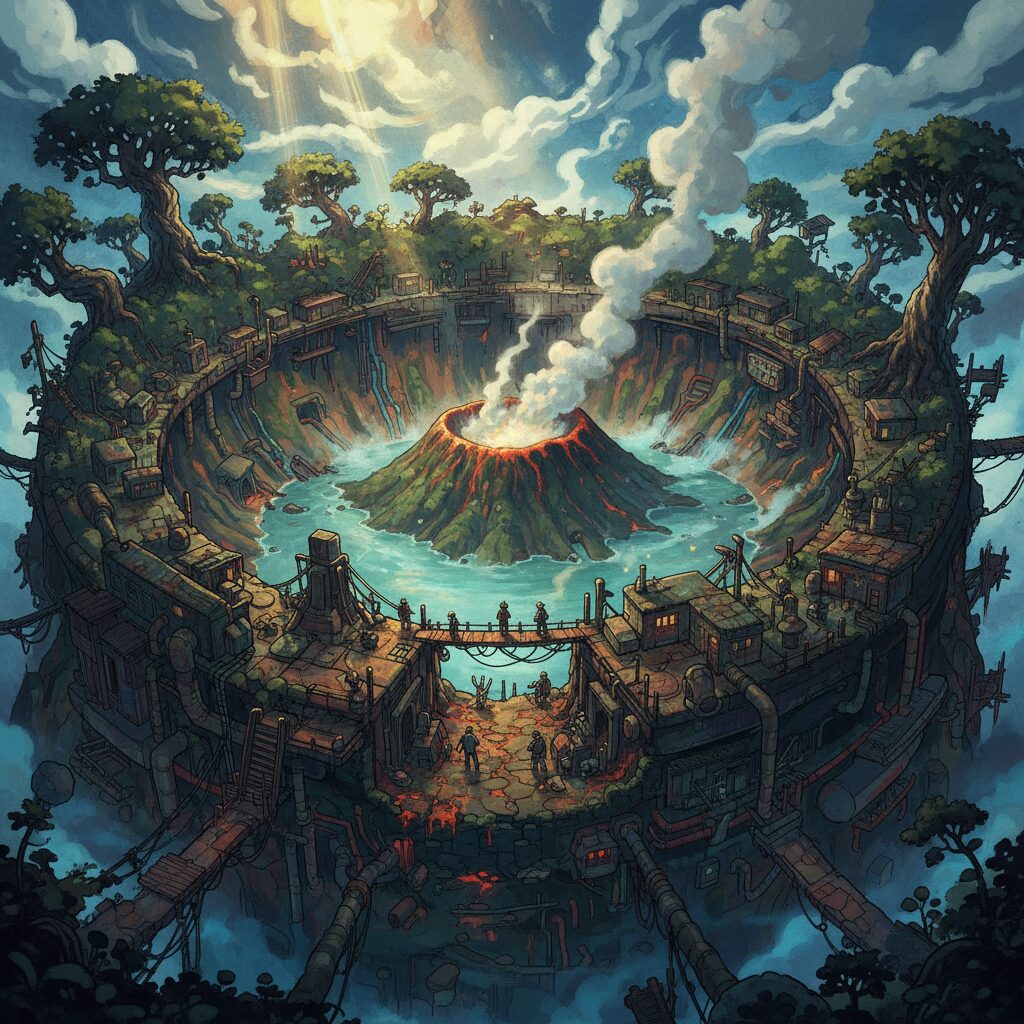
Before we even discuss the hike, you need to grasp the vibe. Setting foot on Aogashima feels like stepping into another dimension. The air itself seems different—denser, purer, charged with the energy of both ocean and earth. The first thing that strikes you isn’t a sight but a sound: the near-complete absence of noise. No traffic hum, no distant sirens, no urban buzz. Only the constant whisper of wind sweeping over the caldera rim, the rhythmic crash of waves against the towering cliffs below, and the occasional call of a seabird. It’s a silence so deep it feels like a presence, compelling you to attune yourself to the island’s own rhythm. Visually, it’s a sensory feast of the best kind. The greens are impossibly lush, with countless shades of life clinging to the volcanic slopes. The cliffs are not merely rock; they are jagged, dramatic marks of geological turmoil, plunging straight into a sea of the richest cobalt blue you’ve ever seen. The island feels ancient yet vibrant. You’re not merely a visitor here; you’re a guest in a powerful, living ecosystem. The community, a few hundred strong, operates on a different wavelength. Life follows the weather, the sea, and the seasons. There is a deep-seated self-sufficiency and quiet resilience that permeates the atmosphere. This isn’t a place that has succumbed to the modern world; it has reluctantly admitted a few aspects on its own terms. The vibe is pure, unfiltered nature, accompanied by a stoic human spirit. It’s a low-key time capsule, a pocket of reality where the planet’s pulse is the only one that truly counts.
The Gauntlet: Earning Your Right to Be Here
Pay close attention, as this is crucial. Aogashima doesn’t merely welcome visitors; it carefully vets them. Reaching this remote paradise is just the beginning of the adventure and is no small feat. There are two ways to get there, both subject to the unpredictable power of the Pacific Ocean, the ultimate gatekeeper. The first option is the ferry, the Aogashima Maru. This vessel has quite a reputation, though not always for positive reasons. Locals sometimes refer to it as the ‘lottery ship’ because its sailings are never guaranteed. The ferry departs from the nearby island of Hachijojima, and the seas in the Kuroshio Current are notoriously rough. Outside of summer, cancellations can run as high as fifty percent or more. The voyage itself is a rite of passage. For several hours, you’ll be on the open ocean, watching Aogashima’s volcanic cone gradually appear on the horizon—a surreal green fortress emerging from the mist. It’s a humbling experience that makes your arrival feel genuinely earned. The second, more dependable option is the helicopter. The Tokyo Ai-Land Shuttle is a small nine-seater chopper that also flies from Hachijojima. Securing a seat on this flight is like snagging the latest limited-edition sneaker release—it sells out weeks or even months in advance. The flight is brief, around twenty minutes, but spectacular. As you lift off, you’re immediately rewarded with an incredible aerial view of Hachijojima before soaring out over the vast blue sea. Then, you spot it: Aogashima’s perfect circular caldera, looking exactly like a satellite image. The chopper doesn’t just land—it spirals down into the outer caldera, giving you a mind-blowing perspective of the island’s unique formation before you even touch down. Whatever way you arrive, come prepared. Build extra buffer days into your travel plans at both ends, and avoid tight connections. Aogashima runs on its own timetable, and if it decides to keep you an extra day or two, that’s just part of the authentic experience—not a problem to be stressed over.
The Main Event: Hiking the Double Caldera Dream
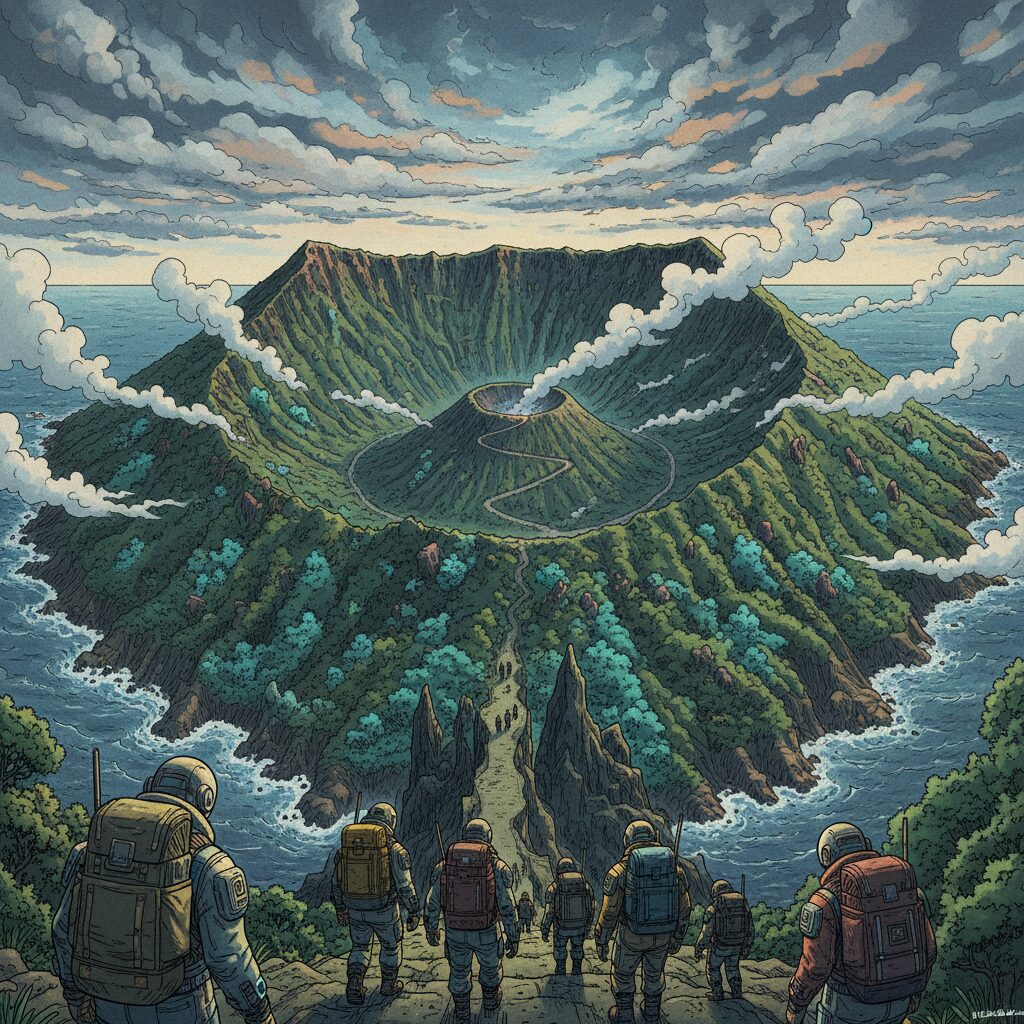
Alright, you’ve arrived. You’re now on the island. Time for the main quest: conquering the double caldera. This isn’t just a simple stroll; it’s an expedition through a geological wonder—a hike that takes you from the base of a volcano to its steaming core and up to its panoramic summit. It’s a multi-stage adventure that unveils the island’s mysteries step by step.
Dropping In: The Descent into a Lost World
Your first encounter with the island’s extraordinary terrain begins the moment you leave the heliport or port area. The main village of Aogashima isn’t perched on the coast; it’s snugly nestled inside the vast outer caldera, known as the Ikenosawa Caldera. A single winding road spirals down from the outer rim into this immense, sheltered bowl. This descent is your initiation. With every turn, the steep, lush walls of the outer crater, the somma, tower above you. The scale is staggering. You are literally driving into the heart of a volcano. Down on the caldera floor, everything changes. The wind calms, the temperature feels a few degrees warmer, and a 360-degree circle of greenery surrounds you. In the center of this giant bowl stands a second, smaller volcano: Maruyama, the inner cone. It rises from the caldera floor like a perfect, grass-covered pyramid—the heart within the heart. This is the defining view of Aogashima. You’re not just gazing at a volcano; you’re standing inside one, looking at another. It’s a surreal, humbling, and breathtaking reality.
The Planet’s Core: Exploring the Ikenosawa Floor
Before ascending, you must explore the base. The floor of the Ikenosawa caldera is where you can feel the island’s geothermal heartbeat. The main highlight here is the hingya, a series of geothermal steam vents that continuously release hot, sulfur-scented steam from deep within the earth. This is a visceral reminder that the volcano beneath your feet is not extinct, merely dormant. The community has cleverly harnessed this free, potent energy. You’ll find a public geothermal sauna, the Fureai Sauna, where you can enjoy a natural steam bath that cleanses both body and soul. It’s rustic, simple, and deeply relaxing. Nearby, a set of cooking pots, also powered by the vents, allows locals to steam eggs, potatoes, and other foods, imparting a unique, slightly savory flavor. You must try a ‘geothermal egg’—it’s a true Aogashima classic. This area also hosts the Hingya no Shio salt farm, where volcanic steam is used to slowly crystallize salt from mineral-rich seawater. This salt is a treasured local product, a literal taste of the volcano. Walking around the base of Maruyama, with steam rising from the ground and towering caldera walls encircling you, is an otherworldly experience. You’re in the island’s engine room, a place of raw, elemental power.
The Ascent: Summiting Maruyama’s Inner Peak
Now it’s time to climb. The hike up Maruyama, the inner cone, epitomizes the Aogashima trek. A well-maintained but steep trail of stairs and paths winds up the cone’s flank. The path leads you through a dense subtropical forest. The air is thick with the scent of damp earth and foliage. The canopy above buzzes with the calls of birds you won’t hear in mainland Tokyo. As you climb, the views start to open. You’ll catch glimpses of the caldera floor below, the tiny village houses resembling miniature models. The climb will get your heart rate up, but it’s not a technical challenge—just a steady, rewarding ascent that takes about 30 to 45 minutes. At the summit, you emerge from the treeline onto a small, grassy peak. And the view? It’s stunning. From here, you enjoy a full, jaw-dropping, 360-degree panorama of the double caldera. You can trace the entire outer rim, see the village tucked at its base, and look down into Maruyama’s small crater. Beyond the rim, the vast, uninterrupted blue of the Pacific stretches to the horizon in every direction. This is the moment everything clicks. You comprehend the geography, the isolation, and the sheer, improbable beauty of this place. It’s a view that feels like a reward—a secret whispered by the planet itself.
The Victory Lap: Traversing the Caldera’s Outer Rim
After conquering the inner cone, the next challenge is to explore the outer rim, the somma. A trail winds along much of this lofty ridge, offering some of the island’s most iconic vistas. The main access point is Oyamatenbo Park, a lookout easily reached by a short walk from the road. The view here is the famed ‘postcard shot’ of Aogashima. From this dizzying height, you look down into the Ikenosawa caldera, with Maruyama’s perfect cone sitting impeccably at its center. It’s a scene almost too flawless to be real, like a CGI rendering of a fantastical world. For the adventurous, the trail continues along the cliff edge. This hike is not for the faint-hearted. The path narrows in places, with sheer, breathtaking drops. But the rewards are immense. Every step reveals a new, stunning view of the caldera and surrounding ocean. You’ll pass through tunnels of windswept trees and step onto exposed ridges where you’ll feel on top of the world. This trail, often called the ‘Yuhodo,’ is a journey around the island’s fortress wall—a victory lap that lets you fully appreciate the grand scale and dramatic architecture of this volcanic masterpiece.
Echoes of the Past: Aogashima’s Fiery History and Resilient Spirit
To truly understand Aogashima, you need to know its story, which is as dramatic as its landscape. As a researcher, this kind of history truly excites me. This island carries a soul shaped by fire and resilience. In the late 18th century, during the Tenmei era, the volcano was far from the peaceful green giant it is today—it was a ticking time bomb. After a series of earthquakes and eruptions from the inner Maruyama cone, a massive eruption struck in 1785. The pyroclastic flow brought a cataclysmic and devastating event. Of the over 300 residents living on the island then, more than half lost their lives. The survivors who escaped to nearby Hachijojima were forced to leave their home behind. Aogashima became a ghost island, a smoking ruin declared uninhabitable. It remained deserted for almost fifty years, becoming a cautionary tale among sailors. Yet, the human spirit’s connection to home cannot be extinguished. The descendants of the survivors never forgot their island. Led by a determined man named Sasaki Jirodayu, they organized an effort to return. In 1835, after decades in exile, the islanders finally came back. They rebuilt their village, not on the exposed coastline, but deeply within the protective shelter of the outer caldera. This history forms the foundation of the island’s culture. There is an unspoken respect for nature’s power and a profound reverence for the volcano they call O-yama (“the great mountain”). It is a story of immense loss, incredible perseverance, and the enduring bond between a people and their land. You can sense this history in the small, beautifully maintained shrines scattered across the island and in the quiet, resilient, and warm spirit of the islanders themselves. They don’t just live on a volcano; they are its custodians, the guardians of its fiery legacy.
The Aogashima Survival Guide: Your Mission Briefing

Okay, so you’re convinced. You’re ready for the adventure. But visiting Aogashima takes a bit more preparation than your typical trip. Consider this your essential cheat sheet for a successful journey.
Home Base: Lodging and Local Flavors
Don’t expect resorts or luxury hotels here. Aogashima’s accommodations revolve around minshuku—traditional, family-run guesthouses. This is hands down the best way to immerse yourself in the island’s culture. Staying in a minshuku means you’re not just a tourist; you’re a welcomed guest in someone’s home. The rooms are simple, often featuring traditional Japanese tatami mats, and the hospitality is exceptional. The highlight? The food. Most minshuku stays include dinner and breakfast, featuring incredible home-cooked meals. You’ll enjoy fresh, locally caught fish prepared in a variety of ways—sashimi, grilled, simmered—paired with island vegetables and rice. It’s your chance to savor the true taste of Aogashima. There are a few small izakaya-style pubs where you can grab a drink and a snack, but options are limited. There is one main store, so it’s wise to bring some of your favorite snacks along. And absolutely, bring cash—credit cards are rarely accepted here. You must also try the local firewater, a shochu called Aochu. Distilled from sweet potatoes, it’s potent, unique, and deeply connected to the island’s tradition.
Gear Up: Packing for the Volcano
Smart packing is crucial. First and foremost, bring proper footwear—sturdy hiking shoes or trail runners are essential as the trails can be slippery and uneven. Next, layers and rain gear are a must. The weather on Aogashima is unpredictable; a bright morning can quickly shift into a windy, rainy afternoon. Being prepared is key. Sun protection—sunscreen, hat, and sunglasses—is critical, as UV levels can be high even on cloudy days. Insect repellent is also important, especially in warmer months. Beyond clothing, a portable power bank is invaluable. Although the island has electricity, you’ll want to keep your devices charged, particularly your camera. Speaking of which, make sure to have plenty of storage on your phone or camera because you’ll be taking loads of photos. Finally, bring patience and a flexible attitude. As mentioned, travel disruptions are possible. A good book or some downloaded podcasts can be a lifesaver if you end up with an unexpected extra day on the island.
The Right Time: Planning Your Window of Opportunity
Timing is everything for a trip to Aogashima. The best seasons for hiking and pleasant weather are spring (April-May) and autumn (October-November). Temperatures are mild, skies tend to be clear, and the island’s greenery is most vibrant. Summer (June-September) is hot and extremely humid, plus it’s peak typhoon season, which greatly increases the risk of travel cancellations. However, it’s also when the ocean is calmest, making the ferry crossing more likely. Winter (December-March) can be beautiful on clear days, but it’s often cold and very windy. Strong winter winds frequently disrupt helicopter flights and ferry trips. The best advice is to remain flexible. Plan to stay as many days as possible. A short two-night visit is risky, while a four or five-night trip gives you a much better cushion against weather delays and allows you to truly embrace the island’s relaxed tempo.
Beyond the Hike: Otherworldly Charms of the Blue Island
While the caldera hike is the main attraction, Aogashima offers much more for those willing to explore. This island is a playground for anyone who cherishes raw, untamed nature. One of its most stunning, yet often overlooked, features is the night sky. With a population under 200 and no light pollution, stargazing on Aogashima is truly extraordinary. On a clear, moonless night, the sky transforms into a sparkling canopy of stars. The Milky Way stretches as a brilliant, hazy band from horizon to horizon. It’s a humbling and awe-inspiring sight that reconnects you with the vastness of the universe—a cosmic light show that will leave you breathless. For those drawn to the sea, the ocean around the island is a hidden treasure. The powerful Kuroshio Current brings nutrient-rich waters, fostering a vibrant marine ecosystem. Although formal tour operators are absent, it’s sometimes possible to arrange fishing or diving trips with local fishermen. The waters teem with life, and the underwater landscapes rival the dramatic scenery on land. Even the island’s port, Sanbo Port, is remarkable. Carved directly from sheer volcanic cliffs, it stands as a testament to human engineering amidst a harsh environment. Watching the ferry skillfully navigate into this tight, sheltered harbor is a spectacle. Yet the greatest hidden charm of Aogashima might be the chance to simply do nothing. Find a spot on the caldera rim. Sit. Watch the clouds drift by. Listen to the wind. Disconnect from your phone, emails, and deadlines. The island offers the ultimate digital detox, an opportunity to reset your internal clock to nature’s rhythm. In today’s hyper-connected world, this may be the most valuable experience of all.
This isn’t just a trip. Aogashima is a pilgrimage to a place governed by its own rules, a land of profound beauty and raw power. It demands respect, rewards those who persevere, and leaves every visitor with a story to tell. It’s a journey that strips away the noise and reminds you of what’s real: the earth, the sea, the sky, and your own two feet on a trail. The island doesn’t just reveal a different side of Japan; it reveals a different side of yourself. So, the real question isn’t whether you should go—it’s whether you’re ready to answer the call of the volcano. Believe me, it’s a call worth answering.