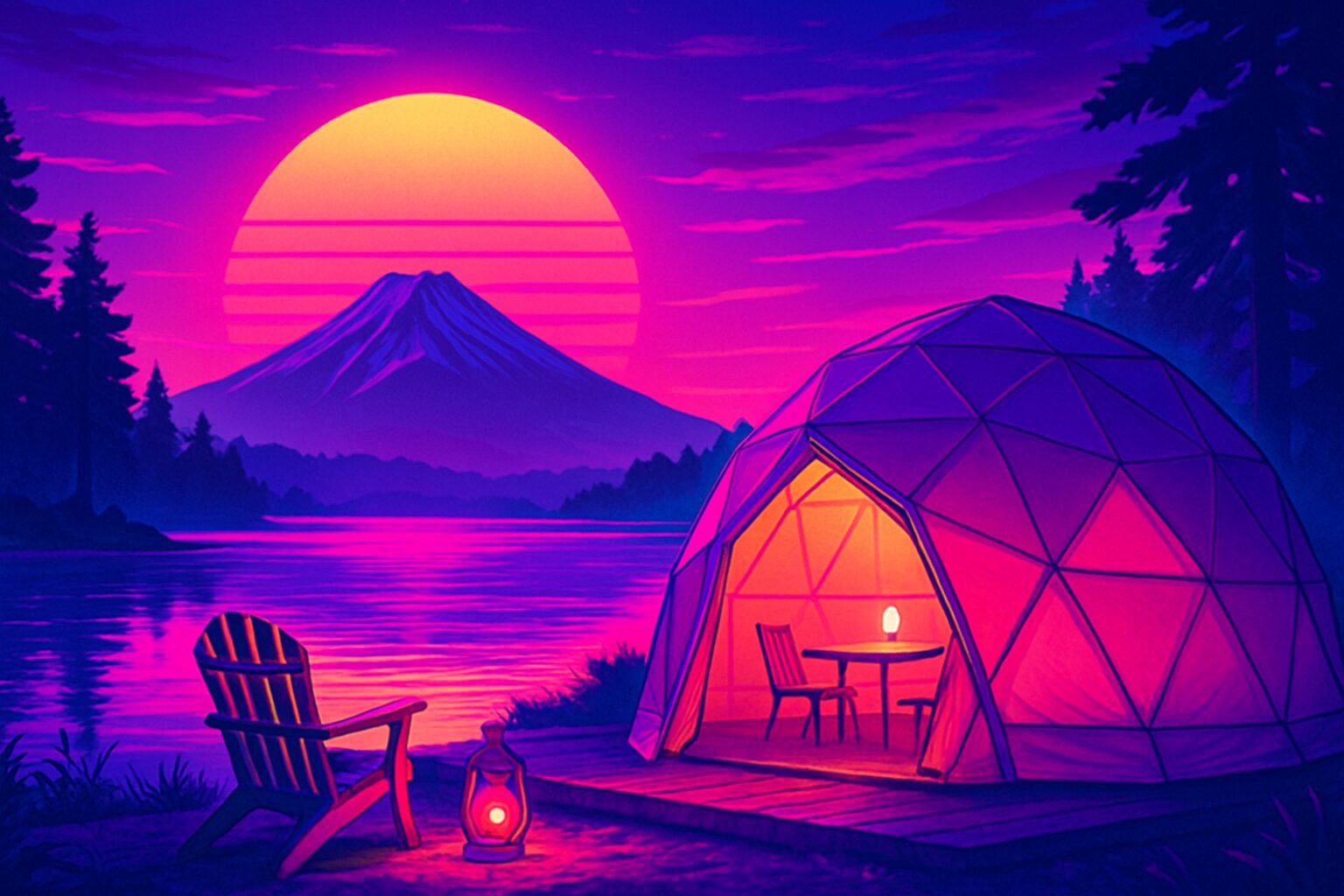
Yo, let’s get real for a sec. There’s a feeling, ancient and coded into our DNA, that sparks to life when you’re gathered around a crackling fire. It’s a primal vibe, a throwback to when the squad huddled together for warmth and stories under a canopy of infinite stars. Now, picture this: that same epic bonfire, but it’s just for you and your crew. It’s set against the backdrop of a mirror-still lake in Japan, with the silhouette of a legendary mountain or the scent of a deep, sacred forest filling the air. This isn’t your grandad’s camping trip. This is glamping, Japanese style—a next-level fusion of raw nature, slick design, and a low-key festival spirit that’s got to be experienced to be believed. We’re talking about a scene where the untamed wilderness gets a serious glow-up, where comfort doesn’t mean disconnecting from the earth but connecting with it on a deeper, more stylish wavelength. It’s about trading sleeping bags for plush beds, canned beans for gourmet BBQ, and bug spray for the delicate aroma of cedar and roasting marshmallows. This journey is about diving headfirst into Japan’s most lit lakeside glamping spots, places that don’t just offer a place to crash but curate an entire atmosphere. From the iconic shadow of Mount Fuji to the vast, historical expanse of Lake Biwa, and the wild, volcanic north of Hokkaido, we’re chasing that perfect blend of chill solitude and communal energy. It’s about finding those magic moments by the fire, where the world melts away, and all that’s left is the hypnotic dance of the flames, the quiet lap of water, and the feeling of being truly, ridiculously alive. Get ready to explore the soul of outdoor Japan, where ancient traditions meet modern luxury in the most spectacular way imaginable.
To truly understand this modern evolution of outdoor living, you can explore the deeper cultural shift behind Japan’s unique glamping vibe.
The OG Icon: Glamping Under the Gaze of Fuji-san
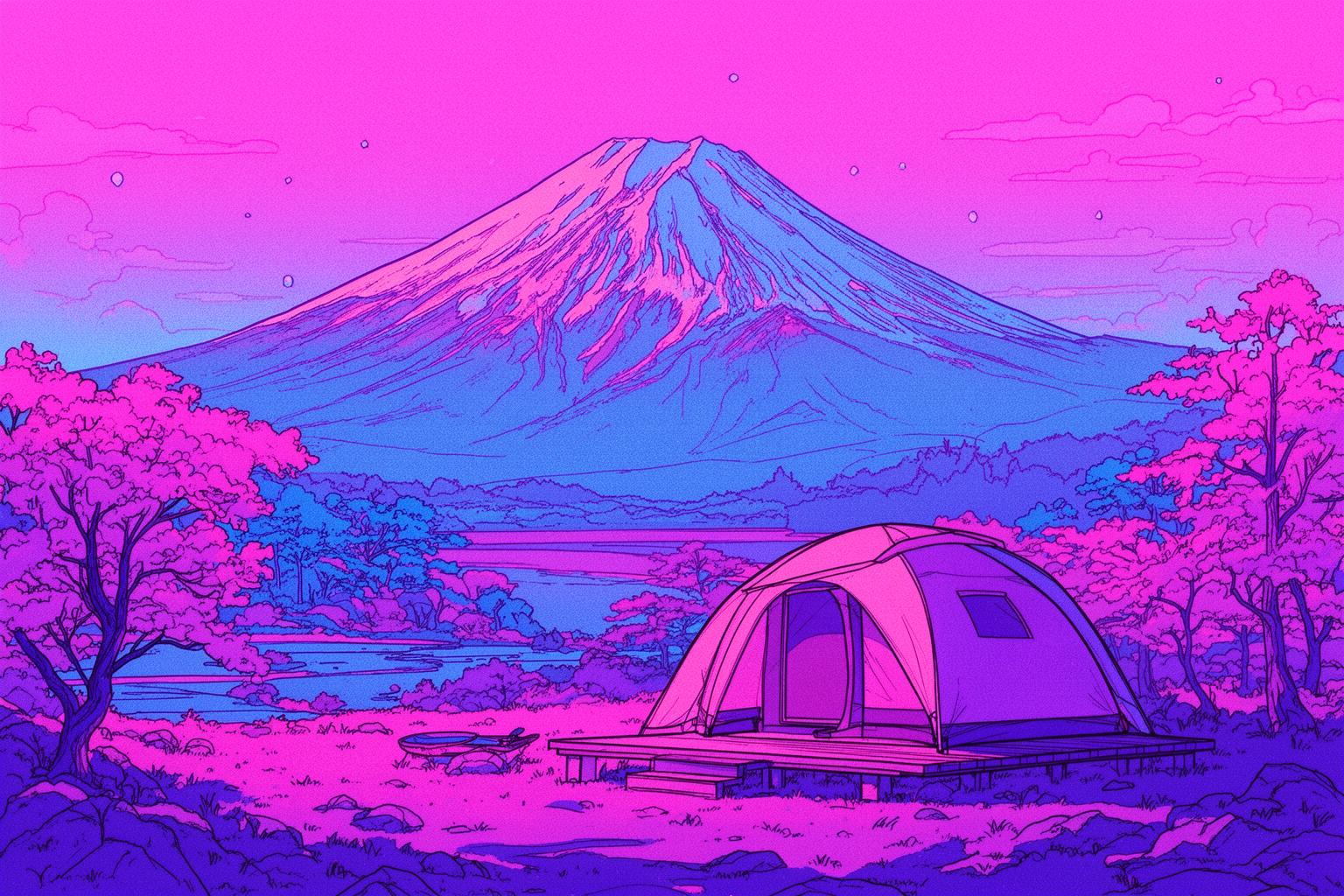
Mount Fuji is more than just a mountain; it serves as Japan’s spiritual anchor, a perfectly conical giant that has dominated both the landscape and the collective imagination for millennia. For centuries, it was revered as an object of worship, inspired artists like Hokusai and Hiroshige, and was a challenging pilgrimage site for ascetics dressed in white robes. Camping in its presence means tapping into that profound, resonant history. The Fuji Five Lakes (Fujigoko) area, nestled at the northern base of the mountain, has become the epicenter of Japan’s glamping revolution. Here, the experience evolved from merely a novelty to a genuine art form. The air feels different—thin, crisp, and charged with an energy that is both serene and powerful. It’s a place where you wake up, draw back the curtain, and are greeted by a view so perfectly unreal it seems like a CGI landscape. This is the A-list destination, the headliner, the kind of place you’ll tell stories about for years. The atmosphere blends reverent awe with sophisticated cool.
Hoshinoya Fuji: Where Minimalism Meets Wilderness
Let’s be clear: Hoshinoya Fuji sets the standard. It’s the place that redefined glamping in Japan. Perched on a hillside overlooking the pristine, turquoise waters of Lake Kawaguchi, this destination is more than just a collection of cabins; it’s an architectural marvel designed to blur the lines between indoor and outdoor living. Your experience starts when you’re handed a stylish backpack containing essentials—binoculars, a headlamp, an inflatable cushion—signaling that this is an active, immersive stay. There’s no lobby, only a reception cabin. From there, you ascend into the red pine forest to discover your private cube of minimalist luxury. Each cabin is a concrete rectangle with an entire glass wall, perfectly framing Fuji-san as a living, breathing masterpiece. The interior is sparse yet flawless, directing your focus outward to the breathtaking panorama. It feels less like a hotel and more like an exclusive viewing box for the greatest show on earth.
The true soul of Hoshinoya Fuji, however, is the Cloud Terrace. This communal heart consists of wooden platforms linked by winding stairways that climb through the forest. By day, it’s a spot to relax in a hammock with a book, participate in a wood-chopping workshop, or simply breathe in the forest-scented air. As dusk descends, the atmosphere changes. Lanterns and small fires illuminate the paths, creating a warm, glowing labyrinth. A small bar opens, serving local whiskies and hot beverages. Occasionally, an outdoor cinema screens classic films. This is where the ‘festival vibe’ comes alive—not a loud party but a refined, communal gathering. Guests share stories or sit in peaceful silence, captivated by the crackling fires. And of course, each cabin balcony has a private fireplace. In the evening, a staff member comes to light it, leaving you with a basket of marshmallows. Wrapped in a blanket, with the fire crackling, stars emerging, and the ghostly outline of Fuji across the lake, it’s a moment of pure magic—one that connects you, the modern traveler, to every pilgrim and poet who ever stood on this sacred land and gazed in wonder.
Beyond the firelight, the activities are thoughtfully designed to deepen your bond with the area. An early morning canoe trip on Lake Kawaguchi is a must; paddling across the glassy water as the morning mist fades, with Fuji’s reflection perfectly mirrored, is a memory in the making. For those seeking adventure, guided tours into Aokigahara forest, known as the ‘Sea of Trees,’ reveal a different side of the region—a hauntingly beautiful world of moss-covered lava rock and silent woods. Culinary offerings at Hoshinoya Fuji are exceptional. Dinner often features a Dutch oven feast, where guests cook seasonal game and local vegetables alongside a ‘Glamping Master.’ Breakfast arrives in a wooden box—a treasure trove of fresh bread, yogurt, and savory delights to enjoy on your balcony. Access is surprisingly easy, with direct buses from Shinjuku in Tokyo, though renting a car allows for more flexible exploration of the wider Five Lakes area. Pro tip: book well in advance, especially during autumn when the foliage is vibrant, or winter, when the cold, clear air guarantees the sharpest, most reliable views of Fuji.
Kansai’s Liquid Heart: Chilling by Lake Biwa
If Mount Fuji stands as the stoic, iconic emperor, then Lake Biwa is the vast, life-giving empress. Situated in Shiga Prefecture, just a stone’s throw from Kyoto, it is Japan’s largest freshwater lake, an expansive inland sea with a history as deep and broad as its waters. For centuries, Biwako served as a vital artery for transport and trade, linking the northern provinces to the imperial capital. The renowned ‘Omi merchants’ built their fortunes here, and the lake’s shores are scattered with castles, temples, and shrines that highlight its historical significance. The Eight Views of Omi, a cherished theme in Japanese art, immortalized scenes like ‘Sailing Boats Returning to Yabase’ and ‘Autumn Moon at Ishiyama.’ Glamping here offers a different vibe from the Fuji experience. It’s less about reverence for a solitary peak and more about embracing the vastness of the lake and the relaxed, lively culture of the Kansai region. The atmosphere leans less toward quiet awe and more toward communal enjoyment, a bohemian spirit where the bonfire feels more like a beach party.
Biwako Glaster: A Bohemian Rhapsody on the Water
Perched on the shores of Lake Biwa, Glaster raises the festival spirit a notch. It’s a spot buzzing with youthful, free-spirited energy. Forget minimalist concrete cubes; here, you’ll find a quirky, eclectic mix of accommodations. You can stay in a classic silver Airstream trailer, a roomy bell tent, or a futuristic geodesic dome with panoramic lake views. This diversity draws a broad crowd—groups of friends, young families, couples—all coming together to create a vibrant, communal vibe. The whole site feels like a pop-up festival ground, built for socializing and good times. The dress code is pure relaxation: flip-flops, shorts, and sunglasses. The soundtrack blends gentle waves, laughter, and the occasional acoustic guitar from a nearby tent.
The highlight of the Glaster experience is the lakeside BBQ and bonfire. Every plot includes its own dedicated grilling and lounging space. As evening falls, the shoreline lights up with dozens of fires. The air fills with the mouthwatering aroma of grilled meat and vegetables. Here, the focus is on the quintessential Japanese BBQ. You’ll be provided with a grill and a spread of ingredients, often featuring the legendary Omi beef, one of Japan’s finest wagyu brands, known for its rich marbling and melt-in-your-mouth tenderness. Cooking slices of this premium beef alongside local vegetables, cold beer in hand, while watching the sunset paint the sky over Lake Biwa’s vast expanse, is pure, unfiltered joy. It’s a social ritual, a chance to bond with your group over crafting a memorable meal. After dinner, the bonfire takes center stage. It’s time for s’mores, heartfelt conversations, and stargazing. The multitude of fires along the beach creates a magical, twinkling scene mirrored on the water.
By day, Lake Biwa transforms into your playground. Glaster is perfectly located for water sports. Rent a stand-up paddleboard (SUP) to glide along the coast, embark on a kayak adventure, or simply swim in the surprisingly warm, clear waters. Floating in the heart of this immense lake, surrounded by mountains on the horizon, feels incredibly freeing. For those interested in culture, the area is a historical treasure trove. A short drive leads to Hikone Castle, one of Japan’s few original castles, or the scenic Omihachiman canal district. For the adventurous foodie, the region offers ‘funazushi,’ a traditional fermented fish—an ancestor of modern sushi—an acquired taste but a genuine local delicacy. Reaching Glaster is easiest by car, providing the freedom to explore, though it’s also accessible by train to Omi-Maiko Station followed by a brief taxi ride. It’s an ideal summer getaway spot when the water beckons and the long evenings are perfect for lakeside celebrations.
Northern Exposure: Volcanic Views and Onsen Dreams at Lake Toya
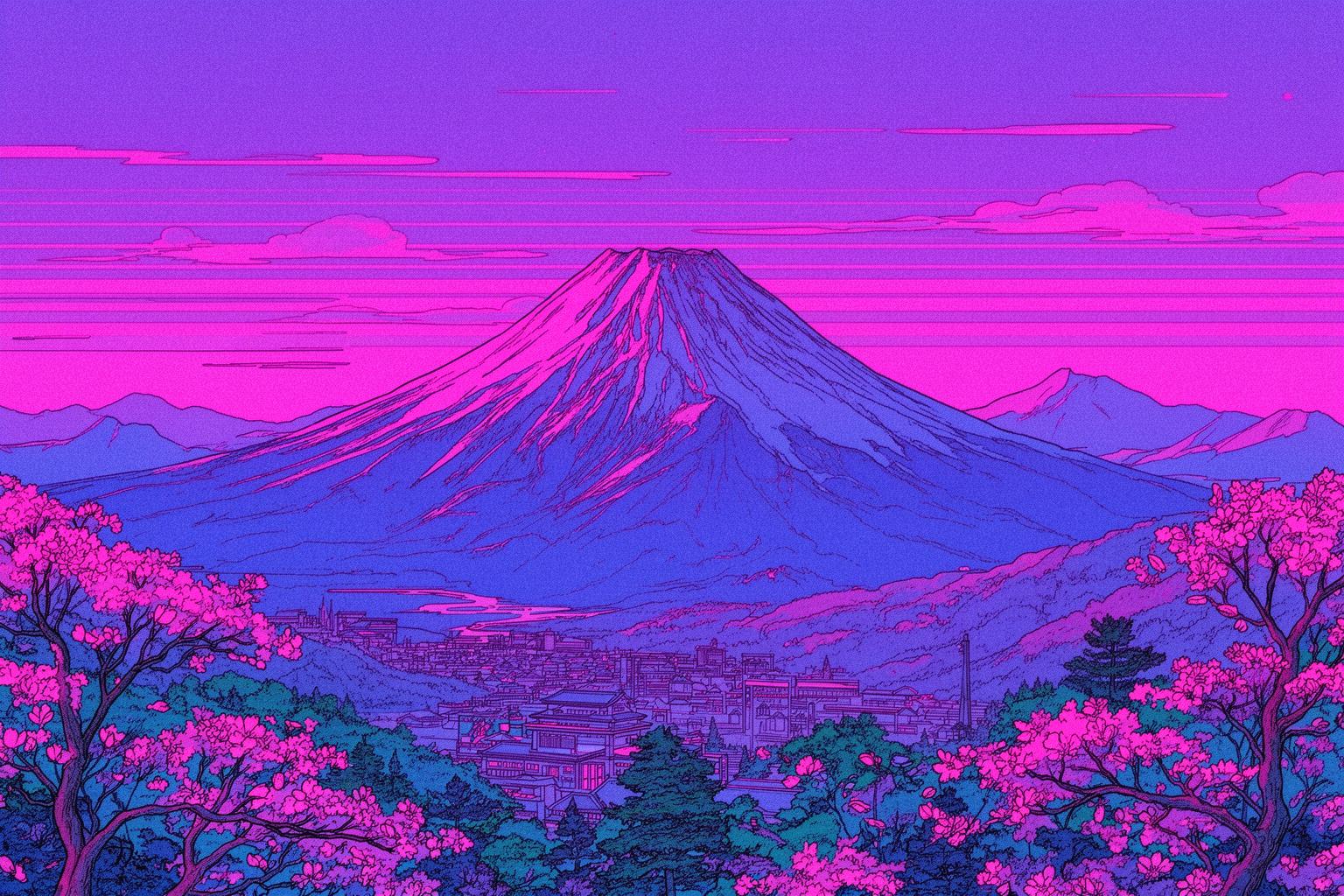
Venture north to the wild, expansive island of Hokkaido, where you’ll discover a glamping experience shaped by fire and ice. Lake Toya is a breathtaking caldera lake, a near-perfect circle of deep blue water formed by ancient volcanic activity. It’s a landscape that feels both raw and elemental. In the center of the lake lie the Nakajima islands, forested mounds of land, while on the southern shore stands Mount Usu, an active volcano that still releases steam into the sky. This place embodies dramatic natural power. The glamping atmosphere here is distinctly different—grand, epic, and deeply tied to Hokkaido’s unique Ainu heritage and its renowned onsen (hot spring) culture. It’s about feeling small before vast nature and then finding profound comfort in the warmth of a bonfire and a geothermal bath.
Lakeside Villa Suimeikaku & The Glamping Scene
Though Hokkaido’s glamping scene continues to evolve, the area surrounding Lake Toya offers exceptional options that embrace this distinctive environment. Establishments like Lakeside Villa Suimeikaku provide private cabins with their own onsen baths and bonfire pits, merging the best of a traditional ryokan experience with the freedom of glamping. The atmosphere here is one of exclusive tranquility. Imagine spending the day exploring the volcanic terrain, perhaps taking the Usuzan Ropeway for stunning views of the crater. As night falls, you return to your private retreat. The air is cool and crisp—a hallmark of Hokkaido’s climate even in summer. You light your bonfire, its flames a vivid orange against the deep blue twilight sky over the lake. Smoke curls upward toward a sky filled with more stars than you ever imagined. But the true magic happens when fire meets water. Soaking in your personal, steaming onsen bath, a glass of local Nikka whisky in hand, while your bonfire crackles just a few feet away—this sensory experience is extraordinary. It’s the ultimate contrast: the heat of the fire, the warmth of the water, and the coolness of the northern night air.
The ‘festival vibe’ at Lake Toya is literally a nightly celebration. From late April through the end of October, every evening features a spectacular fireworks display launched from boats drifting across the lake. This isn’t a small, token event; it’s a full-scale, professional pyrotechnic show. You can watch from the shore, aboard a dinner cruise, or best of all, from the comfort of your onsen or beside your bonfire. The booming explosions echo throughout the caldera, and vibrant colors burst over the dark water, creating a nightly tribute to life in this dynamic setting. This adds an exciting layer to an otherwise peaceful atmosphere.
Culturally, this land is the heart of Ainu territory, home of the indigenous people of northern Japan. Their deep respect for nature, in which every mountain, river, and animal contains a ‘kamuy’ (divine spirit), strongly aligns with the spirit of glamping. Experiencing the untamed nature of Lake Toya offers a unique chance to connect with this ancient worldview. The culinary scene is another highlight. Hokkaido is Japan’s breadbasket, known for its exceptional produce. A glamping BBQ here is a feast of epic proportions: tender lamb, fresh scallops and seafood, sweet corn, and creamy potatoes, all grilled to perfection over an open flame. It’s hearty, satisfying fare ideal for the northern climate. To reach Lake Toya, travel via flight to Sapporo’s New Chitose Airport, followed by a scenic train journey or a two-hour drive. Glamping here is a year-round experience. Summer brings lush greenery and the fireworks festival, while winter transforms the landscape into a magical snowy realm perfect for ‘snow glamping’—gathered around a warm fire as gentle snowflakes fall around you.
The Philosophy of the Flame: Understanding Japan’s Bonfire Culture
To truly capture the essence of these glamping experiences, you must understand that in Japan, a bonfire is more than just a fire. The term for it is ‘takibi’ (焚き火), and it carries a profound, nostalgic significance. It brings to mind images of schoolchildren singing songs in a circle, families warming themselves in autumn, and a quiet, reflective communion with nature. It isn’t about roaring flames, but rather a controlled, beautiful, and almost meditative fire. It symbolizes a moment of pause in a fast-paced, modern society—a return to something essential and genuine. This cultural respect for fire has deep historical roots.
Takibi: More Than Just a Fire
In Shinto, Japan’s native religion, fire is a potent symbol of purification. Ritual fires play a central role in many festivals (matsuri) throughout the country, used to cleanse impurities and offer respect to the kami. The grand ‘Hi Matsuri’ (fire festivals) feature massive pyres set ablaze, remarkable displays of communal spirit and spiritual renewal. On a more intimate level, the ‘takibi’ at a glamping site connects to this same ancient energy. The process of lighting the fire, tending to it, and watching it dwindle to embers is a ritual in itself. It clears the mind of daily burdens and creates a sacred space for connection.
A bonfire in Japan also serves as a powerful social catalyst. In a society that can be reserved, sharing the experience of watching a fire has a unique way of breaking down barriers. It encourages comfortable silence or deep, meaningful conversation. It acts as a focal point that brings people together without the need for constant interaction. The aesthetics of the flame also align with core Japanese philosophies. The transient, ever-changing nature of the fire—its ignition, brilliant life, and gradual fade into glowing embers and ash—perfectly exemplifies ‘mono no aware,’ the gentle sorrow and awareness of life’s impermanence. To watch a ‘takibi’ is to cherish a moment of beauty you know cannot last, making it all the more precious.
Curating the Vibe: How Glamping Channels Japan’s Matsuri Spirit
That ‘festival vibe’ we often mention isn’t coincidental; it’s a deliberately crafted ambiance that draws deeply from Japan’s rich tradition of ‘matsuri.’ These local festivals serve as the heart of communities, marking seasonal celebrations filled with lights, food, music, and a shared sense of identity. Glamping sites have perfected the art of replicating a miniature version of this experience, offering a modern and more intimate take on the matsuri spirit.
From Lanterns to Live Music
The enchantment usually starts with the lighting. Thoughtfully placing ‘chochin’ (paper lanterns) along paths and communal spaces instantly transforms a simple forest or lakeside into a magical, dreamlike setting. This soft, warm glow is distinctly Japanese and sets the tone for a gentle celebration. Communal areas are frequently designed to resemble the ‘yatai’ (food stalls) found at festivals. A small outdoor bar, a stand serving roasted sweet potatoes, or a pop-up coffee station all help cultivate the feeling of a special, temporary event. This encourages guests to leave their private spaces, mingle, share a drink or a snack, and build a sense of community.
Many locations go further by hosting low-key events that amplify the festive atmosphere. These might include anything from workshops on smoking your own cheese to outdoor cinema nights under the stars or acoustic guitar sessions around a central fire pit. Such shared experiences are the modern counterparts to traditional festival dances and processions, providing a structured setting for social interaction and creating lasting memories. Ultimately, what these glamping sites have so successfully accomplished is to tap into an ancient human impulse—the yearning to gather, celebrate, and connect with both nature and one another. They have simply reimagined it in a contemporary, comfortable, and incredibly stylish way.
A First-Timer’s Guide to Glamping in Japan
Ready to dive in? A bit of preparation can make your first Japanese glamping experience smooth and unforgettable. The culture surrounding this activity combines rugged outdoor adventure with meticulous Japanese hospitality, and understanding the basics will help you fully enjoy your stay.
Booking, Packing, and Perfecting Your Stay
First and foremost: book well in advance. The spots mentioned here, along with others like them, are extremely popular, especially during peak seasons such as autumn foliage, cherry blossom viewing, and major holidays. Popular weekends can be fully booked six months or more ahead. Spontaneity isn’t ideal here; careful planning is essential.
One of the best aspects of glamping in Japan is the idea of ‘tebura de BBQ,’ which means ’empty-handed BBQ.’ Most sites provide everything you need for a fantastic meal—the grill, charcoal, utensils, and all the food. The same usually applies to accommodations; towels, toiletries, and comfortable bedding are typically included. However, always verify what’s provided. Pack comfortable clothes that you can layer, as temperatures can drop sharply at night, even in summer. Sturdy walking shoes, a waterproof jacket (just in case), and insect repellent for warmer months are necessary. For winter glamping, thermal underwear, insulated boots, hats, and gloves are essential.
Regarding etiquette, it’s mostly common sense with a distinct Japanese touch. Respect for nature is crucial. Stay on trails, don’t leave any litter, and maintain the peacefulness of the surroundings. While the atmosphere is lively, it’s not a party scene. Keep noise levels down, especially late at night, as sound carries easily outdoors. The staff at these sites are very helpful and aim to make your stay perfect. A simple ‘arigato gozaimasu’ (thank you very much) is always appreciated.
Lastly, think about your transportation options. Although some locations are accessible by public transit, renting a car offers greater freedom. It allows you to explore the nearby area, visit local hot springs, stop at scenic viewpoints, and pick up supplies at local supermarkets—a fun cultural experience in itself. Driving in rural Japan is generally pleasant, thanks to well-maintained roads and breathtaking scenery.
This isn’t just a vacation; it’s an immersion. It’s an opportunity to experience Japan’s stunning natural beauty without sacrificing comfort and to connect with a culture that finds deep meaning in the simple, elemental harmony of fire and water. It’s about stepping away from city neon lights and discovering a different glow—the warm, inviting light of a lakeside bonfire. So, go ahead, find your fire. The stars, the silence, and an unforgettable experience are waiting for you.