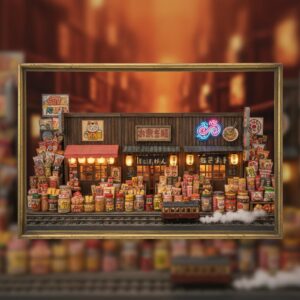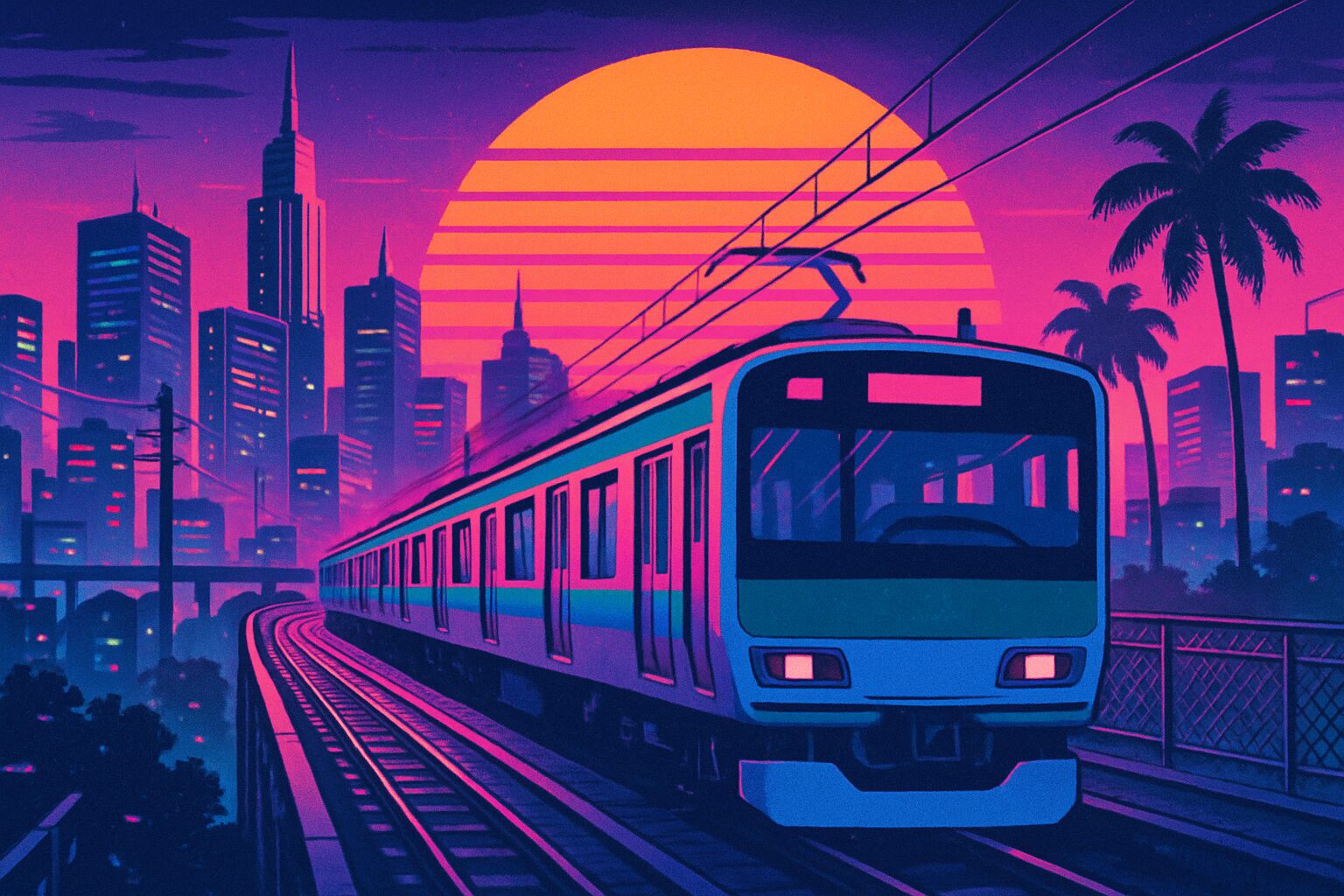
What’s the vibe, wanderers? Emily here, and today we’re ditching the guided tours and sterile itineraries. Instead, we’re about to hop on the most iconic train line in Tokyo, the JR Yamanote Line, for a ride that’s less about getting from A to B and more about catching a feeling. Think of the Yamanote as Tokyo’s circulatory system, a vibrant green loop pumping life into the city’s most electric neighborhoods. It’s the pulse of the metropolis, and we’re gonna ride it with the perfect soundtrack: City Pop. This isn’t just a train ride; it’s a mixtape on rails, a full-blown aesthetic experience. We’re talking breezy 80s beats, neon-drenched nostalgia, and the kind of urban exploration that feels like the opening credits to your own personal anime. This is your ticket to understanding the rhythm of Tokyo, one station at a time. So, charge up your Suica card, pop in your earbuds, and let’s cruise the loop. It’s time to get into the groove of the city that never truly sleeps, but definitely dreams in pastel colors and smooth basslines.
For a deeper dive into the retro aesthetic that inspires this music, explore the unique atmosphere of a Showa-era kissaten.
The Vibe Check: What’s the Deal with City Pop?
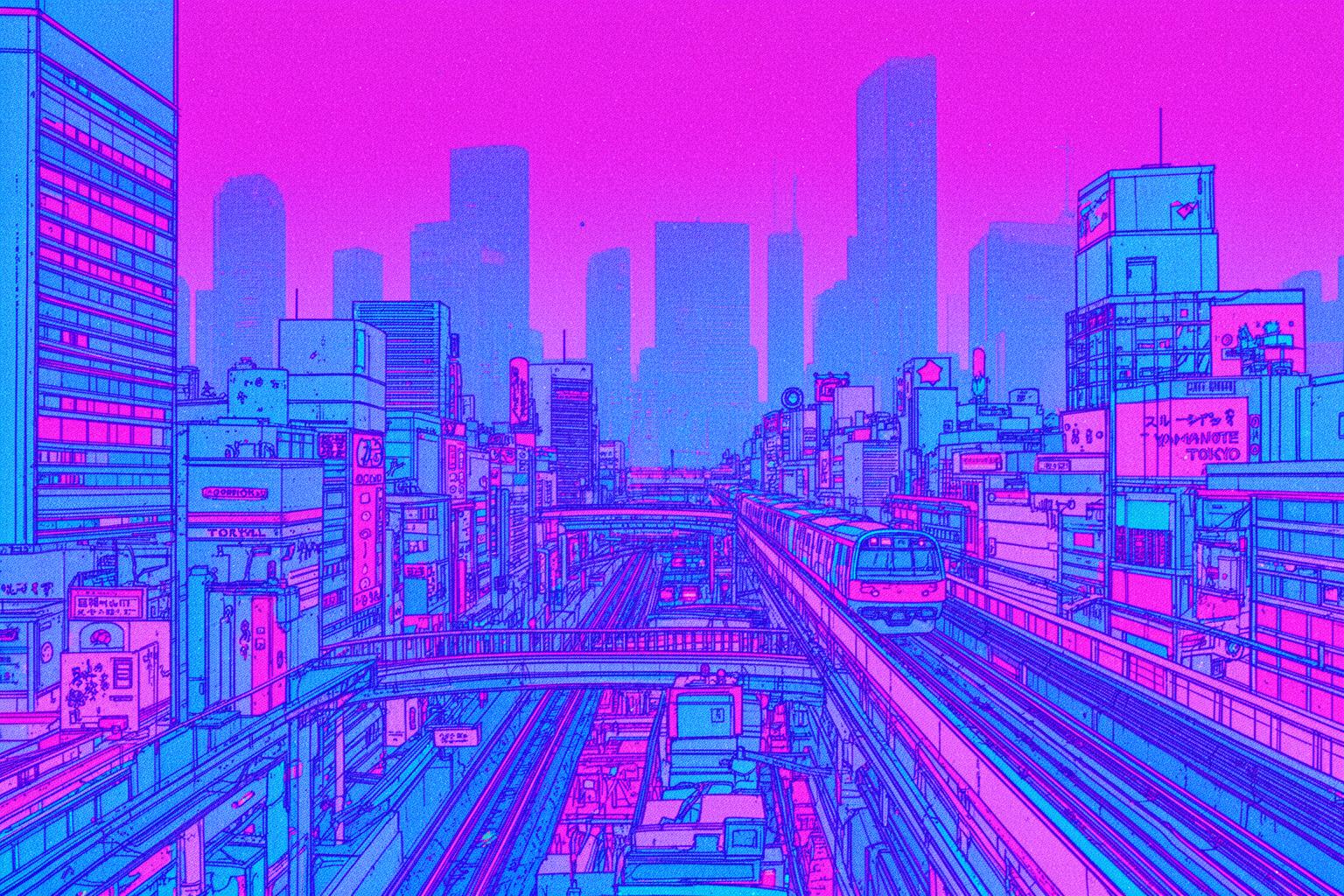
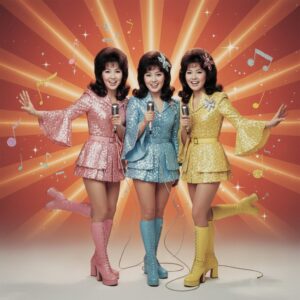
Alright, before we get started, let’s set the tone. If you haven’t yet been lucky enough to stumble upon a YouTube mix featuring a serene anime woman on the cover, let me introduce you to City Pop. This genre of Japanese music from the late ’70s and ’80s is pure, unfiltered vibes. It emerged during Japan’s economic bubble, a period of great optimism, technological breakthroughs, and sleek, futuristic design. The music captures that spirit—offering a smooth, sophisticated fusion of soft rock, funk, R&B, and jazz fusion. Picture driving along a coastal highway at sunset in a convertible, the warm breeze on your skin. Imagine late-night chats in a dim Tokyo bar, the city lights sparkling outside. That’s the essence. Artists like Tatsuro Yamashita, Mariya Takeuchi, Anri, and Toshiki Kadomatsu are the true legends of this genre. Their music will be the soundtrack to our journey. It’s about capturing urban romanticism, finding beauty in the vast concrete jungle. City Pop is like listening to Tokyo’s skyline at night—a bit melancholic, a bit hopeful, and undeniably cool. It’s the vibe we’re chasing as we hop from station to station.
All Aboard the Emerald Loop: Your Yamanote Line Starter Pack
Alright, let’s chat logistics, but keep it laid-back. Riding the Yamanote Line is honestly one of the simplest things you can do in Tokyo, which is a huge plus. First, grab yourself an IC card like a Suica or Pasmo. You can pick one up from any ticket machine. Just load it with some yen, and you can tap in and out of stations effortlessly. Trust me, it’s a game changer.
What’s great about the Yamanote Line is that it’s a loop. You literally can’t get lost. There are two directions: the outer loop (soto-mawari, 外回り), which goes clockwise, and the inner loop (uchi-mawari, 内回り), which runs counter-clockwise. Just check the signs—if you’re going from Shibuya to Shinjuku, the outer loop’s your friend. Mess up? No worries. Just stay on, and you’ll end up where you need to be. The entire loop takes about an hour, so it’s like a mini tour itself.
Here’s a pro tip: avoid rush hour (7:30-9:30 AM and 5:00-7:00 PM on weekdays) unless you want the full sardine-can experience. It’s definitely a cultural moment, but not a chill one. Midday or evening rides are the best for a comfortable trip. Also, pay attention on the platform—each Yamanote Line station features its own unique departure jingle (eki-melodies), some of which are iconic tunes. These small touches are what make the ride so awesome.
West Side Story: The Neon Heartbeat
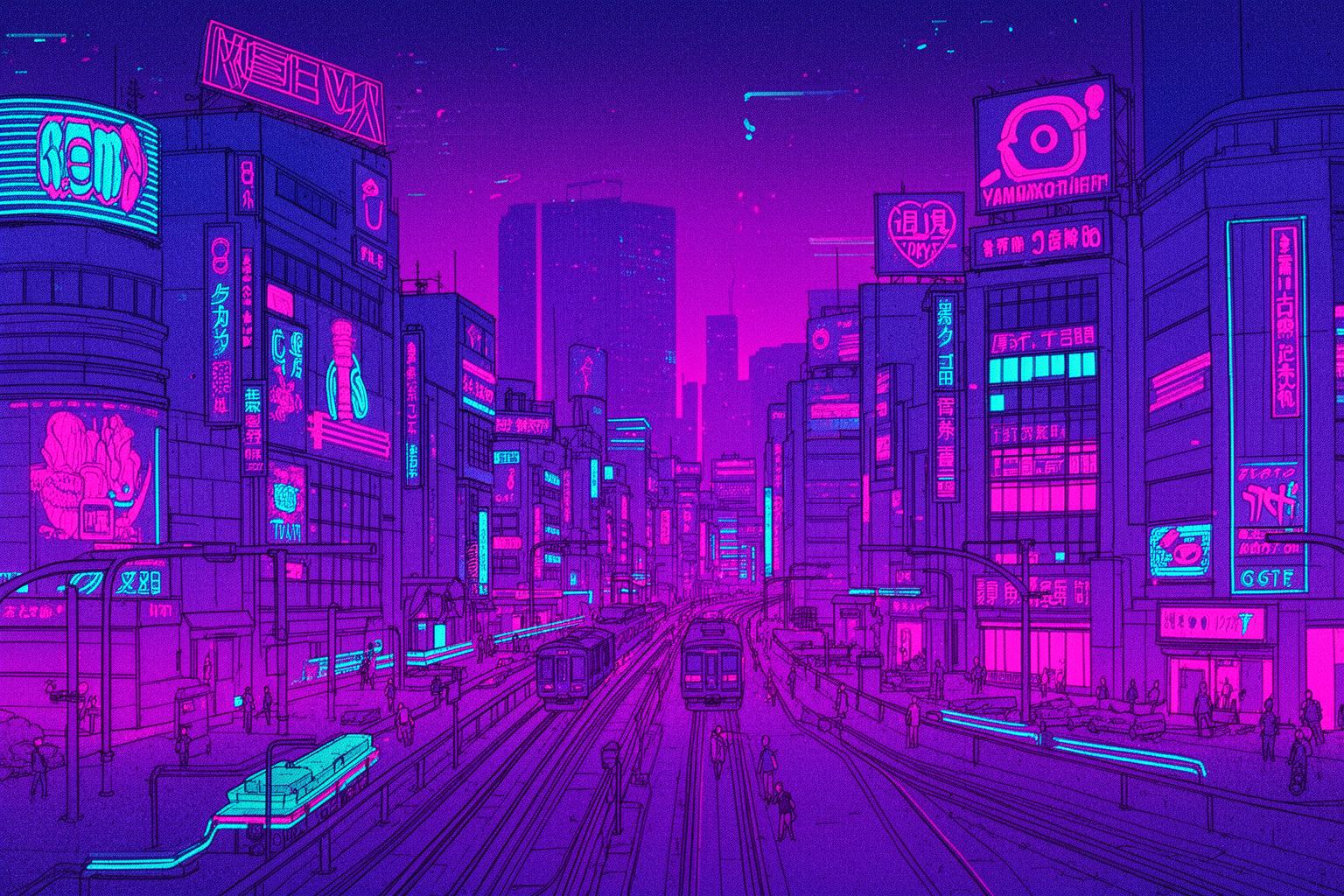
This is the Tokyo you’ve seen in films—the city that thrums with chaotic, vibrant energy. The west side of the Yamanote loop hosts the holy trinity of Tokyo’s youth culture and nightlife: Shinjuku, Harajuku, and Shibuya. This is where the city truly comes alive—a dazzling, overwhelming, and utterly addictive slice of the metropolis.
H3: Shinjuku Station: The Labyrinth of Dreams
City Pop Pairing: “Midnight Pretenders” by Tomoko Aran
Arriving at Shinjuku Station feels like docking the Millennium Falcon inside the Death Star. It’s the world’s busiest train station, a vast, multi-level maze that can daunt even seasoned locals. But trust me, it’s worth taking a deep breath and diving in. Shinjuku is not just one place; it’s a dozen different worlds crashing together.
Head west, and you’ll find Nishi-Shinjuku, a realm of sleek, towering skyscrapers. It’s a corporate dreamscape lifted straight from an 80s sci-fi anime. The highlight here is the Tokyo Metropolitan Government Building—take the elevator to the free observation decks. The view is mind-blowing. On a clear day, Mount Fuji is visible. At night, it transforms into a galaxy of city lights stretching to infinity. This side of Shinjuku is smooth, sophisticated, and a touch lonely, much like the saxophone solo in a perfect City Pop track.
Cross to the East Exit, and the atmosphere flips completely. This is the Shinjuku of your wildest fantasies. Neon signs shout for attention, crowds flood the streets, and a giant Godzilla head looms over the Toho Cinema building. Welcome to Kabukicho, Tokyo’s notorious entertainment and red-light district. It’s gritty, glamorous, and endlessly captivating. Don’t worry—it’s safe to stroll and soak in the Blade Runner vibe. Hidden within this chaos are two of my favorite spots. First, Golden Gai, a maze of six narrow alleys packed with tiny bars, some cozy enough for just a few patrons. It’s a post-war Tokyo relic where every doorway promises a unique experience. Second, Omoide Yokocho, or “Memory Lane,” a smoky, cramped alley filled with closet-sized yakitori joints serving up delicious grilled skewers. It’s the epitome of cheap, cheerful, and atmospheric.
If the sensory overload becomes too much, Shinjuku Gyoen National Garden offers a peaceful escape. This stunning park blends Japanese, English, and French garden designs. It’s an oasis of calm that feels worlds away from the frenzy outside its gates, especially breathtaking during cherry blossom and autumn foliage seasons.
H3: Harajuku Station: The Epicenter of Cool
City Pop Pairing: “Stay With Me” by Miki Matsubara
Just one stop south of Shinjuku, Harajuku presents another fascinating contrast. The station is brand new, yet it stands beside the historic Meiji Jingu shrine. This contrast defines the area. Harajuku is where tradition and cutting-edge modernity exist side by side.
The main attraction for many is Takeshita Street, located right outside the station’s main exit. Brace yourself. This narrow pedestrian street bursts with kawaii (cute) culture. It’s filled with shops selling wild fashions, colorful accessories, and everything adorable. The air is sweet with the scent of legendary Harajuku crepes—thin pancakes stuffed with fruit, cream, and even cheesecake slices. You’ll spot every imaginable style tribe here, from gothic Lolitas to decora-kei kids adorned with a rainbow of plastic clips. It’s a spectacle, a living runway showcasing Japanese youth fashion. It’s bright, loud, and unapologetically fun.
But this is only one side of Harajuku. Five minutes’ walk south brings you to Omotesando—dubbed Tokyo’s Champs-Élysées—a wide, tree-lined avenue flanked by high-fashion flagship stores, chic art galleries, and stylish cafés. The architecture alone is worth the stroll, featuring designs by world-renowned architects. The vibe shifts from chaotic and cute to sleek and elegant, making it ideal for window shopping, enjoying an upscale coffee, and watching the city’s fashion elite go by.
Then there’s the ultimate vibe reset: Meiji Jingu. This shrine honors the deified spirits of Emperor Meiji and Empress Shoken. To reach it, you pass under a colossal wooden torii gate and walk along a tranquil path through a dense forest. You’d never guess you’re in the heart of one of the world’s largest cities. The air feels cooler, city noises fade, and a deep sense of calm settles in. It’s a powerful reminder of Tokyo’s deep cultural roots amidst its futuristic pace. A weekend morning visit might even reward you with a glimpse of a traditional Shinto wedding procession.
H3: Shibuya Station: The Scrambled Heartbeat
City Pop Pairing: “CAT’S EYE” by Anri
Welcome to the main attraction. Shibuya pulses with pure, unfiltered Tokyo energy. The moment you step out of the station, it hits you: giant video screens, pounding music from storefronts, and a sea of people. It’s the undisputed heart of youth culture, centered around the legendary Shibuya Scramble Crossing. Grab a spot at the giant Starbucks in the Tsutaya building and watch from above. Every time the signal changes, a flood of people pours into the intersection from all corners in a perfectly orchestrated chaos that never gets old.
Just outside the Hachiko Exit stands the famous statue of Hachiko, the loyal dog who waited daily for his owner at the station long after his owner’s death. It’s the city’s most iconic meeting spot and a must-see photo opportunity. From there, dive into Center Gai, the bustling artery of Shibuya’s shopping and entertainment scene. It’s a whirlwind of fast fashion, karaoke bars, and arcades.
Music lovers will find paradise here. Shibuya hosts some of Tokyo’s best record stores. Tower Records is a massive nine-story landmark, but don’t overlook smaller shops like HMV, Diskunion, or hidden vinyl stores where you can uncover City Pop gems. It’s a true treasure hunt. For fashion enthusiasts, head uphill around Koen Dori to explore Shibuya PARCO, a department store that feels more like a cultural institution, with its art gallery, theater, and even a Nintendo store.
As daylight fades, Shibuya’s neon lights ignite, and the energy intensifies. The area behind the main station, known as Dogenzaka or “Love Hotel Hill,” comes alive with a different vibe, filled with clubs, izakayas, and live music venues. Shibuya can feel overwhelming, but my advice is to surrender to the flow. Follow an intriguing alley, pop into a random bar, and see where the night leads. It’s a place of endless possibility—ever-changing and always thrilling.
Downtown Groove: The Retro Future
The eastern side of the Yamanote loop presents a different narrative. This is shitamachi, the old downtown, where history and modern life blend in intriguing ways. It’s somewhat grittier, more traditional, yet also home to some of the city’s most innovative subcultures. Here, ancient temples stand in the shadows of sprawling electronic superstores.
H3: Ueno Station: Culture and Chaos
City Pop Pairing: “Tasogare” by Taeko Onuki
Ueno is Tokyo’s cultural core. The station opens onto Ueno Park, a vast public space that could easily fill an entire day. This is where you come for a rich dose of art and history. The park hosts an impressive array of museums, including the Tokyo National Museum, which holds the world’s largest collection of Japanese art. You’ll also find the National Museum of Nature and Science, the Tokyo Metropolitan Art Museum, and the Ueno Royal Museum. The Ueno Zoo, Japan’s oldest zoo, known especially for its giant pandas, is also located here.
But the park isn’t just about museums. Shinobazu Pond, a large and scenic lotus pond, features the quaint Bentendo temple situated on a small island. You can rent swan boats and paddle around—a classic Tokyo date activity. In spring, Ueno Park becomes one of the city’s most popular (and crowded) spots for cherry blossom viewing parties, or hanami.
Just beyond the park’s peaceful setting lies Ameya Yokocho, or “Ameyoko,” a bustling, colorful open-air market running beneath the train tracks between Ueno and Okachimachi stations. It’s an all-out sensory overload. Vendors loudly call out to customers, the air is thick with the scent of grilled seafood and exotic spices, and the narrow streets are packed with people. You can find everything here—from fresh fish and produce to inexpensive clothes, knock-off sneakers, and cosmetics. It’s one of Tokyo’s best street food destinations. Grab some takoyaki (octopus balls) or fresh fruit on a stick and immerse yourself in the lively, old-school Tokyo vibe. The contrast between the cultured calm of the park and the chaotic energy of Ameyoko is what makes Ueno so captivating.
H3: Akihabara Station: The Electric Dream
City Pop Pairing: Anything by Yellow Magic Orchestra
Two stops south of Ueno is Akihabara, also known as Electric Town. This neighborhood is the global hub of otaku (geek) culture. Upon exiting the station, you’re immediately overwhelmed by the sights and sounds of anime, manga, and video games. The main street, Chuo Dori, is lined with multi-story buildings plastered with huge, colorful advertisements for the latest anime series and video game launches. On Sunday afternoons, the street is closed to traffic, becoming a pedestrian-friendly zone where cosplayers often gather.
Dive into massive electronics stores like Yodobashi Camera or Bic Camera, which feel like entire worlds themselves, offering everything from cutting-edge tech gadgets to household appliances. But the true heart of Akihabara lies in its specialized shops. Numerous stores sell anime figurines, manga, art books, and merchandise. Arcades, or “game centers,” are everywhere, featuring floors dedicated to diverse games, from classic fighting titles to the newest rhythm games and crane machines (UFO catchers) full of prizes. The background hum of a thousand video games is the unique soundtrack of this district.
Don’t miss the Gachapon Kaikan, a shop filled with hundreds of gachapon capsule toy machines. It’s an addictive and affordable way to get a fun souvenir. For a one-of-a-kind cultural experience, visit one of the famous maid cafes, where waitresses dressed in maid costumes serve customers as if they were masters or mistresses. It may feel surreal, but it’s an essential Akihabara experience.
Akihabara is also a paradise for retro gamers. In the smaller back alleys, you’ll find shops like Super Potato, treasure troves of vintage consoles and games, from the Famicom to the Dreamcast. At night, Akihabara glows with an otherworldly neon light, making it feel as if you’ve stepped into a cyberpunk future. It’s a place that uniquely celebrates passion and niche interests.
H3: Kanda and Tokyo Station: The Past and Present Gateway
City Pop Pairing: “SPARKLE” by Tatsuro Yamashita
Heading south, you arrive at the Kanda and Tokyo Station areas. Kanda has a more intellectual, old-fashioned atmosphere. The Jimbocho neighborhood, a short walk from Kanda Station, is Tokyo’s book town. Its streets are lined with countless bookstores selling everything from rare antique manuscripts to contemporary manga. It’s a tranquil, charming area ideal for a leisurely afternoon of browsing.
Then you reach Tokyo Station, where the scale and atmosphere change dramatically. This is more than just a station; it’s a landmark. The Marunouchi side to the west features the original, historic station building—a stunning red-brick structure dating back to 1914, beautifully restored after World War II damage. It resembles a European building and stands as a symbol of Japan’s modernization. The plaza before it is wide and open, offering an impressive view of both the historic station and the modern Marunouchi skyscrapers beyond.
Inside, Tokyo Station resembles a city of its own. It’s a sprawling underground maze of shops and eateries. Two standout areas are “Character Street,” which hosts shops dedicated to famous Japanese characters like Pokémon, Hello Kitty, and Studio Ghibli, and “Ramen Street,” a corridor featuring eight of Tokyo’s top ramen shops all in one place. Be ready to wait in line, but it’s definitely worth it.
The Yaesu side, to the east, is modern and acts as the gateway to the Shinkansen (bullet train) platforms. It connects directly to huge department stores and the bus terminal. Tokyo Station is the ultimate nexus, the zero-kilometer marker from which all of Japan is measured. It’s a place of arrivals and departures, blending grand history with efficient modernity, all buzzing with the energy of a nation on the move.
South Side Chill: The Sophisticated Slant
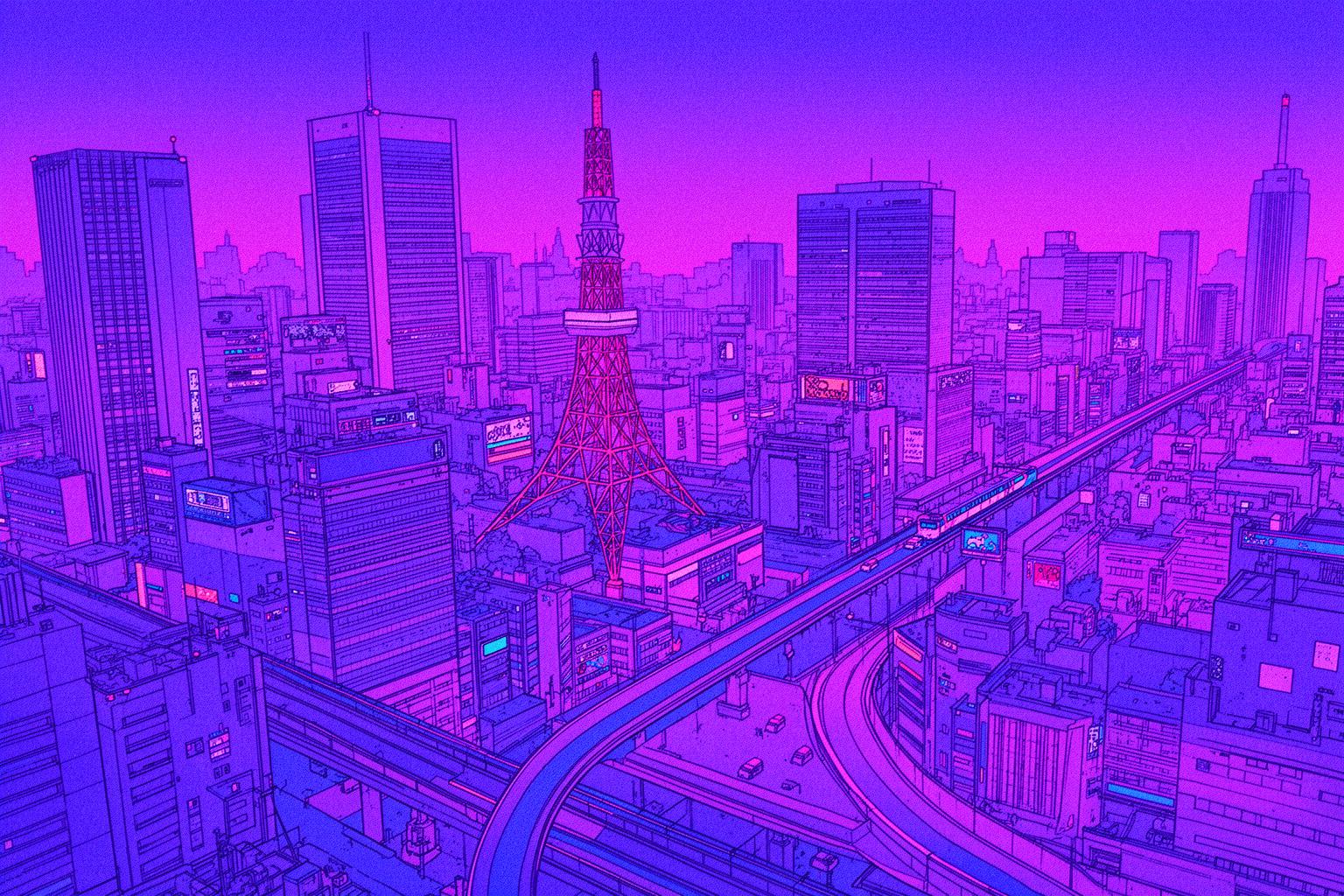
The southern arc of the Yamanote line presents a different tempo. It’s less about frenetic energy and more about refined relaxation. This is where Tokyoites go to savor life’s finer pleasures, from craft beer and artisanal coffee to riverside walks and contemporary art. It’s a more laid-back, sophisticated version of the city.
H3: Ebisu Station: The Cultured Connoisseur
City Pop Pairing: “Last Summer Whisper” by Anri
Ebisu feels like Shibuya’s older, effortlessly cool, and more mature sibling. It’s trendy without appearing to try too hard. The main highlight is Yebisu Garden Place, a short walk from the station via a covered skywalk. This elegant complex of brick buildings, built on the site of a former beer brewery, has a distinctly European atmosphere. It houses a large department store, numerous restaurants, a cinema, and the excellent Tokyo Photographic Art Museum. The crown jewel is, of course, the Museum of Yebisu Beer. You can take a tour to learn the history of one of Japan’s most beloved beers and, most importantly, enjoy a tasting session in the salon at the end. Bet.
Beyond Garden Place, Ebisu itself is a foodie’s paradise. The streets are densely packed with high-quality restaurants, stylish bistros, and cozy izakayas. It’s one of those neighborhoods where you can wander and almost always stumble upon an amazing meal. It’s also known for its nightlife, which centers more on intimate cocktail bars and gastropubs rather than the massive clubs of Shibuya. It’s the ideal spot for a sophisticated evening out.
For a bit of daytime exploration, explore the smaller streets west of the station. There, you’ll find charming boutiques, small art galleries, and some of the city’s best coffee shops. Ebisu combines the convenience and buzz of a central location with a more relaxed and refined vibe, making it a clear favorite among locals and expats alike.
H3: Meguro Station: The Riverside Retreat
City Pop Pairing: “WINDY SUMMER” by Anri
Just one stop from Ebisu, Meguro offers a refreshing breath of fresh air. While the immediate area around the station is a busy commercial hub, the true charm of Meguro lies along the Meguro River. A short walk from the station, the riverbanks are lined with trees and rank among Tokyo’s most famous cherry blossom viewing spots. During sakura season in late March and early April, the trees create a stunning pink canopy over the water, drawing crowds who enjoy the view, often accompanied by food and drinks from pop-up stalls along the path. It’s truly magical, especially at night when the trees are illuminated.
But the Meguro River is a treasure all year round. It’s an ideal place for a peaceful stroll or bike ride. The Naka-Meguro neighborhood, a bit further down the river (technically the next stop on the Hibiya subway line but easily walkable from Meguro), is particularly trendy. It’s known for hip boutiques, vintage furniture stores, and excellent cafes, including the massive Starbucks Reserve Roastery, an architectural wonder and coffee theme park.
Meguro also hosts some lovely cultural attractions. The Meguro Museum of Art is a small yet well-regarded museum focused on modern Japanese and international art. For something completely unique, visit the Meguro Parasitological Museum—a museum devoted entirely to parasites. It’s quirky, fascinating, and definitely not for the squeamish, but one of Tokyo’s most distinctive attractions. Meguro offers a much-needed touch of nature and tranquility, proving that even in this vast city, you can always find a peaceful place to unwind.
H3: Shinagawa Station: The Modern Hub
City Pop Pairing: “RIDE ON TIME” by Tatsuro Yamashita
Shinagawa is a major transport hub, which at first may seem a bit corporate and impersonal. It’s a key Shinkansen stop and gateway to Haneda Airport, so it’s constantly bustling with business travelers and tourists. The Konan (East) Exit leads to an area filled with modern office towers and hotels, connected by elevated pedestrian walkways. It’s all sleek and efficient.
Yet, there’s more to Shinagawa than business. The Takanawa (West) Exit offers a completely different, more relaxed vibe. Here, you’ll find numerous large upscale hotels, many featuring beautiful Japanese gardens open to the public. It’s a great spot for a peaceful stroll away from the crowds.
The main entertainment highlight in Shinagawa is the Aqua Park Shinagawa, located within the Shinagawa Prince Hotel complex. This high-tech aquarium boasts stunning light and sound displays, including a very popular dolphin show in a circular pool. It’s an excellent option for a rainy day or families traveling with children. Just north of the station, Shinagawa Season Terrace offers a great selection of restaurants and a large green space with a fantastic view of Tokyo Tower in the distance. While Shinagawa may lack the cultural cachet of Shibuya or the historic charm of Ueno, its sleek modernity and convenient connections make it an essential part of the Tokyo experience, embodying the city’s forward-looking, ever-moving spirit.
Uptown Funk: The Local Flavor
Heading north of the loop, you experience a different side of Tokyo. Here, you’ll find vast commercial centers that feel like cities in themselves, alongside quieter neighborhoods that reveal the everyday lives of Tokyo residents. It’s less about famous landmarks and more about uncovering the city’s rich local diversity.
H3: Ikebukuro Station: The Other Capital
City Pop Pairing: “TELEPHONE NUMBER” by Junko Ohashi
Like Shinjuku and Shibuya, Ikebukuro is one of Tokyo’s key hubs—a huge station surrounded by an extensive commercial area. It has its own distinct vibe, often viewed as more approachable and less overwhelming than its western counterparts. The standout landmark here is Sunshine City, a massive complex that was among Japan’s first “city within a city” projects. Inside, you’ll find a large shopping mall, a rooftop aquarium (the Sunshine Aquarium), a planetarium, and the Sunshine 60 Observatory, which provides sweeping views of the city.
Ikebukuro is also a major hotspot for otaku culture, with a different flavor from Akihabara. While Akihabara traditionally caters to male otaku interests, Ikebukuro’s Otome Road (“Maiden Road”) is a haven for female anime and manga fans, featuring stores like Animate and K-Books that focus on fujoshi culture. The district is home to one of Tokyo’s largest Pokémon Centers, a must-see for fans.
Around the station, department stores Tobu and Seibu compete fiercely, each featuring amazing depachika (basement food halls) that are a delight for both the eyes and the palate. Ikebukuro also boasts a vibrant ramen scene, with numerous top-rated shops serving delicious noodles. At night, the area buzzes with countless restaurants, bars, and theaters, including the Tokyo Metropolitan Theatre, a key performing arts venue. Ikebukuro is a powerhouse of entertainment and shopping, with a somewhat more relaxed and local atmosphere compared to the other major city centers.
H3: Sugamo Station: Grandma’s Harajuku
City Pop Pairing: A warm, nostalgic ballad
For a completely different vibe, get off at Sugamo. This neighborhood is lovingly called “Obaachan no Harajuku,” or “Grandma’s Harajuku.” The main draw is Jizo-dori shopping street, a long and charming street catering primarily to an older crowd. Instead of crepe stands and trendy fashion, you’ll find shops selling traditional Japanese sweets, comfortable clothing, health products, and most famously, red underwear. Red undergarments are believed to bring good luck and health, and many shop windows prominently display them.
Strolling down Jizo-dori feels like stepping back in time. The atmosphere is relaxed and welcoming. Don’t miss trying shio-daifuku, a soft mochi cake filled with sweet red bean paste and a touch of salt, a local specialty. At the street’s end is Koganji Temple, popular with elderly visitors who come to wash the Togenuki Jizo statue, believing it heals ailments. Sugamo offers a heartfelt and genuine look into a side of Tokyo often overlooked by tourists. It’s a reminder that this city isn’t just for the young and trendy; it’s a place where tradition and community remain deeply cherished.
The After-Hours Mix: Yamanote by Night
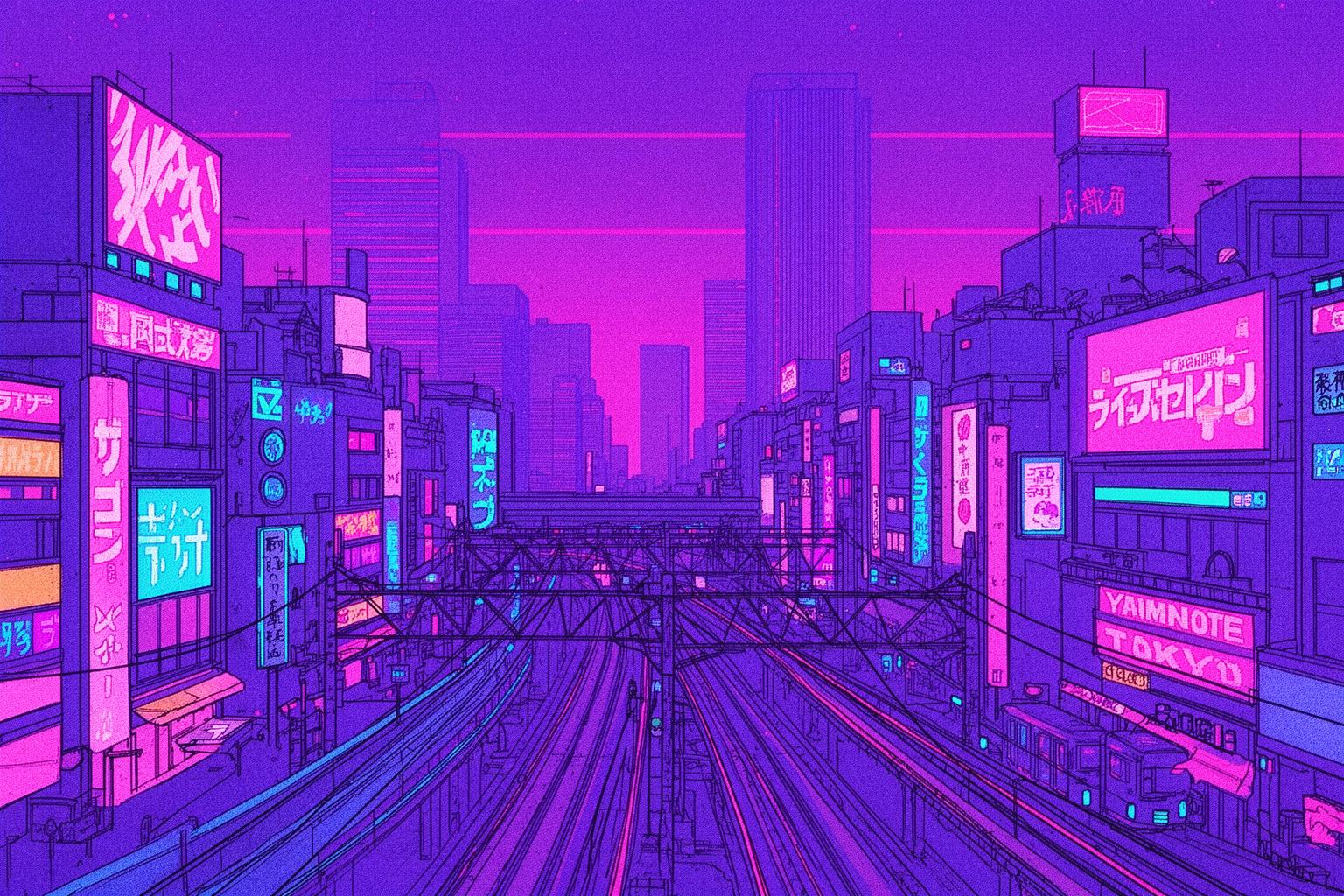
As the sun sets, the Yamanote Line changes its character. The train cars, once bustling with shoppers and tourists, now carry commuters heading home and people setting out for the night. The view outside the window shifts from sunlit streets to a captivating blur of neon lights and warm glows from apartment windows. Riding the loop at night offers a completely different experience. The city’s energy transforms. Shinjuku and Shibuya become luminous rivers of light. The quieter stations like Meguro and Ebisu radiate with the cozy glow of numerous small restaurants and bars. Even the business districts like Shinagawa and Marunouchi reveal a new charm, their skyscrapers shining like constellations. A late-night ride on the Yamanote, with the right City Pop playlist in your headphones, is one of the most cinematic and reflective experiences you can have in Tokyo. It’s the ideal way to witness the city breathe, to sense its endless rhythm as it shifts from the day’s rush to the night’s possibilities.
Final Track: The Fade Out
Completing a full loop on the Yamanote Line is more than just a train ride; it offers a cross-section of Tokyo itself. In just one hour, you travel through shimmering futuristic skylines, bustling hubs of youth culture, peaceful parks, historic districts, and quiet residential neighborhoods. You witness the city in all its magnificent, contradictory complexity. Each station serves as a gateway to a different world, a unique atmosphere, a distinct story. Guided by the smooth, nostalgic sounds of City Pop, the journey transforms into a kind of waking dream—a cruise through the heart and soul of this extraordinary metropolis. So go ahead, hop on board. You don’t need a destination. The journey is what truly matters. Let the rhythm of the train and the city sweep you away. Peace out.