Hey everyone, it’s Sofia! Get ready to dive headfirst into one of my absolute favorite parts of Japan, a place where pure, unadulterated joy comes in a tiny plastic ball. We’re talking about the world of gashapon! You might have seen these rows of colorful machines in an anime or a travel vlog, but let me tell you, experiencing them in person is a whole other level of awesome. Imagine a treasure hunt where every turn of a crank could reveal the most adorable, intricately detailed, or hilariously weird little trinket you’ve ever seen. This isn’t just a vending machine; it’s a portal to the heart of Japanese pop culture, a wonderland of kawaii characters, and a seriously addictive adventure. From iconic anime heroes to cats doing yoga, the universe inside these capsules is endless. It’s a place where a few hundred yen can buy you a pocket-sized masterpiece and a massive smile. So, grab your coin purse and let’s get ready to crank, because we’re about to explore the magical, chaotic, and utterly brilliant world of gashapon halls. This is where you find the souvenirs your friends will actually be jealous of, trust me!
If you love the world of adorable characters, you’ll also want to explore the chaotic charm of Japan’s yuru-chara.
The Vibe Check: What’s a Gashapon Hall Even Like?
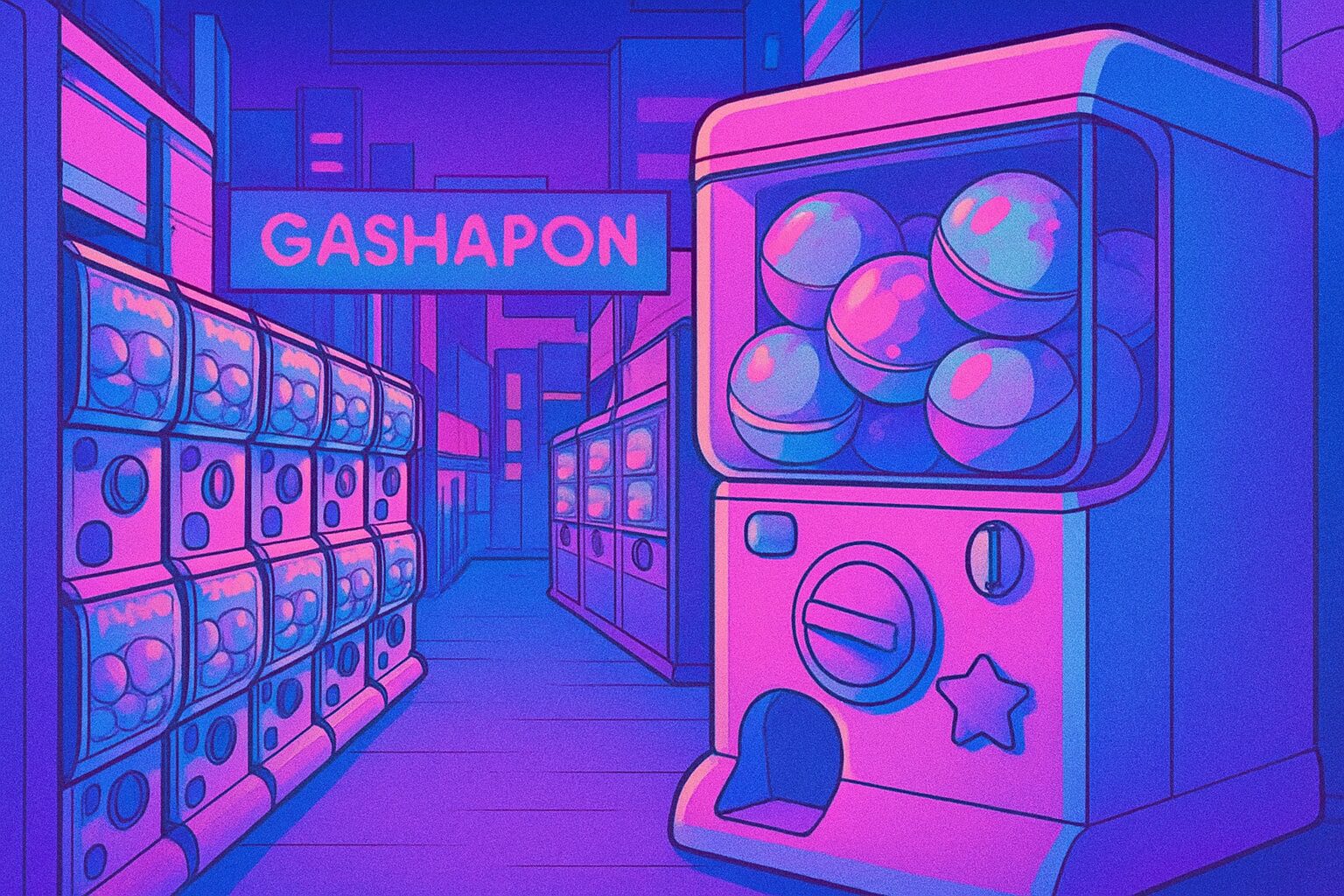
Alright, let’s set the scene. The moment you walk into a dedicated gashapon hall, your senses instantly ignite—but in the most delightful way. The first thing that strikes you is the sound: a symphony of joyful chaos. You’ll hear the steady, satisfying clink of hundred-yen coins dropping into slots, a noise brimming with hope and anticipation. Then comes the main event: the rhythmic, chunky gasha-gasha-gasha as dozens of people crank the plastic dials on the machines simultaneously. It’s a sound of effort and excitement. The grand finale is the glorious pon!—the heavy thud of the capsule landing in the collection tray, signaling your prize has arrived. It’s a rush of dopamine in a sound, one of the most satisfying you’ll ever hear. Squeals of delight erupt when someone lands a rare item, while groans of playful disappointment follow a duplicate. It’s a shared emotional experience, even among strangers.
Next, your eyes take in the visual feast before you—a vibrant kaleidoscope of color. Floor-to-ceiling walls are lined with hundreds, often thousands, of gashapon machines arranged in neat, glowing rows. Each machine features a colorful paper display behind clear plastic, showcasing the treasures inside. You’ll see images of beloved anime characters striking dynamic poses, adorable animals in hilarious scenarios, and hyper-realistic miniature foods that will make your stomach growl. The sheer volume of imagery is mind-boggling. Bright, functional lighting—like an arcade’s—makes the machines’ colors pop. The space feels both meticulously organized and wonderfully chaotic. Narrow aisles create a bustling, energetic vibe, as people weave between one another, eyes wide, searching for their next prize.
The air buzzes with a unique energy: a mix of intense focus and childlike joy. You’ll spot serious collectors carrying bags full of pre-sorted hundred-yen coins, moving with purpose as they scan for new releases or rare finds, sometimes consulting a notebook or phone checklist. Groups of high school students laugh and dare each other to try the strangest machines they can find. Couples turn it into a playful competition to see who scores the best prize. And tourists like us wander in awe, mesmerized by the sheer variety on display. This place transcends age. A salaryman in a full suit can be just as thrilled to snag a tiny, detailed samurai cat figure as a five-year-old is to get a sparkly keychain. It’s a truly democratic form of fun, a universal language of surprise and delight. The atmosphere is one of shared passion—a communal treasure hunt where everyone hopes to find their perfect little piece of pop culture magic.
From ‘Gasha’ to ‘Pon’: A Lil’ History Sesh
So, where did this fascinating phenomenon originate? It’s not just a recent trend; gashapon has a surprisingly rich and intriguing history. The concept actually traces back to the United States, with simple penny candy and toy vending machines that appeared in the late 19th century. However, Japan, as it often does, took this basic idea and transformed it into a true art form and cultural obsession. The first gashapon-style machines were introduced to Japan in the mid-1960s. Initially, they dispensed inexpensive, simple toys for children, often of dubious quality. They were a fun novelty, but nothing like the high-quality collectibles found today.
The real turning point came with the company Bandai, a name ubiquitous in any gashapon hall. In 1977, they trademarked the name “Gashapon” and began producing capsule toys based on their famous character franchises, most notably the superhero series Kinnikuman. These tiny rubber figures, known as Kinkeshi, became a huge craze among schoolboys in the 1980s. This marked a shift—gashapon ceased to be just about generic toys and became focused on collecting specific characters from beloved shows and manga. This laid the foundation for the collector culture central to gashapon today.
Let’s also unpack that adorable name, which perfectly illustrates Japanese onomatopoeia. “Gasha” (or sometimes “Gacha”) mimics the sound of the hand-cranking the machine’s mechanism—the kuri-kuri or gacha-gacha noise. Then, “Pon” captures the sound of the capsule dropping into the tray. Thus, Gasha-Pon literally represents the sound of the entire experience! It’s brilliantly descriptive. Over time, the quality and intricacy of the capsule items have soared. Advances in molding and painting technologies mean that a 300-yen (about $2) capsule toy can now rival the detail of much pricier collectible figures. This development expanded the appeal beyond children to adults, creating a huge market for tiny, affordable works of art.
Furthermore, it’s impossible to discuss gashapon without acknowledging its digital successor: the “gacha” mechanic in video games, particularly mobile games. The system where players spend in-game currency for a random chance to obtain a rare character or item? Its psychological appeal is entirely based on the genuine thrill of turning the gashapon crank. The anticipation, surprise, and pursuit of rare items all originated with these physical machines. In many ways, visiting a gashapon hall is like stepping into the original, analog version of a phenomenon now dominating the digital world. It’s a fun cultural insight to remember as you insert your coins and join a tradition that has influenced both toy culture and modern gaming.
The Treasure Trove: What Can You Actually Get?
This is the most important question, and the answer is: literally anything you can imagine, plus a thousand things you can’t. The incredible variety is what makes gashapon so magical. It’s a microcosm of Japan’s interests, passions, and quirks, all compressed into capsule form. Let’s explore the main categories you’ll come across on your journey.
Anime & Manga Mania
This category is, without a doubt, the largest and most popular. If a series is big in Japan, you can bet there’s a gashapon set for it. For anime and manga fans, a gashapon hall feels like a pilgrimage site. Machines are decorated with logos and characters from both the latest hits and timeless classics. Entire rows are devoted to giants like One Piece, featuring tiny, dynamic figures of the Straw Hat crew. You’ll find machines for Jujutsu Kaisen, offering cool acrylic keychains of Gojo and the students or rubber straps with chibi curses. Demon Slayer is everywhere, with everything from miniature replicas of Nichirin swords to adorable Nezuko figures peeking out of her box. It’s not only about current hits; nostalgic treasures abound too, like Sailor Moon with beautifully crafted transformation wands and compacts, or Dragon Ball’s muscular figures of Goku and Vegeta frozen mid-battle. The selection is vast. You can get miniature figures, keychains, phone straps, pin badges, acrylic stands to display on your desk, and even practical items like tiny pouches or cable protectors showcasing your favorite characters. The quality is genuinely impressive — the paintwork is clean, the sculpting precise, and they perfectly capture the characters’ essence. It’s the most accessible way to own a piece of your beloved series.
Kawaii Overload: Cuteness in a Capsule
Now we’re in my realm! Beyond anime, there’s a whole universe dedicated to one thing: cuteness. The “kawaii” gashapon are a creative powerhouse. This is where Japanese ingenuity shines, with endless original characters and concepts guaranteed to make you say “awww.” A popular sub-genre features animals doing human things. You’ll find the famous “Shakurel Planet” series, where all animals sport huge jutting chins for hilarious effect. Cats dressed as sushi, hamsters running tiny bakeries, and adorably grumpy Shiba Inus abound. Another hit series includes “Neko Atsume” cats and animals bowing politely in “Ojigi,” which perfectly captures a charming piece of Japanese etiquette. The detail on these tiny animal figures is astonishing — textured, full of personality, often posed in funny or heartwarming ways. Then there are the food replicas. Oh, the food replicas. You can snag hyper-realistic miniatures of everything from full ramen sets with tiny chopsticks and a slice of naruto, to delicate French pastries that look edible. Miniature bento boxes, tiny takoyaki balls, and detailed replicas of Japanese snacks and drinks are also common. These are perfect for dollhouses or just admiring the craftsmanship. You’ll also find all the famous kawaii icons. Sanrio makes a huge showing, with endless Hello Kitty, Gudetama (the lazy egg), and Cinnamoroll variations. Many are functional items like tiny drawers, cable clips, or eco-bags, all dressed in pastel cuteness. It’s a paradise for anyone who loves adorable things and the perfect spot to find a quintessentially Japanese souvenir.
Super Niche & Wacky Finds
Here, gashapon elevate from a hobby to a joyful cultural exploration. The sheer weirdness of some capsule contents is a delight. This category celebrates Japan’s love for the absurd, the niche, and the wonderfully bizarre. You might discover a series of miniature public park benches — that’s all. Or tiny, impressively detailed gas pumps or Japanese mailboxes. There’s a famous series of tiny shopping baskets from different Japanese supermarkets. Why? Who knows, but it’s brilliant. Another favorite is the “underpants for your water bottle” series, exactly what it sounds like: tiny briefs to put on your plastic bottle to absorb condensation. It’s peak Japan. Surreal and creative creature designs are common too, like animals fused with vegetables (the “Vegimal” series) or tiny, muscular animal figures striking bodybuilding poses. Gashapon even include famous artworks, but with cats or dogs as the subjects — imagine the Mona Lisa as a Shiba Inu. It exists. You’ll also find miniature replicas of traditional Japanese items, such as tiny Noh masks, small Shinto shrine gates (torii), or tiny Buddhist statues — all beautifully crafted. This category offers some of the best stories. Receiving a tiny, perfectly sculpted traffic cone may seem mundane, but it’s a hilarious and unforgettable souvenir that captures gashapon’s quirky spirit. It’s a celebration of the ordinary, the silly, and the wonderfully strange.
Collab Central & Limited Editions
Fueling collectors’ passion is the world of collaborations and limited editions. Gashapon companies excel at creating hype by partnering with brands, artists, and institutions to launch special, short-run series available only briefly. You might spot collaborations with famous fashion brands, popular snack companies, or museums. The Tokyo National Museum, for example, has released gashapon featuring miniature replicas of famous artifacts like ancient pottery and samurai armor. Japanese train companies often offer gashapon with tiny replicas of their trains or mascots. These collaborations are highly coveted because they’re unique and fleeting — once sold out, they’re gone, making finding them a real triumph. This creates a sense of urgency. If you spot a machine with a beloved collaboration, you should grab one immediately, as it might be gone when you return. This fuels the “treasure hunt” aspect of gashapon. It’s not only about collecting cute items; it’s the thrill of discovering a rare, limited-edition piece no one else has. This adds another layer of strategy and excitement to the experience.
The Ultimate Gashapon Hall Crawl: Where to Go?
So, you’ve got a pocketful of coins and you’re ready to start hunting. But where should you go? While gashapon machines can be found almost anywhere in Japan, for the ultimate experience, you’ll want to visit a dedicated hall. Here are some legendary spots you simply can’t miss.
The Kingpin: Gashapon Department Store (Gashapon no Depato)
If you only have time to visit one location, make it this one. The Gashapon Department Store, especially its main branch in Ikebukuro, Tokyo, is the undisputed king of the gashapon scene. This isn’t just a shop; it’s a true destination. In fact, the Ikebukuro store holds the Guinness World Record for having the most capsule toy machines in a single venue—over 3,000. Let that sink in: three thousand machines. The scale of this place is breathtaking. Located within the Sunshine City complex, a huge shopping and entertainment center, it’s perfect for a full day trip. Upon entering, you’re met with endless aisles of brightly lit machines, impeccably organized and stretching as far as the eye can see. The space is vast, clean, and modern. Despite the sheer number of machines, it doesn’t feel cramped or overwhelming. Everything is neatly categorized, making it easy to find what you want. There are sections for new arrivals, anime, original characters, and premium gashapon. They also have plenty of coin exchange machines, so running out of 100-yen coins is never a problem. What sets this place apart is its comprehensive selection. You’ll find everything here—from the latest viral hits to obscure, niche series you won’t see elsewhere. Inside, there’s also a large “Gashapon Official Shop” selling empty capsules, display cases, and other accessories for serious collectors. It’s the definitive, must-visit spot for any gashapon enthusiast.
The OG Spot: Akihabara Gachapon Kaikan
Before the rise of giant, record-breaking department stores, there was the Akihabara Gachapon Kaikan (Gachapon Hall). This place is iconic. Located just a short walk from Akihabara Station—the electric town and heartland of otaku culture—it offers a vibe completely different from the slick, modern stores. It feels more like a clubhouse, a sacred space for true fans. The shop is smaller, more chaotic, and packed floor to ceiling with machines. The aisles are narrow, and the sound of cranking dials echoes throughout. It has a gritty, authentic atmosphere that screams Akihabara. Here, you’ll find older, rarer machines alongside the newest releases. The staff are constantly refilling popular machines, reflecting the high turnover of products. Because it’s in Akihabara, the selection leans heavily toward anime, manga, and video game characters, making it a paradise for fans. One of the highlights is the community feel—you’ll often see people right outside the entrance opening their capsules and trading duplicates to complete their collections. It’s a fantastic place to witness the collector culture firsthand. Visiting here is more than just about the toys; it’s about experiencing a slice of otaku history.
Everywhere & Anywhere: Finding Gashapon in the Wild
One of the best things about gashapon is you don’t need to go to a specialty store to find them—they’re everywhere in Japan. Keep your eyes open, and you’ll start spotting them all over. This makes spontaneous gashapon hunting fun no matter where you are. Large electronics stores like Yodobashi Camera and Bic Camera are great places to look. They nearly always have expansive toy departments, with huge sections dedicated to gashapon that sometimes rival specialty stores. Anime and manga shops like Animate or Lashinbang usually feature gashapon banks near their entrances to tempt you as you come in. Train stations are another goldmine. Major hubs like Tokyo Station have entire areas, such as the famous “Character Street,” lined with gashapon machines alongside character shops. Even local stations often have small corners with a few machines. Airports—especially Narita and Haneda—house large gashapon zones in their departure terminals, smartly letting you spend leftover yen coins on perfect, easy-to-pack souvenirs before flying home. You’ll even find machines in unexpected places, like outside supermarkets, inside family restaurants, and tucked away in bowling alleys. These smaller, more random collections can sometimes harbor hidden gems—older series that have disappeared from larger stores. So, my advice: always be on the lookout; your next great find could be waiting in the most unexpected spot.
Your Gashapon Game Plan: Tips for First-Timers
Walking into a gashapon hall for the first time can feel a bit overwhelming. So many options! So many coins! But don’t worry, I’ve got you covered. Here’s a handy game plan to help you explore this fascinating world like a pro.
Cash is King (or Queen!): The Coin Situation
First things first: Gashapon machines almost exclusively take 100-yen coins. Most machines cost between 200 and 500 yen, so you’ll want a good supply of these shiny silver coins. While it’s smart to collect them as you travel, there’s no need to arrive with a huge bag of coins. Every gashapon hall, and even gashapon sections in bigger stores, has coin exchange machines—your best allies. They’re super easy to use: just insert a 1,000-yen note (sometimes 5,000 or 10,000 yen as well), and out comes a satisfying cascade of ten 100-yen coins. No fees involved. Just make sure your bills are relatively crisp, not too crumpled. Pro tip: start by breaking a 1,000-yen note. That gives you enough coins for two to five spins, which helps pace your spending. It’s easy to get carried away and suddenly realize you’ve dropped 5,000 yen on tiny cat figurines!
The Art of the Hunt
With thousands of options, don’t rush into the first machine you see. Take a strategic approach. Do a full lap of the hall first—walk all the aisles, get a feel for what’s available, and spot what catches your eye. This initial survey helps you prioritize your picks and avoid spending all your coins before you discover the perfect series you didn’t know you wanted. Once you’ve narrowed down a few machines, study the display card closely. It’s your menu, showing every item in that series, including any rare “secret” figures. Most halls also have glass display cases nearby showcasing actual capsule contents. This is super helpful to see the real size, quality, and details before you commit. It helps decide if they’re really worth your yen. Also, watch for signs posted on machines. Staff often mark “New Arrival” (新発売 or 新登場) or “Restocked” (再入荷) items, giving you clues about what’s trending now.
The ‘Premium’ Tier: Getting Fancy
As you explore, you might spot machines that look different and charge higher prices—think 800 yen, 1,000 yen, or even up to 2,500 yen. Welcome to Premium Gashapon. These aren’t your everyday capsule toys. Inside are much larger, more detailed, and higher-quality items. Consider them entry-level collectible figures that happen to come from a vending machine. A premium gashapon might include a larger, multi-part figure needing simple assembly or one with special features like LED lights or intricate, interchangeable parts. The materials and paintwork are superior, and the overall impact is far more impressive. These are for when you want something a bit more substantial than a keychain. Though the price may seem high, it’s often a bargain compared to buying a similar figure boxed. If you’re a fan of a series and see a premium machine, it’s definitely worth considering for a standout piece in your collection.
Gashapon Etiquette 101
Yes, there is etiquette for gashapon! It’s about ensuring everyone enjoys a smooth, fun experience. First, be mindful of your surroundings. The aisles can get crowded, so try not to block a whole row of machines while you decide. After playing, step aside to open your capsule so others can access the machine. Now, the most important rule: capsule disposal. Once you retrieve your prize, you’re left with an empty plastic shell. Don’t just leave it on the floor or on a machine! Every gashapon hall has special bins for empty capsules—often giant tubes with a hole on top. It’s actually satisfying to pop your empty capsule halves into these bins. Keeping the area clean is a shared responsibility, so please recycle your shells. Many larger venues also offer small tables or designated counters where you can comfortably open your capsules, admire your finds, and assemble any figures. It’s much better than fumbling on the floor and helps keep walkways clear for everyone.
Beyond the Capsule: The Gashapon Community
What makes gashapon truly special is that it’s more than just exchanging coins for toys; it’s about the culture that surrounds them. Japan boasts a large and passionate community of collectors whose dedication is remarkable to see. The excitement of the hunt grows stronger with the goal of completing a full set. Since the machines dispense toys randomly, duplicates are almost inevitable. However, duplicates aren’t failures—they’re opportunities for trading. In popular areas like Akihabara or Nakano Broadway, it’s common to find collectors with small displays of their extra gashapon. They usually have a sign listing the items they want and trade their duplicates with others who stop by. This silent, respectful exchange is rooted in shared enthusiasm. It’s a captivating subculture to watch, and if you’re adventurous and have some duplicates, you might even join in.
Social media has expanded this community worldwide. The “unboxing” or “un-capsuling” experience makes ideal content. Many enjoy filming their gashapon pulls, sharing the suspense and final reveal with followers online. Hashtags like #gashapon (#ガシャポン) are flooded with millions of posts showing off recent finds, complete collections, or amusing duplicates. This connects fans globally. Sharing your haul online has become part of the enjoyment, a way to compare notes and celebrate great discoveries with like-minded enthusiasts. This digital connection layers onto the hobby, transforming what once was a solitary crank into a shared, global event. It highlights how these tiny toys foster huge communities.
Additionally, the vibrant resale market reveals the value of these small plastic treasures. In second-hand collectible shops such as Mandarake or Lashinbang, you’ll find entire sections devoted to gashapon. Here, you can purchase specific characters without relying on chance. Naturally, rare and popular items can command hefty markups, sometimes reaching ten times their original price. This shows that gashapon are considered real collectibles, not just disposable toys. It also creates a safety net for collectors: if you’re missing just one piece to complete a set, you can likely find it in these shops, though at a cost. This adds an economic dimension to the hobby, validating the time and money collectors devote to their passion.
A Pocket-Sized Piece of Japan

Ultimately, gashapon is far more than just a toy inside a plastic capsule. It serves as a perfect, pocket-sized embodiment of modern Japanese culture. Each capsule holds a small piece of the country’s creativity, its passion for detail, and its celebration of both the wildly popular and the delightfully niche. It’s a realm where exceptional craftsmanship is made accessible to everyone for just a few coins. The joy of gashapon isn’t merely in the prize you receive; it’s in the whole experience—the hunt, the anticipation as you turn the crank, the satisfying clink of the capsule, and the moment of surprise when you open it. It’s a small, perfect cycle of happiness you can enjoy again and again.
For travelers, gashapon provides the ideal kind of souvenir. It’s compact, lightweight, and easy to carry. It’s budget-friendly, letting you bring back unique gifts for all your friends without overspending. Most importantly, it’s not a generic tourist trinket. It’s a genuine piece of culture that Japanese people themselves cherish and enjoy daily. Bringing home a tiny, grumpy Shiba Inu or a miniature, hyper-realistic bowl of ramen means bringing home a story and a smile—a memory of a fun afternoon spent in a vibrant, chaotic, and wonderful place.
So on your next trip to Japan, I encourage you to seek out these walls of wonder. Set aside a small budget, exchange a few thousand-yen notes for a satisfying pile of coins, and let yourself be drawn to whatever catches your eye. Whether you’re a devoted anime fan, a lover of all things cute, or someone who simply appreciates the absurd, you will discover a gashapon that speaks to you. Prepare to embrace the randomness, celebrate the small wins, and dive into one of Japan’s most entertaining and addictive pastimes. Happy hunting, and may all your pulls bring you exactly what you hope for!