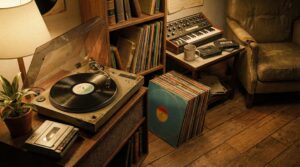
Yo, let’s get real for a sec. You think you know Tokyo? You’ve seen the neon glow of Shibuya Crossing, crushed a bowl of life-changing ramen, and maybe even bowed to a deer in Nara. That’s all legit, a total vibe. But there’s another layer to this city, a deeper frequency that hums just beneath the surface. It’s a world that’s stubbornly, beautifully analog in a city that’s screaming digital. Welcome, my friend, to the universe of the vinyl kissaten—Tokyo’s legendary audiophile coffee shops and bars. These spots are way more than just cafes that play records. They are sanctuaries, time capsules, living museums dedicated to the sacred art of deep listening. Forget your Spotify playlist and your noise-canceling earbuds. This is about surrendering yourself to a soundscape curated by a master, delivered through a sound system that costs more than a car, in a room designed for nothing but acoustic perfection. It’s a whole mood, a ritual that hits different. In these hidden dens, you don’t just hear the music; you feel it in your bones, a physical presence that can be both earth-shakingly powerful and achingly intimate. It’s an experience that’s so uniquely Tokyo, a testament to a culture that obsesses over perfection, or kodawari, in everything from slicing fish to dropping a needle on a rare Blue Note pressing. This is your guide to dropping out of the city’s frantic pace and dropping into a world of pure, unadulterated sound. Get ready to chill on a whole new level.
For a deeper dive into the specific genres that define these spaces, consider exploring our guide on hunting for Japanese city pop vinyl.
The Holy Grails: Deep Dives into Tokyo’s Legendary Vinyl Dens

Alright, let’s get straight to the point. There are countless spots serving coffee and spinning records, but only a select few are genuine pilgrimage destinations—the undeniable legends of the scene. These places aren’t merely businesses; they are institutions, often run by a single, devoted ‘Master’ for decades. Visiting them feels less like going to a cafe and more like entering a sacred sanctuary. Each has its own character, its own strict rules, and its own extraordinarily good sound. You just need to know where to look and how to behave. Here, the city’s noise fades away, leaving only the crackle of the needle and the warmth of the vacuum tubes.
Lion: The Cathedral of Classical in Shibuya
We begin with the cornerstone, the place that defines the entire Meikyoku Kissa (classical music cafe) scene: Meikyoku Kissa Lion. Hidden in the chaotic, love-hotel-studded backstreets of Shibuya’s Dogenzaka, finding Lion is your first challenge. There’s no flashy sign, only a subtle, almost cryptic wooden plaque. Pushing open the heavy, creaking door is like stepping into another century. Inside, it’s dark, cavernous, and utterly silent except for the soaring strains of a Mahler symphony. It feels less like a cafe and more like a Baroque church devoted to the gods of hi-fi. The entire front wall is dominated by a pair of enormous, custom-built wooden speakers resembling ancient relics. Truly monolithic, these works of art dictate the room’s entire layout.
The Atmosphere and The Rules
The first thing you’ll notice is that all seating—plush, well-worn velvet armchairs—is arranged in rows facing the speakers, like pews in a chapel. This is not a place for conversation. Talking is strictly forbidden. So are loud whispers, rustling bags, and even the click of a camera shutter. You come here for one purpose only: to listen. The ‘Master’ behind the counter, often cloaked in shadow, operates the turntable with the solemnity of a high priest. You place your order—usually a simple coffee or tea—with a quiet nod or a pointed finger at the menu. The vibe is deeply meditative. The air is thick with the scent of old wood, dust, and dark-roast coffee. Dim, golden light from rococo-style lamps casts long shadows, creating an atmosphere both grand and intimately personal. You’ll see salarymen, students, and elderly patrons, all lost in their own worlds, united by the music enveloping them. It’s a shared solitude, a public meditation that moves you profoundly. For first-timers, the experience can be intense, but if you surrender to it, it’s utterly transcendent. You don’t just hear the violins—you feel the rosin on the bow. The organ’s bass notes don’t simply rumble—they vibrate through the floor and up your spine. It’s a physical, all-encompassing audio experience no home setup can replicate. It’s the pinnacle of focused listening.
Practical Notes for Your Pilgrimage
To fully appreciate Lion, plan to stay for a while. You can request a piece of music on a small slip of paper, but expect to wait, as the Master carefully curates the evening’s flow. Avoid being the tourist who tries to take a photo with flash; you’ll be met with a silent but powerful glare that will make you want to disappear. Simply order your coffee (strong and effective), sink into a chair, close your eyes, and let the sound transport you. It’s one of the most uniquely Tokyo experiences, a true cultural treasure hidden in plain sight amid Shibuya’s chaos.
JBS (Jazz, Blues, Soul): The Vinyl Library of a Mad Genius
If Lion is a church, then JBS (Jazz, Blues, Soul) is a scholar’s private library, and its owner-operator, Kobayashi-san, is the revered head librarian. Also tucked away in Shibuya but on the opposite side of the tracks in an unassuming building, JBS is a tiny slice of heaven for anyone devoted to black American music. Officially named Jazz Blues Soul, that’s exactly what you’ll hear. Finding it is part of the adventure—you’ll pass plain office buildings, spot a small sign, and head up a narrow staircase. Opening the door reveals a breathtaking sight. The room is tiny, with about ten seats at the bar and a few small tables, but every inch of wall space from floor to ceiling is covered in vinyl. Over 11,000 records, meticulously cataloged, create a literal wall of sound that cocoons you from the outside world.
The Vibe and The Master
At the center of this universe stands Kobayashi-san, a legend. Behind the bar, he moves with quiet, focused grace, pulling records from the shelves instinctively. He may not speak much, but his selection tells the entire story. Seamlessly, he moves from a deep-cut ’60s soul track to a blistering ’50s bebop session to raw ’30s Delta blues. The narrative he crafts is pure genius. There’s no request system here—you place your faith in the Master’s hands, and he never disappoints. The sound system, centered around massive JBL speakers, is sublime. It’s not about volume but warmth, clarity, and texture. You can hear the saxophonist’s breath, the slide of guitar strings, the subtle tap of the brush on snare drum. It’s an incredibly intimate sound that makes you feel as if you’re in the very room where the music was recorded.
How to Experience JBS
JBS is a one-man operation, so hours can be irregular. Always check ahead. The protocol is simple: find a seat, order a drink (the whiskey selection is excellent), and let the music unfold. This is a place for quiet appreciation. You can have a hushed conversation at the bar, but most are here to listen. Watch Kobayashi-san at work—the way he handles, cleans, and cues vinyl is a ritual and a performance of pure passion. Having run this spot for decades, his dedication resonates in every track he plays. JBS is not just one of Tokyo’s best vinyl bars; it’s one of the best music bars worldwide. It’s an essential, soul-stirring experience, rare and precious in today’s world. It reminds you that music is more than background noise—it’s a living, vital art form.
Eagle: The Jazz Colosseum of Yotsuya
Moving away from Shibuya, we arrive at Jazz Cafe Eagle in Yotsuya, an absolute institution and a multi-story jazz temple that has been astounding audiences since 1967. If JBS is an intimate library, Eagle is a concert hall. The highlight here is the legendary sound system. Dominated by enormous JBL speakers that look fit for a stadium, the audio experience at Eagle is seismic. This is where you don’t just listen to John Coltrane’s “A Love Supreme”; you are immersed in it. The sound is powerful, dynamic, and crystal clear, engineered to fill the space with overwhelming force and precision.
The Two-Floor Experience
Eagle’s setup is unique. The ground floor feels like a traditional moody jazz bar where quiet conversation is allowed. You can sit at the bar and watch the ‘Master,’ Gotō-san, at work. But the real magic is downstairs. Descend a flight of stairs to a listening room where, like Lion, all seats face the speaker altar, and silence is mandatory. The sound here is even more focused and intense. They often hold special “loud play” sessions, cranking the volume to concert levels so you can experience classic albums with a physicality almost impossible to find elsewhere. Imagine hearing the full force of Miles Davis’s “Bitches Brew” in a room designed for acoustic perfection. It’s not just listening—it’s full-body sonic immersion, utterly next-level.
Navigating Your Visit
Eagle is slightly more formal than some other spots. It’s a place for serious, dedicated listening. You can request songs from their massive collection, and the staff are highly knowledgeable. The menu is more extensive than typical kissaten, offering food and a wider range of drinks. It’s perfect if you want to experience the sheer power and majesty of a top-tier analog sound system. Eagle is a testament to Japanese audiophile obsession—a place where sound is treated not just as entertainment but as high art. Visiting Eagle is a history lesson, a sonic adventure, and a profound reminder of music’s power when presented with such care and intensity.
The Next Wave & Niche Vibes: Evolving the Kissaten Spirit
While the legendary old-school kissaten remain essential, Tokyo’s vinyl scene is far from static. A new wave of venues is carrying the torch, blending the traditional silent-listening ethos with a more modern, social bar vibe. These spots might feature sleeker designs or curated cocktail menus, yet their core remains unchanged: a fierce dedication to high-fidelity analog sound. They demonstrate that the art of deep listening is alive and evolving, welcoming new neighborhoods and fresh audiences.
Ginza Music Bar: High-Fidelity & Highballs
In the glamorous, high-fashion district of Ginza, you’ll discover a contemporary and polished interpretation of the vinyl bar. Ginza Music Bar is sleek, sophisticated, and undeniably stylish. Forget the dusty, time-capsule feel of classic kissaten—this venue embodies modern luxury. Yet beneath the chic interior lies an uncompromising dedication to sound quality. The centerpiece is an impressive audio setup featuring vintage Tannoy Autograph speakers powered by McIntosh tube amps. For audiophiles, this is a dream combination. The sound is rich, warm, and exquisitely detailed, filling the room without ever overwhelming it.
A Modern Social Experience
Unlike traditional silent kissaten, Ginza Music Bar encourages socializing. It’s the ideal spot for a date or a conversation with friends, all while soaking in incredible music. The atmosphere is cool and laid-back. The ‘music selectors’ (a modern equivalent of the Master) spin a refined mix of genres, from jazz and soul to city pop, rare groove, and ambient electronic music. The goal is to craft the perfect mood—a sonic backdrop for a memorable evening. The cocktail program is exceptional, as you’d expect in Ginza, with skilled bartenders serving flawless classics and inventive signature drinks. It’s the perfect place for those intrigued by vinyl bars but hesitant about the strict silence of traditional venues. It proves you can have both impeccable sound and a vibrant, social atmosphere. This is the evolution of the concept, and it’s thriving.
Bar Martha: The Moody Auteur’s Hideout
Located in the trendy neighborhood of Ebisu, Bar Martha has earned a near-mythical reputation. It’s known for a few standout features: an enormous wall of records (said to number over 6,000), uncompromising rules, and a cinematic, David Lynch-inspired ambiance. The interior is dark, moody, and effortlessly cool, bathed in the soft glow of vacuum tubes from the amplifiers. The sound system, anchored by massive horn speakers, delivers a powerful yet incredibly nuanced audio experience.
The Infamous Rules and The Reward
Bar Martha is not for the casual visitor. Owner Wataru Fukuyama is an auteur with a precise vision for his bar, which he enforces rigorously. There’s a strict no-photography policy. Large groups aren’t welcome—pairs are preferred. While quiet conversation is permitted, it must always respect the music. Phones stay tucked away. These rules aren’t pretentious; they preserve the atmosphere, creating a sanctuary where music reigns supreme. Those who follow the rules are richly rewarded. The selection is eclectic and brilliant, spanning rock, soul, jazz, and obscure genres you’ve likely never encountered. A night at Bar Martha feels like stepping into a film—mysterious, sophisticated, and a touch dangerous. It’s a venue that commands respect and returns it with an unforgettable experience. It’s a complete aesthetic, and getting on its wavelength reveals one of the coolest bars in the world.
The Unwritten Rules: How to Vibe in a Vinyl Kissaten

Entering one of these venues for the first time can feel daunting, especially for foreigners. The silence may seem overwhelming, and the Master’s stern expression might come across as unwelcoming. However, it’s nothing personal; it’s simply part of a culture with its own distinct etiquette. By understanding the philosophy behind these rules, you’ll not only feel more at ease but also gain much more from the experience. This goes beyond just avoiding a social misstep; it’s about discovering a new way to engage with music.
The Art of Silence
In places like Lion or the Eagle’s basement, silence is paramount. It serves as the backdrop on which the music is crafted. This rule is designed to foster a shared auditory environment, free from external distractions. Your role is to be a passive listener, allowing the sound to envelop you without contributing any noise yourself. This means turning off your phone before entering, setting your bag down gently, and ordering your drink with a quiet gesture. It may feel unusual at first, but within minutes, your mind will calm, enabling you to hear musical nuances you’ve never noticed before. Embracing silence is the essential first step to truly appreciating the Meikyoku Kissa experience—it’s a sign of respect for the music, the Master, and your fellow patrons.
The One-Drink Minimum Ritual
This is a standard practice. These spaces aren’t public libraries or museums; they’re small businesses, often run by a single individual, and your drink purchase keeps the lights on and the turntable spinning. Consider your 700-yen coffee not just as a drink, but as a ticket to a world-class audio journey. You’re not merely buying a beverage; you’re supporting a cultural institution. Avoid nursing one coffee for three hours. If you intend to stay for a long session, it’s polite to order a second drink. It’s a modest cost for the privilege of enjoying a high-end sound system in a carefully curated setting. It’s about showing gratitude and helping these unique spaces endure.
Digital Detox is the Point
These venues are analog refuges. You won’t find Wi-Fi passwords on the tables or people endlessly scrolling through Instagram. The goal is to disconnect from the digital and connect deeply with the tangible experience of music. Keep your phone stowed away and resist taking calls. The glow of a phone screen is as intrusive as loud chatter in these dimly lit rooms. The ‘no photos’ rule at many spots extends this mindset—they want you fully present, experiencing the moment with your ears, not through a camera lens. Resisting the impulse to document every detail and simply being in the moment is central to the kissaten ethos.
The Master Knows Best
In these establishments, the person behind the counter is more than a barista or bartender. They are the ‘Master’—a curator, historian, and guardian of the space who has devoted their life to music and sound. Trust their judgment. Even when requests are allowed, the Master will integrate your choice into the overarching musical flow they are crafting. Avoid being demanding. Be patient. Pay attention to their handling of each record—it’s a lesson in mindfulness. A quiet nod of appreciation upon leaving is highly valued. Though they may appear reserved or stern, beneath that demeanor lies a profound passion they are sharing with you. Honoring the Master means honoring the entire culture.
More Than Just Sound: The Kodawari Culture
To truly understand what these vinyl kissaten are all about, you need to grasp a vital Japanese concept: kodawari. There isn’t a perfect English equivalent, but it roughly means an obsessive, uncompromising, and deeply personal dedication to a craft. It’s the spirit that compels a sushi chef to spend ten years mastering the art of cooking rice or a swordsmith to fold steel thousands of times. In Tokyo’s audiophile cafes, kodawari is everywhere. It’s reflected in the Master’s vast knowledge of their record collection, the decades spent acquiring and maintaining vintage audio equipment, the meticulous calibration of the turntable’s tonearm, and the careful selection of vacuum tubes in the amplifier to create the warmest sound possible. Even the flawlessly brewed cup of siphon coffee served during your listening session embodies this commitment. This is not merely a hobby; it’s a lifelong quest for perfection. The sound systems themselves often resemble a Frankenstein’s monster, made up of custom-built speakers, heavily modified amps, and components sourced globally over many years—all aimed at achieving a unique, ideal sound that exists only in the Master’s mind. This dedication is what makes the experience truly special. You’re not just hearing a record; you’re experiencing one person’s life’s work, their ultimate vision of how music should sound. It’s an intensely personal and generous gesture, sharing that passion with everyone who enters. This culture emerged in the post-war period, when most people couldn’t afford expensive records or high-end audio gear. Kissaten became communal living rooms, places where people gathered to listen to the latest jazz from America or renowned symphonies from Europe on a sound system they could only dream of owning. They evolved into cultural hubs, nurturing a generation of music lovers and audiophiles. That legacy continues today. These venues serve as a living link to that history, preserving not just the music but the very way we listen to it.
A Final Note Dropping on the Turntable

In a city that moves at the speed of light, a place defined by constant change and relentless forward momentum, the vinyl kissaten stands as a quiet act of rebellion. It declares that some things are worth preserving, that there is value in slowing down, in embracing silence, and in giving a piece of art your full, undivided attention. Visiting one of these spots is more than just a cool, retro experience; it’s a recalibration of the senses. It reminds you what music can be when stripped of modern distractions—no algorithms, no shuffle play, no multitasking. Just you, a room full of strangers, and the purest sound imaginable. It offers a chance to hear your favorite album for the very first time, all over again. So on your next trip to Tokyo, when the city’s sensory overload becomes too much, seek out one of these hidden doorways. Push it open, order a coffee, and let the Master take you on a journey. Let the warm, analog sound enfold you like a blanket. Just sit back, be quiet, and listen. It’s a totally chill, deeply vibey experience that might just be the most profound thing you do in Tokyo. It’s the city’s secret soundtrack, and now you hold the key to tune in.