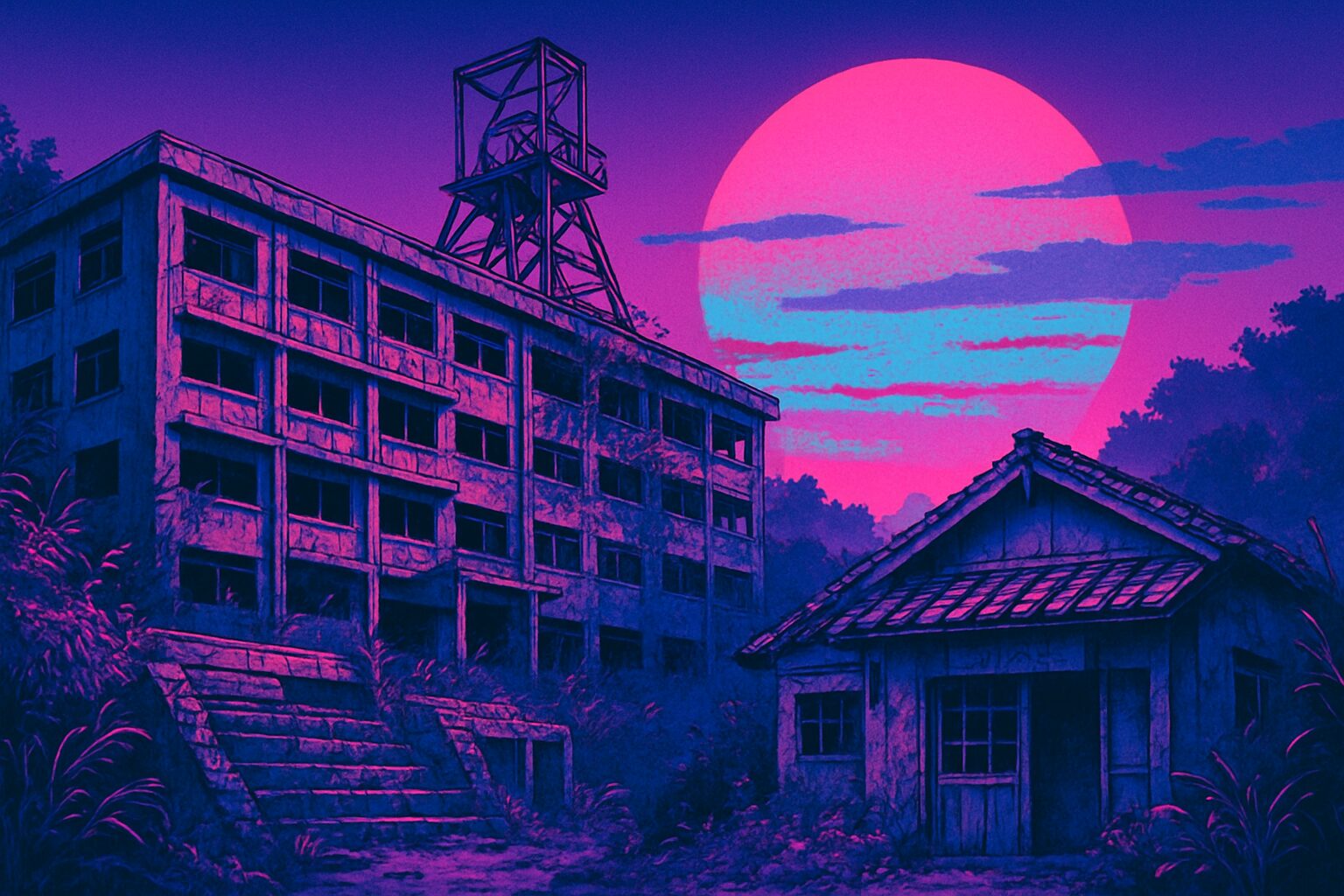
Yo, what’s the move? Mia Kim here, and today we’re ditching the 100-Gecs-fueled chaos of Shibuya Crossing and the serene, almost too-perfect vibes of Kyoto’s bamboo forests. We’re going on a different kind of trip. A trip into silence. Into the concrete skeletons of forgotten dreams. We’re diving headfirst into the world of Japan’s abandoned mining towns, the real-life ghost stories etched into the mountains and coastlines of this country. These aren’t your typical tourist traps; they’re haikyo—ruins. And trust me, they hit different. Think of them as time capsules, places where the hustle of Japan’s industrial boom just… stopped. One day, thousands of people were living, working, and dreaming. The next? Nothing but the wind whistling through broken windows and the slow, relentless creep of nature reclaiming its turf. It’s a heavy vibe, for sure, but it’s also beautiful in a way that’s hard to explain. It’s the ultimate IRL lesson in mono no aware, that bittersweet Japanese feeling about the transience of things. We’re talking about places like the legendary Gunkanjima, a whole concrete metropolis packed onto a tiny island, and the ancient gold mines of Sado, which literally funded shoguns. These spots are more than just spooky photo ops for your feed; they’re raw, unfiltered history. They tell the story of a nation that exploded onto the world stage, fueled by the coal and gold ripped from the earth by countless hands. It’s a story of ambition, community, hardship, and ultimately, abandonment. So, if you’re down to explore the flip side of the polished, futuristic Japan you see in media, stick with me. We’re about to listen to the echoes left behind in the void, and uncover some seriously deep lore. It’s gonna be a whole mood.
To truly feel the weight of this industrial past, you can also explore the eerie silence of other ghostly Showa-era industrial sites.
The Vibe Check: Why Japan’s Haikyo Are Next-Level Ghostly
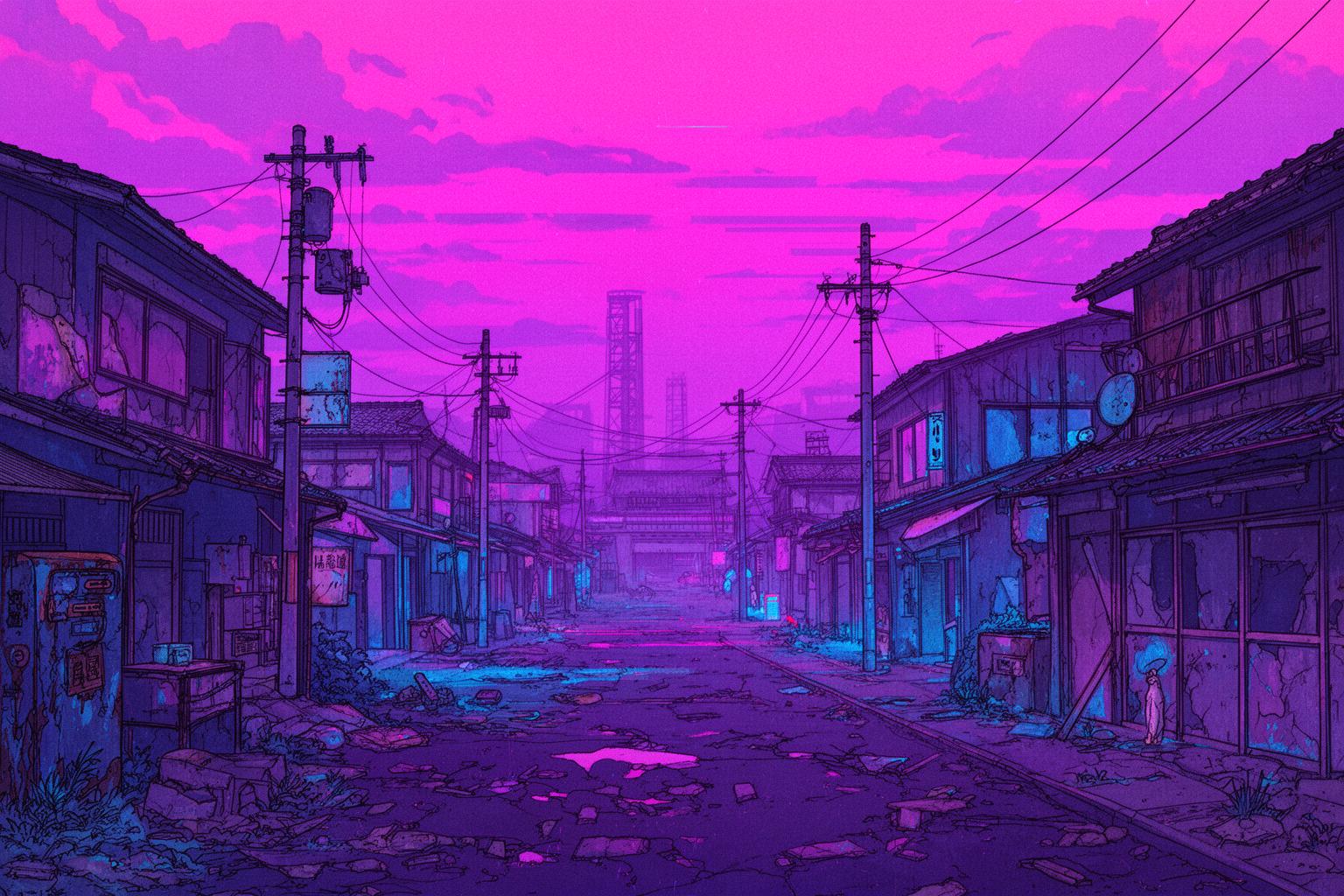
Before we teleport to specific spots, let’s set the mood right. Exploring ruins, or haikyo, is a genuine subculture in Japan. It’s not merely about trespassing for a cheap thrill; it’s a form of urban archaeology—a way to connect with a past left to decay. And mining towns? They’re the holy grail of haikyo. Why? Because they weren’t just workplaces. They were entire ecosystems—whole communities with schools, hospitals, movie theaters, and pachinko parlors, all built by one company for one purpose: extracting resources from the ground. This created a uniquely dense and often isolated culture. When the mine closed—whether the coal ran out, oil became cheaper, or the company simply left—the town’s lifeblood was severed. Immediately. It wasn’t a slow decline; it was an amputation. And that’s the energy you sense—it’s a sudden, deafening silence.
The atmosphere is heavy. It’s a sensory overload of decay. You smell the damp, earthy scent of moss reclaiming concrete, the faint metallic tang of rusting machinery, the musty air trapped in rooms untouched for fifty years. The sounds are just as striking. Mostly, it’s the absence of them that hits you. No cars, no chatter, no TVs. Just the rhythmic drip of water in a flooded hallway, the sigh of wind through shattered windowpanes, the creak of a door hinge succumbing to gravity. It compels you to be present, to listen to the place’s whispers. Visually, it’s a melancholic masterpiece. The sight of a child’s toy lying in the dirt of a collapsed nursery, a perfectly preserved 1974 calendar still hanging in a kitchen, tree roots bursting through a classroom floor. Each scene is a still life of a life interrupted. This collision of human order and natural chaos is what makes it so compelling. You’re walking through a graveyard of ambition, a monument to the fact that nothing—not even the mightiest industrial machine—lasts forever. It’s a profound, humbling experience that lingers long after you’ve brushed the dust off your boots.
But it’s not just about aesthetics. It’s about the stories. Every peeling wall, every abandoned object is a breadcrumb. You start piecing together what life was like here—imagining miners heading into darkness for their shift, families squeezed into tiny apartments, kids playing in concrete courtyards. You feel the strong community spirit that must have existed, a bond forged by shared hardship and isolation. Yet you also sense the immense pressure, danger, and heartbreak of eventually leaving it all behind. These towns mark a crucial chapter in Japanese history—the post-war economic miracle, a time of frenetic, pedal-to-the-metal growth. They are the physical scars of that era, reminders of the human and environmental costs of progress. Visiting them is like walking through a physical history book, with crumbling pages and faded ink, but the story remains more powerful than ever. It connects you to a side of Japan that is raw, real, and utterly unforgettable. It’s a vibe both haunting and deeply, profoundly human.
Gunkanjima: The OG Concrete Battleship Island
Alright, let’s discuss the undisputed king of Japanese haikyo, the ultimate ghost town: Gunkanjima. Its official name is Hashima Island, but everyone calls it Gunkanjima, meaning “Battleship Island,” because from afar, its densely packed high-rises resemble a massive warship cruising through the East China Sea. Situated about 15 kilometers off Nagasaki’s coast, this place is legendary. It’s a UNESCO World Heritage site, a Bond villain’s lair in Skyfall, and an almost unbelievable symbol of Japan’s industrial power and its human cost.
First, the backstory, because it’s wild. Mitsubishi purchased the island in 1890 after discovering a vast undersea coal seam. To extract that coal, they needed workers — lots of them. So construction began. And continued. On a rock roughly the size of a couple of football fields, they built Japan’s first large-scale reinforced concrete apartment buildings, some as tall as nine stories. They crammed in a school, a hospital, a cinema, shops, a shrine, a swimming pool — essentially a full city. At its peak in the late 1950s, over 5,200 people lived there, making it one of the densest populations ever recorded. Imagine that: a thriving city on a tiny, barren rock, all revolving around the harsh, dangerous work of undersea coal mining.
The residents’ lives were full of contrasts. On one hand, they enjoyed modern conveniences like televisions and washing machines before much of mainland Japan. There was a strong community spirit, a shared identity as “islanders.” On the other hand, life was harsh. Apartments were cramped, privacy was minimal, and the labor was exhausting. Then there’s the darker history. During World War II, hundreds of conscripted Korean and Chinese workers were forced to toil here under brutal conditions. This part of the island’s past is crucial to remember. It wasn’t just an industrial wonder; for many, it was a prison.
Then, in the 1960s, petroleum replaced coal as Japan’s primary energy source. Coal was obsolete. In January 1974, Mitsubishi announced the mine’s closure. By April that year, the island was completely abandoned. Residents left behind their homes, belongings, and entire lives. For more than 30 years, Gunkanjima succumbed to typhoons and the salty sea air, gradually decaying into the impressive ruin we see now.
So, what’s it like to visit? You can’t just drop by Gunkanjima. Access is strictly regulated, and you must reserve a spot on one of the official tour boats departing from Nagasaki Port. Pro tip: book far in advance, especially during peak season, as these tours fill up quickly. Also, be warned: the sea can get very rough. Tours are often canceled due to high waves, and even when operational, the ride can be bumpy. If you’re prone to seasickness, take medication. Seriously.
The boat ride itself is part of the allure. As you near the island, it gradually emerges from the mist, and the scale hits you. It truly looks like a battleship. Once you land, free roaming isn’t allowed. For safety, you’re escorted along a designated path through a small cleared area. Yet even from this limited viewpoint, the impact is profound. You’re surrounded by enormous, crumbling concrete apartment blocks, their windows like empty eyes gazing out to sea. You’ll see the miners’ housing complex remains, the school building with its collapsed gym, and the eerie conveyor system that once transported coal to freighters. Guides, some former residents, share stories and old photos, painting a picture of the vibrant life that once animated these silent ruins. The silence is deep, broken only by seabirds’ cries and camera clicks. The air carries salt and decay. You stand amid a concrete ghost city, and it’s utterly surreal. It feels like stepping onto a post-apocalyptic film set, but knowing thousands lived and died here gives it a weight no movie set could match. It’s a powerful, solemn, and essential experience for anyone interested in Japan’s modern history.
Sado Island’s Golden Past: More Than Just a Mine
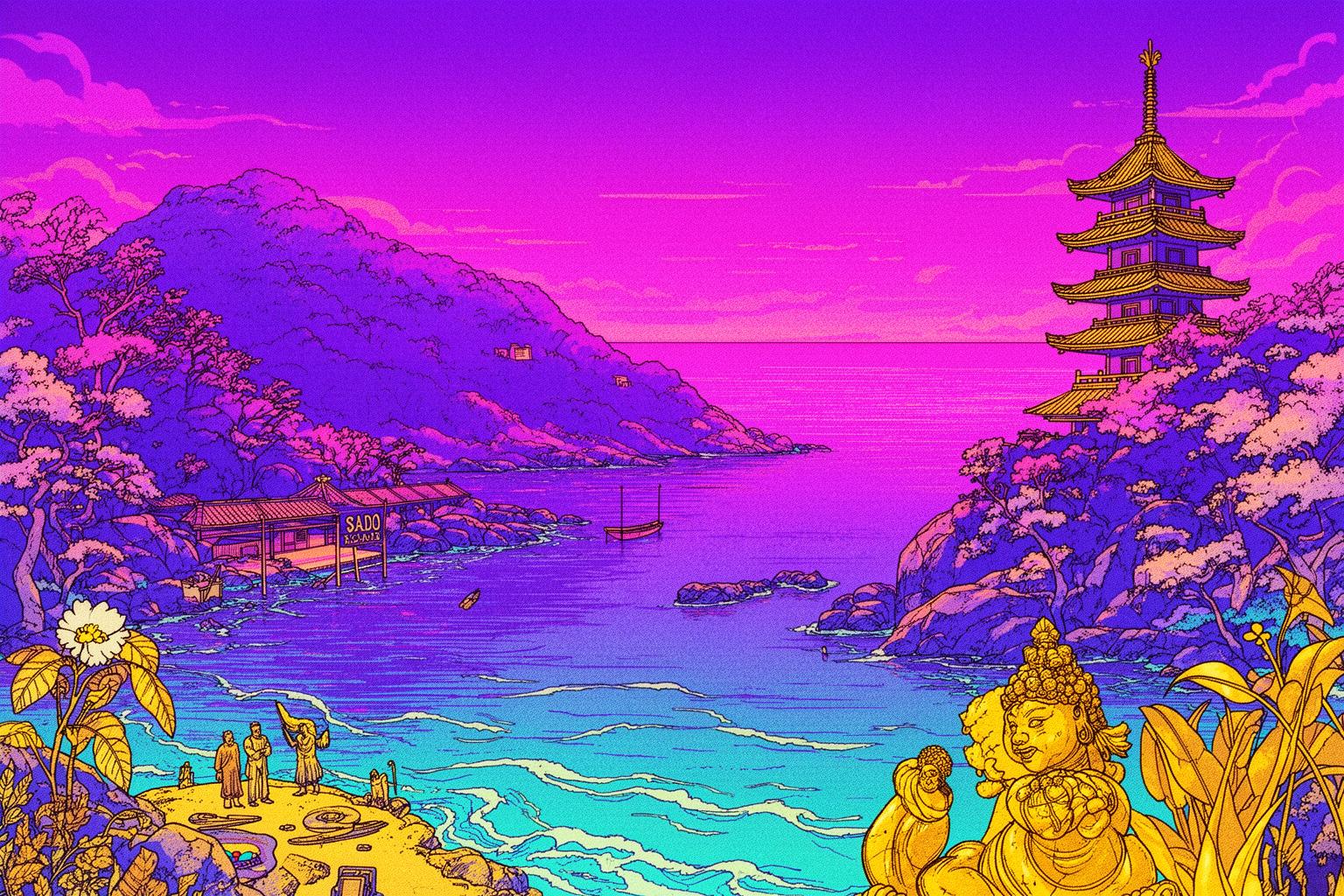
If Gunkanjima is a modern ghost story of concrete and coal, then Sado Island is an ancient epic of gold, shoguns, and exile. This represents a completely different kind of abandoned industry, one that reaches back centuries and is intricately tied to the very fabric of Japanese history. Sado Island, floating in the Sea of Japan off the coast of Niigata, is a large, beautiful place on its own, but its essence lies in the Sado Kinzan, or Sado Gold Mine. This site was the literal treasure chest of the Tokugawa Shogunate, funding their rule for over 250 years.
The history here is astounding. Gold was found on Sado in 1601, and the shogunate quickly took direct control. They invested heavily in developing the mine, making it one of the most productive gold mines in the world, using advanced technology for the era. The mine operated for nearly 400 years, finally closing in 1989—an incredible lifespan. Unlike the fleeting boom and bust of Gunkanjima, Sado was a slow, steady burn. Yet the work was equally brutal. In the early days, the workforce consisted of convicts, political exiles, and homeless people rounded up from the mainland. Sado was also known as an island of exile, a place where troublesome intellectuals and deposed emperors were sent to live out their days. This history lends the island a profound sense of melancholy and artistic richness; many exiles brought Noh theater and other refined cultural arts that still thrive today.
Visiting the Sado Gold Mine is quite an experience. It has been transformed into a well-preserved historical site, so it’s less about raw, untamed decay and more about curated history. But don’t be mistaken; it remains incredibly atmospheric. There are two main walking trails through the old tunnels. The first, the Sodayu Tunnel course, focuses on the Edo period (1603–1868). As you walk through the hand-dug tunnels, you encounter surprisingly realistic, life-sized animatronic miners who move and speak, demonstrating the grueling labor of the era. It’s part theme park, part museum, but it does an excellent job of showcasing the primitive and punishing conditions these men endured. The air inside the tunnels is cold and damp, a steady 10°C (50°F) year-round, and you can almost hear the phantom clinking of pickaxes against rock.
The second course, the Doyu Tunnel, explores the mine during its modern, Meiji-era industrialization. The tunnels are larger, reinforced, and you can see remnants of trolley tracks and machinery that revolutionized mining. The highlight is the Doyu no Wareto, the massive, split-open mountain peak that has become the symbol of the mine. It’s a dramatic, man-made scar on the landscape, a testament to centuries of relentless digging.
But here’s the important thing about Sado: the mine is just the beginning. The entire island is a destination. You absolutely need to rent a car to explore it properly. The coastline is stunning, with dramatic cliffs and charming fishing villages. You can experience the Tarai-bune (tub boats), which resemble giant floating barrels and are still used by local women to harvest seaweed and shellfish. You should also aim to see a performance by the Kodo taiko drumming group. World-renowned, their home base, the Kodo Apprentice Centre, is on Sado. Their drumming is primal, powerful, and deeply connected to the island’s spirit. And because it’s an island, the seafood is incredibly fresh. A bowl of kaisendon (fresh seafood over rice) here will spoil you for all other seafood. Sado offers a complete cultural and natural experience. It’s a place to slow down, breathe in the sea air, and reflect on a history measured not in decades, but centuries. It’s less of a ghost town and more a town in conversation with its ghosts, a place where the past isn’t just remembered—it’s still part of the living landscape.
Off the Beaten Path: The Deeper Cuts of Japan’s Mining Ghosts
Gunkanjima and Sado are undoubtedly the main attractions. However, for those willing to stray further from the typical tourist path, Japan is filled with other haunting mining relics, each with its own unique tales and eerie atmosphere. These are the hidden gems, places that reward the inquisitive traveler with a more personal and often spookier sense of discovery.
First, let’s journey to Tochigi Prefecture, not far from Nikko’s famous shrines, to explore the Ashio Copper Mine. Ashio’s story is less about dramatic decay and more about a slow-moving environmental disaster. This mine was Japan’s most productive copper source for centuries and played a significant role in the country’s modernization during the Meiji Restoration. But this progress came at a heavy cost. From the late 19th century onward, pollution from the mine—comprising toxic runoff, smoke, and acid rain—ravaged the area. Rivers were contaminated, forests perished, and local inhabitants suffered from disease. It sparked Japan’s first major environmental protest movement. Though the mine itself is now closed, visitors can explore the Furukawa Ashio History Museum and even take a small trolley through one of the main tunnels. The real legacy, however, is visible in the surrounding mountains, still stark and barren, a lasting wound from the pollution. The town of Ashio still remains, but it is a shadow of its former self—a quiet place living under the enduring weight of its toxic history. Visiting Ashio is a somber experience; it serves as a poignant reminder that industrial ghosts linger not only in abandoned buildings but also in the scarred land itself.
Next, we head north to Akita Prefecture and the Osarizawa Mine. This site is ancient, with a gold and copper mining history possibly dating back over 1,300 years. At its height, it was one of Japan’s largest mines, an extensive network of tunnels weaving through the mountains. Like Sado, it has become a tourist destination called Mine Land Osarizawa, but it feels more rustic and less refined. Visitors can walk through a portion of the 800 kilometers of tunnels, where the cool air carries a palpable sense of history. Activities such as gold panning offer a fun, hands-on way to connect with the mine’s heritage. What sets Osarizawa apart is its setting: Akita is known for heavy snowfall and stunning natural beauty. Witnessing the old mining structures gradually reclaimed by lush Japanese summer greenery or blanketed in pristine winter snow is breathtaking. It exemplifies nature’s patient, relentless ability to reclaim what was taken.
Finally, for true haikyo enthusiasts, there is the Matsuo Mining Town in Iwate Prefecture. This place is legendary. Situated high in the Hachimantai mountains, the Matsuo mine was East Asia’s largest sulfur producer. The company constructed a massive, ultra-modern apartment complex for workers and their families, complete with central heating and flush toilets—luxuries rare for the time. The town was so advanced and often cloaked in mountain mist that it earned the nickname “The Paradise in the Clouds.” But when the mine closed in 1969, paradise vanished. The entire town was abandoned. Today, the remaining scene is surreal and deeply unsettling. Eleven enormous concrete apartment blocks stand in silent, decaying rows, their skeletal frames exposed to the elements. Due to the high altitude and severe winters, the decay is pronounced and dramatic. The site is officially off-limits and hazardous, with collapsing floors and unstable structures, but photos and videos from explorers who have ventured there reveal a truly ghostly landscape. Unlike the curated safety of Sado or even Gunkanjima’s restricted access, Matsuo is a raw, untamed ruin—a concrete skeleton in the clouds and a powerful, though inaccessible, symbol of an industrial utopia long forgotten.
The Urbex Code: How to Explore Responsibly
Alright, let’s get real for a moment. The fascination with these abandoned places is understandable—I feel it too. The temptation to climb that fence or peek behind that boarded-up door is very real. However, exploring haikyo carries its own code of ethics and a hefty dose of common sense. Being a responsible urban explorer (urbexer) is essential. It’s about showing respect—for the history, the property, and your own safety. So, let’s set some ground rules, the unofficial code of the haikyo community.
First and foremost: know the law. Trespassing is illegal in Japan, just like anywhere else. While some sites are open to the public as museums (like Sado or parts of Ashio) and others are accessible through official tours (like Gunkanjima), many of the “wild” haikyo, such as Matsuo, sit on private property. Entering without permission is a definite no-go. It can lead to fines, arrests, and serious trouble. Always do your homework. If a location is clearly fenced off with “No Entry” signs, that’s your signal to respect the limits. The best photo isn’t worth a criminal record.
Next is the golden rule of exploration, the mantra you should commit to memory: “Take only pictures, leave only footprints.” This is non-negotiable. Don’t take souvenirs. That rusty teacup or old newspaper might seem interesting, but it’s part of the story of the place. Leave it for the next visitor to find. And absolutely never vandalize a site. No graffiti, no breaking things just for fun. These spots aren’t your personal playgrounds; they are de facto historical sites, memorials to the lives once lived there. Vandalism is the ultimate disrespect and often leads to owners sealing these places off permanently. Preserve the scene just as you found it.
Safety is crucial. Seriously, this isn’t a game. These buildings have been abandoned for decades and are actively deteriorating. Floors can be rotten, roofs may collapse, stairs might give out. There’s broken glass, rusty metal, and hazards you can’t anticipate. Never explore alone. Always bring a friend or a small group, and make sure someone who isn’t with you knows exactly where you’re going and when you expect to return. Wear proper gear: sturdy, closed-toe boots are essential. A good flashlight (plus a backup) is a must, as these places are often pitch dark inside. A first-aid kit and a dust mask are also smart to have. Stay aware of your surroundings the entire time. Test every step before putting full weight on it. Don’t take unnecessary risks. That epic shot from the crumbling rooftop isn’t worth a trip to the hospital—or worse. The goal is to come back with amazing stories and photos, not serious injury.
Lastly, be mindful of the spirits of the place, both literal and metaphorical. These were people’s homes, schools, and workplaces. Thousands of lives played out within these walls. Be quiet, thoughtful, and respectful. Acknowledge the history, with all its ups and downs. The quiet dignity of these ruins is their most powerful attribute. By exploring with reverence and responsibility, you become a temporary guardian of their stories, not just a tourist. That’s the difference between a mere thrill-seeker and a true explorer.
Beyond the Ruins: The Legacy Lives On
What ultimately becomes of these places in the long term? Are they simply bound to crumble into dust, their histories eroding with every passing typhoon? Not necessarily. The legacy of Japan’s mining towns is intricate and continually changing. It is a narrative of preservation, reinterpretation, and the pursuit of new meaning amid the ruins of the past. These ghost towns are not entirely lifeless; they exist in a curious limbo, being reborn in unexpected ways.
One major development is the effort toward official recognition. The inclusion of Gunkanjima and other related sites from Japan’s Meiji Industrial Revolution as a UNESCO World Heritage site marked a pivotal moment. It transformed these ruins from forgotten remnants into globally significant historical landmarks. This recognition brings substantial attention and, importantly, resources for preservation. The walkways and observation platforms on Gunkanjima, for instance, were created to manage tourism and safeguard the delicate structures. Such formal acknowledgment ensures that the full story of these places—including the painful history of forced labor—is shared with an international audience. It frames them as more than just intriguing ruins, positioning them as important educational sites for grasping the rapid and vast impact of global industrialization.
Tourism has also become a powerful force influencing their legacy. Locations like the Sado Gold Mine have been skillfully converted into engaging historical theme parks. Through animatronics, museum exhibits, and interactive activities, they make a remote and challenging history accessible to everyone, from schoolchildren to international tourists. This approach not only preserves the physical site but also keeps human stories alive. It generates new economic opportunities for the surrounding communities, which often faced hardships after mine closures. Souvenir shops offering gold-flaked goods and restaurants serving local specialties form part of a new ecosystem built upon the old foundations. This provides a way for communities to honor their heritage while fostering a sustainable future.
These sites have also deeply influenced popular culture, granting them a fresh form of immortality. For example, Gunkanjima’s eerie appearance made it the perfect villain’s hideout in the James Bond film Skyfall, instantly putting the island on the radar of millions unaware of its existence. Similarly, the haunting decay of haikyo has inspired countless anime, manga, and video games. Consider the overgrown, post-apocalyptic settings in Girls’ Last Tour or the chilling abandoned environments in survival horror games. This creative reinterpretation introduces the aesthetic and emotional resonance of these ruins to new audiences, sparking curiosity and ensuring they remain part of cultural dialogues. They become powerful symbols—shortcuts for themes of loss, resilience, and the relentless passage of time.
The act of exploring and photographing these locations, as mentioned earlier, constitutes another form of legacy-building. Thousands of images shared online by haikyo enthusiasts form a living digital archive of these decaying places. Each photograph captures a moment, documenting nature’s slow, beautiful reclamation. This grassroots effort preserves the memory of these towns in ways official histories sometimes cannot, conveying the mood, details, and profound emotional impact of standing in places forgotten by time. It is a tribute to the enduring human desire to connect with the past and find beauty in imperfection.
A Final Echo
Leaving a place like Gunkanjima or the quiet tunnels of Sado is a peculiar experience. You step away from silence and back into the clamor of the modern world, yet a fragment of that quiet remains within you. These towns are far more than empty shells; they are powerful, immersive lessons in history. They deliver a visceral reminder that the world we inhabit, with all its technology and advances, rests on foundations of rock, steel, and human effort. They challenge notions of permanence and compel us to reflect on the cyclical nature of boom and bust, life and decay.
Exploring Japan’s abandoned mining towns is not a typical vacation. It is often neither comfortable nor easy. But it is deeply rewarding. It offers a chance to connect with a raw and gritty layer of Japanese history, far removed from polished temples and gleaming skyscrapers. It invites a different kind of travel—slower, more mindful, and more reflective. You learn to find beauty in decay, hear stories in silence, and admire the remarkable resilience of both nature and humanity.
So, next time you plan a trip to Japan, consider setting aside time for the ghosts. Swap a busy city street for a deserted concrete alley, a crowded train for a ferry to a forgotten island. Seek out places where the only sound is the wind, and simply listen. The echoes of the past are there, waiting to share their stories. You just have to be willing to listen. Catch you on the flip side.