Yo, what’s up world travelers. It’s Ami. Forget everything you think you know about Japan for a sec. Ditch the mental Pinterest board of perfect cherry blossoms, serene temples, and neon-drenched Tokyo streets. We’re going off-script today. We’re diving deep into a Japan that feels less like a polished postcard and more like a lost film reel from a 70s Japanese New Wave movie. Think raw, think moody, think unbelievably epic. We’re talking about islands that are basically time capsules, places where the vibe is so thick you can practically taste it. These are landscapes that tell stories of ambition, of struggle, of communities that bloomed and then vanished, leaving behind concrete skeletons and powerful, echoing silence. This isn’t just sightseeing; it’s a full-blown atmospheric immersion. It’s for those of you who crave the real, the unfiltered, the kind of beauty that has grit and a backstory. We’re chasing the ghosts of a different Japan, a cinematic one, starting with the undisputed king of abandoned islands: Gunkanjima. So buckle up, because this journey is a total vibe check on reality itself. Get ready to step onto the set.
For a different kind of island escape that blends art with surreal landscapes, consider exploring Japan’s otherworldly art islands.
Gunkanjima: The Concrete Ghost Ship Drifting in Time
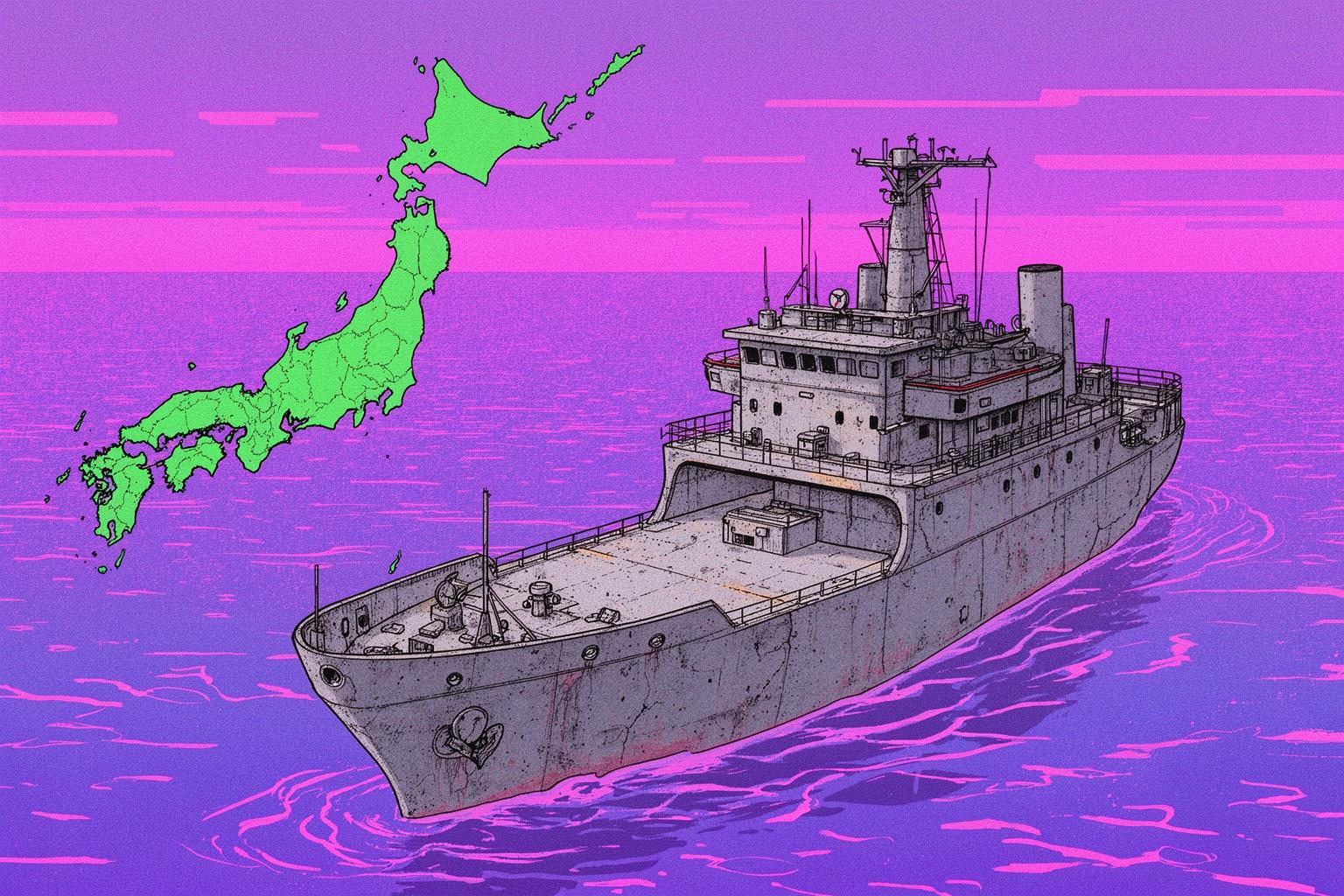
Your journey to Hashima Island—more famously known by its legendary nickname, Gunkanjima or “Battleship Island”—begins at Nagasaki Port. The boat ride serves as the opening scene of your adventure. As you depart from the vibrant, modern city of Nagasaki, the sea stretches wide, and the atmosphere begins to shift. For about forty minutes, it’s just you, the swirling blue-grey water, and your growing anticipation. Then, it emerges. At first, it’s merely a smudge on the horizon, a dark anomaly against the sky. But as you draw closer, the details come into sharp focus, revealing a brutalist masterpiece of decay. Gunkanjima doesn’t simply rise from the sea; it erupts. It’s a dense, chaotic fortress of concrete apartment blocks, industrial rigs, and sea walls—all packed tightly onto a minuscule rock outcrop. The nickname holds true—from a distance, its silhouette eerily resembles a massive, rust-streaked battleship, permanently anchored and poised for a war long since ended. The feeling is electric, a blend of awe and a deep, unsettling chill. You’re about to step onto a ghost.
The Plot: A Tale of Coal, Concrete, and Collapse
To truly grasp the essence of Gunkanjima, you need to know its history. This is not just any ruin; it was a real, thriving, and utterly astonishing feat of engineering and human endurance. In the late 19th century, Mitsubishi purchased the island and began undersea coal mining. What followed was a century of explosive growth. To accommodate the thousands of miners and their families, they didn’t expand outward—they built upward. They reclaimed land, fortified the island with huge sea walls, and packed it with some of Japan’s first high-rise concrete apartment buildings. By the late 1950s, this tiny island, barely 480 meters long, housed over 5,000 people, making it the most densely populated place on Earth ever. It was a self-contained city, complete with a school, a hospital, shops, a cinema, and even a pachinko parlor. Imagine thousands of lives unfolding in this vertical, concrete maze, battered by typhoons and united by the dangerous labor deep beneath the seabed. This was the peak. But the plot twist was sudden and harsh. In the 1960s, petroleum overtook coal as Japan’s primary energy source, making the mines unprofitable. In January 1974, Mitsubishi announced their closure. Within three months, every resident had left, abandoning their homes, belongings, and entire world. The island was sealed off and left to the elements. The silence that fell in April 1974 has remained ever since, interrupted only by wind and seagull cries.
On Location: Walking Through a Vanished World
Setting foot on Gunkanjima is surreal. Access is strictly controlled for safety, and you can only explore via guided tours following specially constructed walkways. Wandering freely inside the buildings is forbidden—they’re dangerously unstable. But what you can see from these paths is enough to blow your mind. The guides, often former residents or their descendants, narrate stories that bring the silent ruins back to life. You’ll stand before the notorious Block 65, a massive apartment complex that seems to defy gravity even in collapse. Entire floors have pancaked down, revealing a cross-section of a lost society. Ghostly outlines of kitchens, living rooms, and small balconies where families once lived are exposed to the salty air, like an architectural autopsy. You’ll visit the primary school, its concrete frame still sturdy but its interior gutted—a haunting reminder of the children who once filled its halls with noise. You’ll glimpse the rusted hospital, the public bathhouse, and conveyor belts from the mining facilities slowly being reclaimed by nature. It’s the textures that captivate—crumbling grey concrete streaked dark by rain, blood-red rust on every metal piece, and surprising patches of green where stubborn plants reclaim their turf. Every scene makes a perfect shot—a portrait of decay both tragic and stunningly beautiful. The wind whistles through thousands of empty window sockets, sounding like whispers from the past. It’s a sensory overload, a profound meditation on the impermanence of our grandest ambitions.
Call Sheet: Practical Details for Your Gunkanjima Expedition
Reaching Gunkanjima is an adventure in itself and takes some planning. This isn’t a drop-in experience. You must secure a place on an officially licensed tour boat. Multiple companies operate from Nagasaki Port, each offering a slightly different experience, so it’s wise to research online and book well ahead, especially during peak seasons. A crucial point: these tours depend entirely on the weather. The surrounding sea can become extremely rough, and if the waves are too high, boats can’t dock. Landing is never guaranteed. Tours may be canceled or limited to circling the island without disembarking. Prepare mentally for this possibility and have a backup plan for your day in Nagasaki. The whole trip lasts about three hours, including the boat ride and roughly one hour on the island. You’ll be required to sign a safety waiver, and the briefing is serious—this is a real ruin, not a theme park.
Ami’s Pro-Tip
Here’s a quick tip to make the most of your Gunkanjima visit. First, dress wisely—no heels or sandals. Sturdy, closed-toe shoes are essential for walking on uneven ground. Dress in layers; it can be windy and much cooler on the water than in the city. Bring a rain jacket, even if skies look clear. If you’re prone to seasickness, take medication before boarding—the ride can feel like a rollercoaster. When boarding, try to snag a seat on the left side for the best views as you approach the island; on the return trip, the right side offers stunning departing shots. Bring a good camera with a zoom lens—since access is limited to walkways, zoom helps capture intimate details from a distance. And don’t forget your own water—none is available once you leave the mainland. Most importantly, be present. Put your camera down occasionally and absorb the vast silence and scale of this haunting place. It’s an experience you won’t forget.
Sado Island: A Moody Masterpiece of Exile, Gold, and Rebellion
If Gunkanjima is a gritty, post-industrial thriller, then Sado Island unfolds as a sweeping historical epic with a rebellious spirit. Situated off the coast of Niigata Prefecture in the Sea of Japan, Sado feels worlds apart from the concrete jungle of Hashima. Here, the drama stems from the raw, untamed landscape and a history steeped in both tragedy and creative triumph. The atmosphere transitions from industrial decay to a melancholic, rugged beauty. Historically, the island served as a place of exile—a remote prison for political dissidents, disgraced emperors, and intellectual non-conformists. Yet it was also home to one of Japan’s most productive gold mines, generating forced labor and vast wealth for the shogunate. This duality—a site of punishment and of treasure—imbues Sado with a rich and compelling aura. It’s a grand, wilder film set where scenes shift from dramatic, cliff-lined shores to tranquil, mist-covered rice paddies and ancient cedar forests.
The Mood Board: Capturing Sado’s Raw Essence
The island’s character shines through its breathtakingly diverse landscapes. The northern coast, especially near Senkakuwan Bay, is pure cinematic gold. Jagged, dark cliffs are relentlessly battered by the often-violent Sea of Japan, creating a display of raw elemental power. You can easily picture an exiled noble gazing out at these waves, pondering his fate. In stark contrast, the southern region hosts quiet, historic port towns, the most remarkable being Shukunegi. This village feels as if perfectly preserved in amber—a maze of narrow stone-paved lanes framed by dark, weathered wooden houses. What makes them unique is that shipwrights constructed the buildings using leftover boat materials. The walls, made from ship planks, are a masterclass in resourcefulness. Walking through Shukunegi, especially in the quiet late afternoon, evokes stepping back into the Edo period. The air is still, the salty sea scent lingers, and the dark wood absorbs centuries of stories. The prevailing mood of Sado is one of resilience—a place that has weathered hardship and isolation but transformed that energy into a singular, powerful culture.
The Backstory: A Tale of Exiles and Golden Dreams
Sado’s history reads like a director’s dream, filled with dramatic turns. Its early identity was shaped by serving as a place of exile. Zeami Motokiyo, the legendary master who refined Noh theater, was banished here in the 15th century. His legacy is a major reason Sado today boasts more Noh stages than anywhere else in Japan. Then, in 1601, gold was discovered, turning the sleepy island of exiles into a boomtown. The Tokugawa Shogunate took direct control, and the Sado Kinzan gold mine became a crucial economic pillar. Labor was brutal, performed by skilled workers alongside convicts—homeless people and criminals rounded up from the mainland. The mine today still echoes this history; it’s a tale of staggering wealth built on profound human suffering. This history of hardship, combined with an influx of diverse settlers from across Japan, created a unique cultural melting pot, one that valued artistic expression as a means of survival and identity.
On Set: Experiencing Sado’s Key Scenes
Visiting Sado is like moving through different film sets, each with a distinct atmosphere. Touring the Sado Kinzan gold mine is a must. You can explore centuries-old mining tunnels, some hand-carved, and encounter life-sized animatronic figures that recreate the miners’ grueling labor. It’s a fascinating, slightly eerie experience that provides a visceral sense of the mine’s past. After emerging from the mine’s darkness, head to Shukunegi Village. Wander its tiny alleys, admire the exquisite craftsmanship of the houses, and visit some open homes to see the ingenious interior construction. For a uniquely Sado experience, try riding a “tarai bune,” a small, tub-like boat traditionally used to gather seaweed and abalone from rocky coves. It’s playful, slightly unsteady, and incredibly photogenic—usually piloted by a woman in traditional attire. Perhaps the most powerful experience Sado offers is hearing its soul: the Kodo taiko drummers. This world-renowned troupe is based on the island, and their performances resonate with earth-shaking power—a raw, primal energy seeming to rise from the island itself. Even if you can’t catch a full show, visiting the Kodo Apprentice Centre or the Sado Island Taiko Centre (Tatakokan) offers chances to learn more or even try drumming yourself. The thunderous taiko beats are the island’s rebellious heartbeat made audible.
Logistics: The How-To for Your Sado Saga
Sado is a large island, and getting there and around involves some planning. The main access points are via ferry from Niigata Port (either a slower car ferry or a faster jetfoil) or from Naoetsu Port in Joetsu. It’s wise to book ferry tickets in advance, especially if you plan to bring a car. And trust me, you’ll want a car. Public transportation on Sado is limited—buses run infrequently and don’t reach many of the island’s best, remote spots. To fully explore Sado’s winding coastal roads and hidden gems, renting a car is essentially indispensable, with rentals available near the ferry terminals. Plan to spend at least two full days, preferably three, to truly appreciate Sado. It’s not suitable for a day trip. Distances between sights can be considerable, and taking your time to soak in the atmosphere is essential. Accommodations range from traditional ryokans and minshukus to modern hotels, primarily clustered in towns like Ryotsu and Aikawa. Embrace the slower pace; Sado rewards those who pause to listen to its stories.
Shodoshima: A Lyrical, Sun-Drenched Flashback in the Seto Inland Sea
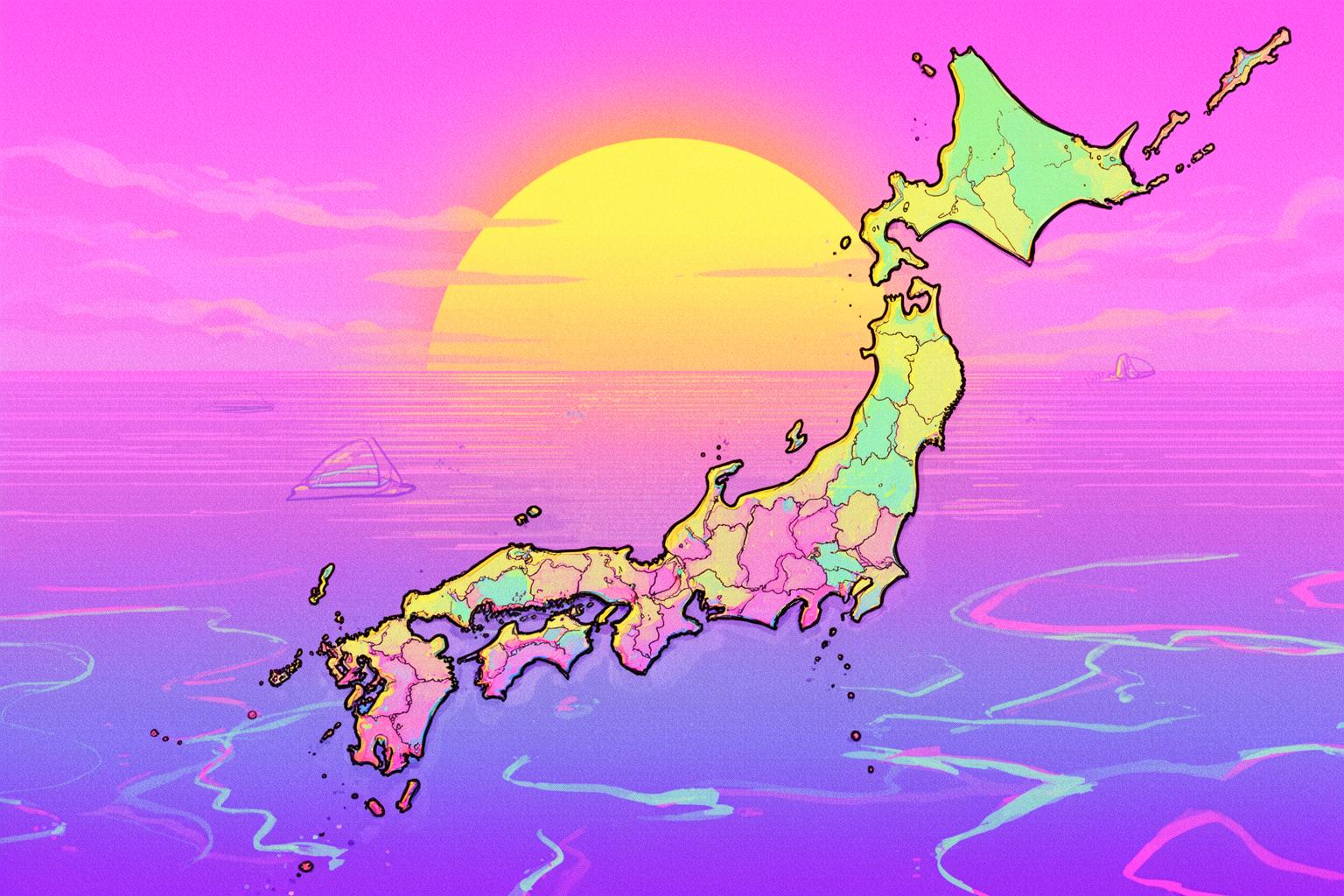
After the intense drama of Gunkanjima and Sado, let’s switch the film stock for our final destination. Welcome to Shodoshima, an island nestled in the tranquil, shimmering waters of the Seto Inland Sea. If the other islands were gritty New Wave films, Shodoshima is a more lyrical, nostalgic piece, captured in soft focus with a warm, golden-hour glow. It’s less about raw, dramatic conflict and more about the gentle melancholy of memory and the beauty of a slower, more traditional way of life. The atmosphere here is mellow, pastoral, and deeply connected to both the land and the sea. But don’t mistake its softness for a lack of character. Shodoshima carries its own Showa-era charm, unique stories of industry, and a direct, tangible link to Japanese cinema that makes it the perfect finale to our cinematic island journey.
The Setouchi Vibe: Olives, Soy Sauce, and Angel Roads
What strikes you first about Shodoshima is the light and the scent. The Seto Inland Sea region is renowned for its mild, sunny climate, and the light here feels softer, more diffused. The air bears surprising aromas: the salty tang of the sea mingling with the rich, savory fragrance of soy sauce brewing and the fresh, green scent of olive groves. Yes, olives. Shodoshima is the birthplace of olive cultivation in Japan, and its hills are terraced with silvery-green olive trees, giving it more of a Mediterranean than a typical Japanese island feel. This unexpected landscape adds greatly to its charm. The island is also a major producer of premium soy sauce, with breweries that have been in operation for centuries. The old, dark wooden brewery buildings are architectural gems, radiating a sense of timeless craftsmanship. This blend of the traditional (soy sauce) and the imported (olives) grants Shodoshima a unique and layered identity. The mood is one of peaceful productivity, where life moves in harmony with the seasons and the tides. It’s a place that invites you to slow down, breathe deeply, and simply be.
The Film Set: Walking Through a World of “Twenty-Four Eyes”
Shodoshima’s link to cinema is not merely a vibe; it’s a tangible place. The island was the setting for the beloved 1954 film “Twenty-Four Eyes” (Nijushi no Hitomi), a heartbreakingly beautiful tale about a young schoolteacher and her twelve students during the turbulent years before and through World War II. On the southern coast of the island, you can visit the Twenty-Four Eyes Movie Village, a perfectly preserved open-air museum and film set. It features a recreation of the original schoolhouse from the film, as well as an entire village streetscape from the Showa period. Walking through it feels like stepping back in time. It’s deeply nostalgic and a powerful tribute to one of Japan’s cinematic masterpieces. Beyond the movie village, the island’s industrial heritage offers its own visual richness. Visit the Marukin Soy Sauce Museum to explore a vast, traditional brewery building. The scale of the enormous wooden fermentation vats is awe-inspiring, and the deep, rich aroma of aging soy sauce is an experience on its own. For natural drama, take the ropeway up through Kankakei Gorge, a stunning valley whose cliffs and rock formations provide breathtaking panoramic views of the island and surrounding sea. And for a touch of romance, time your visit to see Angel Road, a beautiful sandbar that appears only for a few hours at low tide, connecting three small offshore islets to Shodoshima. It’s an ephemeral, magical spot, perfect for a quiet, contemplative stroll.
Production Notes: Navigating Your Shodoshima Shoot
Access to Shodoshima is convenient, with multiple ferry routes linking it to the main islands of Honshu and Shikoku. Ferries depart from Takamatsu, Okayama, Kobe, or Himeji. Like Sado, the island is quite large; while there is a decent bus network (the Olive Bus), having your own wheels greatly increases your freedom. Renting a car is the best choice, but for solo travelers or couples, renting a scooter is a fun and breezy way to explore the coastal roads. The island is also a major center for the Setouchi Triennale, a contemporary art festival held every three years. If you can time your visit to coincide with the festival, you’ll find incredible art installations peppered across the island, adding another layer of discovery to your trip. When it comes to food, embrace the local specialties. Try various olive products, from high-quality olive oil to olive-fed beef. Sample the different artisanal soy sauces, and don’t miss soy sauce–flavored ice cream—it’s surprisingly delicious. And be sure to slurp some “somen,” thin wheat noodles that are another famed product of the island, often served cold and refreshing.
Capturing the Aesthetic: A Note on Photography
A journey to these islands is a visual feast, and capturing their unique atmospheres is part of the pleasure. On Gunkanjima, focus on texture and scale. Use a wide-angle lens to convey the overwhelming size of the concrete blocks, then switch to a zoom to capture small, haunting details: a single shoe among the rubble, a rusted bicycle frame, the pattern of cracked paint. The monochrome, high-contrast style works wonders here. For Sado, play with light and shadow. The dark wood of Shukunegi Village against a bright sky, the dramatic silhouette of cliffs at sunset, rays of light piercing the gloom of gold mine tunnels. It’s all about mood and contrast. On Shodoshima, light is your main character. Shoot during the golden hours of early morning and late afternoon to capture that warm, nostalgic glow. Focus on gentle landscapes: the orderly rows of olive groves, the shimmering surface of the sea, soft light filtering through paper screens of an old house in the movie village. The vibe is softer, so let your photos reflect that. For all these places, a tip is to seek the Wabi-Sabi—the beauty in imperfection, transience, and handmade details. It’s the aesthetic core that makes these islands unforgettable.
A Woman’s POV: Solo Travel Safety on the Cinematic Isles
As a woman who often travels solo, safety is always a priority. Here’s the lowdown. Gunkanjima poses no issues; you’re on a supervised group tour the entire time. The only real risks are physical—tripping on walkways or seasickness—so just stay mindful. For Sado and Shodoshima, Japan’s legendary safety record holds true. These are very safe, welcoming places. The main challenge isn’t crime but the logistics of being in rural, sometimes remote, areas. My top advice is to stay connected. Keep your phone charged and carry a portable power bank. Let a friend or your accommodation know your rough itinerary, especially if heading to remote parts of the island. If driving, be aware that many coastal and mountain roads are narrow and winding, so drive carefully. Locals are exceptionally kind and helpful, but English isn’t widely spoken. Have a translation app like Google Translate ready; it will be invaluable for everything from reading menus to asking directions. Embrace solitude, but be prepared. A bit of planning lets you relax and fully immerse yourself in the cinematic experience without worries.
The Final Scene: Roll Credits on a Different Japan
These islands are far more than just destinations. They are narratives. Gunkanjima, Sado, Shodoshima—they are living, breathing film sets where Japan’s modern history is etched into the landscape. They offer a counter-narrative to the hyper-modern, flawlessly polished image of Japan we so often see. This is a Japan with scars, ghosts, and a raw, rugged beauty that feels deeply honest. Visiting these places is like finding a secret channel broadcasting a different frequency. It’s an opportunity to connect with the immense forces of industry, nature, and time, and to witness how human lives are shaped by them. They’re for travelers searching for more than just pretty pictures—those who want to feel the weight of history and the power of a place’s soul. So go find your movie. Find the scene that speaks to you. Step into the frame and let the deep, complex, and profoundly cinematic vibes of Japan’s unseen islands wash over you. It’s a wrap.