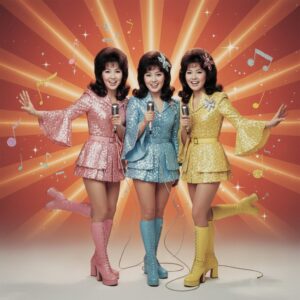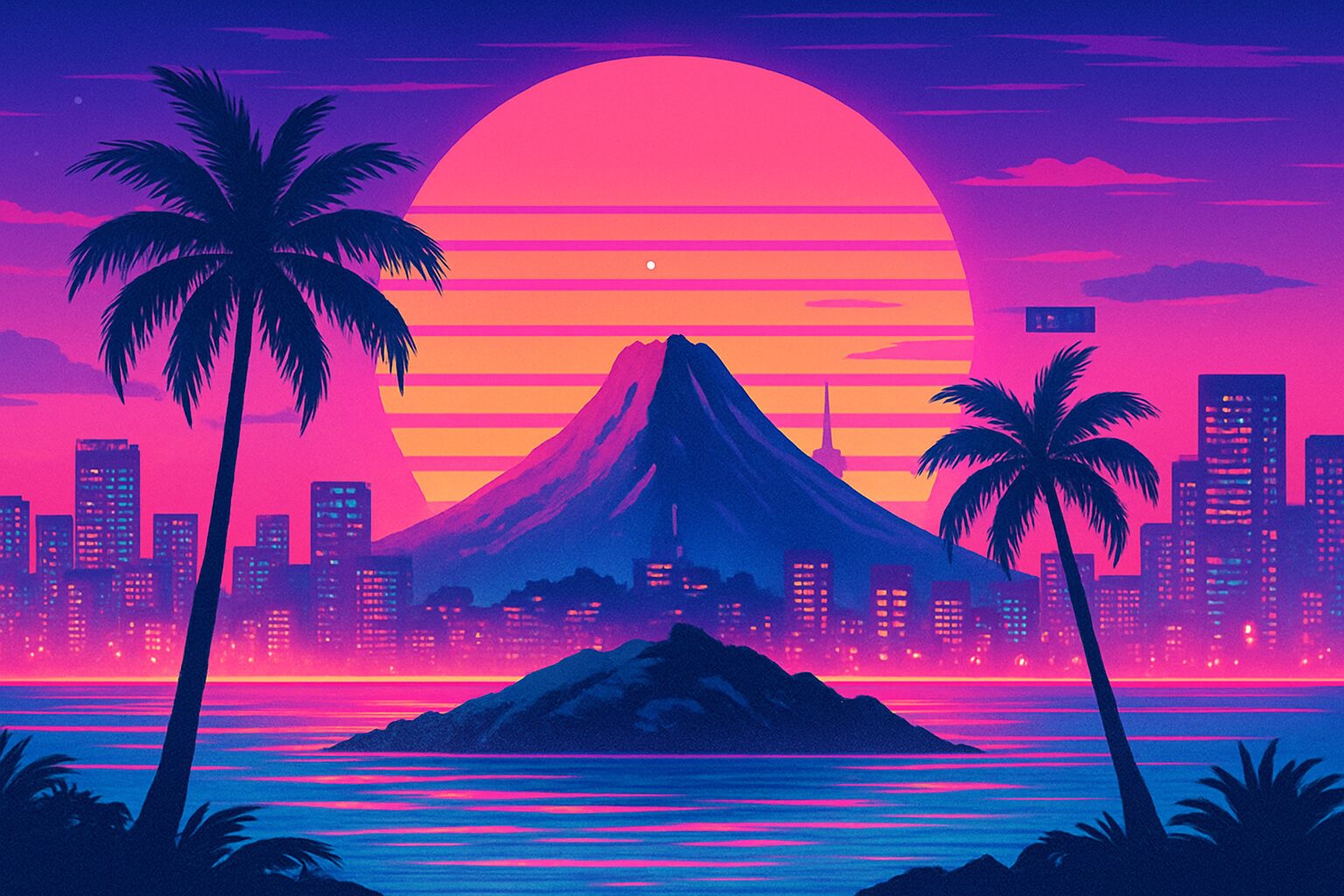
What’s up, world travelers? Hiroshi Tanaka here, your local guide to the Japan that lives and breathes beyond the guidebooks. Today, we’re ditching the frantic energy of Tokyo’s scramble crossings and the packed temples of Kyoto. Instead, we’re plugging in our headphones, cranking up some Tatsuro Yamashita, and setting a course for a feeling. A mood. A vibe. We’re going on a quest for the islands that feel like you’ve literally stepped inside a 1980s City Pop album cover. You know the ones—sun-drenched, a little nostalgic, with a hint of sweet melancholy and the promise of a perfect summer that never ends. City Pop isn’t just music; it’s an aesthetic. It’s the sound of the economic boom, of coastal highways in a convertible, of crisp suits and breezy dresses, of a future that felt impossibly bright and cool. It’s a feeling of sophisticated leisure, tinged with a beautiful sadness. And let me tell you, that feeling is still alive and well, hiding out on the quiet, sun-kissed shores of Japan’s countless islands. These places are the soul of that sound, where time slows down, the sea sparkles just right, and every view looks like it was art-directed by Eizin Suzuki. This isn’t about ticking off sights; it’s about catching a frequency. It’s about finding a place where the soundtrack in your head finally matches the landscape in front of you. So grab your shades, pack a light jacket for the evening breeze, and let’s catch the next ferry to paradise. The vibe is waiting.
If you’re captivated by this nostalgic aesthetic, you might also enjoy exploring the unique atmosphere of a Showa-era retro kissaten.
Shodoshima: The Olive-Scented Overture
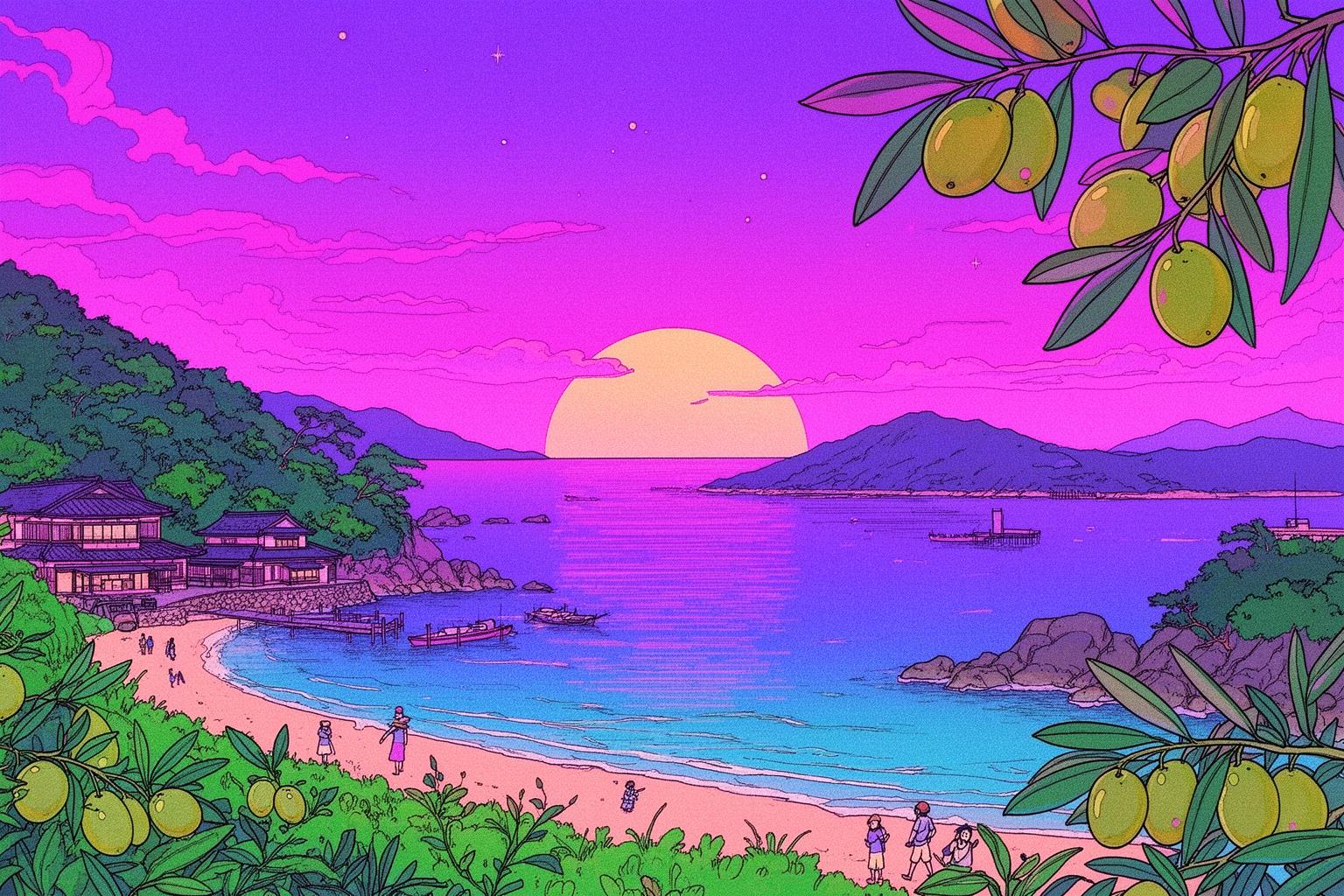
Our first destination is Shodoshima, the “Island of Little Beans,” peacefully floating in the Seto Inland Sea. Honestly, though, it deserves the name Olive Island because that’s the essence here. This is Japan’s Mediterranean dream—a sun-soaked sanctuary where silvery-green olive groves spill down hillsides to meet the impossibly blue waters. The vibe? It’s pure, unfiltered Anri’s “Last Summer Whisper.” Sophisticated, breezy, and like a long, lazy weekend getaway you never want to end. This isn’t a place to hurry. You rent a car, roll down the windows, let the warm, salty breeze tousle your hair, and cruise along the coastal roads. Life here moves to the rhythm of the sun and tides, not the clock.
The Angel Road and the Greek Windmill
Imagine arriving at just the right moment, as the tide falls, unveiling a shimmering golden sandbar that links the mainland to a tiny, pine-clad island. This is Angel Road. Legend says if you cross it hand-in-hand with your special someone, your wish will come true. Even solo travelers find the walk enchanting. Surrounded by sea on both sides, with gentle waves lapping nearby, it’s a pure moment of zen. It’s one of those scenes burned into your memory, the kind of quiet, perfect beauty that City Pop often captures. Climb to the lookout on the hill, called the “Promised Hill Bell,” for a breathtaking panoramic view. It’s the ideal spot to pause, breathe, and soak it all in.
Next, head to the Shodoshima Olive Park. Truly, this is the island’s signature spot. Perched on a hill overlooking the sea stands a pristine white Greek windmill—a gift from Shodoshima’s sister island, Milos, in Greece. It feels wonderfully unexpected yet perfectly suits the island’s Mediterranean charm. Visitors inspired by the movie Kiki’s Delivery Service often borrow broomsticks from the park office to snap flying photos nearby. It’s playful and fun, and the view from up there is simply stunning. The mix of white windmill, green olive trees, and blue sea is like a flawless pop song—clean, bright, and endlessly optimistic. Don’t miss the olive oil-flavored soft-serve ice cream. It might sound odd, but trust me—it’s a revelation: creamy, savory, and sweet all at once.
Nostalgia in a Soy Sauce Barrel
But Shodoshima isn’t only about Mediterranean daydreams. It carries a deep, rich history that adds a layer of nostalgia—the other key ingredient in the City Pop mix. Drive to the Hishio no Sato district, and you’ll feel transported back in time. This is where the island’s famous soy sauce has been brewed for over 400 years. The air is thick with the rich, savory, slightly sweet aroma of fermenting soybeans. You’ll find dozens of old black-walled wooden buildings, many still active breweries. It’s an immersive sensory experience in the best way. The Marukin Soy Sauce Museum is a must-see. Set in a former factory, it narrates the story of the craft. You can view massive cedar barrels where the magic happens and learn about traditional methods passed down through generations. This experience roots you in the island’s history—a beautiful counterpoint to the breezy coastal views. It’s the bassline of the island’s song—deep, resonant, and full of character. This historic vibe adds a touch of melancholy, the mono no aware, or “pathos of things,” that makes the airy pop moments feel even more poignant.
Practical Grooves for Shodoshima
Getting to Shodoshima is part of the journey. You’ll take a ferry—the only way to start a true island adventure. Frequent ferries run from Takamatsu on Shikoku and Shin-Okayama Port on the mainland. The trip itself is a treat, with spectacular views of the Seto Inland Sea and its many islands. Once there, renting a car is hands down the best way to explore. The island is surprisingly large, and a car gives you the freedom to find hidden beaches and tiny villages at your own pace. While the local bus system is adequate, it won’t take you everywhere. For the full City Pop feel, you want the freedom to pull over whenever a view catches you. The best seasons to visit are spring and autumn when the weather is mild and colors are striking. Summer’s great for beaches but can be hot and humid.
One tip for first-timers: don’t overplan. The true magic of Shodoshima lies in unplanned moments—discovering a quiet café overlooking the water, pausing to watch the sunset from a random coastal spot, or getting delightfully lost on winding roads through the olive groves. Let the island’s rhythm lead you.
Naoshima: Art, Industry, and the Concrete Sublime
Next, we shift to a place with a completely different vibe. If Shodoshima is the breezy A-side single, Naoshima is the cool, experimental B-side destined to become a cult favorite. Known as the “Art Island,” it’s where world-class contemporary art coexists harmoniously with the quiet rhythms of a small fishing village. The atmosphere here is sleek, minimalist, and profoundly contemplative. It embodies the architectural, urban side of City Pop—think Hiroshi Sato’s album “Awakening.” It’s about clean lines, striking visuals, and a strong sense of purpose. Naoshima shows that an island need not be tropical to be a paradise. It stands as a tribute to the transformative power of art and vision.
The Pumpkins and Museums Beneath the Earth
No discussion of Naoshima is complete without mentioning Yayoi Kusama’s pumpkins, the island’s unofficial mascots. The iconic Yellow Pumpkin once stood at the end of a pier, a bright, polka-dotted beacon against the grey sea and sky. Though it was swept away by a typhoon, its spirit—and a new replacement—remain, while its red counterpart, the Red Pumpkin, welcomes visitors near Miyanoura Port. This massive, hollow sculpture can be walked inside. These pumpkins are more than just photo opportunities; they symbolize the island’s bold, modern, and slightly surreal identity. They offer a perfect introduction to Naoshima’s artistic essence.
The true core of Naoshima’s art scene, however, lies underground. The Chichu Art Museum, designed by the legendary architect Tadao Ando, offers an experience that will deeply reshape your perception of art. The museum is entirely subterranean to preserve the island’s natural landscape. Walking through stark, silent concrete corridors, you encounter natural light filtering down from skylights in dramatic, unexpected ways. The museum houses just a few works, including a stunning room dedicated to Monet’s Water Lilies, set within a bright white space lit solely by diffuse natural light. It feels like walking into a dream. There are also works by Walter De Maria and James Turrell, which play with light, space, and perception in unforgettable ways. This is not a place to simply view art; it’s a place to experience it viscerally. Tickets must be booked well in advance, with strict entry times, but it’s absolutely, without question, worth it.
Another masterpiece by Tadao Ando is the Benesse House Museum, which also functions as a hotel. Imagine waking up to a world-class art collection right outside your room. The museum blurs the boundaries between art, architecture, and nature, with expansive windows framing the Seto Inland Sea as a living artwork. Sculptures are scattered not only inside but also along the coast and in the woods surrounding the building. It’s an immersive experience, encouraging you to live with art rather than merely observe it.
Art Woven into the Village Life
What truly sets Naoshima apart is how art is intricately woven into the community itself. In the old fishing village of Honmura, the Art House Project has transformed several empty traditional houses into permanent art installations. A single ticket grants access to most of them, as you wander the village’s narrow lanes in search of these unique spaces. Each house offers a distinct world: one might be a pitch-dark room where you navigate by touch, while another, Kadoya, features a shallow pool filled with hundreds of flashing LED counters, each operating at a different speed as set by local residents. It’s a beautiful, meditative piece about time and community. This project links the island’s past and present by preserving old structures while giving them vibrant new meaning. It’s this fusion of tradition and avant-garde that creates Naoshima’s unique and compelling energy.
Getting Around Art Island
Naoshima is accessible by ferry from Uno Port in Okayama Prefecture or Takamatsu Port. The island is hilly, so renting an electric bicycle is the best way to explore—it makes hill climbs easy and lets you enjoy the wind as you coast downhill with breathtaking views of the sea. There’s also a convenient local bus service connecting the ports, museums, and town. A key tip: plan ahead. Accommodations are limited and book up months in advance, especially at Benesse House. The same goes for tickets to the Chichu Art Museum. This isn’t a destination for spontaneous visits; advance planning pays off. Don’t forget to check museum closing days, generally Mondays. For a truly unique end to your day, visit the I♥湯 (I Love Yu) public bathhouse, a functioning bathhouse that doubles as a wild, flamboyant art installation. It’s the perfect way to soothe tired muscles and reflect on a day overflowing with aesthetic delight.
Teshima: The Sound of Water and the Beat of a Heart
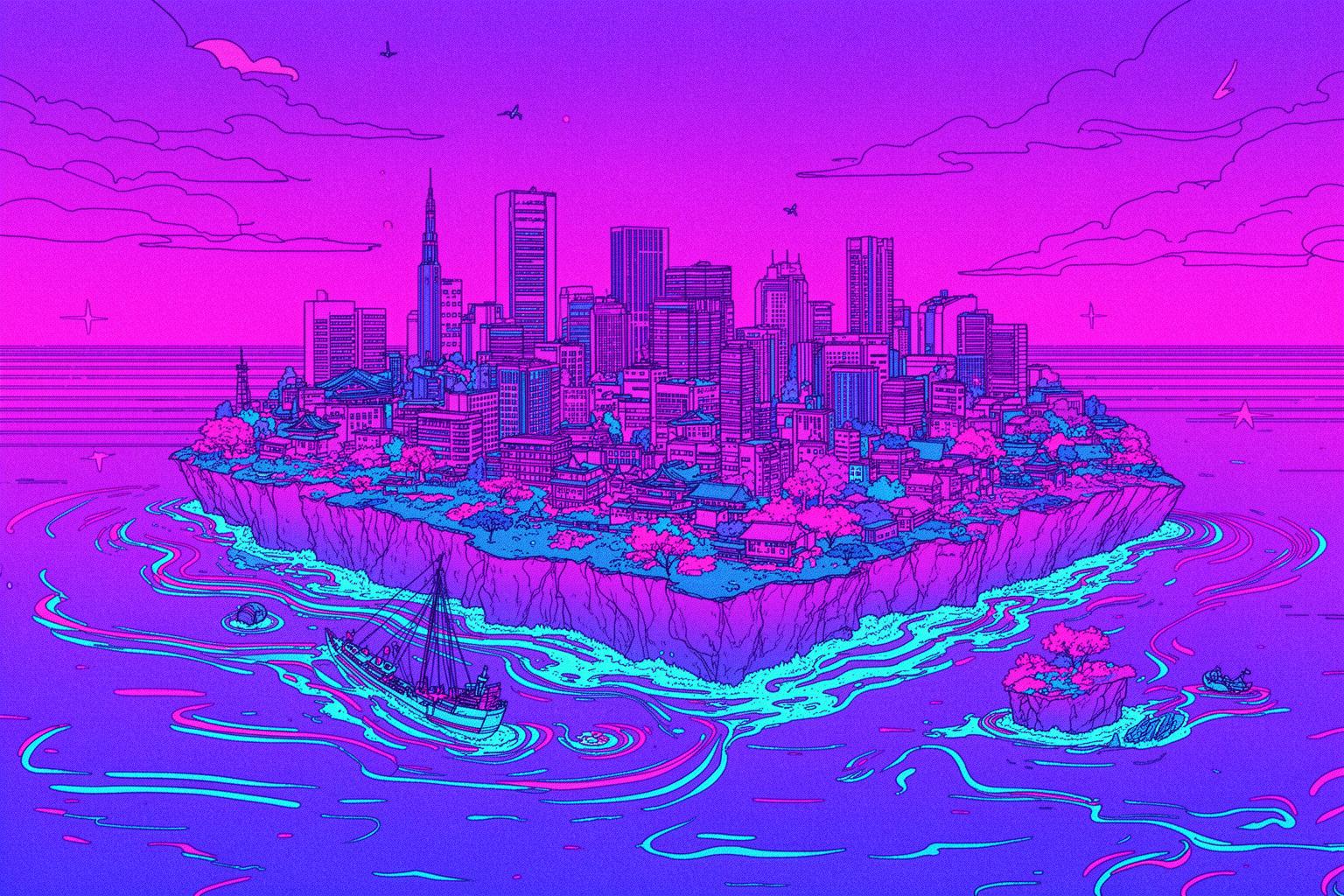
If Naoshima is the cool, intellectual art student, then Teshima is its soulful, free-spirited sibling. Situated between Naoshima and Shodoshima, Teshima is more rural, more expansive, and in many ways, more emotionally profound. The experience here centers less on a collection of art pieces and more on two or three deeply moving, large-scale installations that harmonize with the island’s stunning natural environment. The atmosphere is introspective, expansive, and intimately connected to nature. It’s the City Pop track for a long, reflective drive, the one that evokes a subtle nostalgia for a memory just out of reach. This island will touch your soul.
The Drop of Water That Holds the Universe
Most visitors come to Teshima for one main attraction: the Teshima Art Museum. And to be clear, this is no conventional museum. It’s a masterpiece of art and architecture, created through the collaboration of artist Rei Naito and architect Ryue Nishizawa. From the outside, it resembles a single, gigantic drop of water—a sleek white concrete shell perched on a hill, overlooking lush, terraced rice fields and the sea. You remove your shoes and step inside, and your perspective shifts. The space is vast, open, and silent, except for the gentle sounds of nature filtering in through two large, elliptical openings in the ceiling. There are no artworks hanging on the walls. The art is the space itself, along with the floor. From tiny, nearly invisible holes in the concrete, droplets of underground water continuously emerge. They bead, glide across the floor, merge into larger pools, and then vanish into other minute holes. That’s it. And yet, it is one of the most mesmerizing and meditative sights you will ever experience. You can sit for hours, watching these subtle dramas unfold, feeling the breeze and hearing birdsong through the open roof. It’s a space that connects you to the earth, the sky, and the endless cycle of life. It is, without exaggeration, a spiritual experience.
The Archives of the Heart
On the opposite side of the island, tucked away on a secluded beach, is another profoundly moving installation: Christian Boltanski’s Les Archives du Cœur, or the Heart Archives. Inside a dark wooden structure, you enter a small room with a solitary, bare lightbulb hanging from the ceiling. The bulb pulses in sync with the sound of a human heartbeat playing through speakers. It’s intense, visceral, and slightly unsettling. The heartbeat is a real recording, and the archive holds thousands of such recordings from people around the world. You can listen to them, and even record your own heartbeat to add to the collection. It’s a stark and powerful reminder of our shared humanity—of the simple, vital rhythm that unites us all. Standing on that remote beach, listening to the pulse of a stranger’s heart, is a moment of deep reflection.
The Freedom of Two Wheels
Beyond its individual artworks, the true joy of Teshima lies in exploring it. Here, an electric bicycle is not just recommended—it’s absolutely essential. The island is very hilly, but with an e-bike, you’ll feel like a superhero, effortlessly conquering steep inclines. The journey itself becomes the destination. You’ll pedal through tiny villages, past cascading terraced rice fields that descend to the sea, and along coastal roads framed by breathtaking views at every turn. The sensation of freedom is incredible. You can stop whenever you like, enjoy a picnic on a deserted beach, or simply sit and watch ferries glide across the water. For a fantastic meal, stop at Shima Kitchen, a community-run restaurant in the island’s center. They serve delicious, wholesome dishes made from local ingredients on a lovely outdoor terrace. It’s the perfect spot to recharge and soak in the island’s tranquil vibe.
Teshima also carries a painful history. For years, it was the site of a large illegal industrial waste dump that caused severe environmental damage. The story of the island’s inhabitants fighting for justice and the subsequent massive cleanup is a testament to their resilience. The art projects on Teshima are part of this process of healing and renewal. Knowing this background adds an important layer of meaning to your visit. It’s an island that has been wounded yet is now blossoming into something beautiful and new.
Getting to Teshima involves, as you might guess, another ferry ride. There are connections from Naoshima, Shodoshima, and Uno Port. The schedules can be tricky and the boats infrequent, so careful planning is essential. Make sure you know when the last ferry departs—you definitely don’t want to be stranded. But the small extra effort in planning is a minimal price to pay for the profound experience awaiting you on this truly unique island.
Yakushima: The Ancient, Mossy B-Side
Now, let’s flip the record and dive into a completely different tune. We’re leaving behind the sunlit, serene Seto Inland Sea and heading far south to an island that feels less like a breezy pop melody and more like an epic, atmospheric film score. Welcome to Yakushima, a subtropical island off Kyushu’s southern coast. This isn’t your typical beach-and-cocktails destination. It’s a land of ancient deities and primeval forests, a mystical realm shrouded in mist and blanketed in vibrant green moss. If the Setouchi islands are the soundtrack to a coastal drive in a convertible, Yakushima is the deep, ambient track from an ’80s fantasy anime soundtrack. It’s the wild, untamed nature that city-dwellers of the City Pop era secretly longed for. It’s a UNESCO World Heritage site for a reason—this place is truly otherworldly.
Walking with Giants
The main attraction of Yakushima is its ancient cedar forests. These trees, called Yakusugi, are thousands of years old. The most famous among them is Jomon Sugi, a massive cedar estimated to be between 2,000 and 7,200 years old. The trek to see it is a demanding, full-day hike, but it’s a pilgrimage for nature enthusiasts across Japan. Even if you don’t take on that epic hike, you can still experience the magic of these forests in spots like Shiratani Unsuikyo Ravine. This is the very forest that inspired Hayao Miyazaki’s masterpiece, Princess Mononoke. And once you’re there, you’ll understand why. Everything is coated in a thick, velvety moss. Ancient, twisted trees reach up toward the canopy, their roots clutching moss-covered boulders. Crystal-clear streams bubble over granite rocks. The air is cool, damp, and filled with the scent of earth and rain. It’s so quiet you can hear water droplets falling from the leaves. Walking through a landscape unchanged for millennia is an incredibly humbling experience. You feel like a guest in a powerful, living world.
Wild Coasts and Tidal Hot Springs
Beyond the enchanted forests, Yakushima boasts a wild, rugged coastline just as breathtaking. In summer, you might spot loggerhead turtles nesting on the beaches. The island is also home to large populations of monkeys and deer, which you’ll often see wandering freely—even on the roads. For a truly unique and very Japanese experience, you must try one of the island’s coastal onsen, or hot springs. Hirauchi Kaichu Onsen is a series of natural hot spring pools nestled in the rocks along the shoreline. The catch? They’re only accessible during low tide, for a few hours when the sea pulls back. Soaking in a natural hot tub with waves crashing just a few feet away is an unforgettable, elemental experience. It’s a mixed-gender public bath, so swimwear is sometimes worn, although traditionally people enter with only a small modesty towel. It’s an authentic, local experience.
The Yakushima Mindset
Getting to Yakushima is an adventure in itself. You can take a high-speed hydrofoil or a slower car ferry from Kagoshima on the mainland, or fly into the island’s small airport. Once there, renting a car is almost essential. The island is circular, and one main road loops most of the way around, but public transport is limited. Be prepared for rain—Yakushima is famous for it, and locals joke that it rains “35 days a month.” But it’s the rain that keeps the forests so lush and magical. Just pack good waterproof gear and embrace the weather. This isn’t a place for a quick day trip. You need to give Yakushima time. Let its ancient rhythm wash over you. It’s a place to disconnect from the digital world and reconnect with something much older and more profound. It’s the perfect antidote to the city, the ultimate escape, the deep, resonant final track on our City Pop island-hopping album.
The Fade Out: Your Vibe, Your Island
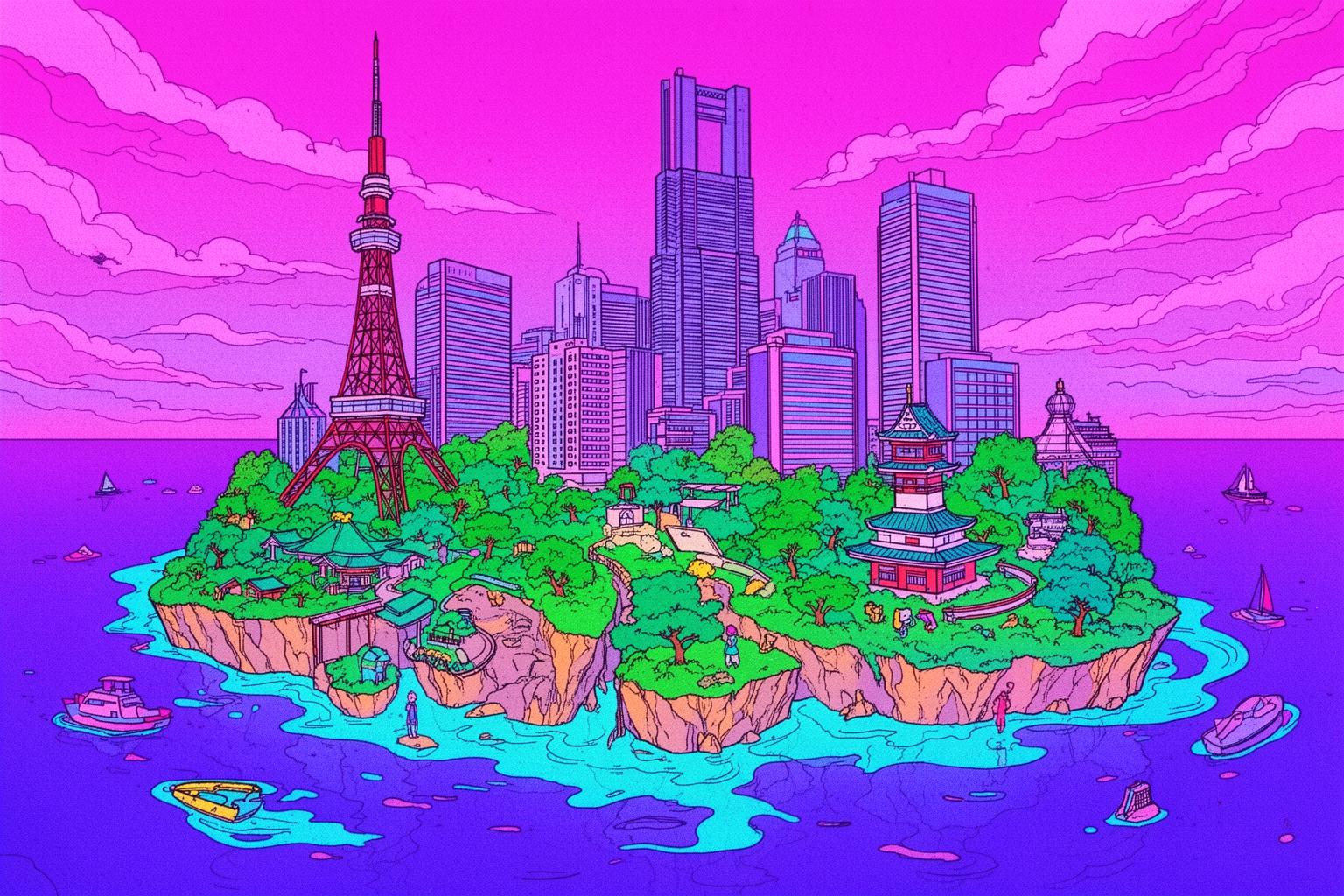
So there you have it. From the Mediterranean breezes of Shodoshima to the concrete artscapes of Naoshima, the soul-stirring nature of Teshima, and the ancient magic of Yakushima, these islands are more than just destinations; they are states of mind. They embody that nostalgic, sun-soaked, impossibly cool feeling that City Pop captures so perfectly. They remind us that a different rhythm exists in Japan—a slower, more deliberate beat that harmonizes with the tides and the seasons.
But the true secret is that this list is only the beginning. Japan has thousands of islands, each with its own unique song to sing. The real adventure lies in discovering the one that becomes the soundtrack to your journey. So go ahead, catch a ferry, roll down the windows, and let the sea breeze carry you away. Your perfect City Pop moment is waiting somewhere between the sun and the sea. You just have to find it.