Yo, what’s good, fellow travelers and existential androids? Taro Kobayashi here. Let’s get real for a sec. Some video games, they’re just games. You play ’em, you beat ’em, you move on. But then there are the ones that just hit different. They burrow into your soul, leaving you with this beautiful, aching emptiness when the credits roll. Nier: Automata? Yeah, that’s high-key one of those games. It’s a whole mood. A symphony of melancholic robots, fluid katana action, and a story that asks the biggest questions about what it even means to be alive. You finish that game, and the world looks a little different. The silence between sounds feels heavier. The beauty in decay becomes, like, crystal clear. And you’re left thinking, “How do I get that feeling back?” Bet. I got you. This isn’t your standard travel guide. Nah, this is a pilgrimage. A journey into the heart of the aesthetic that makes Automata so unforgettable, using Japan as our real-life stage. We’re chasing a vibe, a feeling that’s woven deep into the cultural fabric of this place. From the skeletal remains of concrete jungles to the hushed whispers of ancient forests, we’re gonna find the echoes of 2B, 9S, and A2’s world right here on Earth. It’s about finding that ‘mono no aware’—that gentle, bittersweet sadness for the transience of all things—in the shadow of a Tokyo skyscraper or the rustle of leaves in a forgotten shrine. This is your field guide to feeling Nier: Automata in the real world. Let’s get this bread. Glory… to mankind.
The City Ruins: Echoes in the Concrete Canyons of Tokyo
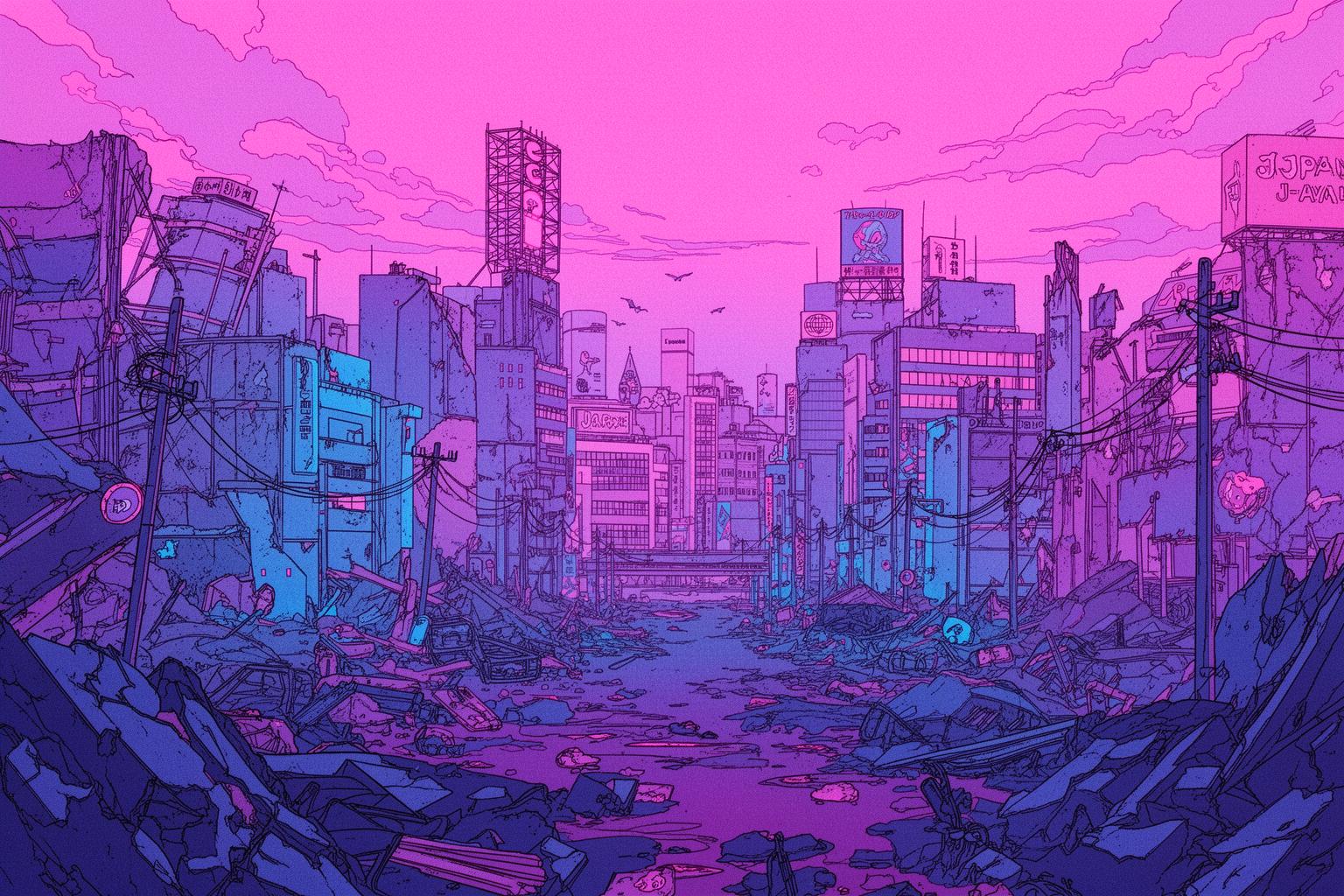
The first stop on this emotional rollercoaster is the City Ruins. In Automata, it’s a vast, sprawling corpse of a metropolis—skyscrapers standing like bleached bones, highways cracked and buckled, with nature fiercely reclaiming its territory. It’s immense, lonely, and hauntingly beautiful. The real-world counterpart? It has to be Tokyo. But not just any area. We’re talking about the dizzying, awe-inspiring scale of Shinjuku and Shibuya. Seriously, step out of Shinjuku Station for the first time, and you’ll instantly understand. You become this tiny figure, like 2B or 9S, surrounded by colossal structures scraping the sky. The sheer density, the waves of people, the cacophony of sounds and neon lights—it’s overwhelming, just like your initial encounter with a Goliath-class machine.
But the vibe isn’t only about feeling overwhelmed—it’s about duality. It’s about discovering quiet moments amidst the chaos. The game captures this perfectly with those pockets of serene, melancholic music that play as you explore the ruins. In Tokyo, you find this simply by turning a corner. One moment you’re on the bustling main street of Shinjuku, a river of humanity. The next, you slip into an alleyway, a ‘yokocho’ like Omoide Yokocho (Memory Lane), and it’s a different world. It’s cramped, filled with the smoke of grilling yakitori, lantern light casting long shadows. It feels old, worn, and beautifully imperfect. It’s wabi-sabi in action. It’s the texture of the ruins, the history embedded in the grime.
The most direct parallel—the spot where nature is staging its comeback—is Shinjuku Gyoen National Garden. This place is an absolute gem and a must-visit. You pay a small fee to enter, and the city’s noise simply dissolves. It’s a massive park with distinct sections: a traditional Japanese garden, a formal French garden, and an English landscape garden. Walking through it, with the NTT Docomo Yoyogi Building looming in the distance like a watchful tower from the game, feels pure Automata. You’ll see massive trees whose roots have likely been there longer than the skyscrapers outside. You’ll find tranquil ponds reflecting the sky, and lonely benches where you can just sit and reflect. It’s where two worlds collide: humanity’s concrete ambition and nature’s patient, relentless reclamation. It feels like a safe zone, a place to save your progress and contemplate your next mission. It’s that sense of hope amid decay.
To truly experience it, explore at different times. See Shinjuku by day, when it’s all business and motion. Then return at night. Go up the Tokyo Metropolitan Government Building (it’s free!) for a panoramic view. The city transforms into a sea of glittering lights, a circuit board stretching endlessly. It’s beautiful, yet profoundly impersonal and lonely. You can almost imagine flight units zipping between the buildings. Another tip: listen to the Nier: Automata soundtrack while you walk. Strolling through the west exit of Shinjuku Station, with its chaotic, multi-layered pedestrian decks, while ‘City Ruins (Rays of Light)’ plays in your ears? It’s an experience that will give you chills, seriously. It turns the mundane into something magical, the crowded into the melancholic. You’re not just a tourist; you’re an android on a mission, seeing the world through a new, somber lens.
Some practical advice? Getting around Tokyo is all about the train system. Grab a Suica or Pasmo card, charge it up, and the city is yours to explore. The Yamanote Line is your best friend; it’s a loop that covers most major spots like Shinjuku, Shibuya, and Akihabara. Don’t be intimidated by the maps; they look like a tangled mess of noodles but make sense after a day or two. And remember to find the quiet. The game’s world isn’t all about combat. It’s also about the moments in between. Find a small shrine tucked between buildings, a rooftop garden atop a department store, or a quiet coffee shop. That’s where you find the soul of the city—and the soul of the game.
The Desert Zone: Tottori’s Ocean of Sand and Silence
Alright, let’s change the scene. Moving from Tokyo’s vertical overload, we’re heading to the vast, horizontal expanse of the Desert Zone. That sensation of entering the in-game desert for the first time is incredible. The scale is staggering. It’s just endless sand and rolling dunes beneath a bleached sky, with the faint outlines of apartment buildings emerging. It feels ancient, barren, and brimming with forgotten tales. Japan is a land of mountains and forests, so where do you find that kind of atmosphere? You go to the Tottori Sand Dunes. And trust me, it’s an experience like no other.
Situated on the coast of the Sea of Japan, the Tottori Sakyu are unlike what you expect to find in Japan. They form a massive, sprawling sandscape stretching for miles. Standing atop the main dune, Umanose or “horse’s back,” and gazing out, you get that same sense of scale and solitude from the game. All you hear is the wind—the constant, whispering wind that shapes the sand into beautiful, fleeting patterns called ‘fumon.’ It’s as if the desert itself is breathing. This is a place that humbles you in the best way. It strips away the noise, leaving only your thoughts. It’s an ideal spot to ponder the nature of your own existence, you know?
What’s fascinating is that this isn’t a true desert. The sand is continuously reshaped by wind and water from the nearby Sendai River and the sea. This steady flux feels very Automata. Nothing stays permanent. The patterns you see today will vanish tomorrow. It’s a tangible expression of mono no aware. The beauty lies precisely in its transience. You can walk for hours, forging your own path, leaving footprints that will be wiped away by morning. It’s a profound metaphor for the androids’ struggle—their actions, memories, and lives are fragile in the grand scheme.
To fully embrace the game’s vibe, visit at sunrise or sunset. The low sun casts long, dramatic shadows that highlight the dunes’ curves and ripples. The colors are surreal—soft golds, deep oranges, and muted purples. It’s quiet, and you can almost hear the eerie, beautiful music of the Desert Zone carried on the breeze. These times usually draw fewer people, letting you feel like the last soul in a forgotten world. For the adventurous, sandboarding or paragliding adds a touch of YoRHa acrobatic flair to your journey. Or, for a more relaxed pace, ride a camel. Yeah, a camel. It’s a little touristy, sure, but gliding slowly across the dunes at sunset is low-key a perfect moment to feel like you’re wandering an alien world.
There’s also the Sand Museum right beside the dunes. It showcases massive, intricately detailed sand sculptures by artists from across the globe. The exhibits change, but the craftsmanship is always extraordinary. It’s a striking contrast: outside, nature crafts fleeting art from sand, while inside, humans create deliberate, intricate works from the same material. It adds another layer to the experience—machine versus nature, intentional creation versus natural evolution—a theme deeply woven into the game.
Reaching Tottori is a bit of a journey from Tokyo or Osaka, but that’s part of the charm. It feels like a real expedition, stepping off the main quest path into a side story. You can take the Shinkansen (bullet train) to a nearby city, then transfer to a local line. The trip itself, watching the landscape shift from dense cities to verdant countryside and finally the coast, is part of the pilgrimage. A tip for visitors: wear shoes easy to slip off. You’ll want to feel the sand beneath your feet for real. Also, bring a scarf or face covering because when the wind picks up, the sand flies. It’s a small price to pay for visiting one of Japan’s most surreal and stunning landscapes—a place that truly embodies the soul-searching solitude of Nier: Automata’s desert.
The Amusement Park: The Ghostly Waltz of Asakusa Hanayashiki
Remember that moment in Nier: Automata? You battle through waves of machines, then suddenly arrive at the Amusement Park. The music changes. Suddenly, you’re in a strange, dreamlike realm filled with cheerful parade tunes, decaying rides, and machines clad in silly costumes, trapped in an endless, meaningless celebration. It’s eerie, beautiful, and profoundly sad. It’s the machines’ effort to imitate human joy without truly understanding it—a hollow reflection of happiness. Capturing that unique mix of nostalgia, decay, and surreal delight is difficult, but Tokyo’s Asakusa Hanayashiki comes remarkably close.
Hanayashiki is Japan’s oldest amusement park, established way back in 1853. And it certainly shows. This isn’t Disneyland. It’s not sleek or modern. It’s a cramped, chaotic, and utterly charming little park hidden behind the iconic Senso-ji Temple. The rides are squeezed in so tightly it feels like a toy box ready to burst. The paint is a bit faded, the machinery somewhat creaky, and the entire place exudes a faded glory that perfectly echoes Automata. Upon entering, you’re immediately enveloped by a wall of sound—cheerful, slightly tinny music, the rumble of the vintage roller coaster, and the shouts of children. It’s a happy place, but the happiness carries the weight of its long history.
The park’s highlight is its roller coaster, the oldest in Japan. It’s neither fast nor frightening by today’s standards, but clattering along its tracks and rattling past nearby apartment rooftops feels like stepping back in time. It’s like reliving a memory, an echo of past thrills. The other rides share the same vibe—a quaint merry-go-round, the slightly unnerving vertical drop tower called Space Shot that launches you above the temple roofs, and a famously haunted house. The whole park is a sensory overload in the best sense.
Yet, the true connection to Nier lies in the atmosphere and little details. The somewhat odd-looking panda mascots you can ride. The pervasive sense that everything is just a bit… off. It’s a living relic, a place that has endured while the world around it races forward. It’s a pocket of the past, preserved and still operational, much like the machines in the game who continue their programmed routines long after their creators have vanished. You can almost picture the machines here not as foes, but as caretakers, diligently maintaining this fragile dream of fun. It carries that same blend of sincerity and sorrow.
For the full experience, visit on a weekday afternoon when it’s less crowded. The slightly empty atmosphere adds to the melancholic mood. You can wander freely, soaking in the sights and sounds. The park sits just beside Senso-ji Temple, one of Tokyo’s most significant cultural landmarks. The contrast between the sacred, solemn vibe of the temple and the chaotic, secular joy of the amusement park, separated by only a few steps, is striking. It’s exactly that juxtaposition of the profound and the profane, the serious and the silly, that Nier: Automata captures so brilliantly.
While Nara Dreamland, the famously abandoned amusement park, offers the most visually direct comparison, it’s inaccessible and illegal to enter. Hanayashiki gives you the same feeling—the nostalgia, the sense of a world out of time—but here you can actually ride the rides and buy takoyaki. It’s a living ghost, not a dead one. A practical tip: the park is small, so you don’t need a full day. Pair it with a visit to Senso-ji Temple and a stroll along the Sumida River. It makes for the perfect half-day trip bursting with atmosphere. For any Nier fan, wandering through Hanayashiki feels like stepping into a game level, a place where echoes of laughter and the machinery of joy continue to creak on long into the twilight.
The Forest Kingdom: Yakushima’s Ancient, Mossy Soul
Deep within the world of Automata lies the Forest Kingdom, a secluded domain ruled by a machine king and guarded by knights clad in medieval-style armor. It is a place of lush greens and dappled sunlight, of ancient trees and stones blanketed in moss. This is a society of machines that endeavored to create their own history, royalty, and meaning—all based on fragmented data from a long-extinct human civilization. It’s a beautiful and tragic tale of misguided ambition. To experience this ancient, sacred, and slightly melancholic atmosphere in Japan, one must visit Yakushima.
Yakushima is a small island off the southern coast of Kyushu and, without exaggeration, one of the most magical places on Earth. A UNESCO World Heritage site, it is renowned for its ancient cedar trees, the ‘Yakusugi,’ some of which are thousands of years old. The moment you enter the forests of Shiratani Unsuikyo Ravine or the Yakusugi Land trails, you step into the Forest Kingdom—truly. The air feels different—cool, moist, and scented with earth and rain. Everything, absolutely everything, is cloaked in a thick, velvety moss. This island alone hosts over 600 species of moss. Light filters gently through the dense canopy of towering trees, casting an ethereal, otherworldly glow. The silence is so profound, you can hear your own heartbeat.
Walking these trails feels like venturing into a pre-human world. The trees are massive, twisted beings that seem alive, like ancient gods in slumber. You will encounter ‘Jomon Sugi,’ a tree estimated to be between 2,000 and 7,200 years old. Standing before something that has endured millennia is a humbling experience. It places your own ephemeral existence in perspective, a central theme of Nier. You are a temporary visitor in a world that long predates you and will outlast you. This resonates deeply with the Japanese belief in Shinto, where ‘kami’ (gods or spirits) are thought to inhabit natural objects, particularly ancient trees, rocks, and mountains. This forest is not merely a collection of plants; it is a living, breathing cathedral.
The connection to the Forest Kingdom extends beyond the visual—it is thematic. The machines in the game fashioned their own king and realm to seek purpose, constructing a society based on a flawed understanding of the past. Similarly, Yakushima’s forests evoke a self-contained world governed by ancient rules and history. Hiking here, you feel as if you are trespassing in a sacred domain. You half expect a machine wielding a spear to emerge from behind a mossy boulder. The tragic tale of the Forest King—a child venerated but never truly understood—resonates with the silent wisdom of the ancient trees. It is a beauty laced with deep, primal sorrow.
Reaching Yakushima requires effort, making the experience feel all the more like a pilgrimage. You can take a ferry or a small plane from Kagoshima on the mainland. It’s not a mere day trip. A commitment is needed. Plan to spend several days here to fully explore the hiking trails. Be prepared for rain. Yakushima is one of Japan’s wettest places, with locals joking that it rains “35 days a month.” Yet the rain is integral to the magic, bringing the moss’s vibrant greens to life and creating mists that swirl among the trees, enhancing the mystical ambiance. Proper hiking gear is essential—waterproof boots, a rain jacket, and the like. This is no stroll in the park; it is a true outdoor adventure.
For hikers, while the most popular trails can become crowded, numerous smaller paths offer complete solitude. Hiring a local guide is highly recommended. They not only keep you safe but also share stories of the forest, highlight unique flora and fauna (like the Yakushika deer and Yakuzaru monkeys), and lead you to hidden spots you would never discover alone. Imagine sitting on a moss-covered log, eating an onigiri lunch in the profound silence of a forest that has thrived for thousands of years. It is a moment that lingers forever. In that silence, surrounded by the forest’s overwhelming life force, you can truly connect with the deep, philosophical heart of Nier: Automata’s lush, tragic kingdom.
The Flooded Coast: Reflecting on a Sunken World in Odaiba
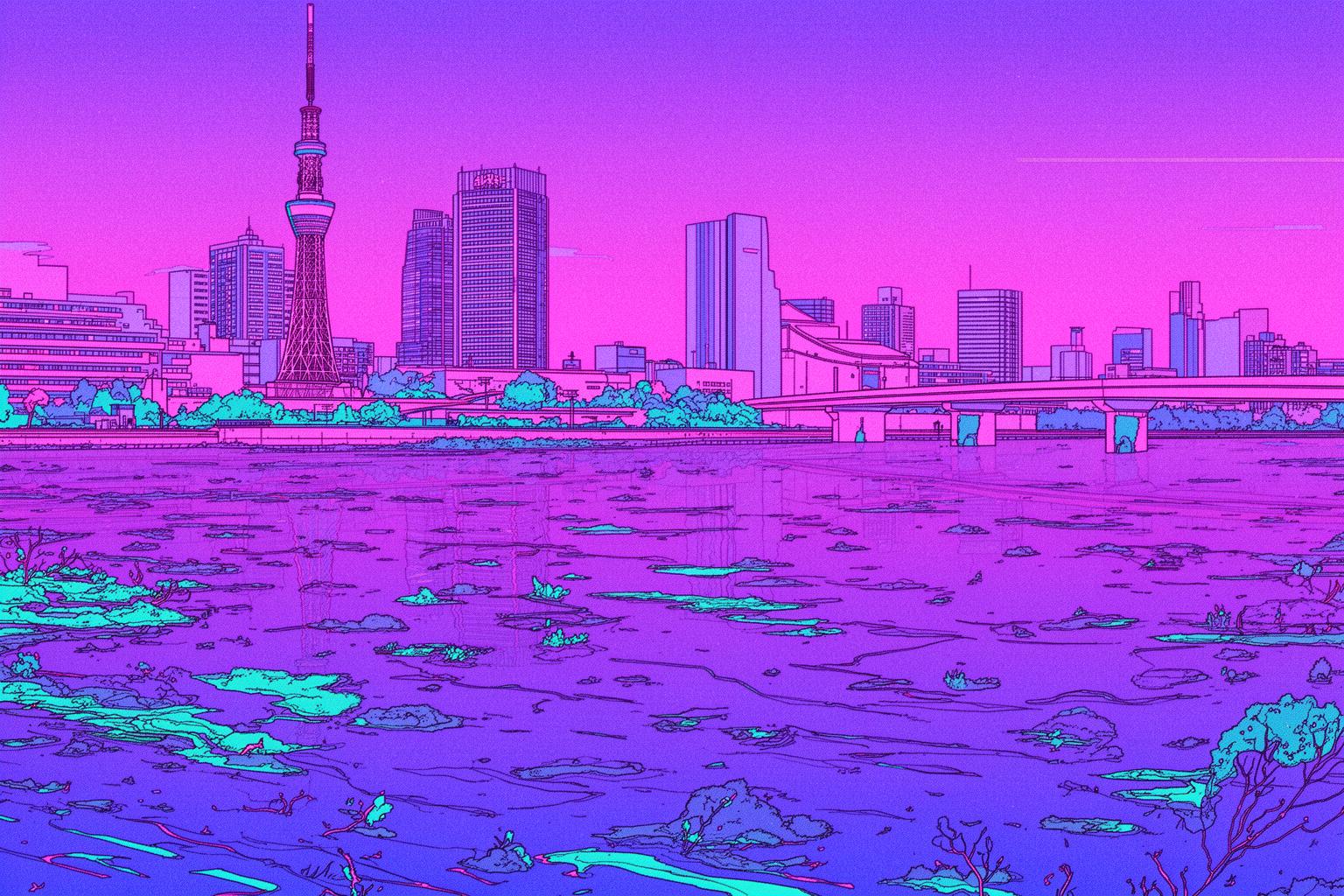
One of the most visually striking locations in Nier: Automata is the Flooded City. It is a breathtaking ruin, partially submerged in the turquoise sea. Skyscraper tops rise from the water like tombstones, linked by crumbling highways. This place embodies immense beauty and profound loss, showcasing nature’s power to reclaim even the grandest human achievements. It hosts some of the game’s most epic battles and exudes a vibe that is both post-apocalyptic and serene. To find a similar atmosphere in modern Japan, seek out places where water and futuristic architecture intersect, creating a world perched on the edge of the sea. For that, we turn to Odaiba, Tokyo’s man-made island in the bay.
Odaiba is quite an experience. You reach it by crossing the massive Rainbow Bridge, ideally aboard the automated, driverless Yurikamome train that winds its way over the water. The journey feels like shifting into another zone. Looking back at the dense Tokyo skyline, you feel like you’ve arrived at an outpost, a sort of ‘Bunker,’ watching the old world from afar. Odaiba is defined by futuristic, sometimes bizarre, architecture. The Fuji TV Building appears like something from a sci-fi anime, a giant lattice structure with a massive sphere hanging in its center. The Tokyo Big Sight convention center is iconic for its four inverted pyramids. These buildings, set against the sprawling Tokyo Bay, create a surreal landscape that seems almost unnaturally man-made.
Strolling along Odaiba’s waterfront promenade at dusk is when the Flooded City feeling truly emerges. The setting sun colors the sky in orange and purple hues, mirrored on the water and the glass skyscrapers across the bay. The Rainbow Bridge lights up, transforming the scene into a beautiful, shimmering spectacle. It is clean and futuristic, yet there is an underlying loneliness. The expansive open spaces and constant presence of water lend a slightly desolate air, especially compared to the bustling streets of central Tokyo. Sitting on the artificial beach, resting on the sand, you watch the city lights flicker on. It’s a moment of calm reflection—a pause much like those shared by 2B and 9S as they gaze over the ruins of their world.
The cultural backdrop here is Japan’s complex relationship with the sea. As an island nation, the ocean represents both life and a persistent, powerful threat. The history of tsunamis and typhoons is deeply etched in the national psyche. Constructing massive structures like Odaiba on reclaimed land right at the water’s edge feels like a bold, nearly defiant gesture against nature’s might. The tension between human creativity and the overwhelming forces of the natural world strongly echoes the imagery of the Flooded City.
For an even deeper connection, consider taking a water bus from Odaiba back to Asakusa. The boat rides low on the water, and as you cruise up the Sumida River, the city reveals itself from an entirely different viewpoint. You pass beneath enormous bridges, observe the concrete embankments protecting the city from the water, and sense Tokyo as a coastal metropolis perpetually engaged in a delicate dance with the sea. To find another reflection of this aesthetic, visit Miyajima Island near Hiroshima. At high tide, the famous Itsukushima Shrine’s grand torii gate appears to float on the water. This sacred, liminal space seems suspended between the physical and spiritual realms, between land and sea. That image of a beautiful, significant structure submerged by the tide perfectly captures the essence of the Flooded City.
Practical advice for visiting Odaiba: set aside at least half a day. The Yurikamome line offers fantastic views, so try to secure a front-seat spot for a driver’s-eye perspective. Beyond the architecture, there’s much to enjoy—the teamLab Borderless digital art museum is a must-see for its immersive, Nier-like digital environments. There are also huge shopping malls and a life-sized Gundam statue, enhancing the sci-fi, machine-focused vibe. The best way to experience it all, though, is simply to walk. Find a quiet spot by the water, play the ‘Flooded City (Rays of Light)’ track, and let the melancholic beauty of this city on the sea wash over you.
The Blade and the Soul: Forging Meaning in Tradition
Beyond the landscapes, the true essence of Nier: Automata lies in its philosophy and its combat aesthetics. The image of 2B, a graceful android dressed in gothic lolita attire and wielding a razor-sharp katana, is iconic. Her movements resemble a deadly dance, blending futuristic technology with ancient martial arts. This isn’t merely about visually impressive fights; it embodies the warrior’s soul, the weight of the blade, and the quest for meaning through action. To connect with this aspect of the game, we must explore the cultural traditions beneath the surface: the way of the sword and the philosophy of finding beauty in imperfection.
In Japan, the katana is more than just a weapon; it is regarded as a work of art, a sacred object, and the samurai’s soul. To grasp the elegance of 2B’s Virtuous Treaty, one might visit the Japanese Sword Museum or the Tokyo National Museum. There, you can witness real masterpieces of sword-making—blades forged centuries ago that remain flawless in form and formidable in purpose. You come to appreciate the subtle curve, the intricate ‘hamon’ pattern of folded steel, and the perfect balance. The sword reveals itself not merely as a tool for destruction but as the result of immense skill, discipline, and profound spiritual focus. This is the gravity behind every swing in the game. It’s not just code; it embodies a warrior’s heritage.
For those interested in practice, dojos or experiences that offer demonstrations of ‘iaido,’ the martial art of drawing the sword, or even ‘kendo’ can occasionally be found for tourists. Watching these practitioners, one observes intense focus, economical movement, and explosive power derived from perfect form. It is the same deadly grace that defines YoRHa combat. This discipline is both physical and mental: a way of life centered on constant self-improvement and calm readiness for conflict. This is the spirit embedded within the androids.
Yet, the philosophy runs deeper. It centers around ‘wabi-sabi.’ While briefly mentioned before, it deserves further exploration. Wabi-sabi is a worldview embracing transience and imperfection. It holds that beauty exists in things that are imperfect, impermanent, and incomplete. Consider a slightly misshapen tea bowl, the weathered patina on old wood, or moss growing on a stone lantern. This aesthetic permeates Nier: Automata. The world is broken, rusted, and decaying, yet within this decline lies profound beauty. The androids themselves are flawed, constantly in need of repair, and burdened by fragmented memories. They embody wabi-sabi.
The ultimate expression of this philosophy is ‘kintsugi,’ the Japanese art of repairing broken pottery by mending cracks with lacquer mixed or dusted with powdered gold. Its underlying belief is that an object becomes more beautiful for having been broken. The cracks are not meant to be concealed; rather, they are part of the item’s history and should be celebrated. This metaphor perfectly captures the characters in Nier: Automata. They are broken—physically, emotionally, existentially. Yet through struggle, repair, and shared experience, they piece themselves back together, their golden scars of memory and loss making them more beautiful and ‘human’ than before. This is the hopeful core beneath the game’s melancholy. It’s not about perfection but the beauty of struggle and the grace found in resilience.
So, how does one experience this? By seeking it out. Visiting an old temple and noticing the worn wooden steps. Participating in a tea ceremony and appreciating the deliberate, imperfect beauty of the ceramics. Browsing a craft store for kintsugi kits or repaired items. It’s a mindset—shifting from seeking perfection to valuing the stories that flaws and scars reveal. This philosophy allows you to discover profound beauty in a ruined world, both in the game and within Japan’s quiet, forgotten corners. It is the intellectual and spiritual final piece of the Nier: Automata puzzle.
A Final, Resonant Echo: Becoming as Gods
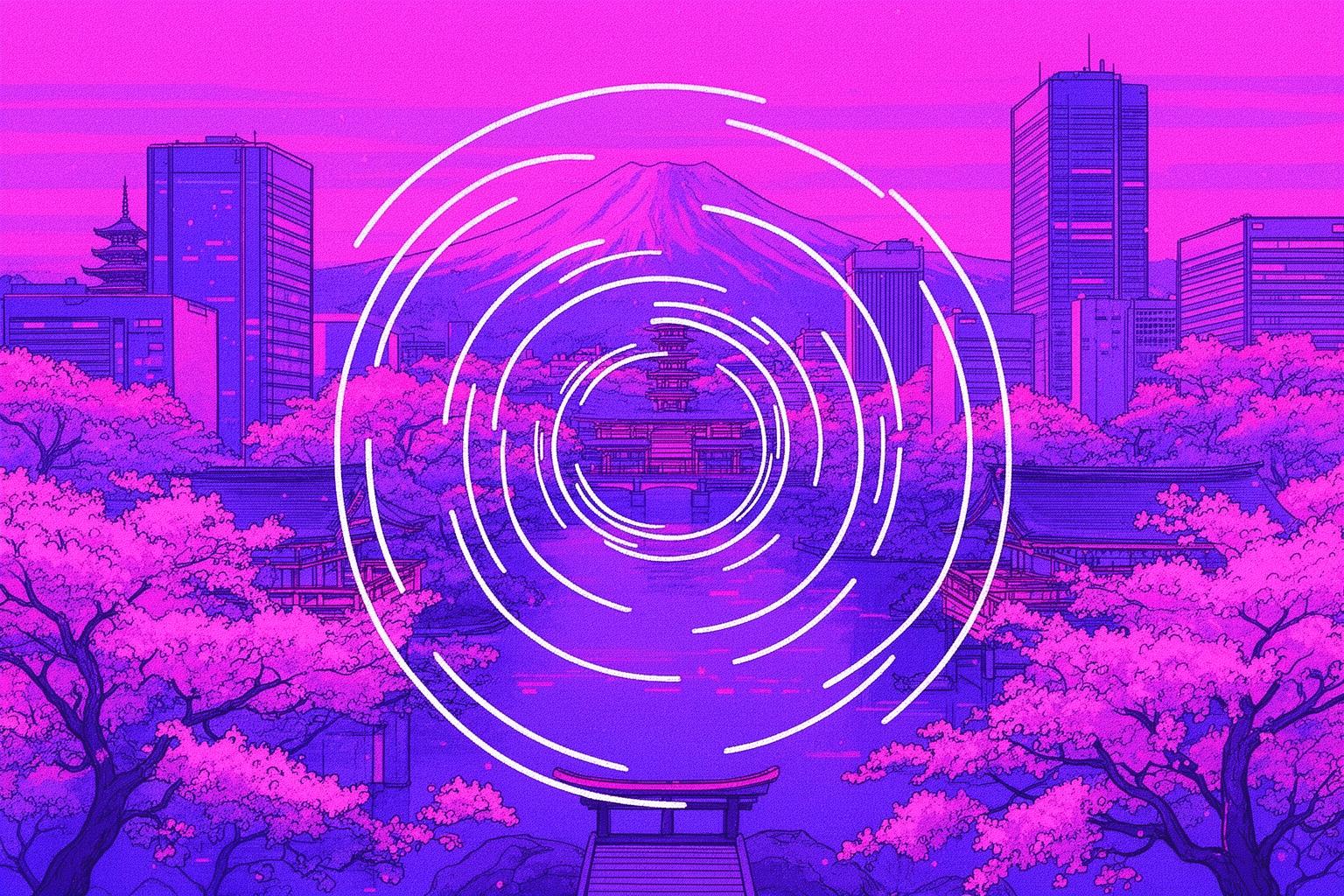
So, what’s the ultimate goal here? We’ve wandered through concrete ruins and sandy deserts, through eerie parks and ancient woodlands. We’ve pursued the shadows of androids and machines across the vividly real landscapes of Japan. This journey was never merely about discovering places that resemble a video game; it was about chasing a feeling—that distinct, poignant ache that Nier: Automata leaves in your chest. The sensation of drifting in a world you don’t fully comprehend, searching for a purpose that may not exist, yet finding it nonetheless in the small connections made along the way.
Japan, in its unique way, understands this feeling. It’s a land where incredible modernity and profound ancient tradition coexist side by side. It’s a culture that has perfected the art of appreciating beauty in impermanence—in the fleeting bloom of a cherry blossom, the golden repair of a broken bowl, the quiet reverence for a thousand-year-old tree. It acknowledges that life can be both beautiful and heartbreakingly sorrowful, and that these two realities are not opposites but two sides of the same coin.
As you travel—standing on a bustling Shibuya street or amidst the silent, moss-covered forests of Yakushima—you carry the weight of the game with you. The questions it raises about consciousness, love, the cycles of violence, and the potential to break them—they feel more immediate and real. You begin to see the world through that YoRHa visor filter. The world transforms into a text to be deciphered, full of hidden meanings and data logs of past lives.
This journey is your own Route A, B, C, and D. Each place, each experience, offers a new lens on the same story. The final truth—the one that leads to Ending E—cannot be found on any map. It’s the one you create yourself from the pieces you’ve collected. It’s the realization that the search for meaning is meaning itself. The androids of Nier: Automata fought and died to become more, to break their programming and choose their own destiny. This journey invites you to do the same: to step beyond your routine, to see the world with fresh eyes, and to discover the profound beauty in our flawed, imperfect, and breathtakingly transient world. The story isn’t finished. A future isn’t given to you—it’s something you must claim for yourself. Now go out there and find it. For the glory of mankind.