Yo, what’s up, world-wanderers! Ryo Kimura here, hitting you up from the electric heart of Tokyo. Picture this: you’re navigating a neon-drenched street in Shinjuku, the city’s pulse thumping through the soles of your sneakers. Everything is hyper-modern, sleek, and moving at a million miles per hour. It’s a total vibe, for sure. But what if I told you there’s a network of secret hideouts, portals to another era, tucked away just behind an unassuming wooden door? Places where time doesn’t just slow down—it straight up stops, kicks its feet up, and orders a cup of coffee. I’m talking about the legendary Showa Retro kissaten, Japan’s old-school coffee houses. These spots are less like your average cafe and more like stepping into a Studio Ghibli film set. They’re cozy, mysterious, and dripping with a nostalgia so thick you can practically taste it. A kissaten is a living, breathing time capsule from the Showa Era (1926-1989), a period that shaped modern Japan. It’s an escape, a quiet rebellion against the relentless pace of today. It’s where you find the city’s soul simmering on low heat, served in a delicate porcelain cup. Forget your minimalist, third-wave coffee joints for a minute. We’re about to dive deep into a world of velvet seats, syphon coffee alchemy, and the gentle crackle of a vinyl record. This is your ultimate guide to finding and vibing with Japan’s most magical retro hideouts. Let’s get it.
For a different, grittier taste of the Showa era, explore the world of Showa-era izakayas.
The Vibe Check: Decoding the Showa Retro Aesthetic
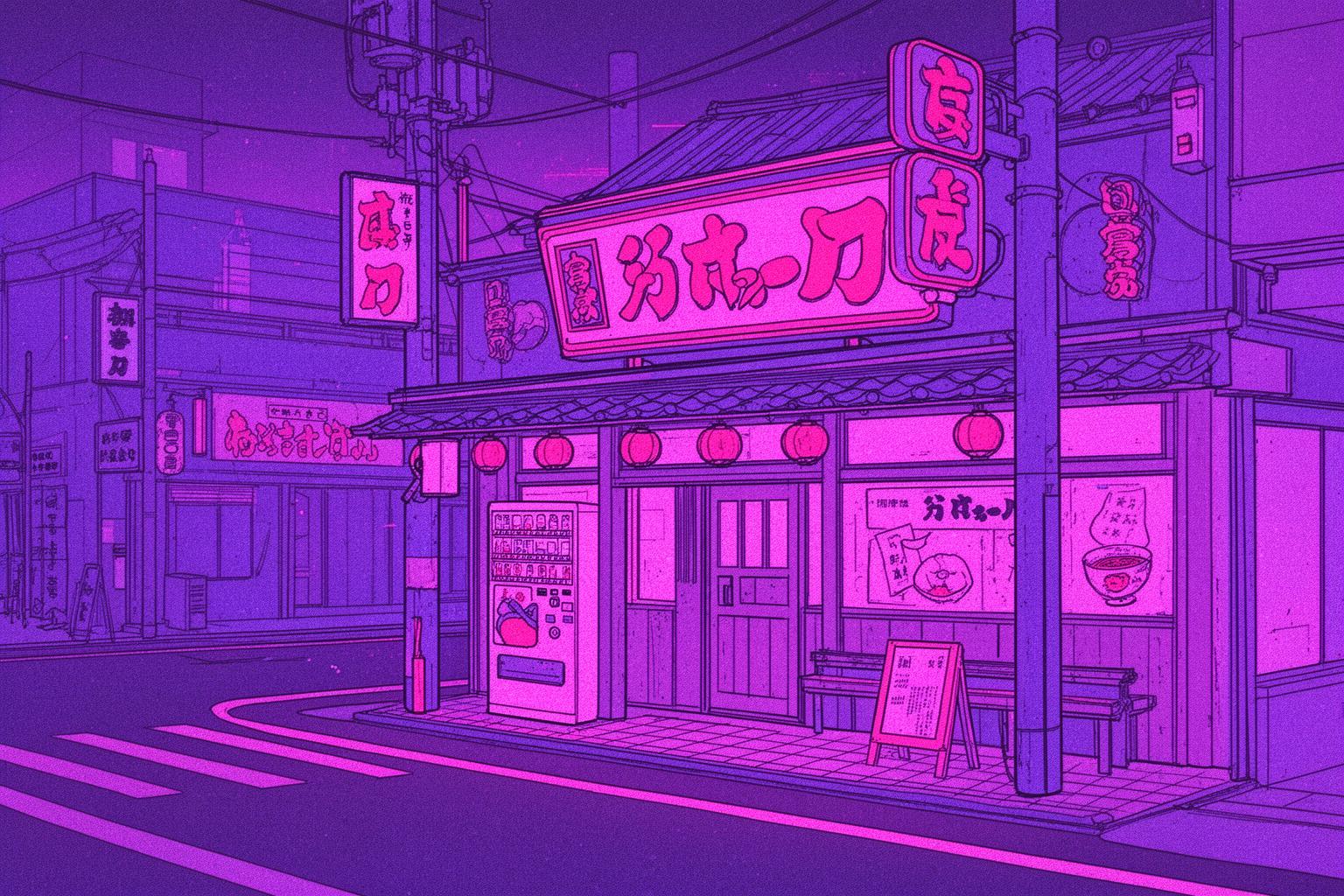
Before you even place your order, the first thing that envelops you in a genuine kissaten is the atmosphere. It’s a fully immersive sensory experience, a carefully preserved realm that feels like an art form in its own right. The ambiance is impeccable, shaped by layers of deliberate details that have developed over decades. Let’s explore the aesthetic so you understand what you’re entering. The moment you push open the heavy, often dark-wood door—accompanied by a small brass bell that softly tinkles to announce your arrival—you step across a threshold. The bright, chaotic city street fades away, replaced by a warm, amber-tinged dimness. Your eyes take a moment to adjust, and as they do, the subtle details begin to emerge from the gentle shadows.
First, there’s the furniture. Forget plastic and particle board. Here, solid, dark-stained wood dominates. The walls are often paneled with it, glowing with the patina of age and absorbing countless conversations into their grain. The chairs and booths are the true stars. They’re almost always upholstered in plush, deep-hued velvet—think burgundy, forest green, or rich mustard yellow. They might show some wear, with a missing button or two on the tufting, but they’re incredibly comfortable, practically inviting you to sink in and linger for hours. The tables are small and intimate, usually topped with thick, slightly scratched dark wood or sometimes a cool marble slab. Each table feels like a private island amid a sea of calm.
Then you glance upward. The lighting is pure enchantment. Harsh overhead fluorescent lights are rarely found here. Instead, the glow comes from ornate, low-hanging lamps. Tiffany-style stained-glass fixtures are common, casting intricate, colorful patterns on the tables below. Sometimes it’s a simple brass lamp with a fringed fabric shade or a bare Edison bulb that enhances the antique feel. This carefully chosen dimness creates a sense of privacy and intimacy, making you feel as if you’re in your own little world, even when the place is busy.
The soundscape of a kissaten is just as vital as its visual charm. There is a hushed reverence to the space. The dominant sound is often the gentle clinking of porcelain cups on saucers and the quiet, rhythmic stirring of spoons. In the background plays music—not the algorithm-driven pop typical of chain cafes but almost always jazz or classical, delivered at a tasteful volume from a vintage sound system. You might spot a full high-fidelity setup in the corner, with a turntable spinning vinyl and impressive speakers dating back to the ’70s. The music isn’t merely background noise; it’s the heartbeat of the place, setting a refined, contemplative mood. Beneath it all, you may catch the soft murmur of other patrons’ conversations, the rustle of newspaper pages turning, and the iconic hiss and bubble of a siphon coffee maker—an auditory promise that something special is brewing.
And the smells—oh, the smells envelop you like a warm blanket. The dominant aroma is, of course, coffee. Not a light, fruity scent, but the deep, rich, slightly bitter fragrance of a dark roast that’s been the house specialty for half a century. This mingles with the faintly sweet scent of polished wood and old books. And yes, to be honest, in the most authentic old-school spots, you might still catch the lingering trace of cigarette smoke from a bygone era, even if smoking is no longer allowed. It’s all part of the layered fragrance of history. It’s a scent that tells the story of countless artists, writers, lovers, and thinkers who have occupied that very booth, dreaming and debating over a cup of coffee. Together, these sights, sounds, and smells evoke a profound feeling of jikan ga tomatta—the sensation that time has stood still. It’s a sanctuary, a true urban refuge where you can disconnect, read, write in a journal, or simply stare into your coffee cup and let your thoughts wander. It’s a whole vibe, and it’s utterly addictive.
More Than Just Coffee: The Kissaten Master and the Art of Service
In the world of kissaten, coffee reigns supreme, but the true essence of the experience is defined by the “Master.” This figure is more than just a barista or cafe owner; the Master serves as the curator, guardian, and very soul of the establishment. Entering their kissaten feels like stepping into their home, where every action is a performance of dedication and quiet pride. The Master is often an elderly gentleman, though sometimes an elegantly refined older woman, who has likely managed the same shop for three, four, or even five decades. Their movements are economical, reflecting years of practice. Each gesture is intentional and graceful, from wiping down the counter to the precise measurement of coffee beans. They often dress impeccably, perhaps in a crisp white shirt, bow tie, and vest, as if they have stepped out of the era their shop embodies.
Don’t expect the bubbly, overly familiar service common elsewhere. The Master’s manner is generally reserved and formal, yet deeply attentive. Small talk is rare unless you are a regular, but they observe everything—knowing when your water glass needs refilling, when you’re ready to order, or when you simply want to be left alone with your thoughts. Their presence is a calm, steady anchor in the room. They are the custodians of the kissaten’s unique atmosphere and command a silent respect. Watching the Master at work is meditative. When using a siphon, the preparation becomes a mesmerizing display of chemistry and craft—a silent ballet of glass, flame, and steam. With a nel drip, the focus is awe-inspiring, as hot water is poured in a slow, steady, thread-like stream over the coffee grounds, a process that can take several minutes per cup.
This dedication extends to their tools: copper kettles gleam brilliantly, porcelain cups are pre-warmed, and siphon globes are immaculate. For the Master, this is more than a job; it’s their life’s work, their ikigai. They are preserving a tradition they hold with great seriousness. This meticulous, unhurried style of service is central to the kissaten experience, encouraging you to slow down and savor the craft. Your coffee doesn’t arrive in two minutes; it comes when it’s ready, and it is always worth the wait.
Beyond the Master lies the community they have fostered. Many kissaten have a devoted group of regulars, or jourenkyaku, who have frequented the place for years. Elderly men reading newspapers, office workers taking quiet breaks, and university students studying in a corner form the clientele. A silent understanding exists between these patrons and the Master—they all partake in the same quiet ritual. For regulars, the kissaten is a vital third space—not home, not work, but a dependable sanctuary. As a visitor, you are a temporary guest within this established community. By being quiet, respectful, and appreciative, you briefly become part of this tradition, sharing in a local ritual that grows rarer and more precious with time.
The Menu: A Culinary Trip Back in Time
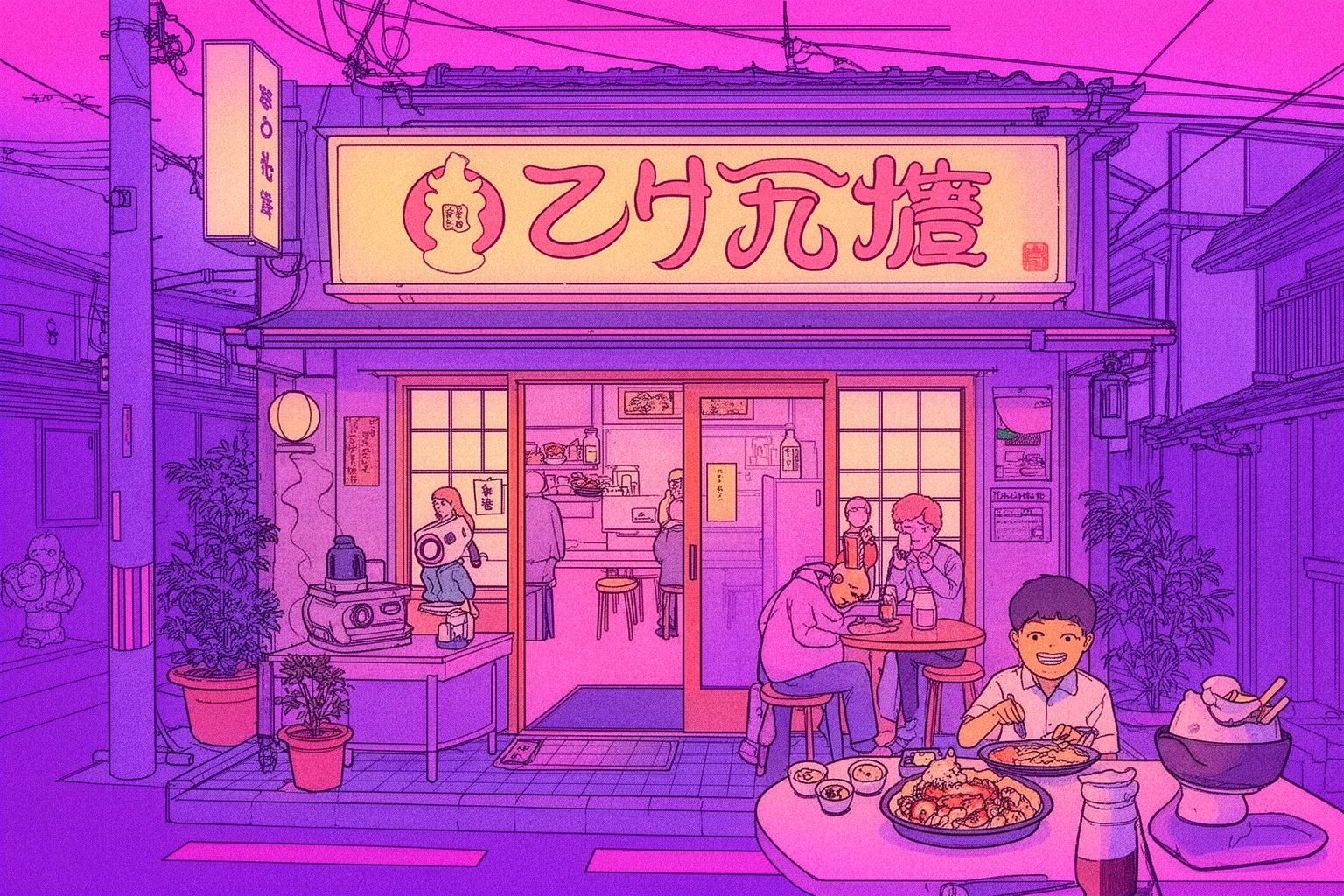
The menu at a kissaten resembles a greatest hits collection of Showa-era comfort foods and drinks. It reflects a period when Western influences were embraced and transformed with a distinctly Japanese flair. The selections are typically simple, classic, and prepared with exceptional care. Forget oat milk lattes and avocado toast; here, we dive into a realm of timeless deliciousness.
The Sacred Brew: Coffee as an Art Form
Coffee, of course, is the star attraction. Kissaten take their coffee seriously, often emphasizing dark roasts and precise brewing techniques that predate modern espresso machines.
Siphon Coffee: The standout offering. When you see the intricate glass apparatus that looks like it belongs in a science lab, it’s a must-try at least once. The process is pure theater: water in a lower glass globe is heated by a flame, pushing it up into an upper chamber containing coffee grounds. After a short steep, the flame is extinguished, and as the lower globe cools, a vacuum pulls the brewed coffee down through a filter. The result is an exceptionally clean, aromatic, and nuanced cup with remarkable smoothness. Watching the Master perform this ritual is half the enjoyment.
Nel Drip (Flannel Drip): The pour-over method for purists. Instead of paper, a cloth (flannel) filter is used. This technique demands great skill and patience. The Master slowly pours hot water over the grounds in a controlled stream. The flannel allows more coffee oils through than paper filters, producing a cup that is rich, full-bodied, syrupy, and very low in acidity. It’s a bold, profound coffee experience.
Blend Coffee: Almost every kissaten offers its own signature “blend coffee” or burēndo kōhī. This house blend is often a recipe the Master has refined for decades. Usually a well-balanced, medium-to-dark roast, ordering it is the best way to experience the unique character of that particular shop. It’s the classic, reliable choice.
Sweets and Sips: Nostalgia in a Glass
Beyond serious coffee, the kissaten menu is brimming with delightful nostalgic treats that please both the eyes and palate.
Cream Soda: The quintessential kissaten dessert icon. Forget any cream soda you’ve had before. In Japan, it’s bright green melon-flavored soda in a tall, elegant glass, topped with a perfect scoop of vanilla ice cream and often a maraschino cherry. The vibrant, almost glowing color and the fizzy soda blending with melting ice cream create pure, unspoiled childhood joy. It’s an Instagram favorite for good reason, but its appeal is timeless.
Coffee Jelly: A more refined yet equally classic dessert. Sweetened coffee is set with gelatin into a firm jelly, then cut into cubes. Typically served in a parfait glass, it’s topped with whipped cream or accompanied by a small pitcher of fresh cream to pour over. The contrast between the slightly bitter, cool jelly and rich, sweet cream is divine. It’s a light, refreshing, and grown-up treat.
Thick-Cut Toast: Japanese shokupan (milk bread) is a marvel — fluffy, soft, and slightly sweet. Kissaten toast, or tōsuto, slices this bread incredibly thick, at least an inch and a half. Variations are simple yet perfect:
- Butter Toast: The simplest form—thick toast, golden brown outside and pillowy soft inside, with butter melting into every crack.
- Ogura Toast: A specialty from Nagoya and a kissaten staple. A thick slice topped with butter and a generous spread of anko, sweet adzuki red bean paste. The blend of salty butter and sweet beans is heavenly.
- Pizza Toast: A nostalgic after-school snack. Thick bread is topped with ketchup or pizza sauce, cheese, green peppers, onions, and sometimes sausage, then toasted until bubbly and melted. It’s comfort food at its finest.
Savory Classics: The Kissaten Meal
Many kissaten also offer a small menu of light meals, or keishoku, just as classic as the sweets.
Spaghetti Napolitan: Perhaps the most famous savory kissaten dish. If you expect authentic Italian pasta, you’ll be surprised. It’s a uniquely Japanese-Western creation: spaghetti stir-fried with ketchup-based sauce, onions, green bell peppers, and slices of sausage or bacon. Sweet, savory, and deeply satisfying, it was invented in post-war Japan as a way to recreate a Western dish with accessible ingredients and has since become a beloved comfort food.
Curry Rice: The Japanese version of curry is another staple. It’s milder, sweeter, and thicker than its Indian or Thai counterparts. Served over white rice, it’s a simple, hearty, warming meal—perfect for a rainy day.
Doria: Another Japanese-Western fusion dish, essentially a rice gratin. Steamed rice, often flavored with saffron or butter, is topped with creamy béchamel sauce, cheese, and sometimes seafood or chicken, then baked until golden and bubbling. Rich, cheesy, and the ultimate comfort food on a cold day.
The Soul of Showa: A Quick History Sesh
To truly capture the kissaten vibe, you need to understand its origins. These cafes aren’t retro just for style; they are genuine remnants of the Showa Era (1926-1989), one of the most transformative times in Japanese history. During this period, Japan experienced militarism, the devastation of World War II, a remarkable post-war recovery, and an economic boom that brought the country to global prominence. Kissaten culture developed alongside these significant changes, acting as both a cultural barometer and a refuge for those living through them.
The earliest kissaten appeared in the late Meiji and Taisho periods, but they really thrived in the post-war Showa era. At a time when owning personal record players and pricey imported vinyl was a rare luxury, kissaten became cultural hubs. They were among the few places where ordinary people could enjoy the latest Western music, which led to the rise of specialized kissaten focused on the listening experience.
Meikyoku Kissa (Classical Music Cafe): These were serious establishments where patrons would order a single cup of coffee and quietly listen for hours to classical music played on high-quality sound systems. The Master acted as a DJ, taking requests and curating a concert-like atmosphere. Talking was often banned to preserve the purity of the listening experience. These spaces were sanctuaries for audiophiles and classical music enthusiasts.
Jazz Kissa (Jazz Music Cafe): Similar to meikyoku kissa but tailored for jazz lovers. Jazz kissa were typically dark, moody, and infused with the rebellious, improvisational spirit of jazz. They became key centers for Japan’s growing jazz scene, places where musicians, critics, and fans gathered to listen to rare American records and share ideas. Many of Japan’s most renowned writers and artists, including Haruki Murakami, were profoundly influenced by jazz kissa culture.
Beyond music, kissaten played vital social roles. They acted as extensions of the living room for those in small apartments, served as study spots for students, creative spaces for writers and artists, and escapes for sararīman (office workers) seeking a break or a secret meeting. They were neutral, democratic venues where, for the price of a coffee, anyone could join the table of Japanese intellectual and cultural life.
Then came the 1980s Bubble Economy, followed by the 1990s influx of global coffee chains. With their fast service, bright interiors, and disposable cups, these modern cafes offered a completely different experience. Gradually, the slow, deliberate kissaten began to feel outdated, causing many to close. For a time, kissaten seemed like a dying breed—relics bound for history.
Yet in recent years, something remarkable has occurred. A new generation of Japanese youth and curious travelers worldwide have rediscovered the allure of kissaten. In an age dominated by digital distractions and nonstop connectivity, the quiet, analog, and authentic atmosphere of a Showa-era coffeehouse feels more meaningful and necessary than ever. Appreciation for their craftsmanship, history, and the simple joy of quietly savoring an excellent cup of coffee has grown. This revival is helping preserve the remaining kissaten, safeguarding these priceless cultural landmarks for the future. Visiting one means more than just grabbing a snack; it’s supporting a living piece of history.
How to Find Your Ghibli Hideout: A Field Guide
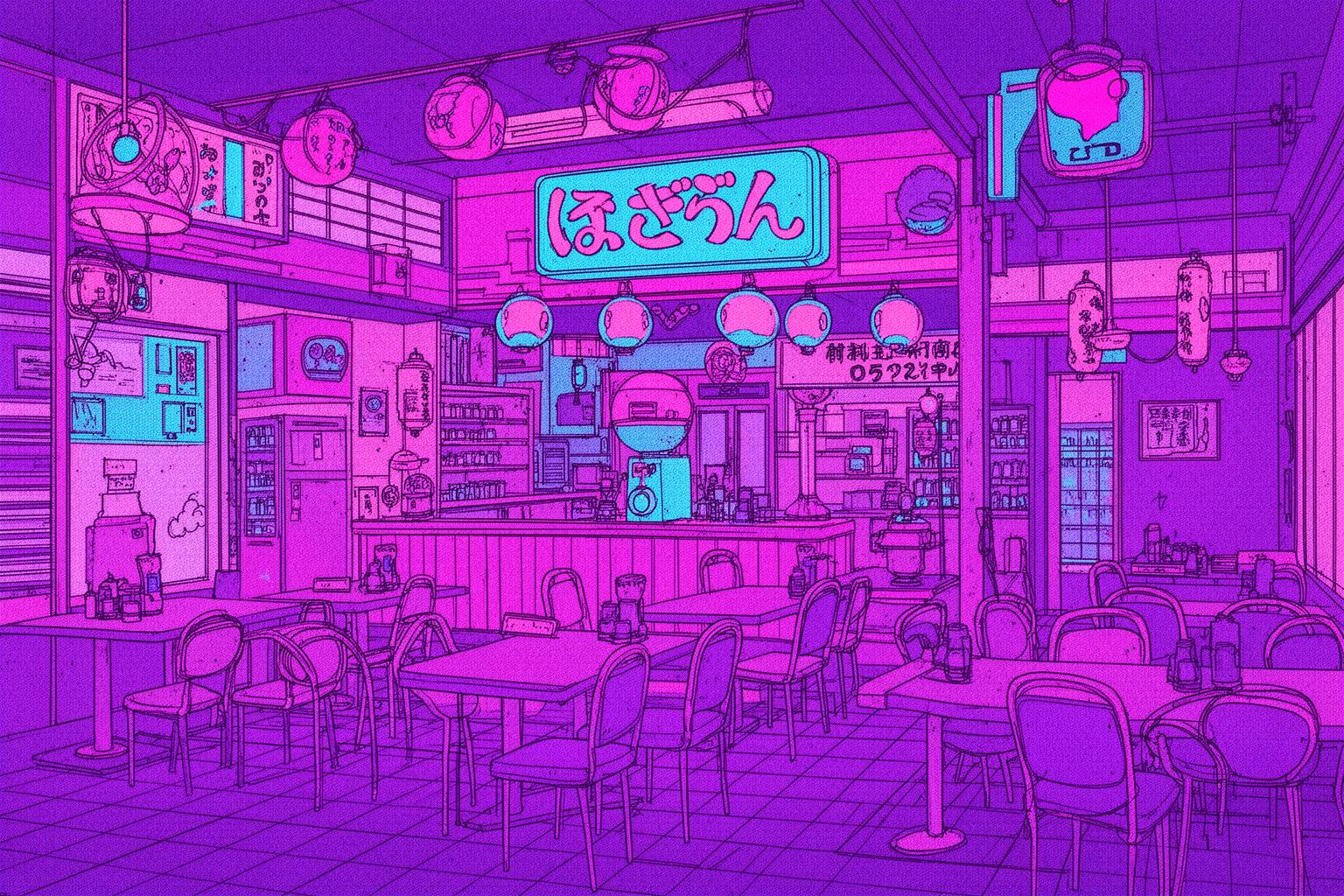
Alright, so you’re hooked on the vibe. But how do you actually uncover these hidden gems? They rarely have flashy signs or big marketing campaigns. Finding a great kissaten is an adventure in itself—a treasure hunt through the backstreets of Japan’s cities. Here’s your game plan for discovering your own perfect retro hideout.
Know the Neighborhoods
Certain areas are hotspots of old-school charm. Focusing on these neighborhoods will significantly boost your chances of stumbling upon an authentic kissaten.
Jimbocho, Tokyo: This is the undisputed champion. Known as Tokyo’s book town, its streets are lined with numerous shops selling both new and used books. This intellectual, literary vibe creates the perfect setting for kissaten. People have been coming here for decades to find a cozy corner to read their latest purchases. A stroll through Jimbocho’s main and side streets will reveal some of the country’s most famous and well-preserved kissaten, many operating since the 1950s. These cafes are deeply tied to the area’s literary history.
Koenji, Tokyo: If Jimbocho caters to the literary crowd, Koenji is where the cool kids hang out. This neighborhood is renowned for its vintage clothing stores, record shops, and live music venues. Its counter-culture spirit has helped preserve many Showa-era businesses, including a high concentration of incredible kissaten. The vibe is more laid-back and artsy here. You might find a punk rocker sipping a cream soda just as easily as an elderly man reading the paper.
Yanaka, Nezu, and Sendagi (Yanesen), Tokyo: This part of Tokyo was fortunate to avoid much of WWII bombing and subsequent redevelopment, preserving a delightful old-town atmosphere. Walking through Yanaka Ginza shopping street and the nearby quiet residential lanes feels like stepping back in time. Tucked away here are smaller, family-run kissaten that seem like an extension of the neighborhood’s living room. They feel deeply local and tremendously charming.
Kyoto and Osaka: Don’t think kissaten culture is only a Tokyo phenomenon. In the Kansai region, the culture is just as rich. Kyoto’s kissaten often showcase a unique elegance, sometimes blending traditional Japanese design elements with the typical Showa-retro aesthetic. Osaka’s kissaten can feel a bit louder and more down-to-earth, reflecting the city’s vibrant personality. Exploring the old shopping arcades (shotengai) in these cities is a fantastic way to discover local treasures.
What to Look For
Once you’re in the right neighborhood, you need to sharpen your senses to spot a potential kissaten. Here are some tell-tale signs:
- The Signage: Watch for old-fashioned signs, often displaying the elegant kanji for coffee: 珈琲 (kōhī). If you see this, it’s a strong indication you’re at a serious, traditional coffee shop. The font may look a bit vintage, perhaps a stylish, swooping script from the 1970s. The sign itself might be a beautifully weathered wooden plank or a retro neon sign that still flickers on at dusk.
- The Food Models: A classic feature of many Showa-era eateries is a display case outside showcasing incredibly realistic wax or plastic food models (shokuhin sanpuru). Spotting a perfect Spaghetti Napolitan or a vibrant Cream Soda replica in the window means you’ve hit the jackpot. This is a traditional, old-school marketing technique that screams authenticity.
- The Entrance: The entrance tends to be understated. It might be a plain wooden door, a staircase descending into a basement, or a doorway draped with a noren (traditional Japanese fabric curtain). It may seem a bit mysterious or private, but don’t hesitate. A peek through a small window often reveals dark wood, dim lighting, and velvet seats inside.
Embrace the Wander: The best way to find a kissaten is simply to get a little lost. Choose a promising neighborhood, put your phone away, and just wander. Duck into narrow alleys, peek around unseen corners. The most magical spots are often the ones you stumble upon by chance—those that feel like your own secret hideaway. That’s the true spirit of the kissaten hunt.
Kissaten Etiquette 101: Don’t Mess Up the Vibe
Alright, you’ve found a spot that seems just right. You push open the door and step inside. Now what? The atmosphere in a kissaten is delicate and precious, so it’s important to be a considerate guest and help maintain it. Following a few simple etiquette rules will ensure you have a great experience while showing respect for the Master, the regulars, and the space itself. This is arguably the most important part.
The One-Order-Per-Person Rule
This is the fundamental rule of kissaten. It’s expected that everyone in your group orders at least one item from the menu. You can’t have one person order a coffee while others simply sit and drink water. You’re not just paying for food or drink; you’re paying for the time and the seat you occupy. These are often small businesses with limited seating, making this rule crucial for their survival. It’s a small price to pay for the privilege of enjoying the atmosphere for an hour or two.
Keep it Chill
The primary responsibility of a kissaten patron is to preserve the peace. These places are sanctuaries of quiet. Speak softly, set your phone to silent, and avoid taking calls at your table. If you’re with friends, keep your conversation at a respectful, low volume. Avoid loud laughter or animated discussions. Observe the mood of the room and match its energy. Many people come here to read, work, or simply enjoy some quiet time. Don’t be the one to break the calm. The quiet is central to the experience.
Photography: Ask Before You Snap
Kissaten are very photogenic, making it tempting to capture every detail. However, mindfulness is key. If you want to take photos of the interior, politely ask the Master for permission first. A simple “Shashin o totte mo ii desu ka?” (May I take a picture?) goes a long way. They will almost always say yes, but they appreciate being asked. When photographing, be quick and discreet, and never use a flash. The most important rule is to never photograph other customers. Respect their privacy—they are not part of the decor, but people enjoying a quiet moment.
The Laptop Situation
This can be tricky. In today’s world of remote work, it’s natural to think of a café as a workplace. However, many traditional kissaten discourage or ban laptops outright. The sound of typing can disrupt the quiet atmosphere, and these spaces are meant for relaxation and conversation, not work. Some places post their policy on a sign. If there’s no sign, observe the environment; if no one else is using a laptop, it’s best not to either. When unsure, opt for a book or a journal instead.
The Smoking Policy
A heads-up for those sensitive to smoke: although Japan has tightened smoking laws recently, some older kissaten still allow smoking or have separate smoking areas. Even fully non-smoking (kinen) establishments may retain a faint smell of past smoke in their upholstery and curtains. If this matters to you, look for a 禁煙 (kinen) sign at the door indicating no smoking. A 喫煙 (kitsuen) sign means smoking is permitted.
Savor the Slowness
Lastly, and most importantly, embrace the unhurried pace. Service is never rushed. Your coffee is crafted with meticulous care and will arrive when it’s just right. Don’t try to catch the Master’s attention impatiently. Don’t expect to be in and out within fifteen minutes. Visiting a kissaten is meant to be savored. Lean back in your velvet chair, listen to the music, watch the world outside the window. You’re not just passing time—you’re inhabiting it. Patience isn’t simply a virtue here; it’s the whole point. Relax and let the magic of the place wash over you. Your reward will be a lasting sense of peace, lingering long after you finish your last sip of coffee.
The Final Sip: Why Kissaten Culture is Pure Magic
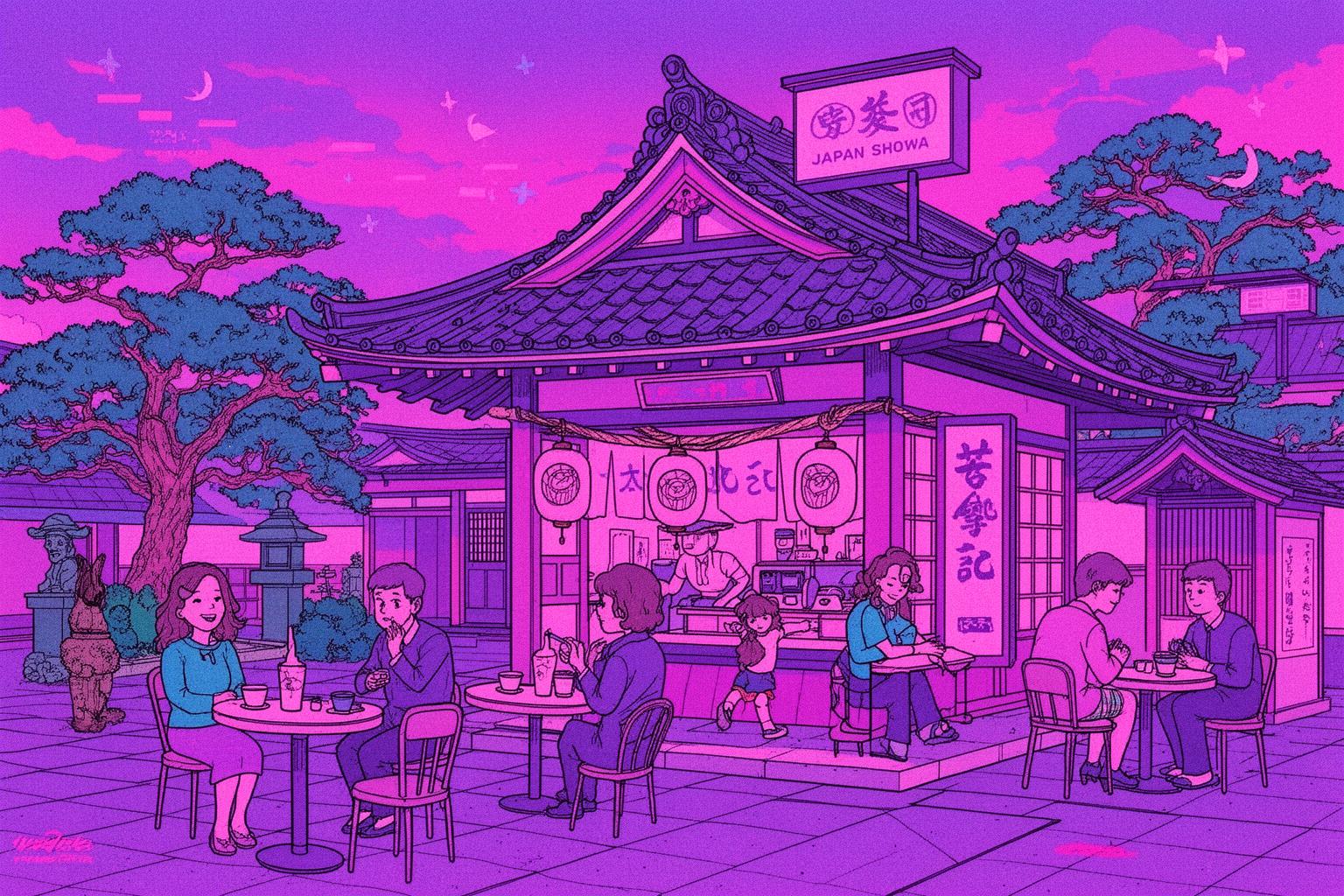
In a nation often celebrated for its cutting-edge technology and ceaseless innovation, the unpretentious kissaten stands as a striking and beautiful contradiction. It quietly resists the hurried pace of modern life. It’s a place that cherishes slowness over speed, analog over digital, and timeless comfort over fleeting fads. These are more than just coffee shops. They serve as living museums, time machines, and intimate stages for everyday Japanese life. They offer a glimpse into the soul of a past era, yet their charm feels more relevant now than ever before.
In today’s hyper-connected world, the experience a kissaten provides—a genuine digital detox, a moment of mindful stillness, a sanctuary for quiet reflection—is a rare and valuable gift. It’s an opportunity to step away from the clamor and reconnect with yourself, a good book, or a quiet companion. It reminds us that often the deepest experiences are the simplest: the warmth of a coffee cup in your hands, the rich scent of a carefully brewed blend, the soft glow of a stained-glass lamp, and the gentle hum of a vinyl record spinning nearby.
So, on your next visit to Japan, I challenge you to look beyond the bright lights and bustling crowds. I challenge you to seek out that modest wooden door, to open it, and step into another era. Find a neighborhood that feels right, let your curiosity lead you, and uncover your own hidden Ghibli sanctuary. Whether it’s a moody basement jazz kissa or a cheerful neighborhood spot run by a kind elderly couple, the experience will surely become a highlight of your trip. It’s a taste of a Japan that isn’t always apparent at first glance, revealing a deeper, quieter, and more soulful side of this incredible country. Go find your magic. Peace out.