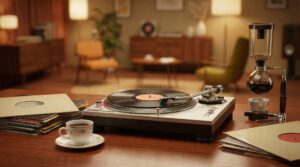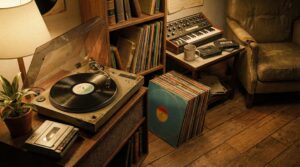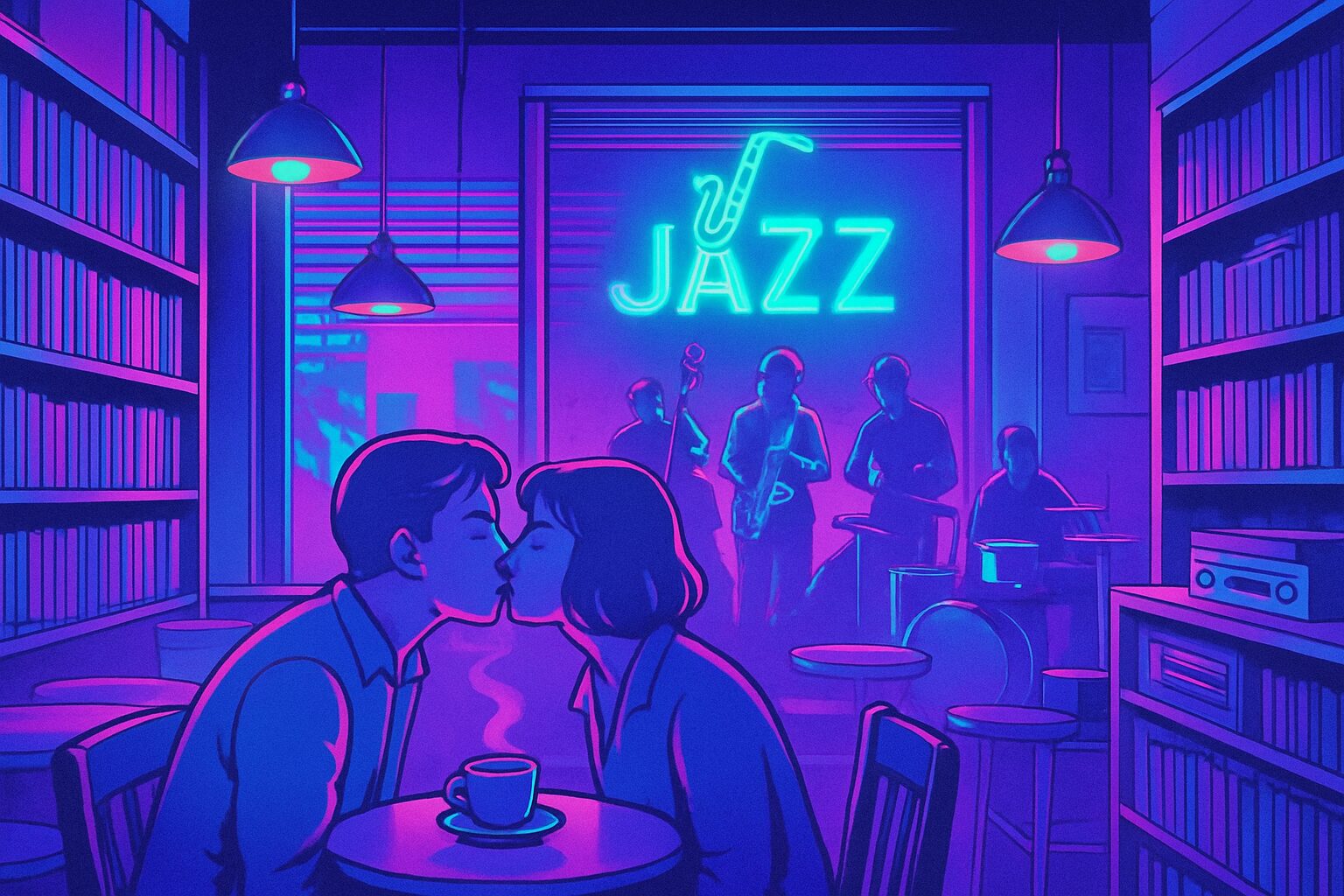
What’s up, fellow travelers and culture heads? Megumi Hara here, your go-to Tokyo event planner, ready to spill the tea on one of Japan’s most legit, low-key cultural experiences. Forget the neon-drenched chaos of Shibuya Crossing for a sec. I want you to picture this: you find a non-descript door in a quiet back alley, maybe in Shinjuku or Kichijoji. You push it open and step not just into a room, but into a different decade. The air is thick with the smell of dark roast coffee, old wood, and maybe a hint of whiskey. The light is dim, casting long shadows from towering speakers that look like monolithic shrines. And the sound… oh, the sound. It’s the warm, analog crackle of a vinyl record, the sound of a trumpet so clear and present it feels like the musician is breathing in the same room. This, my friends, is the world of the jazz kissaten, Japan’s iconic jazz cafes. These aren’t just places to grab a coffee; they are sacred temples dedicated to the art of listening. In a world of fleeting digital streams and disposable earbuds, the jazz kissaten is a defiant monument to deep, immersive, and communal appreciation of music. It’s a whole entire mood, a sanctuary where the vinyl record isn’t just part of the decor—it’s the main event, the sermon, the whole reason for being. This is where you come to disconnect from the world and reconnect with the soul of the music. It’s a truly unique slice of Japanese culture, a vibe that’s been carefully curated and preserved for decades, waiting for those who know to seek it out. If you’re ready to explore a side of Japan that’s less about the ‘gram and more about the groove, stick with me. We’re about to drop the needle on a seriously cool journey.
If you’re captivated by this dedication to analog sound, you might also enjoy a journey into the sonic archaeology of Tokyo.
The Soul of the Kissaten: A Cultural Time Capsule

To truly experience the jazz kissaten, you need to know its backstory. This isn’t just a new retro trend; it’s a genuine cultural institution with deep roots. Picture post-war Japan in the 1950s and 60s, a nation rebuilding itself, with a generation eager for new culture—something modern and free. Jazz, brought in through American radio and GIs, perfectly embodied that spirit. It represented rebellion, sophistication, and a world beyond the familiar. But here’s the catch: vinyl records and the high-fidelity equipment needed to play them properly were prohibitively expensive—luxury items most people could only dream of owning. The jazz kissaten provided the solution. It was a democratic space where, for the price of one cup of coffee, anyone could listen to the latest albums by John Coltrane, Miles Davis, or Bill Evans, played on a sound system that would make any modern audiophile shed tears of joy. In essence, it was the original music streaming service—just with far better sound quality and a much cooler vibe.
At the core of every kissaten is the “Master.” This figure isn’t merely a manager or barista. The Master is the curator, the high priest of the establishment. Nearly always a deeply passionate, almost obsessive audiophile and jazz scholar, the entire cafe reflects their personal taste. From the decor to the choice of speakers, the coffee brewing method, and most importantly, the records played—it’s all meticulously curated by the Master. They are often stoic and quiet, presiding over the space from behind the counter, moving deliberately as they select a record from towering shelves, carefully clean it, and place the needle on the groove. The Master’s role is to create an atmosphere, to guide patrons through a sonic journey over the course of an evening. Their approval is sought, their knowledge respected, and their presence defines the character of the bar. Watching a Master work is witnessing a ritual born of pure, unfiltered love for music.
This dedication to the listening experience gives rise to the unspoken rules of the kissaten. If you enter expecting a noisy cafe to chat with friends, you’ll be surprised. The primary rule in most serious spots is to keep conversations minimal or remain completely silent while a record plays. This isn’t meant to be rude; it’s a collective sign of respect. Everyone is there for the same purpose: to listen. Loud chatter would be like talking during a movie or concert—it breaks the immersive bubble the Master has painstakingly created. You’ll often see regulars sitting alone, perhaps with a book or eyes closed, completely absorbed in the music. It’s a shared, meditative experience. Another key element is the hi-fi obsession. The sound system is not mere background noise; it’s the main altar. Massive vintage horn speakers from brands like JBL, Altec Lansing, or Tannoy often fill the space, powered by glowing, esoteric tube amplifiers that deliver sound so warm, rich, and detailed it feels almost tangible. The volume is usually much louder than you’d expect from a cafe—not to overwhelm, but to immerse, recreating the feeling of a live performance with every subtle nuance intact. You hear the rasp of the saxophone reed, the gentle swish of the drummer’s brushes, the full depth of the upright bass. This is the experience your 700-yen coffee pays for: a front-row seat to an audiophile’s paradise.
Temples of Sound: Iconic Jazz Kissaten to Visit
Ready to dive in? While countless hidden gems are scattered across Japan, a few legendary spots stand as perfect gateways into the world of jazz kissaten. Each boasts its own unique character, a direct reflection of its Master and history. Visiting them isn’t just about hearing music; it’s a pilgrimage to a living museum of sound.
Chigusa: The Origin in Yokohama
To grasp the history of the jazz kissaten, you must begin at the source: Chigusa. Situated in Yokohama’s Noge district, a port city long open to international culture, Chigusa is widely acknowledged as Japan’s oldest continuously operating jazz cafe, having opened its doors in 1933. More than a cafe, it’s sacred ground. Its founder, Mamoru Yoshida, was a legend who created a refuge for jazz lovers for over six decades. The moment you descend the steep stairs into its basement sanctuary, the walls adorned with aging photographs, signed records, and memorabilia narrate Japan’s enduring romance with jazz. After Yoshida passed away, the original location closed, but a devoted circle of regulars revived it, painstakingly transporting the original sound system, record collection, and interior elements to a nearby new space. Today, Chigusa preserves that original spirit with a vintage sound system, a deeply reverent atmosphere, and a record collection considered a national treasure. Strict rules require quiet, making it a place to sit, listen, and pay homage to the history. Ordering a coffee and immersing yourself in the past is an unparalleled experience. Though it’s a bit of a journey from central Tokyo, the pilgrimage to Yokohama is essential for any serious music lover.
Eagle: The Sonic Cathedral in Shinjuku
In the heart of Tokyo near Shinjuku Station lies Eagle, tucked away in a basement. If Chigusa is the historical museum, Eagle is the grand cathedral of sound. This venue is utterly serious about audio. Since opening in 1967, its two-level layout dedicates the ground floor to conversation while the basement offers a “listening room” focused on pure listening. The first thing you’ll notice are the colossal custom-built speakers flanking a DJ booth where the Master, often founder Masahiro Goto, presides. The sound is powerful, precise, and overwhelmingly immersive in the best sense. A “sweet spot” chair sits at the perfect triangulation point, where stereo imaging is flawless enough to close your eyes and locate every musician. Securing that chair is an audiophile’s dream. The decor is classic kissaten style: dark wood, dim lighting, and well-worn leather chairs. The clientele blends longtime regulars with younger listeners captivated by deep listening. The menu offers an extensive whiskey selection, and the vibe is sophisticated and intense. Eagle is not for casual background music but a destination for a transformative sonic experience—you don’t just hear the music; you feel it deep in your bones.
Dug: The Literary Landmark in Shinjuku
A short distance from Eagle is another Shinjuku legend with a different claim to fame. Jazz Spot Dug is internationally known as a favorite of author Haruki Murakami, who immortalized it in his novel “Norwegian Wood.” This literary connection has made Dug a pilgrimage site for his fans worldwide. But Dug’s legacy runs deeper. Founded in 1961 by renowned jazz photographer Hozumi Kono, its walls serve as a gallery of his iconic black-and-white portraits of jazz greats like Art Blakey and Thelonious Monk, many of whom visited the cafe. Entering this basement spot feels like stepping into a smoky, monochrome photograph from the 60s. Its atmosphere is more bohemian and relaxed compared to Eagle’s intense devotion. Listening remains central, but gentle conversation is common. The intimate space features moody lighting and a strong sense of history. You can easily imagine Murakami sitting at the bar, nursing a drink while absorbing the ambiance that would seep into his writing. Dug is ideal for those drawn to jazz’s romantic, literary side—a place to connect with creative heritage, sip whiskey, and imagine the stories etched into the walls.
Jazz Olympus!: The Thunder God in Kanda
For the truly adventurous audiophile who sees “loud” as just a starting point, there is Jazz Olympus! near Ochanomizu and Kanda. Simply put, this place is an absolute beast. The Master’s philosophy insists jazz be experienced at a volume that captures the raw power of a live show. Centered on massive JBL speakers, the sound system delivers incredible volume and intensity. You can physically feel the kick drum in your chest and the vibrations in your seat. It’s never distorted or painful—just overwhelmingly powerful. This isn’t a spot for quiet reflection but for sonic surrender. The experience can be physically demanding and isn’t for everyone, yet it is undeniably unique. The Master is a passionate character dedicated to his high-volume listening style, with a vast, eclectic record collection that often ventures into avant-garde and free jazz. Visiting Jazz Olympus! feels less like a cafe visit and more like strapping yourself into a sonic roller coaster. It’s an unforgettable encounter that redefines what a sound system can achieve. For true audio thrill-seekers, this is Mecca. You’ll leave ears ringing and gain a new appreciation for the sheer physical force of recorded music. It’s a wild ride and a testament to the remarkable diversity within the world of jazz kissaten.
How to Vibe Like a Local: A First-Timer’s Guide
Visiting a jazz kissaten for the first time can feel somewhat daunting. These spots are often tucked away, the regular patrons all seem familiar with one another, and the rules are unspoken. But don’t let that discourage you. The experience is truly rewarding. Here’s a brief guide to help you navigate your first visit and vibe like a seasoned regular.
First, how do you find these places? Many traditional kissaten lack flashy signage or street-level entrances. You need to look up or down. Watch for small, discreet signs on the second or third floors of buildings, or a simple placard at the top of stairs leading to a basement. The signs might just feature the café’s name, perhaps accompanied by a musical note or the logo of a renowned speaker brand like JBL. This subtlety is part of the charm; these are spaces meant to be discovered, not stumbled upon. Once you spot one, take a deep breath and go for it. Opening that heavy door is the start of your adventure.
Inside, etiquette is crucial. The most important rule is to keep your voice volume in check. Take cues from the room. If it’s completely silent and everyone is deeply absorbed in the music, that’s your signal to remain quiet. Find a seat, and the Master will typically bring you a menu. It’s customary to order at least one drink per person. You’re not just paying for coffee or whiskey; you’re paying for a seat and access to an extraordinary audio experience. Think of it as a cover charge you can drink. The menu is usually straightforward—coffee, tea, juices, and a selection of beer and spirits. Don’t expect fancy latte art; the coffee is typically dark, strong, and no-nonsense, perfect for slow sipping.
What about song requests? That’s a subtle art. Unlike a jukebox bar, you can’t just shout out a request. In some more relaxed kissaten, it might be allowed, but always be respectful. The best approach is to wait for a quiet moment, perhaps when the Master is changing a record, and politely ask if they have a particular artist or album. It’s better to have a specific album in mind, not just a single song. This shows you’re serious. Be prepared for a courteous refusal—the Master is the DJ, crafting a particular mood. Your request might not fit the flow. The highest respect is to trust the Master’s selection and enjoy the journey. One final note on photography: many places, especially the more traditional ones, prohibit photography or at least flash. It’s distracting and breaks the immersive atmosphere. Always ask before taking out your camera or phone. The goal is to blend in and honor the sanctity of the space.
The Record Spins On
In a city as fast-paced and hyper-modern as Tokyo, the jazz kissaten feels like a beautiful anachronism. It stands as a quiet rebellion against the noise and the rush. It’s a space that encourages you to slow down, be present, and simply listen. More than just a cafe with good taste in music, it is a library of precious sounds, a gallery showcasing the art of audio reproduction, and a clubhouse for a community united by a deep, abiding love for music. For travelers, it offers a profound and authentic glimpse into a subculture that has been an essential part of Japan’s creative landscape for most of a century.
So on your next trip to Japan, I challenge you to seek one out. Find that hidden door, descend those stairs, and let the outside world fade away. Let the warm glow of the tube amps and the rich, immersive sound of a perfectly played vinyl record surround you. You might not grasp every nuance of the culture at first, but you’ll understand the feeling. It’s a feeling of peace, reverence, and a deep connection to the artists who poured their souls into those recordings decades ago. Whether you’re a devoted jazz fan, a curious audiophile, or simply someone looking for a quiet moment of reflection, the jazz kissaten awaits. It’s a uniquely Japanese experience that proves sometimes the most powerful moments are the quietest ones. It’s a vibe that will stay with you long after the final record has stopped spinning.