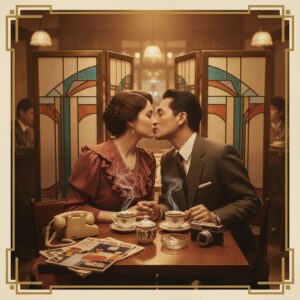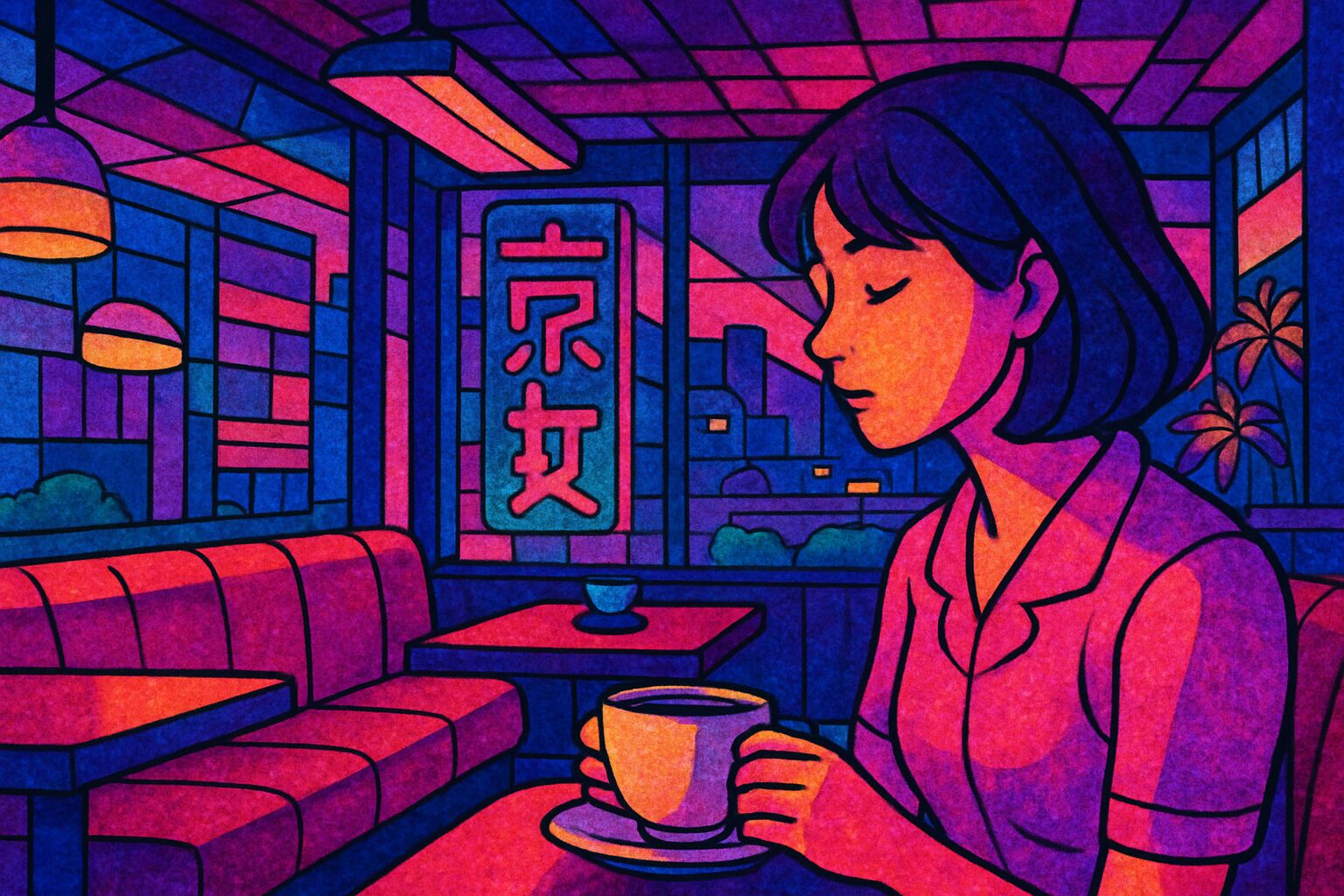
Hey everyone, Sofia here! So, picture this: you’re navigating the neon-drenched, super-futuristic streets of Tokyo, and then you push open a heavy, ornate wooden door and step straight into another era. The air changes. It’s thick with the scent of dark-roast coffee, a faint whisper of tobacco from decades past, and the quiet, elegant hush of a place that’s seen it all. Your eyes adjust to the dim, moody lighting, and what you see is pure magic. Light filters through intricate stained glass windows, painting rainbow mosaics on the walls. You sink into a plush, velvet armchair that feels like a hug, and you realize you’ve found it—a kissaten. These are not just coffee shops, fam. They are living, breathing time capsules from Japan’s Showa Era (1926-1989), and let me tell you, they are an absolute VIBE. Forget minimalist cafes for a sec; we’re diving headfirst into the world of retro-glam, where every corner is a photo op and every sip of coffee feels like a scene from an old movie. These places are the heartbeats of old Tokyo, sanctuaries of analogue cool in a digital world. They’re where you go to slow down, to feel the texture of history, and to get that perfect, moody shot for your feed that screams sophistication. Ready to time-travel with me? Let’s go explore some of the most stunning Showa kissaten, complete with the dreamiest stained glass and the most luxurious velvet chairs you’ve ever seen. It’s gonna be epic.
What’s the Deal with Showa Retro? A Vibe Check

Before we explore the specific locations, let’s first discuss why these places feel so special. What exactly is “Showa Retro”? The Showa period was a lengthy and transformative era in Japan’s history. It began before World War II, weathered the turmoil of the conflict, and then surged into an extraordinary economic boom. It was a time marked by optimism, change, and a significant influx of Western culture. You can think of it as Japan’s mid-century modern era, but with its own distinct and remarkable character. Kissaten were at the heart of this cultural movement. They weren’t merely spots to grab a quick coffee; they served as third spaces—vital hubs for connection and creativity long before the term “co-working space” was ever coined.
Artists, writers, students, and salarymen alike gathered in these cafés. They were extensions of the living room, venues for secret meetings, first dates, philosophical debates, or simply a refuge from the fast pace of growing cities. The owners, often known as “Masters,” were deeply devoted to their craft, especially to coffee. Many introduced siphon coffee makers, which resemble scientific equipment and produce an incredibly smooth brew. This commitment to quality and ambiance was what distinguished them. The interior design played a major role in the experience, focusing on creating a lush, escapist atmosphere. Dark wood paneling, ornate chandeliers, classical music softly playing on vintage sound systems, and naturally, our two favorites: stained glass and velvet chairs. The stained glass wasn’t just decorative; it helped create a separate world, shielding the interior from the mundane outside and bathing the space in a soft, colored, almost sacred light. The velvet chairs offered pure, unapologetic comfort and luxury, inviting you to sit, relax, and lose track of time. Visiting a kissaten today feels like stepping onto a film set. It embodies an aesthetic, a sense of natsukashii—a tender, nostalgic longing for a past you might not even have lived through yourself. It’s this powerful blend of history, artistry, and cozy comfort that makes Showa Retro so irresistibly enchanting for us today.
Galant in Ueno: A Cinematic Masterpiece
The first stop on our retro tour is a place that feels as if it were directly lifted from a 1970s movie. Welcome to Galant in Ueno. Walking into this spot is a fully immersive experience. It’s situated on the second floor, and as you climb the stairs, you begin to sense the change. The moment you step inside, your jaw will drop. The space is spacious, which is quite rare for many traditional spots in Tokyo, and it’s drenched in the most stunning golden light. Why? Because of a massive, floor-to-ceiling stained glass window that covers an entire wall. It’s an abstract masterpiece made of amber, gold, and deep brown glass that bathes the whole room in a warm glow. If possible, visit in the late afternoon, when the sun hits it perfectly. The entire space bursts into a warm, nostalgic glow that no filter could ever truly capture.
The Vibe and Decor
The atmosphere at Galant is lively but relaxed in an old-fashioned way. You’ll hear the soft clinking of porcelain cups, murmurs of conversation, and the rustling of newspapers. It’s a beloved spot for locals, so expect to see older gentlemen savoring their afternoon coffee and cake sets, groups of friends catching up, and the occasional tourist like ourselves simply soaking it all in. The decor represents peak Showa glamour: dark chocolate velvet chairs, sleek black laminate tables trimmed in gold, and spherical light fixtures hanging from the ceiling like tiny planets. The layout is tiered, with multiple levels that enhance the dynamic, cinematic feel of the space. It feels grand and significant, yet incredibly inviting. The staff wear sharp, professional uniforms, reinforcing the sense that this is a place that truly values hospitality.
What’s on the Menu?
While the decor is a major draw, the food and drinks deliver classic kissaten perfection. Their coffee is a rich, dark roast with that unmistakable kissaten flavor—you really can’t go wrong. But for the full experience, try one of their colorful drinks. The Chocolate Parfait is a masterpiece: a towering glass filled with ice cream, chocolate sauce, whipped cream, and fruit, topped with a maraschino cherry. It’s pure unfiltered delight. Another must-have is the timeless Cream Soda—a bright green melon soda topped with a perfect scoop of vanilla ice cream. It’s sweet, fizzy, and incredibly photogenic. If you’re hungry, their food menu offers solid kissaten staples like Napolitan spaghetti (a sweet ketchup-based pasta with sausage and peppers) and hearty sandwiches. This comforting fare pairs perfectly with the cozy, nostalgic ambiance.
Practical Tips for Your Visit
Galant is easy to find, just a short walk from Ueno Station, a major transit hub. It’s an ideal spot to rest your feet after exploring Ueno Park, the Tokyo National Museum, or Ameya Yokocho market. A quick heads-up: it’s a popular place with no reservations, so you may have to wait, especially on weekends. It’s also one of the few kissaten that still permits smoking in a designated area, so keep that in mind if you’re sensitive to smoke—though the spacious layout usually keeps it from being intrusive in the non-smoking zones. Bring cash, as many of these older establishments prefer it. My recommendation? Visit on a weekday afternoon, claim a booth by the stained glass window, order a parfait, and let the world fade away. It’s pure bliss.
Tajimaya Coffee House in Shinjuku: A Dark and Stormy Romance
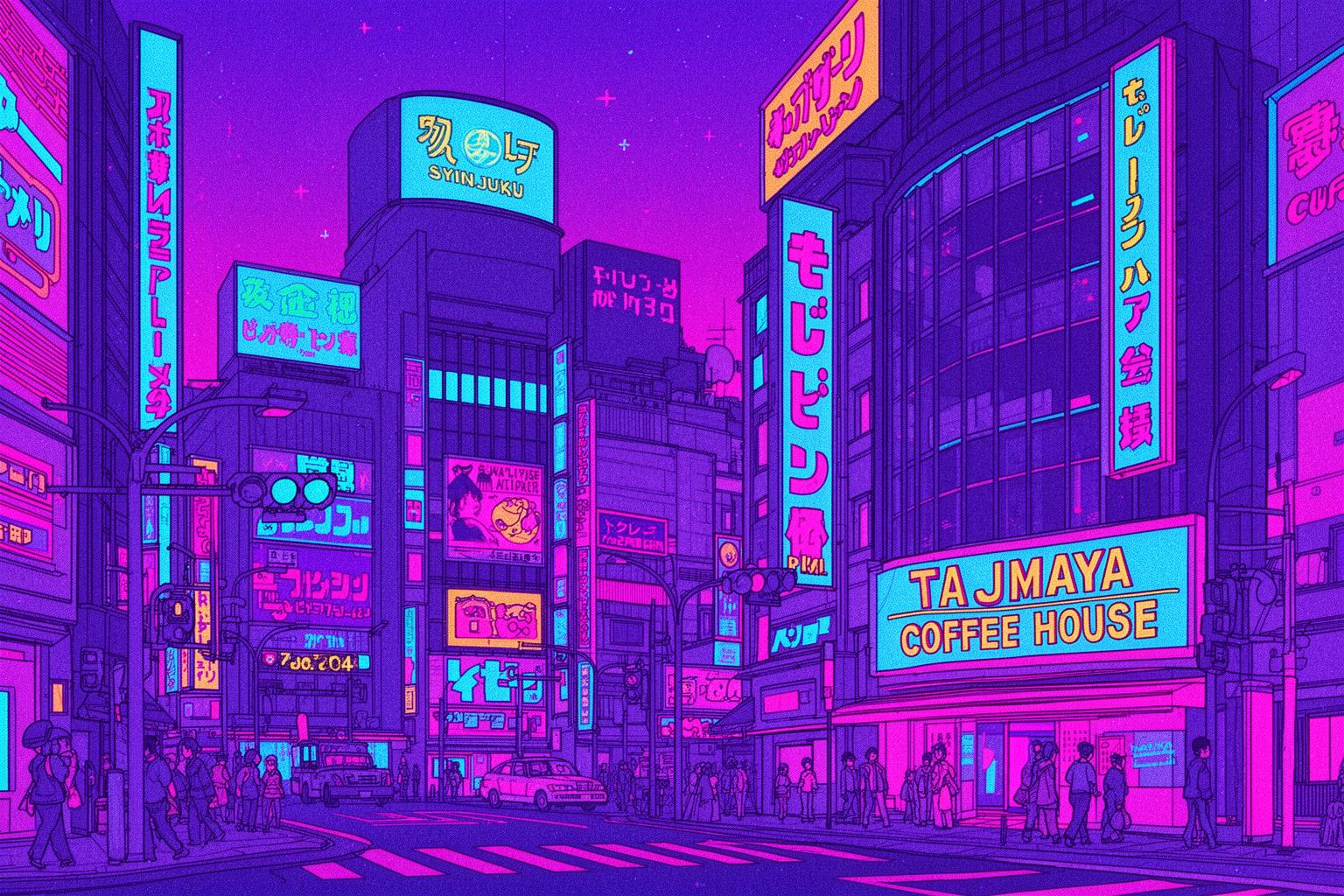
If Galant feels like a bright, sunny 70s movie, then Tajimaya Coffee House is a moody, romantic film noir. Nestled within the maze-like alleys of Shinjuku’s Omoide Yokocho (Memory Lane), this spot serves as a sanctuary for serious coffee aficionados and those drawn to a darker, more intimate atmosphere. While there are several branches, the Shinjuku location is the most iconic. Finding it is part of the charm, a journey through narrow streets lined with tiny yakitori joints, until you spot a sign hinting at the refined world inside. This isn’t a place you simply come across—it’s a destination. And once inside, you’ll understand why it’s legendary.
The Vibe and Decor
The moment you enter Tajimaya, the bustling energy of Shinjuku fades away. It’s replaced by an almost sacred silence, punctuated only by the soft strains of classical music and the deliberate movements of the coffee Master behind the long wooden counter. The interior is dark, intimate, and strikingly romantic. Dark wood lines the walls, while seating consists of antique-style tables and deep, plush armchairs upholstered in rich fabrics such as burgundy and forest green velvet. The lighting is low and atmospheric, provided by ornate, low-hanging lamps that cast a warm, gentle glow over each table. The space feels less like a coffee shop and more like a private library or an elegant, hidden salon. Stained glass elements are present but subtle—small, intricate details in lampshades or partitions add touches of color to the otherwise deep, woody palette. It’s a place designed to encourage quiet reflection and meaningful conversation.
The Coffee Experience
At Tajimaya, coffee is more than just a drink; it’s a ritual. They are renowned for their extensive collection of exquisite, hand-painted porcelain cups, predominantly Arita-yaki and Imari-yaki. Part of the enchantment lies in the Master selecting a cup that they feel matches your aura or your order. This thoughtful, personal touch makes the experience truly special. Behind the counter, shelves display hundreds of these unique cups—a dazzling collection of artistry in itself. The coffee is prepared with meticulous care, often using a flannel drip method that produces a rich, full-bodied, and remarkably smooth brew. The menu showcases a broad range of single-origin beans from across the globe. Don’t hesitate to ask for recommendations—the staff are experts who will guide you to the perfect cup based on your taste. This is the place to indulge in a genuinely exceptional coffee experience.
What Else to Try?
While coffee takes center stage, their cake sets are equally divine. The cheesecake is a favorite—rich and creamy, it pairs perfectly with the strong, dark coffee. They also offer a splendid selection of coffee-based cocktails if you visit in the evening, enhancing the sophisticated, adult ambiance of the venue. This isn’t a spot for loud, boisterous gatherings. It’s ideal for a quiet date, a solo journaling session, or a peaceful moment of reflection away from one of the busiest corners of the world. It’s a sanctuary. Remember to bring a book, turn off your phone, and simply be present. The magic of Tajimaya lies in its slowness and its devotion to beauty in every detail—from the cup and the music to the very atmosphere you breathe.
Trois Chambres in Shimokitazawa: Bohemian Basement Hideaway
Let’s head over to Shimokitazawa, Tokyo’s hub of cool, celebrated for its vintage clothing shops, independent theaters, and relaxed, bohemian vibe. Just a short walk from the station, tucked away in a basement, you’ll find Trois Chambres, a kissaten that perfectly captures the neighborhood’s effortlessly stylish ambiance. The name means “Three Rooms” in French, and descending the narrow stairs into this underground haven feels like being let in on a local secret. A beloved spot in Shimokitazawa since 1980, it boasts a devoted following of artists, musicians, and locals seeking a place to escape and unwind.
The Vibe and Decor
Trois Chambres is the embodiment of cozy, moody elegance. This small, intimate space features low ceilings and very dim lighting, which instantly creates a sense of comfort and privacy. The decor is a charming, eclectic blend of dark wood, antique furnishings, and vintage curiosities. And the seating is exactly what you want: well-worn, supremely comfortable armchairs and sofas upholstered in rich red and brown velvet. They have that perfect lived-in charm, inviting you to settle in for hours. Lighting comes from small, shaded table lamps and a few carefully placed antique fixtures, some boasting lovely, simple stained glass details that cast a warm, gentle glow. The walls are decorated with old clocks, framed photos, and shelves packed with books, making it feel like the living room of a stylish, well-traveled professor. The air carries the scent of coffee and the sound of jazz or classical music from a high-quality sound system. It’s a place that feels timeless yet deeply immersed in Shimokitazawa’s creative spirit.
Menu Highlights
The coffee at Trois Chambres is exceptional. They offer a dark, potent brew perfect for slow sipping while you absorb the atmosphere. Their signature “original blend” is a rich, aromatic coffee refined over decades. But for many visitors, the real highlight is their legendary cheesecake. Offered in a few varieties, the rare cheesecake is an absolute must-try: light, tangy, and incredibly creamy—the ideal afternoon indulgence. They also serve a simple but delicious toast menu, featuring options like cinnamon toast or cheese toast, perfect for a light bite. Presentation is understated yet elegant, served on beautiful rustic ceramic plates. Here, quality trumps quantity. The Master works quietly and with focused precision behind the counter, a calming presence setting the tone for the whole café.
Enjoying the Shimokitazawa Experience
Trois Chambres is the perfect anchor for a day exploring Shimokitazawa. Spend your morning browsing thrift stores and hunting for unique vintage finds, then retreat to the cool, tranquil basement of Trois Chambres to recharge. Because the space is small and popular, you might need to wait, but it’s well worth it. The café values its serene atmosphere, making it ideal for solo visitors or pairs enjoying a quiet conversation—it’s not suited for loud group gatherings. It’s a haven for creative reflection, reading a book picked up at one of Shimokitazawa’s many independent bookstores, or simply letting your mind drift while jazz records play. It’s a little pocket of peace that feels worlds away from the busy streets just above.
Kissa Houseki Bako in Chitose-karasuyama: The Jewel Box of Sweets
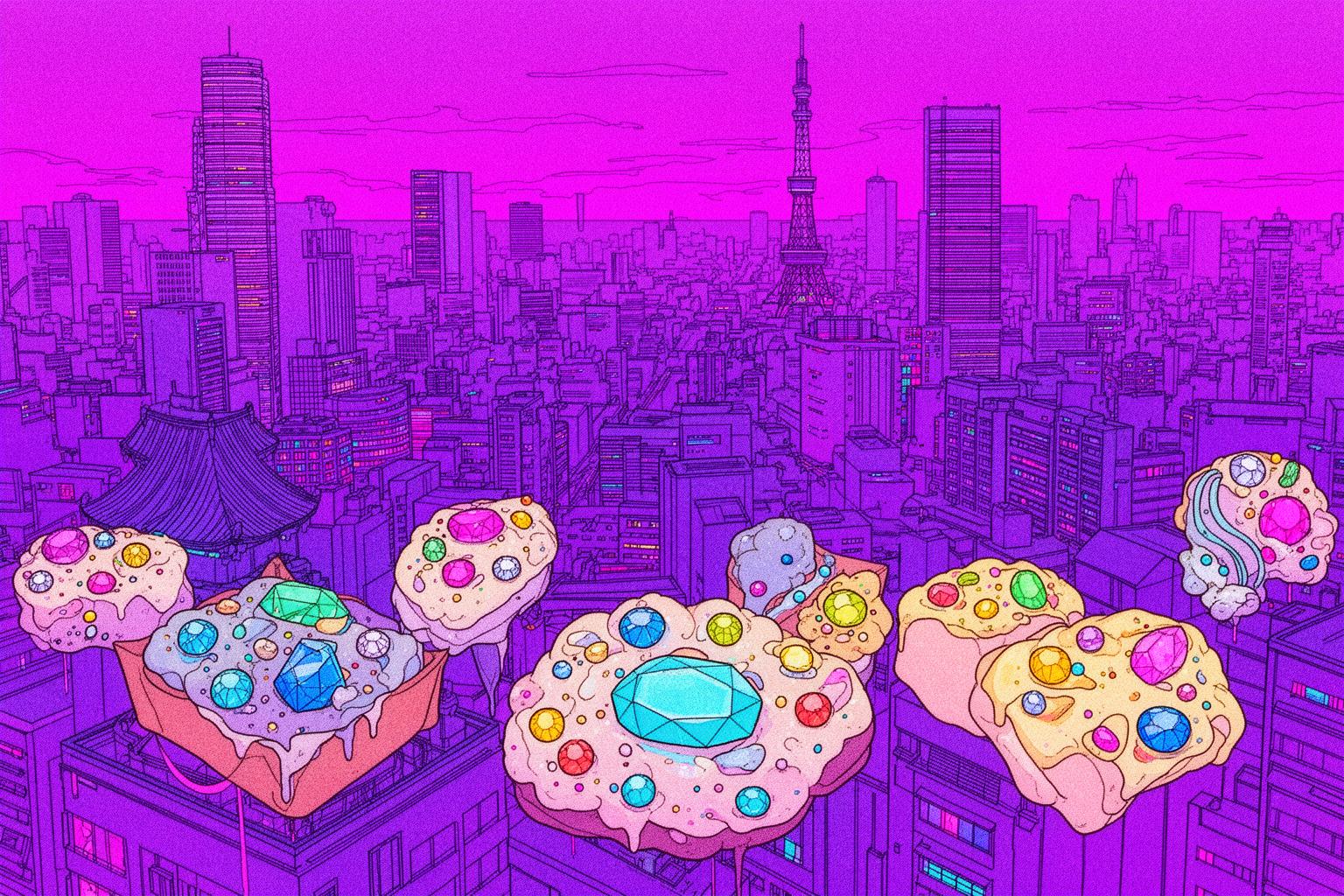
Prepare yourself for something slightly different, a bit more whimsical, yet just as magical. Our next destination takes us off the beaten path to Chitose-karasuyama, a residential neighborhood in Setagaya Ward. Here, you’ll discover Kissa Houseki Bako, meaning “Jewel Box Cafe,” and honestly, no name could be more fitting. This spot is a pastel-colored dream, a Showa-era fantasy brought to life. It’s renowned not only for its stunning interior but also for its magnificent, jewel-like parfaits that seem almost too beautiful to eat. It’s a pure burst of nostalgic charm and a pilgrimage site for fans of retro Japanese aesthetics.
The Vibe and Decor
From the outside, Houseki Bako is already enchanting, with a lovely retro sign and welcoming windows. But inside is where the true magic unfolds. It feels like stepping into a perfectly preserved 1970s dollhouse. The color scheme is a soft blend of mint green, pale pink, and cream. The chairs are remarkable—plush, button-tufted armchairs in dusty rose and emerald green velvet shades. They’re incredibly comfortable. And the stained glass! It’s not just limited to the windows; it’s everywhere. The light fixtures are exquisite, intricate stained glass lamps in floral and geometric designs hanging from the ceiling, casting a soft, colorful glow. Even the booth partitions feature beautiful stained glass panels. The attention to detail is simply breathtaking. Vintage trinkets, floral wallpaper, and delicate lace curtains complete the look. The whole space feels feminine, delicate, and truly special. It’s cheerful and bright—a fresh take on the Showa kissaten vibe compared to the darker, more masculine spaces we’ve explored before.
The Legendary Parfaits
While the decor delights the eyes, the menu delights the palate. Houseki Bako is famous for its seasonal parfaits. These aren’t your typical ice cream sundaes. They’re towering, artistic creations featuring the freshest seasonal fruits. Depending on your visit, you might enjoy a parfait overflowing with ripe strawberries in spring, juicy peaches in summer, or rich figs and grapes in autumn. Each parfait is carefully crafted, a masterpiece in a tall glass, layered with homemade jellies, creams, sorbets, and ice creams. They look like edible jewels, which is exactly the intention. Their Cream Soda is also a must-try, served in a beautiful, long-stemmed glass topped with a perfect scoop of ice cream. It’s the kind of place where you’ll want to snap countless photos before taking your first bite.
Planning Your Trip to the Jewel Box
Because Houseki Bako is so popular and beloved, visiting requires some planning. It’s a small cafe, and it can get very busy. They often operate a numbered ticket system, especially on weekends. You might need to arrive early, obtain a ticket, and return at your assigned time. It’s best to check their official social media pages beforehand for the latest updates on hours and queue procedures. Chitose-karasuyama is a bit of a journey from central Tokyo but is easily reached via the Keio Line from Shinjuku. Make a day of it. Explore the quaint local shopping street (shotengai) near the station while you wait. The trip and the wait are all part of the experience, with the reward being a visit to one of Tokyo’s most unique and beautiful kissaten. It’s an unforgettable adventure, a true slice of Showa-era fantasy.
Kissaten Etiquette: How to Vibe Respectfully
Now that you’re all excited to go kissaten-hopping, let’s take a moment to talk about some gentle etiquette. These spots are treasures, maintained by dedicated owners and loyal regulars. Being a respectful visitor helps ensure these places can be enjoyed for years to come. First off, many kissaten are havens of calm, not meant for loud conversations or phone calls. Speak softly, and if you’re in a group, keep your voices low—think library tones, but with more coffee. Secondly, these aren’t co-working spaces. While you might see someone reading, it’s generally frowned upon to pull out your laptop and work for hours. The idea is to disconnect and be present. Order something, savor it slowly, and then move on. Many smaller shops have a one-drink-per-person policy, which is entirely reasonable.
Photography is a big consideration, especially for content creators. The interiors are inviting, but always be considerate. Some places have signs explicitly banning photos, while others are more lenient. A good rule is to ask permission before photographing the overall interior. Quietly snapping your own coffee and table is usually okay, but avoid flash and never photograph other patrons without their clear consent. It’s all about respecting privacy and maintaining a peaceful atmosphere. Lastly, many of these gems are cash-only, a nod to days before credit cards dominated. Always ensure you have enough yen to cover your bill. By following these simple guidelines, you’re not just being a good visitor; you’re embracing the quiet, respectful tradition that makes kissaten so special.
Your Own Retro Adventure

So there you have it—a glimpse into the enchanting, time-warped world of Tokyo’s Showa-era kissaten. From the grand, cinematic atmosphere of Galant to the dark, poetic allure of Tajimaya, the bohemian charm of Trois Chambres, and the fairy-tale sweetness of Houseki Bako, each spot presents a unique window into history. These are more than mere coffee shops; they are keepers of stories and guardians of a quiet, elegant culture that offers a soothing contrast to our fast-paced modern life. Discovering them can be an adventure, and spending time inside is a genuine gift. On your next trip to Tokyo, I challenge you to look beyond the skyscrapers and scramble crossings. Find a small, unassuming door, open it, and allow yourself to be transported. Sink into a velvet chair, watch the light play through stained glass, and savor a slow, deliberate sip of coffee. You may find that the world’s most futuristic city hides its most beautiful secrets in the past. Go find your favorite. Happy travels!