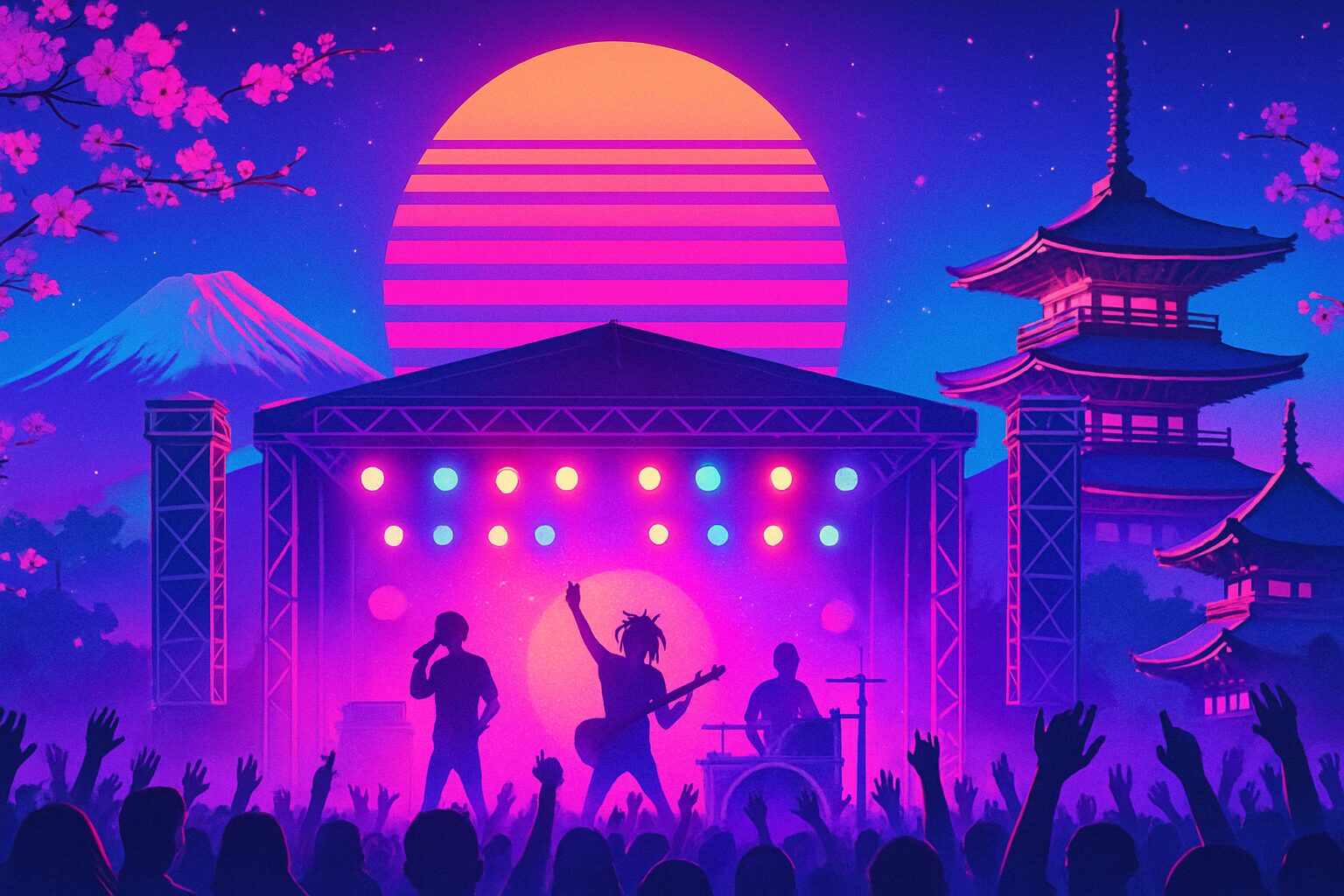
Yo, let’s talk about Japan. You’re probably picturing neon-drenched Tokyo streets, serene temples in Kyoto, or maybe even that epic powder snow in Hokkaido. All totally legit, all totally amazing. But I wanna let you in on a secret, a whole different dimension to this country that’s pure magic. It’s a scene where booming basslines meet ancient mountain ranges, where international headliners share the air with the sizzle of yakitori grills, and where the electric energy of a modern music festival mashes up with the timeless, communal soul of a Japanese matsuri or festival. We’re talking about Japan’s outdoor music festival circuit—specifically, the ones where you pitch a tent, gather around a fire with your new best friends, and dance until the sun comes up. This isn’t just about catching your favorite band; it’s a full-blown cultural immersion, a legit adventure that’ll rewire your brain in the best way possible. It’s about finding a rhythm that’s both global and deeply, unmistakably Japanese. Forget everything you thought you knew. We’re diving headfirst into a world of sound, nature, community, and fire. This is where you find the real beat of Japan. Bet.
For a more futuristic take on this fiery tradition, explore Japan’s innovative digital fire festivals.
What’s the Vibe? Decoding the Japanese Festival-Matsuri Mashup
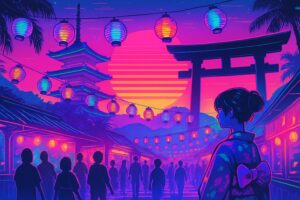
First and foremost, you need to grasp the concept of matsuri. This single word is essential to fully experiencing it. A matsuri is a traditional Japanese festival, and they form the heart of local communities. They range from grand, city-wide parades with enormous floats to modest neighborhood gatherings honoring local shrines. Yet, they all share the same essence: community, celebration, and an abundance of incredible food. Imagine rows of stalls, known as yatai, offering every delicious, greasy, and delightful snack you can imagine. Picture the sound of taiko drums resonating through the air, people dressed in colorful yukata (summer kimonos), and an atmosphere filled with pure, unfiltered joy. It’s a collective energy where everyone plays a part in the spectacle.
Now, imagine that ancient communal spirit transplanted into a vast, multi-stage music festival. That’s the combination we’re describing. The food zones at these festivals aren’t just a few lonely burger trucks; they’re sprawling yatai villages, a maze of vendors selling everything from gourmet ramen to local craft beer and freshly grilled squid. The entire place pulses with that same matsuri spirit. You’ll find groups who’ve been attending together for over ten years, setting up elaborate campsites that feel more like outdoor living rooms. There’s a shared experience extending far beyond merely watching performances. It’s participatory. It’s about being present, together, in a breathtaking natural setting. Much of this atmosphere comes from the Japanese crowd itself. There’s an extraordinary level of respect—for the artists, for one another, and especially for the environment. You will be amazed at how impeccably clean these huge festivals remain. The ‘leave no trace’ mindset isn’t merely advice; it’s an unspoken rule. Everyone takes out what they bring in, supported by carefully arranged recycling stations. This fosters a safe, respectful, and completely awesome environment where you can truly unwind and immerse yourself in the moment.
The Big Players: Iconic Festivals You Can’t Miss
Japan hosts countless festivals, but if you’re after the major, iconic events that truly define the scene, there are a few undeniable standouts. These are the giants, the festivals that attract massive international acts and huge crowds while still preserving that distinctive Japanese essence. They’re a rite of passage for any serious festival enthusiast.
Fuji Rock Festival: The Original King of the Mountain
When discussing Japanese music festivals, Fuji Rock invariably takes center stage. It’s the original, the largest, and for many, still the best. Held each late July at the Naeba Ski Resort in Niigata Prefecture, this festival is a colossal event—a sprawling hub of music and art set in a breathtaking mountain valley. Fun fact: despite its name, it’s no longer held near Mount Fuji (except in its inaugural year), but the iconic name remains.
The Scenery Steals the Show
Let’s be honest, the location is a headline act on its own. Nestled deep in the Japanese Alps, the main stages are framed by lush green mountains, often cloaked in a magical mist. A crystal-clear river runs through the festival grounds, providing a refreshing retreat on hot days where festival-goers kick off their boots and cool their feet in the icy water. It’s pure bliss. One of Fuji Rock’s most famous features is the Dragondola, the world’s longest gondola lift, which connects different parts of the festival and offers stunning panoramic views of the entire valley. As you glide silently above the treetops, spotting tiny stages and sprawling tents below, the epic scale of the event truly hits home. The fresh air, the stunning scenery—you feel a million miles away from the urban grind.
The Music and the Matsuri Spirit
The lineup is always massive—a carefully curated blend of international rock legends, indie favorites, cutting-edge electronic artists, and global music icons. One moment you might be headbanging to a stadium rock band on the main Green Stage, and the next, you stumble upon a mesmerizing African drum circle tucked away in a forest clearing. The diversity is astounding. But the true matsuri magic happens between main sets. The Palace of Wonder is a must-see: a lively, carnival-like area that comes alive after midnight, boasting quirky art installations, a vintage circus tent with cabaret acts, and DJs spinning vinyl until dawn. It feels like a secret, slightly wild party at the edge of the world. And the food—oh, the food! The Oasis is a huge food court featuring hundreds of vendors. You can take your tastebuds on a world tour, from authentic Thai green curry to classic Japanese katsu-sando (pork cutlet sandwich). The quality rivals any restaurant. This is where the matsuri spirit shines brightest—the chatter, steam rising from grills, and shared tables where strangers bond over noodles.
Camping, Campfire Vibes, and Practical Tips
Camping is at the heart of the Fuji Rock experience. The main campsite is a vast, sloping field that transforms into a buzzing, chaotic tent city. Pro tip: arrive early to grab a flat spot. The community vibe is incredible—neighbors sharing beers, helping with tent pegs, and becoming friends for the weekend. Large open bonfires aren’t allowed due to national park safety rules, but warmth comes from the collective glow of thousands of lanterns, steam from cooking stoves, and an electric atmosphere. Viewed from above at night, the campsite looks like a galaxy of twinkling stars—a stunning sight. For first-timers, here’s the lowdown: getting there requires a Shinkansen bullet train from Tokyo to Echigo-Yuzawa, then a shuttle bus. Book everything well ahead. Most importantly: prepare for all seasons. Naeba’s weather is famously unpredictable—you can experience blazing sun, heavy rain, and chilly nights all in one day. A high-quality waterproof jacket, waterproof boots, and layered clothing are essential. Seriously, don’t skimp. A portable chair will be a lifesaver. And bring cash.
Rising Sun Rock Festival (RSR): Hokkaido’s All-Nighter Bonfire Bash
If Fuji Rock is the global titan, Rising Sun Rock Festival is its cooler, wilder cousin with a fierce focus on the Japanese music scene. Held each mid-August in Ishikari on the expansive Hokkaido plains, RSR offers a completely different experience—it’s raw, authentic, and an immersive dive into J-Rock and J-Indie culture.
The Vibe: Wide Open Spaces and Bonfire Spirit
RSR’s atmosphere stands apart immediately. Forget mountains—picture vast open fields beneath a huge sky. August in Hokkaido is stunning—less humid than other parts of Japan, with warm days and crisp, cool nights. The spacious festival layout feels relaxed and uncrowded despite tens of thousands of attendees. But RSR’s true soul lies in its two defining features: nonstop music and the communal bonfire. For anyone who dreams of a massive, roaring bonfire, this is the festival. It’s not a mere fire pit but a huge, crackling gathering spot where people come together. As night deepens and cold sets in, the bonfire area becomes a hub of warmth and camaraderie. Attendees wrapped in blankets share stories, strum acoustic guitars, and revel in the primal energy of the flames—it’s profoundly moving.
The All-Nighter and the Sunrise Finale
The festival’s name hints at its signature ritual: RSR runs continuously from Saturday afternoon until sunrise Sunday morning. Music on the main stages never stops, creating a unique, surreal vibe. As hours blend together, attendees enter a dreamlike state fueled by music, food, and a collective goal to make it to dawn. The festival’s climax arrives with the final act, timed to coincide with the sunrise. Standing with thousands of others, exhausted yet exhilarated, watching the sky shift colors as the last notes play is a spiritual, unforgettable moment—a beautiful, shared triumph that perfectly captures RSR’s essence.
Camping Culture and J-Rock Deep Dive
Camping at RSR isn’t optional—it’s central. The enormous campsite buzzes with elaborate setups featuring large tarps, full cooking stations, and decorations. It’s a sociable, welcoming environment. Barbecuing fills the air with the irresistible aroma of grilled meats. For international visitors, RSR offers an unmatched immersion into Japan’s domestic music scene. Even if you don’t know many of the bands, that’s part of the thrill—you might discover your new favorite J-Rock artist. The crowd’s enthusiasm is infectious, with unique audience participation like synchronized hand movements and call-and-response chants. To get there, fly into Sapporo’s New Chitose Airport then take a shuttle bus. Pack warm clothes—Hokkaido nights can be cold, even in August. A down jacket is smart. Embrace the all-nighter, fuel up with strong coffee from a food stall, and prepare for one of the most magical sunrises you’ll ever experience.
The Boutique Bops: Smaller Festivals with Major Heart
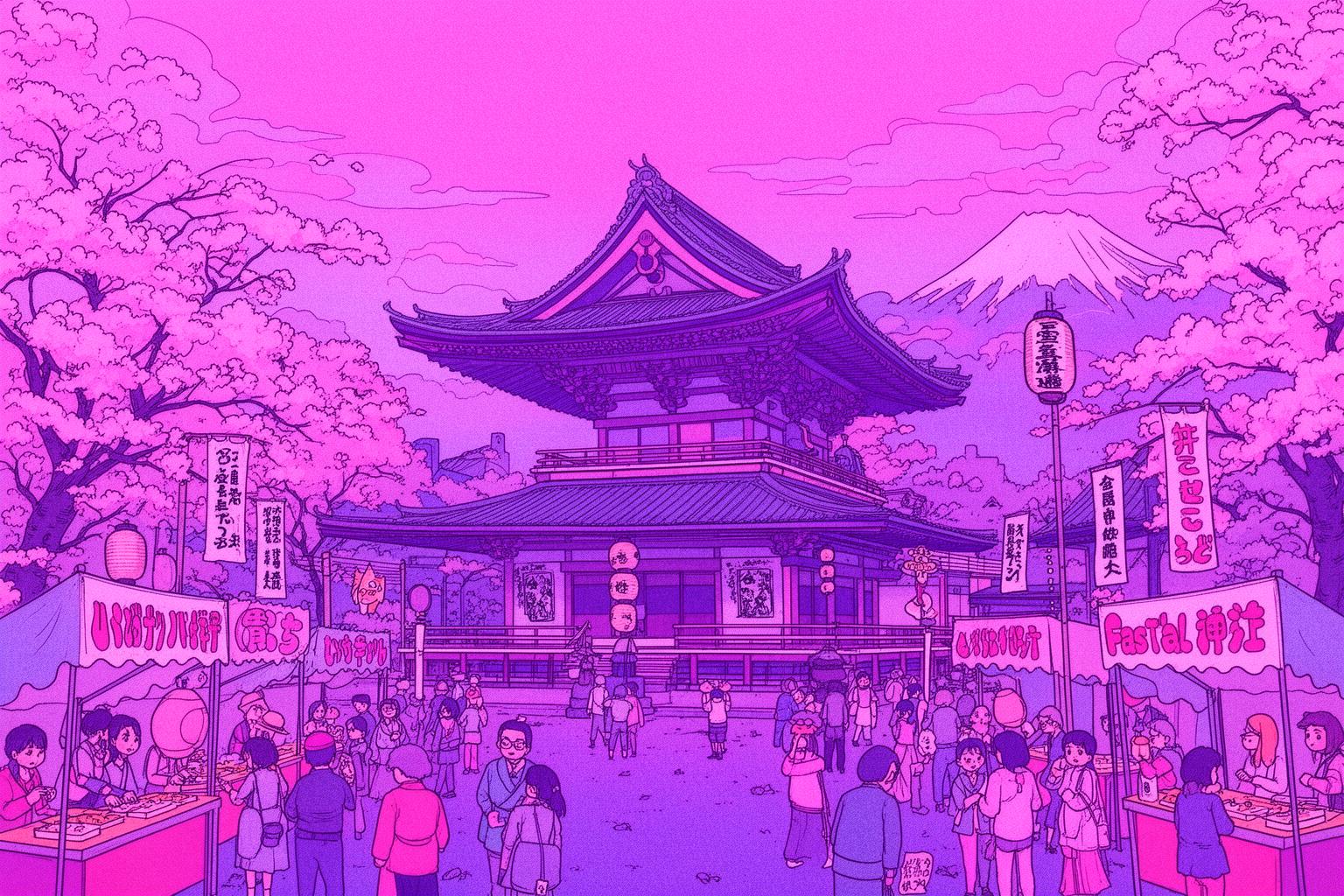
While large-scale festivals are spectacular, sometimes the most unforgettable moments come from smaller, more intimate gatherings. These boutique festivals offer a distinctive kind of charm—less focused on big-name headliners and more on a carefully crafted atmosphere, breathtaking locations, and a close-knit community feel. If you’re looking to relax, connect, and fully absorb the scenery, these are the events for you.
Asagiri Jam: Relaxing with a View of Mount Fuji
Picture waking up, unzipping your tent, and being greeted by the iconic, perfectly symmetrical cone of Mount Fuji bathed in morning light. That’s a daily reality at Asagiri Jam. Held in early October at the Fumotoppara campgrounds in Shizuoka, this festival undoubtedly boasts one of the most stunning scenic locations. Fuji-san isn’t just a backdrop; it’s the central figure, lending a calm, almost spiritual aura to the entire event.
The Easygoing Atmosphere
Asagiri Jam counters festival fatigue with its incredibly laid-back, family-friendly vibe. The music features jam bands, folk, soulful electronica, and world music—styles that perfectly suit the relaxed, nature-centered setting. It’s not about rushing between stages but about spreading out a blanket, cracking open a craft beer, and letting the great tunes and even better views wash over you. The crowd is a mix of seasoned campers, young families, and music lovers who enjoy a gentler pace. The matsuri aspects here resemble a mellow, artisanal village fair, with stalls offering handmade crafts, organic food, and outdoor gear. Workshops often include activities like tie-dye and yoga. In the evenings, a central bonfire serves as a gathering place, where festival-goers can warm themselves against the cool autumn air and chat beneath a star-filled sky, framed by the silhouette of Fuji. It’s pure, unadulterated zen.
Camping and Practical Details
Camping at Asagiri Jam is a dream come true. The site is a vast, open grassy field, providing plenty of space to spread out and enjoy your personal mountain view. Since the festival takes place in October, chilly nights are to be expected, so a sturdy four-season tent and a warm sleeping bag are must-haves. The reward is the crisp, clear autumn air that often ensures the best, cloud-free views of Fuji. Tickets are highly sought after and sell out quickly, so prompt action when they go on sale is essential. Access normally involves taking the Shinkansen to a nearby station such as Shin-Fuji, followed by a shuttle bus. This festival is perfect for those seeking to recharge their spirits as much as enjoy great music.
GO OUT JAMBOREE: The Premier Outdoor Style Festival
Also held at the foot of Mount Fuji, GO OUT JAMBOREE is a festival born from Japan’s leading outdoor style magazine, ‘GO OUT.’ This results in a unique and fascinating event. It’s a music festival, yes, but it’s also a grand celebration of camping culture, outdoor fashion, and stylish gear. If you’re passionate about gear or enjoy the picture-perfect aesthetics of outdoor life, this festival is your haven.
The Outdoor Fashion Showcase
Strolling through the GO OUT JAMBOREE campsite feels like flipping through a live edition of a high-end outdoor magazine. The level of camping setups is astonishing. Attendees don’t just bring tents; they create entire outdoor living spaces with chic tarps, vintage lanterns, designer camp chairs, and gourmet cooking stations. It’s a friendly culture of showing off, where everyone proudly displays their gear and is eager to chat about it. Fashion is also a major part of the scene, with the crowd sporting the latest looks from top Japanese and international outdoor brands like Snow Peak, Montbell, and Patagonia. It’s an ideal place for fashion inspiration.
Activities, Workshops, and the Bonfire
The matsuri spirit at GO OUT is all about participation. Beyond the music—which features a dynamic mix of live bands and DJs—the festival is filled with engaging activities. Brand booths from leading outdoor companies showcase new gear, often with exclusive festival deals. Numerous workshops teach skills ranging from leather crafting to fly fishing. Outdoor activities include bouldering walls, slacklines, and even hot air balloon rides (weather permitting). The food emphasizes hearty campfire-style cooking. At the heart of it all stands a massive, towering bonfire that serves as the festival’s landmark and social hub. It’s an impressive structure that embodies the event’s passion for authentic campfire culture. GO OUT JAMBOREE is ideal for those who believe the lifestyle around the music is just as important as the music itself. It’s a lively, stylish, and immensely fun tribute to all things outdoor.
Mastering the Festival Flow: Your Survival Guide
Alright, so you’re excited and ready to dive in. But thriving at a Japanese music festival, especially if it’s your first time, takes a bit of preparation. Mastering the logistics and understanding local customs will take your experience from good to unforgettable. Here’s the essential info you need.
Gearing Up: What to Pack for the Ultimate Japan Festival Trip
Packing smart is half the battle. The terrain and weather can be tough, so comfort is key to enjoying yourself. Here’s a detailed must-have checklist:
- A Reliable Tent: Ensure it’s waterproof and test it before you leave. A tent that can endure heavy rain and strong winds is invaluable.
- Sleeping Gear: Bring a warm sleeping bag (check the seasonal temperature rating) and an insulated sleeping pad. The ground can be cold, even in summer.
- Top-Quality Rain Gear: This is crucial. Avoid cheap ponchos. Invest in a breathable, fully waterproof jacket and pants. Mountain weather in Japan can change quickly, and you’ll be grateful for this.
- Durable Footwear: Expect to walk miles daily, often on muddy, rough terrain. Well-broken-in, waterproof hiking boots or sturdy trail runners are essential. Pack extra good wool socks.
- A Portable Chair: A lightweight, foldable camping chair is a game-changer. It gives you a comfy base anywhere and spares you from sitting on wet ground.
- Cash, Cash, Cash: Though some larger vendors accept cards, many smaller and tastier food stalls are cash-only. Bring more than you think you’ll need. ATMs can be distant or busy.
- Power Bank: A fully charged portable battery is essential to keep your phone powered for photos, maps, and emergencies.
- Headlamp or Torch: Navigating a dark, crowded campsite full of guy ropes is risky without a light. A headlamp frees your hands.
- Sun Protection: A wide-brimmed hat, sunglasses, and high-SPF sunscreen are vital. The sun is intense at higher altitudes.
- Your Own Trash Bags: This is important for local etiquette. You’re expected to handle your own trash and bring it to designated sorting stations. Having your own bags makes this easier.
- A Small Tarp: Useful for placing under your tent to boost waterproofing or for creating a dry communal spot outside your tent.
Festival Etiquette: Connect with the Locals’ Vibe
Japanese festival etiquette is a beautiful blend of respect and shared responsibility. Follow these simple tips to fit right in:
- Leave No Trace: The golden rule. Sites are kept spotless because everyone contributes. Take out everything you bring. Sort your waste properly at the designated stations (usually combustibles, plastics, cans, and bottles).
- Master the Queue: Queuing is an art in Japan. You’ll find lines for everything—food, toilets, shuttle buses, merch. Don’t cut in line. Be patient. The queues move smoothly.
- Smoking Areas: Smoke only in clearly marked designated areas. Do not walk around while smoking.
- Campsite Courtesy: Be considerate of your neighbors. Keep noise low late at night. Avoid shining your headlamp into others’ tents.
- Respect Nature: Stick to marked paths and avoid damaging local plants. These festivals take place in beautiful natural parks, and preservation is a priority.
Chow Down: A Foodie’s Guide to Festival Feasting
The food at these festivals is a highlight. It’s worlds apart from greasy, overpriced festival fare you might know. It’s a culinary adventure—be bold and try as much as possible. Look for favorites like:
- Yakisoba: Classic fried noodles with pork and veggies—savory and filling.
- Takoyaki: Ball-shaped pancakes filled with octopus, topped with sweet sauce, mayo, and bonito flakes. Dangerously addictive.
- Yakitori: Grilled chicken skewers, seasoned with either sweet soy sauce (tare) or salt (shio).
- Kare Raisu: Japanese curry rice—comforting, hearty, and delicious.
- Local Specialties: Watch for regional dishes. Fuji Rock in Niigata might offer amazing local sake and rice snacks; RSR in Hokkaido features incredible sweet corn, potatoes, and fresh seafood.
Don’t hesitate to just point at what looks good. The food areas are lively hubs, perfect for people-watching and refueling before the next set.
Beyond the Music: Extending Your Adventure
One of the best aspects of these festivals is that they introduce you to parts of Japan you might not otherwise visit. Don’t just fly in for the festival and fly out—add a few extra days to explore the surrounding area. This will greatly enrich your trip.
- After Fuji Rock (Niigata): The Echigo-Yuzawa area is renowned for two things: exceptional sake and onsen (hot springs). After three days of camping, nothing beats soaking your tired body in a natural hot spring. Stop by a local sake brewery for a tasting and to learn about the craft. Known as ‘snow country,’ the region boasts a distinctive culture and stunning scenery.
- After Rising Sun (Hokkaido): You’re in Hokkaido, Japan’s wild northern frontier! There are countless options. Discover the vibrant food scene in Sapporo (miso ramen, soup curry, fresh seafood!). Rent a car and take a road trip through breathtaking landscapes—the rolling flower fields of Furano and Biei are a must-see in summer. Hike in Daisetsuzan National Park, Japan’s largest national park.
- After Asagiri Jam / GO OUT (Shizuoka/Yamanashi): Since you’re already at Mount Fuji, take time to explore the Fuji Five Lakes area. Rent a bike and ride around Lake Kawaguchiko for spectacular views. Visit Chureito Pagoda for the iconic shot of the pagoda with Mount Fuji in the background. Explore the eerie Aokigahara Forest (with a guide) or the intriguing ice caves.
The Final Note
Attending a music festival in Japan is much more than just a trip; it’s an experience that captivates all your senses. It’s the sound of your favorite band resonating through the mountains, the taste of a perfectly grilled skewer, the sight of a thousand lanterns glowing within a forest, the scent of woodsmoke in the crisp night air, and the feeling of connection with thousands of people from around the world, all sharing in the same unforgettable moment. It’s a challenge—you’ll face rain, mud, and exhaustion—but the reward is enormous. You’ll leave with a camera full of photos, a playlist of new favorite bands, and a deep appreciation for a side of Japan that is wild, beautiful, and soulful. So start planning. Pack your best gear and an open heart. The mountains are calling, the bonfires await, and the beat is about to drop.