Yo, let’s get one thing straight. When you picture Japan, your mind probably jumps to the electric chaos of Shibuya Crossing or the serene, gold-leaf glow of a Kyoto temple. And yeah, that’s all part of the magic, for real. But I’m here to spill the tea on a whole other dimension of this country, a vibe that’s way more low-key but hits you right in the soul. We’re talking about that moment when the sun dips below the horizon, the ocean turns to liquid ink, and the sky just explodes with a million tiny lights. Now, picture that, but you’re kicking back in a perfectly chill seaside bar, a craft cocktail sweating in your hand, with the only soundtrack being the gentle rhythm of the waves and some lo-fi beats floating on the salty air. This isn’t just about grabbing a drink; it’s about plugging into the planet’s pulse, Japanese style. It’s a full-on sensory experience, a cosmic reset button that you won’t find in any guidebook’s top ten list. This is the deep cut, the B-side track that becomes your absolute favorite. From the subtropical paradise of Okinawa to the chic getaways just a train ride from Tokyo, Japan’s coastline is dotted with these secret sanctuaries where the universe feels like it’s leaning in to tell you a secret. So forget the crowded itineraries for a sec. Let’s go on a journey to the edge of the islands, where the nightlife is less about neon and more about nebulas. It’s time to explore the world of stargazing and seaside bars, the ultimate Japanese chill-out session. Bet.
If you’re looking for a more urban contrast to this coastal serenity, you can experience cutting-edge comfort in Tokyo’s futuristic hotels.
Catching Cosmic Waves: Japan’s Seaside Bar Scene is Next Level
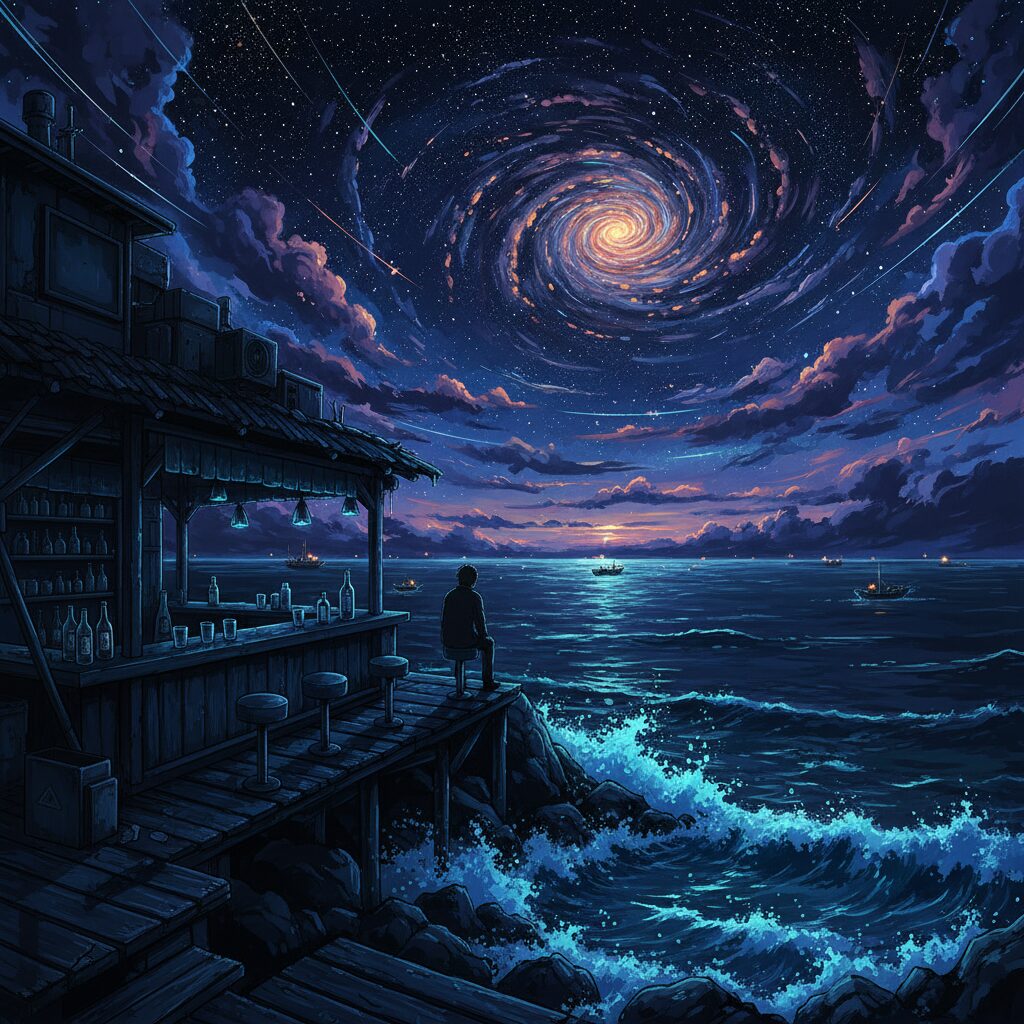
Alright, let’s delve deeper into this aesthetic. The seaside bar scene in Japan isn’t what you might expect. It’s not a wild spring break frenzy. No, it’s far more curated and intentional. The entire experience revolves around a feeling, a mood. It’s the architectural equivalent of a perfectly crafted cocktail—each element in harmony. Some bars are basically rustic wooden shacks built into the sand, run by sun-bleached surfers who greet you with a lazy smile and serve ice-cold Orion beer in frosty mugs. The furniture is likely mismatched and weathered by the sea air, fairy lights are strung between palm trees, and the playlist is pure reggae or classic soul. On the other end of the spectrum, there are ultra-luxe rooftop bars atop luxury resorts, complete with infinity pools that seem to merge with the Pacific Ocean. Here, cocktails are masterpieces, created by mixologists using hyper-local ingredients like hibiscus, passionfruit, and rare citrus. The vibe is sophisticated, quiet, and exclusive. You feel like you’ve stepped into a movie scene. But no matter where you fall on that spectrum—from shack to chic—the main attraction is always outside. The architecture, lighting, and music are all designed to draw your gaze outward, toward the vast, dark expanse of sea and sky. The true VIP is the Milky Way, and your bar stool offers the best seat in the house. It’s a place for long, winding conversations that rise and fall, for sitting in comfortable silence with someone special, or even just alone, feeling wonderfully small. The air itself feels different—thick with the scent of salt and night-blooming flowers, a perfume you can’t capture in a bottle. It’s a full-body vibe, a tangible atmosphere you soak in, and it’s a major reason why people seek out these places. It’s an escape from the relentless grind of modern life, a gateway to a slower, more connected state of being.
Okinawa: The Original Starry Night Sanctuary
When it comes to stargazing in Japan, you have to start with the main attraction: Okinawa. This chain of subtropical islands is Japan’s southern paradise, on a completely different level. The culture, the food, and the pace of life are all unique. And the sky? The sky here is just different. Far from the mainland’s light pollution, especially on the more remote Yaeyama Islands like Ishigaki and Iriomote, the darkness is profound. This isn’t just spotting a few constellations; it’s a full, pure, high-definition cosmic spectacle. On a clear, moonless night, the Milky Way, or Amanogawa (天の川, literally “River of Heaven”) in Japanese, isn’t a faint, misty cloud. It’s a brilliant, textured, shimmering ribbon of light that looks close enough to touch. Honestly, it’s life-changing. Ishigaki is so famous for its views it boasts Japan’s first and only IDA-certified International Dark Sky Park. The locals are proud of their stargazing heritage; constellations here carry their own names and legends passed down through generations.
The bar scene here fully embraces this natural wonder. Picture this: you’ve spent the day swimming with sea turtles in crystal-clear turquoise waters over coral reefs. You’re sun-kissed, salty, and completely relaxed. As dusk falls, you head to a tiny open-air bar right on the beach. Maybe it’s a spot like Bar Mermaid in Ishigaki, where you can literally bury your toes in the sand as you sip. You order a glass of awamori, the potent local spirit made from long-grain indica rice, mixed with soda and a wedge of shikuwasa, a tart Okinawan citrus. Or maybe you simply crack open a crisp can of Orion, cutting through the humid air. As the last slice of sun dips below the horizon, the show begins. Stars appear one by one, then by the dozens, then hundreds, until the sky is completely saturated. The vibe here is ruled by what locals call uchinaa time—Okinawa time. It means there’s no rush. You simply exist. You sip your drink, listen to the gentle waves, and get lost in the vastness of the universe. It’s a meditative, deeply grounding experience that resets your entire being. This is the essence of an Okinawan coastal night out, and it’s absolutely unforgettable.
Izu Peninsula & Shonan: Tokyo’s Relaxed Getaway
Alright, maybe a trip to Okinawa isn’t feasible. Maybe you’re short on time, based in Tokyo, but still craving ocean air and a star-filled sky. Say no more. Just a couple of hours by train from the city’s relentless pace, you’ll find the Shonan coast and the Izu Peninsula—Tokyo’s designated chill zones. The vibe here is a world apart from Okinawa’s laid-back, subtropical paradise. This is where urban cool meets surf culture. Think of it as Japan’s take on the California coast. Kamakura, Zushi, and Enoshima fill with Tokyoites on summer weekends, trading suits for board shorts. The bars reflect this energy—they’re trendier, design-conscious, with playlists featuring city pop, neo-soul, or live acoustic sets.
Heading further down into the Izu Peninsula, the coastline becomes more rugged and dramatic, with volcanic rock, jagged cliffs, and secluded coves. Here you’ll find breathtaking seaside bars perched atop cliffs in spots like Shimoda or Dogashima, offering sweeping Pacific views. The stargazing here may not be quite as pristine as in the Yaeyama Islands—there’s still some ambient light from the mainland—but on a clear night, it remains magical. Watching the constellations rise over Mount Fuji’s silhouette across the bay is a memory waiting to happen. The experience is heightened by the journey itself. Taking the Saphir Odoriko express train from Tokyo is part of the mood. You glide past coastal towns through massive windows, with the sea as your constant companion. When you finally arrive and settle into a bar, cocktail in hand, watching the sky darken, you feel a true sense of escape—a deliberate disconnection from urban hustle. It’s the perfect weekend reset, proving you don’t have to travel far to touch the cosmos. You just need to know which train to catch.
What’s on the Menu? Sips & Starlight Pairings
Let’s dive into the delicious details, because what you’re drinking plays a huge role in this entire celestial experience. The drink menus at these coastal spots often serve as a love letter to their surroundings. It’s all about celebrating local flavors and a strong sense of place. In Okinawa, awamori reigns supreme. This isn’t your typical sake; it’s a distilled spirit more similar to shochu, but with a distinct production method and a history spanning centuries. It offers a complex, earthy flavor that some might need time to appreciate, but when served on the rocks (rokku de) or mixed, it’s incredibly refreshing. Many bars craft signature cocktails with it, infusing local fruits like passionfruit, mango, or acerola cherry. And, of course, there’s Orion beer, the undisputed favorite of Okinawan brews. There’s something about its light, crisp taste that feels perfectly suited for a hot, humid island night. It’s more than just a beer—it’s a symbol of Okinawan identity. Finding a bar that doesn’t serve it would be quite the challenge.
Moving up to the mainland, the drinking scene shifts. The Izu Peninsula is famed for its incredible citrus, especially mikan (satsuma oranges) and the fragrant, floral natsu-mikan (summer orange). Local distilleries have emerged, producing remarkable craft gins that use these botanicals, along with kuromoji spicebush and sansho pepper. A gin and tonic made with a local Izu gin, garnished with a fresh peel twist while overlooking the ocean, is a sublime experience. You’ll also find an excellent selection of Japanese craft beers from breweries in Shizuoka and Kanagawa, which are constantly experimenting—offering everything from hazy IPAs to rich coffee stouts. And we can’t forget Japanese whisky. Savoring a glass of smoky Yamazaki or delicate Hakushu as the sea breeze rolls in is a refined pleasure, far removed from a stuffy city bar. The food here complements the vibe perfectly. Forget heavy, complicated dishes; think small plates of incredibly fresh sashimi, maybe some grilled squid (ika maruyaki) simply seasoned with soy sauce and ginger, or skewers of local vegetables grilled over charcoal. It’s all about clean, straightforward flavors that enhance rather than overpower the main attraction: the serene, star-lit atmosphere.
The Art of Doing Nothing: Mastering the “Botto Suru” Vibe
This may be the most crucial part. To truly embrace the magic of a Japanese seaside bar, you need to understand a cultural concept without a perfect English equivalent: ぼーっとする (botto suru). It essentially means zoning out, doing nothing, letting your mind go blank, and simply being present. It’s not about boredom or laziness; it’s an intentional mental release. In a society that often values constant activity and productivity, botto suru is a subtle act of defiance. It’s the art of purposefully being unproductive. And there’s no better place to practice than at a quiet bar by the sea under a canopy of stars.
This is the heart of the experience. It’s not about ticking off a bucket list item or capturing the perfect Instagram shot (though you will). It’s about granting yourself permission to pause. Stop thinking about your to-do list, stop scrolling through your phone, stop planning your next step. You simply sit. You watch the stars. You listen to the waves. You feel the breeze on your skin. You notice the subtle shift in light as the moon rises. You let your thoughts drift like clouds. It’s a form of meditation, really, but without pressure or formality. The Japanese have a deep appreciation for the fleeting beauty of nature, known as mono no aware, and this experience perfectly embodies that. You’re witnessing something vast and beautiful, always changing—the tide, the stars, the clouds. By simply being present, you connect with something far greater than yourself. So, when you find your spot, order your drink, and settle in, remember to embrace botto suru. Don’t rush to fill the silence. Let the cosmos speak. In those quiet, empty moments, the deepest feelings of peace and wonder quietly emerge.
Your Cosmic Itinerary: How to Make it Happen
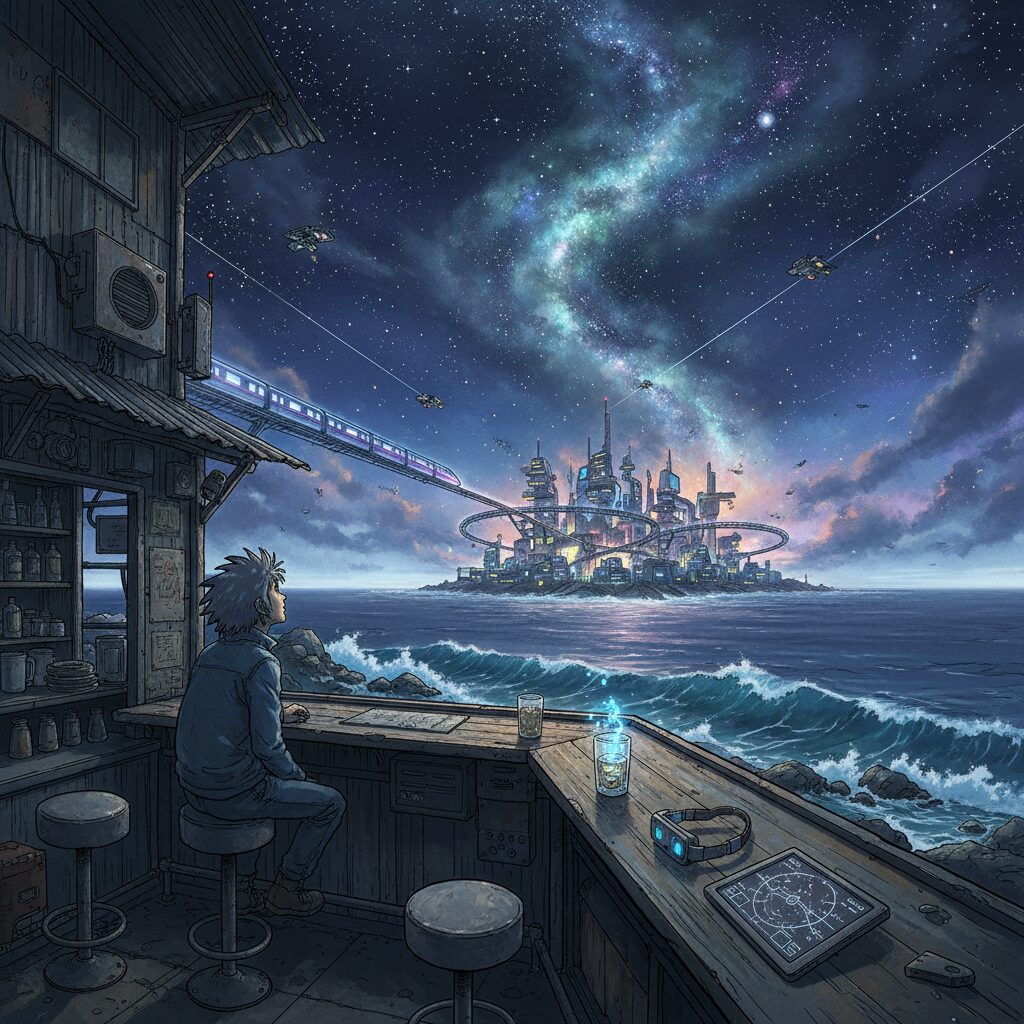
Alright, feeling inspired? Let’s dive into the practical side. Planning your stargazing adventure isn’t complicated, but a few handy tips will definitely elevate your experience. It’s all about timing, logistics, and picking up some local tricks. Getting these right ensures your trip runs smoothly, letting you focus on what really matters—soaking in the cosmic vibes and finding the perfect drink to match. Think of this as your pre-flight checklist for a starry journey, Japanese style.
Best Time to Embrace Your Inner Astro-Nerd
Timing is crucial. For warm, comfortable nights where you can sit outside for hours, the sweet spot generally falls between late spring and early autumn (May through October). Summer, especially July and August, is peak beach bar season but can be hot, humid, and crowded. It’s also typhoon season, so flexibility is key. Personally, I prefer September and October. The crowds thin out, the ocean remains swim-friendly, and nights grow beautifully mild. Winter (December to February) offers a different magic—the air is crisp and cold but incredibly clear, making the stars shine at their brightest. Bundle up, though—a quiet winter night on an empty beach, maybe around a fire pit at a cozy bar, is truly unforgettable. A top pro tip for serious stargazers is to check the lunar calendar: the two weeks around the new moon bring the darkest skies, making the Milky Way and fainter stars pop. Also, aim to coincide your trip with a meteor shower. The Perseids in mid-August are classic, often delivering dozens of shooting stars per hour. Watching meteors streak across the sky while sipping a cold drink by the ocean? That’s a perfect 10/10 moment.
Access & Getting Around
Reaching these coastal paradises is part of the fun. For Okinawa and its outer islands, flying is the only realistic choice. Naha Airport serves as the main hub, with connecting flights to destinations like Ishigaki and Miyako. Once there, renting a car is nearly essential. Public transport is sparse, and the best secluded spots tend to be far from towns. Having your own vehicle gives you the freedom to discover hidden beaches and chase the darkest skies. Just be sure to obtain your International Driving Permit before you leave home. For the Izu Peninsula and Shonan coast, Tokyo access is easy. The Japan Rail network is your best friend. The Odoriko and Saphir Odoriko limited express trains run straight from Tokyo and Shinjuku stations down the coast, showcasing stunning ocean views en route. In the area, local trains, buses, and rental e-bikes can get you around. While a car helps for exploring remote parts of Izu, you can easily manage the main coastal towns without one.
Pro Tips for First-Timers
Local knowledge goes a long way. For popular bars, especially those in upscale resorts or with iconic views, reservations are wise, particularly on weekends. A quick call or online booking can save you from disappointment. Although Japan is tech-savvy, many charming, rustic beach shacks operate in their own world. Always carry some cash, as credit cards might not be accepted. It’s smart to pack a light jacket or sweater, even in summer—the sea breeze can turn surprisingly chilly after sunset. The biggest foe of a peaceful evening by the water? Mosquitoes. A reliable insect repellent is your best friend. Lastly, while fluency in Japanese isn’t necessary, learning a few simple phrases goes a long way. A friendly “Konnichiwa” (Hello), “Sumimasen” (Excuse me/Sorry), and heartfelt “Arigato gozaimasu” (Thank you very much) will earn you warm smiles and smooth interactions. It shows respect, and in Japan, that means everything.
Beyond the Hype: Finding Your Own Starry Spot
While Okinawa and Izu are excellent options, they are only the beginning. The charm of Japan lies in its archipelago, boasting nearly 38,000 kilometers of coastline. This means innumerable hidden coves, tranquil fishing villages, and unexplored peninsulas await your discovery. The true adventure comes from consulting a map and uncovering your own little slice of celestial paradise. Don’t hesitate to stray from the usual routes. Here lies the most genuine experiences—places yet untouched by social media, spots that feel uniquely yours. I recall a road trip around the Kii Peninsula, south of Osaka, where I followed a narrow, winding road down to the shore. I found myself in a small fishing village and stumbled upon a tiny bar, more like a shack, run by an elderly woman who served just one type of sake and grilled fish she had caught that morning. I perched on a plastic crate, watching stars emerge over the Pacific, sharing stories with a couple of local fishermen. There was no music, no fancy cocktails, just the sound of the waves and the quiet warmth of human connection. It was one of the most unforgettable nights of my life. These are the moments you can’t plan—born from curiosity and a spirit of exploration.
The Setouchi Vibe: Art, Islands, and a Blanket of Stars
For a completely different kind of seaside relaxation, you must visit the Seto Inland Sea, or Setouchi. This body of water is sheltered by three of Japan’s main islands, resulting in incredibly calm waters, like a vast, shimmering lake. It’s scattered with hundreds of islands, many of which have been transformed into world-class contemporary art destinations, most famously Naoshima, Teshima, and Inujima. The atmosphere here is sophisticated, creative, and profoundly serene. The stargazing and bar scene reflect this mood. Imagine a minimalist cafe of concrete and glass designed by a renowned architect that transforms into a quiet bar at night. You sit on a terrace overlooking the calm sea, watching the lights of the Great Seto Bridge twinkle far away. Instead of crashing waves, you hear only gentle lapping against the shore. The experience is more reflective than wild, centered on the intersection of nature, art, and human design. You might spend your day exploring a Yayoi Kusama pumpkin or a Tadao Ando museum, then spend your evening sipping a craft gin and tonic while watching stars mirror on the glass-like sea. It’s a uniquely Japanese experience, blending ancient landscapes with ultra-modern aesthetics to create a sense of peace that is both timeless and utterly contemporary. For a more meditative, artsy seaside bar experience, Setouchi is undoubtedly the place to be.
Your Invitation to the Cosmos
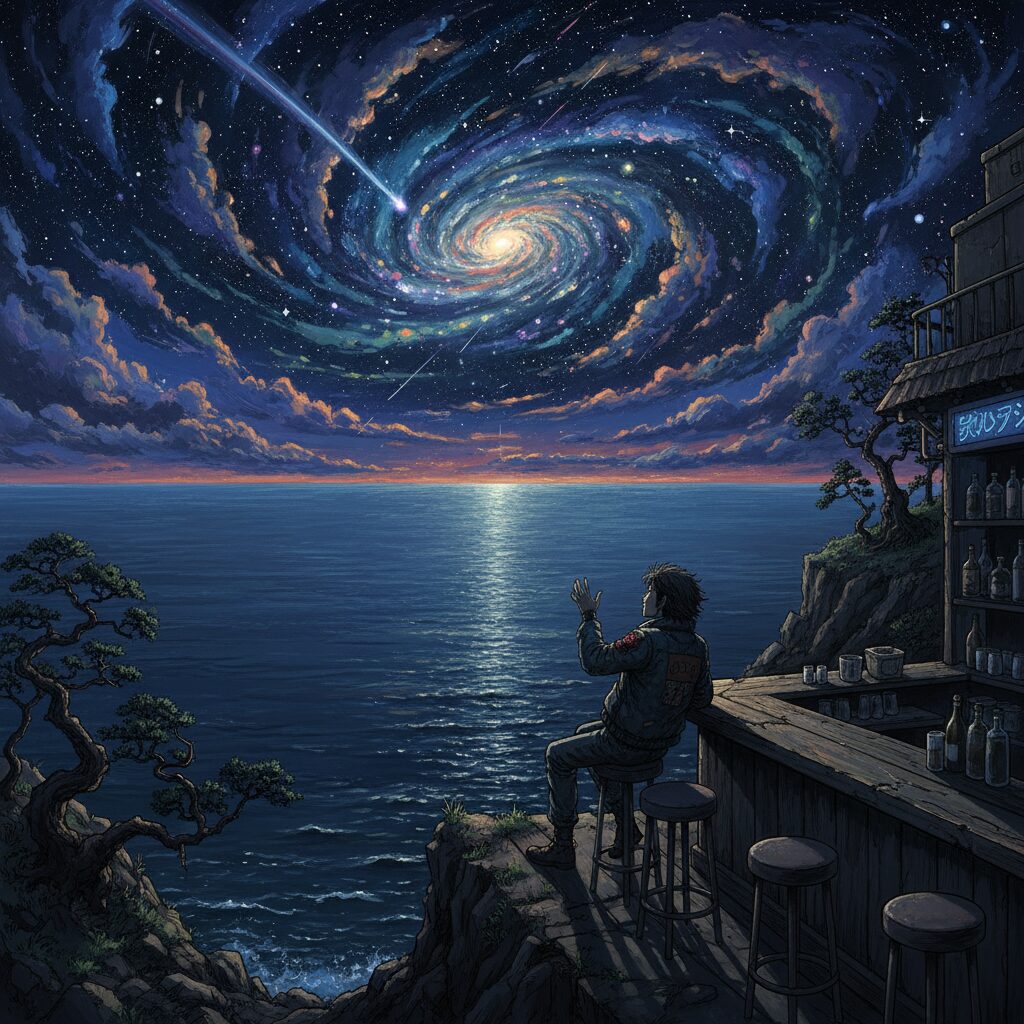
So, here it is: a glimpse into another side of Japan, one that flows with the rhythm of the tides and is illuminated by distant suns. This journey isn’t about rushing between famous landmarks. It’s about slowing down, looking up, and reconnecting with something essential. It’s about the simple, profound joy of sitting by the ocean with a good drink in hand, feeling the vast, beautiful stillness of the universe. From the vibrant, soulful nights of Okinawa to the stylish coastal retreats near Tokyo and the tranquil, art-filled islands of the Seto Inland Sea, Japan offers a wide range of ways to experience this magic. Each place has its own unique character, distinctive drink, and celestial rhythm. But the feeling they leave behind is universal: a sense of wonder, peace, and your own small yet perfect place in the cosmos. It’s a reminder that sometimes the most memorable travel experiences aren’t the loudest or grandest, but the quietest—found in the spaces in between, in the art of doing nothing, in simply being present beneath a star-studded sky. So, when you plan your trip to Japan, leave some space in your itinerary for the unplanned. Keep a night free to follow the coastline, discover a little bar with a sea view, and just sit and watch the heavens turn. I promise, it’s a show you’ll never forget.