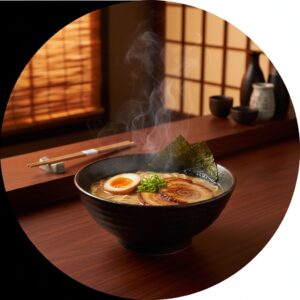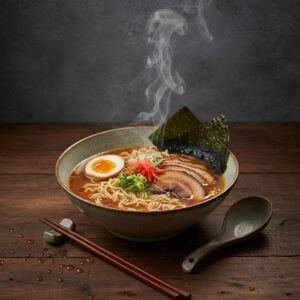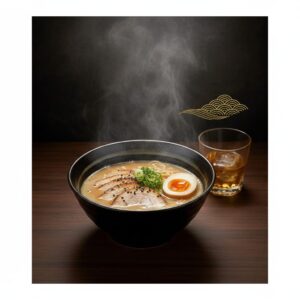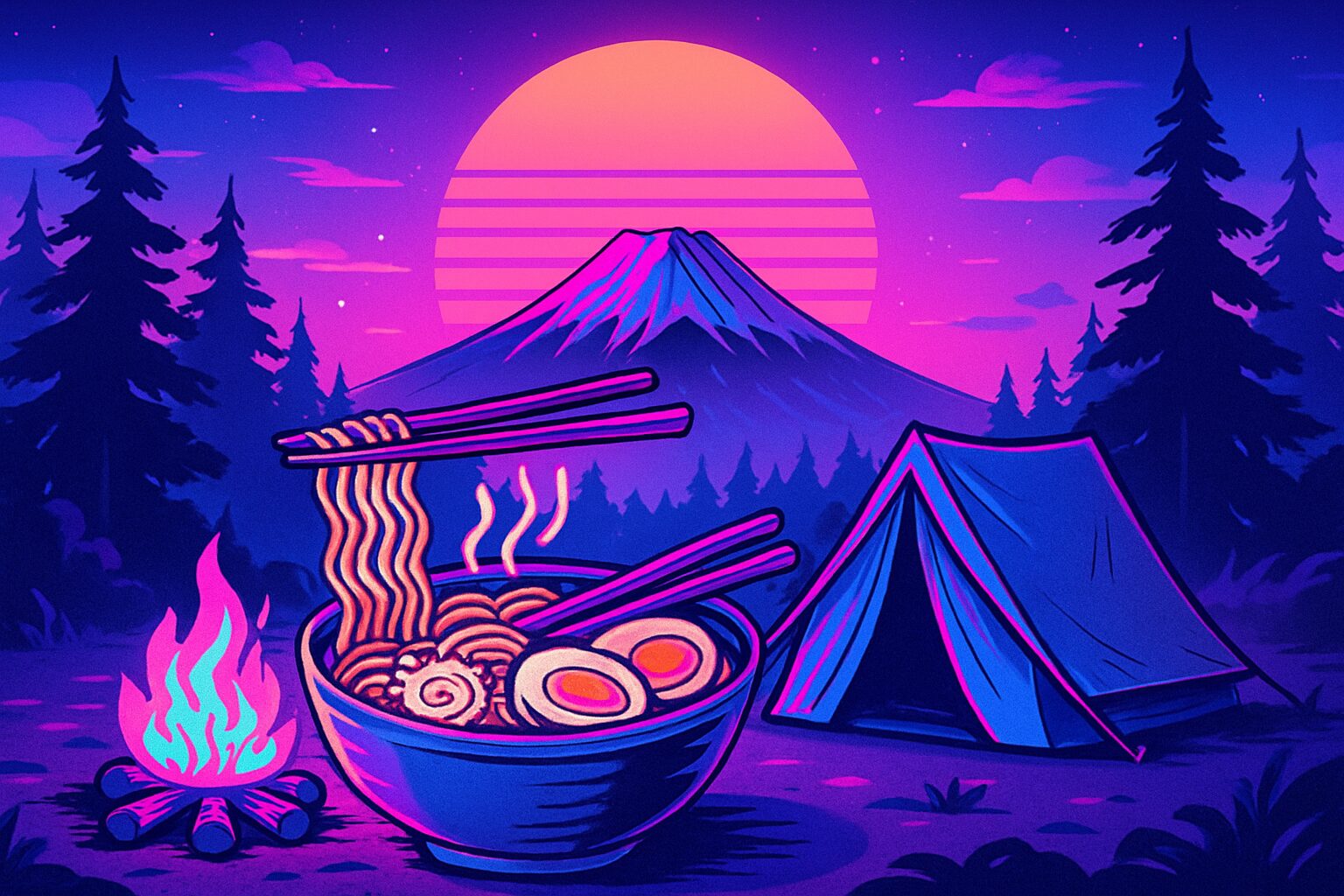
Alright, let’s get real for a sec. You’ve seen the pics, the aesthetic-drenched reels of someone sitting solo by a tranquil lake, a plume of steam rising from a humble bowl against a backdrop of a ridiculously perfect mountain. You’ve felt that pull, that deep-seated urge to disconnect from the chaos and plug straight into nature’s Wi-Fi. That, my friend, is the siren call of solo camping in Japan, and at the heart of this entire experience is a ritual so simple, so pure, it’s basically a spiritual awakening: crafting and devouring a bowl of instant ramen in the great outdoors. This isn’t just about food; it’s a whole mood. It’s the ultimate act of self-care, a sensory explosion that turns a 200-yen noodle packet into a Michelin-star meal for the soul. We’re talking about “soto-ramen” (outdoor ramen), a cultural rite of passage for any adventurer here. And there’s no place that serves as a better cathedral for this delicious ceremony than the area cradling Japan’s majestic icon, Mt. Fuji. We’re heading to the Fuji Five Lakes region, a place so stunning it feels like a cheat code for epic views, with Lake Motosu being our ground zero for good vibes and even better noodles. Get ready to dive deep into the world of solo slurping under a blanket of stars. It’s time to find your bliss, one noodle at a time.
For the perfect pairing to elevate your outdoor ramen experience, consider exploring the world of craft cola.
Why Solo Camping in Japan Just Hits Different
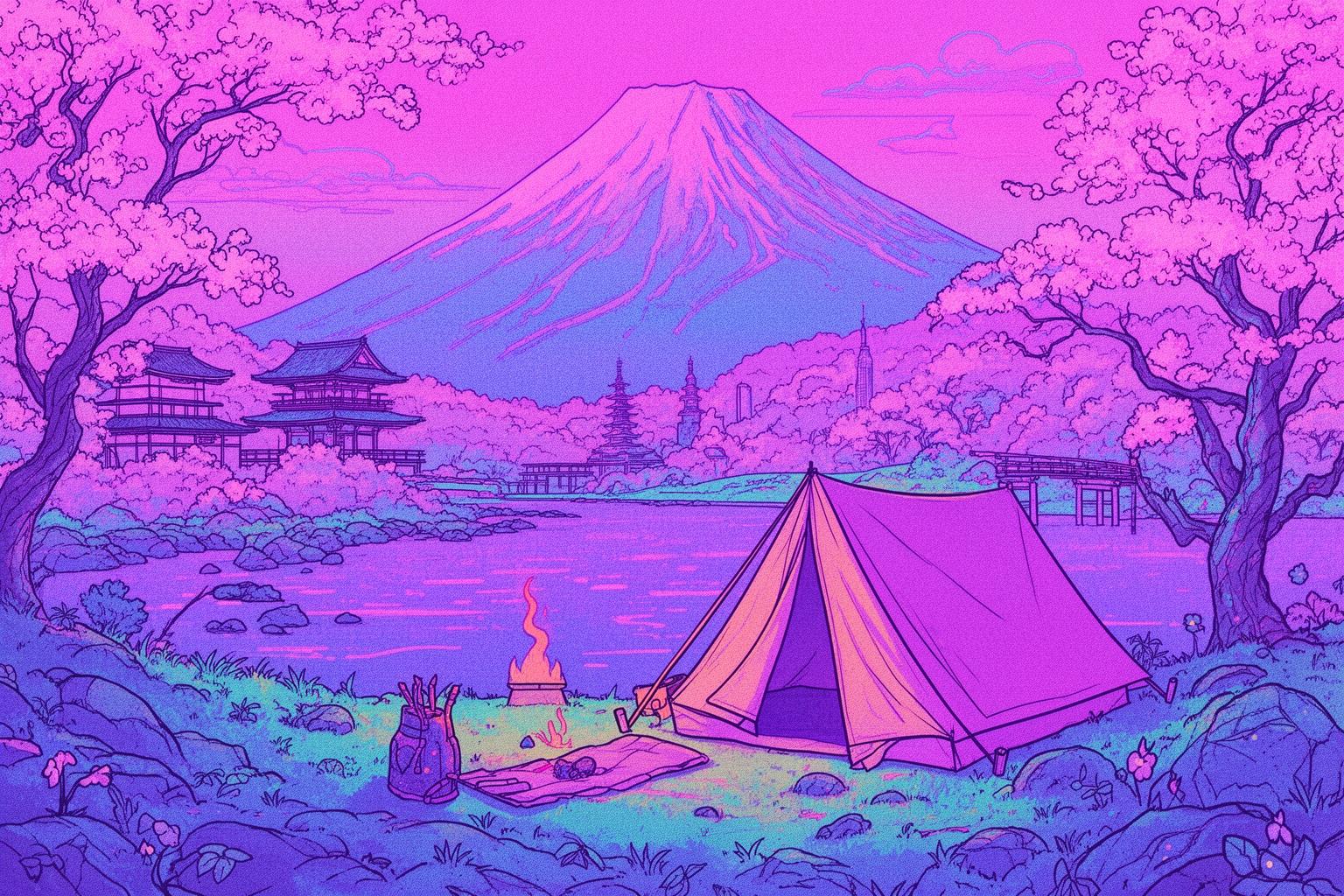
First and foremost, let’s discuss why pitching a tent solo in Japan is an entirely different experience. Forget any preconceived ideas of rugged, Bear Grylls-style survival. While that’s certainly an option, the mainstream solo camping culture here is a finely honed art. It’s less about conquering the wild and more about crafting a personal sanctuary within it. The whole atmosphere revolves around the Japanese concept of “iyashi,” which means a gentle, profound healing. It’s the soft murmur of the forest, the crisp mountain air, the hypnotic flicker of campfire flames. It’s a chance simply to be. The infrastructure is top-notch, making it incredibly easy for solo adventurers. Campsites are generally spotless, well-maintained, and very safe. This feeling of security is a major benefit, especially for solo female travelers. There’s an unspoken social agreement of respect and quiet mindfulness. People give you space, yet there’s a warm sense of community, a mutual understanding that everyone is there for the same purpose: to relax. You’ll find fellow solo campers, from young students to experienced salarymen, each in their own peaceful bubble, carefully organizing their gear. And the gear itself—Japanese camping culture deeply values high-quality, beautifully crafted equipment. There’s a term, “gear-numa” (gear swamp), describing the delightful rabbit hole of collecting titanium cookware, ingeniously designed chairs, and ultra-comfy sleeping bags. It’s not about materialism; it’s about the joy of creating a functional and aesthetically pleasing temporary home. Your little setup becomes an extension of yourself, a cozy nest from which to absorb the stunning surroundings. This careful attention to detail, coupled with a strong cultural reverence for nature, creates an environment where solo camping feels not only feasible but perfectly, blissfully natural.
The Main Event: Crafting the Perfect Outdoor Ramen
Alright, let’s dive into the delicious, steamy core of the matter: the ramen. This is your moment, the climax of your solo camping adventure. Forget the sad, soggy noodles of your college dorm days. Outdoor ramen in Japan is a culinary ceremony, a customizable feast performed with nature as your audience. It’s about transforming a simple, humble block of dehydrated noodles into a masterpiece using the magic of fresh air and a few killer toppings. This is your chance to be a chef, a creator, a master of your own flavorful destiny. The process itself serves as a form of meditation: the focused act of boiling water, the satisfying crinkle of the seasoning packet, the careful placing of each garnish. It’s a small act of creation that feels deeply rewarding when you’re out there alone. It’s a warm hug in a bowl, a flavor-packed prize for your adventurous spirit. Every step, from selecting your noodle base to the final, triumphant slurp, is part of the experience. So, let’s break down how you can absolutely dominate the soto-ramen game and craft a bowl of noodles as legendary as the view before you.
Choosing Your Noodle Base: A Universe in a Packet
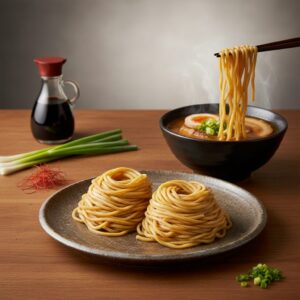
Your journey begins in the brightly lit aisles of a Japanese supermarket or among the chaotic, treasure-packed shelves of a Don Quijote. The instant ramen section isn’t just a section; it’s a library of flavors, a vibrant mosaic of possibilities. You’ll face a dizzying range of options, and honestly, the best approach is to embrace the chaos. Grab a few that catch your eye. You’ll find classic flavor profiles that are the pillars of the ramen world. There’s the light and salty Shio, a clear broth that’s subtle and clean, perfect for a crisp mountain morning. Then there’s Shoyu, the soy-sauce-based staple, a savory, umami-filled crowd-pleaser that feels like a warm embrace. Miso, made from fermented soybean paste, offers a deep, complex, and funky flavor that’s incredibly satisfying on a chilly night. And, of course, there’s Tonkotsu, the rich, creamy pork-bone broth that’s pure, unapologetic indulgence. Don’t just settle for the basic Cup Noodle (though the Seafood flavor is a classic for a reason). Look for premium packet ramen that comes with separate sachets of aromatic oil, dried garnishes, and liquid soup concentrate. Brands like Maruchan Seimen or Nissin’s Raoh series offer air-dried noodles, not fried, giving them a texture strikingly close to fresh ramen. Seek out regional specialties as well—you might find a Sapporo-style miso ramen or a Hakata-style tonkotsu. This is your chance to embark on a flavor expedition without ever leaving your campsite. Choose a variety, embrace the unknown, and prepare to be amazed by what a dehydrated noodle and hot water can create.
Level-Up Your Toppings: The Art of the Camp Garnish
This is where the rookies part ways with the ramen masters. A true soto-ramen enthusiast knows that the toppings, or “gu,” elevate the meal from simple to spectacular. The beauty is that you can reach god-tier status with minimal effort, thanks to the wonder of the Japanese convenience store, or “konbini.” Before you even hit the campsite, a quick stop at a 7-Eleven, FamilyMart, or Lawson is essential. Here’s your shopping list for a five-star ramen experience. First, pick up an Ajitsuke Tamago, or “ajitama.” These are soft-boiled eggs marinated in a sweet and savory blend of soy sauce and mirin. They come pre-packaged, ready to be halved, revealing a perfectly jammy, molten yolk that will melt into your broth, adding incredible richness. Next, head to the chilled section for some char siu. Yes, you can buy ready-to-eat slices of roasted pork belly, perfect for gently warming in your hot soup. For a touch of freshness and sharpness, grab some negi (green onions). You can buy fresh ones to slice at the campsite or pre-slice them at home and pack in a small airtight container for convenience. Add a small pack of nori (dried seaweed sheets) to tuck into your bowl’s side; they’ll slowly soften and release their oceanic umami flavor. For texture, a small packet of menma (seasoned bamboo shoots) adds a delightful crunch. Feeling adventurous? A slice of butter and some canned sweetcorn will turn a miso ramen into a Sapporo-style dream. A slice of processed cheese melted on top might sound unusual, but it’s a popular, delicious hack that adds a creamy, salty kick. The possibilities are endless. The key is balancing a variety of flavors and textures: salty, savory, fresh, crunchy, creamy. Arranging these toppings is more than cooking; it’s an art form. It’s the finishing touch that makes the bowl uniquely yours.
The Gear You Need to Slay the Ramen Game
You don’t need a full camp kitchen to whip up an amazing bowl of ramen. The charm of Japanese camping gear is its elegant, minimalist functionality. Your essentials are simple. First, a dependable single-burner stove. Brands like Soto and Iwatani are iconic in Japan for compact, powerful, and wind-resistant models. The Soto Windmaster or Amicus are favorites among solo campers. Next, you need a pot. A titanium pot, often called a “cooker,” is the ideal choice. It’s ultra-light, durable, and heats up rapidly. Snow Peak’s Trek 900 or 700 series is legendary, perfectly sized for a single serving of ramen, with room for your toppings. Don’t overlook your eating utensils: reusable chopsticks are the most authentic, but a good spork works well too. A crucial but often missed factor is your water. The taste of your broth hinges on water quality. While tap water at campsites is generally fine, if you can get fresh spring water (many mountain campsites do), go for it. It adds a subtle, clean sweetness that’s impossible to mimic. Finally, consider your setup. This isn’t just about practicality; it’s about the experience. Don’t just set your stove on the ground. Use a small, foldable table to create a dedicated cooking station. Lay out your ingredients like a chef getting ready for service. This little bit of order smooths the process and turns it into a mindful, enjoyable ritual. Your tiny portable kitchen, with Mt. Fuji as your backdrop, becomes the best restaurant in the world—with a table for one. It’s a setup that declares, “I am here, I am self-sufficient, and I am about to enjoy an incredible meal.”
Finding Your Sanctuary: Picking a Campsite with Fuji-san as Your Roommate
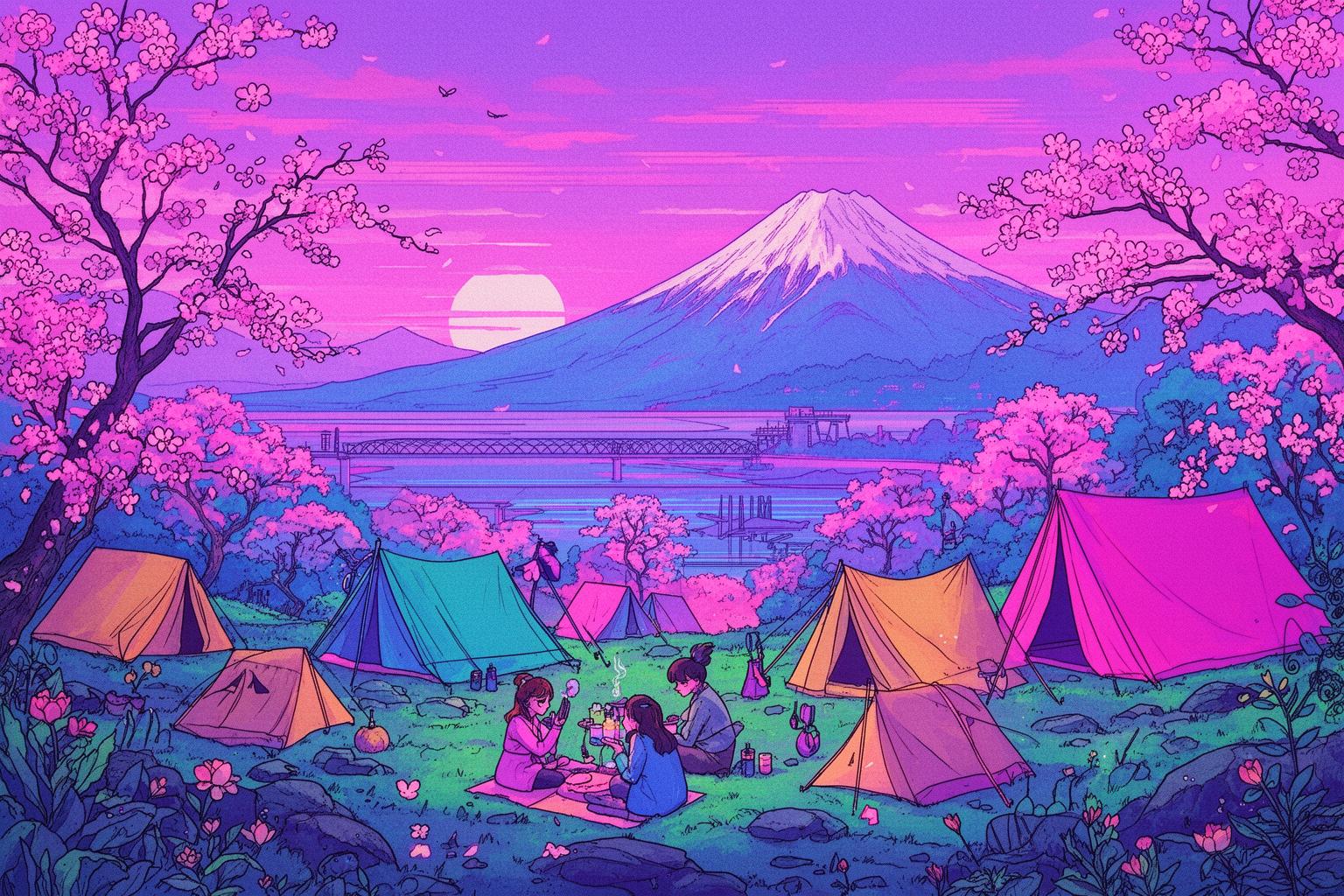
Location is everything. The setting for your ramen-fueled revelation has to be just right. The Fuji Five Lakes region in Yamanashi Prefecture is undeniably one of the most stunning camping spots in all of Japan. Each of the five lakes—Kawaguchiko, Saiko, Yamanakako, Shojiko, and Motosuko—boasts its own unique character and, most importantly, a distinct perspective on the magnificent Mt. Fuji. Where you decide to pitch your tent will shape the entire vibe of your trip. Do you want the iconic, up-close view, or a more subtle, forest-framed glimpse? Are you drawn to the peaceful solitude of a hidden cove, or the gentle hum of a popular site? This area has it all, catering to every style of camper. The air here feels different—clean, crisp, and charged with a nearly spiritual energy radiating from the sacred mountain that has inspired artists and pilgrims for centuries. This is more than just a place to rest; it’s a place to connect, to experience nature’s grandeur, and to find the perfect backdrop for your solo adventure. And when that view is the first thing you see upon unzipping your tent in the morning, you’ll know you made the right call.
Lake Motosu: The Classic View
For the quintessential, breathtakingly perfect view of Mt. Fuji, head to Lake Motosu (Motosu-ko). This is the ultimate spot—the very landscape featured on the back of the Japanese 1,000-yen bill. Lake Motosu has the deepest and clearest waters among the five lakes, a mesmerizing stretch of sapphire blue that perfectly reflects the sky and the majestic volcano towering above. The Koan Camping Ground on the northwestern shore is the most famous place to take it all in, offering an unobstructed front-row seat to the main attraction. You can camp right on the pebble beach, where the gentle lapping of the water sets a soothing soundtrack, or choose a spot slightly elevated among the trees for extra privacy. The atmosphere here blends awe-inspired reverence with laid-back relaxation. During the day, kayakers and paddleboarders glide across the pristine surface. As evening falls, a peaceful stillness takes over. Campers settle into their chairs, tripods appear, and everyone waits for the magic hour when the setting sun casts Fuji-san in shades of orange, pink, and purple. This is the perfect backdrop for your soto-ramen. Slurping your noodles while stars begin to twinkle above Fuji’s flawless cone creates a memory you’ll cherish forever. It’s a view so stunning it feels almost unreal—a moment of pure magic lingering long after your last spoonful of broth.
Hidden Treasures of the Fuji Five Lakes
Though Lake Motosu may be the most famous, each of the other lakes offers its own special charm well worth exploring. For a quieter, more reflective experience, try Lake Saiko. Set within the dense, mysterious Aokigahara Forest (rest assured, the campsites are safe and beautiful), Saiko has a wild, rustic vibe. Campsites such as PICA Fuji Saiko are nestled among the trees, providing cozy seclusion. The views of Fuji are often framed by forest, creating an intimate, peek-a-boo effect—perfect for those wanting to truly immerse themselves in nature, with only rustling leaves and birdsong as company. On the livelier end is Lake Yamanaka, the largest and easternmost lake. It offers a more developed atmosphere with plenty of amenities and activities. It’s also famous for “Diamond Fuji,” a phenomenon during autumn and winter sunsets when the sun aligns perfectly with the mountain’s peak, making it sparkle like a diamond. Campsites here often feature wide open grassy areas and panoramic views. For a truly off-the-beaten-path feel, explore Lake Shoji, the smallest of the five. Often overlooked, it draws fewer crowds and offers a serene setting. The view of Fuji here is known as “Kodaki Fuji” (Fuji embracing a child), due to a smaller mountain in the foreground that looks like Fuji is holding it. Each lake presents a different mood and flavor, so it’s worth researching a few to find the one that best matches your solo camping intentions.
Booking & Logistics: What You Need to Know
Booking Japanese campsites can seem a bit daunting at first, but it becomes straightforward once you understand the essentials. Gone are the days of just showing up and hoping for a spot, especially in popular areas like Fuji. Reserving in advance is absolutely crucial, especially if you’re traveling on weekends or during national holidays. Most campsites use dedicated online booking platforms. The largest and most popular is called “Nappu” (a play on “nap,” implying a rest in nature). Although the site is mainly in Japanese, a browser’s auto-translate feature usually does the trick. Some campsites, including many PICA resorts, offer English-friendly booking websites. When booking, you’ll typically see several site options. An “auto site” (オートサイト) is a designated plot with parking for one car, often with a power hookup. A “free site” or “furee saito” (フリーサイト) is a more open, non-marked area where you can pitch your tent wherever you find a good spot. For solo campers traveling light, a free site tends to be both cheaper and more flexible. As for getting there, renting a car is by far the easiest way to explore the Fuji Five Lakes and transport your gear. However, it’s possible to reach the area via public transportation. Highway buses run from major Tokyo stations (like Shinjuku) to Kawaguchiko Station, the main regional hub. From there, local buses can take you closer to the lakes, though you might have some walking to do to reach your campsite, so packing light is key if you choose this option. Always check the campsite’s access info page—they usually offer detailed directions for both drivers and public transit users.
More Than Just Ramen: Building Your Solo Camp Itinerary
While the evening ramen ritual steals the spotlight, your solo camping journey is a continuous, 24/7 adventure. The charm of this region lies in its abundance of activities that perfectly enhance the camping atmosphere. It’s not just about the destination; it’s about the journey and the small moments of joy along the way. From a soul-refreshing soak in a natural hot spring to witnessing the day’s first light on Fuji’s summit, your itinerary can be as full or as blissfully empty as you desire. This time is yours. There’s no one to negotiate with and no schedule to follow except your own. You could spend the entire day reading by the lake or embark on an epic side quest to a hidden shrine. The freedom is exhilarating. A well-balanced trip blends active exploration with dedicated relaxation, creating the perfect mix that will leave you feeling renewed and inspired. So, let’s delve into how you can shape your days and nights to craft a truly unforgettable solo mission around the base of Fuji-san.
The Golden Hour & Blue Hour Ritual
In the Fuji Five Lakes area, sunrises and sunsets are far more than everyday occurrences; they are spectacular, free events that demand your full attention. These moments, known to photographers as the “golden hour” (just after sunrise and before sunset) and the “blue hour” (the time just before sunrise and after sunset), are when the magic truly unfolds. The light softens, diffuses, and saturates the landscape with color, transforming it into an ethereal dreamscape. As a solo camper, you get a front-row seat. Make it a ritual. Rise before dawn, brew a fresh cup of pour-over coffee, and sit quietly as the first light creeps over the horizon. Watch the sky shift from deep indigo to violet, then to fiery orange and soft pink, illuminating Fuji’s sharp silhouette. In the evening, the spectacle reverses. This is the perfect opening act for your ramen dinner. Set up your camp chair facing the mountain, perhaps with a cold beer or a warm flask of tea, and simply watch. It’s a time for quiet reflection, for gratitude. During these serene, awe-inspiring moments, you feel a deep connection to your surroundings. It becomes a meditative practice that costs nothing yet rewards you with profound peace and wonder. Don’t forget your camera, but also remember to put it down and soak it all in with your own eyes. These are the moments that will be etched into your memory.
Exploring the Hood: Day Trips and Side Quests
When you’re ready to stretch your legs beyond the campsite, the region offers endless possibilities. A top must-do is visiting an onsen, or natural hot spring. There’s nothing more blissful than soaking your muscles in mineral-rich volcanic water after a day of hiking or a chilly night in a tent. Many onsen are designed to maximize the view. Spots like Fuji Yurari Onsen or Benifuji no Yu feature outdoor baths (“rotenburo”) with stunning panoramic vistas of Mt. Fuji. It’s the ultimate relaxation. For those craving activity, the area is laced with hiking trails. You could take a gentle walk along the shoreline of any lake or climb one of the nearby peaks for an elevated view. The trail to Mount Mitsutoge’s summit, for instance, is challenging but rewarding, offering dramatic views of Fuji and the Southern Alps. For a cultural fix, visit local shrines like Kitaguchi Hongu Fuji Sengen Shrine, a traditional starting point for pilgrimages up Mt. Fuji. And don’t overlook the michi-no-eki, or roadside stations. These are more than mere rest stops; they’re bustling markets selling fresh local produce, artisanal goods, and tasty snacks. They’re perfect for picking up unique ingredients for your next ramen creation, such as local mushrooms, seasonal vegetables, or a slab of Koshu wine-fed pork. It’s a wonderful way to connect with local culture and literally taste the region.
The Konbini: Your Camping Lifeline
Let’s give a shoutout to the true MVP of any Japanese adventure: the konbini. For solo campers, these 24/7 havens of light and sustenance are nothing short of miraculous. They revolutionize packing and preparation. Forgot your toothbrush? Konbini. Need ice for your cooler? Konbini. Craving a surprisingly delicious fried chicken snack at 10 PM? Konbini. They’re your safety net, pantry, and gourmet deli all in one. You can arrive at your campsite with a nearly empty cooler, knowing a 7-Eleven or FamilyMart is likely just a short drive away. They stock all the essential ramen toppings we mentioned earlier—the marinated eggs, char siu, corn. You can also grab breakfast for the next morning (the egg salad sandwiches have earned their legendary status), a variety of drinks from craft beer to premium canned coffee, and all sorts of tasty snacks. They even carry things like single-use phone chargers, rain ponchos, and work gloves—surprisingly handy at a campsite. This level of convenience removes a huge layer of stress from solo camping. It lets you pack lighter, make spontaneous choices, and feel confident that if you forget something, a solution is never far away. The konbini is an essential, life-affirming part of modern Japan, and for a solo camper, it’s an absolute godsend.
The Sensory Symphony: Slurping Under the Cosmos
Now, the moment arrives. The sun has sunk below the horizon, leaving behind streaks of deep purple and dusky orange. The air turns crisp and cool. The first stars begin to sparkle against the darkening velvet sky. This is the scene. Your performance is about to commence. The entire experience unfolds as a symphony for the senses. It begins with sound—the satisfying click-hiss of your camp stove igniting, a small, defiant roar breaking the vast silence of the evening. It’s the sound of warmth, of impending satisfaction. Then, the sight of water in your titanium pot, first shimmering, then bubbling with gentle energy. You drop in the block of noodles, watching them unfurl and soften magically in the swirling water. Next comes the aroma. You tear open the soup base packet, and the concentrated, savory scent of shoyu, miso, or tonkotsu fills the air, promising deliciousness ahead. It mingles with the clean, earthy smell of the forest and the cool breeze off the lake. You pour the rich broth over the noodles and watch the steam rise—a ghostly cloud carrying the fragrance to you. Carefully, you arrange your toppings—the glossy, jammy yolk of the ajitama, the vibrant green of the negi, the dark, enigmatic square of nori. Your humble bowl transforms into a work of art. You lift the bowl, feeling its comforting warmth seep into your chilled hands. Bringing it close, you take a deep breath, and then… the first slurp. The sound lingers slightly in the quiet night, a personal, intimate declaration of pure contentment. The rich, salty broth coats your tongue. The noodles, perfectly cooked, provide a satisfying chew. You look up from your bowl, and there it stands—the immense, silent silhouette of Mt. Fuji, its peak faintly visible against a celestial tapestry of countless stars. In that moment, everything connects. The warmth in your hands, the flavor on your tongue, the epic view before your eyes, the profound silence in your ears. You feel incredibly small before such grandeur, yet perfectly, utterly whole. This is more than a meal. It’s a moment of perfect, unspoiled presence. It’s everything.
Pro Tips for a Flawless Solo Mission
A bit of preparation goes a long way in making sure your solo trip is full of good vibes and free of any bad moments. While Japan is exceptionally safe and convenient, venturing into nature still calls for some thoughtful planning. Here are a few extra tips—lessons often learned after several trips—that will help make your solo adventure as smooth and memorable as possible. Think of this as your friendly pre-flight checklist, designed to get you ready to dive into a world of soto-ramen and starry nights. From what to bring to how to interact with the local four-legged residents, a little know-how will boost your confidence and let you focus on what truly matters: soaking it all in.
Packing Smart, Not Hard
The secret to a comfortable camping trip in Japan is layering. Mountain temperatures can swing dramatically from day to night, even during summer. Bring a moisture-wicking base layer, a fleece or mid-layer for warmth, and a waterproof, windproof outer shell. A down puffer jacket is a solo camper’s best friend—it’s lightweight, compressible to almost nothing, and offers instant warmth when the sun sets. A good sleeping bag is absolutely essential; check its temperature rating to ensure it’s suitable for the season. Summer nights can still get chilly at higher elevations. Don’t forget a quality sleeping pad, which insulates you from the cold ground and greatly enhances comfort. Other essentials include a reliable headlamp (for navigating to the bathroom in the dark), a portable power bank to keep your phone charged (for photos and emergencies), and a basic first-aid kit stocked with bandages, antiseptic wipes, and pain relievers. Pack wisely, and you’ll be a happy camper.
Wildlife Etiquette 101
You’re a guest in nature’s home and will likely encounter some furry neighbors. In the Fuji area, deer are common, and you might also see foxes or tanuki (raccoon dogs). While they are beautiful to observe from a distance, it’s vital to practice proper wildlife etiquette. The golden rule is never, ever feed the animals. It harms them and can cause them to lose their natural fear of humans. The most important practice is managing your food and trash responsibly. Don’t leave any food, cookware, or garbage unattended outside your tent, especially overnight. Store everything securely in your car or a sealed container. Crows in Japan are notoriously clever and can unzip bags and get into things you wouldn’t expect. Always pack out everything you bring in. Follow the “Leave No Trace” principles rigorously. The goal is to leave your campsite looking even better than when you arrived, preserving its beauty for the next visitor and the wildlife that call it home.
Embracing the Solo Vibe
Camping alone for the first time can feel a little odd. Silence can seem loud, and it’s completely normal to experience moments of loneliness or boredom. The key is to lean into it. This is a rare chance to be completely on your own schedule and with your own thoughts. Bring a good book, download podcasts or an audiobook, or start a journal. Or simply do nothing. Sit and watch clouds drift past Fuji. Listen to the wind rustling through the trees. The Japanese have a deep cultural appreciation for solitude and quiet contemplation—this is your moment to practice that. Regarding safety, Japan ranks among the safest countries worldwide, and its campsites reflect this. Nonetheless, it’s wise to stay aware of your surroundings. Let someone know your itinerary before you go, and keep your phone charged. Most campsites have a manager (“kanrinin”) on-site or nearby; find out where their office is in case you need assistance. But honestly, the biggest challenge is often in your own mind. Embrace the quiet, enjoy your own company, and you’ll discover a confidence and peace you didn’t know you had.
Seasonal Swag: When to Go
You can camp near Fuji all year round, but each season offers a distinctly different vibe. Spring (March–May) is stunning, with the chance to see cherry blossoms framing the mountain, but it’s also popular, so expect crowds and book well ahead. Summer (June–August) is lush and green, but also the rainiest season (“tsuyu” occurs in June and July), with hot, humid, and buggy conditions. It’s also Mt. Fuji’s official climbing season, so the area is lively. Autumn (October–November) is, for many, the peak season. The air is crisp and clear, giving the best chance for cloud-free views of Fuji. The autumn foliage (“koyo”) is spectacular, coloring the forests in fiery reds, oranges, and yellows—it’s camping perfection. Winter (December–February) is for the truly dedicated. It’s cold, requiring serious four-season gear, but the reward is immense: a snow-covered mountain, perfectly still and clear air, and almost total solitude. The sight of snow-capped Fuji against a brilliant blue winter sky is breathtaking. Choose your season based on your comfort level and the experience you wish to have.
The Final Slurp: Bringing the Vibe Home
As you pack up your tent, with the morning mist rising from the lake and Fuji-san silently bidding you farewell, you’ll realize something. The experience you just had was about far more than just noodles. The outdoor ramen was the anchor, the warm, savory centerpiece of a much larger, deeper ritual. It encompassed the quiet confidence of setting up your own shelter, the meditative focus of preparing a meal for one, and the humbling experience of dining in the grandest restaurant on Earth. It stands as a testament to the idea that the most memorable moments in life are often the simplest: a warm bowl, a breathtaking view, and a moment of perfect, uninterrupted peace. This is the magic of solo camping in Japan. It invites you to slow down, be present, and find immense joy in the little things. It embodies a feeling of self-reliance and a profound connection to the natural world. So, if you’ve ever felt that pull, that curiosity about what it’s like out there under the stars, just you and a volcano and a perfectly crafted bowl of ramen… go for it. Take the leap. The mountain is waiting, and the water is ready to boil.