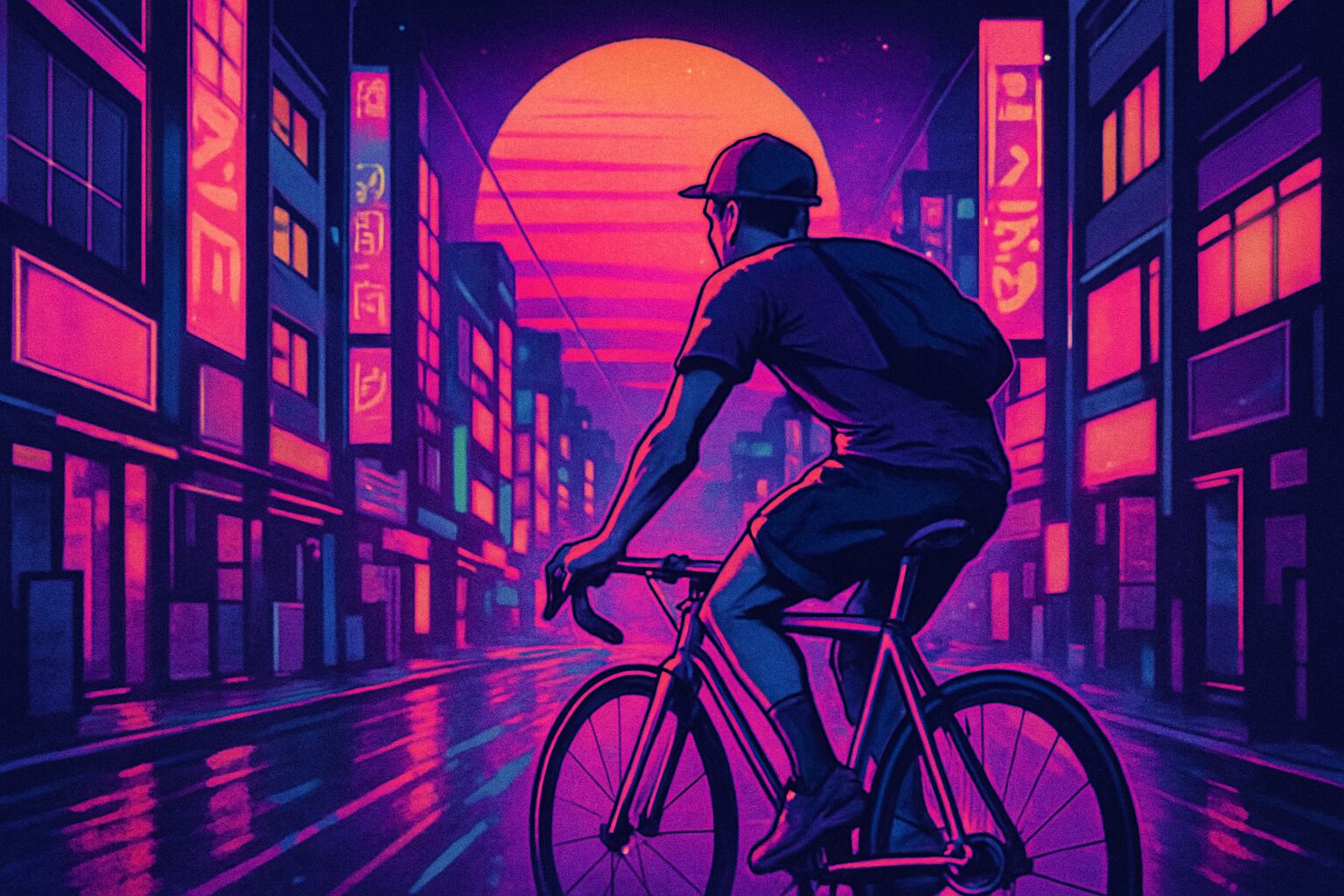
Tokyo. The name itself conjures images of impossible skylines, a relentless forward momentum, and crowds that move like a single, massive organism. We see it in films, in photos – the Shibuya Scramble, the soaring Skytree, the immaculate Shinkansen. It’s a city of epic scale, a metropolis that feels, at times, almost too polished, too perfect. But that’s just one layer. Peel it back, just a little, and you’ll find the city’s true, electric soul humming in the veins of its hidden backstreets, the yokocho and the unnamed alleys that glow with the soft, buzzing light of neon and paper lanterns. This is a different Tokyo. A city that’s intimate, gritty, and profoundly human. It’s a world away from the tourist trails, a place where stories are etched into every grimy wall and whispered over charcoal grills. And trust me, there is absolutely no better way to plug directly into this raw, unfiltered energy than from the saddle of a minimalist fixie bike. It’s your key to unlocking a side of Tokyo that most people only dream of, a rhythmic, pedal-powered exploration that syncs your own heartbeat with the city’s relentless, vibrant pulse. Forget the crowded trains and the predictable taxi routes; this is about feeling the pavement, smelling the ramen steam, and becoming part of the nocturnal landscape. This is where the real Tokyo lives and breathes.
To truly immerse yourself in this neon-drenched, cyberpunk reality, you’ll want to explore the hidden world of Japan’s vending machine alleys.
The Fixie Philosophy: More Than Just a Bike
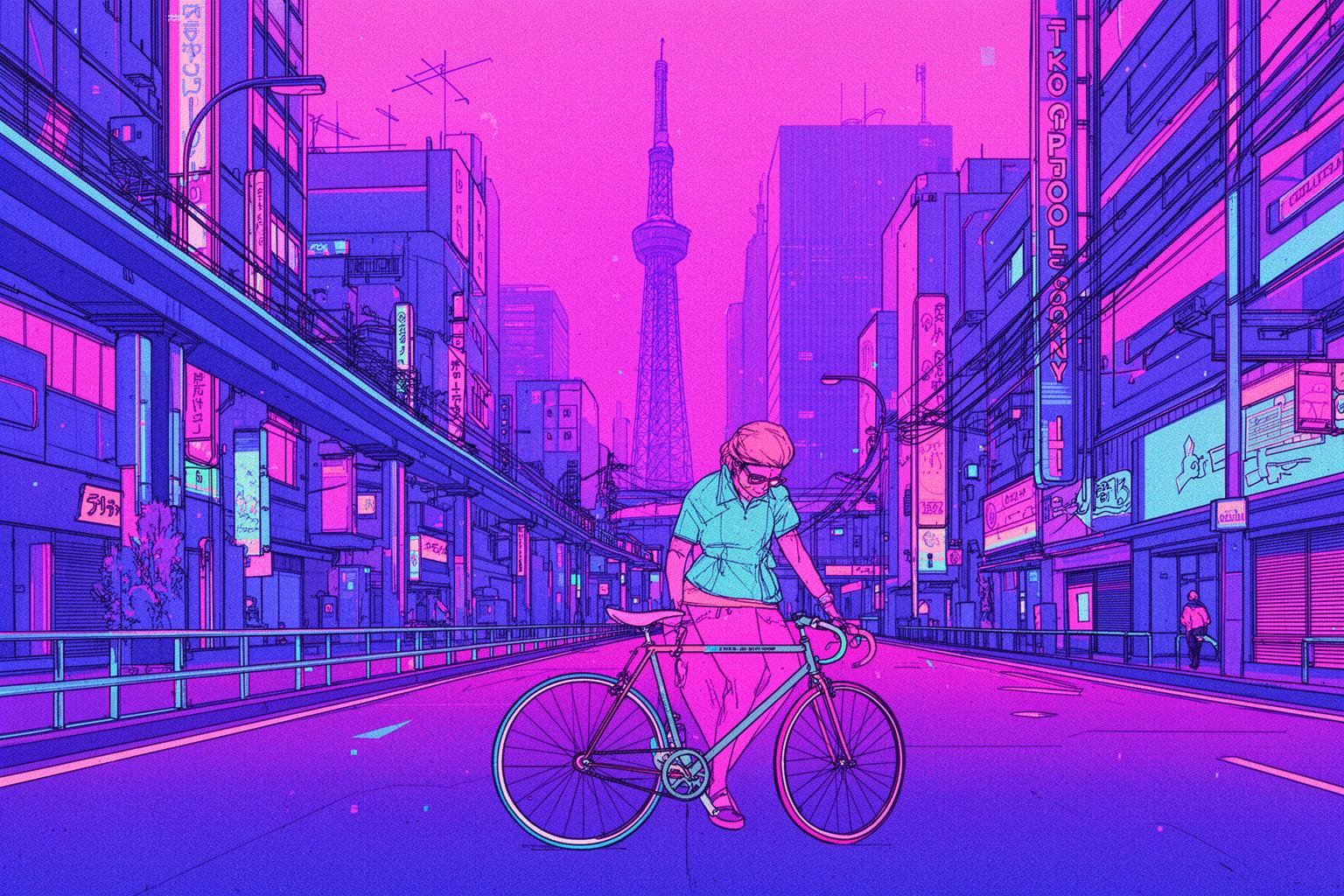
Why choose a fixie, you wonder? Why not a comfortable city bike complete with a basket and bell, or a high-tech road bike? It’s a valid question. The answer lies in the philosophy of connection. A fixed-gear bike, with its direct-drive drivetrain, represents the most fundamental form of cycling. There are no gears to shift, no coasting allowed. Your legs serve as the engine, the brakes, the entire mechanism. This fosters an unmatched, visceral bond between you, the machine, and the street below. You sense every subtle change in the gradient, every texture of the pavement. Your awareness sharpens, your senses cranked up to eleven. This is more than transportation; it’s a form of urban meditation. It compels you to be present, to anticipate pedestrian flow, to interpret the rhythm of traffic signals. In a city as overwhelming as Tokyo, this enforced mindfulness is a gift. It removes the superfluous and leaves you with a pure, unfiltered experience. The bike’s minimalist design—clean lines, no unnecessary elements—reflects the journey itself: a quest to uncover the simple, beautiful truth beneath the city’s complex layers. It’s a statement. It says you’re not merely a tourist passing through; you’re an engaged participant, someone intent on connecting with the city on its own terms. Riding a fixie through Tokyo’s backstreets isn’t about speed or efficiency. It’s about style, flow, and the quiet confidence of navigating a vast metropolis powered solely by your strength and intuition. It’s a whole vibe, a subtle rebellion against the passive consumption of travel.
Gearing Up for the Neon Glide
Before you lose yourself in the tangled alleys, some preparation is essential. This isn’t a leisurely ride in the park; it’s an urban adventure. Your bike is everything, and fortunately, Tokyo has a growing scene of stylish, minimalist bikes. While bringing your own fixie is an option for the truly committed, it can be a logistical hassle you likely don’t need. Renting is the better choice. Opt for boutique bike shops instead of standard city rental stations. Places like ‘Tokyo Bike Rentals’ or smaller, independent shops in neighborhoods such as Koenji or Shimokitazawa often offer single-speed and fixed-gear bikes that match the vibe. They know the culture and can provide a bike that feels right. When renting, be clear about what you want: something lightweight, responsive, and importantly, equipped with powerful lights. Night riding in Tokyo is a visual delight, but you must see and be seen. A bright white front light and a flashing red rear light are essential. Next, you need a solid lock. Tokyo is famously safe, but bike theft can happen, especially with an eye-catching ride. A sturdy U-lock or heavy-duty chain lock will let you relax while popping into a tiny ramen shop for an hour. Dress for comfort and practicality: dark, comfortable clothes that won’t catch on the chain, with shoes that have good pedal grip. While helmets aren’t strictly mandatory for adults everywhere, they are highly recommended. Japanese law now encourages all cyclists to wear one. It’s just wise. Finally, know the traffic rules. Cycling in Japan requires finesse. Ride on the left, following traffic. Many locals ride on sidewalks, but this is only allowed where signs permit it, and pedestrians always have the right of way. In the narrow backstreets you’ll explore, you’ll share space with pedestrians, so a slow, respectful pace is crucial. Bike parking can be tricky—you can’t just leave your bike anywhere. Use designated bicycle parking areas, often found near train stations. For a quick stop, a discreet spot that doesn’t block doors or walkways is usually fine, but for longer rides, secure parking is necessary. A bit of practical planning will ensure a night of pure, unfiltered freedom.
Into the Labyrinth: Mapping Your Nocturnal Journey
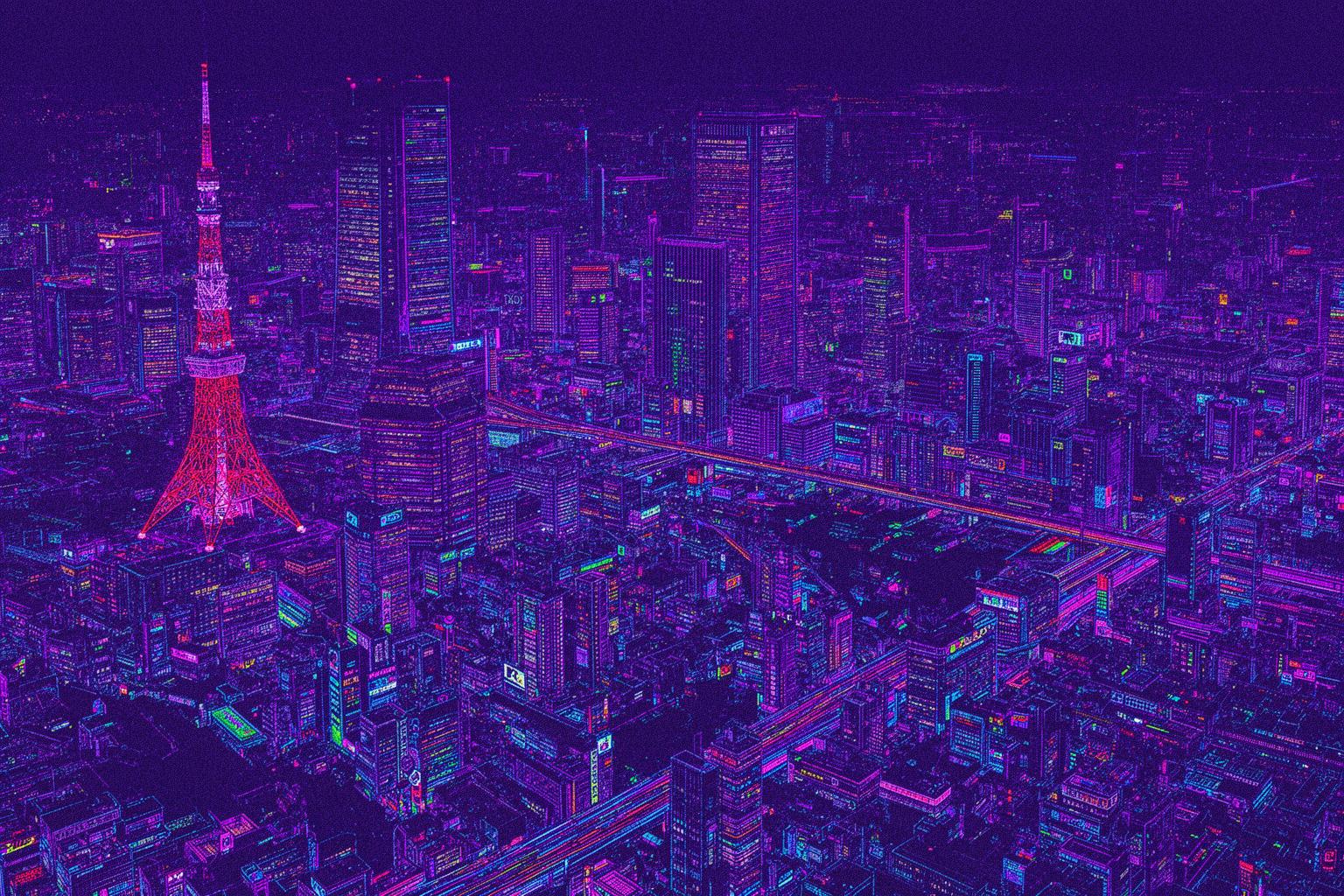
Tokyo is not a singular entity; it is a mosaic of fiercely individual neighborhoods, each possessing its own unique personality. Your fixie is the ideal vehicle to navigate between these diverse worlds, observing how the city’s character shifts and transforms from one district to another. The real enchantment occurs when you allow yourself to get lost, following the glow of a lantern down an alley that isn’t on any map. Yet, having a few key destinations as anchors can help give structure to your journey.
Shinjuku: The Electric Heart of the Beast
Shinjuku embodies the Tokyo of your imagination. It is an overwhelming, chaotic, and utterly intoxicating concentration of everything the city has to offer. The main streets flood with light and sound, but the true gems lie hidden in its legendary yokocho.
Omoide Yokocho (Memory Lane)
Your first stop should be Omoide Yokocho, often known by its more colorful nickname, ‘Piss Alley.’ Don’t let the name put you off. This dense network of tiny alleyways next to the railway tracks west of Shinjuku Station is a time capsule from the post-war Showa era. Secure your bike nearby; riding through here is absolutely forbidden. Stepping into the lane, you are greeted by a sensory overload in the best way. The air is thick with the savory smoke wafting from dozens of yakitori stalls. The soundscape is a constant, low hum of chatter, sizzling meat, and clinking glasses. Narrow passages glow warmly under red paper lanterns, casting a timeless, cinematic light. Each stall is tiny, often seating only a handful of people leaning over wooden counters. This is the place for simple, perfect yakitori—grilled chicken skewers—and a cold beer or highball. Point at what looks appealing; menus tend to be simple, and the masters behind the grill have been at it for decades. It’s cramped and smoky, but one of the most authentic experiences you can have in Tokyo. It feels like stepping onto a film set, but the stories here are real, played out by local salarymen and office workers unwinding after a long day.
Shinjuku Golden Gai
After soaking up the Showa atmosphere of Omoide Yokocho, take a short ride to the station’s east side to find Shinjuku’s other famous backstreet gem: Golden Gai. This is an entirely different creature. It is a preserved architectural oddity, a tight cluster of six narrow alleys housing over 200 impossibly small, ramshackle bars. Most bars fit only five to ten customers at a time. By day, it looks nearly derelict, but at night, it transforms into a magical, glowing labyrinth. Again, park your bike on the outskirts—Golden Gai’s lanes are for pedestrians only. The history here is tangible. This area resisted the redevelopment that erased much of Tokyo and keeps a fierce, independent spirit alive. Many bars have a specific theme—punk rock, jazz, retro film—and cater to regulars. Some venues may feel intimidating to foreigners and often have a cover charge, so it pays to be observant. Look for signs in English or a welcoming atmosphere. The key is respectfulness. This isn’t a place for loud groups; it’s for quiet conversation and savoring the unique ambiance of your chosen tiny bar. Each bar is its own universe. You may find yourself squeezed between a film director and a musician, sipping a carefully crafted cocktail and hearing stories you’ll never forget. Cycling away from Golden Gai, with memories of its intimate, glowing rooms fresh in your mind, you feel as if you’ve been let in on a secret.
The Western Line: Where Cool Was Born
For a different taste of Tokyo’s backstreet culture, head west along the Chuo Line. This railway feeds some of the city’s most creative, bohemian, and genuinely cool neighborhoods. The vibe here leans less on post-war nostalgia and more on counter-culture, music, and vintage style.
Koenji: The Punk Rock Soul
Koenji is raw, authentic, and unapologetically itself. It is the spiritual home of Tokyo’s punk rock scene, and the rebellious, DIY ethos permeates everything. Riding your fixie here feels natural; the neighborhood’s unpretentious, gritty charm matches the bike’s minimalist style. Main streets are lined with second-hand record shops, edgy boutiques, and an array of vintage clothing stores, known as furugiya. But the real excitement lies in the maze of streets under and around the elevated train tracks. As a train roars overhead, its sound becomes the percussive soundtrack to your ride. You’ll discover tiny, hidden ‘live houses’ where bands thrash out sets to small, devoted crowds. There are standing bars so small they spill onto the street. Around the station is a fantastic place to explore. Lock your bike and wander through covered shotengai (shopping arcades), where traditional tofu shops sit alongside punk-themed cafes. Koenji feels lived-in; it’s a community, not just a destination. Exploring it by bike makes you feel like a temporary local, gliding through its veins and absorbing its fiercely independent spirit.
Shimokitazawa: The Capital of Vintage
Just a short ride south of Koenji is Shimokitazawa, or ‘Shimokita’ to its friends. If Koenji is the punk older sibling, Shimokita is the trendy, artsy younger one. This neighborhood is a paradise for fans of vintage fashion, indie music, and quirky cafes. What makes it a dream for cyclists is its layout. The streets form a complex, delightful maze, too narrow for most cars, creating a semi-pedestrian zone where bikes reign supreme. Hours can be spent weaving through alleys, discovering something new around every corner. One street is lined with meticulously curated vintage American workwear, the next with tiny, experimental art galleries. Independent theaters nest above noodle shops. The energy in Shimokita is youthful and creative. It’s the sort of place where you can park your bike, grab a craft coffee from a stylish stall, and watch an endless parade of incredible street style. As evening falls, the area buzzes with acoustic guitars from open mic nights and chatter from patrons at trendy, new-wave izakayas. It’s a neighborhood that rewards slow, aimless exploration, and the fixie is the perfect companion. You cover more ground than on foot, yet move slowly enough to catch the small details that make Shimokita so special.
Sangenjaya: The Grown-Up Labyrinth
For a slightly more mature but equally captivating backstreet experience, point your handlebars toward Sangenjaya. Located a bit further out, this neighborhood, affectionately called ‘Sancha,’ offers a glimpse into a more local, sophisticated side of Tokyo nightlife. At its heart lies the ‘Sankaku Chitai’ or Triangle Area, a maze of impossibly narrow, interconnected alleys packed with fantastic eateries and bars, all beneath a canopy of tangled electrical wires. It feels like a Blade Runner movie set, but with a warm, welcoming, distinctly Japanese atmosphere. Cycling to the edge and then exploring on foot is the way to go. Here you find standing-room-only wine bars, traditional izakayas serving exquisite seasonal dishes, and hidden gems known only to locals. The vibe here is less about being seen and more about savoring quality food and drink in an intimate setting. Sancha’s joy lies in the thrill of discovery. You might pass a doorway multiple times before realizing it hides the best gyoza you’ve ever tasted. Cycling through the nearby residential streets at night is also a peaceful, beautiful experience. This quieter, contemplative ride contrasts perfectly with the high-energy buzz of places like Shinjuku and Shimokitazawa, showing that Tokyo’s backstreet magic isn’t always loud and flashy; sometimes, it’s found in the gentle hum of a neighborhood enjoying its evening.
The Sensory Symphony of the Night Ride
Beyond the specific spots, the real reward of a nocturnal fixie ride through Tokyo lies in the full-body sensory experience. It’s something you can’t capture from the window of a train or car. It’s about being fully immersed and present in the moment. Listen closely to the soundtrack of your ride. It’s not just the whir of your drivetrain. There’s the constant, gentle hum of a million vending machines, each glowing like a beacon in the dark. The cheerful electronic jingle rings out as you cross a street. The sudden, loud “Irasshaimase!” bursts from a shop as you glide past. In the distance, the rhythmic clatter of the train rattles on the tracks above. Then there are the scents. Tokyo’s nighttime air is a complex perfume. You pedal through clouds of sweet, soy-based sauce drifting from an eel restaurant, followed by the rich aroma of tonkotsu ramen broth simmering nearby. The sharp, savory scent of charcoal from a yakitori grill mingles with the clean, damp fragrance of recently watered plants outside a small home. Even the smell of asphalt after a brief summer rain is part of the experience. Visually, it’s a masterpiece. Your eyes adjust to the darkness, and you begin to see the city anew, literally. The harsh glare of the daytime sun is replaced by thousands of soft points of light. The aggressive brightness of Shibuya’s massive video billboards yields to the delicate, hand-painted glow of a single paper lantern advertising a tiny sushi bar. You notice the artistry in the neon kanji signs, the way the light shimmers off wet pavement, transforming a simple street into a river of color. You are not just observing this world; you are moving through it, a silent, gliding shadow, part of the nocturnal ecosystem. It’s a deeply personal and nearly spiritual connection to the city.
Refueling the Engine: A Guide to Late-Night Eats
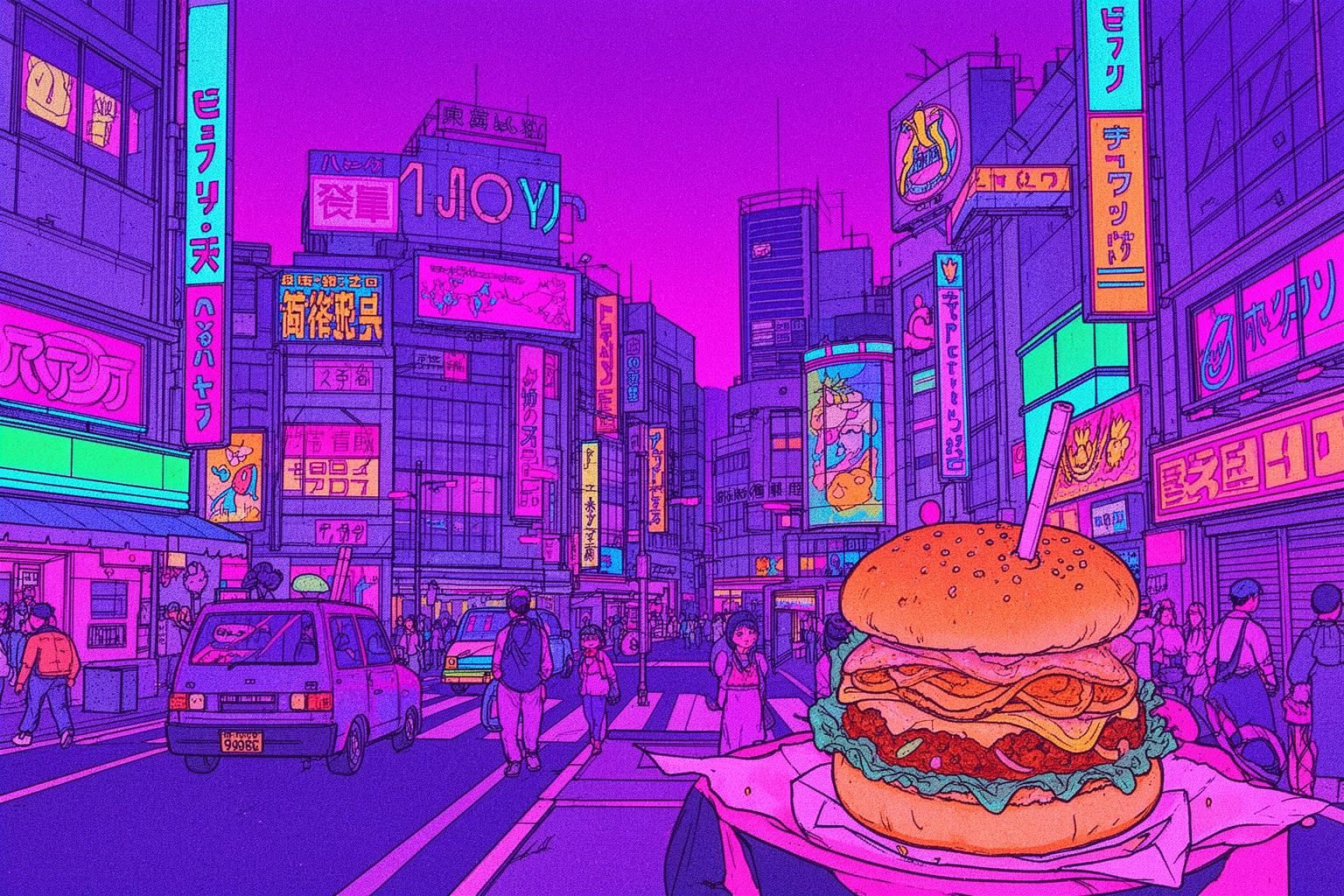
A good night ride demands fuel, and Tokyo is arguably the best city in the world for late-night dining. After riding for a few hours, nothing compares to a hot, satisfying meal. The best part is that the finest food is often the simplest and most accessible.
Ramen reigns supreme as the top late-night food. Every neighborhood boasts its legendary ramen-ya, usually a small counter with a ticket machine outside. The steam, the sound of slurping noodles, and the rich, complex broth make it the perfect way to refuel and warm up. Places with a line are always a good sign. Don’t hesitate to jump right in.
Gyoza is another excellent choice. These pan-fried dumplings perfectly complement a cold beer. Many specialty gyoza shops stay open late, offering crispy, juicy bites of deliciousness. They are quick, affordable, and deeply satisfying.
For a truly local experience, don’t overlook the humble convenience store, or konbini. The food quality at Japanese convenience stores like 7-Eleven, FamilyMart, and Lawson is exceptional. You can find surprisingly tasty oden (a winter hot pot with various ingredients), karaage (fried chicken), onigiri (rice balls), and a wide selection of drinks. Grabbing a hot can of coffee from a vending machine and a nikuman (steamed pork bun) from a konbini is a classic Tokyo late-night tradition.
When you’re on your bike, look for shops with a small spot out front where you can lean your ride. Most small, counter-style places are used to quick stops. It’s all part of the fluid, adaptable rhythm of city life here. Enjoying a simple, delicious meal on a quiet street corner, with your trusty bike resting beside you, is a moment of pure Tokyo bliss.
A Gentle Departure
As the night deepens and the last trains depart, Tokyo shifts into a new rhythm. The energy mellows, the streets clear out, and the city finally seems to exhale. This is a magical moment to be on your bike. Cycling through a nearly deserted Shibuya or Shinjuku is an unforgettable, almost surreal experience. The neon signs still blaze, but now they illuminate a stage set just for you. The ride back to your base turns into a quiet, reflective journey, a time to absorb all the sights, sounds, and scents you’ve encountered. You feel a profound satisfaction, the pleasant ache in your legs a testament to the distance you’ve traveled. You haven’t merely seen Tokyo—you’ve sensed its texture, savored its flavors, and moved to its unique, syncopated beat. You’ve connected with the city in a way that is raw, real, and deeply personal. The fixie is more than a mode of transport; it is a key. It opens hidden doors and secret pathways in this incredible metropolis, inviting you to discover the soul that glows just beneath the surface, shining throughout the endless, beautiful night.