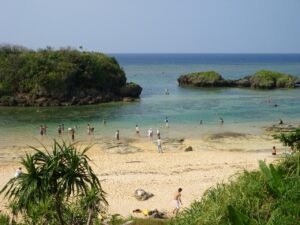
Alright, let’s spill the tea. You think you know Okinawa? You’ve seen the pics of emerald oceans, scrolled past the tourist throngs on Kokusai Street in Naha, and maybe you’ve even double-tapped a photo of Shuri Castle. But what if I told you there’s a whole other vibe, a low-key legendary scene just a stone’s throw away, where the real soul of the island comes alive after dark? We’re talking about Yonabaru, a town that might not be on your travel mag’s front page, but trust, it’s where the main character energy is truly at. Forget the polished tourist traps; this is where you dive headfirst into the unfiltered, authentic rhythm of Okinawan nightlife. This is izakaya hopping, but make it local, make it real, make it Yonabaru-style. It’s less about the glitz and more about the grit, the genuine smiles, and the taste of Awamori shared with strangers who feel like old friends by the end of the night. This isn’t just a night out; it’s a full-blown cultural immersion. You’re about to step into the living room of Okinawa, where every clink of a glass and every plate of Goya Chanpuru tells a story. So, you down to ditch the beaten path and find out what’s good? Bet.
The Vibe Check: What Yonabaru Nights Feel Like
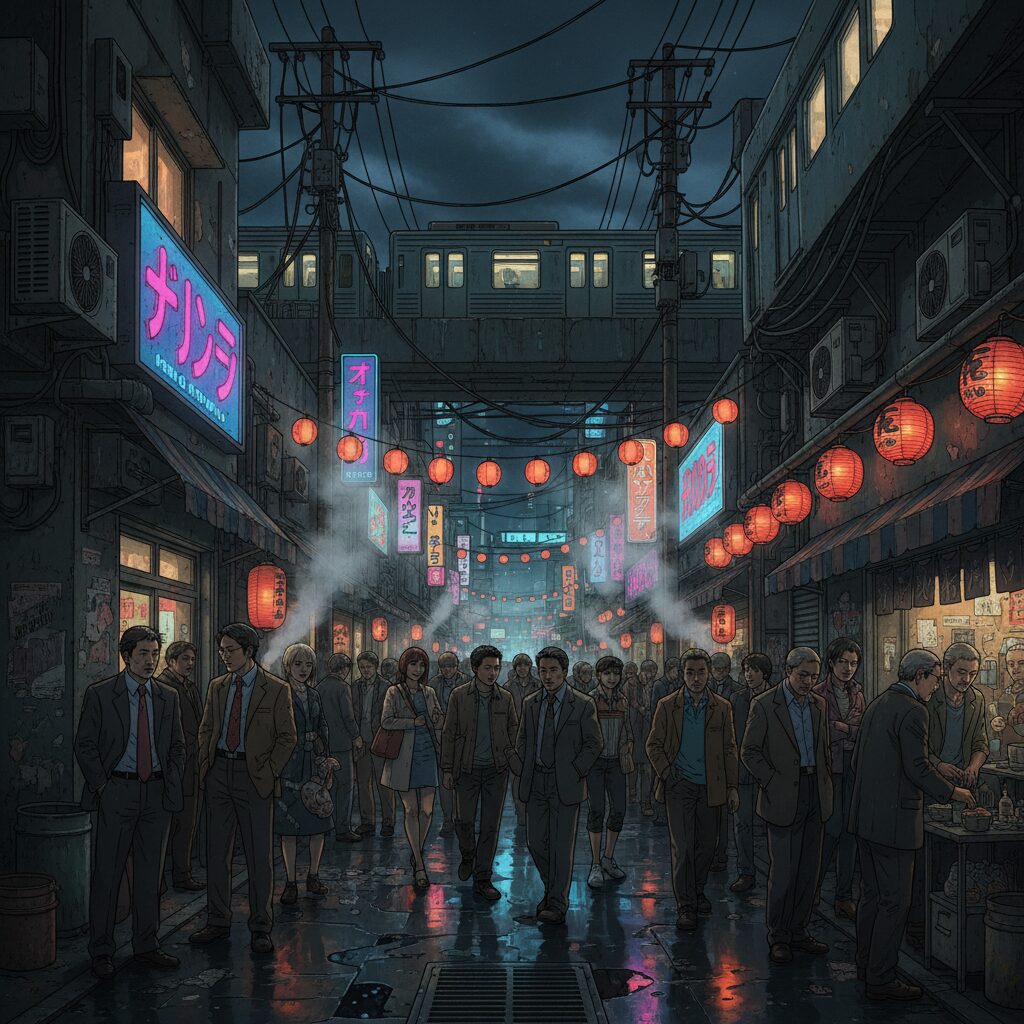
First things first, let’s set the scene. As the sun dips below the horizon, casting the Okinawan sky in fiery and lavender hues, Yonabaru doesn’t burst into neon lights like its big-city neighbor, Naha. Instead, it offers something far more intimate. It simply glows. The streets, once bustling with daily life just hours before, now soften. The true magic begins when the akachochin—those iconic red paper lanterns—start flickering to life outside modest storefronts. Each one acts as a beacon, a warm, inviting promise of good food, strong drinks, and even better company. Walking through Yonabaru’s narrow streets at night feels like stepping into a Studio Ghibli film. You’re not just an observer; you become part of the scene. The air thickens with incredible aromas: the smoky char of yakitori on the grill, the savory steam rising from a simmering pot of Oden, and the faint, sweet scent of Awamori lingering in the humid atmosphere. The soundtrack isn’t a curated playlist; it’s the genuine thing. It’s the gravelly laugh of an oji-san (old man) at the counter, the cheerful clatter of ceramic dishes, the rhythmic sliding of wooden doors, and the soft murmur of conversations in the local dialect, Uchinaaguchi, which sounds like a gentle song. This isn’t a performance for tourists. This is Tuesday night. This is the authentic heartbeat of a community. You’ll see fishermen, still in their work clothes, sharing stories over Orion beer. You’ll see families enjoying a massive plate of fried Gurukun fish. You’ll see young couples on a low-key date, heads close together over steaming bowls of Okinawa Soba. The atmosphere is completely unpretentious. No one is here to see or be seen. They’re here to connect, relax, and be themselves. And when you slide open that first izakaya door, you’re not just a customer; you’re a guest welcomed into that sacred space.
The Glow Up: Fueling Your Izakaya Hop
Alright, so you’re ready to dive in. But what’s on the menu? Okinawan izakaya cuisine is on a whole different level—a distinctive blend of Japanese, Chinese, and Southeast Asian influences, all anchored by the island’s strong spirit of self-reliance and making the most of what the land and sea offer. This is soul food that tells the story of the Ryukyu Kingdom. Let’s get into the must-try dishes, the ones that are, no joke, life-changing.
Can’t-Miss Eats for the Culture
You can’t just walk into a Yonabaru izakaya and order fries. You have to embrace the local scene. Start with the ultimate icon: Goya Chanpuru. If you’ve heard anything about Okinawan food, it’s probably this. Goya, or bitter melon, is the star—yes, it’s bitter, but it’s a good kind of bitter, a complex flavor perfectly balanced by savory thinly sliced pork, the creamy island tofu (shima-dofu), and the fluffy softness of scrambled eggs. It’s a culinary masterpiece that reflects Okinawan balance, and locals swear by its health benefits. It’s the taste of summer, home, and the island—all in a single bite.
Next, get ready to meet your new favorite: Rafute. This is braised pork belly, but calling it that does it a huge disservice. We’re talking thick chunks of pork simmered for hours in a sweet and savory broth of Awamori, soy sauce, and black sugar. The result? A melt-in-your-mouth, fall-apart-if-you-look-at-it-too-hard delicacy that’s pure bliss. It’s rich, decadent, and a dish with royal roots, once served exclusively to the Ryukyuan court. Eating Rafute is an experience—it’s comfort and luxury all on one plate.
For something from the sea, you have to try Umibudo, also called sea grapes or green caviar. These tiny strands of seaweed are dotted with little bubbles that pop in your mouth, releasing a fresh, slightly salty ocean flavor. It’s a texture explosion like nothing you’ve ever tasted. Served with a light soy-vinegar dressing, it’s a refreshing starter to cleanse your palate. Another seafood favorite is Gurukun no Karaage. Gurukun, the double-lined fusilier, is Okinawa’s official prefectural fish, and deep-frying it whole until crispy perfection is the way to go. You eat it whole, fins and all, for a satisfying crunch that gives way to delicate, flaky white fish. It’s a classic for a reason.
For the adventurous eaters, seek out Tofuyo. This fermented tofu is often called the “cheese of Okinawa.” It has a strong aroma but a surprisingly mellow, rich, and creamy flavor, somewhat like a fine blue cheese. It’s very potent, so you only eat a small sliver at a time with a toothpick, letting its complex flavors coat your tongue. It pairs perfectly with a strong glass of Awamori. If you know, you know.
Liquid Courage: The Drinks Menu Decoded
You can’t talk about Okinawan nightlife without mentioning the drinks. This is the fuel for the fire, the social lubricant that keeps the stories flowing. Topping the list, reigning supreme, is Awamori. This is not sake. This is not shochu—though it’s a close relative. Awamori is Okinawa’s indigenous spirit, distilled from long-grain Indica rice and unique black koji mold. It packs a punch, often bottled at 30-40% ABV, with a rich, earthy, sometimes sweet aroma. You can drink it straight, on the rocks, or, as most locals do, mizuwari—mixed with water and ice. For aficionados, ask for a kusu, an aged Awamori matured for three years or more, giving it a smoother, more complex profile, much like a fine whiskey. Drinking Awamori is a rite of passage—a taste of the island’s history and pride.
Of course, if you want something lighter, there’s only one name you need to know: Orion Beer. It’s the local brew—the crisp, refreshing lager that’s practically the taste of the Okinawan sun. A frosty mug of draft Orion beer, or nama biru, is the perfect way to start your night and beat the tropical humidity. It’s the island’s unofficial welcome drink. And for a truly local mix, try a Sanpin-cha Hai, a highball made with shochu or Awamori and chilled Sanpin-cha, Okinawa’s beloved jasmine tea. It’s light, fragrant, and dangerously easy to drink. It’s the go-to for a reason, blending the floral notes of the tea with the smooth buzz of the spirit for a combo that just hits differently.
How to Hop Like a Pro: Your Yonabaru Game Plan
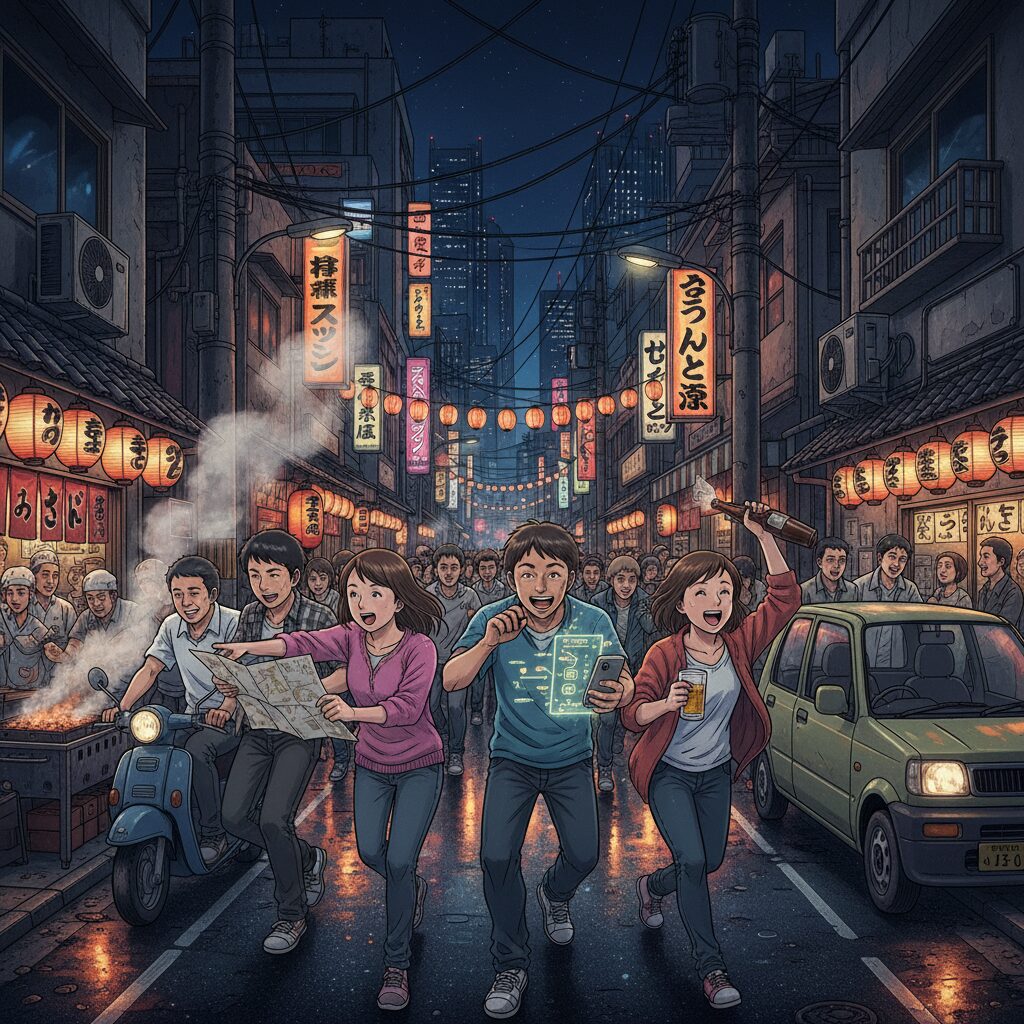
Hopping between izakayas, or hashigo-zake, is truly an art. It isn’t about getting drunk at one place; it’s about crafting a journey—immersing yourself in a variety of atmospheres, flavors, and conversations throughout the evening. Here’s how to master the Yonabaru izakaya crawl and look like a seasoned pro.
First, timing is crucial. Okinawan nights often start and end earlier than those in Tokyo or Osaka. The ideal time to begin your crawl is around 7 PM, when locals start filling in after their day’s work and the vibe hits just right. Wondering how to spot the best places? Follow the red lanterns. An akachochin hanging outside signals “good times and great food inside.” The older and more weathered it looks, the more authentic the experience tends to be.
Don’t worry if you don’t speak Japanese. A smile, a nod, and some enthusiastic pointing will take you far. Upon entering, you’ll be greeted with a chorus of “Irasshaimase!” (Welcome!). Simply find an open seat at the counter or a cozy table. Many izakayas offer English menus, but if they don’t, consider it part of the adventure. Your go-to phrase is “Osusume wa nan desu ka?” (What do you recommend?). Trust the chef or staff—they know what’s best and will be excited to share their top dishes. This is how you uncover hidden gems not listed on typical tourist maps.
One custom to be aware of is otoshi. Shortly after sitting, you’ll be served a small appetizer you didn’t order. This is the otoshi, essentially a table charge. Don’t see it as a rip-off; rather, view it as a cultural experience. It’s a little welcoming dish, often seasonal and flavorful, that sets the tone for your meal. The strategy for hopping is to enjoy one or two drinks with a couple of small plates at each spot. Soak in the atmosphere, engage in light conversation if possible, then, when ready, pay the bill and move on to the next lantern-lit door. It’s about gathering experiences, not merely ticking boxes. One final tip: bigger places may accept credit cards, but many smaller, family-run joints are cash-only. Be sure to visit an ATM beforehand so you’re not caught off guard.
Getting Grounded: Practical Intel for Your Trip
So, you’re convinced. You’re ready to discover the magic of Yonabaru. Let’s get you there. Yonabaru is situated in the southern part of Okinawa island, just east of the capital city, Naha. This ideal location makes it easily accessible while still being wonderfully off the beaten path. From Naha’s main bus terminal or city center, you can catch a local bus, and in about 30-40 minutes, you’ll arrive in a completely different world. Taxis are also a quick and fairly affordable option. The charm of Yonabaru lies in its walkability. Once you reach the town center, where most of the best izakayas are concentrated, your own two feet become the best way to get around. Wandering from one spot to another is part of the experience, letting you fully enjoy the neighborhood’s sights and sounds.
A Little Local Etiquette
Though Yonabaru is very welcoming, it’s important to be mindful of local customs. These izakayas serve as cherished community hubs, not merely bars. Keep your voice at a respectful volume, especially in smaller venues. It’s a place for lively conversation, not shouting. Learning a few simple Japanese phrases will be greatly appreciated. A friendly “Konnichiwa” (Hello) upon entering, “Arigatou gozaimasu” (Thank you) when leaving, and of course, “Kanpai!” (Cheers!) when raising your glass, are all it takes to connect. If you’re seated at the counter, it’s polite to return your empty dishes there for the staff. These small acts of respect can turn a good night into a memorable one, and might even earn you a new friend or a special off-menu treat from the owner.
Deeper Than the Drinks: The Soul of Yonabaru
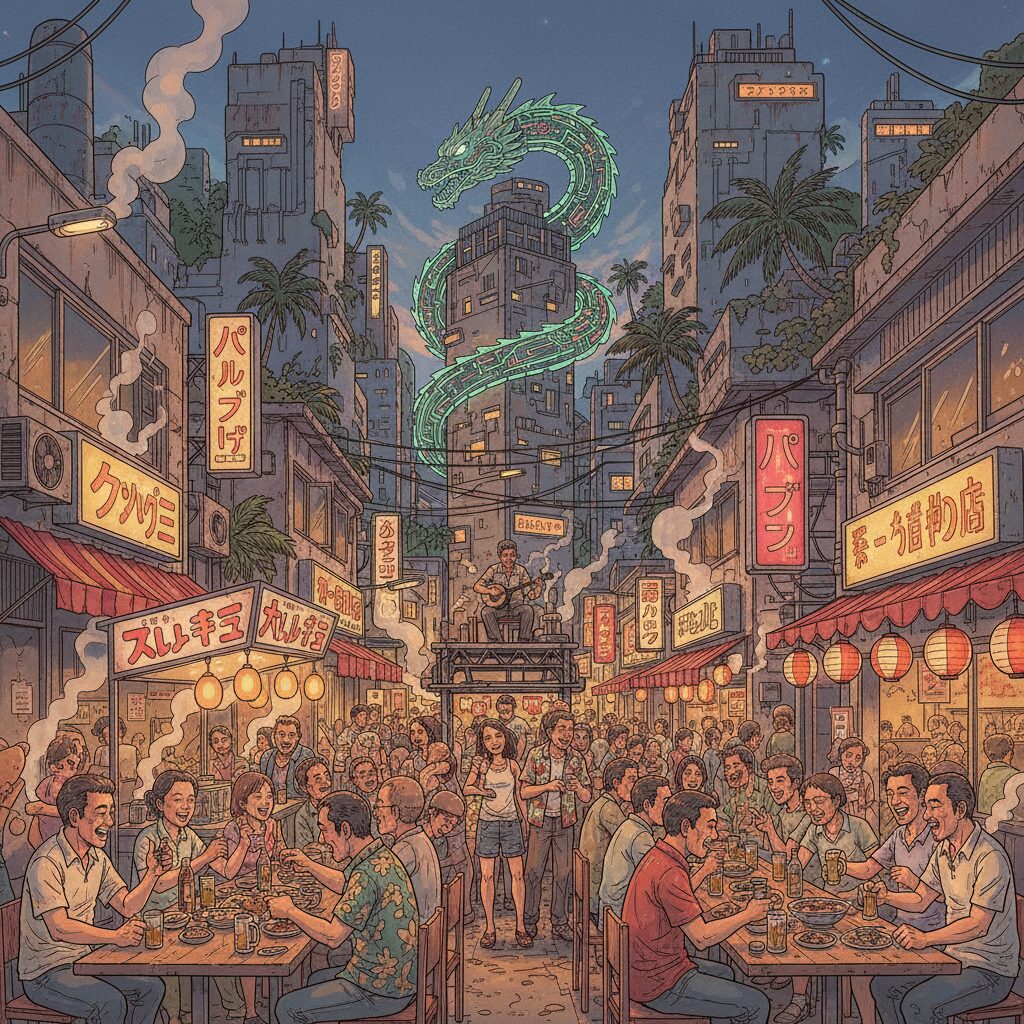
To truly enjoy a night out in Yonabaru, it helps to know a bit about its core. This town boasts a rich history as a vital port, serving as a gateway for goods and culture for centuries. That bond with the sea remains strong today, evident not only in the exceptional freshness of the seafood at every izakaya but also in the open, resilient spirit of the locals. Yonabaru was also the end point for Okinawa’s first light railway, making it a bustling hub of connection and activity. The legacy of being a gathering place, where people and stories meet, continues in its warm bars and restaurants.
More than anything, what you’ll experience in Yonabaru is the spirit of yuimaaru. This Uchinaaguchi word has no direct English equivalent but captures the Okinawan ethos of mutual support and cooperation. It’s the belief that we’re all connected and should help one another. This isn’t just a vague idea; it is a vibrant, living part of everyday life. You sense it when the izakaya owner welcomes you like family, when a stranger at the bar offers you a sip of their Awamori, or when the whole room bursts into spontaneous applause for someone’s birthday. Yonabaru’s izakayas are where this yuimaaru spirit is continually nurtured and strengthened night after night. When you’re there, you’re not merely a tourist spending money; you’re joining a beautiful, enduring community tradition. You’re forming connections. That’s the real magic, something no guidebook can capture.
The Last Call
A night of izakaya hopping in Yonabaru is much more than a simple culinary tour. It’s an immersion into the essence of what makes Okinawa truly unique. It’s about savoring flavors handed down through generations, experiencing the warmth of a community that welcomes you wholeheartedly, and realizing that the best travel memories often form in the most unexpected places long after the sun has gone down. It’s about the stories exchanged over drinks, the laughter that needs no words, and the sensation of being fully present in the moment. So, when planning your trip to Okinawa, don’t be afraid to explore a bit off the beaten path. Leave the crowds behind, follow the glow of a red lantern along a quiet street in Yonabaru, open the door, and see what awaits. You’ll encounter more than just delicious food and drinks—you might discover a piece of the island’s soul, and perhaps even a part of yourself, waiting there. Now, go have that adventure.