Yo, what’s up, fellow travelers and gamers! Emily here, and today we’re about to do a deep dive, a full-on digital pilgrimage. Forget what you know about modern gaming for a sec—we’re rewinding the tape. We’re talking about a time before ray tracing and battle royales, a time of chunky pixels, chiptune anthems, and that pure, unfiltered joystick-and-buttons magic. We’re on a quest to find the soul of gaming in Japan’s retro arcades, the legendary gēsen that feel like stepping into a time machine set straight for the 80s and 90s. This isn’t just about playing old games; it’s about breathing the same air that legends were born in. It’s about feeling the history vibrating through the floorboards, the collective energy of decades of high scores and “one more coin” promises. These spots are living museums, sacred ground for anyone who grew up with a Nintendo controller in their hands. They’re the places where the DNA of modern video games was first coded, and let me tell you, the vibe is absolutely immaculate. It’s a sensory explosion of neon glow, the cacophony of a hundred different game intros playing at once, and the distinct clack-clack-clack of buttons being mashed with serious intent. For real, if you know, you know. This is a journey for the core memory archives, a trip to the heart of a culture that changed the world. So grab your yen, stretch those thumbs, and get ready to press start. We’re about to explore the sanctuaries that keep the classic Nintendo spirit alive and kicking. It’s gonna be lit.
Super Potato Akihabara: The Holy Grail of Retro Gaming
First stop, no questions asked, has to be Super Potato in Akihabara. This place is more than just a store; it’s a multi-level shrine celebrating everything that made gaming incredible. Finding it is part of the fun. Hidden in a narrow building at the heart of Electric Town, you’ll notice its quirky, 8-bit potato pirate mascot and instantly know you’ve found the right spot. The moment you step inside and begin climbing those insanely steep, narrow stairs, it hits you. The soundtrack of your childhood—a nonstop loop of Super Mario Bros.—fills the air, instantly transporting your mind back to simpler days. The atmosphere is rich with the scent of aged plastic, cardboard, and pure, distilled nostalgia. It’s a sensory overload in the best way imaginable.
The third and fourth floors are a collector’s dream, a maze of floor-to-ceiling shelves bursting with gaming history. Every cartridge, console, and collectible you can imagine is here. We’re talking piles of Famicom and Super Famicom games in their elegant, compact boxes, their legendary artwork practically glowing. You’ll find pristine copies of Chrono Trigger, Final Fantasy VI, and The Legend of Zelda: A Link to the Past, alongside rare titles you’ve only seen discussed online. It’s like a museum where everything is for sale. Prices can be steep—rare gems command a premium—but just browsing feels like an archaeological expedition through gaming’s golden era. Entire sections are devoted to the Nintendo 64, the Game Boy in every vibrant form, the SEGA Genesis (or Mega Drive, as it’s called in Japan), the PC Engine, and even the ill-fated Virtual Boy. It’s a tribute to Japan’s remarkable culture of preservation and collection.
But the true magic? That’s on the fifth floor. One more flight up, you’ll discover the arcade. This isn’t some modern emulation setup; it’s the genuine article. A cozy, dimly lit room packed with original arcade cabinets, their CRT screens radiating that warm, authentic glow that can’t be replicated. The sounds form a perfect chaotic symphony: the pew-pew of shoot-’em-ups, the combat cries from a Street Fighter II machine, and the cheerful tunes of puzzle games. You can pull up a classic plastic stool and play these games exactly as intended. There’s something deeply special about playing Donkey Kong on a vintage cabinet, the joystick heavy and responsive under your hand. They even offer a small snack corner with classic Japanese treats and Ramune soda, letting you refuel just like a kid would back in the day. Pro tip: try to visit on a weekday morning. The store is notoriously cramped, and weekends can feel like a mosh pit. Off-peak hours give you the room to truly soak it all in and appreciate how packed the place is. Bring cash—it’s often easier for purchases—and get ready to lose a few hours in what is, no exaggeration, the greatest retro game store on the planet.
Game Center Mikado: The Fighting Spirit Lives Here
If Super Potato is the museum, then Mikado is the dojo—a place to witness gaming as an art form in its purest state. Situated in the vibrant student district of Takadanobaba (with another excellent location in Ikebukuro), Mikado offers a completely different experience. The atmosphere here is less about nostalgic exploration and more focused on intense, competitive play. It’s grimmer, louder, and charged with concentrated energy. From the moment you enter, you can sense it—this is a haven for serious players, the veterans who have mastered their craft over decades. The lighting is dim, the air hazy, and the dominant sounds are the rhythmic pounding of buttons and the sharp click of Sanwa joysticks.
Mikado is renowned for its devotion to fighting games. This is the home where the community around classics like Street Fighter II, The King of Fighters, Guilty Gear, and countless other 2D fighters has not only endured but thrived. Passing by rows of candy cabinets, you’ll witness players pulling off frame-perfect combos with astonishing precision. Regular tournaments are held and streamed online, attracting viewers who watch with a reverence similar to that of major sporting events. There’s an unspoken code of conduct here—you’ll notice players quietly placing a 100-yen coin on the cabinet bezel to challenge the current winner. It’s a gesture of respect and a tradition that keeps the competitive spirit alive.
But Mikado isn’t just about fighting games. It boasts an incredible variety spread over multiple floors. One floor might be devoted entirely to classic shoot-’em-ups, or “shmups,” with rows of machines featuring titles like Darius, Gradius, and Dodonpachi. The commitment to preserving these genres is remarkable. They offer rare and obscure games you won’t find elsewhere, all kept in pristine working order. The experience feels less curated than Super Potato and more like a chaotic archive of everything that has ever appeared in a Japanese arcade. It’s an authentic, unfiltered environment, not really catered to tourists, which is precisely what makes it unique. You’re stepping into a subculture that’s been evolving for over three decades. My advice for first-timers? Don’t be intimidated. Choose a game you recognize—or one you don’t—and just drop in a coin. But also, take time to watch. Stand back and observe the top-tier players. It’s like watching a high-speed chess match with fireballs—a performance that showcases muscle memory and strategy in a truly awe-inspiring way. Mikado reminds us that these games are not merely nostalgic relics; they are living, breathing art forms, and this is their sanctuary.
Osaka’s Den Den Town: Akihabara’s Cooler, Grittier Cousin
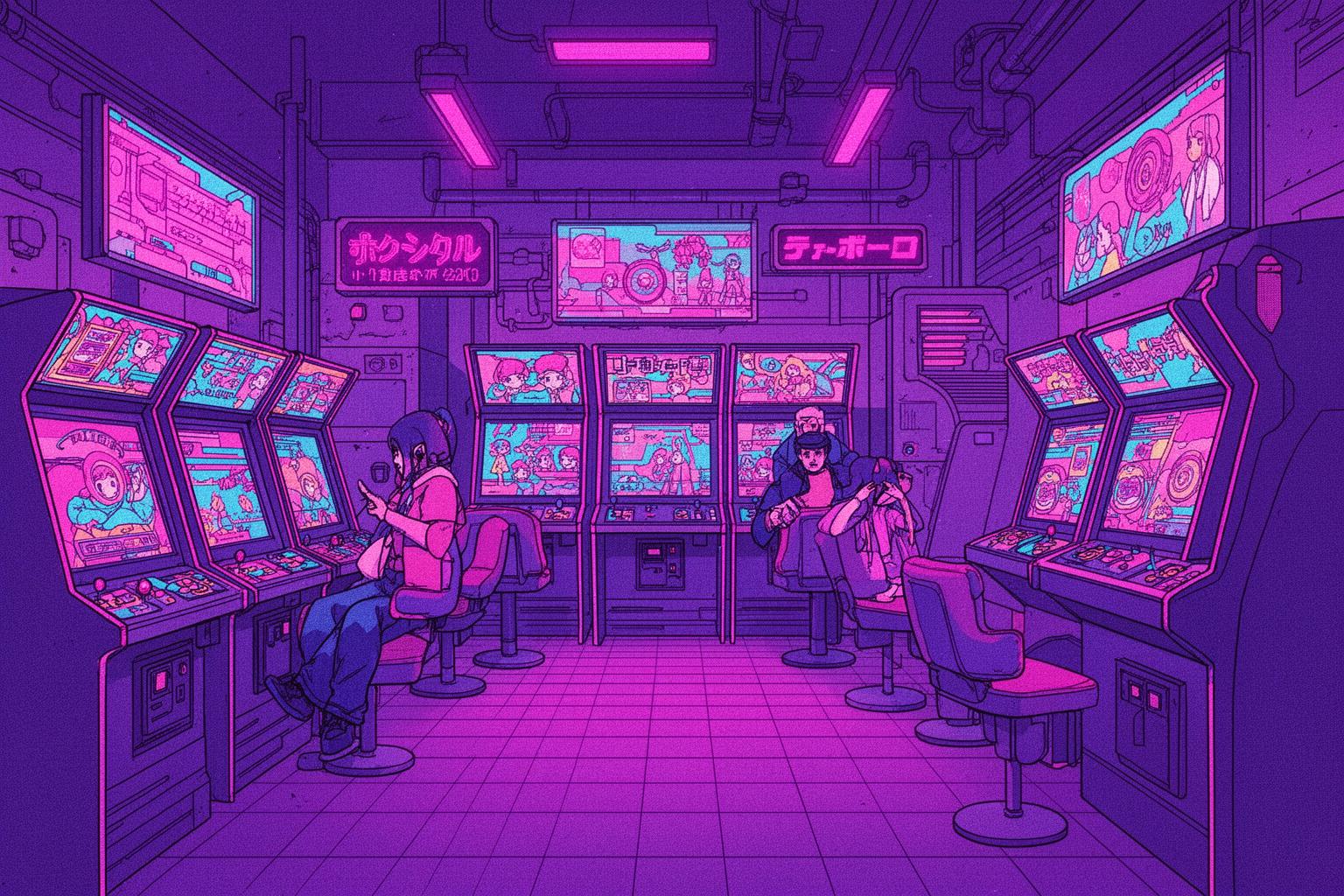
While Tokyo’s Akihabara garners most of the international attention, it would be a serious oversight to overlook Osaka’s counterpart: Den Den Town. Situated in the Nipponbashi district, Den Den Town offers a distinctly different vibe. It’s somewhat more spread out, a bit less polished, and arguably carries a more old-school, grounded-in-reality atmosphere. If Akihabara is the shiny, futuristic hub of otaku culture, Den Den Town is the sprawling, industrial port city where genuine deals happen and hardcore fans hunt for hidden treasures. The energy here is pure Kansai—direct, unpretentious, and brimming with life.
When it comes to retro arcades, Den Den Town truly shines. You’ll find major chain arcades like Taito Station and Sega, which often dedicate entire floors or sections to vintage games, but the real treasures lie in the smaller, independent venues tucked away on side streets. These spots feel like they’ve been frozen in time since the ’90s. The carpets show years of wear, the air carries a subtle hint of cigarette smoke from a bygone era (most places now are non-smoking, but the ghost lingers), and the game selection is wildly eclectic. You might spot a perfectly maintained four-player Teenage Mutant Ninja Turtles cabinet beside a super-rare Japanese puzzle game you’ve never encountered. This element of surprise is what makes exploring Den Den Town so rewarding.
One of the area’s standout spots is the Namba branch of Game Center Mikado, which brings the same competitive spirit to Osaka. Beyond that, there are unique venues catering to specific niches. You’ll find arcades devoted almost entirely to rhythm games or sprawling halls focused on medal games—a uniquely Japanese form of arcade gambling using tokens instead of cash. For retro game shopping, Den Den Town is a paradise. Stores like A-Too and the Osaka branch of Super Potato offer vast selections that rival Tokyo’s best, with some collectors swearing the prices are better here. You could spend an entire day hopping from store to store, sorting through crates of Super Famicom cartridges and hunting rare Neo Geo AES games. It’s a real hunt, and the thrill of finding a long-lost favorite at a bargain price is unbeatable. Den Den Town feels like a community—a place where passion runs deep, providing a vital contrast to the more commercialized vibe of Akihabara. It’s a must-visit for anyone wanting to grasp the full scope of Japan’s gaming culture.
Natsuge Museum: A Tiny Time Capsule of Awesome
Back in Akihabara, tucked away on an upper floor of an unremarkable building, is a place so special it feels like a secret you’ll want to keep to yourself. It’s called Natsuge Museum, which literally means “Nostalgic Game Museum,” and that’s exactly what it is. The space is tiny—seriously small. It’s more like a single room than a full arcade, but it’s filled with so much heart that its size doesn’t matter. This isn’t about having hundreds of games; it’s about a carefully curated selection of machines from the late ’70s and early ’80s—the true beginning of the arcade era.
The atmosphere here is completely different from the sensory overload of Super Potato or the competitive vibe of Mikado. It’s quiet, respectful, and deeply nostalgic. The owner is a genuine enthusiast, and his passion shows in the meticulous care given to every machine. Here you’ll find cabinets for games that predate the Nintendo Famicom, including early Namco and Taito titles. These are the pioneers, the games that paved the way for everything that came after. Playing them feels like a history lesson. The controls are simpler, the graphics primitive, but the gameplay loops are pure and addictive. It’s a powerful reminder that great game design is timeless.
The collection rotates, so you never know exactly what will be there. One visit might feature a classic table-style Space Invaders cabinet where you sit and look through glass at the screen below; another might showcase a rare racing game with a chunky analog steering wheel. This dedication to the physical gaming experience is what makes Natsuge Museum so special. These aren’t just ROMs on a screen; they’re large, beautifully crafted pieces of hardware, each with its own unique character. A visit is quick—you could probably play everything in 30 or 40 minutes—but it’s incredibly memorable. It offers a peaceful, reflective experience that connects you to the roots of gaming culture. Finding it can be a bit tricky, so be sure to look up the address in advance and be ready to navigate a somewhat confusing building directory. But trust me, the journey is more than worth it for this little slice of arcade heaven.
The Dagashiya Vibe: Finding Arcades in the Wild
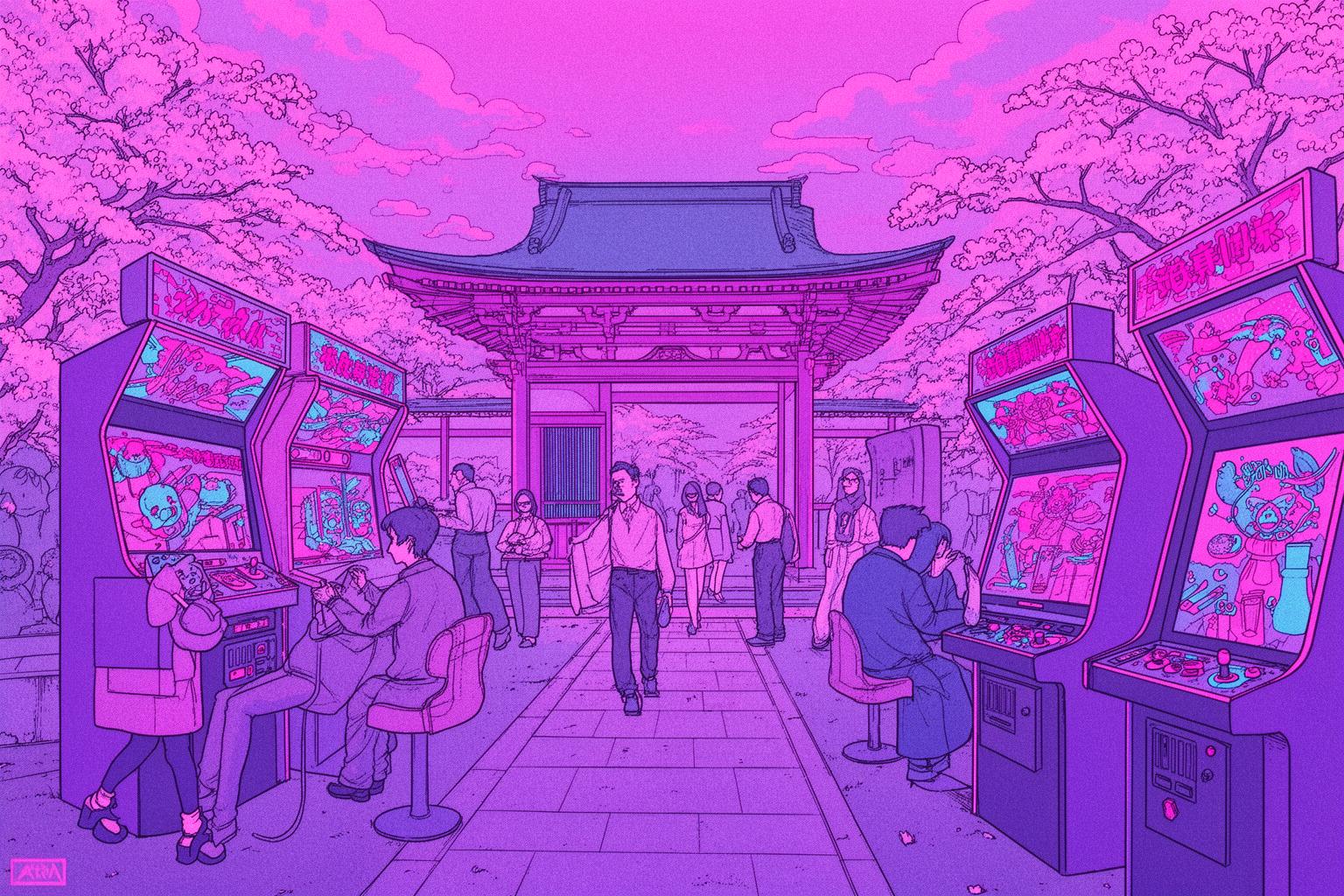
To truly grasp the spirit of retro gaming in Japan, you need to look beyond the well-known arcades of Akihabara and Den Den Town. You must explore quiet residential areas and seek out a cherished part of Japanese childhood: the dagashiya. These traditional candy shops, small storefronts that have catered to local children for generations, are magical places filled with colorful, inexpensive snacks costing just a few yen. But often, hidden in a corner and covered in a thin layer of dust, lies the real treasure: a single, solitary arcade cabinet.
This is where nostalgia reaches a whole new level. For many Japanese who grew up in the ’80s and ’90s, this was their first arcade experience. After school, they would pool their allowances, buy a few snacks, and spend hours trying to top the high score on a worn Neo Geo or Street Fighter machine. These dagashiya arcades are a precious, and increasingly rare, piece of cultural heritage. Discovering one feels like uncovering a hidden secret. The atmosphere is entirely different from that of a dedicated game center. It’s quiet, interrupted only by the hum of a refrigerator and muted sounds from outside. The shop is often run by a kind elderly woman or man who has watched generations of kids come and go. Playing a game here feels less like a business transaction and more like being a guest in someone’s home.
The games are typically a mixed bag. You might find a puzzle game, a classic fighter, or a simple platformer. The machines themselves are often sun-bleached and show the wear of decades of enthusiastic use. Yet they still work, offering a direct, tangible connection to the past. This experience isn’t something you can easily locate on a map; it requires a spirit of adventure. The key is simply to wander. Take a train to a random, non-touristy neighborhood in Tokyo or Osaka and stroll around. Look for old, modest storefronts with faded awnings. Peek inside. More often than not, you’ll see just candy, but occasionally, you’ll catch the familiar glow of a CRT screen. It’s a quest, with the reward being an authentic glimpse into everyday Japanese life and the simple, universal joy of playing video games.
Gamer Etiquette 101: How to Vibe Like a Local
Alright, so you’ve discovered the ideal retro arcade. Before you jump in and start mashing buttons, it’s essential to understand a bit of local arcade etiquette. These aren’t just rules; they’re part of a culture of respect that has helped these communities thrive for so long. Following them will not only make your experience smoother but also earn you a nod of appreciation from the regulars.
First and foremost: cash is king. More specifically, the 100-yen coin is the lifeblood of Japanese arcades. Most of the older machines only accept these coins. Don’t approach a classic cabinet with a 500-yen coin or a credit card expecting it to work. There are always change machines scattered throughout the arcade that will break your larger coins and bills into 100-yen pieces. Get a nice, heavy stack of them before you start playing. It just feels way cooler, anyway.
Next up is the sacred art of queuing, especially for popular one-on-one fighting games. If someone is playing and has a long win streak going, you don’t stand over their shoulder and breathe down their neck. That’s a major vibe kill. Instead, look at the flat surface of the arcade cabinet, near the screen or control panel. If you want to challenge the winner of the current match, place one of your 100-yen coins on that surface. This is the universal, non-verbal signal for “I’m next.” When the current game ends, the winner remains, and the next person in the coin line steps up. It’s an elegant, efficient system built on mutual respect.
General awareness is also important. These places can get crowded. Be mindful of your space, especially with bags or backpacks. Don’t hog a machine for hours if there’s a line of people waiting. Play a few rounds, get your fix, and then let someone else have a turn. Also, keep your food and drinks away from the machines. These are vintage, often irreplaceable pieces of equipment, and spilling soda on a 30-year-old control panel is a cardinal sin. Finally, while arcades are loud, chaotic places, be mindful of your volume. Celebrate your wins, groan at your losses, but there’s no need for excessive screaming. Just soak in the incredible energy of the room and contribute to it positively. It’s all about respecting the game, the players, and the space.
Conclusion: The Game Is Never Over
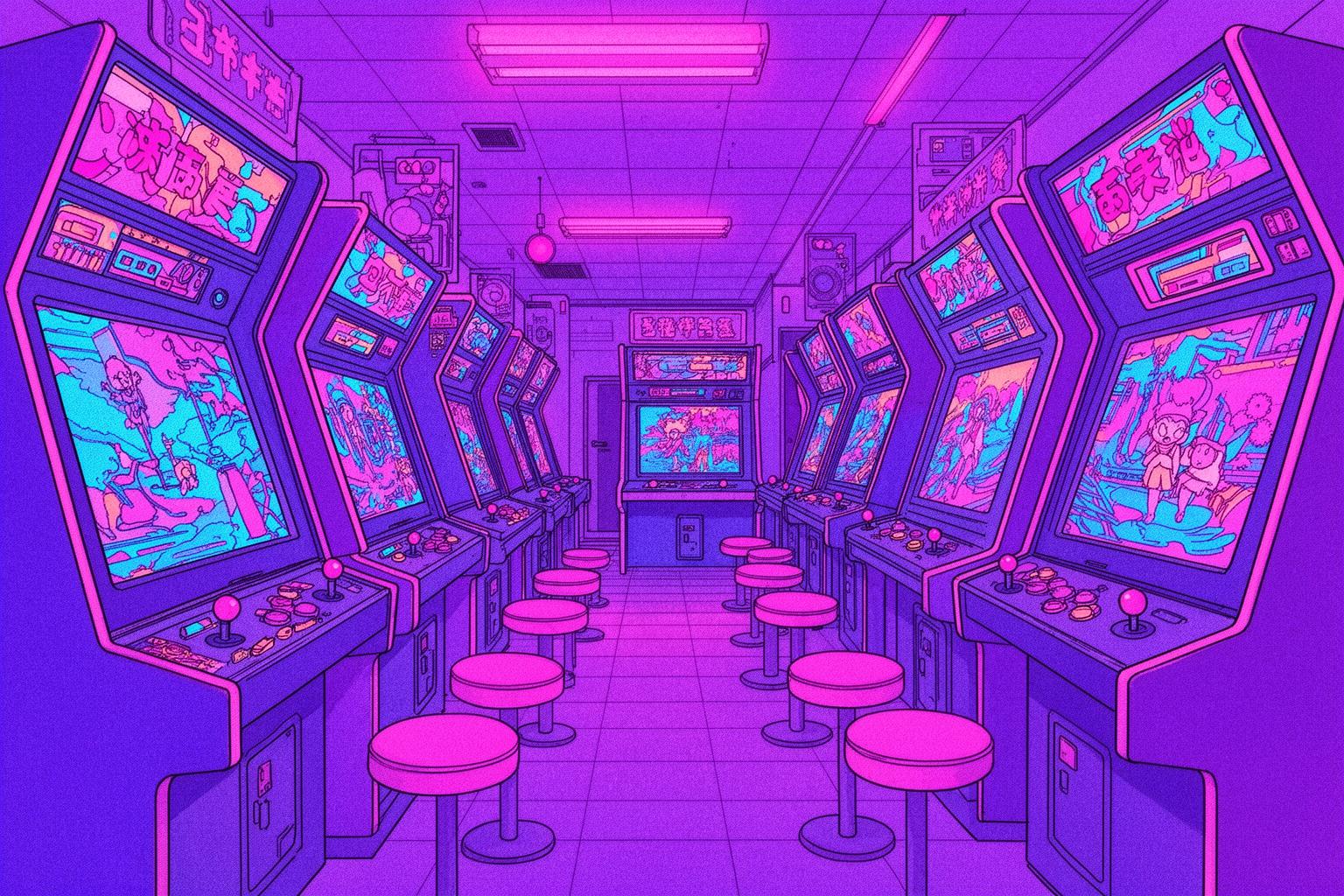
Stepping out of a Japanese retro arcade and back onto the bustling streets is quite an experience. Your ears are still filled with the symphony of chiptunes, your eyes are adjusting from the neon glow, and your thumbs may feel slightly sore. But above all, you leave with a deep sense of connection—a connection to the past, to the shared joy of millions of players, and to the raw, creative energy that ignited a global phenomenon. These arcades are far more than rooms packed with old video games. They are time capsules, community hubs, and living archives of digital art, embodying the enduring power of play.
From the collector’s haven of Super Potato to the gladiator arena of Mikado, from hidden gems like the Natsuge Museum to the modest corner cabinet in a local dagashiya, each spot offers a unique glimpse into the heart of gaming. It’s a culture defined by passion, precision, and preservation. In a world relentlessly chasing the next big thing, these gēsen stand as a beautiful, defiant homage to their origins. They remind us that graphics don’t make a game great, and that the simple act of inserting a coin can open the door to another world. So, whether you’re a lifelong gamer or simply curious about a cornerstone of modern Japanese culture, I encourage you to seek out these places. Don’t just visit—immerse yourself in them. Feel the history in the worn joysticks, listen to the stories told by blinking lights, and for a moment, get lost in the game. The high score awaits.