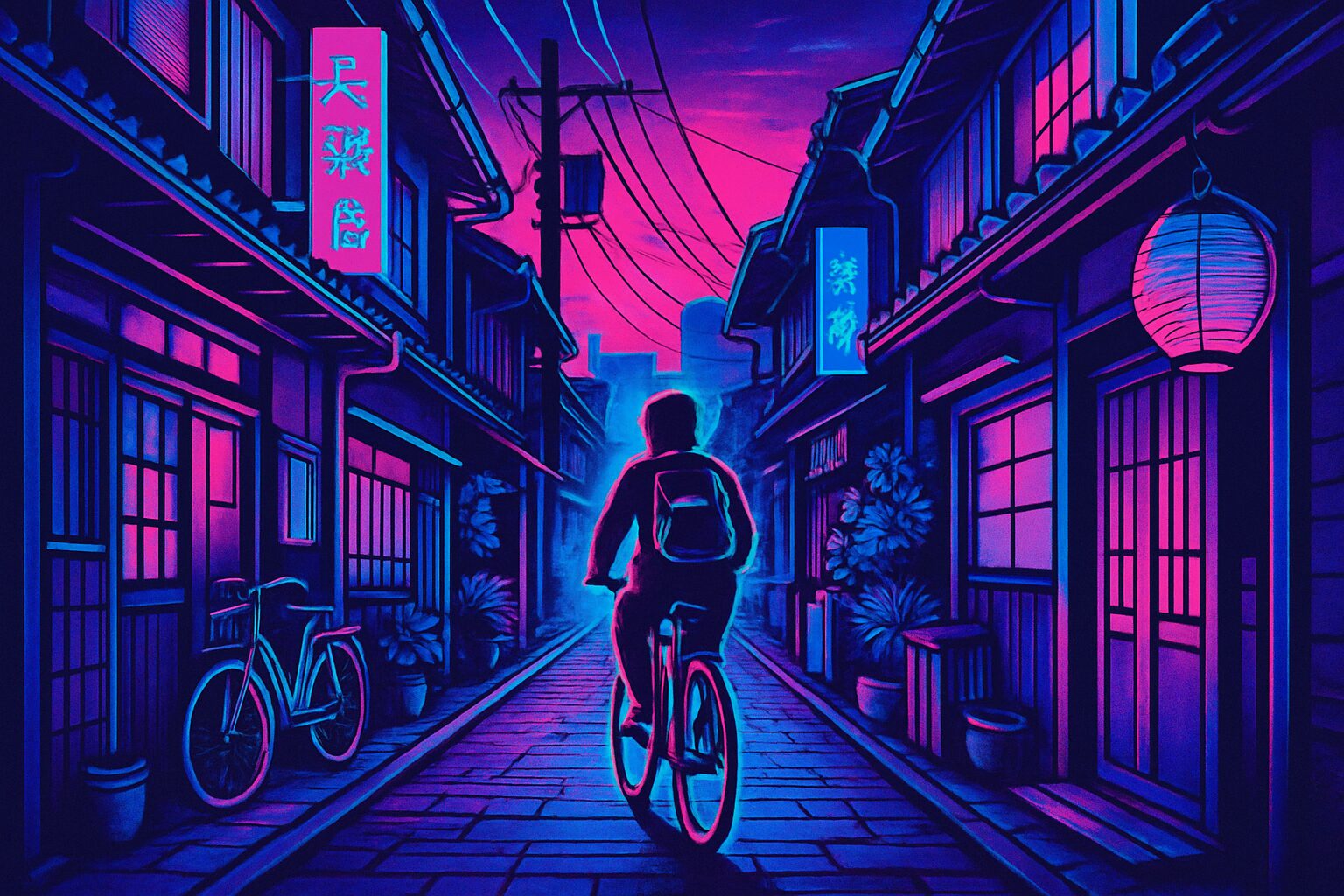
Yo, what’s the deal? When you picture Tokyo, your mind probably jumps straight to a neon-drenched cyberpunk dreamscape, right? Shibuya Crossing with its human tidal wave, Shinjuku’s skyscraper canyons, Akihabara’s electric energy—it’s all a vibe, for sure. But what if I told you there’s a whole other side to this megacity, a low-key, down-to-earth dimension where time slows down and the real soul of Tokyo is just chilling? Welcome to Shitamachi, the city’s OG downtown. This ain’t the Tokyo of Blade Runner; it’s the Tokyo of quiet temples, friendly neighborhood cats, sizzling street food, and narrow alleys that whisper stories from a hundred years ago. It’s a place where the pace of life is set by the gentle ringing of a bicycle bell, not the frantic countdown of a crosswalk timer. And trust, the absolute best way to catch this wave is on two wheels. Forget the packed subway cars and complex train maps for a day. We’re talking about a cycling safari through the heart of old-school Tokyo, a journey where you’re not just a tourist, but a temporary local, vibing with the rhythm of the neighborhood. This is your ultimate guide to unlocking the Shitamachi experience, where every corner turned is a new discovery and the journey itself is the main event. It’s time to get on your bike and ride into a part of Tokyo that’s pure, unadulterated nostalgia. It’s a whole mood, and you’re invited.
For a deeper dive into Tokyo’s nostalgic side on two wheels, consider a Heisei retro cycling tour that channels 90s J-drama vibes.
Why Cycling is the Ultimate Shitamachi Flex

Alright, let’s get real for a moment. You could explore Shitamachi on foot or by subway, but you’d miss the essence entirely. It’s like trying to enjoy your favorite lo-fi hip-hop playlist through a broken phone speaker—you hear the notes, but the soul, the texture, the vibe is lost. Riding a bike here isn’t just transportation; it’s a secret code to authentic Tokyo. It unlocks the city’s hidden layers. The streets in places like Yanaka, Nezu, and Asakusa are a charmingly tangled mix of main roads, side alleys, and impossibly narrow lanes—the kind of roji cars can’t dream of entering and that might make you hesitate on foot. But on a bike? You’re golden. You flow with the locals. You can ride down a main street one moment, then suddenly slip into a tiny lane revealing a courtyard with a hidden shrine or a century-old tofu shop. That’s the magic. You’re not just moving from point A to B; you’re drifting, discovering, and letting chance guide you. A bicycle offers the perfect balance of speed and leisure. You cover more ground than walking, linking neighborhoods like Ueno, Yanaka, and Asakusa into one unforgettable day trip. Yet you move slowly enough to notice the details: the intricate tiles on an old house, the aroma of grilled eel wafting from a small eatery, the tinkling of a wind chime in the breeze, or an elderly lady tending her bonsai trees. You can stop anytime, anywhere. Spot a cool coffee shop? Pull over. See a line for freshly made senbei (rice crackers)? Park your bike and join in. This freedom is everything. It turns your journey from a list of sights into a personal, living story. You become less of a spectator peering out from a bus window and more a participant in Tokyo’s daily rhythm. It’s the difference between watching a movie and starring in it. Plus, let’s be honest, it’s just downright fun. Feeling the breeze as you coast alongside a canal, ringing your bell to politely pass strolling grannies, finding the perfect place to park and grab a Ramune soda—it’s a simple, pure joy that connects you to the city in a way no train ride ever could. It’s the ultimate Shitamachi flex, the most authentic way to experience the area’s relaxed, retro vibe.
The Vibe Check: Decoding the Soul of Shitamachi
So, what exactly is Shitamachi? The term literally means “low city,” but it represents far more than just a geographic area—it embodies an entire cultural ethos. Historically, Tokyo (once called Edo) was divided: the affluent samurai, daimyos, and imperial family resided on the fortified, higher terrain of the Yamanote (“mountain hand”). Meanwhile, the common people—merchants, artisans, entertainers—lived and worked in the low-lying plains and marshlands to the east, near the Sumida River. That was Shitamachi. This wasn’t a land of castles and grand estates; it was the lively, bustling, densely populated center of commerce and craftsmanship. Life unfolded openly, out on the streets. Community was paramount. This spirit, this essence, still fuels Shitamachi today. Although much of Tokyo was relentlessly modernized, particularly after World War II and during the economic boom, many Shitamachi neighborhoods escaped major destruction. They were either spared the worst of the bombings or rebuilt with a reverence for tradition. Because of this, walking or cycling through these neighborhoods feels like passing through a time portal. The air is rich with ninkō (human warmth) and a shared sense of history. The atmosphere is a powerful blend of nostalgia and resilience. You notice it in the architecture: weathered wooden storefronts, tiled roofs, and intricate latticework that have endured for generations. You sense it in the businesses: family-run shops handed down through the years, where the owner isn’t a faceless corporation but a kindly elder who knows every customer by name. He may be selling perfectly grilled rice crackers from a recipe his great-grandfather perfected or carefully crafting traditional sweets with tools unchanged for a century. It’s worlds apart from the sleek, impersonal consumerism of Ginza. The rhythm of life here is different. People aren’t rushing to catch the next train; they pause to chat with neighbors, water their potted plants, and savor the moment. The soundscape isn’t dominated by traffic and announcements but by the chatter of schoolchildren, the clang of temple bells, and the rhythmic calls of street vendors. This is the Tokyo that existed before skyscrapers and bullet trains—a city built on a human scale. It is a place that prioritizes tradition, craftsmanship, and community above all else. Experiencing Shitamachi means immersing yourself in this atmosphere. It’s about appreciating the beauty in the old and the imperfect and recognizing that this quiet, resilient spirit remains as integral to Tokyo’s identity as the futuristic sheen of its modern centers. It is the city’s anchor, its soul, its living memory.
Your Shitamachi Cycling Saga: Mapping the Core Zones

Consider your cycling adventure as a passage through several distinct yet interconnected realms. The holy trinity of classic Shitamachi vibes includes Yanesen, Asakusa, and Ueno. Each area offers its own unique atmosphere, but together they form a complete portrait of old Tokyo. You can easily spend a full day—or even two—just exploring these three districts on your bike.
Yanesen: The Ultimate Cat-Lover’s Chill Zone
Yanesen is a blend of three neighborhoods: Yanaka, Nezu, and Sendagi. This area reigns supreme as the champion of low-key, nostalgic charm. Having largely escaped the WWII firebombing, its streets and many buildings retain an authentic pre-war feel. This is where your cycling journey becomes intimate and incredibly laid-back.
Yanaka: The Heartbeat of Yanesen
Your first stop, and the core of Yanesen, is the Yanaka Ginza shotengai (shopping street). As you near it, you’ll notice the famous staircase called Yuyake Dandan, or “Sunset Steps.” Park your bike at the top and pause for a moment. From here, you get the entire 170-meter stretch of this bustling street in view. It’s one of the most iconic Shitamachi scenes, especially as the afternoon sun casts a golden glow and paper lanterns start to illuminate. Once you descend, you’re immersed in a sensory wonderland. Yanaka Ginza isn’t flashy; it’s genuine—a vibrant community hub. The aromas are mouthwatering: savory menchi katsu (fried pork cutlets) from one shop, sweet soy sauce from a grilling senbei stall, and fresh produce from local grocers. The street is lined with about 60 small, independent shops—no big brands here, just beloved mom-and-pop businesses. You’ll find butchers, fishmongers, tea merchants, and traditional Japanese sweet (wagashi) shops. Locals shopping daily add to the authentic vibe. Your mission, should you choose to accept it, is to indulge your way down the street—grab a juicy, affordable menchi katsu at Niku no Suzuki, a sweet potato doughnut, or freshly grilled squid. Prices here are charmingly inexpensive, a throwback to another era. Yanaka is famously obsessed with cats—you’ll find cat-themed items everywhere, from tail-shaped doughnuts to murals and statues. Don’t miss spotting the real feline locals, often snoozing in shop windows or basking on rooftops.
A short ride from the market leads you to Yanaka Cemetery (Yanaka Reien). While a cemetery might sound somber, this site is stunningly beautiful and peaceful—a park-like oasis. It’s vast, with its main avenue, Sakura-dori, lined by cherry trees that create a breathtaking pink tunnel in spring. It’s among Tokyo’s best hanami (cherry blossom viewing) destinations and far less crowded than Ueno Park. Cycling slowly along quiet paths past moss-covered ancient gravestones and towering trees offers a profoundly serene experience. It’s a space for quiet reflection. The grave of the last Tokugawa shogun and the resting place of Hachiko’s owner, Professor Ueno, are here. Nearby stands the lovely Tennoji Temple, with its large bronze Buddha reclining peacefully in the grounds—a perfect spot to rest and soak in tranquility.
Nezu and Sendagi: Serene Backstreet Explorations
After absorbing Yanaka, a short pedal brings you into the calmer, residential streets of Nezu and Sendagi—the real joys here lie in exploration. The highlight of Nezu is the spectacular Nezu Shrine, one of Tokyo’s oldest and most beautiful Shinto shrines. Its hillside path is lined with hundreds of vivid red torii gates, forming a tunnel reminiscent of Kyoto’s Fushimi Inari and a photographer’s dream. The shrine grounds provide a lush, green oasis with a tranquil pond and historic wooden structures. Visiting from mid-April to early May? You’re in for a treat: the shrine’s Azalea Festival (Tsutsuji Matsuri) bursts with thousands of azalea bushes in vibrant bloom. From Nezu, drift into Sendagi, a neighborhood with a slightly more refined, literary atmosphere once home to famed Japanese writers. The streets here are peaceful and leafy. This is the perfect place to find a traditional kissaten, an old-fashioned Japanese coffee shop. Unlike modern cafes, a kissaten feels like a time capsule with dark wood interiors, velvet seats, and a quiet, respectful mood. Grab a siphon-brewed coffee and a thick slice of toast, and relax like a local intellectual.
Asakusa: The Vibrant Grand Dame of Shitamachi
If Yanesen is the quiet, introverted spirit of Shitamachi, Asakusa is its loud, flamboyant, and irresistibly charismatic elder sister. It’s the most famous and touristy area of old Tokyo, but don’t be deceived. Beneath the souvenir shops and crowds lies a lively local culture and rich history. The cycling route from Yanesen to Asakusa is fantastic, guiding you through tranquil neighborhoods that gradually buzz with energy as you near the main attraction. A great entry point is Kappabashi Dogugai, or “Kitchen Town.” This street is a fascinating detour dedicated to restaurant supplies, where chefs find everything from top-quality Japanese knives and elegant pottery to lifelike plastic food models (sampuru) and giant paper lanterns for storefronts.
Senso-ji Temple: Beyond the Postcard Image
At the heart of Asakusa lies Senso-ji, Tokyo’s oldest and most important Buddhist temple. The first thing you’ll see is the imposing Kaminarimon (Thunder Gate) with its giant red lantern and guardian statues—an iconic symbol of Asakusa. Passing through leads you onto Nakamise-dori, a 250-meter shopping street serving pilgrims for centuries. Though crowded and touristy, it’s essential to the experience. Stalls offer traditional souvenirs like folding fans and yukata, but the best treats are the snacks. Try age-manju (deep-fried sweet bean buns), kibi dango (millet dumplings coated with soybean powder), and freshly made ningyo-yaki (small cakes shaped like dolls or pagodas). Near the main hall, a large incense burner emits smoke believed to have healing powers, which visitors waft onto themselves. At the chozuya (water pavilion), you can perform a ritual purification by washing your hands and mouth before praying. Despite the crowds, Senso-ji exudes a powerful spiritual presence. Take your time wandering the expansive temple grounds, admire the five-story pagoda, and feel the weight of over 1,400 years of history.
Off the Beaten Path: Asakusa’s Lesser-Known Charms
After exploring Senso-ji, hop back on your bike to uncover Asakusa’s hidden layers. Just west of the temple lies Hoppy Dori, known as “Stew Street,” a raucous, atmospheric row of old-style izakaya (Japanese pubs) spilling out onto the sidewalks. By late afternoon, locals and tourists alike gather here, sipping cheap Hoppy (a beer-like drink) and savoring beef stew and grilled skewers. The vibe is unbeatable. For a quieter moment, pedal over to the Sumida River. Sumida Park lines the riverbank and is perfect for a leisurely ride. It’s another premier cherry blossom spot in spring, offering stunning views of the Tokyo Skytree—the futuristic tower that contrasts sharply with Asakusa’s old-world allure. You can even take a river cruise here for a fresh perspective on the city. Asakusa is also a hub for traditional entertainment—you might spot rickshaw pullers skillfully navigating streets or catch a glimpse of a geisha heading to an appointment at a nearby traditional restaurant. This neighborhood wears its history and culture boldly and proudly.
Ueno: Culture, Chaos, and a Sprawling Park
Your final stop on this Shitamachi tour is Ueno, a place of striking contrasts. On one side, there’s the serene cultural haven of Ueno Park; on the other, the vibrant, chaotic market of Ameya Yokocho. The ride from Asakusa to Ueno is short and flat, making it a gentle final leg to your adventure.
Ueno Park: Tokyo’s Green Heart
Ueno Park is far more than a park—it’s a vast cultural complex that could easily consume a whole day. It houses some of Japan’s most significant museums: the Tokyo National Museum, home to the world’s largest collection of Japanese art; the National Museum of Nature and Science with dinosaur fossils and fascinating natural exhibits; the Tokyo Metropolitan Art Museum; and the National Museum of Western Art. Not into museums? There’s still plenty to see. Ueno Zoo, Japan’s oldest zoo, famously shelters giant pandas. At the park’s center lies Shinobazu Pond, a large lake blanketed with lotus leaves that bloom pink and white in summer. A small island sits in the pond with Bentendo Temple, an octagonal hall devoted to the goddess of fortune. Cycling the park’s broad, tree-lined avenues is delightful. Ueno Park is also arguably Tokyo’s most famous hanami spot—in late March and early April, over 1,000 cherry trees burst into pink bloom, filling the park with celebratory crowds.
Ameya Yokocho: The Embrace of Market Chaos
Just outside the park’s southern gate, the atmosphere shifts dramatically. Welcome to Ameya Yokocho, or “Ameyoko,” one of Tokyo’s last great open-air markets. It’s a vibrant sensory overload in the best sense. Originating as a post-WWII black market where American candy (ame) was sold, today it’s a bustling, narrow lane packed with hundreds of shops selling everything imaginable: fresh seafood, exotic fruits, Japanese snacks, affordable clothes, cosmetics, bags, watches—you name it. The energy here is electric—shopkeepers shouting deals, vendors expertly slicing huge tuna, and throngs of people weaving through narrow aisles. Ameyoko is a fantastic spot to enjoy street food—try takoyaki (octopus balls), fresh fruit skewers, or a delicious, wallet-friendly kaisen-don (sashimi rice bowl) at one of the many small eateries beneath the train tracks. Diving headfirst into Ameyoko’s chaos is the perfect, high-energy finale to your Shitamachi cycling adventure.
The Nitty-Gritty: Bike Rentals, Rules, and Pro-Tips
Alright, so you’re inspired by the dream. But how do you turn it into reality? Here’s the practical info you need to get started.
Scoring Your Ride
You have a couple of great options for renting a bike.
1. Community Cycle Share (The High-Tech Choice): Services like Docomo Bike Share offer fantastic convenience. They provide thousands of electric-assist bikes (a real help on the subtle-but-exhausting slopes) docked at stations throughout the city, including the Shitamachi area. You’ll need to register online with a credit card, but once done, you can unlock a bike via an app or passcode from any station and return it at any other station. This setup offers maximum flexibility. You can ride from Ueno to Asakusa and drop off the bike if you want to explore on foot later. The e-assist makes riding feel effortless, letting you enjoy the sights instead of working up a sweat. The red bikes are iconic.
2. Local Rental Shops (The Classic Experience): If you prefer a more personal touch or want a traditional mamachari (mom’s chariot) for an authentic local vibe, find a nearby bike rental shop. These are usually close to major stations like Ueno and Asakusa. The benefit here is staff can offer recommendations and a physical map. They’ll make sure the bike fits you perfectly. Usually, you’ll need to return the bike to the same shop, so this option suits loop-style routes better.
Rules of the Road: Don’t Be That Tourist
Cycling in Tokyo is generally safe and enjoyable but there are some key rules and etiquette to keep in mind.
- Ride on the Left: Just like cars, bikes stay on the left side.
- Sidewalks Are Tricky: Technically, you’re supposed to ride on the street. Still, many people cycle on sidewalks in some areas. The rule is to ride on the road when you can, but if you must use the sidewalk, go very slowly and always yield to pedestrians. Pedestrians have the right of way.
- Park Properly: Don’t just leave your bike anywhere; it will be impounded. Look for designated bike parking spots, often near train stations, parks, and major attractions. For quick stops, find an out-of-the-way place where you won’t block entrances or foot traffic.
- No Phones or Headphones: It’s illegal to ride while using your phone or wearing headphones that block ambient sounds. Stay alert.
- Use Your Bell: A soft ring lets pedestrians know you’re approaching from behind in a polite way.
- Lights at Night: If you ride after dark, make sure your bike light is on. Most rental bikes have dynamo-powered lights that switch on automatically.
Crafting the Perfect Day
A sample one-day itinerary might look like this:
- Morning (9:00 AM): Start in Ueno. Pick up your bike. Take a quick loop through Ueno Park, visit Shinobazu Pond, and maybe check out a museum.
- Late Morning (11:00 AM): Cycle north from Ueno Park into Yanesen. It’s a beautiful ride through quiet residential streets. Head to Yanaka Cemetery for a peaceful ride under the trees.
- Lunch (12:30 PM): Reach Yanaka Ginza. Park your bike and spend an hour or two exploring the street and enjoying amazing street food for lunch.
- Afternoon (2:30 PM): Ride east towards Asakusa. Stop by Kappabashi Kitchen Town on the way.
- Late Afternoon (4:00 PM): Arrive in Asakusa. Explore Senso-ji Temple as the afternoon sun casts a warm glow and the crowds begin to thin.
- Evening (6:00 PM): Wrap up your day with a well-earned drink and food on Hoppy Dori. Drop off your bike at a nearby station — you’ve earned it.
Deeper Dives for the Intrepid Cyclist

If you have the time and energy, your bike can lead you to even more hidden Shitamachi treasures.
Sentō Culture: The Ultimate Local Experience
After a long day of cycling, there’s no better way to unwind and immerse yourself in local life than by visiting a sentō, or public bathhouse. These aren’t touristy hot springs; they are community institutions and social hubs where neighbors have been washing up and sharing stories for generations. Many Shitamachi sentō are charming, traditional buildings—look for one with an impressive, temple-like entrance. Inside, you’ll find gender-separated baths with hot tubs, cold plunges, and occasionally saunas. A classic option is Jakotsuyu in Asakusa, featuring natural, mineral-rich dark water. Remember the etiquette: wash thoroughly at the shower stations before entering the baths. A cold bottle of fruit milk after your bath is a must.
Foodie Adventures Beyond the Obvious
Your bike makes the ideal transport for a focused culinary journey. While delicious food is everywhere, you can hunt down some Shitamachi specialties. In Asakusa, seek out restaurants serving dojo (loach), a tiny freshwater fish cooked in a hot pot—an Edo-period delicacy. Or sample unagi (freshwater eel), another staple in Asakusa. For a truly unique Tokyo experience, consider a longer ride to the island of Tsukishima to enjoy monjayaki. This savory, runny pancake is cooked on a griddle right at your table—a fun, messy dish that captures the essence of Shitamachi soul food.
Ride Through the Seasons
Shitamachi reveals a unique beauty with each season, and your cycling journey will evolve along with it.
- Spring (March-April): This is the best time of year. The weather is ideal, and the cherry blossoms are truly spectacular. Ueno Park, Yanaka Cemetery, and Sumida Park transform into enchanting pink wonderlands. The Nezu Shrine azaleas in late spring are a highlight not to be missed.
- Summer (June-August): With the heat and humidity, plan your rides for early morning or late afternoon. In return, you’ll find a vibrant calendar full of matsuri (festivals). The lively atmosphere of a local festival, complete with food stalls, games, and traditional music, is unforgettable. The Sumida River Fireworks Festival is a huge event that illuminates the summer night sky.
- Autumn (October-November): The air turns crisp and cool, perfect for extended rides. The oppressive humidity disappears. Leaves change colors, and ginkgo trees at spots like Ueno Park glow with a brilliant, striking yellow. It’s a wonderful, comfortable season to explore.
- Winter (December-February): Don’t overlook winter cycling. The air is cold but clear, often providing sharp, stunning views. Fewer crowds mean a more personal experience of the sights. The New Year’s season is especially enchanting, as people gather at temples like Senso-ji for hatsumode, the first prayer of the year.
The Final Pedal Stroke

Exploring Tokyo’s Shitamachi by bike is far more than a typical day of sightseeing. It’s a full immersion—a way to connect with the city’s living history and to sense its true pulse beneath the surface of the modern metropolis. It’s about the small moments: a friendly nod from a shopkeeper, tasting a snack unchanged for a hundred years, or the quiet calm of a temple courtyard discovered by chance. You leave with more than just photos; you leave with a feeling, a genuine understanding of what makes Tokyo tick. You come to realize that this city is not just one thing—it is a vast, beautiful contradiction, where the hyper-modern and the deeply traditional frequently exist side by side. So, when you visit Tokyo, by all means, see the famous sights. But then, do yourself a favor: find a bike, head east, and get wonderfully, beautifully lost in the timeless alleys of Shitamachi. The real Tokyo awaits you there, and it’s an experience you’ll never forget.