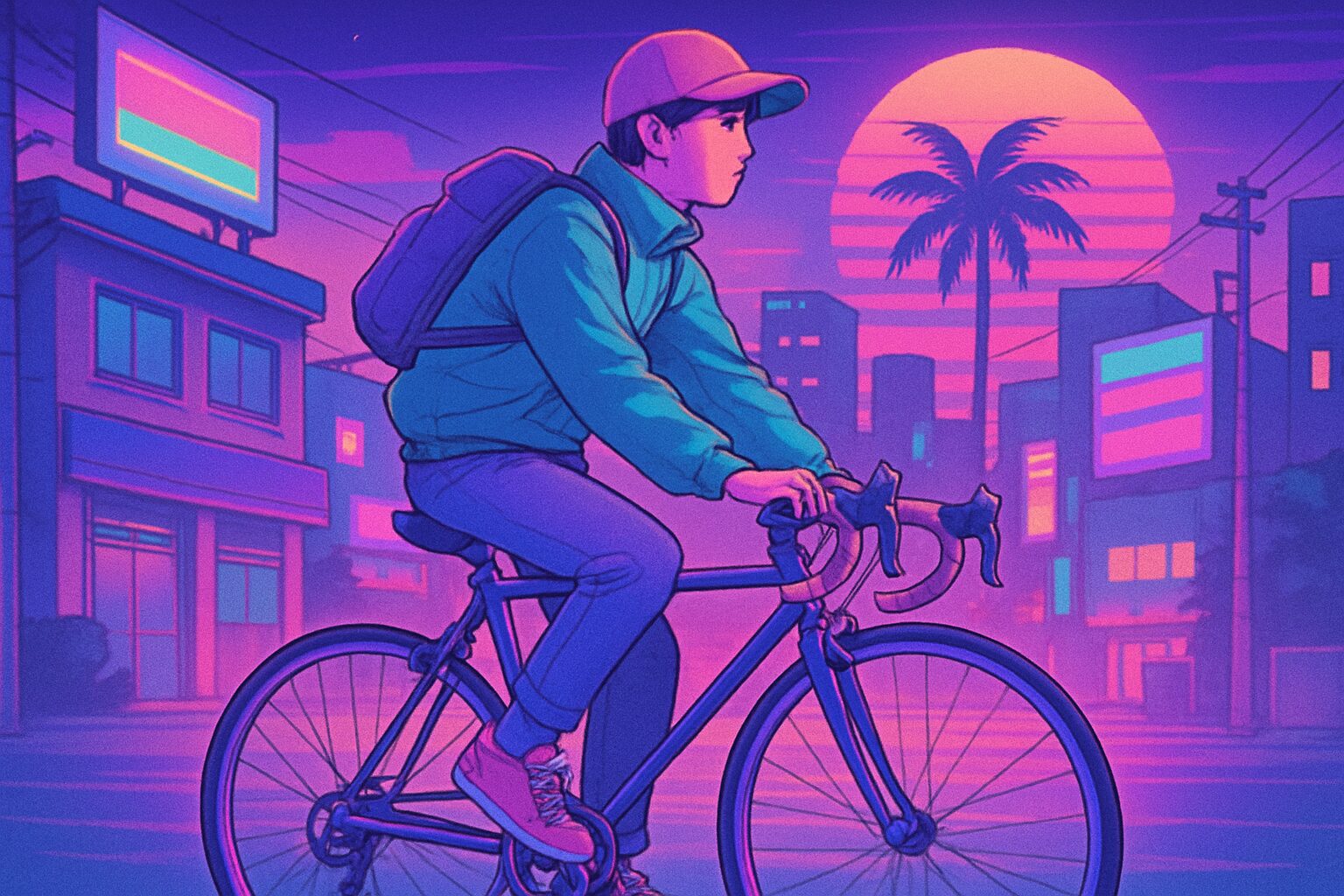
Yo, what’s the move? Let’s talk about a vibe. Picture this: the low-res, comforting glow of a CRT screen. The impossibly cool characters decked out in oversized blazers and perfectly faded, baggy denim. A bittersweet J-Pop ballad kicks in, the kind that makes your heart ache in the best way, as the credits roll over a glittering Tokyo skyline. If you were ever captivated by 90s Japanese dramas, you know this exact feeling. It’s a whole mood, a specific frequency of urban romance, quiet melancholy, and the thrill of chasing your dreams in the big city. That whole era, the Heisei period (1989-2019), might feel like a lifetime ago, but its aesthetic is hitting different right now, making a major comeback as “Heisei Retro.” And let me tell you, it’s not just about nostalgia; it’s about a state of mind. But forget just rewatching the classics—what if you could actually live it? What if you could step through the screen and become the main character in your own personal version of Long Vacation or Tokyo Love Story? The absolute ultimate cheat code to unlock this nostalgic trip isn’t some high-tech gadget; it’s something beautifully analog. A bicycle. On two wheels, you’re moving at the speed of cinema. You’re not a tourist rushing from one spot to the next; you’re an observer, a participant, catching all the subtle, in-between moments and quiet details that made those drama backdrops so iconic and emotionally resonant. We’re about to drop the pin on the dreamiest, most cinematic cycling routes that will transport you straight back to the golden age of J-Drama. It’s time to dial up that main character energy, for real. We’re talking wind in your hair, a killer 90s soundtrack bumping in your headphones, and the city lights of Tokyo blurring into a beautiful bokeh backdrop. So, are you ready? Let’s ride.
The Vibe Check: What Exactly is Heisei Retro?
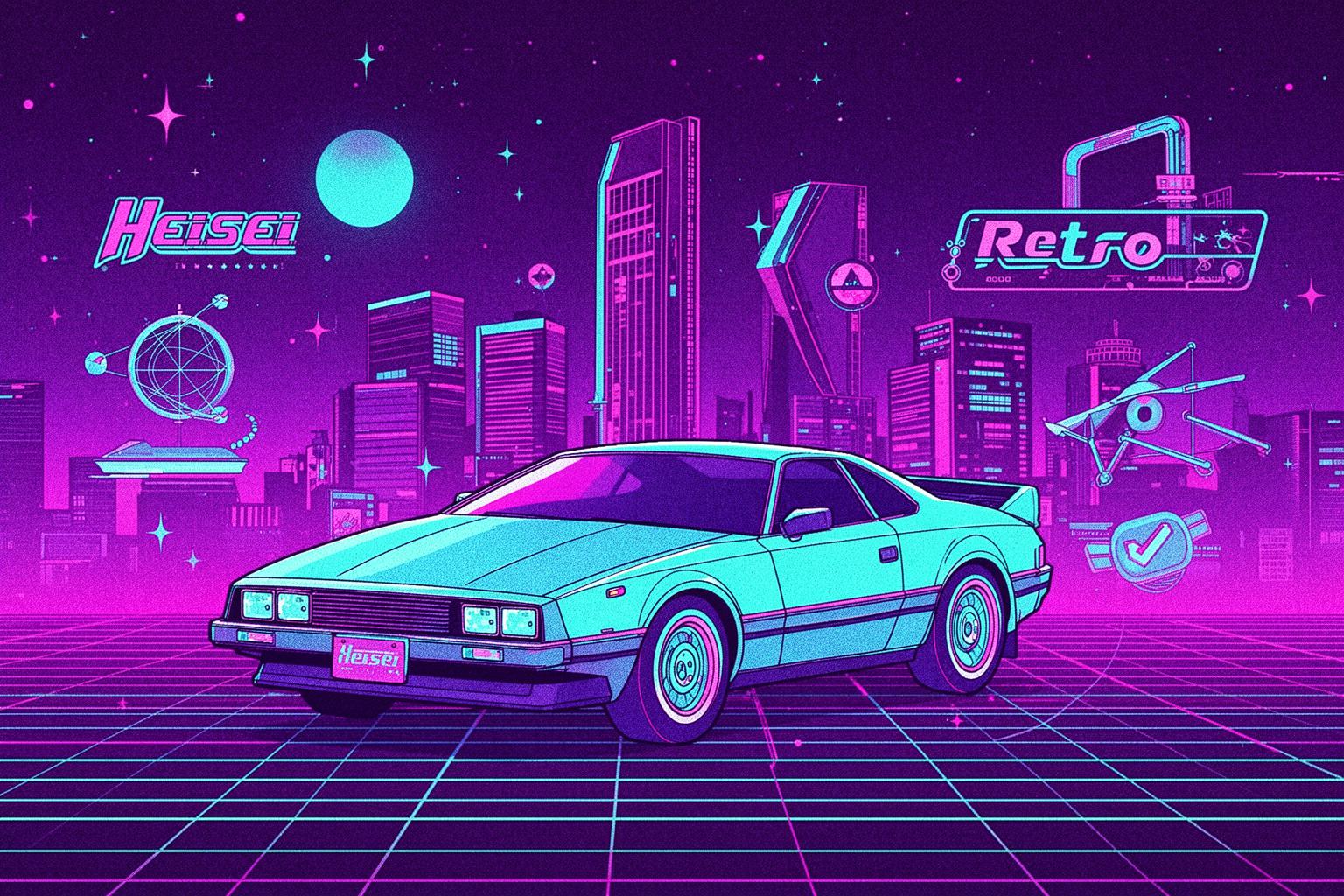
Before we clip in, let’s make sure we’re on the same page. What exactly is this “Heisei Retro” vibe we’re after? The Heisei era was a lengthy and complex chapter in Japanese history, but when people refer to the retro aesthetic, they’re typically focusing on the 90s and early 2000s. It was a fascinating period. The wild economic boom of the 80s, known as the “Bubble Era,” had just burst, leaving a lingering sense of uncertainty. Yet, instead of pure pessimism, there was a unique mix of remaining optimism, a quest for more authentic connections, and a creative surge in music, fashion, and media. It marked the dawn of the digital age, but things still felt wonderfully analog and tangible. We’re talking about the satisfying click of a Sony Discman, the ritual of carrying a beeper or a PHS phone, and the thrill of a new CD release from your favorite artist. It was a world of chunky electronics, soft textures, and a lightly desaturated color palette that now feels deeply soulful and genuine. J-Dramas from this era became the ultimate cultural export, perfectly capturing this mood. They were more than just stories; they inspired a lifestyle. Shows like Long Vacation romanticized the idea of taking a break to find oneself, while Tokyo Love Story depicted heartbreakingly real relationships set against a sprawling, indifferent cityscape. These dramas shaped a visual language for Tokyo itself. They taught us that a conversation on a pedestrian overpass could be life-changing, a shared glance on a crowded train could carry immense meaning, and a quiet moment gazing at the Rainbow Bridge could be the turning point of a lifetime. The Heisei Retro aesthetic is about capturing that feeling—the coolness, the comfort, the subtle drama of everyday life. It lives in loose-fitting clothes, the film-grain texture overlaying life, and the belief that even in a vast city, you can find your people and your place. Touring these drama-filled spots isn’t just sightseeing; it’s a form of time travel, an emotional pilgrimage to the heart of that unforgettable era.
Gearing Up: Your Heisei Retro Cycling Starter Pack
Alright, you can’t just show up to your main character moment unprepared. To truly capture the vibe, you need the right gear, the right look, and the right mindset. This is your pre-production phase, where everything gets fine-tuned for the perfect shot.
Sourcing Your Ride
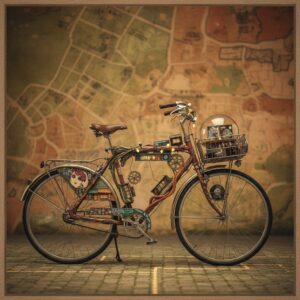
First up: the bike. You’ve got choices, each giving off a slightly different retro vibe. The easiest and most accessible option is the Docomo Community Cycle, those iconic red electric-assist bikes you see all over the city. They’re a total lifesaver—you can rent one via a simple app, get a helpful electric boost on hills, and pick up or drop off at hundreds of ports around town. It’s super practical and low-stress. But if you’re a purist aiming for maximum aesthetic points, consider renting a classic mamachari (mom’s chariot). These are the quintessential Japanese city bikes—simple, sturdy, with a front basket perfect for stashing your vintage store finds or a can of coffee. Some local wards offer cheap rental spots near train stations, or you can find trendier options at bike rental shops in areas like Yanaka or Kuramae. Picking your ride is like choosing your character’s key prop—make it count.
The Wardrobe Department
As someone who lives and breathes fashion, this part is non-negotiable. To really feel like you’ve stepped right into a 90s drama, you need to look the part. It’s all about relaxed silhouettes and authentic textures. Picture a perfectly worn-in, slightly oversized sweatshirt, maybe bearing a college logo. Pair it with light-wash, straight-leg denim—nothing too tight. The fit should be comfortable and effortless. For outerwear, a vintage coach jacket, a classic beige trench coat, or a flannel shirt casually tied around your waist works perfectly. On your feet, classic sneakers like Converse All-Stars, New Balance 574s, or Adidas Gazelles are foolproof. Finish with a simple bucket hat or a classic baseball cap. The key is to look like you just threw this on, even if you spent an hour curating it. This is your costume and sets the tone for the day. Shimokitazawa and Koenji are your go-to neighborhoods for authentic vintage pieces.
Crafting the Soundtrack
This might be the most crucial element. A 90s drama isn’t complete without its iconic soundtrack. Before you hop on your bike, curate the perfect playlist. This becomes the emotional engine of your journey. You need soaring, heartfelt ballads and upbeat, feel-good anthems. My personal Heisei essentials list is long, but you have to start with the legends: Mr. Children for epic, anthemic rock; Spitz with their dreamy, melancholic indie-pop; Hikaru Utada’s debut album for groundbreaking late-90s R&B-infused pop; don’t forget Globe for electrifying dance tracks; or My Little Lover for sweet, wistful tunes. Pop one earbud in (safety first!), hit play as you start pedaling, and watch a mundane street corner transform into a cinematic establishing shot. The music guides your emotion, turning a simple bike ride into a deeply personal experience.
Safety First, But Make It Cute
A little tip from me, especially for solo female travelers: Tokyo is incredibly safe, but biking requires some situational awareness. The basic rule is to ride on the left side of the road with traffic. Although many locals ride on sidewalks, technically they’re for pedestrians, so if you must use them, go slow and be cautious. Watch for pedestrians stepping out from behind buildings and be aware of cars and scooters in narrow backstreets. A compact, stylish helmet is always a smart choice. Also, pack a small tote or backpack with essentials: a portable phone charger (Google Maps is your director—you don’t want it dying), a bottle of water or tea, cash for old-school shops that don’t accept cards, and a small towel or handkerchief—a Japanese must for dabbing sweat on warm days. Being prepared lets you relax and fully immerse yourself in the moment without stress.
Route 1: The Waterfront Main Character Moment – Odaiba & Rainbow Bridge
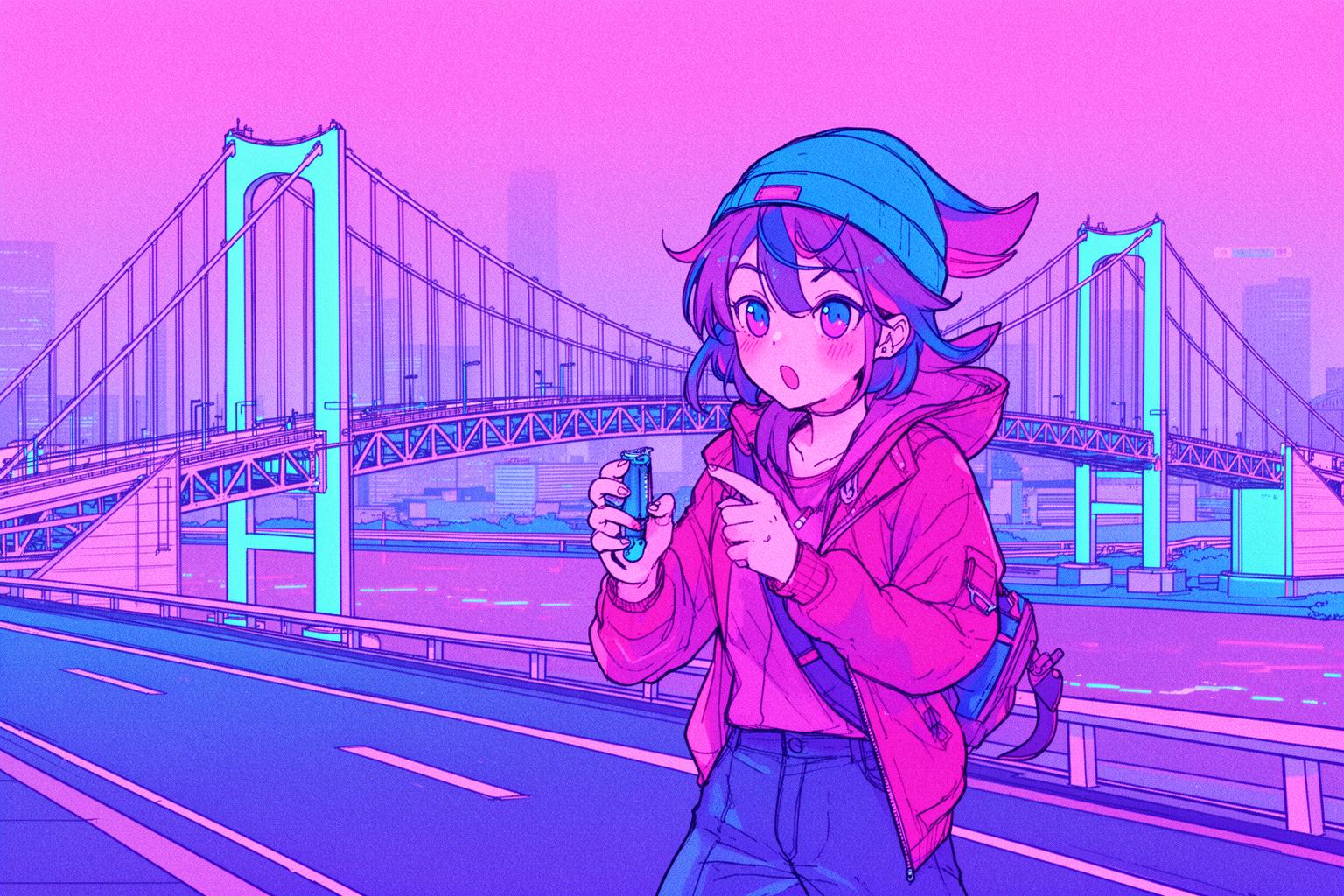
Alright, let’s dive into our first location. If the 90s J-Drama had an official HQ, it would be the Tokyo waterfront. This route embodies grand emotions, sweeping panoramic views, and the unmistakable feeling of being a small soul in a vast, sparkling city full of opportunities. It’s the perfect setting for your opening credits or your dramatic series finale.
The Scene: Tokyo’s Iconic Bay Area
Odaiba is a large man-made island in Tokyo Bay that saw major development in the 90s as a futuristic business and leisure hub. Because of this, its architecture and layout serve as an ideal time capsule of that era’s vision of the future. It’s all about wide-open spaces, shiny, unconventional buildings, and elevated walkways. It can feel somewhat artificial, even a bit sterile, but that’s exactly its appeal. It feels like a movie set, designed intentionally to be admired. This represents the polished, aspirational Tokyo where drama characters retreat when they need to think, confess love, or make life-changing decisions. The undeniable star here is the Rainbow Bridge, a stunning suspension bridge linking Odaiba to central Tokyo. At night, when illuminated, it’s pure magic and the ultimate symbol of the city’s romantic promise.
The Ride: From Toyosu to Odaiba Seaside Park
Our ride starts in Toyosu, near the renowned new fish market. The atmosphere here is a bit more industrial and modern, providing a striking contrast to what lies ahead. You’ll cycle along well-maintained paths toward the base of the Rainbow Bridge. Here’s a tip: cycling is not allowed on the main upper deck, but there’s a pedestrian and cyclist path on the lower level. You’ll need to walk your bike through the entrance onto the bridge, but once on it, you can ride slowly. The experience is surreal. You feel the subtle rumble of the expressway and the Yurikamome Line train overhead, a constant urban hum. The wind whips around you, carrying the salty bay scent. Through the bridge’s girders, you catch incredible, framed views of the Tokyo skyline. It’s not the postcard-perfect view yet; it’s raw, real, and breathtaking. Arriving in Odaiba, the world expands. Wide, smooth waterfront promenades appear—an absolute dream to cycle on. Cruise along the shoreline heading to Odaiba Seaside Park. This stretch is easy, flat, and all about absorbing the epic scale of your surroundings.
Pit Stops for Peak Nostalgia
Odaiba is filled with spots steeped in Heisei Retro vibes. Your first stop should be Decks Tokyo Beach, one of the island’s original shopping malls. It has a slightly dated but wonderfully charming atmosphere. Inside, don’t miss the Daiba 1-chome Shotengai, a whole floor meticulously recreated to resemble a mid-20th century Tokyo street. It’s retro-on-retro and a blast. Try some vintage arcade games, test your luck with a UFO catcher, and just soak up the kitschy fun. Next, you can’t skip the Fuji TV Building, the striking structure with a giant silver sphere suspended in its center, designed by the legendary Kenzo Tange. In the 90s, it was the symbol of media power and pop culture. You can take an elevator to the observation deck inside the sphere for a stunning panoramic view of the bay area. And of course, there’s the delightfully quirky Odaiba Statue of Liberty replica—a classic, slightly absurd photo spot that’s been the backdrop for countless dates and drama scenes. But the ultimate destination is Odaiba Seaside Park. Park your bike, stroll onto the soft, man-made beach. This is the place. Sit down, dig your toes into the sand, and gaze back at the skyline you just crossed. It’s the perfect moment for quiet reflection, just as every drama protagonist needs.
Pro Tips & Timing
To truly capture this route’s cinematic vibe, timing is crucial. The golden hour, that magical time just before sunset, is hands down the best moment to be here. Plan your ride so you arrive at Odaiba Seaside Park about an hour before the sun dips below the horizon. The light will be soft and golden, giving everything a dreamy, beautiful glow. Watch the sky change through an incredible spectrum of colors—from orange and pink to deep purple and indigo. As darkness falls, the city across the bay lights up window by window, until it becomes a sea of twinkling diamonds. The Rainbow Bridge puts on its dazzling light show, transforming the scene into something truly spectacular. For a snack, keep it simple and authentic. Grab a can of hot or cold coffee from one of the many vending machines. The satisfying clank of the can dropping and the hiss as you open it is a quintessential sensory memory of life in Japan. Or, for a classic Odaiba treat, find a crepe stand and enjoy a sweet, delicious snack on the beach. This ride isn’t about gourmet dining—it’s about small, perfect moments.
Route 2: The Cozy Neighborhood Love Story – Setagaya & Shimokitazawa
If the Odaiba route was a high-budget, primetime blockbuster, then this next one is the intimate, slice-of-life indie film that takes home all the awards. We’re leaving behind the sweeping skylines and venturing into the heart of Tokyo’s residential neighborhoods. This is where authentic dramas unfold—the quiet romances, the quirky friendships, and the everyday struggles and triumphs. This route celebrates charm, character, and the beauty of the ordinary.
The Scene: Where Daily Life Turns into Drama
Setagaya ward is a sprawling, primarily residential area in western Tokyo. It’s a world apart from the futuristic gleam of the bay or the neon chaos of Shinjuku. Life here moves at a slower pace. The streets are smaller, quieter, and lined with a delightful mixture of single-family homes, low-rise apartment complexes, and quaint local shops. This is the Tokyo you see in dramas about struggling artists, college students, or young professionals taking their first steps into adulthood. The atmosphere is calm, cozy, and deeply genuine. A hallmark of this area is the train lines that run through it, especially the Odakyu Line and the Keio Inokashira Line. The sound of the train, the flashing lights, and the ringing bells at the railroad crossings create the rhythmic soundtrack of daily life here, making it incredibly cinematic. Our destination, Shimokitazawa (or “Shimokita” to locals), is a small neighborhood straddling the border of Setagaya and Shibuya wards. In the ’90s, it became known as the epicenter of Tokyo’s youth subculture—a sanctuary for artists, musicians, actors, and fashion aficionados. It’s a maze of narrow streets filled with vintage clothing shops, independent theaters, live music venues, and cozy cafes. It exudes a bohemian, slightly gritty, and endlessly cool vibe, both nostalgic and timeless.
The Ride: Tracing the Odakyu Line
A great way to explore this area is to loosely follow the local train lines. A fantastic starting point is Gotokuji Temple, a serene and beautiful temple famous for its thousands of maneki-neko (beckoning cat) figurines. It’s a wonderfully surreal and peaceful place to begin your journey. From there, you can wander through the quiet residential streets, heading generally toward Shimokitazawa. This part of the ride isn’t about sticking to a strict route; it’s about getting intentionally lost. Let your curiosity lead you down narrow alleyways, along small tree-lined canals, or past charming little parks where local children play. You’ll pass by tiny family-run rice cracker shops, old-school barbers, and lovely private gardens. Notice the details: meticulously tended bonsai trees, laundry fluttering on balconies, the sound of piano practice drifting through open windows. This is the texture of real life in Tokyo. One particularly lovely stretch is the Kitazawa River Green Way, a pedestrian and cycling path that follows a former river, offering a leafy, car-free corridor through the neighborhood. It’s a tranquil escape and the perfect setting for a quiet, reflective ride.
Heisei Hotspots & Hidden Gems
As you approach Shimokitazawa, the energy shifts. The streets narrow and grow busier; the shops become more eclectic. This is where your treasure hunt begins. Vintage clothing stores are the main attraction. In the ’90s, Shimokita was the go-to place for second-hand American casual wear, and that vibe remains alive and well. Spend hours browsing the racks at legendary shops like New York Joe Exchange or Flamingo. You’re searching for those perfect Heisei-era pieces: a faded band tee, a perfectly broken-in denim jacket, an oversized flannel shirt. The thrill of the find is part of the experience. Beyond fashion, Shimokita is a paradise for analog culture. Dive into one of the many small record stores and sift through crates of ’90s J-Pop CDs and vinyl. The joy of discovering a physical copy of a beloved album is uniquely special. The quintessential stop on our drama-themed tour is a traditional kissaten. These old-school coffee shops are living relics. Find one with dark wood paneling, worn velvet seats, and soft jazz playing in the background. Order a melon soda float topped with a bright red cherry or a plate of Napolitan spaghetti, a distinctly Japanese ketchup-based pasta dish. This is the perfect setting for a heart-to-heart conversation scene. It offers a refuge from the hustle of modern life—a place to sit, reflect, and let the story unfold.
Local Knowledge & Safety
Shimokitazawa’s narrow, winding streets add to its charm but can also present challenges for cyclists. As a safety tip, be extremely cautious here. These streets are shared by pedestrians, bikes, and occasional delivery vehicles. Ride slowly, be ready to stop often, and if a street becomes too crowded, it’s best to dismount and walk your bike. The ideal time to experience this route is on a weekday afternoon when the atmosphere is more relaxed. Weekends in Shimokita can be bustling, which is lively but less suited for a leisurely bike ride. Embrace the unhurried pace. This journey isn’t about speed or distance; it’s about discovery and immersing yourself in the ambiance of one of Tokyo’s most beloved neighborhoods. It’s about finding romance in the everyday, much like your favorite slice-of-life dramas.
Route 3: The Artsy & Intellectual Hangout – Kichijoji & Inokashira Park
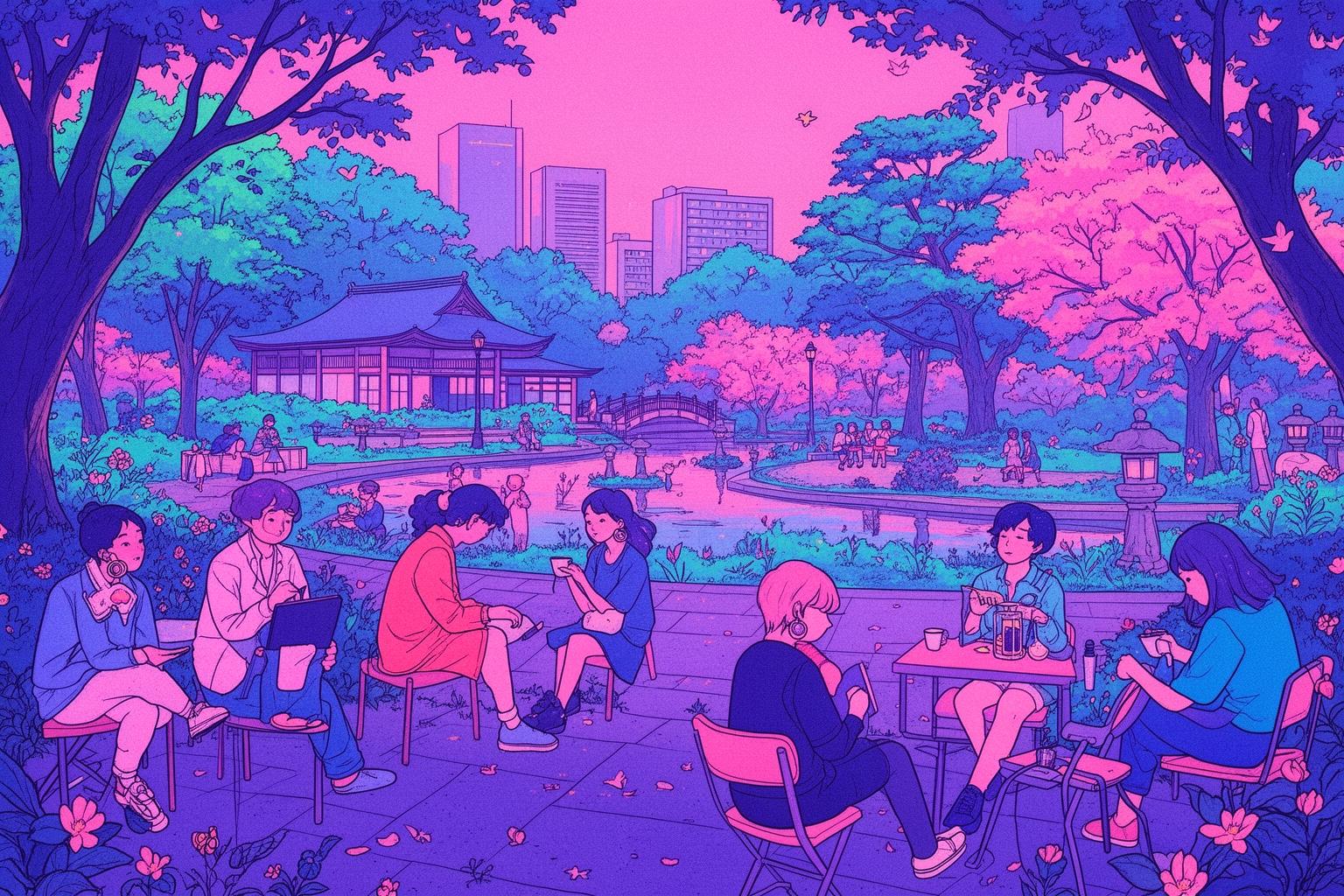
For our final stop, we head west to Kichijoji, a neighborhood that consistently ranks among Tokyo’s most desirable places to live. If Odaiba represents the sleek commercial district and Setagaya the cozy residential area, Kichijoji is the cool, cultured, and slightly bohemian college town. It’s the kind of place where a thoughtful, artistic drama protagonist would reside—someone who cherishes city energy but also longs for nature and a strong sense of community. This route beautifully blends urban vibrancy, natural tranquility, and creative spirit.
The Scene: The Cool, Cultured Suburb
Kichijoji has a special charm. It’s a major hub with large department stores, a bustling covered shopping arcade (Sun Road), and an excellent food scene, yet it never feels overwhelming or impersonal. Just steps away from the station’s hustle, you’ll find quiet residential streets, quirky independent shops, and plenty of character. The true heart of Kichijoji, however, is the stunning Inokashira Park. This expansive, lovely park centers around a large pond and serves as a green oasis in the city. It’s perfect for strolling, relaxing, and finding inspiration. The park contributes to Kichijoji’s relaxed, creative atmosphere, attracting artists, writers, and musicians. The world-renowned Ghibli Museum is also located on the park’s edge, cementing the area’s reputation as a hub of art and imagination. The vibe here is intelligent, laid-back, and effortlessly cool—the ideal setting for a drama about creatives navigating life, love, and their craft.
The Ride: A Loop Around the Park and Beyond
Your cycling adventure in Kichijoji should revolve around Inokashira Park. Begin with a slow, leisurely loop around the central pond. The path is shaded by towering trees, and the scenery is ever-changing. You’ll encounter families picnicking, students studying on benches, artists sketching, and musicians practicing. On weekends, the park buzzes with street performers and small craft markets, enhancing the vibrant creative energy. After circling the pond, explore the wider park grounds, including a small shrine, a zoo, and beautiful wooded areas perfect for wandering. From there, extend your ride into the charming surrounding neighborhoods. Kichijoji’s residential streets are ideal for cycling, quiet and lined with lovely homes. The area around Kichijoji Station is also worth exploring; while the main shopping streets can be busy, the backstreets are full of hidden gems. This ride encourages embracing a slower pace and appreciating the seamless mix of urban life and nature.
Must-Do Heisei Activities
Kichijoji offers many timeless, nostalgic activities. First and foremost, try the iconic swan boats in Inokashira Park. Renting one of these boats and paddling on the pond is a classic Tokyo date activity, featured in countless dramas and manga. There’s even a famous urban legend that couples who ride a swan boat together are cursed to break up, adding to its dramatic, romantic appeal. For a different kind of retro experience, explore Harmonica Yokocho, a tight maze of atmospheric alleys near the station. This post-war area is filled with tiny standing bars, yakitori joints, and ramen shops. It feels like a hidden world, especially at night when lanterns glow and the alleys are alive with conversation and clinking glasses. Kichijoji is also fantastic for browsing unique zakka shops selling charming miscellaneous goods and excellent used bookstores catering to the intellectual crowd. You can discover amazing art books and vintage magazines from the Heisei era. And while tickets require months of advance planning, simply cycling past the Ghibli Museum and admiring its whimsical exterior is inspiring in itself. Studio Ghibli’s golden age coincides beautifully with the Heisei era, and their films evoke the same blend of nostalgia, wonder, and emotional depth.
Insider Info
Kichijoji, especially Inokashira Park, is a popular weekend destination for Tokyoites and can become quite crowded. For a quieter, more contemplative ride, I highly recommend visiting on a weekday. You’ll have more space to cycle and a better chance to soak up the park’s tranquil atmosphere. When it comes to food, Kichijoji is a gourmet paradise. For an iconic local treat, brave the always-long line at Satou, a butcher shop famous for its menchi-katsu (deep-fried ground meat cutlet). It’s juicy, flavorful, and the perfect energy boost for your ride. Alternatively, Kichijoji has a thriving independent coffee scene, so grabbing a carefully brewed cup from a local roaster and enjoying it on a park bench is another excellent way to capture the neighborhood’s spirit. This route celebrates creativity, community, and the simple pleasure of a beautiful day spent outdoors.
The Afterglow: Capturing the 90s Vibe
After your ride, the experience doesn’t have to end. The final step in living out your J-Drama fantasy is preserving the memories and emotions of the day. But we’re not aiming for sharp, flawless digital photos here. To truly capture the Heisei Retro vibe, you need to embrace analog.
My personal favorite way to document these trips is with a film camera. A simple point-and-shoot 35mm camera works perfectly. The grain, light leaks, and subtle imperfections of film all contribute to the nostalgic, dreamlike quality of the memories. If you don’t own a film camera, you can mimic the look using retro filter apps on your phone. Apps like Huji Cam or Gudak excel at recreating the aesthetic of 90s disposable cameras. Focus on capturing the mood rather than just the landmarks. Photograph the details: your bike resting against a vending machine, the blurred neon glow of a shop sign reflected in a puddle, the view from a pedestrian overpass, steam rising from a can of hot coffee. These quiet, in-between moments form the visual poetry of a J-Drama. Beyond photos, take time for reflection. Find a peaceful spot—that bench in Inokashira Park, the sand at Odaiba Seaside Park, or a stool in a cozy kissaten—and just be present. Reflect on the day. Maybe even do a little journaling. What did you see? What did you feel? The goal of this entire experience is to connect with a certain emotion, a mood that is both nostalgic for a time you might not have lived through and deeply personal to your own journey. It’s about creating your own story.
These routes are more than mere directions; they are gateways to another era. They invite you to slow down, to look more closely, and to see Tokyo not just as a bustling metropolis but as a stage for countless stories of love, loss, and self-discovery. Cycling through these iconic landscapes lets you write your own chapter, becoming the protagonist of your own urban adventure. It’s about feeling the city’s rhythm through the pedals and viewing the world through a gentler, more romantic lens. So grab a bike, press play on that 90s playlist, and ride into your very own Tokyo love story. The city is waiting for you to say “action.”