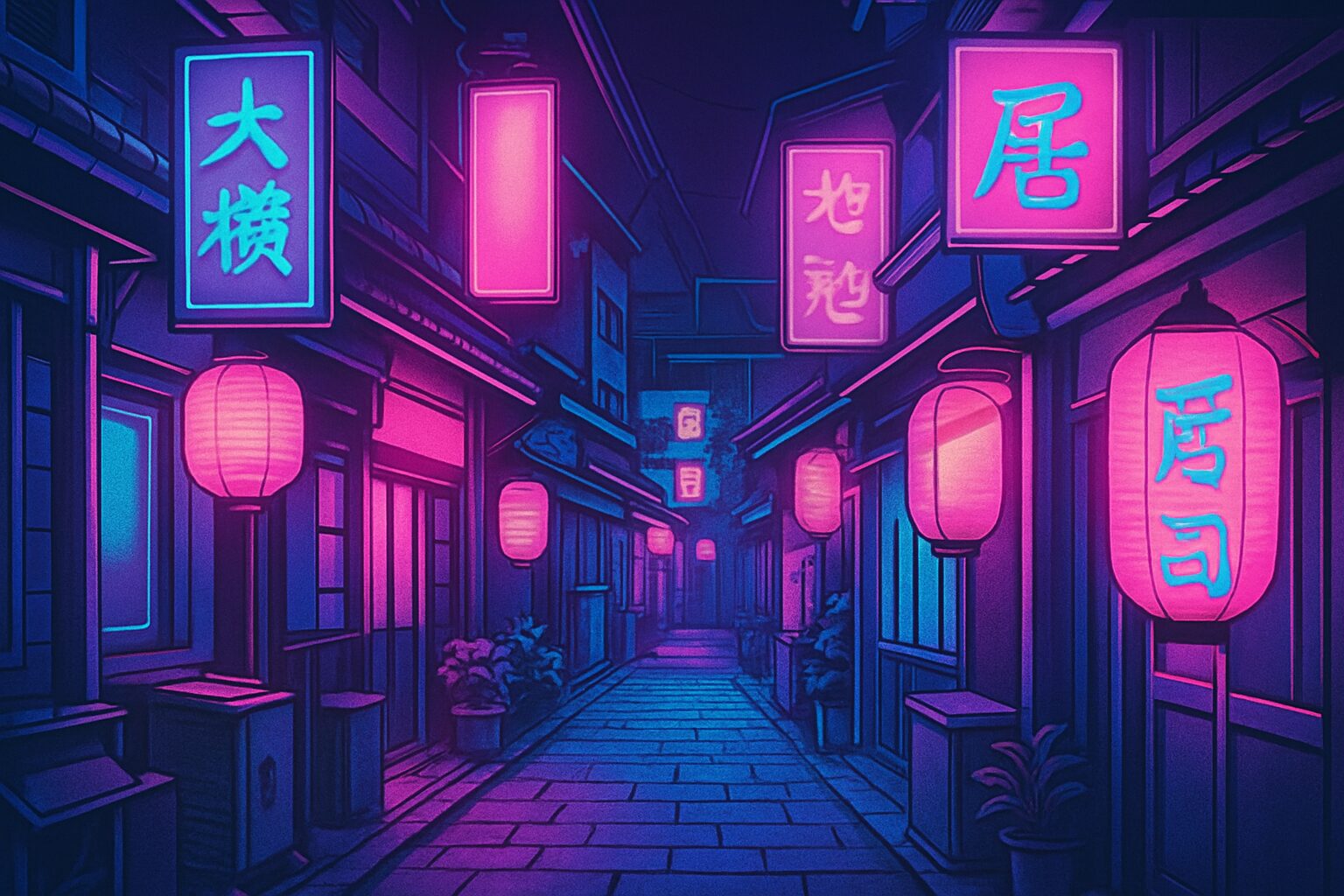
Yo, what’s good? Taro Kobayashi here. My usual gig involves trekking up mountains, chasing that summit high. But when I come back down to the concrete jungle, there’s another kind of exploration that gets my blood pumping—a different kind of trail, one paved with cracked asphalt and lit by the hazy glow of paper lanterns. I’m talking about Japan’s yokocho, these raw, unfiltered back-alleys that are basically living, breathing time machines. Forget your sleek, minimalist cafes and high-tech everything for a second. This is where the real soul of the city kicks it. We’re about to dive deep into these smoky corridors, places that feel ripped straight out of a post-war movie set, where every clatter of a beer mug and every wisp of yakitori smoke tells a story. This ain’t your sanitized tourist trap; this is the unfiltered, chaotic, and ridiculously delicious heart of urban Japan. It’s where salarymen unwind, where old-timers share tales, and where you, my friend, are about to get a legit taste of a Japan that’s fading but still fighting. So, lace up your comfiest shoes, ’cause we’re going on an urban hike through the Showa-era underground. It’s gonna be a vibe.
To fully appreciate these atmospheric time capsules, you should also explore the nostalgic charm of Japan’s traditional shotengai shopping streets.
Shinjuku’s Omoide Yokocho: The OG Memory Lane
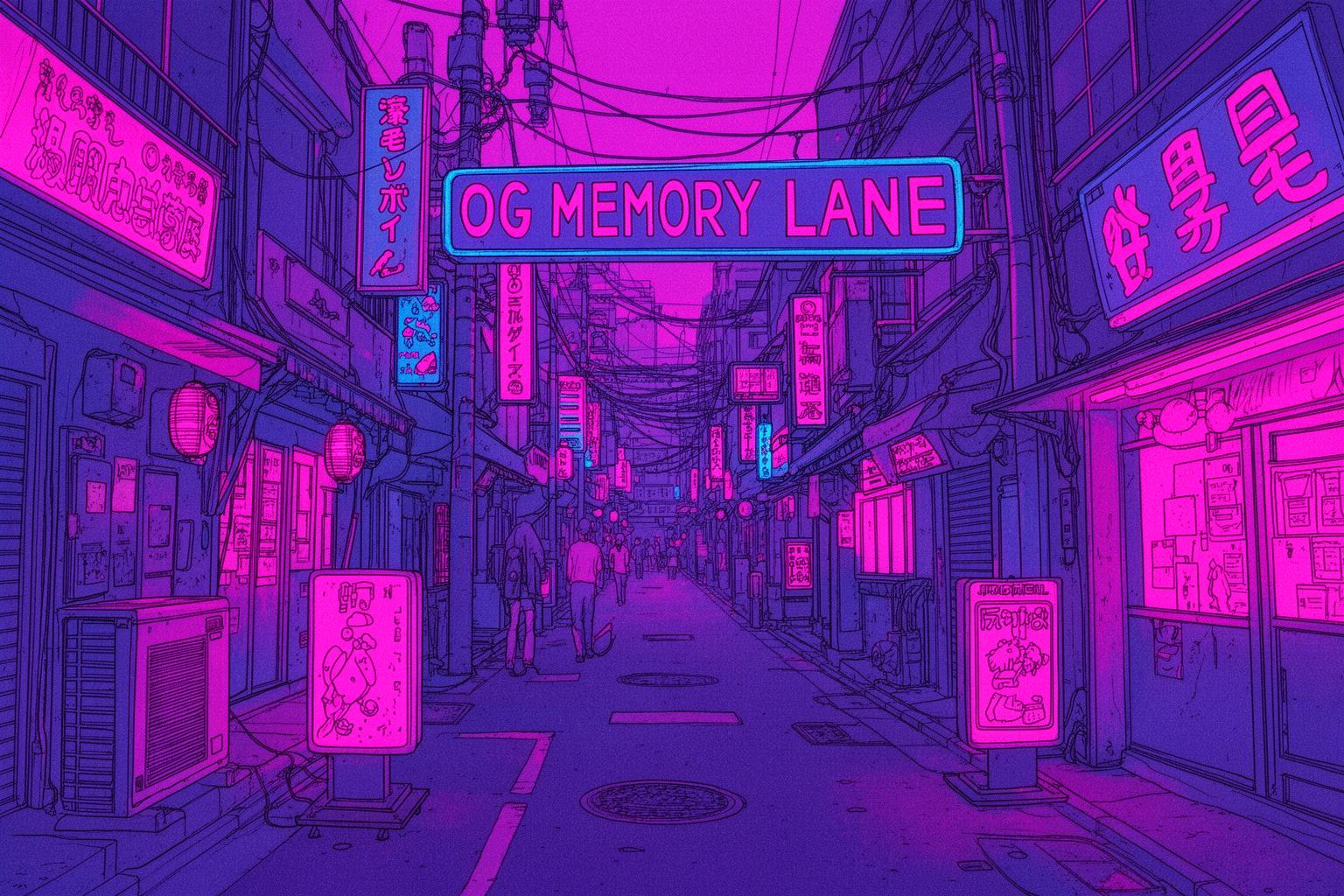
The Vibe Check: Pure Cinematic Energy
First stop, the iconic Omoide Yokocho, right beside the controlled chaos of Shinjuku Station’s west exit. The moment you slip under its entrance, the modern world just fades away. The air feels thick—actually thick—with a holy trinity of aromas: charcoal-grilled chicken, simmering soy-based broths, and decades of spilled beer. Fondly, and famously, called “Piss Alley,” a nod to its rougher, rustic past when facilities were sparse. But don’t let the name fool you. Today, it’s Memory Lane, and that vibe feels entirely different. The narrow lanes have you brushing shoulders with strangers, a forced closeness that oddly feels comforting. Red and white paper lanterns cast a warm, almost dreamlike glow, lighting up clouds of steam rising from tiny kitchens and the weathered faces of chefs who’ve been grilling skewers longer than you’ve been alive. The soundtrack is a blend of sizzling meat, booming laughter from salarymen loosening their ties, clinking glasses, and the gruff, rhythmic calls of the staff. It’s not just an alley; it’s a sensory overload in the best possible way. The whole scene bursts with raw, unfiltered energy—a laid-back yet epic snapshot of Tokyo’s very heart.
The Backstory: From Black Market to Foodie Treasure
This place carries real history. Omoide Yokocho’s roots stretch back to the immediate post-war era of the late 1940s. Japan was shattered, and places like this emerged as black markets, or yami-ichi. It was a hustle—people sold whatever they could find, and simple street food stalls provided cheap, filling meals for a struggling population. Early on, top sellers included motsu-yaki (grilled offal) because prime cuts were a true luxury. That legacy remains front and center today. Many of the most renowned shops are motsu-yaki specialists, a culinary thread linking back to the alley’s tough origins. The place has withstood fires, redevelopment pressures, and the relentless tides of time, clinging stubbornly to its Showa-era grit. Every rickety wooden counter and smoke-stained wall stands as a testament to its resilience. This isn’t a replica—it’s a relic, a living museum of Tokyo’s post-war recovery and enduring passion for no-frills, damn good food.
How to Navigate the Scene
Don’t overthink it. Omoide Yokocho is best discovered on the fly. The main alley branches off into smaller lanes, so just wander. Follow your nose. Spot a place with a couple of empty stools? That’s your green light. Most spots are tiny—seating maybe eight to ten people max, packed around a counter. It’s all part of the charm. You’re right in the thick of things, watching the chef work their magic up close. Some quick tips for first-timers: bring cash. While a few spots now accept cards, cash still reigns supreme in these old-school joints. Don’t expect a long, drawn-out dinner. The unspoken rule is to have a few drinks, enjoy some skewers, and then move on to free your seat for the next hungry guest. It’s a culture of sharing the experience. Most shops have an English or picture menu, so pointing works just fine. Just smile, be polite, and dive in. The owners might seem gruff, but it’s usually intense focus. A simple “Oishii!” (Delicious!) will almost always earn a smile.
Must-Try Bites
When at Omoide Yokocho, you’ve got to go for the classics. First up: yakitori and motsu-yaki—grilled skewers. Yakitori is chicken—think momo (thigh), negima (thigh and leek), and tsukune (meatball). Motsu-yaki is the more adventurous, and arguably more authentic choice: think shiro (intestine), kashira (pork cheek), and hatsu (heart). Don’t hesitate; order a variety. You can choose between shio (salt) or tare (sweet soy-based sauce). Pro tip: trust the chef’s seasoning recommendation. Another must-try is nikomi, a rich stew of beef or pork offal and vegetables simmered for hours in a miso or soy-based broth. It’s ultimate comfort food, especially paired with a cold beer or sake. Grab a highball (whisky and soda) or a “nama biiru” (draft beer) to wash it all down. This is soul food, prepared with decades of expertise in a space no bigger than a walk-in closet.
Shinjuku’s Golden Gai: A Labyrinth of Micro-Bars
The Vibe Check: Artsy, Intimate, and Intoxicating
Just a short walk from the bustling chaos of Omoide Yokocho lies another facet of Shinjuku’s nightlife: Golden Gai. If Omoide Yokocho is a rough, smoky food hall, Golden Gai is its quirky, artsy relative—a dense labyrinth of over 200 tiny bars. This place embodies a whole mood. Picture six narrow alleys, barely wide enough for two to pass side by side, lined with two-story wooden buildings that seem to lean on each other for support. Each doorway, decorated with a distinctive sign or an eccentric ornament, opens into a bar so small it might seat only five or six people. The atmosphere is simultaneously electric and subdued, a stark contrast to the neon din of greater Shinjuku. It feels secretive, exclusive. Peer through a window, and you might spot a bar devoted to classic horror films, another plastered with vintage punk rock posters, or one run by a quiet master mixologist. It’s a refuge for creatives, intellectuals, filmmakers, musicians, and anyone seeking authentic conversation over a quality drink. The vibe centers less on loud eating and more on intimate sips and shared stories in close quarters. It’s dark, moody, and utterly captivating.
The Backstory: From Red Light District to Cultural Landmark
Golden Gai’s history is as vivid as its present. Like Omoide Yokocho, it originated in the post-war black markets. Throughout the 1950s, it shifted from a market into a notorious red-light district. When anti-prostitution laws came into effect in 1958, the area transformed again, becoming a hotspot for drinking establishments. Its patchwork charm and affordable rents began to attract a bohemian crowd—writers, artists, actors, and academics. It evolved into a cultural salon, a gathering place for avant-garde discussions and secret meetings. The legendary writer Yukio Mishima was a frequent visitor. This intellectual and artistic heritage is woven into its fabric. The area famously resisted the 1980s’ ‘bubble economy’ boom when developers, backed by the yakuza, attempted to buy out owners and raze the neighborhood for generic skyscrapers. Bar owners united, taking turns patrolling the alleys nightly to prevent arson attacks, a common tactic to force people out. Their efforts are why Golden Gai remains intact today—a bold, beautiful rebuke to corporate monotony.
How to Navigate the Scene
Golden Gai might seem daunting to newcomers, but it doesn’t have to be. The key is knowing the system. Many bars charge a cover fee, called otoshi or sekiryo. This usually runs between 500 to 1500 yen and typically includes a small snack. It’s essentially a seating fee. This helps keep the tiny bars viable and encourages a more devoted clientele. Some bars are infamously ‘regulars only’ (joren kyaku), and newcomers may find their doors closed. However, many bars warmly welcome tourists and first-timers. Look for English signs saying ‘Welcome’ or ‘No Cover Charge’. A good approach is to stroll the alleys first, discreetly peek inside windows, and find a spot whose vibe clicks with you. Once inside, space is limited. Keep your bags compact. The magic happens when you start a conversation—with the bartender or the person next to you. Many bartenders have fascinating backgrounds and stories. Ask about the bar’s history or for a drink suggestion. This isn’t a place for fleeting, impersonal drinks; it’s a place to connect.
Drink Like a Local
While beer is widely available, Golden Gai is the place to explore Japanese spirits. Many bartenders are experts in Japanese whisky. Request a recommendation—you might uncover a rare bottle from a small distillery. Highballs are common and refreshing. For something different, try shochu, a distilled spirit made from barley, sweet potatoes, rice, or buckwheat. It can be enjoyed on the rocks (rokku), with cold water (mizuwari), or hot water (oyuwari). Bartenders can help you find a style you’ll enjoy. Cocktails here tend to be simple but flawlessly crafted. This is not a spot for elaborate flair bartending; it’s about honoring the spirit in the glass. Respect the craft, savor your drink, and soak in the unique atmosphere you literally won’t find anywhere else in the world.
Shibuya’s Nonbei Yokocho: Drunkard’s Alley in the Concrete Jungle
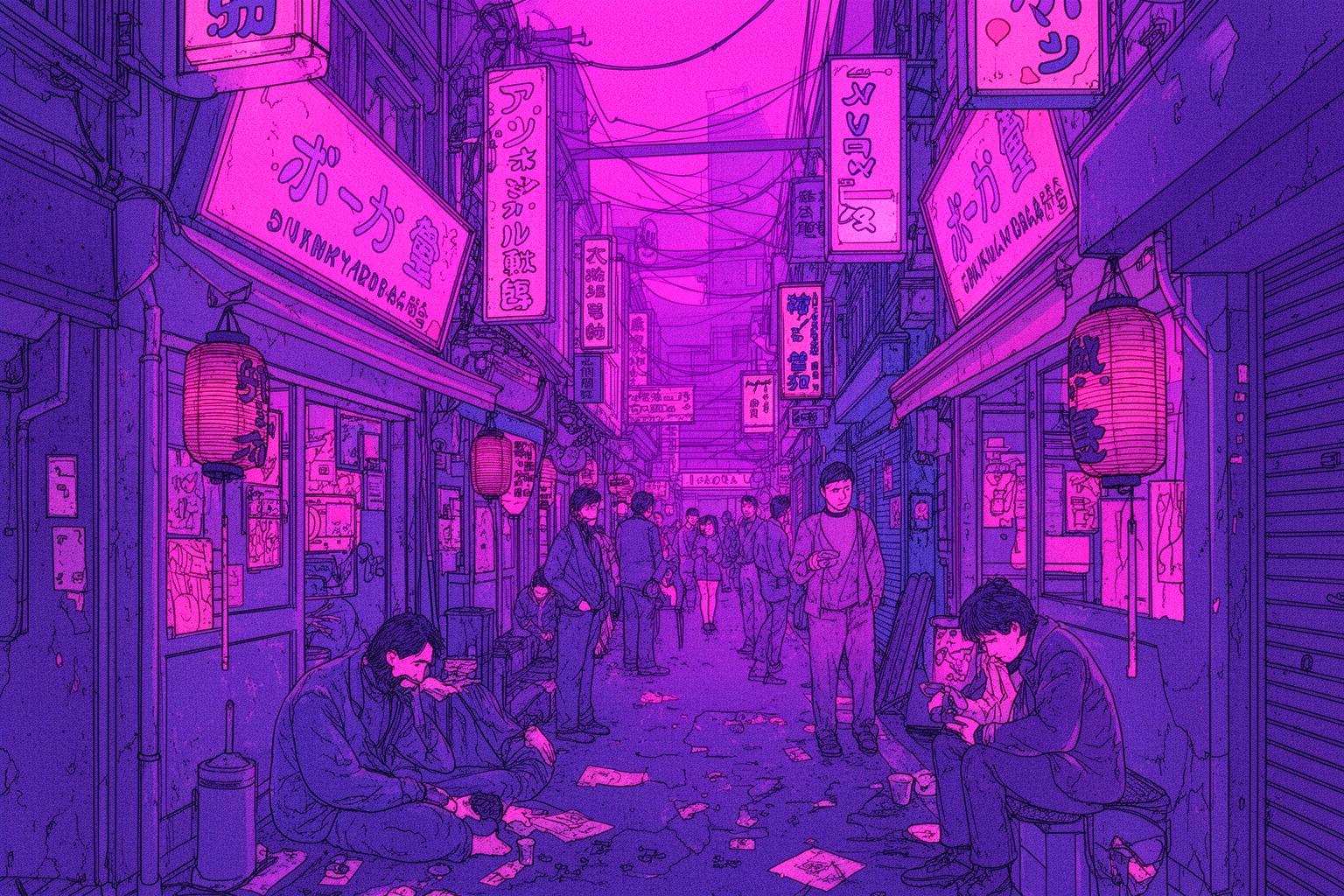
The Vibe Check: A Tiny Time Capsule
Shibuya. The name alone evokes images of the Scramble Crossing, a flood of people beneath towering neon billboards. It’s the heart of modern, ultra-trendy Tokyo. Yet, hidden in plain sight just beside the JR train tracks lies a small fragment of the past: Nonbei Yokocho, or “Drunkard’s Alley.” Discovering it is like finding a secret level in a video game. You turn a corner, and the overwhelming buzz of Shibuya softens to a gentle murmur. This alley is tiny, even by yokocho standards—a single narrow lane dotted with around 40 tiny establishments, each barely larger than a spacious closet. The atmosphere is intimate, nearly reverent. The buildings show their age, with sliding wooden doors and glowing lanterns that seem to absorb sound rather than amplify it. It feels like a forgotten village, preserved miraculously as a futuristic metropolis rose around it. It’s the ultimate low-key refuge, a place to pause and enjoy a quiet drink while bullet trains thunder just meters away, a constant reminder of the two worlds you’re inhabiting.
The Backstory: An Unlikely Survivor
Nonbei Yokocho is a story of resilience. Established around 1950 during the post-war boom, it catered to the working class. It was a convenient stop for commuters from nearby Shibuya Station to grab a quick drink and snack before heading home. For decades it quietly fulfilled that role. Then, in the 1980s bubble era and the redevelopment rush that followed, Shibuya was reshaped repeatedly. Sitting on now some of the priciest real estate on Earth, this little alley might have been demolished countless times. Yet it endured. Thanks to a mix of owner determination, historical importance, and perhaps a bit of luck, it remains. It stands as a strong symbol of Showa-era Tokyo’s tenacity. Walking through it, the weight of that history is palpable. It quietly proves that not everything must be shiny and new; there’s profound beauty and worth in preserving what is old, small, and beautifully imperfect.
Finding Your Spot
Due to its size, Nonbei Yokocho is all about intimate encounters. The bars and eateries here are even smaller than those in Golden Gai, with some seating only four people. The experience is deeply personal. You are not just a customer, but a guest in the owner’s private space. Many shops have been run by the same families for generations. The east side features more yakitori joints, while the west side has cozier bars. One of the most famous and photographed spots is Tissue, a bar known for its steep, ladder-like staircase leading to the second floor. As with other yokocho, cash is essential. Some places can feel somewhat exclusive, but many welcome visitors warmly. Look for an open door and a friendly smile. This is the perfect setting for solo travelers or couples seeking a quiet, meaningful drink. It’s not suited for large, noisy groups. The etiquette is simple: be respectful, speak softly, and savor the rare tranquility you’ve found in the heart of Shibuya.
What to Expect
The offerings in Nonbei Yokocho are classic and straightforward. Yakitori stands serve perfectly grilled skewers, the smoke adding to the alley’s hazy charm. Tiny oden stalls offer simmering pots filled with daikon radish, tofu, and fish cakes. The bars stock the basics: draft beer, sake, shochu, and highballs. Don’t expect elaborate cocktail menus here. The appeal lies in simplicity and quality. It’s about enjoying a well-crafted classic in a unique atmosphere. The real highlight is the conversation. Whether you speak a little Japanese or just communicate with gestures and a smile, you can have memorable exchanges with the owners and other patrons. They are the guardians of this special place, often sharing captivating stories about Shibuya’s past. A night in Nonbei Yokocho isn’t just about drinking; it’s about connecting with the soul of a neighborhood that has nearly vanished.
Kichijoji’s Harmonica Yokocho: Market by Day, Maze by Night
The Vibe Check: A Shape-Shifting Labyrinth
Let’s jump on the Chuo Line and head west to Kichijoji, a neighborhood frequently ranked among Tokyo’s most desirable places to live. Just outside the station’s north exit is Harmonica Yokocho, a yokocho with a distinctly different character. Its name derives from the rows of small shops that resemble the reeds of a harmonica. By day, it’s a lively Showa-style market filled with fishmongers offering fresh catches, traditional butchers, flower shops, and vendors selling Japanese sweets (wagashi). It’s vibrant, chaotic, and teeming with local life. However, as dusk falls, a magical change occurs: the market stalls shutter, and from the same narrow alleys emerge tiny bars, standing-only (tachinomi) pubs, and exceptional eateries. The atmosphere shifts from a community marketplace to a buzzing, maze-like nightlife scene. Compared to Omoide Yokocho, it’s less grimy, and less intense than Golden Gai. Harmonica Yokocho feels more relaxed, more local, and endlessly inviting to explore. It’s truly a labyrinth where you can happily wander for hours, uncovering hidden gems at every turn.
The Backstory: From Flea Market to Modern Maze
Like its Shinjuku counterparts, Harmonica Yokocho originated from the aftermath of World War II. It began as an open-air flea market in front of Kichijoji Station, serving as a place for locals to trade goods and survive. Over time, permanent structures were erected, forming the dense, interconnected network of alleys present today. What sets it apart is how it has retained its dual identity. The market atmosphere of its early days remains vibrant by day, while the connection to fresh, local produce is reflected in the quality of food offered by its restaurants at night. Recently, a younger generation of creative entrepreneurs has brought stylish standing bars, Italian osterias, and craft beer pubs alongside traditional yakitori joints and ramen shops. This seamless blend of old and new infuses Harmonica Yokocho with a dynamic, evolving energy that honors its past while embracing the present, making it a beloved spot for locals of all ages.
Exploring the Harmonica
Getting lost is part of the charm. The alleyways weave into a tangled web, which is precisely the fun. The best way to experience it is simply to dive in. You might find a tiny gyoza shop with a long queue, a chic wine bar hidden in a corner, or a lively tachinomi where locals squeeze in, laughing and drinking. One famous daytime spot is a butcher shop known for its menchi-katsu (deep-fried ground meat cutlets), with a legendary line and cutlets that are juicy, savory, and irresistible. After dark, popular haunts include standing bars serving fresh sashimi and sake, and tiny specialty restaurants focused on dishes like tempura or Thai cuisine. Since it’s favored by locals, prices are generally more reasonable than those in Tokyo’s more tourist-oriented yokocho. Be prepared to stand, as many top spots are standing-only, creating a casual, social atmosphere that makes it easy to strike up conversations with your neighbors.
The Taste of Kichijoji
The culinary scene at Harmonica Yokocho is remarkably diverse. You could start your evening with the famous menchi-katsu if you arrive early enough before they sell out. Then, head to a tachinomi for ultra-fresh sashimi, perhaps paired with sake from a local microbrewery. Follow that with steaming pan-fried gyoza from a specialty shop. You might even discover a place serving authentic paella or pizza, reflecting the area’s modern, cosmopolitan vibe. For a more traditional experience, find a yakitori-ya, grab a beer, and watch the master at work. The charm of Harmonica Yokocho is the ability to create your own progressive dinner, hopping from one tiny spot to another and sampling the best offerings this incredible maze presents. It’s a food lover’s paradise, where quality, variety, and a Showa-era atmosphere come together in perfect harmony.
General Yokocho Etiquette: The Unspoken Rules
Alright, before you dive into one of these incredible alleys, let’s review some basic ground rules. This isn’t a list of ‘don’ts,’ but more of a guide to help you sync with the local vibe and enjoy the best experience possible. Think of it as trail etiquette for the urban jungle.
First, size does matter. These spots are small, so be considerate of the space. If you’re carrying a bulky backpack, it’s better to leave it in a station locker. Don’t spread your belongings across the counter—keep it compact. Respecting shared space is especially important in Japan.
Next, the art of the quick visit. Yokocho culture isn’t about settling in for hours. It’s closer to bar-hopping or a tapas crawl. The idea is to have a drink or two, enjoy a few small dishes, then move on to the next place. This keeps things flowing and lets more people enjoy the limited seating. If you notice a line behind you, it’s a signal to start wrapping up.
Cash still rules here. While digital payments are gaining ground, yokocho’s heart ticks with paper bills and coins. Make sure you have enough yen to last the night—it makes everything smoother and avoids awkward moments. When it’s time to pay, you’ll either pay at the counter or receive a small bill. Tipping doesn’t happen in Japan; what you see is what you pay.
When ordering, don’t worry if there’s no English menu—pointing works perfectly. A friendly “Kore, kudasai” (“This one, please”) goes a long way. Also, be aware of the cover charge, or otoshi, especially in places like Golden Gai. It’s not a trick; it’s part of the pricing. It’s a seating fee usually accompanied by a small appetizer. Consider it part of the ticket price for the unique experience.
Finally, and most importantly, be a decent human. Keep your voice down—these are cozy spots, not wild parties. Respect the staff and other patrons. Many locals here are unwinding after a long day. Don’t be the loud, obnoxious tourist. If you want to take photos, be discreet. Always ask before snapping close-ups of chefs or other customers. The goal is to blend in, not to disrupt. A bit of respect and a genuine smile will open more doors and create more memorable moments than anything else.
The Final Word: More Than Just a Drink
So there you have it—a glimpse into the smoky, soul-filled world of Japan’s yokocho. As an outdoor enthusiast, I view these alleys as urban canyons, each with its own unique ecosystem, distinct challenges, and incredible rewards. Exploring them offers a different kind of thrill than climbing a peak, yet the sense of discovery is equally powerful. These places are raw, authentic, and serve as a vital link to a Japan that is increasingly difficult to find. They remind us that cities hold memories, and that sometimes the most beautiful stories emerge in the tightest, most chaotic, and unassuming spots. So here’s my advice: be bold. Step away from the bright lights of the main streets and slip into one of these narrow lanes. Order something you can’t pronounce. Share a laugh with a stranger across a tiny counter. Let the smoke and noise envelop you. It’s more than just a meal or a drink; it’s a genuine, unforgettable cultural experience. It’s a time slip, and it’s waiting for you.