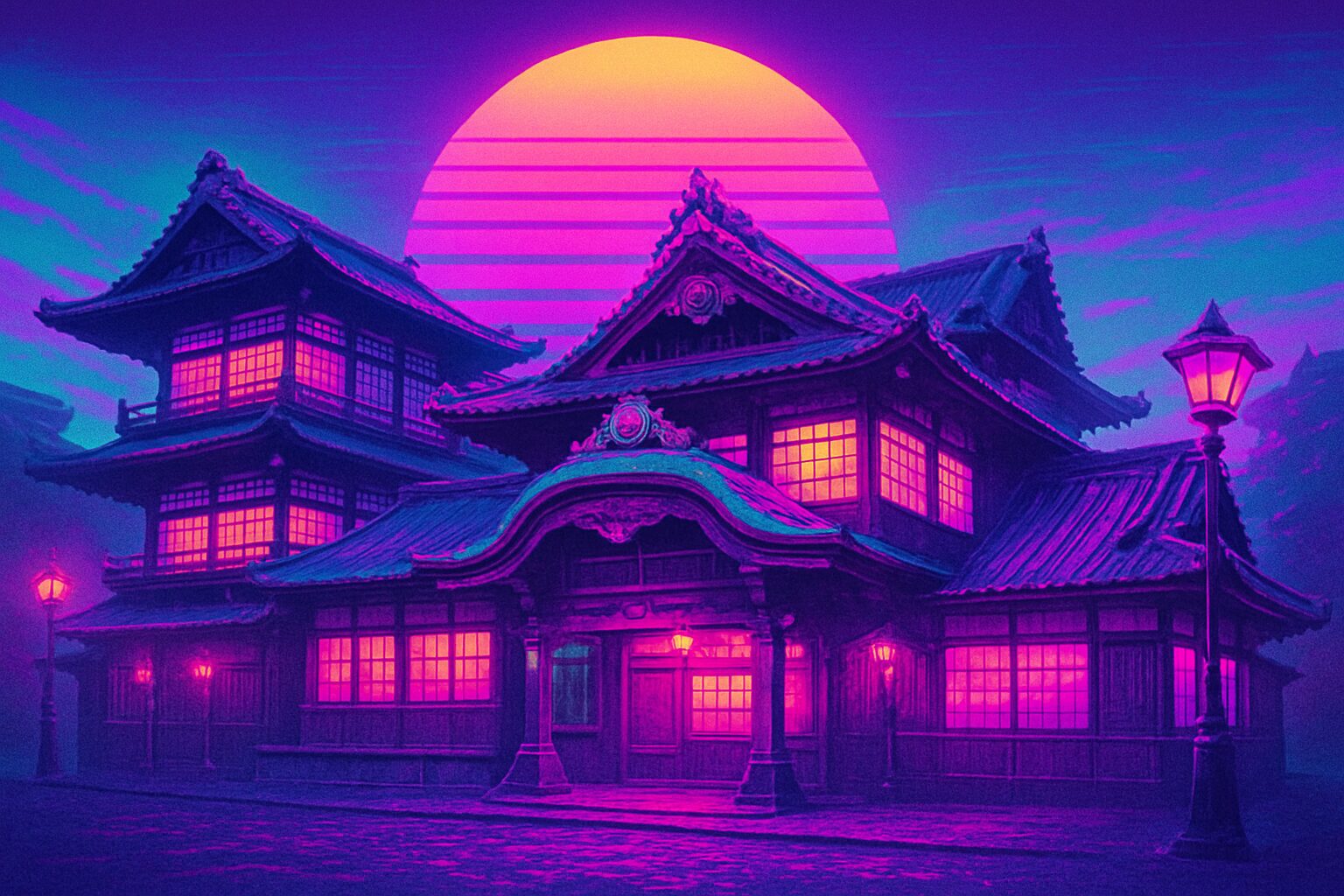
Yo, what’s good? Let’s get real for a second. There are places you visit, and then there are places that visit you—they get under your skin, rewire your senses, and stick with you long after you’ve packed your camera away. Dogo Onsen in Matsuyama, Ehime Prefecture, is one of those spots. It’s not just a travel destination; it’s a full-blown time slip. We’re talking about the oldest hot spring in Japan, with a history that stretches back a wild 3,000 years. Legends whisper about an egret healing its injured leg in these sacred waters, a story that set the stage for centuries of pilgrims, samurai, poets, and even emperors seeking solace and rejuvenation. But let’s be honest, for many of us, the real hook, the thing that makes your heart beat a little faster, is its uncanny resemblance to the magical bathhouse from Studio Ghibli’s masterpiece, Spirited Away. When you see the main bathhouse, the Dogo Onsen Honkan, lit up at dusk, with its intricate wooden architecture and steam ghosting into the cool night air, it’s not just a building. It’s a portal. You half-expect to see spirits and gods wandering the streets. This isn’t just about getting clean; it’s about soaking in layers upon layers of history, culture, and pure, unadulterated atmosphere. It’s a place that’s both intensely historic and vibing with a fresh, creative energy. It’s the kind of scene that makes you feel like you’ve stumbled upon one of Japan’s best-kept secrets, even though it’s been here forever. It’s legit a core memory waiting to happen.
For another destination that feels plucked straight from a Ghibli film, explore the charming port town of Tomonoura.
The Heart of Dogo: A Deep Dive into the Honkan
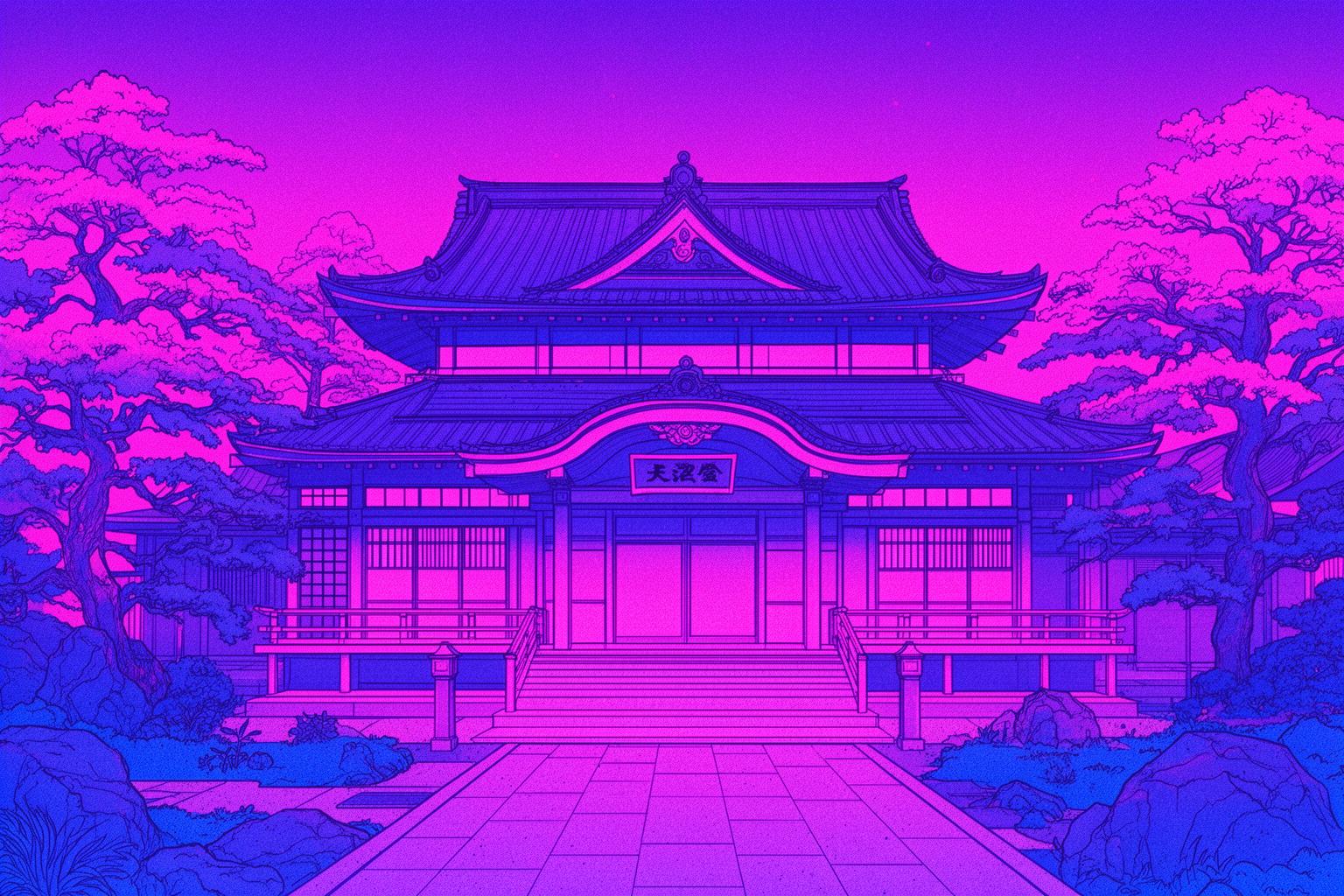
The Dogo Onsen Honkan is undeniably the star of this story. This grand, three-story wooden building, topped by the iconic Shinrokaku drum tower, is a designated Important Cultural Property of Japan, and truly, it’s a masterpiece. Constructed in 1894 during the Meiji Restoration—a time when Japan was rapidly modernizing—the Honkan represents a fascinating paradox. It was an innovative public health initiative cloaked in traditional castle and temple architectural styles. The mayor at the time, Isaniwa Yukiya, was a visionary who pushed the project forward despite significant opposition and limited funds. His goal was to create a spa accessible to everyone, from everyday townspeople to society’s elite. The outcome is a magnificent, maze-like marvel reminiscent of M.C. Escher’s designs, filled with winding staircases, tatami-lined rest lounges, and steamy bathing halls that seem suspended in their own timeless realm.
Approaching the building, the first thing that strikes you is its commanding presence. It’s not merely old; it feels ancient and alive. The dark wood, elegantly curved tiled roofs, and intricate latticework make it a photographer’s paradise. At its peak, the Shinrokaku tower houses a toki-daiko (time drum), struck thrice daily—at 6 a.m., noon, and 6 p.m. The deep, resonant tone echoes through the nearby streets, a rhythmic pulse that has marked time in Dogo for over a century. This sound connects you directly to history, a quietly profound moment you feel resonate within your chest.
Currently, the Honkan is undergoing an extensive, multi-year conservation and repair effort to secure its future for another hundred years. However, this isn’t an ordinary construction project. In a distinctively Japanese approach, the restoration itself has become an art form. The scaffolding is frequently adorned with large-scale art installations, such as photographer Mika Ninagawa’s vivid floral displays or a grand tribute to Osamu Tezuka’s Phoenix, transforming the building into a vibrant canvas even amidst restoration. This means that while some interior areas might be temporarily off-limits, visiting now offers a rare opportunity to witness this icon in a state of metamorphosis. Be sure to check the official Dogo Onsen website before your visit for the latest updates on accessible areas, but even with limited access, the experience is absolutely unforgettable. The primary first-floor bath, Kami no Yu (Bath of the Gods), has remained open for most of this period, ensuring the enduring spirit of Dogo continues to flow.
The Imperial Touch: The Yushinden
One of the most astonishing features of the Honkan is the Yushinden, the only bathhouse in all of Japan built exclusively for the Imperial Family. It’s essentially a bathhouse within a bathhouse—a stunningly beautiful suite of rooms constructed in 1899 for a planned visit by Emperor Meiji. Although he never visited, later emperors, including Emperor Showa, have walked these halls. Today, the Yushinden is preserved as a viewing area rather than a bathing facility, and taking a tour here is an absolute must. It feels like stepping into another world. The craftsmanship is exceptional, with rooms decorated in gold leaf paintings on sliding doors (fusuma), ornate metalwork, and ceilings made from single slabs of precious wood. The highlight is the imperial bathroom itself, the Gyokuza no Ma (Room of the Throne), made from the finest granite and marble, featuring a special raised toilet for the emperor. Every detail—from the custom furnishings to the private covered entrance designed to shield the royals from public view—reflects a level of reverence and artistry that is deeply humbling. Walking through these serene, lavish rooms gives a vivid sense of the profound cultural importance of Dogo Onsen, elevating it beyond a mere public bath to a site of national significance.
Beyond the Main Event: Asuka no Yu and Tsubaki no Yu
While the Honkan receives all the attention, the Dogo experience extends beyond it. The area is a genuine onsen theme park, featuring a few other key bathhouses that provide a distinctly different atmosphere.
Asuka no Yu: Modern Tradition
Just a short walk from the Honkan is Asuka no Yu, which opened in 2017. This bathhouse is a beautiful homage to the Asuka period (592-710), when Prince Shotoku is believed to have visited Dogo Onsen and praised its waters. The architecture is a contemporary take on Asuka style, showcasing clean lines and exquisite traditional crafts from throughout Ehime Prefecture. Inside, it’s spacious, bright, and impeccably clean. It features a marvelous open-air bath (rotenburo), where you can soak under the sky, surrounded by walls decorated with Tobe-yaki ceramic panels illustrating Dogo legends. Asuka no Yu also includes a large tatami lounge for relaxing after your bath, and here’s a unique feature: they occasionally host projection mapping shows in the courtyard and inside the special bathing room modeled after the Yushinden. This creates an exciting blend of ancient history and modern technology, offering a fresh yet equally authentic onsen experience. If the Honkan feels like stepping into a Ghibli film, Asuka no Yu feels like entering a modern art installation inspired by ancient Japan.
Tsubaki no Yu: The Local Hangout
Located right next to the Honkan and often overlooked by tourists is Tsubaki no Yu (Camellia Bath). This is the spot favored by locals. The building, more modern and utilitarian, dates back to 1953, and the atmosphere inside is straightforward. There are no fancy lounges or imperial suites here—just a large, clean, and spacious public bath with the same legendary Dogo waters flowing from its granite lion-head spouts. The vibe is entirely different—it’s lively with neighborhood residents, grandmas chatting with friends, and local workers washing off the day. It offers a glimpse of authentic everyday Japanese life. If you want to avoid the tourist crowds and enjoy a simple, relaxing soak, Tsubaki no Yu is the place to go. It’s also much cheaper than the other two, making it an excellent option for a quick, no-fuss dip. Visiting here makes you feel less like a tourist and more like part of the community, even if just for an hour.
The Sensory Overload: Strolling the Dogo Haikara Dori
Linking the Dogo Onsen tram station to the main bathhouse is the Dogo Haikara Dori, a covered shopping arcade offering a full sensory experience. The name means “Stylish Street,” and it’s a lively, bustling thoroughfare filled with souvenir shops, restaurants, and snack stands. The atmosphere here is electric. You’ll spot streams of visitors clad in yukata (light cotton kimonos) provided by their ryokans, their wooden geta sandals creating a distinctive clacking noise on the pavement. The air is richly scented with the sweet aroma of roasting dumplings and the savory fragrance of freshly grilled seafood.
This is the place to embark on a culinary treasure hunt. You simply must try the local specialties. First on the list is the Botchan Dango. These are sweet rice dumplings served in skewers of three: green (matcha), yellow (egg), and brown (red bean). They were popularized by Natsume Soseki’s novel Botchan and are an iconic Dogo treat. Next, try some Jakoten. This is a fried patty made from ground local fish, bones included. It may sound intense, but it’s delicious—savory, slightly chewy, and bursting with umami. It’s an ideal warm snack for a chilly evening. And since you’re in Ehime, the citrus capital of Japan, you must indulge in all things mikan (mandarin orange). You’ll find stands selling incredibly fresh mikan juice, mikan-flavored soft-serve ice cream, mikan jellies, and even mikan-infused sake. The shops also offer beautiful Imabari towels, another famous Ehime product known for their exceptional softness and absorbency, as well as Tobe-yaki pottery. This arcade is the perfect spot to wander, sample, and pick up unique souvenirs before or after your bath.
More Than Just a Bath: Exploring the Dogo Area
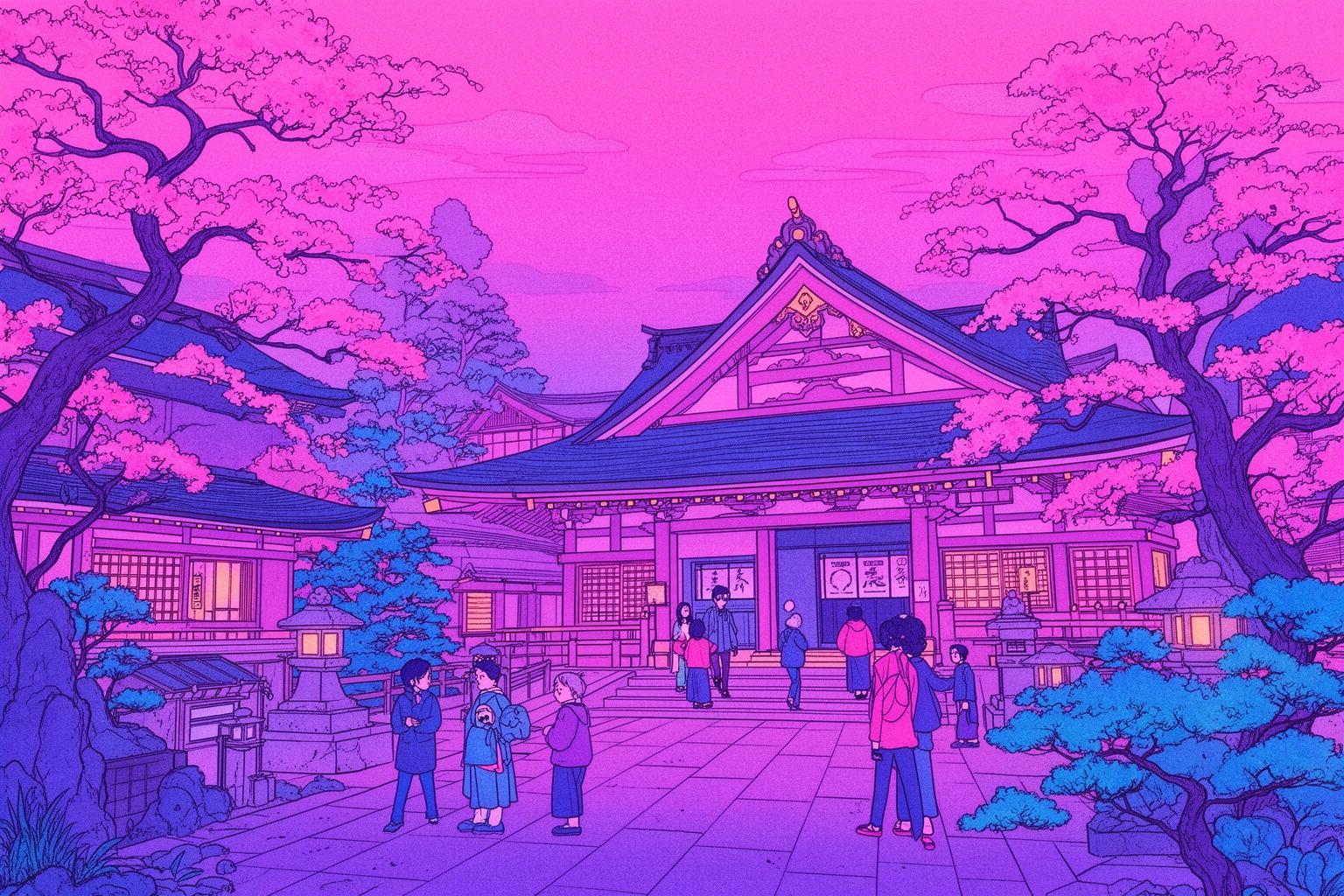
It’s tempting to simply hop between the bathhouses and the shopping arcade, but the Dogo area has much more to offer if you take the time to explore it.
The Botchan Karakuri Clock and Footbaths
Right at the entrance to the shopping arcade stands the Botchan Karakuri Clock. This charming clock tower comes alive every hour (and every 30 minutes on weekends and holidays) from 8 a.m. to 10 p.m. As music plays, the clock rises and transforms, unveiling intricate, moving figurines of characters from Soseki’s novel Botchan. It’s a whimsical and enchanting display that always attracts a crowd. Adjacent to the clock is a free public footbath, or ashiyu. Soaking your feet in the warm onsen water while watching the world go by is one of Dogo’s simple pleasures. It’s a highly social spot where you can chat with fellow travelers or simply relax. A little further up the hill toward Isaniwa Shrine, you’ll find a larger footbath offering a quieter, more reflective atmosphere.
Isaniwa Shrine and Ishite-ji Temple
For a touch of spiritual energy, take a short walk from the Honkan up a steep set of stone steps to Isaniwa Shrine. This striking shrine, built in the rare Hachiman-zukuri style, is dedicated to Emperor Chuai, Empress Jingu, and Emperor Ojin. Its bright vermilion buildings stand out beautifully against the green forest backdrop. The main hall is connected to the gate by a captivating, long corridor that feels almost cinematic. The view from the top, overlooking the rooftops of Dogo, makes the climb well worth it.
A bit further away, about a 15-minute walk from the onsen district, sits Ishite-ji Temple. This is Temple 51 on the renowned Shikoku 88-temple pilgrimage route. It’s a sprawling, atmospheric complex with a history dating back to the 8th century. The temple grounds resemble a mystical theme park, filled with ancient wooden buildings, a three-storied pagoda, and numerous moss-covered statues. Don’t miss the temple’s underground tunnel, a dark, winding passage lined with stone carvings and Buddhist statues that leads to a separate part of the grounds. It’s slightly spooky, somewhat thrilling, and a uniquely profound spiritual experience.
The Literary Connection: Natsume Soseki’s Botchan
To truly capture the Dogo vibe, it’s important to understand its link to one of Japan’s most renowned modern novelists, Natsume Soseki. In 1895, Soseki spent a year in Matsuyama teaching English, a time that inspired his cherished novel, Botchan. The book offers a semi-autobiographical, satirical portrayal of a brash young teacher from Tokyo who clashes with the provincial attitudes of his students and colleagues in rural Shikoku. Dogo Onsen plays a central role in the story; the protagonist often visits to relax and escape the stresses of his job. Soseki’s depiction of the bathhouse—describing it as the only commendable feature in the town—cemented Dogo Onsen’s place in Japanese literary culture. The town has embraced this heritage wholeheartedly. References to Botchan are everywhere: from the clock and the dango to the tourist tram named the “Botchan Train” that runs between Dogo and Matsuyama city. This literary dimension adds a rich, narrative texture to the area. It feels as though you’re stepping through the pages of a classic tale, transforming Dogo from merely a historic site into a place with a unique character and a subtle, wry humor.
A Photographer’s Perspective: Capturing the Soul of Dogo
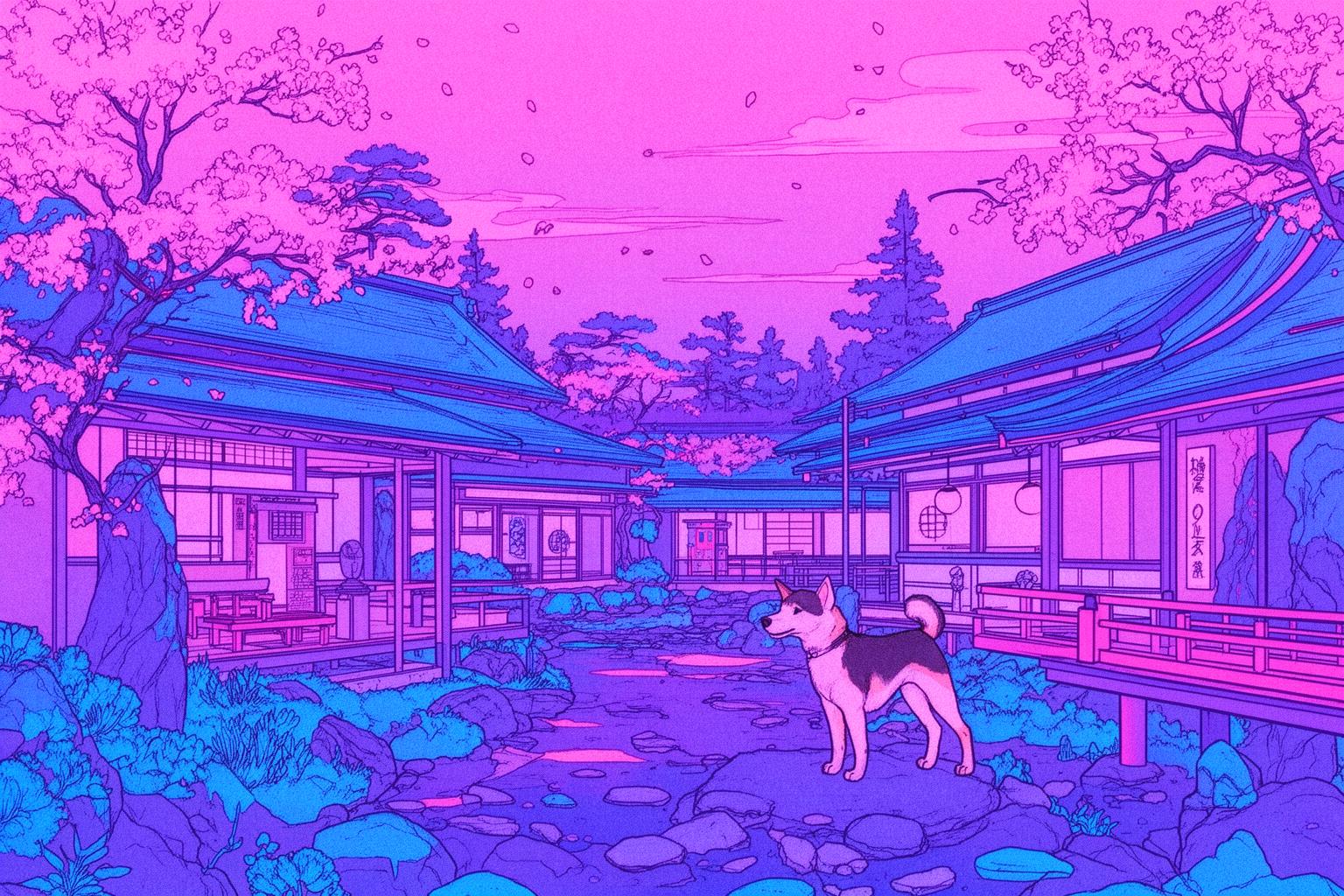
From a photographer’s perspective, Dogo is an absolute treasure. The true magic unfolds during the blue hour, that brief moment after sunset when the sky turns a deep, velvety blue and artificial lights begin to glow. This is when the Honkan truly comes alive. The warm light pouring from its paper-screened windows and the red lanterns hanging from the eaves create a stunning contrast against the cooling sky. Steam rising from the vents catches the light, adding an ethereal layer of mystery. This is the shot everyone seeks, the one that evokes Spirited Away. My advice is to find a spot across the street, ideally slightly elevated, and use a tripod for a long exposure. This will blur the movement of the crowds into a beautiful haze, letting the timeless architecture become the true star of the frame.
But don’t just aim for the iconic wide shot. The charm of Dogo lies in the details. Capture the textures: the weathered wood of the Honkan, the smooth, worn stone of the bathhouse floors, the intricate patterns on the yukata. Focus on the people: the blissful faces of those soaking in the footbaths, the concentrated chefs grilling jakoten, the laughter of families in the shopping arcade. The interplay of light and shadow in the narrow alleys around the main building is remarkable. And don’t forget to look upward. The complex rooflines of the Honkan against the sky offer a masterclass in composition. Dogo is a place that rewards slow, mindful photography. Set aside your checklist and simply wander, allowing your eye to catch the small moments of beauty that reveal the larger story of this extraordinary place.
Practicalities: Getting There and Getting Around
Reaching Dogo Onsen is surprisingly easy. The central hub is Matsuyama city in Ehime Prefecture on Shikoku Island. You can fly into Matsuyama Airport (MYJ), which offers frequent flights from Tokyo’s Haneda Airport and other major cities in Japan. From the airport, a convenient limousine bus will take you directly to the Dogo Onsen area in about 40 minutes. Alternatively, you can take the JR Shinkansen (bullet train) to Okayama on the mainland and then transfer to the JR Shiokaze Limited Express train, which reaches Matsuyama Station in roughly 2.5 hours. This scenic route crosses the stunning Great Seto Bridge.
Once in Matsuyama, the best way to reach Dogo Onsen is by tram. The city is served by a charming streetcar network operated by Iyo Railway. From JR Matsuyama Station or Matsuyama City Station, you can board a tram heading to Dogo Onsen. The trip takes about 20-25 minutes and drops you right at the entrance to the onsen district. For a touch of nostalgia, try riding the “Botchan Train,” a diesel-powered replica of the original steam locomotives that ran on the line during Soseki’s era. It’s a bit pricier and less frequent but offers a fun, tourist-friendly experience complete with conductors dressed in period costumes.
The Dogo Onsen area itself is very compact and easy to explore on foot. All the main attractions—the bathhouses, shopping arcade, clock tower, and Isaniwa Shrine—are just a few minutes’ walk apart. The best way to enjoy Dogo is to stay at a local ryokan, slip into the provided yukata and geta, and wander through the streets. This has become the unofficial uniform of Dogo, and you’ll find nearly everyone adopting it. It’s part of the charm and instantly immerses you in the relaxed, timeless atmosphere of the area.
Onsen Etiquette for First-Timers
If this is your first time visiting a Japanese onsen, don’t worry. The rules are quite simple and focus on keeping the water clean and the atmosphere relaxing for everyone. First, at the entrance to the changing room, you’ll remove your shoes and store them in a locker. Inside the changing room, you’ll undress completely—swimsuits are not allowed. You’ll receive a small towel (for modesty while walking around) and a large towel (for drying off afterward). Be sure not to lose the small towel.
Before entering the bath, you must wash your body thoroughly. Head to the washing area, which is equipped with small stools, faucets, and handheld showers. Sit on one of the stools (standing and splashing others is considered rude) and scrub yourself clean using the provided soap and shampoo. Once you’ve rinsed off, you’re ready to enter the main bath. Ease into the water slowly, as it can be quite hot. The small towel should never go into the bath water; most people place it on the bath’s edge or, skillfully, fold it and balance it on their head. The main purpose is to relax and soak. Onsen are places for quiet reflection, so avoid loud talking or splashing. After you finish, return to the changing room. You can take a final rinse if you want, though many don’t because they believe the minerals in the onsen water benefit the skin. Use your large towel to dry thoroughly before returning to the main changing area to get dressed. It’s all pretty simple, and after your first time, you’ll feel like a seasoned visitor.
Leaving Dogo, But Not Behind
Dogo Onsen possesses a gentle magic that lingers long after you leave. It’s more than its history, stunning architecture, or even its ties to Ghibli. It’s the sense of shared relaxation, a town centered on the simple yet profound ritual of bathing. It’s the rhythm of the toki-daiko drum, the clack of wooden sandals on stone, the sweetness of dango, and the sight of steam rising into the night air. You come to cleanse the dirt and weariness of travel, but you end up shedding some of the stress and noise of modern life as well. You depart feeling lighter, refreshed, and deeply connected to Japan’s quiet, enduring spirit. Dogo Onsen isn’t just a spot on the map; it’s a feeling, a contented sigh that reverberates through time. It’s a place that nails everything perfectly, a timeless classic that somehow still feels brand new. Go. Immerse yourself completely. You won’t just be carried away; you’ll be truly rejuvenated.